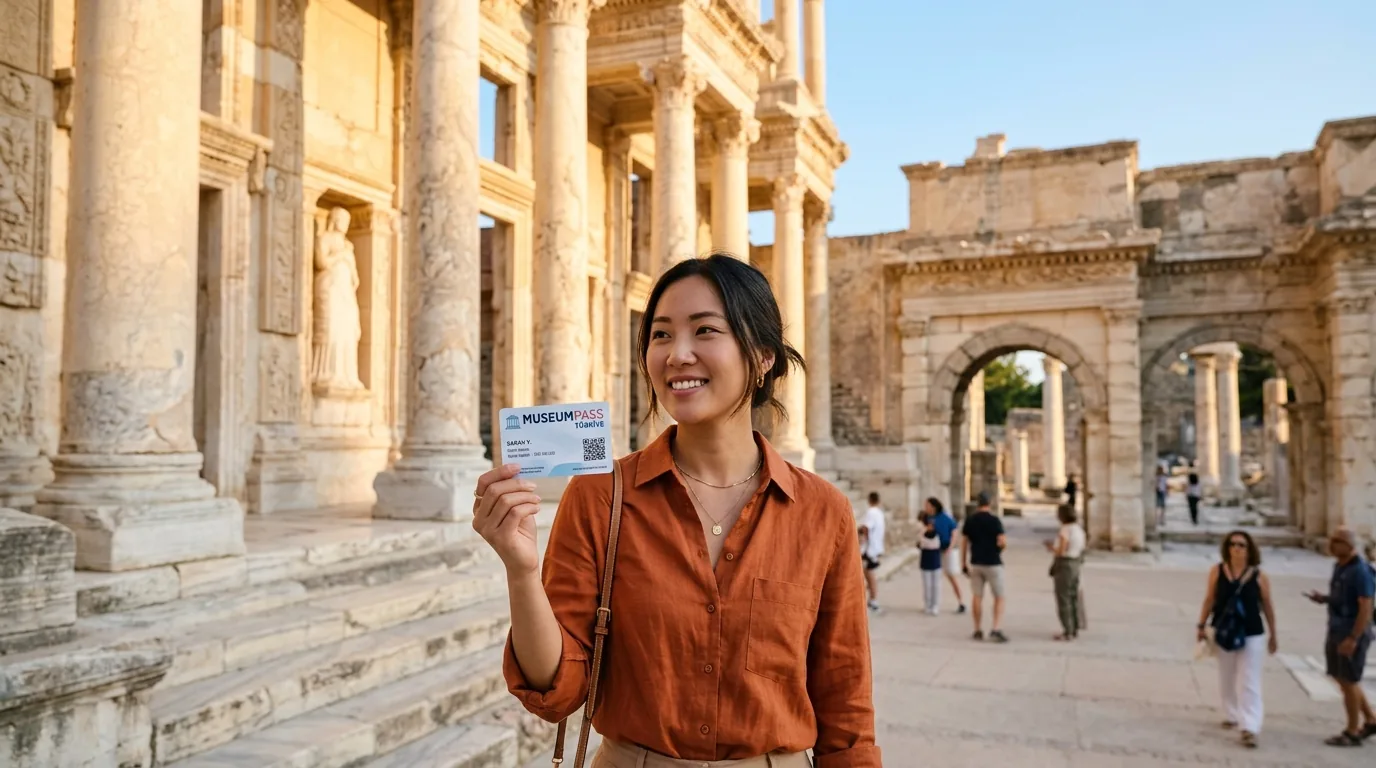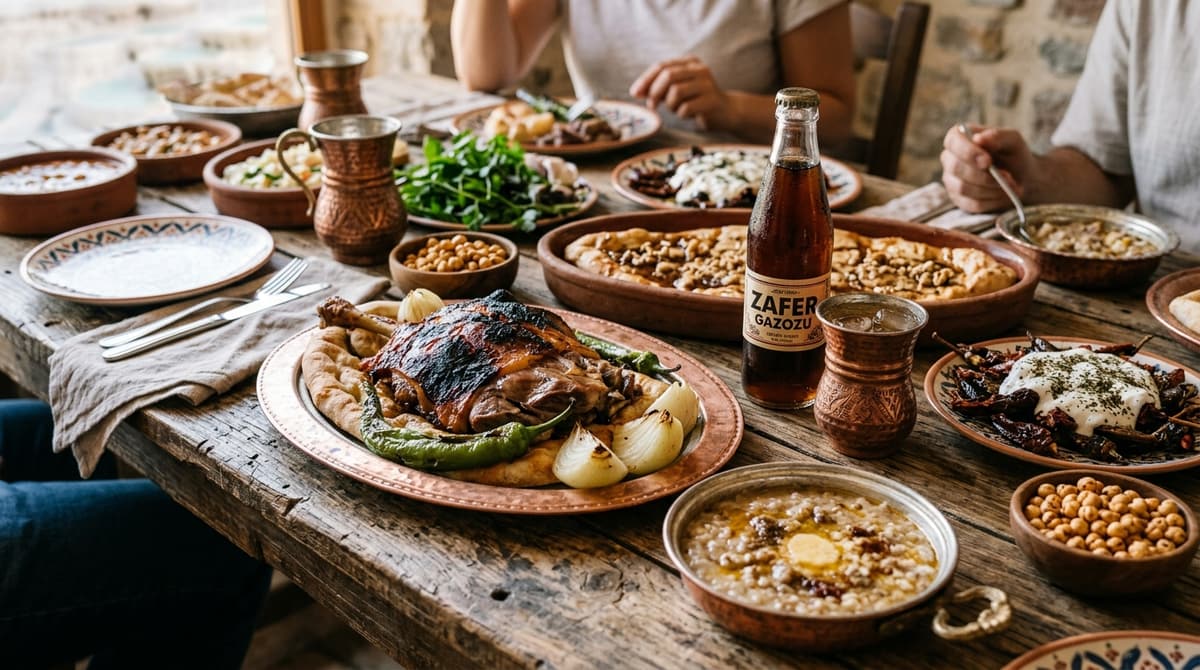

Curious about what makes the culinary culture of Denizli so special? In this 2026 gastronomy and local flavor guide, we explore 15 officially registered geographical indication delicacies alongside 6 iconic cultural and sightseeing stops you should experience during your visit.
Quick Highlights & Discovery Route in Denizli
- Denizli Chickpea
- Buldan Chestnut
- Buldan Woven Cloth
- Çameli Beans
- İsabey Seedless Grape
- Acıpayam Melon
- Attouda Ancient City & Hisarköy
- Taşdelen Plateau & Nature Trail
- Eumania Ancient City
Local Culinary Culture, Artisan Restaurants & Traditional Flavors of Denizli
The kitchen of Denizli reflects the authentic agricultural heritage and centuries-old cooking techniques of Denizli. From slow-simmered wood-fired meat dishes and handmade dough specialties to village breakfasts, organic dairy products, and seasonal syrupy desserts, dining in Denizli is a cultural journey in itself.
- Traditional Artisan Restaurants (Esnaf Lokantaları): Visit central local eateries at lunchtime for daily copper-pot stews, regional soups, and oven-baked specialties.
- Village Breakfast & Natural Produce: Start your morning in Denizli with local cheeses, stone-oven bread, olives, clotted cream, and natural blossom or pine honey.
- Registered Delicacies: Pair your meal with the officially registered geographical indication products of Denizli listed below.
What to Eat in Denizli? Registered Local Delicacies & Gastronomy
A trip to Denizli is incomplete without tasting its officially registered geographical indication products and centuries-old Anatolian recipes:
1. Denizli Chickpea (İşlenmiş ve işlenmemiş meyve ve sebzeler ile mantarlar)

Denizli Roasted Chickpea is a geographically indicated value of ours, unique to the Denizli region and registered by the Turkish Patent and Trademark Office on 25.05.2010 (with registration number 134).
View Official Geographical Indication Dossier for Denizli Chickpea →
2. Buldan Chestnut (İşlenmiş ve işlenmemiş meyve ve sebzeler ile mantarlar)
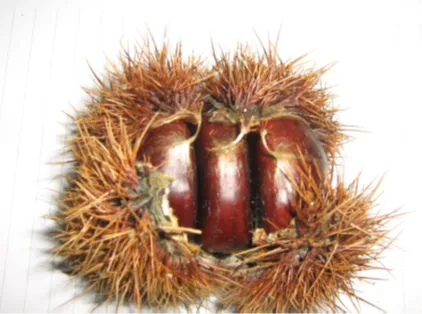
Sweet, large and shiny mountain chestnuts collected from the chestnut groves at the foothills of Süleymanlı Plateau lake.
History: The indispensable roasted flavor of plateau tourism and winter nights.
View Official Geographical Indication Dossier for Buldan Chestnut →
3. Buldan Woven Cloth (Dokumalar)
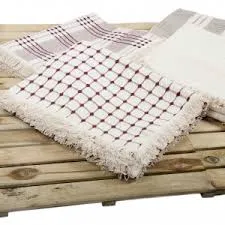
Traditional weaving woven from 100% twisted cotton yarn, gaining a curlicue texture when washed, absorbing sweat, keeping cool and does not require ironing.
History: The 700-year-old capital of weaving, which wove underwear and caftans for the Ottoman sultans, and where Yıldırım Bayezid's wedding dress and Young Osman's shirt were woven.
Production Method: Natural vegetable dyes (walnut, acorn) are used; It is woven on hand and semi-automatic looms.
View Official Geographical Indication Dossier for Buldan Woven Cloth →
4. Çameli Beans (İşlenmiş ve işlenmemiş meyve ve sebzeler ile mantarlar)

Dermason dry beans, grown in the air of the plateau surrounded by high-altitude pine forests, are thin-skinned, easy to cook, easy to digest and high in protein.
History: The tradition of ancestral seed beans fed by spring waters on the high plateau of the Taurus Mountains.
Production Method: No chemical fertilization; It is grown with natural animal manure and clean plateau water.
View Official Geographical Indication Dossier for Çameli Beans →
5. İsabey Seedless Grape (İşlenmiş ve işlenmemiş meyve ve sebzeler ile mantarlar)
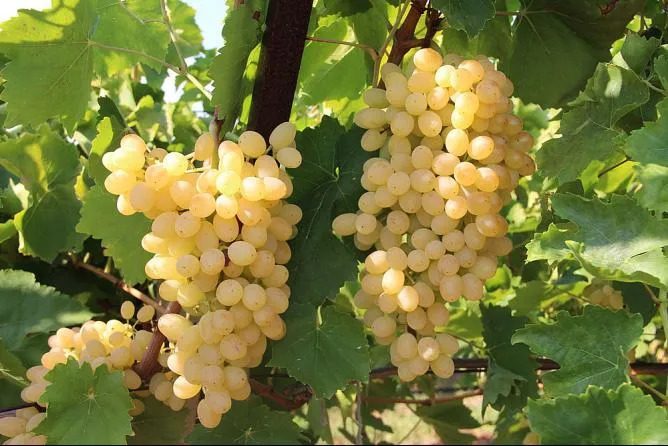
İsabey Seedless Grape is a value with an official Origin Name and geographical indication, specific to the Denizli region, registered by the Turkish Patent and Trademark Office on 01.08.2006 (with registration number 81).
View Official Geographical Indication Dossier for İsabey Seedless Grape →
6. Acıpayam Melon (İşlenmiş ve işlenmemiş meyve ve sebzeler ile mantarlar)
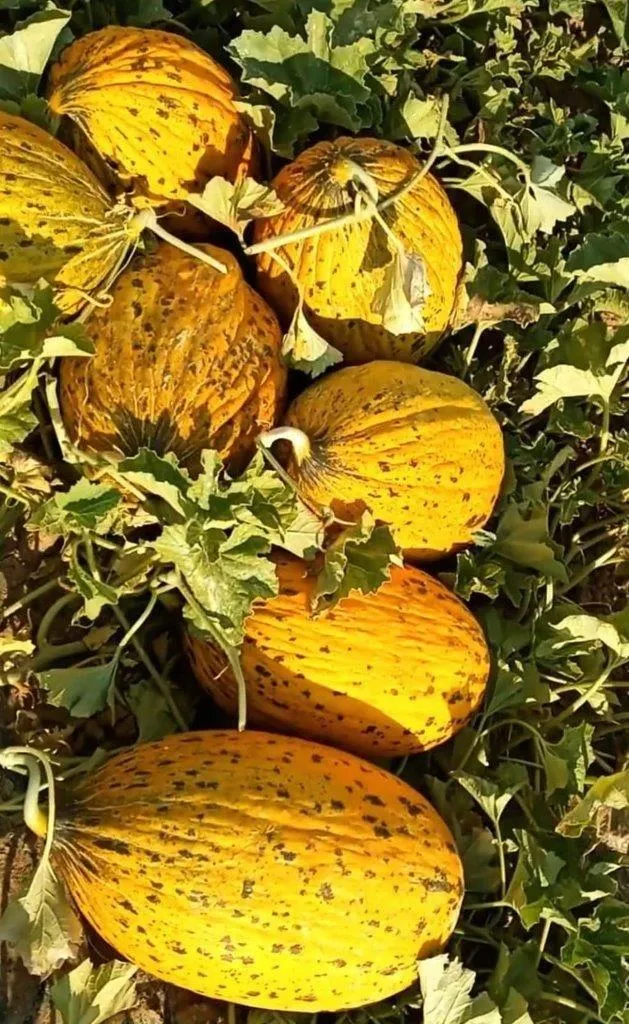
Sweet, fragrant, sliced local melon grown in Acıpayam Plain.
History: Winter melon that ripens in the cool nights of the high altitude plains.
View Official Geographical Indication Dossier for Acıpayam Melon →
7. Çameli Elmalı Woven Cloth (Dokumalar)
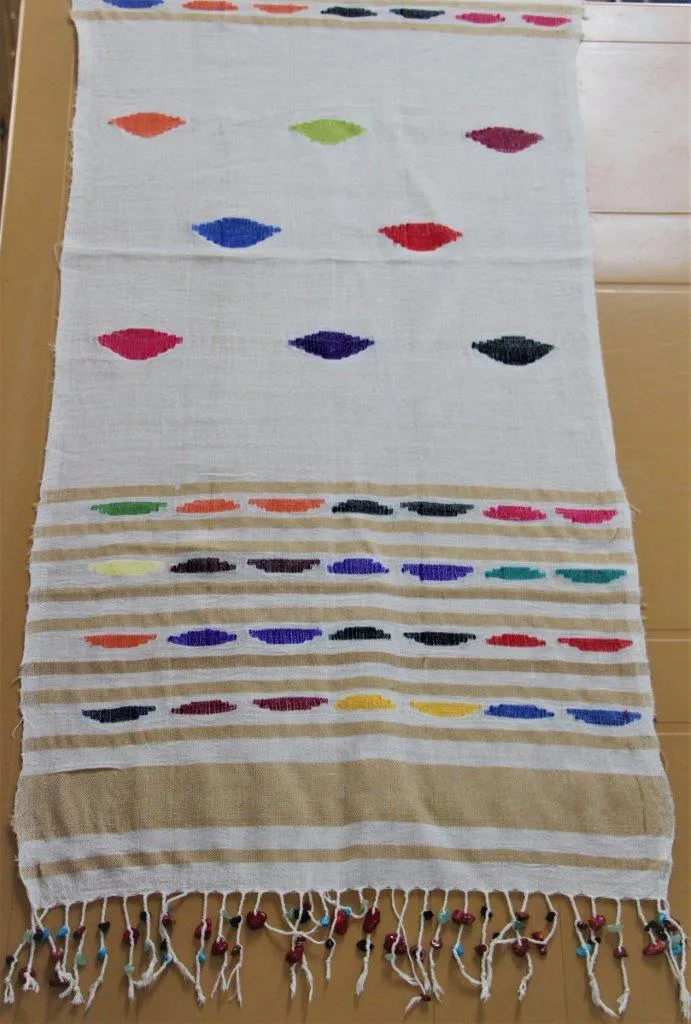
Çameli Elmalı Cloth is a geographically indicated value of ours, unique to the Denizli region and registered by the Turkish Patent and Trademark Office on 23.11.2020 (with registration number 603).
View Official Geographical Indication Dossier for Çameli Elmalı Woven Cloth →
8. Babadağ Thyme Honey (Bal)

Babadağ Thyme Honey is a geographically indicated value of ours, unique to the Denizli region and registered by the Turkish Patent and Trademark Office on 23.12.2020 (with registration number 638).
View Official Geographical Indication Dossier for Babadağ Thyme Honey →
9. Çameli Rug (Halılar ve kilimler)
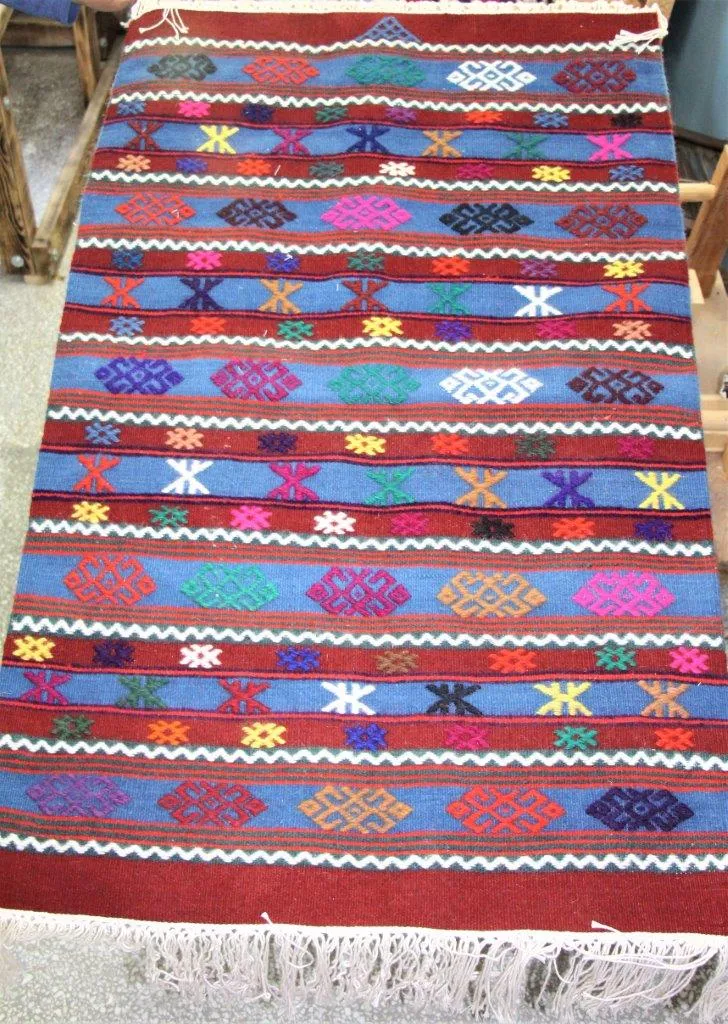
Çameli Kilim is a geographically indicated value of ours, unique to the Denizli region and registered by the Turkish Patent and Trademark Office on 23.11.2020 (with registration number 604).
View Official Geographical Indication Dossier for Çameli Rug →
10. Denizli Çalkarası Grape/Denizli Çalkarası (İşlenmiş ve işlenmemiş meyve ve sebzeler ile mantarlar)
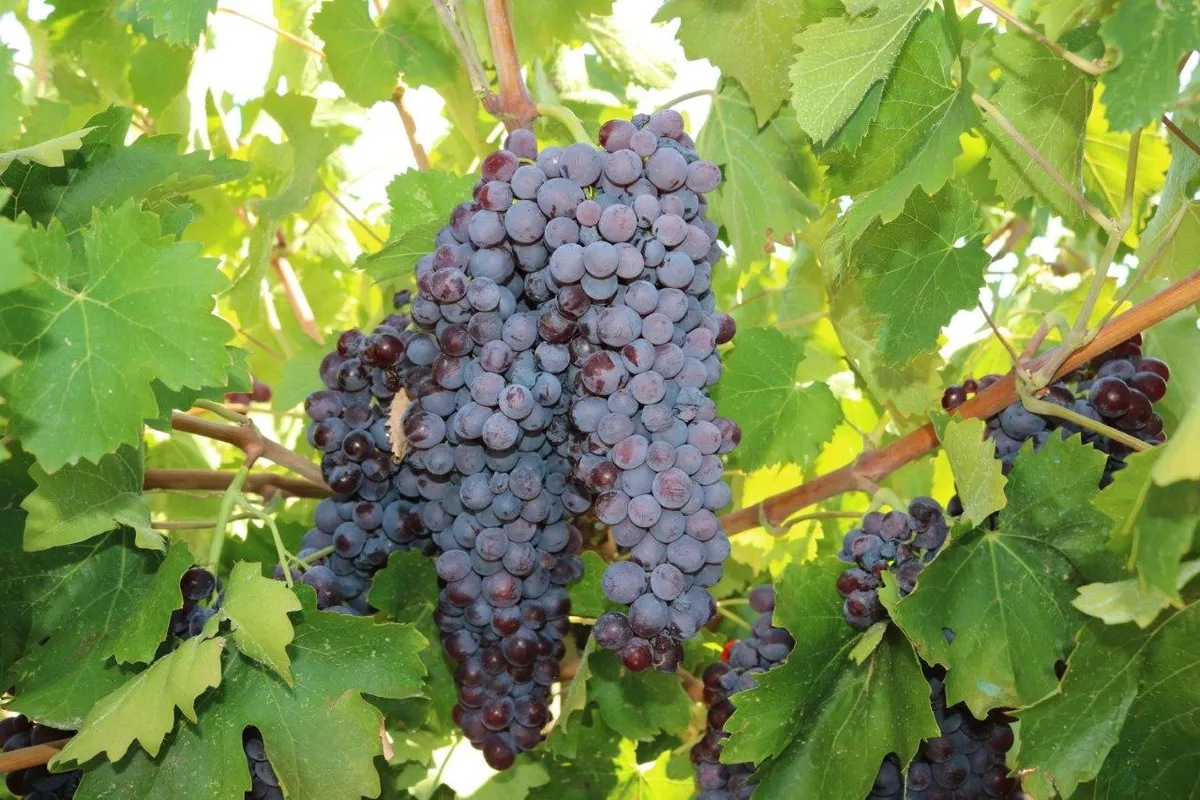
Denizli Çalkarası Grape/Denizli Çalkarası is a geographically indicated value with its official Origin Name, specific to the Denizli region, registered by the Turkish Patent and Trademark Office on 07.12.2020 (with registration number 616).
View Official Geographical Indication Dossier for Denizli Çalkarası Grape/Denizli Çalkarası →
11. Denizli Thyme (Yiyecekler için çeşni / lezzet vericiler, soslar ve tuz)
Denizli Thyme is a value with a geographical indication of its official Origin Name, specific to the Denizli region, registered by the Turkish Patent and Trademark Office on 07.04.2021 (with registration number 714).
View Official Geographical Indication Dossier for Denizli Thyme →
12. Kızılhisar Glass (Halılar, kilimler ve dokumalar dışında kalan el sanatı ürünleri)
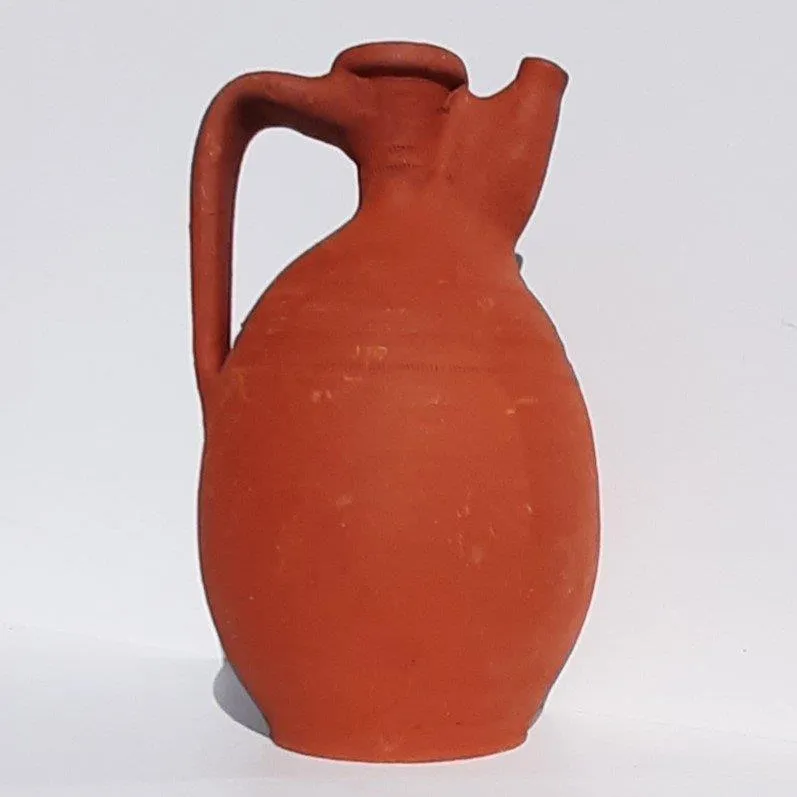
Kızılhisar Glass is a geographically indicated value of ours, unique to the Denizli region and registered by the Turkish Patent and Trademark Office on 18.02.2025 (with registration number 1703).
View Official Geographical Indication Dossier for Kızılhisar Glass →
13. Acıpayam Çakır Carrot (İşlenmiş ve işlenmemiş meyve ve sebzeler ile mantarlar)

Acıpayam Çakır Carrot is a geographically indicated value of ours, unique to the Denizli region and registered by the Turkish Patent and Trademark Office on 04.09.2026 (with the registration number 1897).
View Official Geographical Indication Dossier for Acıpayam Çakır Carrot →
14. Denizli Tandoori Kebab (Yemekler ve çorbalar)
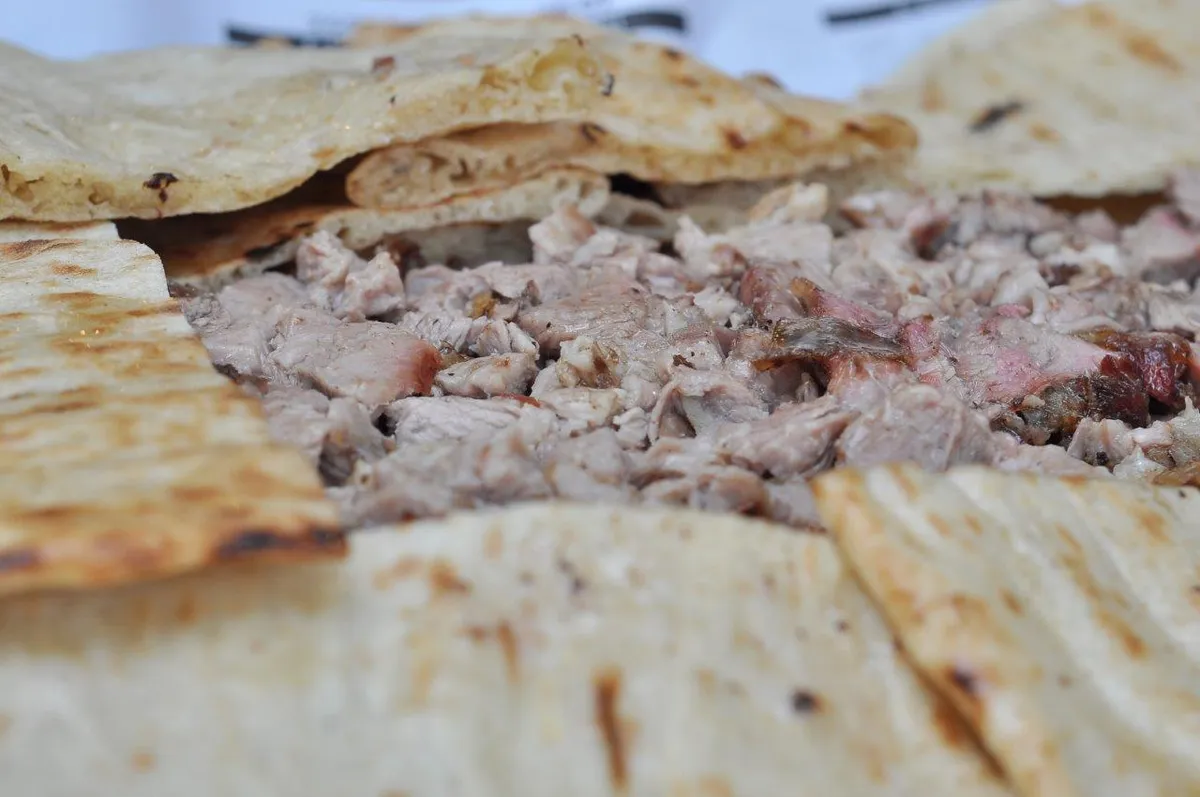
The lamb meat is cooked in special tandoor ovens over gum wood fire for 4 hours and eaten with hands without a fork.
History: The legendary kebab served on pita bread in the historical Kaleiçi Bazaar for 150 years.
View Official Geographical Indication Dossier for Denizli Tandoori Kebab →
15. Denizli Travertine (Diğer ürünler)

White, cream and noce natural building stone precipitated from thermal waters rich in calcium hydrocarbonate.
History: World-famous luxury facing stone of the UNESCO World Heritage Pamukkale basin.
View Official Geographical Indication Dossier for Denizli Travertine →
Top Verified Local Flavors & Gastronomy & Must-See Landmarks in Denizli
1. Attouda Ancient City & Hisarköy

Free Public Access • GPS: 37.8368, 28.8127
History and General Information / Local Legends and Folklore
Attouda Ancient City is a unique ruin built on a steep hill overlooking the Babadağ range on the steep slopes of Karadağ. Today, Hisarköy village settlement and ancient ruins live side by side. The city was famous for the worship of Men Karou and the cult of Asklepios, the god of medicine, during the Hellenistic, Roman and Byzantine periods; Ancient inscriptions, sarcophagus fragments and column capitals stand out on the walls of the villagers' houses.
Geographical Structure, Altitude and Natural Features
It is located on a forested mountain slope at an altitude of 850 meters; It overlooks the magnificent Menderes Plain view.
Visiting Hours, Days and Entrance Fees
- Entrance Fee: It is a living village and archaeological site and entrance is free.
- Visiting Hours: Can be visited freely in daylight.
- Safety Rules: Village streets are sloped and paved; Comfortable shoes are recommended.
- Facilities: There is a village coffee house and a grocery store.
Transportation, Public Transit Routes and Exact Location
- Full Address: Hisarköy District, Sarayköy / Denizli.
- Address / Open Location: Attouda Ancient City & Hisarköy Mevkii, Sarayköy, Denizli, Turkey
- Road Condition: It is 18 km from Sarayköy center; The winding mountain is reached via asphalt road.
- Public Transportation: Village minibuses depart from Sarayköy at certain hours or by taxi.
- Parking: There is a car parking area in the village square.
Contextual Experience Tips, Photography and Local Gastronomy
- Best Frames: Ancient Roman reliefs built on the stone walls of village houses and the observation deck overlooking the plain.
- Authentic Experience: You should drink tea in the village coffee house and listen to the centuries-old stories of the ancient city from the villagers.
Explore Full 5-Section Guide & Map for Attouda Ancient City & Hisarköy →
2. Taşdelen Plateau & Nature Trail

Free Public Access • GPS: 37.8064, 28.9263
History and General Information / Local Legends and Folklore
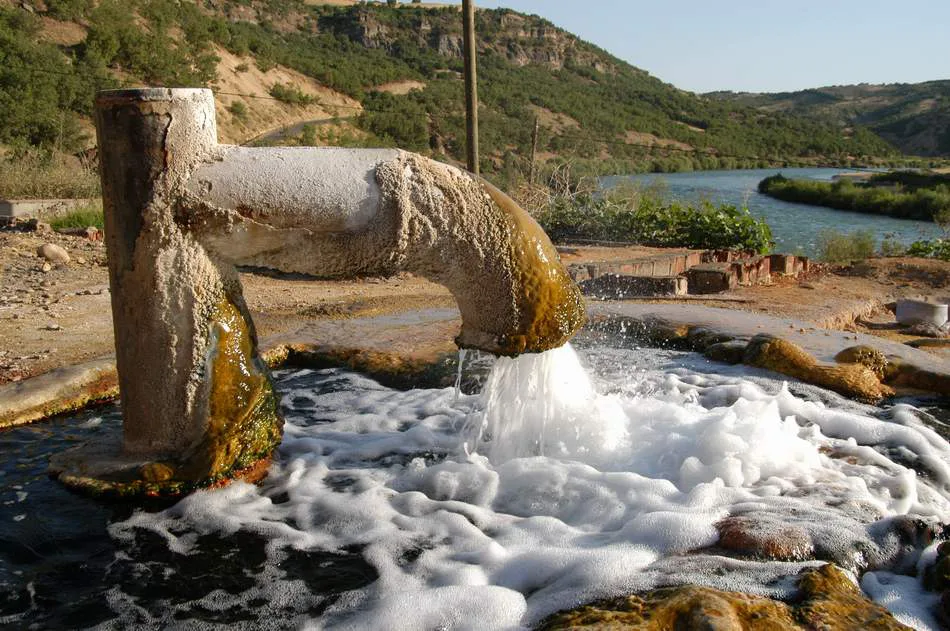
Taşdelen Plateau is an ancient plateau and recreation area located on the high ridges of Babadağ, taking its name from the ice-cold spring waters that gush out by piercing the steep rocks. For centuries, Babadağ weavers and mountain villagers have migrated to this plateau in the summer heat, cooled off and rested with the spring waters. Local legend tells that when a saint who was thirsty on the mountain hit the rock with his staff, this lush spring gushed out of the stone and its water is healing for digestive and stomach disorders.
Geographical Structure, Altitude and Natural Features
The plateau is located at an altitude of approximately 1,350 meters. It is a spacious plateau surrounded by centuries-old larch, chestnut and oak trees. The air is rich in oxygen and refreshing.
Visiting Hours, Days and Entrance Fees
- Entrance Fee: Open to the public, free of charge.
- Visiting Hours and Days: Open 24 hours a day, 7 days a week; Visiting during daylight hours is recommended.
- Rules, Safety and Stroller/Disabled Access: Features scenic mountain trails; Against the danger of forest fire, fire should only be lit in designated fireplaces.
- Facilities and Facilities: Natural plateau fountains, picnic tables and shaded areas are available.
Transportation, Public Transit Routes and Exact Location
- Address / Open Location: Denizli province, Babadağ district, Taşdelen Yayla Mevkii, 20900 Babadağ/Denizli.
- Road Condition and Vehicle Availability: It is approximately 10 km away from Babadağ district center; Most of the road is asphalt and the last part is a stabilized forest road; It can be reached with careful driving by passenger vehicles.
- Real Public Transportation Information: There is no regular public transportation; It can be reached by private vehicle or trekking route.
- Parking Availability: Cars can be parked free of charge on the plateau plains.
Contextual Experience Tips, Photography and Local Gastronomy
- Best Photography Spots and Frames: Views of fog filtering into the valley through centuries-old pine trees and the view of the spring gushing from the stone provide wonderful photographs.
- Light and Shooting Hours: Early morning hours (08:00 - 10:30) are ideal for capturing light refractions in the forest.
- Local Gastronomy Recommendations: It is recommended to have a picnic with fresh mountain thyme tea brewed from Taşdelen spring water and Babadağ pastry.
Explore Full 5-Section Guide & Map for Taşdelen Plateau & Nature Trail →
3. Eumania Ancient City

Free Public Access • GPS: 38.3236, 29.8503
History and General Information / Local Legends and Folklore
Eumania (Eumeneia) Ancient City was built in the 2nd century BC by the Ruler of the Kingdom of Pergamum II. It is a strategic Phrygian-Hellenistic border city founded by Eumenes. The city, which was a bishopric center during the Roman and Early Christian periods, has city walls, ancient water sources, ruins of columned streets and monumental tombstones.
Geographical Structure, Altitude and Natural Features
It was established at an altitude of 880 meters, on the hillside overlooking the Işıklı Plain and lake.
Visiting Hours, Days and Entrance Fees
- Entrance Fee: It is an open archaeological site and entrance is free.
- Visiting Hours: It can be visited freely at any time of the day.
- Safety Rules: Ancient ruins are scattered throughout the landscape; Comfortable walking shoes are recommended.
- Facilities: The facilities in Işıklı town center can be used.
Transportation, Public Transit Routes and Exact Location
- Full Address: Işıklı Mahallesi, Çivril / Denizli.
- Address / Open Location: Eumania Ancient City Mevkii, Çivril, Denizli, Turkey
- Road Condition: It is 22 km away from Çivril district center; It is reached by asphalt road.
- Public Transportation: Işıklı minibuses departing from Çivril and reach the town directly.
- Parking: Parking is available in the village square and near the ruins.
Contextual Experience Tips, Photography and Local Gastronomy
- Best Frames: Panoramic view overlooking Işıklı Lake and its plain through the ancient city walls.
- Cultural Tip: The historical mosques and fountains in Işıklı Town should also be visited on the same route.
Explore Full 5-Section Guide & Map for Eumania Ancient City →
4. Hüsamettin Dede Tomb & Social Complex

Free Public Access • GPS: 37.9790, 29.6108
History and General Information / Local Legends and Folklore
Hüsamettin Dede (Alp Gazi Hüsamettin Gazi) was a great commander and veteran dervish who came to Anatolia from Khorasan in the 13th century during the reign of Seljuk Sultan Alaeddin Keykubad I and conquered and Turkified Denizli and the Baklan Plain. He established his headquarters in the 'Dede Düzü' location, a hill overlooking the Baklan Plain, and both guided the people of the region and defended the border areas. His tomb, built of cut stone in the Seljuk style after his death, has been the most respectful visiting place of the local people for centuries. According to local traditions, it is believed that Hüsamettin Dede carried a sword in one hand and the Quran in the other during battles, and that prayers said at his grave were accepted.
Geographical Structure, Altitude and Natural Features
The tomb is located on Dede Düzü Hill at an altitude of approximately 970 meters. It has a high, spacious and spiritual terrace shaded by pine trees overlooking the Baklan Plain and Beşparmak Mountains.
Visiting Hours, Days and Entrance Fees
- Entrance Fee: Open to the public, free of charge.
- Visiting Hours and Days: It is open for visits and prayers 7 days a week between 08:00 - 19:00.
- Rules, Security and Baby Stroller/Disabled Access: Must enter with attire appropriate to moral etiquette. The tomb courtyard is level and accessible for disabled and strollers.
- Facilities and Facilities: There is a prayer room, fountain, resting pergolas and WC.
Transportation, Public Transit Routes and Exact Location
- Address / Open Location: Denizli province, Baklan district, Dede Düzü Mevkii Tomb Area, 20870 Baklan/Denizli.
- Road Condition and Vehicle Availability: It is 1.5 km from Baklan town center; The road is asphalt and can be easily reached by all kinds of passenger vehicles.
- Real Public Transportation Information: You can reach Baklan district center by taxi or a 15-minute walk.
- Parking Availability: There is free car parking at the entrance of the tomb.
Spiritual Visiting Etiquette and Commemoration Guidelines
- Spiritual Visit and Prayer Etiquette: One should not speak loudly at the grave, maintain peace, and pray for blessings by reciting the Surah Fatiha and Ihlas.
- Documentary & Respectful Shooting: Selfies or disrespectful shots at the grave should be avoided; Seljuk stonework and spiritual hill silhouette should be photographed with dignity.
- Important Commemoration Days: An intense spiritual bonding takes place on the Commemoration of Hüsamettin Dede and Rain Prayer days, which are held every year in spring and summer.
- Local Spiritual Tradition: Offering halva, lokma and sherbet to visitors in the courtyard of the tomb is a deep-rooted Baklan tradition.
Explore Full 5-Section Guide & Map for Hüsamettin Dede Tomb & Social Complex →
5. Acıpayam City Park & Culture Square

Free Public Access • GPS: 37.4277, 29.3506
History and General Information / Local Legends and Folklore
Located in the heart of Acıpayam district center, City Park and Culture Square is the main social meeting center of the district, surrounded by the town hall, government office and historical plane trees. The square where the symbols of Acıpayam's rich agriculture, animal husbandry and craft culture are exhibited; It is the indispensable address for holiday celebrations, local markets and summer evening conversations. It is a deep-rooted town tradition among the residents of the town to meet under the centuries-old plane trees in the park, drink strong tea and talk about the district's agenda.
Geographical Structure, Altitude and Natural Features
The square is located in the center of Acıpayam Plain, at an altitude of 895 meters. The park is greened with grand plane trees, ornamental pools, fountains and rose beds.
Visiting Hours, Days and Entrance Fees
- Entrance Fee: It is a public square open to the public, free of charge.
- Visiting Hours and Days: Open 24 hours a day, 7 days a week.
- Rules, Security and Baby Stroller/Disabled Access: The square is completely flat and very suitable for baby strollers and disabled wheelchairs.
- Facilities and Facilities: There are resting benches, tea gardens, cafeterias, restaurants, ATMs and WC.
Transportation, Public Transit Routes and Exact Location
- Address / Open Location: Denizli province, Acıpayam district center, Cumhuriyet Square No:1, 20800 Acıpayam/Denizli.
- Road Condition and Vehicle Availability: It is 56 km away from Denizli city center; It can be easily reached by all kinds of vehicles via the divided highway.
- Real Public Transportation Information: The central stop of Acıpayam district minibuses, which depart from Denizli Intercity Bus Terminal every 15 minutes, is in this square.
- Parking Availability: There are large municipal parking areas around the square.
Contextual Experience Tips, Photography and Local Gastronomy
- Best Photo Spots and Frames: The fountain pool, plane trees and Ataturk monument in the park offer nice town moments.
- Light and Shooting Hours: The cool hours of the morning and the hours when the evening lights are on are the most enjoyable times.
- Local Gastronomy Recommendations: You should try hot Acıpayam pita and kuku kebab from the historical ovens around the square, and drink strong tea in Çınaraltı.
Explore Full 5-Section Guide & Map for Acıpayam City Park & Culture Square →
6. Historical Khan Mosque & Fountain

Free Public Access • GPS: 37.8291, 29.6663
History and General Information / Local Legends and Folklore
The Historical Han Mosque, built right next to the Seljuk Khan-Abad Caravanserai for the worship of caravan travelers, is a sacred place that has been in service for centuries with its cut stone architecture and historical water dispenser/fountain.
Geographical Structure, Altitude and Natural Features
It is located at an altitude of 850 meters, in the historical bazaar and inn square.
Visiting Hours, Days and Entrance Fees
- Entrance Fee: It is a place of worship and entrance is completely free.
- Visiting Hours: It is open for worship 7 days a week, during adhan times and throughout the day.
- Facilities: There is a fountain, ablution room and a rest courtyard.
Transportation, Public Transit Routes and Exact Location
- Full Address: Saray Mahallesi Han Yanı, Çardak / Denizli.
- Address / Open Location: Historical Han Mosque & Fountain Location, Çardak, Denizli, Turkey
- Road Condition: It is located in the center of Çardak and can be reached on foot.
- Public Transportation: It is close to the stopping point of Çardak district minibuses.
- Parking: There are free street parking areas around the mosque.
Spiritual Visiting Etiquette and Commemoration Guidelines
- Spiritual Prayer Etiquette: Prayers should be made to the veteran ancestors of the caravan routes and water should be drunk from the historical fountain.
- Architectural Review: The cut stone workmanship and historical inscription of the mosque should be examined carefully.
Explore Full 5-Section Guide & Map for Historical Khan Mosque & Fountain →
Practical Travel & Transit Planning for Denizli (2026)
| Planning Category | Verified Local Information |
|---|---|
| Region & Administrative Center | Denizli, Türkiye |
| Best Time to Visit | Spring (April–June) and Autumn (September–November) for ideal sightseeing weather; Summer for highlands and coastal routes. |
| Public Transit & Highway Access | Regular municipal buses and local minibus cooperatives (Dolmuş) depart daily from the Denizli Intercity Bus Terminal (Otogar) directly to Genel. |
| Recommended Stay | 1 to 2 full days to explore the main historical landmarks, nature trails, and local culinary stops. |
Frequently Asked Questions About Visiting Denizli
What are the must-see places to visit in Denizli?
The top verified attractions in Denizli include Attouda Ancient City & Hisarköy, Taşdelen Plateau & Nature Trail, Eumania Ancient City, Hüsamettin Dede Tomb & Social Complex, Acıpayam City Park & Culture Square. Each location offers documented historical or natural heritage with clear road access.
How can I get to Denizli by public transport or car?
You can reach Denizli easily by car via Denizli's main provincial highways, or take regular municipal buses and district minibuses departing throughout the day from the Denizli central bus terminal (Otogar).
What are the famous local dishes and traditional foods to try in Denizli?
When visiting Denizli and Denizli, be sure to taste officially registered specialties such as Denizli Chickpea, Buldan Chestnut, Buldan Woven Cloth, Çameli Beans, İsabey Seedless Grape, prepared by local artisans and traditional restaurants.
Are the attractions in Denizli suitable for families and day trips?
Yes. Most historic monuments, parks, museums, and promenade areas in Denizli are family-friendly and well-suited for both weekend getaways and full-day cultural itineraries.
When is the best season to visit Denizli?
Spring and autumn offer the most comfortable temperatures for walking tours and photography in Denizli, while summer is popular for nature recreation, plateaus, and festivals.