
The Pearl of the Yeşilırmak: The Enchanting City of Ottoman Princes
Nestled within a dramatic canyon gorge of Northern Anatolia, bisected by the emerald-green ribbon of the historic Yeşilırmak River (ancient Iris), Amasya is widely hailed as one of Turkey's most fairy-tale historical cities, with an unbroken heritage spanning 8,500 years. Renowned as the birthplace of the great ancient geographer Strabon and the proving ground where Ottoman sultans—most notably Mehmed the Conqueror and Selim I—governed as princes to learn statecraft, Amasya presents a living open-air museum. In the 2026 travel season, the city captivates international cultural travelers with the monumental Pontic Kings Rock Tombs carved into Mount Harşena and the overhanging timber Yalıboyu Mansions lining the riverbank.
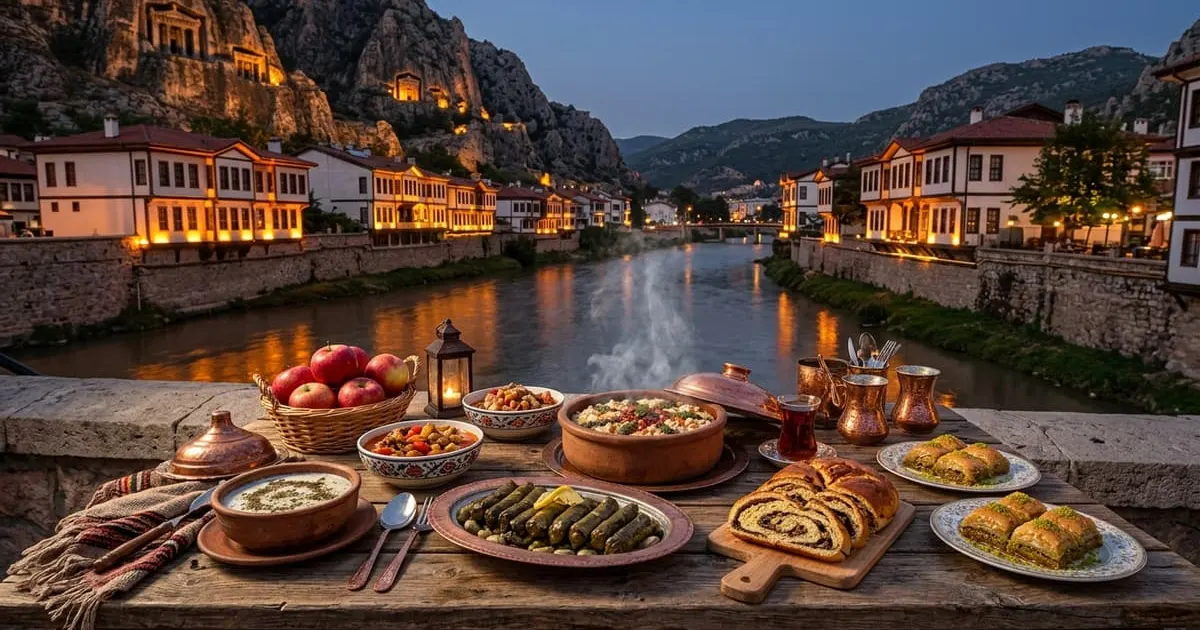
The river serves as both the physical spine and reflective mirror of the city. To the north, sheer limestone precipices cradle the monumental royal mausoleums of antiquity; to the south, traditional Ottoman cantilevered mansions glow under evening floodlights, casting shimmering golden reflections across the gentle currents.
Mount Harşena and the Royal Rock Tombs of the Pontic Kings
Towering above the northern bank of the river are the monumental burial chambers of the Mithridatic dynasty of the Kingdom of Pontus, who ruled the region from 302 BC to 26 BC. The Royal Rock Tombs represent world-class masterpieces of ancient Hellenistic stone-cutting, featuring towering monumental facades, carved pediments, deep air circulation trenches, and surrounding subterranean galleries designed to isolate the chambers from seismic shifts.
A stone stairway ascends from the riverside road directly to the tomb platforms, offering sweeping vistas across the river valley. Crowning the peak directly above the tombs stands the formidable Harşena Citadel, housing ancient Hellenistic cisterns, medieval dungeons, and Ottoman arsenals, with complete 360-degree views over the surrounding mountain amphitheater.
The Historic Yalıboyu Mansions, Princes Promenade, and Museums
Lining the river along the Princes Walking Promenade (Şehzadeler Gezi Yolu), the Yalıboyu Mansions exemplify late 19th-century Ottoman residential architecture. Featuring traditional wooden corbels (eliböğründe), whitewashed plaster facades, and lattice bay windows, many of these grand historic houses have been thoughtfully converted into boutique heritage hotels, riverside cafes, and cultural museums.
Key cultural stops along the river include the Princes Museum (Şehzadeler Müzesi), exhibiting wax effigies and imperial attire of the sultans trained in Amasya, the Hazeranlar Mansion Ethnography Museum, and the famous Amasya Archaeological and Mummy Museum, celebrated for its rare collection of well-preserved 14th-century Ilkhanid Mongol mummies.
The Legend of Ferhat and Shirin: Love That Moved Mountains
Amasya is steeped in epic romance as the legendary setting of Ferhat and Shirin, the timeless Eastern epic of love and sacrifice. According to the folklore, the master mason Ferhat chiseled through the solid rocky slopes of Mount Harşena to bring mountain spring water to the city to win the hand of his beloved Princess Shirin. Visitors can inspect the ancient rock-cut Ferhat Water Aqueduct and tour the interactive Ferhat & Shirin Lovers Museum nearby.
Gastronomy: Renowned Amasya Apples, Keskek, and Baklali Dolma
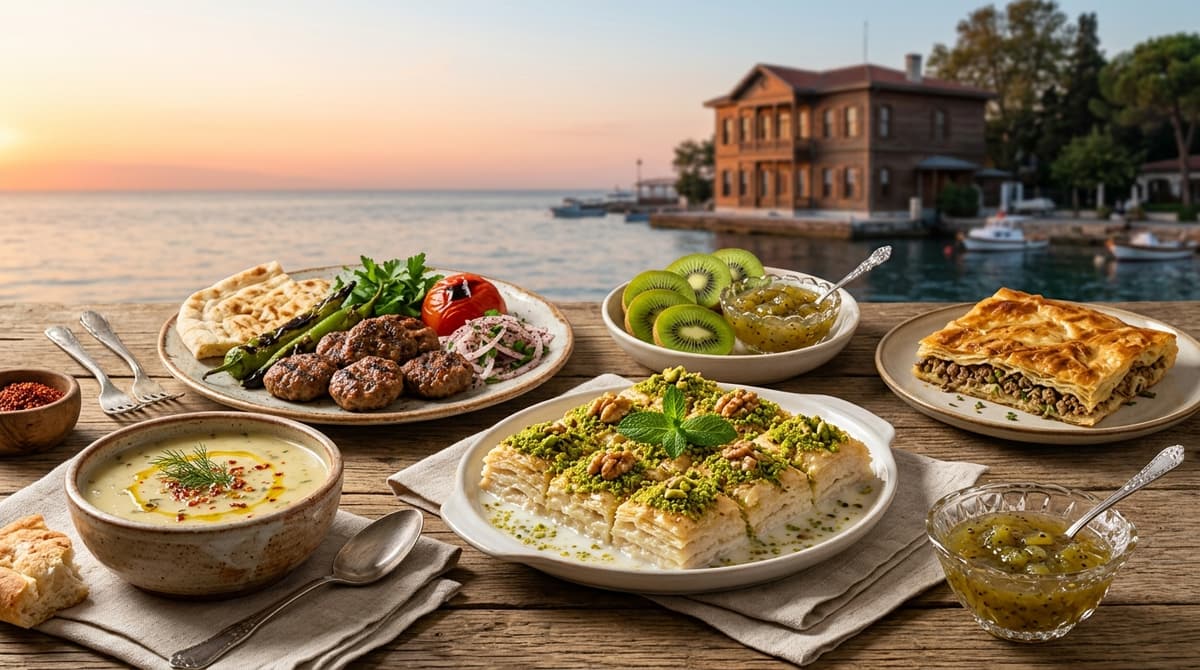
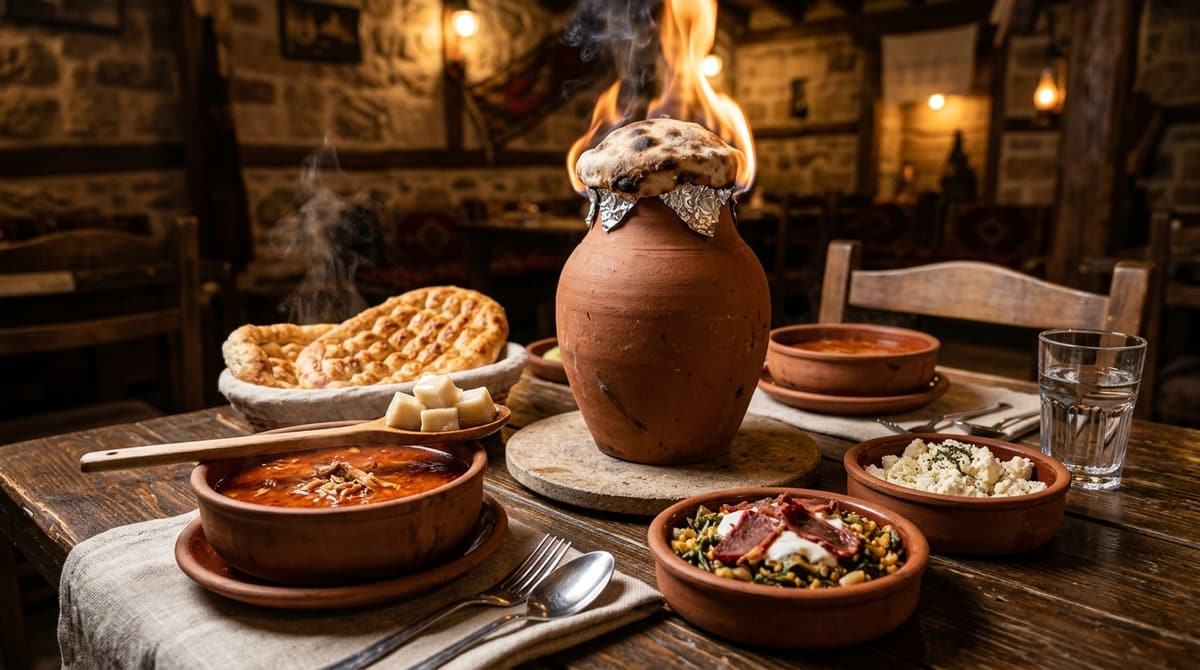
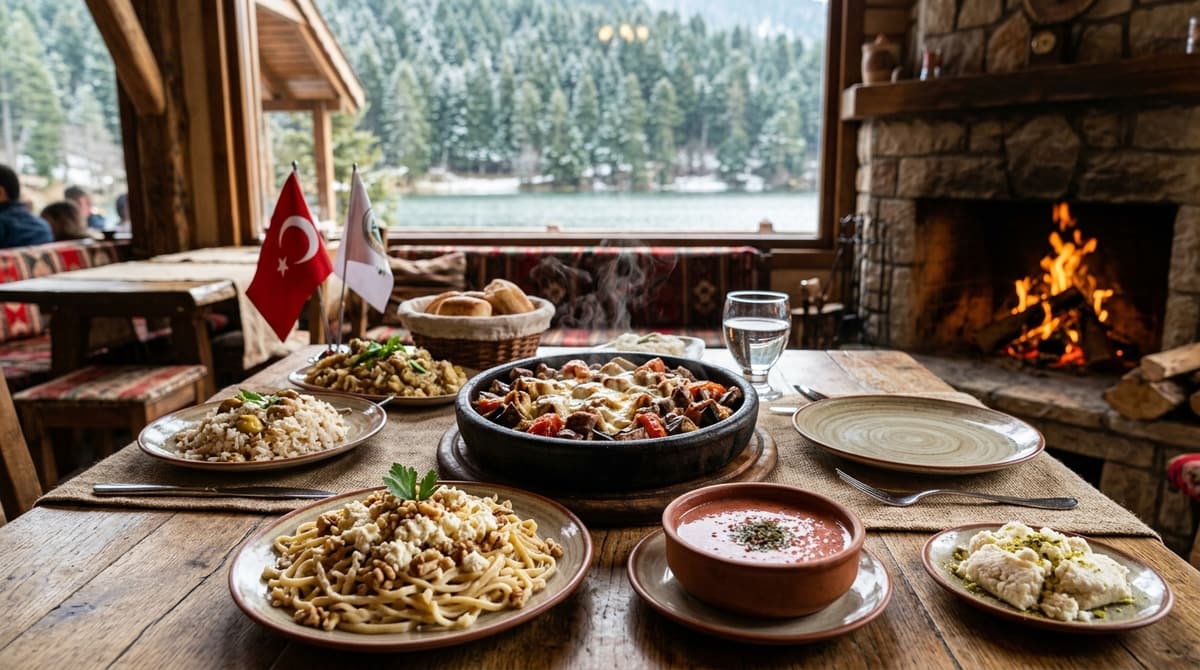
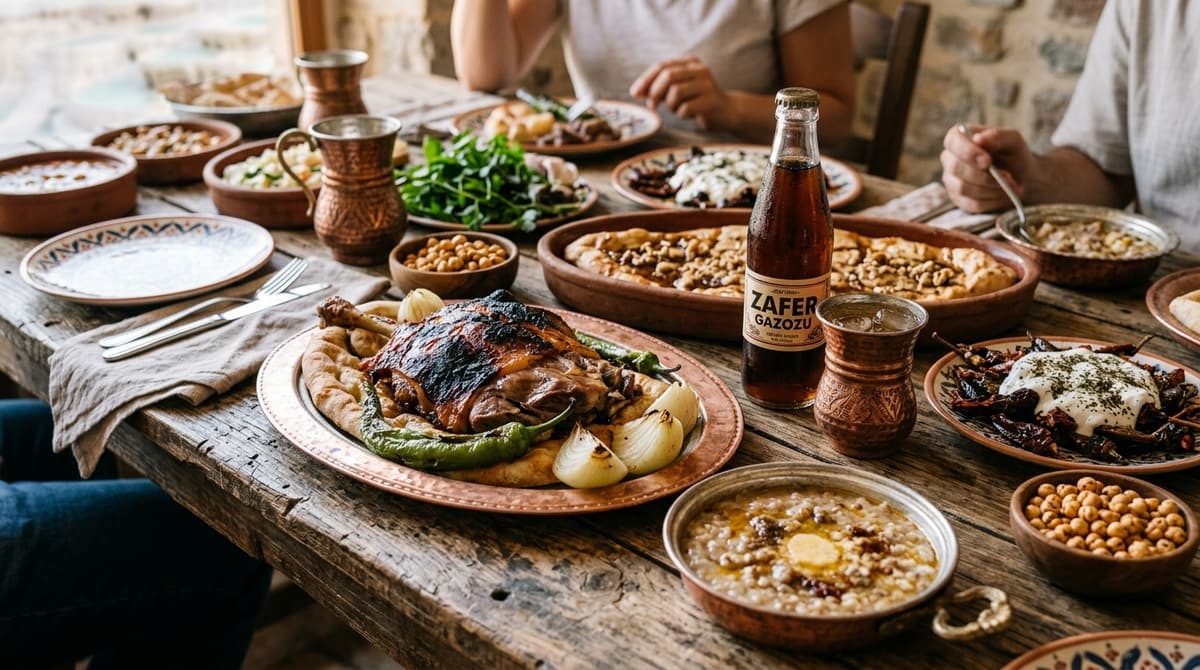
Fed by the rich volcanic soils of the Yeşilırmak valley, Amasya's cuisine is richly authentic. The city's agricultural crown is the sweet, crisp, and fragrant Amasya Misket Apple. Traditional culinary feasts feature Amasya Keşkeği (wheat and tender lamb slow-beaten in stone ovens), Baklalı Dolma (grape leaves wrapped around seasoned broad beans), and savory poppy seed pastries (haşhaşlı çörek).
Conclude your dining experience with warm spiced apple desserts while sipping freshly brewed Turkish tea along the riverbank as dusk settles over the ancient royal tombs.
Logistics, Transport, and Accommodation 2026
Amasya Merzifon Airport is located 45 kilometers from the city center, offering regular scheduled flights from Istanbul. Highway access from Samsun and Tokat is smooth and scenic. Within Amasya, the historic core is exceptionally compact and best explored on foot.
Boutique hotels located inside authentic Yalıboyu mansions provide an unforgettable stay, waking to the sound of flowing water and panoramic views of the illuminated tombs. Spring blossoms and autumn apple harvests offer the most enchanting seasonal backdrops.
Plan Your Historical Heritage Journey with Memleketim
Access verified museum passes, castle opening hours, transportation tips, and authentic regional dining recommendations with our free travel app.
Frequently Asked Questions About Amasya Rock Tombs and Yaliboyu Houses
Is there an admission fee for the Pontic Royal Rock Tombs?
Yes, the Royal Rock Tombs are designated as an official archaeological heritage site. A modest entrance ticket is required, and the Turkish Museum Pass is accepted.
Can visitors tour inside the Yaliboyu Mansions?
Yes, several prominent mansions operate as open public museums (such as Hazeranlar Mansion) or boutique hotels and restaurants with open courtyards.
Why is Amasya nicknamed the 'City of Princes'?
During the Ottoman Empire, prospective sultans were sent to govern the Sanjak of Amasya to acquire practical administrative and military experience before ascending the throne in Istanbul.
When are the rock tombs illuminated at night?
The royal rock facades and the Harşena ramparts are illuminated automatically from sunset until midnight every evening, creating a magical reflection over the river.
When is the best time to taste fresh Amasya apples?
The official apple harvest occurs in September and October, making early autumn the ideal time to sample fresh misket apples straight from local orchards.