
The Eagle’s Nest Above the Clouds: The Wonder of Sagalassos
Perched high in the Taurus Mountains at an elevation of 1,700 to 1,750 meters in the Ağlasun district of Burdur, Sagalassos Ancient City is renowned as one of the best-preserved and most awe-inspiring mountain cities of the Greco-Roman world. Once the grand metropolis of Pisidia, fiercely independent until Alexander the Great conquered its rocky heights in 333 BC, Sagalassos commands breathtaking vistas across alpine meadows and fertile Anatolian valleys. In the 2026 travel season, as international recognition accelerates its path toward UNESCO World Heritage inscription, Sagalassos attracts discerning travelers seeking ancient architecture, cedar-scented mountain air, and profound tranquility far from crowded coastal resorts.
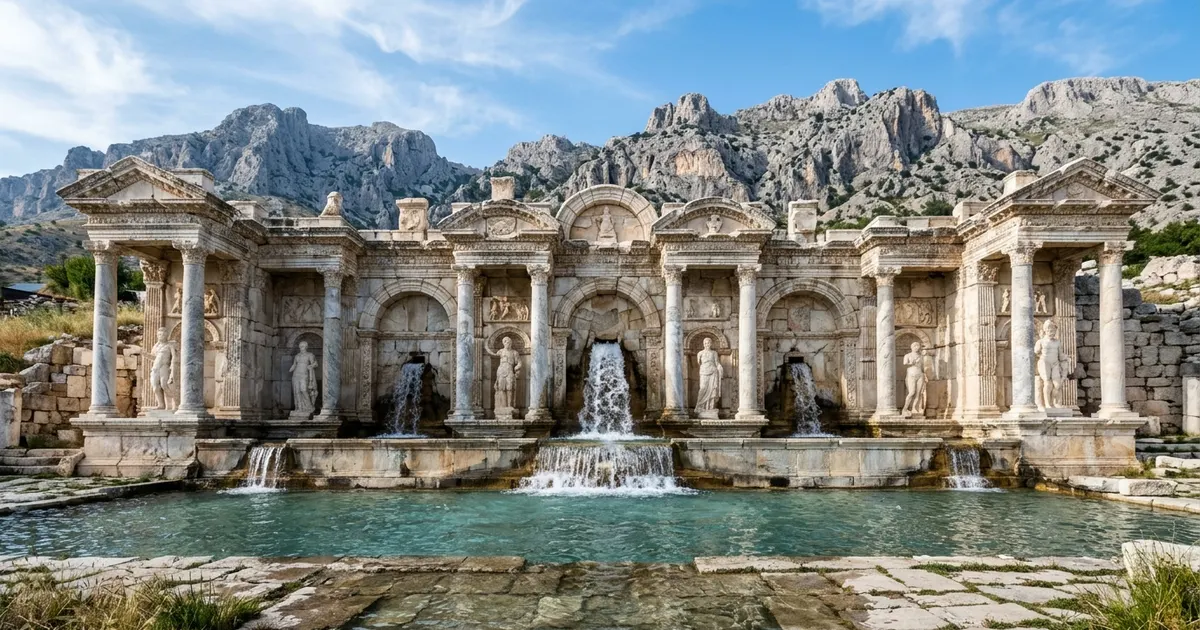
The crown jewel of the city is the monumental Antonine Fountain (Nymphaeum), constructed between 161 and 180 AD during the reign of Roman Emperor Marcus Aurelius. Following an exhaustive and acclaimed restoration project spearheaded by the University of Leuven since the 1990s, original mountain spring water once again cascades through its 28-meter-wide limestone facade into a shimmering reflecting pool. Standing before the statue niches of Dionysus and listening to the melodic rush of mountain water echoing off ancient stones is one of the most magical historical experiences anywhere in the Mediterranean.
🏛️ 2026 Sagalassos Visiting Hours and Ticket Information
Sagalassos is open daily year-round. Summer hours (April 1 – October 31) are 08:30 to 19:30; winter hours are 08:30 to 17:30. The Turkish Museum Pass (Müzekart) is accepted. Due to the 1,750m altitude, mornings and late afternoons can be brisk; a windproof light jacket and sturdy trekking shoes are strongly recommended.
Monumental Marvels Across the Ancient Terraces
Constructed on dramatic terraced mountainsides, Sagalassos reveals an extraordinary collection of imperial civic architecture:
- The Antonine Nymphaeum: A 28-meter-wide, 9-meter-high masterpiece of Roman hydraulic engineering with flowing fresh spring water and exquisite sculpted reliefs.
- The Roman Mountain Theater: With a capacity of 9,000 spectators set against the sky at 1,600 meters altitude, this is one of the highest ancient theaters on earth, boasting peerless acoustics and panoramic views.
- The Upper Agora and Heroon: A marble-paved plaza surrounded by honourary monuments and a 14-meter-tall shrine dedicated to an anonymous local warrior-hero dating from the 1st century BC.
- Imperial Roman Baths: One of the grandest thermal bath structures in inland Asia Minor, displaying intricate hypocaust underfloor heating tiles, caldarium vaults, and cold water plunge pools.
- The Neon Library: Preserving fine mosaic floors and wall niches where philosophical and legal scrolls were stored during late antiquity.
- The Bouleuterion (Council House): Where the aristocratic senate of Pisidia assembled to govern regional agricultural trade and civic ceremonies.
📲 Explore Sagalassos & Burdur with Memleketim Mobile
Download the Memleketim Mobile App for self-guided audio walking tours, GPS trail coordinates through the ruins, and directions to the Burdur Archaeology Museum where the colossal emperor statues reside. Fully functional offline.
Burdur Archaeology Museum and the Colossal Emperor Statues
To fully grasp the sheer magnificence of Sagalassos, every visit must include the Burdur Archaeology Museum, located just 35 minutes away in Burdur city center. The museum houses the colossal marble statues uncovered within the imperial baths of Sagalassos: massive, meticulously carved heads, legs, and ornate sandals belonging to Emperor Hadrian and Emperor Marcus Aurelius. Standing over five meters tall when whole, these sculptures represent the zenith of Roman imperial portraiture.
Sagalassos was also famed throughout the Mediterranean for its prized red-slip table ceramics. Crafted from fine local alluvial clay and fired in massive terraced kilns, Sagalassos pottery was exported across modern-day Egypt, Italy, and Greece. Today, traditional potters in Ağlasun keep this ancient craft alive through artisan workshops.
🏢 Local Businesses in Ağlasun and Burdur
Do you manage a mountain boutique hotel, local walnut farm, trout restaurant, or guided touring service in Ağlasun or Burdur? Register your enterprise on Memleketim to welcome thousands of global archaeology enthusiasts.
Logistics, Scenic Drive, and Gastronomy Advice
Sagalassos is conveniently situated 33 km from Burdur, 40 km from Isparta, and 110 km north of Antalya. From Antalya International Airport, a scenic 90-minute drive winds through pine-clad mountain passes. From Isparta Süleyman Demirel Airport, the drive is a mere 45 minutes. The 7-kilometer paved road ascending from Ağlasun town center to the archaeological park is well-maintained and suitable for all passenger vehicles.
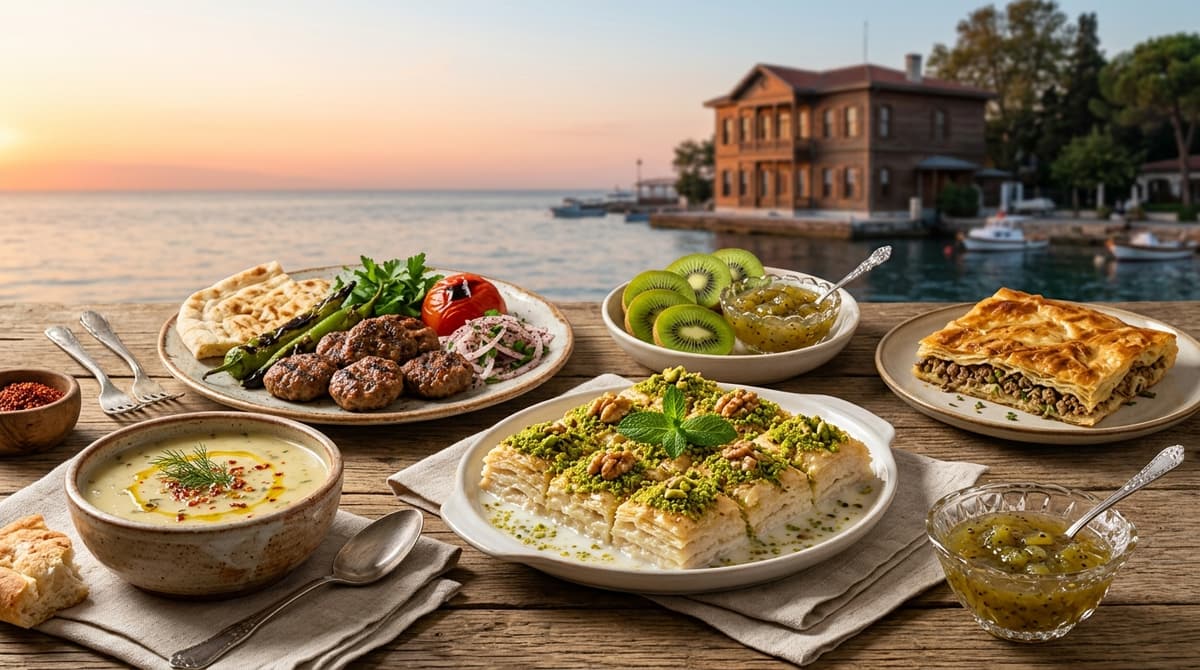
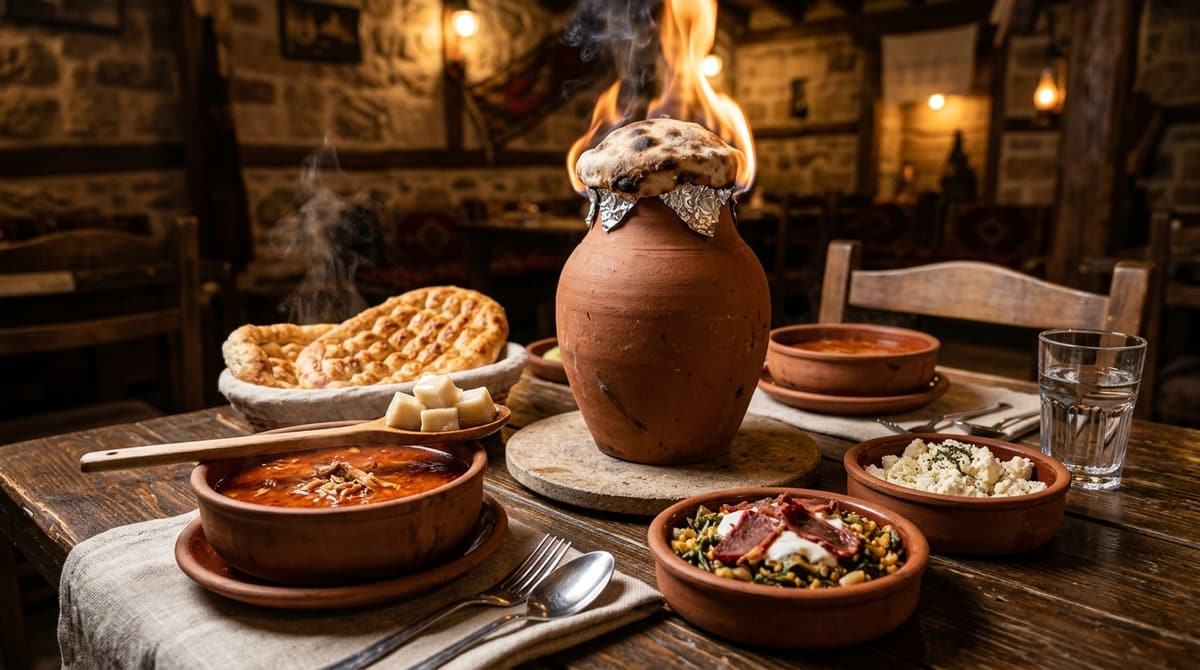
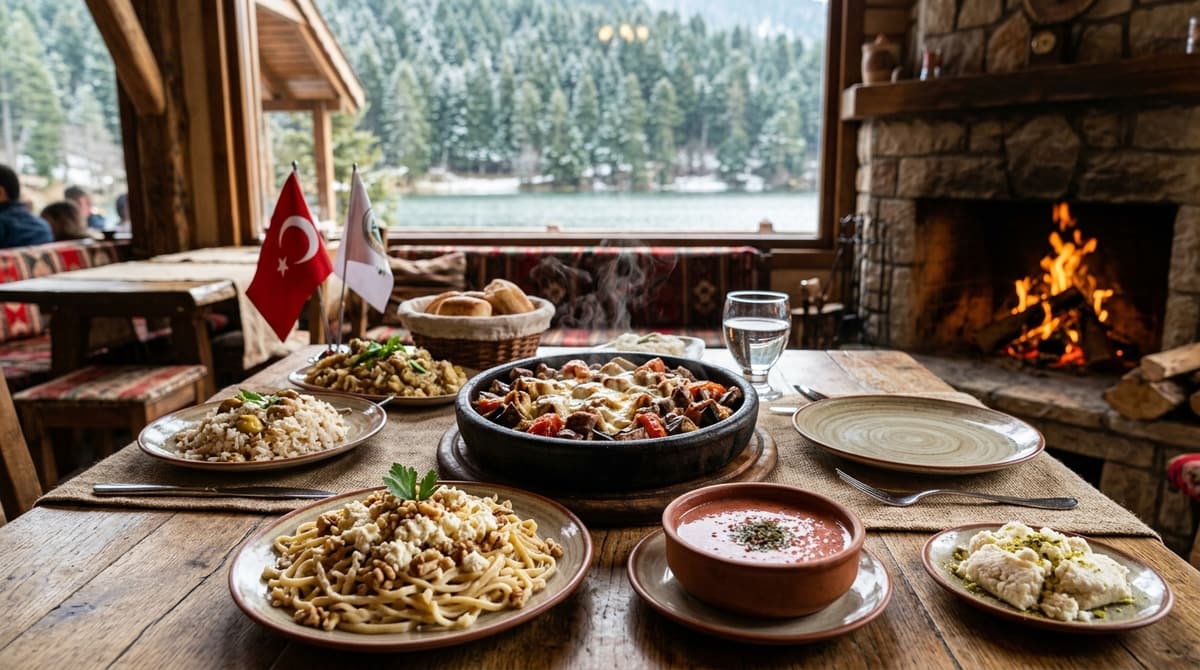
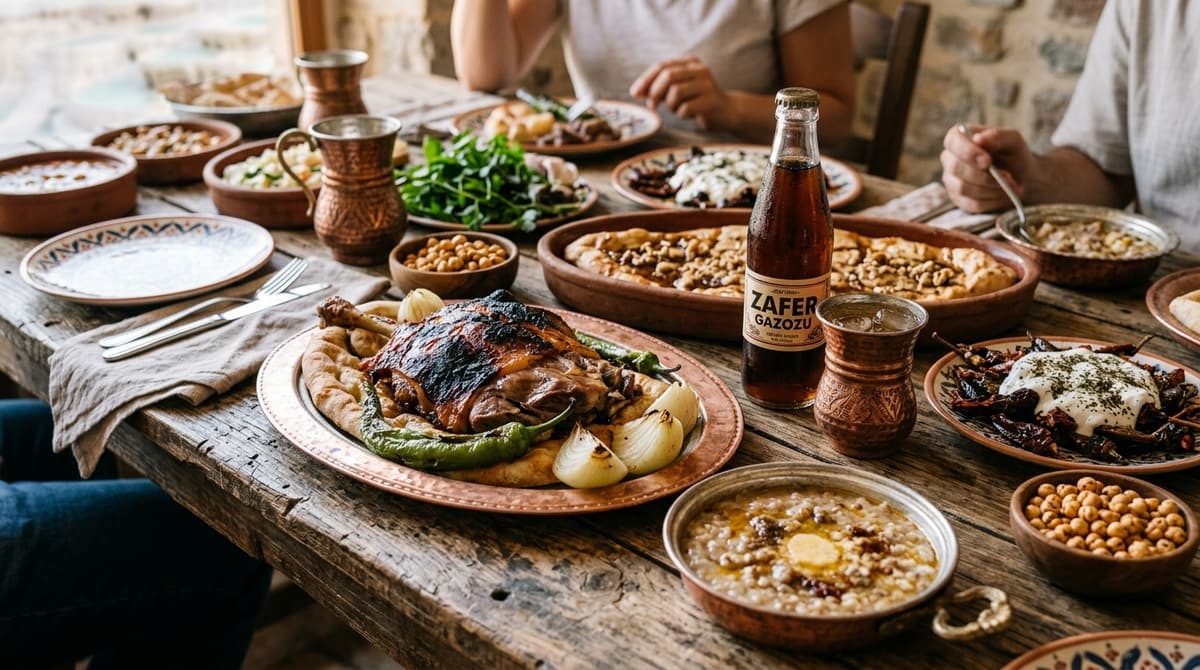
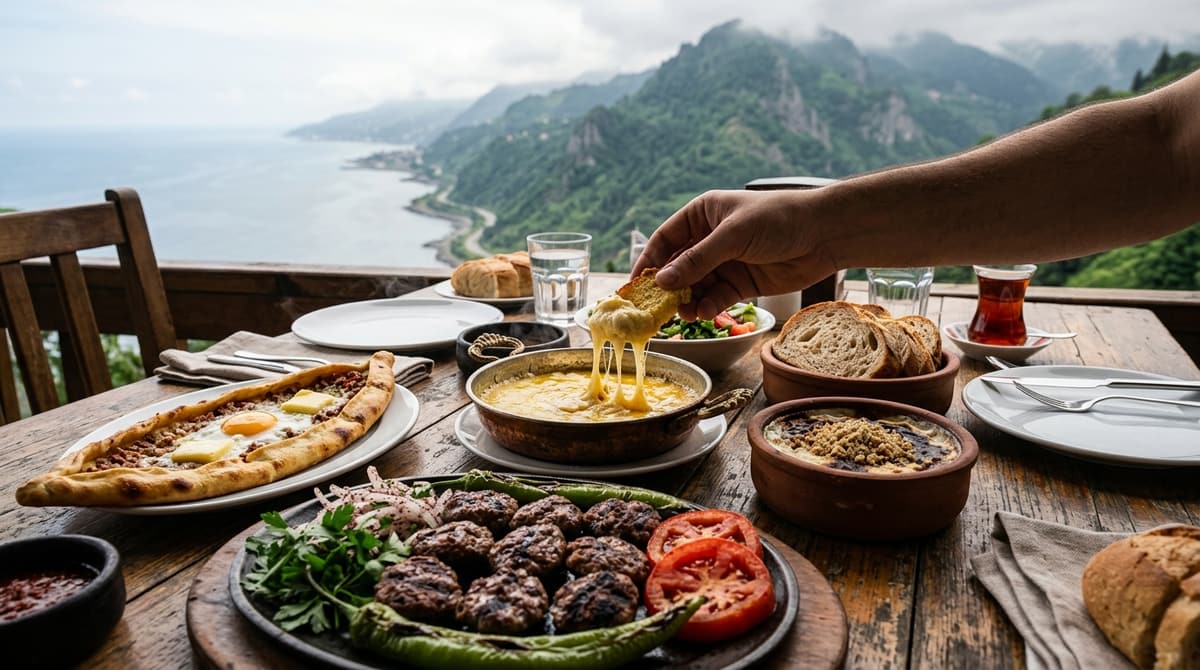
For accommodation, local stone guesthouses and the Sagalassos Lodge & Spa provide tranquil mountain lodging with panoramic terraces. When visiting, do not miss tasting local Ağlasun walnuts, Burdur's famous skewered minced kebabs (Burdur Şiş), crushed walnut halva (Ceviz Ezmesi), and freshly caught mountain trout seasoned with wild thyme.
💰 Calculate Your 2026 Sagalassos & Lakes District Budget
Plan rental cars, mountain lodge bookings, museum tickets, and local dining expenses with our smart travel budget planner.
Frequently Asked Questions About Sagalassos (FAQ)
Does the Antonine Fountain water come from the authentic ancient source?
Yes, the water flowing through the fountain originates from the same natural mountain aquifer that supplied the city over 1,800 years ago, restored using careful hydraulic engineering.
What is the best time of year to visit Sagalassos?
May through October offers ideal dry and mild weather. Due to the 1,750m elevation, snow and fog occur in winter and early spring, while summer provides a refreshing cool escape from the Mediterranean heat.
How long does a visit to Sagalassos take?
Plan for at least 2.5 to 3 hours to explore the Upper Agora, Antonine Fountain, ancient theater, baths, and Heroon monument at a comfortable walking pace.
Is Sagalassos wheelchair or stroller accessible?
Because the site is terraced across steep mountain rock with stone steps and gravel slopes, wheelchair and stroller access is very challenging. Baby carriers are highly recommended.
Can Sagalassos be combined with Lake Salda?
Yes, Lake Salda is approximately 90 minutes west of Sagalassos, making for a sensational full-day road trip combining ancient mountain archaeology with turquoise alpine waters.