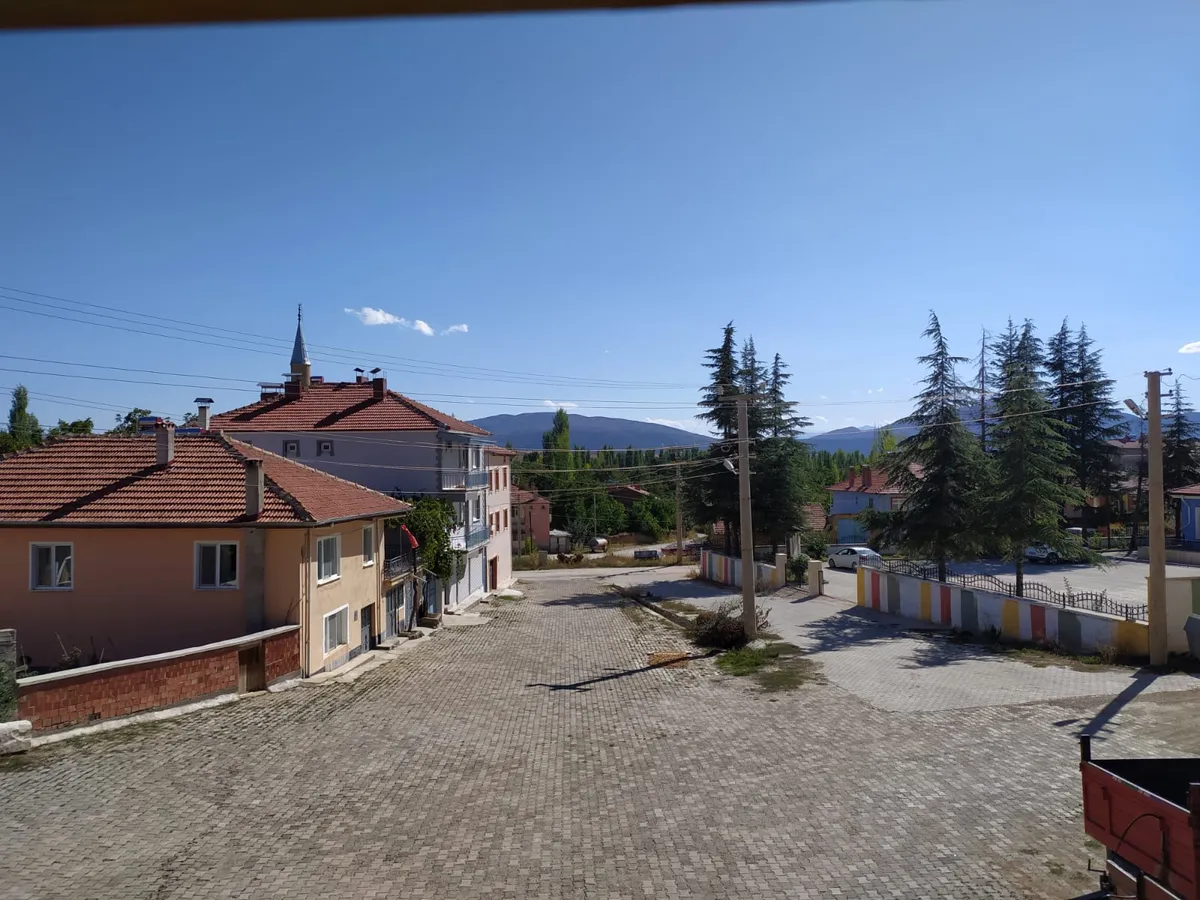

, on the west shore of the Lake, is a geography that has hosted the ancient civilizations of Anatolia and where every corner smells of history. These lands, which bear the traces of many civilizations from Etiler to Phrygians, from Lydians to Romans, from Seljuks to Ottomans, are like an open-air museum for history enthusiasts. Get ready to go on a journey towards the mysterious past of Şarkikaraağaç with this guide we prepared as the My Homeland platform.
Şarkikaraağaç Ulu Mosque (Cami-i Kebir / Sultan Fatih Mosque): From the Seljuks A Legacy to the Ottoman Empire
Ulu Mosque, rising in all its magnificence in Şarkikaraağaç district center, is also known as Cami-i Kebir or Sultan Mosque. This historical structure was built in 1281 or 1282 by Sultan III. It was built by Ömer bin Ali during the reign of Alaaddin Keykubat (or Gıyaseddin Keyhüsrev III). The mosque, which is one of the important examples of Seljuk architecture, has undergone various repairs over time, and one of its most comprehensive repairs was carried out in 1455 or 1456 by the order of Fatih Sultan Mehmet. The mosque, which stands out with its square-plan structure and single minaret, has played a central role in the religious and cultural life of the region for centuries. The inscriptions inside the mosque provide important information about the Seljuk period.
Ertokuş Madrasa: Traces of Science and Education
Another important Seljuk period work in Şarkikaraağaç is Ertokuş Madrasa. The madrasah, which was built in 1224 by the Seljuk commander Mübarizeddin Ertokuş during the reign of Alaaddin Keykubat I, is an important building that sheds light on the education and science life of the period. The madrasa, whose ruins exist today, reveals the cultural richness of the region during the Seljuk period.
Ancient City of Anaboura: The Mysterious City of Pisidia
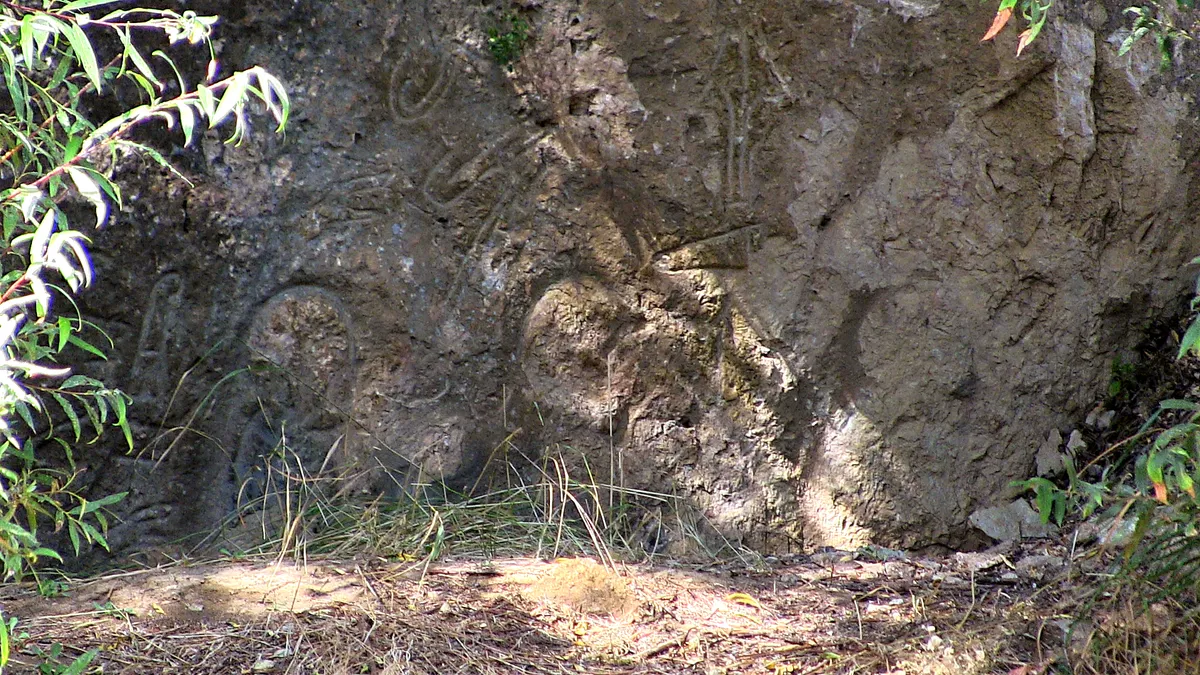
The Anaboura Ancient City, located on Kızılkale Hill, near the Salur Village of Şarkikaraağaç, is one of the most obvious evidence showing the importance of the region in ancient times. Theatre, temple foundations and various building ruins have survived from Anaboura, a Pisidian city. These ruins, which bear the characteristics of the Roman Period, promise visitors a journey going back thousands of years. The city is surrounded by a wall, and the rubble ruins of the castle walls can still be seen. Anaboura is also known as a member of the Tetrapolis (union of four cities) in the period after Alexander the Great.
The Ancient City of Neapolis: A Stop on the Roman Road
It is known that a city called Neapolis existed around the current settlement of Şarkikaraağaç during the Roman Empire period. Located north of Lake Beyşehir, on an important Roman road from Antioch () to Lycaonia and Pamphylia, Neapolis was at a strategic point in the trade and transportation network of the period. This ancient city offers important clues to understand the development of the region under Roman rule.
Kireli Inn: Seljuk Caravanserai
Kireli, located at the head of Fele Spring near Yassıbel village on the Şarkikaraağaç-Beyşehir road, is an important caravanserai from the Seljuk period. This inn, which provides the security of trade routes and accommodation needs, is a part of Anatolia's rich caravanserai tradition. The information that piles made of juniper trees were used in the foundations of the inn provides interesting details about the construction techniques of the period.
Mounds and Other Historical Traces
Şarkikaraağaç and its surroundings have been the scene of dense settlement since prehistoric times. There are many mounds in the region such as I and II Karaçayır Mound, Nudra Mound (Göksöğüt), Örenköy Höyük, Salur Höyük, Karakaya Höyük. These mounds provide valuable information about the life of the region in the neolithic and early bronze ages, especially with their ceramic remains from the Old Bronze Age.
There are also smaller-scale but historically important mosques in the district, such as Bahtiyar Village Mosque, Yılanlıoğlu Mosque and Merkez Yeni Mosque. Ruins such as Zorzila Ruin also contain clues about the past of the region.
Beyşehir Lake and Historical Mada Island
A part of Beyşehir Lake, one of the natural beauties of Şarkikaraağaç, is within the district borders. Beyşehir, Türkiye's largest freshwater lake, attracts attention not only with its natural beauty but also with its historical importance. Mada Island, one of the large and small islands on the lake, is the only inhabited lake island and has settlement records dating back to 1507. The communities living on the island are an important part of the historical and cultural texture of the lake.
Transportation and Visiting Tips to Şarkikaraağaç
It is very easy to reach Şarkikaraağaç, which is approximately 118 km away from Isparta city center. You can easily reach the district by minibuses and buses departing from Isparta Bus Terminal. For those traveling with their own vehicle, transportation is provided via the Isparta-Konya highway. It is approximately 145-157 km away from Konya city center.
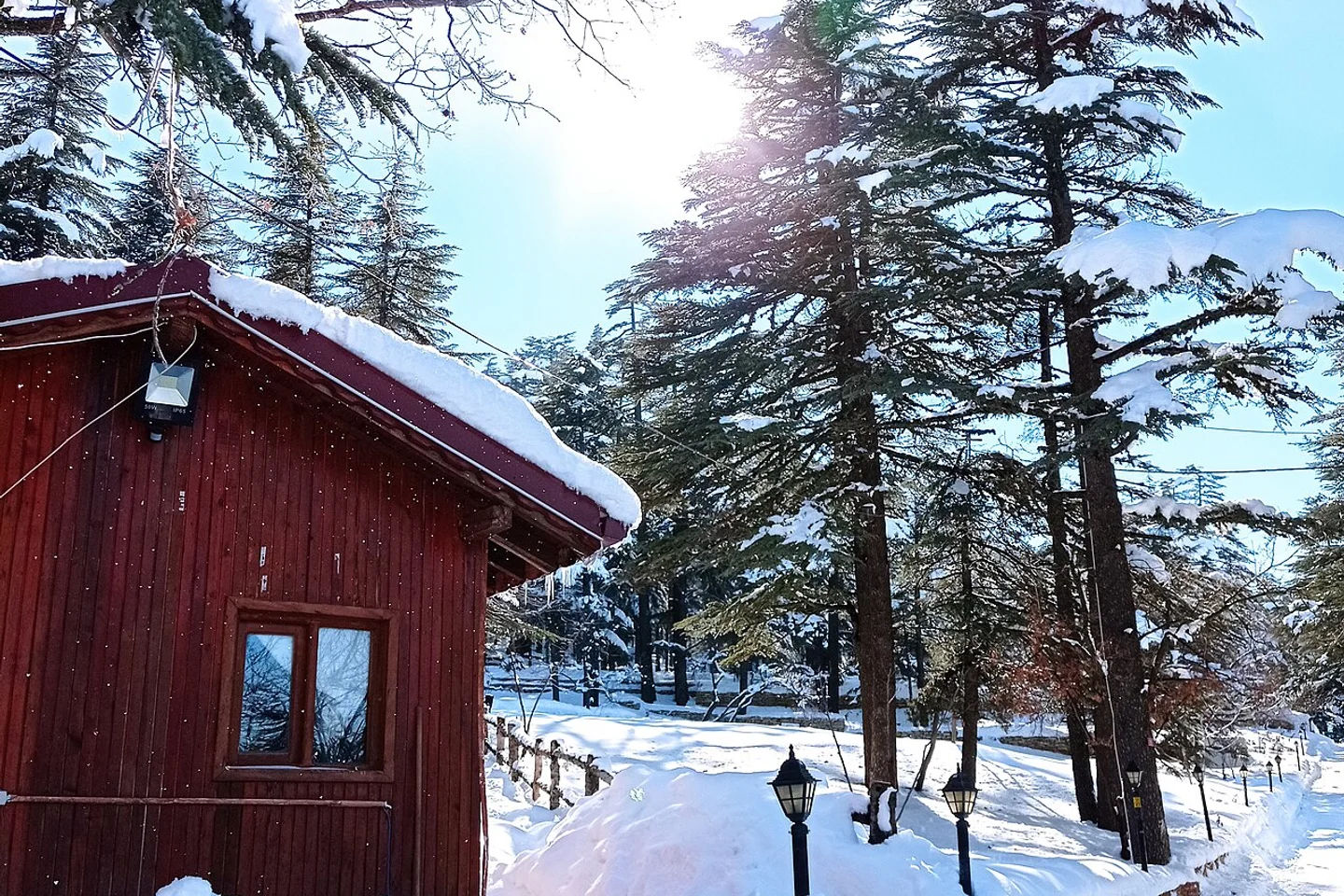
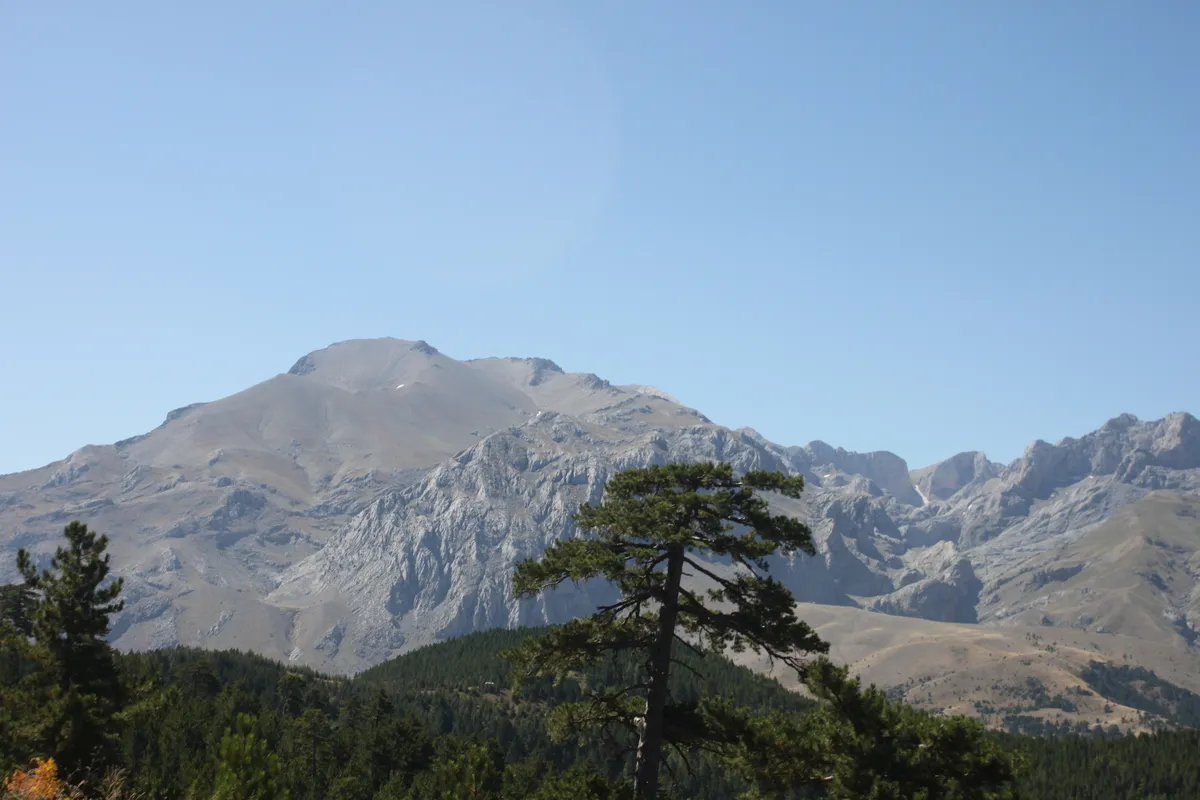
- Time to Visit: Spring and autumn are ideal months to explore historical places. In the summer months, you can cool off on the shores of Lake Beyşehir and spend time in touch with nature in Kızıldağ National Park.
- Clothing: It is recommended that you choose comfortable walking shoes while visiting the ancient city ruins. Be careful to wear appropriate clothing when visiting religious places such as mosques and madrasahs.
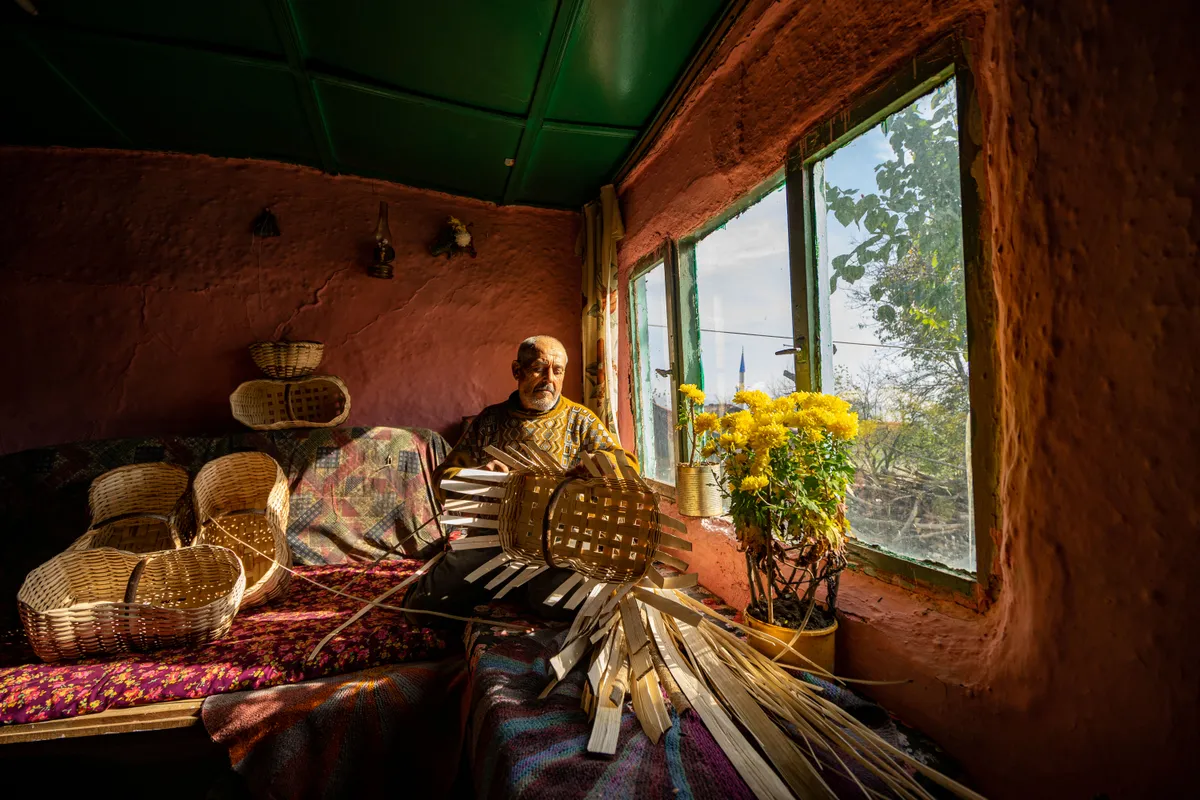
- Local Delicacies: While you are in Şarkikaraağaç, do not forget to taste the local tahini halva, foam halva and sesame halva.
Şarkikaraağaç offers its visitors an unforgettable experience with its rich history and natural beauties. To discover this unique district, set out with the guidance of My Homeland and experience this hidden paradise deep in Anatolia. For more information and current events, you can follow the website My Home.