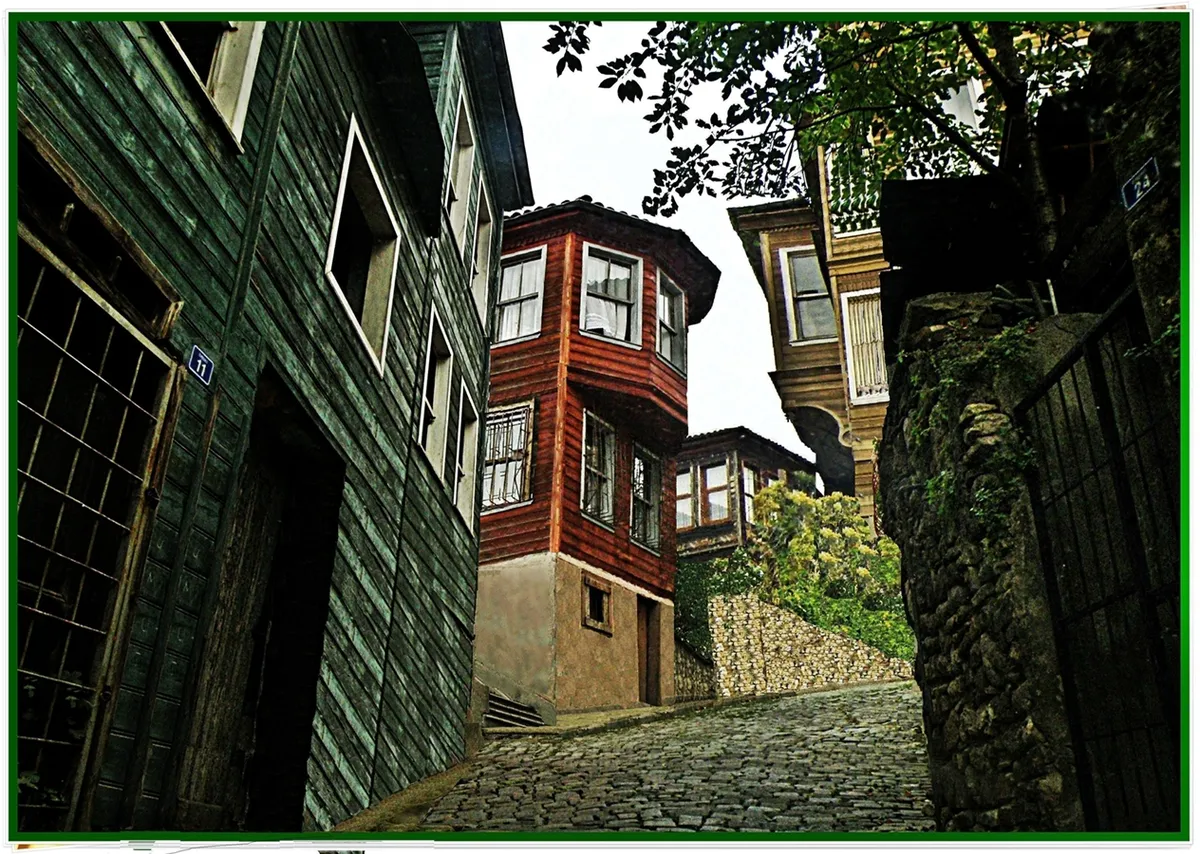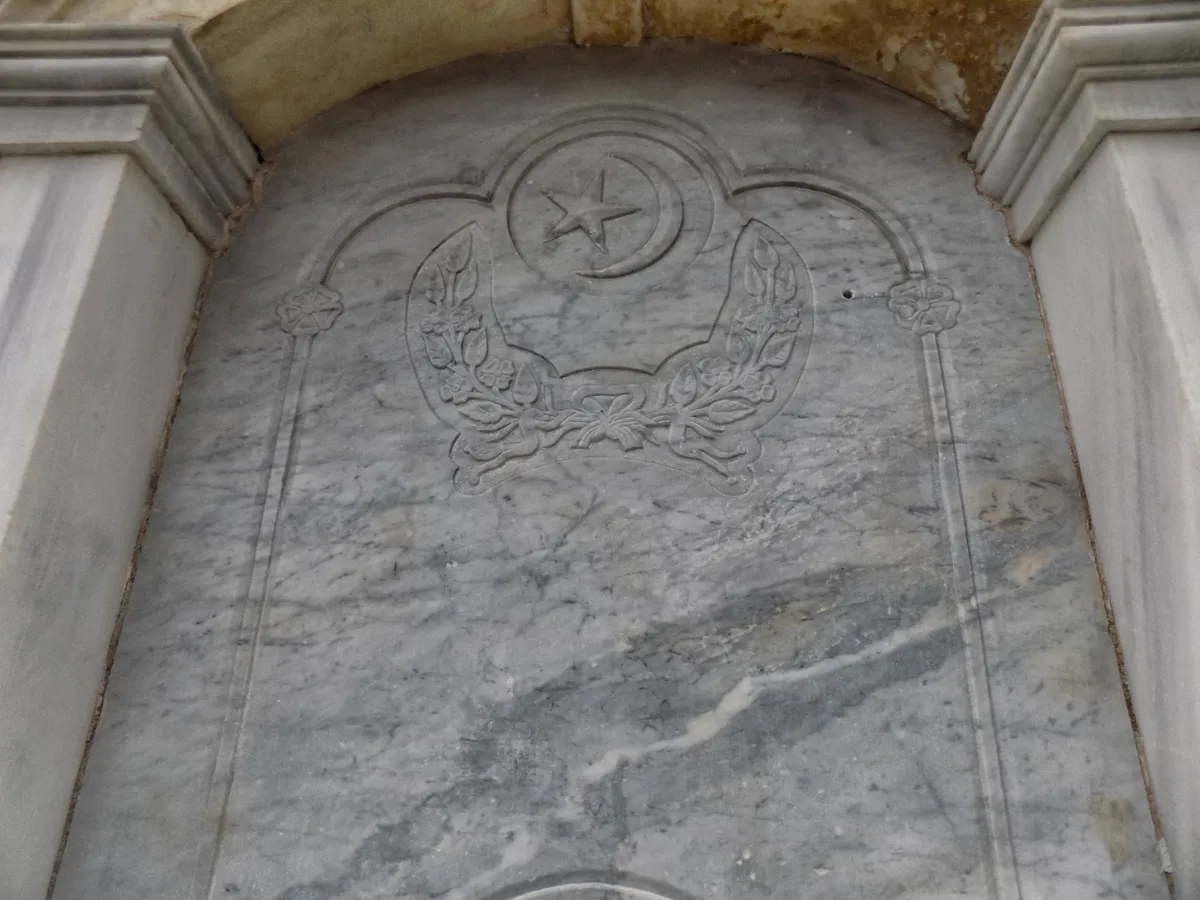

The pearl of Kocaeli İzmit is an ancient city that has hosted many civilizations throughout history and bears the traces of different cultures and beliefs. This city, which was one of the important centers of the Roman, Byzantine and Ottoman Empires, still reveals this rich heritage through its mosques and churches. As the Memleketim platform, we invite you to discover these sacred structures hidden in the stone walls of Izmit. In this in-depth guide, we will examine in detail the unique examples of Izmit's religious architecture, their stories and their place in the cultural fabric of the city.
Historical Mosques of Izmit: Stories Hidden in Stone Walls
Izmit has been an important settlement since the early periods of the Ottoman Empire, and this is reflected in the mosque architecture in the city. These mosques, each reflecting the spirit and artistic approach of a different period, left their mark on the silhouette of Izmit.
Orhan Gazi Mosque: The First Traces of the Ottoman Empire
One of the oldest and most important mosques of Izmit, Orhan Gazi The mosque takes its name from Orhan Gazi, the second sultan of the Ottoman Empire. This mosque, built shortly after the conquest of Izmit in 1333, is one of the most concrete evidence of the city's transition to Ottoman rule and the Islamization process. Located in the center of Izmit, on Fevziye Street, the mosque attracts attention with its simple but impressive architecture. Although it has undergone various repairs over time, it has managed to preserve its original texture to a large extent. The fountain in the courtyard of the mosque and the historical buildings around it make visitors experience a time travel. Orhan Gazi Mosque is not only a place of worship, but also an important part of the historical identity of Izmit.
Pertev Pasha Mosque (New Friday Mosque): Work of Mimar Sinan in Izmit
One of the most magnificent buildings of Izmit, Pertev Pasha The Mosque is more commonly known as the New Friday Mosque. It is thought that it was built by Pertev Pasha, one of the viziers of Suleiman the Magnificent, between 1579 and 1580, by one of Mimar Sinan's journeymen. However, some sources state that the mosque is the work of Mimar Sinan himself. This mosque, which has all the features of classical Ottoman architecture, has a single dome and two minarets. The hand-carved works and tile decorations in the interior reflect the aesthetic understanding of the period. Located in a position overlooking the Gulf of Izmit, the mosque offers one of the most beautiful views of the city. Pertev Pasha Mosque stands out not only with its architectural beauty, but also with its central role in the social and cultural life of Izmit.
Fevziye Mosque: Magnificence in the Heart of the City
Located in the center of Izmit, in the heart of the lively bazaar area, Fevziye Mosque is one of the most well-known and most visited mosques in the city. It was first built in the 16th century, but was rebuilt several times due to earthquakes and fires. Its current structure was built in 1883 by Sultan II. It emerged as a result of major repair and expansion works carried out during the reign of Abdulhamid. Featuring neo-classical and baroque architectural influences, Fevziye Mosque attracts attention with its large courtyard, elegant minaret and bright interior. This mosque, which is an integral part of the city's daily life, has an important function as both a place of worship and a social meeting point.
Churches of Izmit: Heritage of Different Beliefs
Izmit was a city where the Christian population lived densely during and before the Ottoman period. This situation brought about the existence of churches of different faiths in the city. Some of these churches have survived today, while some are only included in historical records.
St. Stephen Catholic Church: Today's Witness
One of the rare Christian buildings in Izmit that is actively open for worship today is St. Stephen Catholic Church. This church, thought to have been built in the late 19th century, is a living proof of the multicultural and multi-faith structure of Izmit. Located close to the city center, the church attracts attention with its simple but impressive architecture. St. Stephen's Church, which has a small but warm congregation, is an important worship and meeting point for the Catholic community in Izmit. The existence of the church shows that Izmit has hosted different beliefs throughout history and that this atmosphere of tolerance continues today.
Other Churches from the Past to the Present: The Multicultural Structure of Izmit
In the history of Izmit, there were also important churches belonging to the Greek Orthodox and Armenian communities. For example, Surp Garabet Armenian Church and St. Panteleimon Greek Orthodox Church were important indicators of the multicultural structure of the city in the past. Unfortunately, most of these churches have not survived to the present day or have been used for different purposes. However, the existence of these structures proves that Izmit is a common living space not only for Muslim Turks but also for different ethnic and religious groups. While walking around the historical streets of Izmit, following the traces of these lost churches offers a unique opportunity to understand the deep cultural layers of the city.
The City Where Beliefs Meet: The Cultural Richness of Izmit
Izmit's mosques and churches are more than just architectural structures, they are living monuments that reflect the city's history, cultural diversity and tradition of tolerance. These structures are concrete evidence of an environment where people of different beliefs lived together for centuries and respected each other's cultures. Visiting these sacred places, accompanied by the unique view of the Gulf of Izmit, offers visitors not only a religious experience but also a deep cultural and historical discovery. For those who want to discover this richness, My Hometown guidance will be invaluable.
Things to Consider When Exploring Izmit
- Respect Rules: When visiting places of worship, it is important to pay attention to the appropriate dress code (headscarf for women, clothes that cover shoulders and knees), especially in mosques and active churches.
- Visiting Hours: Visiting hours of places of worship may vary depending on the prayer hours. Visitor entries may be restricted, especially during special times such as Friday prayers or Sunday services.
- Guidance: To better understand the stories of these historical buildings, it will be useful to get support from local guides or use the information on reliable platforms such as My Memleketim.
- Environment Exploration: Mosques and churches are often surrounded by historical bazaars, inns and other important buildings. Combining your visit with these environmental discoveries will enrich your Izmit experience.
Izmit is a city that stands out not only with its industrial city identity, but also with its deep-rooted historical and cultural heritage. Mosques and churches constitute the most valuable parts of this heritage. Each building serves as a bridge from the past to the present, offering its visitors an unforgettable experience. Exploring Izmit's unique religious tourism potential is a great way to understand the spirit of the city. Get ready to discover this unique heritage of Izmit with Memleketim!