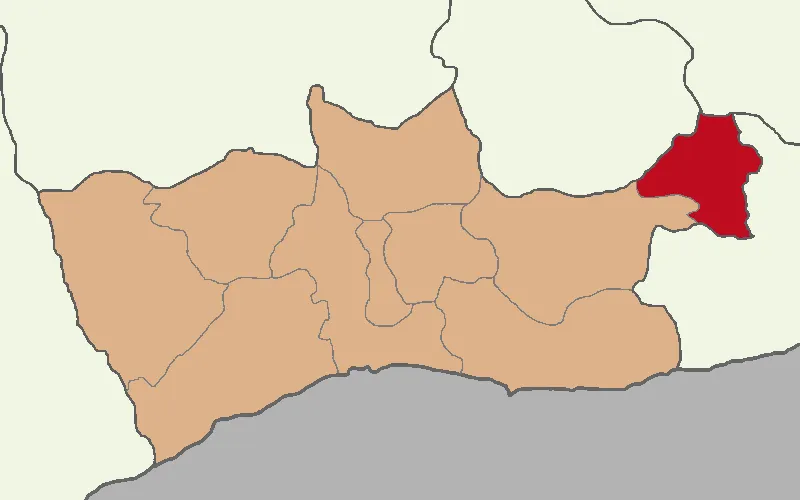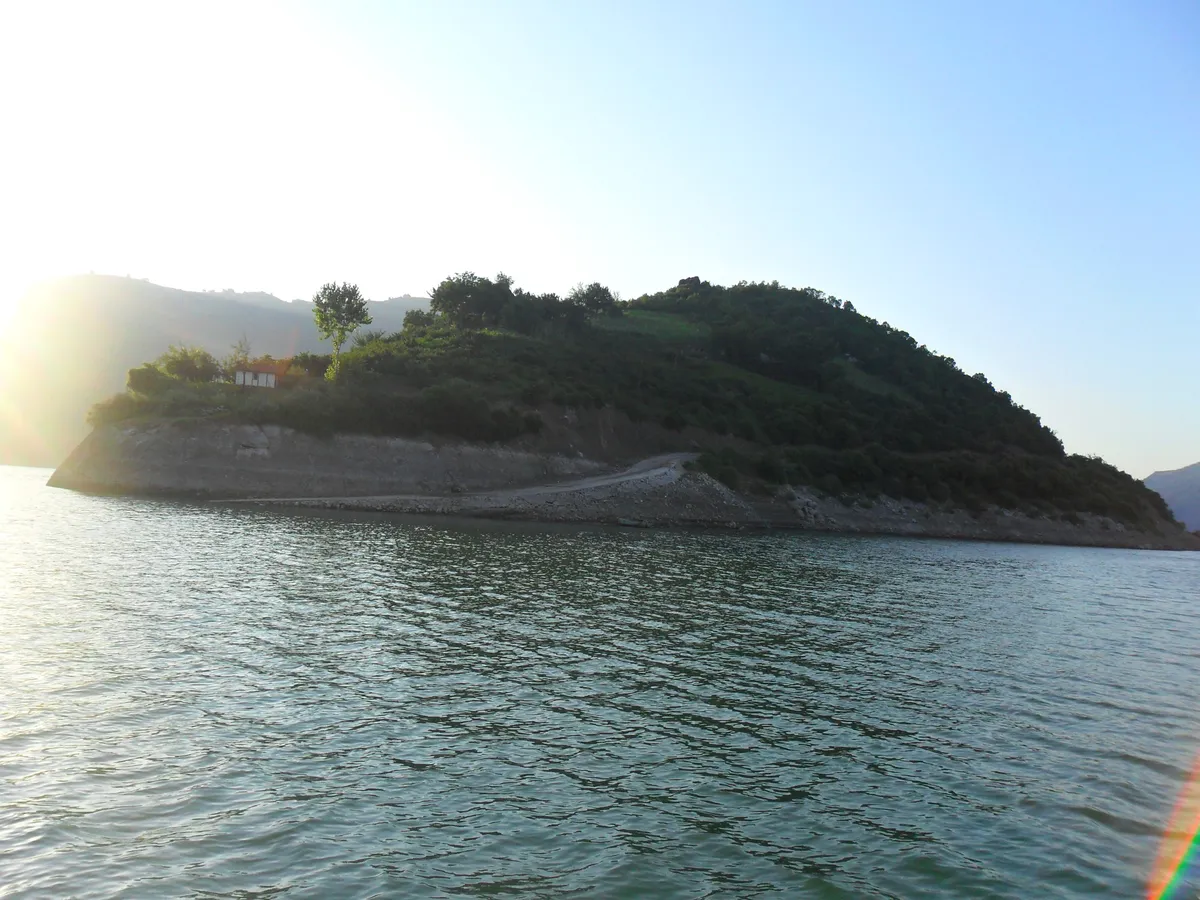

Mardin is an ancient city where stone speaks and bears the traces of civilizations. Shining like a pearl waiting to be discovered in the east of this magical geography, Dargeçit district attracts attention with its rich history, deep cultural texture and unique natural beauties. Although big cities come to mind first when art and culture centers are mentioned, settlements with deep-rooted history such as Dargeçit are actually living cultural centers. In this article, we will examine in depth the art and cultural potential of Dargeçit, its historical heritage and the cultural values that flourish in these lands. As the Memleketim platform, we aim to unearth such hidden values and bring them together with visitors.
Historical and Cultural Identity of Dargeçit: The Cradle of Civilizations
Dargeçit is an important place in the region known as Tur Abdin, in the heart of Mesopotamia. is part of it. These lands, where Assyrian culture is intensely experienced, have a history of thousands of years. The fact that it has hosted many civilizations such as Roman, Byzantine, Sasanian, Arab, Seljuk and Ottoman has greatly enriched the cultural layers of the district. In every corner of Dargeçit, there are churches, monasteries, mosques and ancient settlements bearing traces of the past. These structures are not only architectural wonders, but also form the artistic and cultural memory of the region.
Assyrian Heritage and Churches
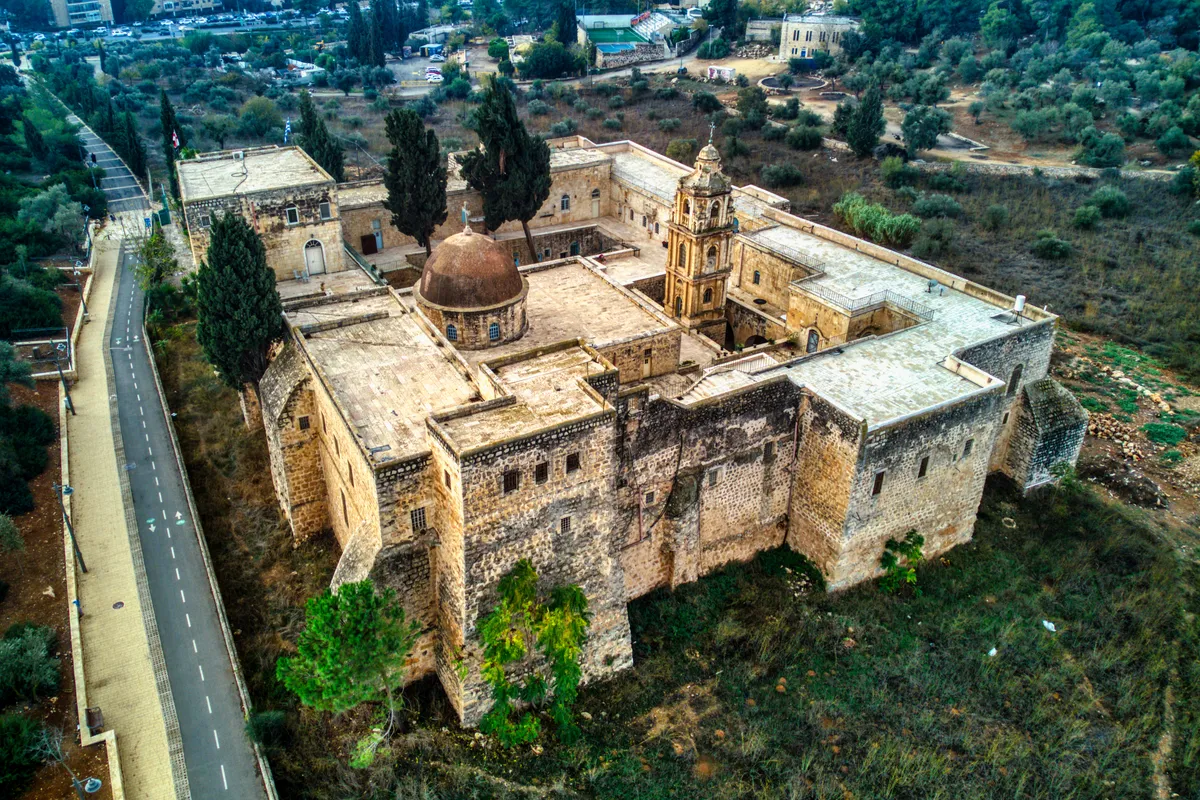
Dargeçit and its surroundings are one of the important centers of the Assyrian Orthodox Church. In many villages in the region, there are Assyrian churches and monasteries that have survived the centuries. While these structures display the best examples of stonemasonry, they are also lively cultural centers where religious rituals, music and handicrafts are kept alive. For example, structures such as the Deyrulzafaran Monastery in the immediate vicinity have deeply affected the general cultural atmosphere of the region. The churches, which are still active in some villages in Dargeçit, are gathering points and cultural interaction points for their communities. The icons, manuscripts and objects used in rituals in these churches are works of art in themselves.
Ancient Settlements and Ruins
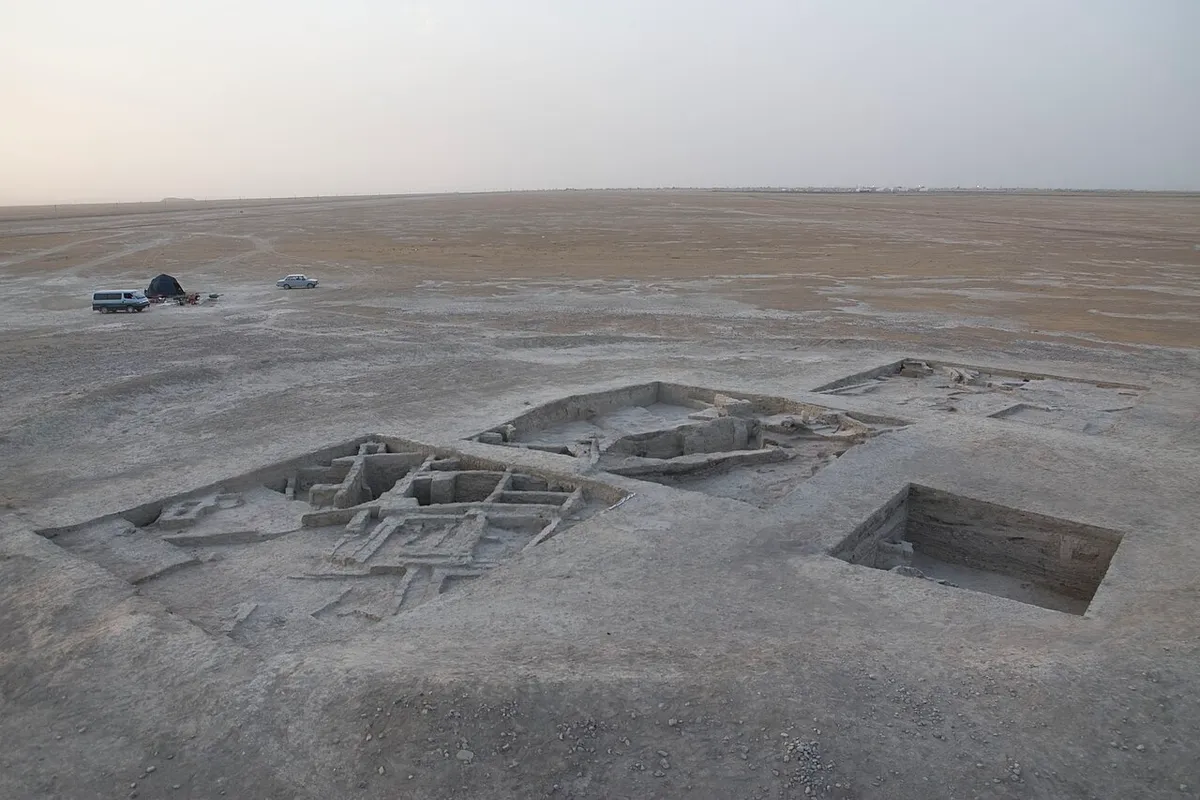
There are many ancient settlements and ruins under and above the lands of Dargeçit that have not yet been fully discovered. These ruins show that the region has been a continuous settlement since prehistoric times. Surface surveys and excavations reveal how rich Dargeçit is in terms of archaeology. These areas have great potential for future archaeoparks or open-air museums. Each stone, each wall ruin carries the lifestyles, artistic approaches and cultural practices of past civilizations to the present day.
Traditional Arts and Crafts: Living Heritage
The cultural richness of Dargeçit does not consist only of historical buildings. Traditional arts and crafts that have been going on for centuries in the region serve as living cultural centers. These handicrafts reflect the identity, aesthetic understanding and philosophy of life of the people of the region.
- Stone Workmanship: As in the whole of Mardin, stone workmanship is of great importance in Dargeçit. Yellowish Mardin stone, used in the construction of houses, churches and other structures, turns into a work of art in the hands of masters. Fine embroideries, motifs and reliefs on door and window jambs reveal the aesthetic taste of the region. This craft proves that Dargeçit is a natural art workshop.
- Weaving and Carpet Weaving: Traditional weaving and carpet weaving are still alive in the region, especially in the rural areas. Rugs, cicims and carpets decorated with local motifs are both used in daily life and passed on to future generations as a cultural heritage. These products are original works of art that reflect the colors and patterns of Dargeçit.
- Music and Folk Dances: Dargeçit has a unique musical culture and folk dance tradition. Assyrian melodies, Arabic and Kurdish folk songs, and local games performed at weddings and special occasions are an important part of the cultural identity of the region. These music and dances are verbal and visual art forms that are passed down from generation to generation.
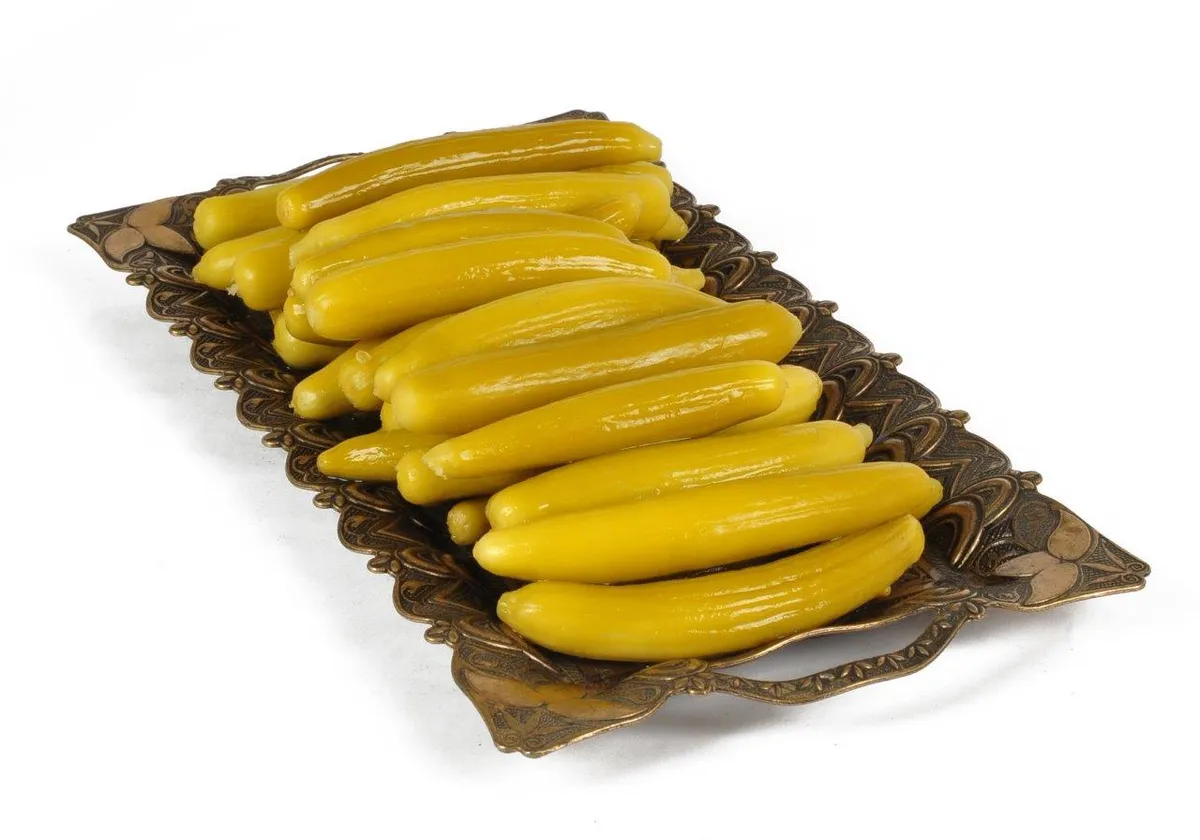
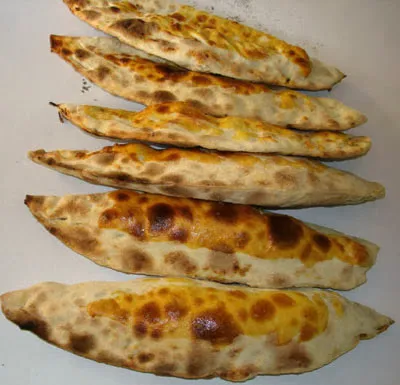
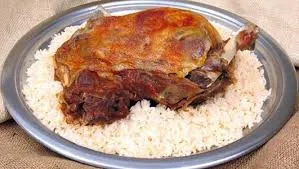
- Local Cuisine: Gastronomy is also a form of culture and art. Dargeçit's local cuisine is full of flavors that reflect the richness of Mesopotamia. Dishes in which bulgur, lentils, meat and spices are skillfully blended bring the cultural diversity of the region to the tables.
Architectural Texture of Dargeçit: The Language of Stone
The streets, houses and places of worship of Dargeçit are like an open-air museum. The unique stone architecture of the region is not only a building technique but also a philosophy of art and life. Narrow streets, arched passages, houses with courtyards and facades decorated with stone carvings constitute the aesthetic identity of Dargeçit. Preserving and restoring this architectural heritage will create a solid foundation for future art and cultural centres. Platforms such as My Memleketim can play an important role in promoting and protecting such cultural heritage.
Steps Towards the Future: Supporting Culture and Art
Discovering this rich cultural heritage of Dargeçit to wider audiences and improving the future Various steps need to be taken to pass it on to future generations. Modern art and culture centers are of critical importance to embody this potential.
- Culture Houses and Workshops: Restoring existing historical buildings and turning them into culture houses or art workshops will create spaces where local artists and craftsmen can exhibit their works, provide training and organize cultural events. Such workshops are of vital importance, especially for the survival of traditional arts such as stonemasonry and weaving.
- Museums and Exhibition Areas: A small district museum or exhibition area exhibiting Dargeçit's archaeological finds, ethnographic works and objects belonging to Assyrian culture will enable visitors to get to know the history and culture of the region more closely.
- Festivals and Events: Organizing local music, folk dances, food and handicraft festivals will increase the cultural vitality of Dargeçit and encourage cultural interaction between local people and visitors. Such events will also increase the tourism potential of the region.
- Digital Platforms and Promotion: Promoting the cultural riches of Dargeçit through digital platforms such as My Memleketim will enable it to reach a wider audience. The hidden beauties of Dargeçit can be revealed to the world with virtual tours, documentaries and blog posts.
Discovering Dargeçit: Tips for Visitors
For those who are considering visiting Dargeçit, this region is not only a historical and cultural heritage, but also friendly people and peaceful It offers an unforgettable experience with its atmosphere. During your visit:
- Chat with local people and listen to their stories.
- Experience stonemasonry and religious atmosphere by visiting traditional Assyrian churches.
- Taste local delicacies; Try especially homemade bulgur dishes and local desserts.
- Discover the natural beauties of the surrounding area. Its proximity to the Tigris River adds a different natural beauty to the region.
- Visit the handicraft workshops to watch the work of the masters and perhaps acquire a unique souvenir.
Conclusion: Cultural Potential of Dargeçit
Dargeçit is an out-of-the-way but valuable corner of Mardin. Its deep history, rich cultural heritage and living traditional arts make the district an art and culture center in itself. Although the number of physical culture centers in the modern sense is still limited, each stone, each street, and each person of Dargeçit reflects the cultural richness of these ancient lands. Supporting and promoting this potential with the right steps will make Dargeçit an important cultural and tourism destination not only locally but also nationally and internationally. As Memleketim, we will continue to discover and promote these unique values of Dargeçit.