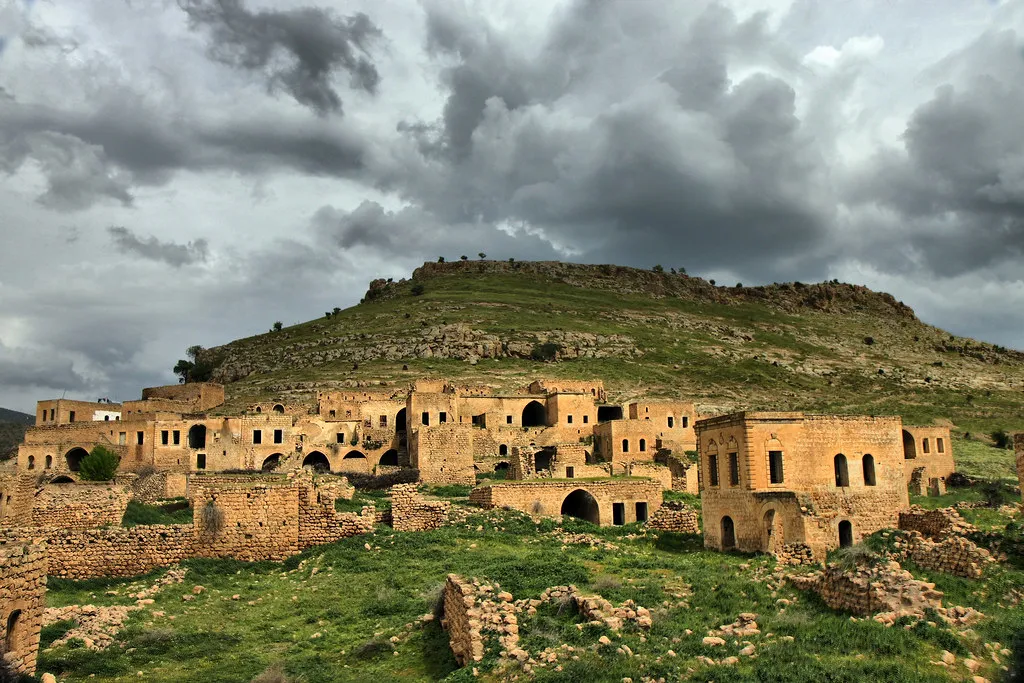

Mardin's pearl in Southeastern Anatolia Savur is a district that stands out not only with its natural beauties, but also with its thousands of years of history and rich cultural heritage. With its stone houses, narrow streets and structures bearing the traces of different civilizations, Savur is almost like an open-air museum [3, 5, 6, 25, 31, 34]. In this article, as the Memleketim platform, we have compiled for you the important stops that reflect the spirit of Savur blended with art and culture.
Savur is derived from the Syriac word 'Savro', meaning 'neck', and it lives up to this name with its geographical location [5, 6, 7, 25, 32]. These lands, which have hosted many civilizations from the Hittites to the Assyrians, from the Romans to the Byzantines, from the Sassanids to the Artuqids, contain a different story in every corner [5, 26, 38]. One of them is the stone mansions that reflect the traditional architecture of the region. These mansions are more than just buildings, they are living museums that carry the lifestyle and aesthetic understanding of the period to the present day.
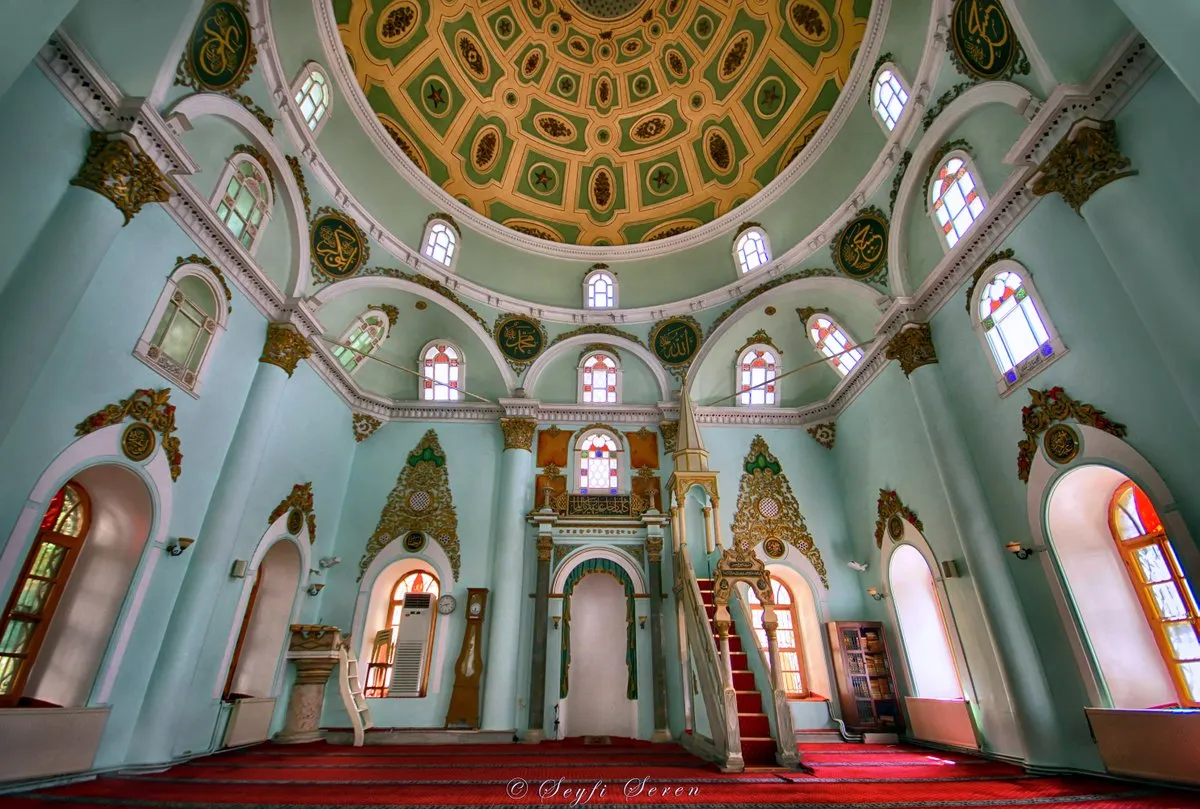
- Hacı Abdullah Bey Mansion: This 200-year-old mansion, built in the 19th century on the slopes of Kambuze Hill overlooking Savur, reflects the elegant Ottoman architecture. carries its style [19, 21, 22]. Covering an area of 7000 square meters, the mansion has 22 rooms, kitchens, large iwans and water wells. This building, which looks like a castle when the three entrance doors are closed, is dazzling with its wooden ceiling decorations and the section known as the 'Mirror Pavilion' [21]. The mansion, which also serves as a boutique hotel and museum today, exhibits the kitchen utensils and clothes used by the people of Mardin from past to present [19, 22, 23]. It displays the elegant lines of its architecture [3]. Standing out with its stone workmanship and traditional structure, the mansion offers a unique aesthetic with the stone arches in its courtyard and inlaid window details [3]. presents [5]. This mansion, built in the 1940s, is one of the first accommodation facilities in Savur and still welcomes its guests today [5, 14, 17]. Being a populated geography, it also reveals its cultural richness [30, 31]. It is possible to see traces of both Islamic and Christian culture in the district [31]. The mosque, whose restoration work started in 2022, attracts attention with its original architecture [11]. Gazi District Old Mosque is an older building thought to have been built in the 13th century during the Artuqid period [23, 24]. Dereiçi (Kıllıt) Village stands out with its historical and cultural diversity [3, 5, 23, 36]. In this village, there are places of worship of three Christian sects: Orthodox, Catholic and Protestant, and a mosque [5, 23, 36]. Mor Yuhanon Dilimiyo Assyrian Church, M.S. It is an important building thought to have been built in the 4th century and was restored in 2006 [3, 27, 36]. Kıllıt Village has great potential in terms of religious tourism with its multi-identity structure and history [36]. 39]. Built on steep cliffs, the castle attracts attention with both its natural beauty and strategic importance [8, 9]. Although its exact date is unknown, it is thought to have been used during the Assyrian, Roman and Byzantine periods [8, 10]. There are water cisterns, dungeons and other building ruins inside the castle [8]. Today, Savur Castle can be visited as a historical site and attracts visitors with its historical atmosphere [8, 16]. This structure, located on a sloping and quadrangular area, was built with the masonry technique using cut and smooth cut stone [23]. This facility, also known as Savur District Governorate Cultural Center, contributes to the cultural life of the district [29]. You can easily reach it by private car or by public transportation departing from Mardin center. It is recommended that you choose comfortable shoes to explore the narrow and stony streets of Savur. When visiting historical mansions and places of worship, care should be taken to dress in accordance with the cultural sensitivities of the region.
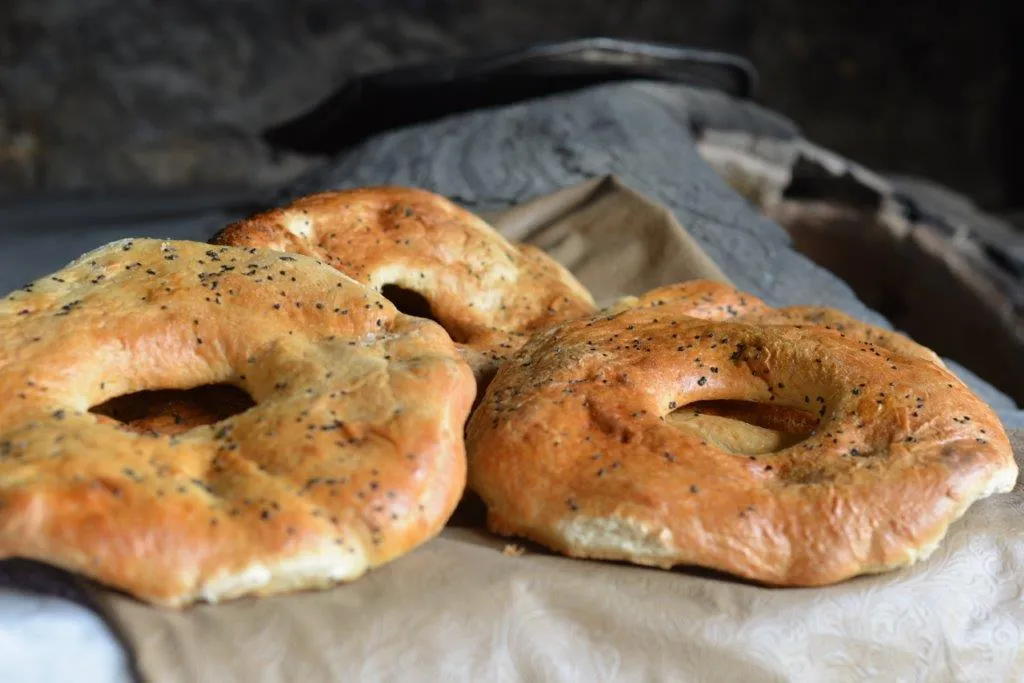
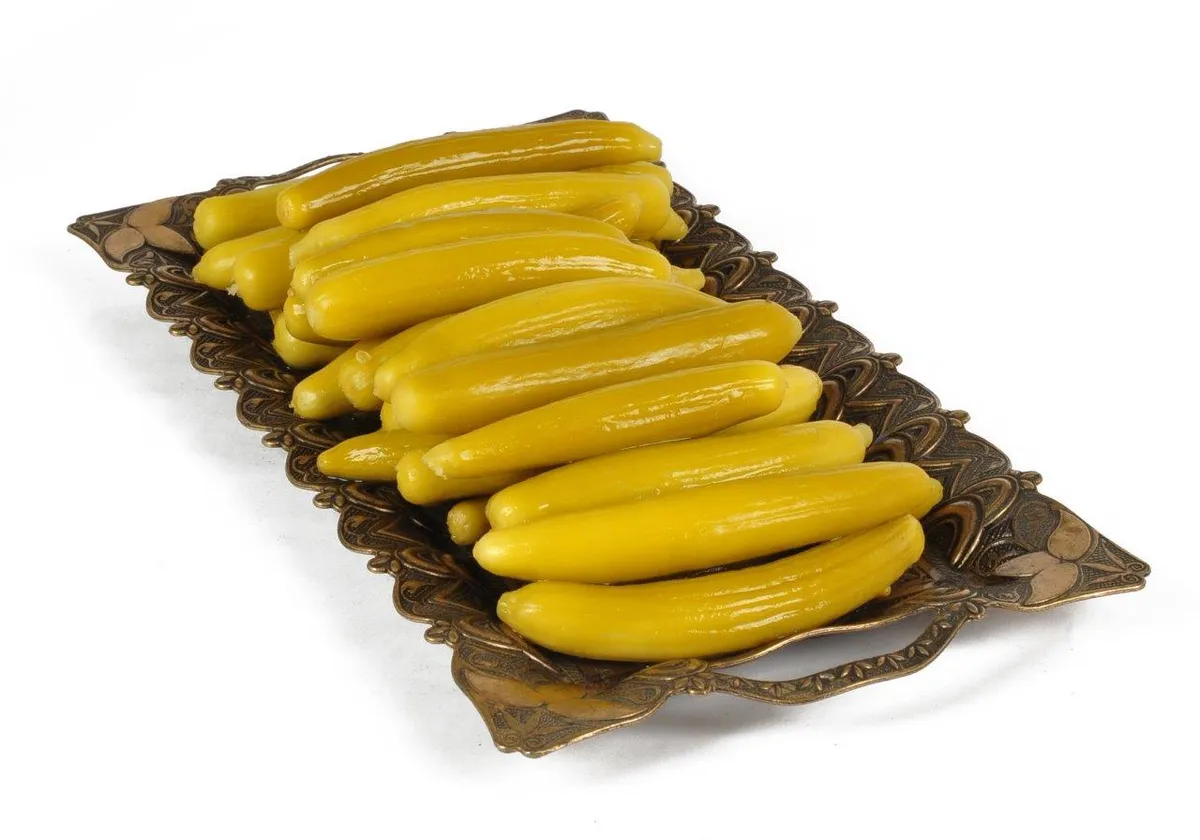
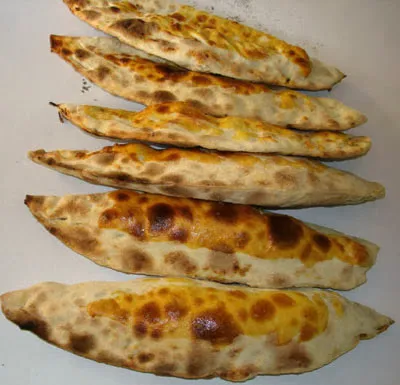
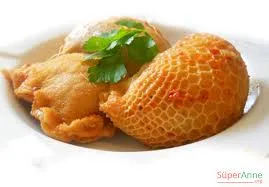
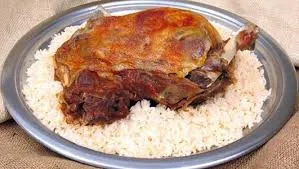
Savur fascinates its visitors not only with its historical buildings but also with its local delicacies. Don't forget to try the unique flavors of Mardin cuisine such as sembusek, kibbe and stuffed ribs [6]. Additionally, the local walnut sausage is a delicacy worth trying [5]. As
Memleketim, we recommend you to discover the unique artistic and cultural richness of Savur and feel the spirit of these ancient lands. Savur is a real gem waiting to be discovered for those who want to trace the past and have an authentic cultural experience.
Savur's traditional handicrafts are also an important part of its cultural texture. Crafts such as stonemasonry and carpentry are values that should be supported to ensure the cultural continuity of the region [25]. Keeping these crafts alive is of great importance to preserve the cultural identity of Savur.
When you visit Savur, you will experience not only the historical structures but also the tolerance of different beliefs and cultures living together. This is one of the features that best reflects the spirit of My Homeland.