History and General Information / Local Legends and Folklore
Labranda is the most important mountain sanctuary of the ancient Carian civilization and the center of the 'Zeus Labraundos' cult, known for its double-faced ax symbol. The area, which has been considered sacred since the 6th century BC, was equipped with monumental terraces, androns (banquet halls) and the Temple of Zeus in the 4th century BC, during the reign of the Carian Satrap Hekatomnos and especially his son Maussollos and Idrieus. Pilgrim groups and priests reached this mountain peak by walking on the 14-kilometer stone-paved 'Holy Road' starting from Milas (Mylasa). According to legend, the fish living in the pool of healing water gushing from the sacred spring were decorated with gold and silver necklaces, and the soothsayers made prophecies about the future by looking at the movements of the fish. Geographical Structure, Altitude and Natural Features
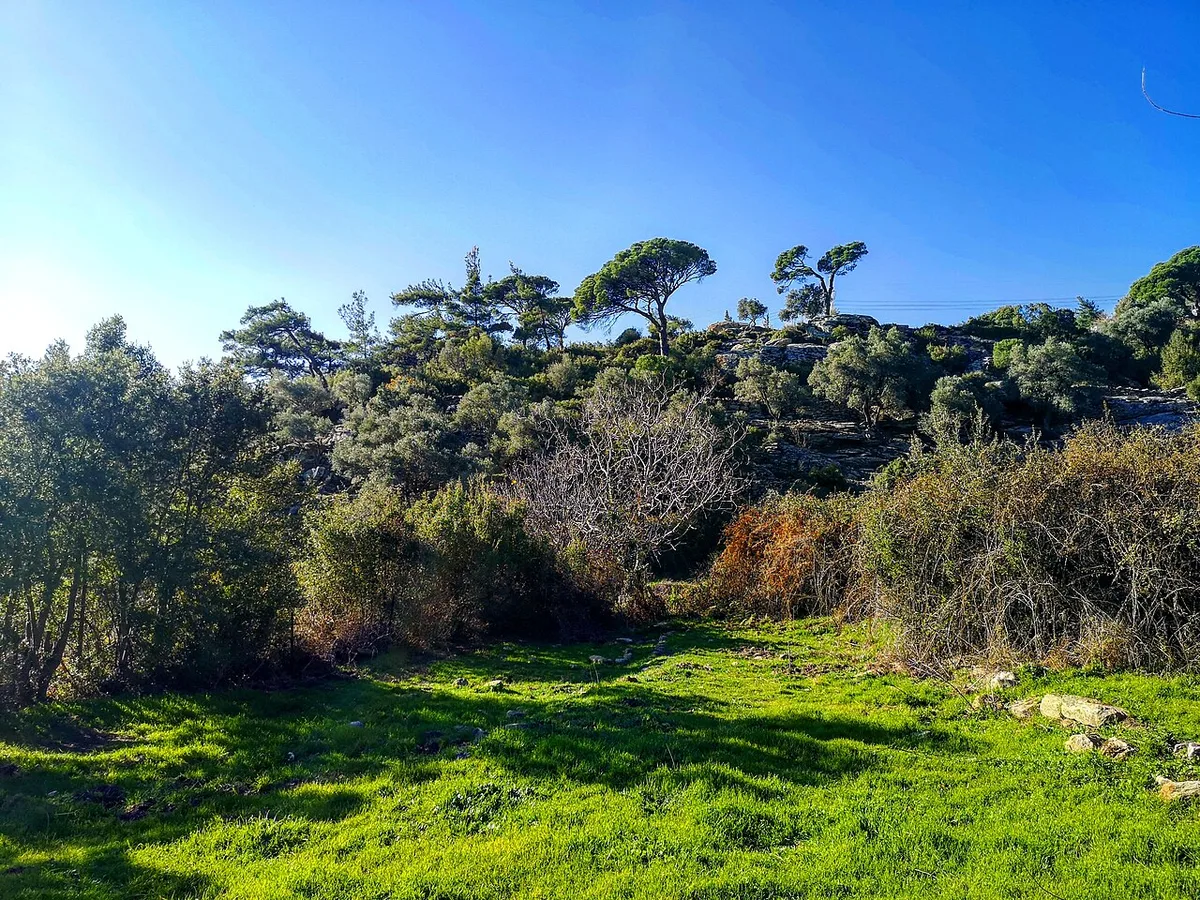
Labranda is built on steep granite terraces at an altitude of approximately 700 meters above sea level, on the foothills of Çomakdağ, which is the southern extension of the Latmos (Beşparmak) mountain range. Huge granite rock blocks, centuries-old pine and olive trees, thyme and sage-scented mountain air give the place a mystical and wild nature atmosphere. Visiting Hours, Days and Entrance Fees
•Entrance Fee:Visiting the ruins is completely free (Open air sanctuary).•Visiting Hours and Days (Mandatory): It can be visited 7 days a week between 08:30 - 18:30 without interruption.•Rules, Safety and Stroller/Disabled Access: Sturdy-soled walking shoes are a must, as the terrain consists of steep granite terraces, ancient steps and paths; Upper terraces are not suitable for baby strollers and wheelchairs. Historical stones should not be damaged and fires should not be lit.•Facilities and Facilities:The excavation house has information boards, viewing points and an ancient sacred fountain. Transportation, Public Transit Routes and Exact Location•Address / Open Location:Kargıcak Mahallesi Mevkii, 48200 Milas/Muğla.•Road Condition and Vehicle Availability: It is 14 km away from Milas town centre. The asphalt and partly parquet-covered winding mountain road that continues through Kargıcak village can be overcome by careful driving with all passenger vehicles.•Real Public Transportation Information (Mandatory): You can reach the village by minibuses from Milas Bus Terminal to Kargıcak village and follow the ancient path towards the sacred area or by taxi from Milas.•Parking Availability:There is a free parking area next to the excavation house at the entrance of the ruins. Contextual Experience Tips, Photography and Local Gastronomy•Best Photography Spots and Frames:The granite columns of the Andron A hall in front of the twin-cleft sacred rock block and the silhouette of the Milas plain in the background produce dramatic compositions.•Light and Shooting Hours:The moments when the fog that settled in the mountain valleys in the early morning dissipates and the afternoon sun makes the yellow-gray texture of the granite stones extraordinarily clear.•Local Gastronomy Recommendations:On your return from Milas, the registered Milas olive oil tray, sour meatballs, stuffed liver and Çomakdağ village pastry should definitely be tasted.