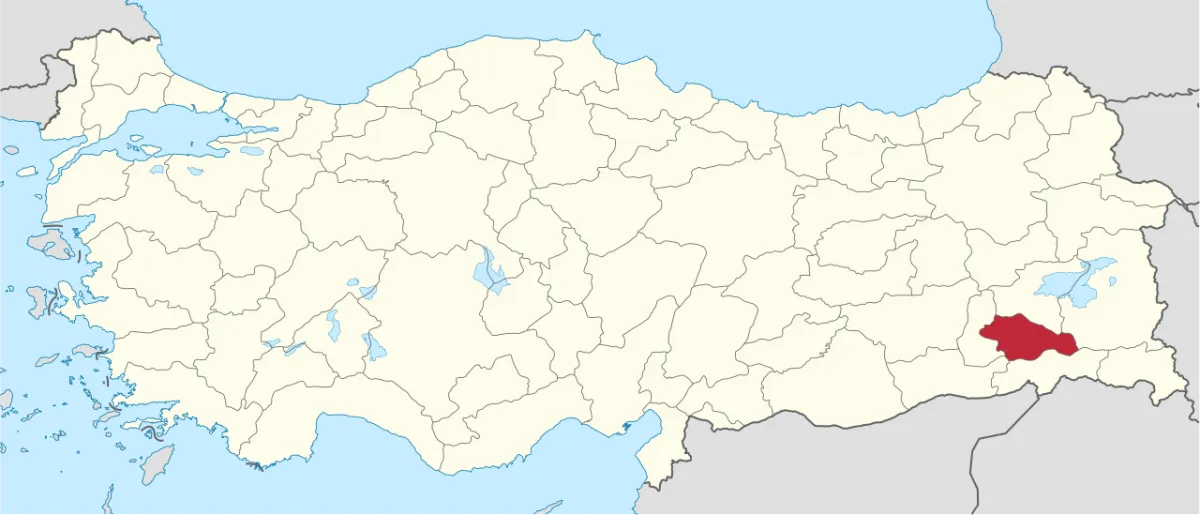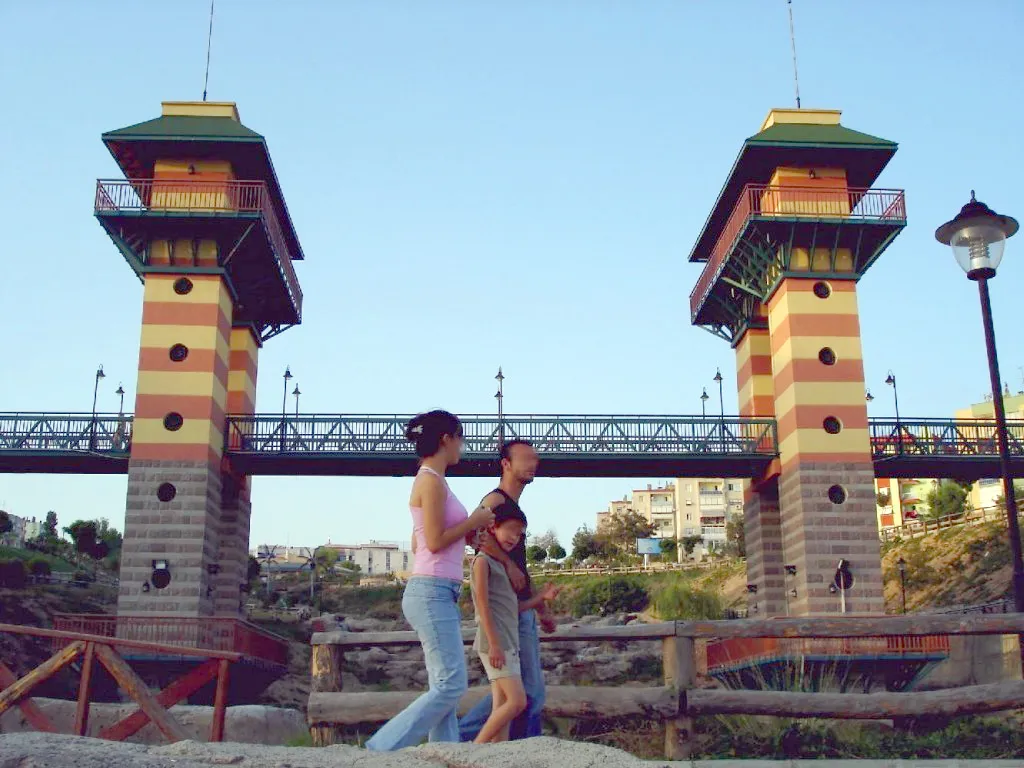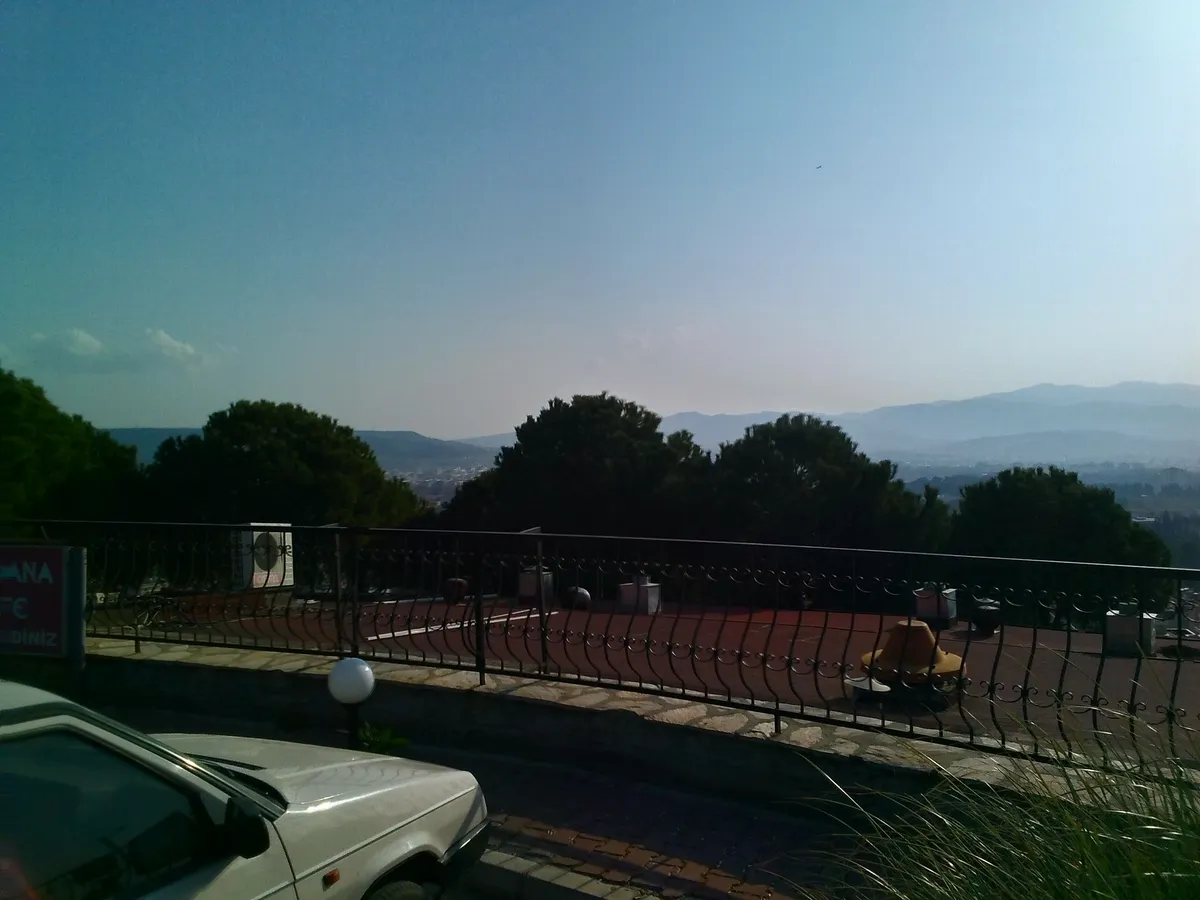

, in the geography brought to life by the Botan Stream, it is a district that attracts attention not only with its natural beauties but also with its deep historical and cultural heritage. These ancient lands, which have hosted different civilizations for thousands of years, present a unique mosaic where beliefs and cultures are blended. In this article, we will trace the mosques and churches that form the spirit of Kurtalan, from past to present, and witness the stories of these sacred places. My Hometown As the platform, we are proud to guide you to discover this rich heritage.
The Historical Texture of Kurtalan and the Lands Where Beliefs Meet
Kurtalan and its surroundings, Since it is located in the northern extension of Mesopotamia, it has been a transit route and settlement area for many civilizations throughout history, from the Sumerians to the Assyrians, from the Persians to the Romans, from the Byzantines to the Seljuks and the Ottomans. This rich history has left deep traces on the architecture, lifestyle and, of course, belief structure of the region. Kurtalan, where communities of different beliefs have lived together for centuries, offers one of the best examples of this atmosphere of tolerance. Mosques and churches are concrete indicators of this multi-layered cultural structure.
___ These structures, which generally attract attention with their simple and functional architecture, reflect the stonemasonry tradition of the region. Mosques in Kurtalan have served not only as places of worship, but also as centers of gathering, education and solidarity. Mosques located in different neighborhoods of the district, each of which became the meeting point of its own community, carried the local characteristics of the period and the general lines of Anatolian Islamic architecture in their architecture.Featured Mosque in Kurtalan Architecture
- ___ The cut stones used on the walls give the building a unique character.___ Basic elements such as the mihrab, pulpit and preaching platform are decorated with artistic details.___ Especially during Friday prayers and holidays, these mosques become important centers that reinforce the unity and solidarity of the district's people.
It is possible to see the traces of these spiritual structures in every corner of Kurtalan. Each of them whispers a story from past to present and reveals the deep bond of the people of the district with faith. By visiting these mosques through MyMemleket, you can experience the spiritual atmosphere of Kurtalan closely.
Kurtalan's Ancient Heritage: Churches and Assyrian Presence
Siirt and its surroundings have been one of the oldest and most important centers of Assyrian Christianity in Anatolia. Kurtalan is also a part of this rich Assyrian heritage. It is known that there were many churches and monasteries in these lands, where Assyrian communities lived throughout history. These structures are the most striking evidence of the multi-faith structure and cultural diversity of the region.
Architectural Features and Historical Importance of Assyrian Churches
___ These structures, generally built of stone, may look like a castle from the outside with their thick walls and small windows. The interiors contain examples of Assyrian iconography and religious art. Frescoes, stone carvings and wood craftsmanship increase the artistic value of these churches.- Mor Yakup Church (Siirt General): There are Assyrian churches and monasteries throughout Siirt province, especially in districts such as and. The fact that Kurtalan is also a part of this cultural geography indicates the existence of similar structures in the past. These churches served as worship and education centers of the Syriac Orthodox community.
- Architectural Details: Three-nave basilical plans or central plans are generally seen in Assyrian churches. The mihrab-like altar in the apse is the focal point of worship. Some of the churches are also equipped with catacombs or shelters, a reference to the turbulent history of the region.
- Current Situation: Unfortunately, many old churches in Kurtalan have fallen into ruin over time or have been used for different purposes. However, some of them are being restored and protected as cultural heritage. These structures carry the Christian past of the region and the deep traces of Assyrian culture to the present day.
These churches are not only architectural structures, but also like history books. Every stone, every wall whispers the beliefs, joys and sorrows experienced throughout the centuries. This ancient heritage of Kurtalan is an indispensable stop to understand the cultural richness of the region.
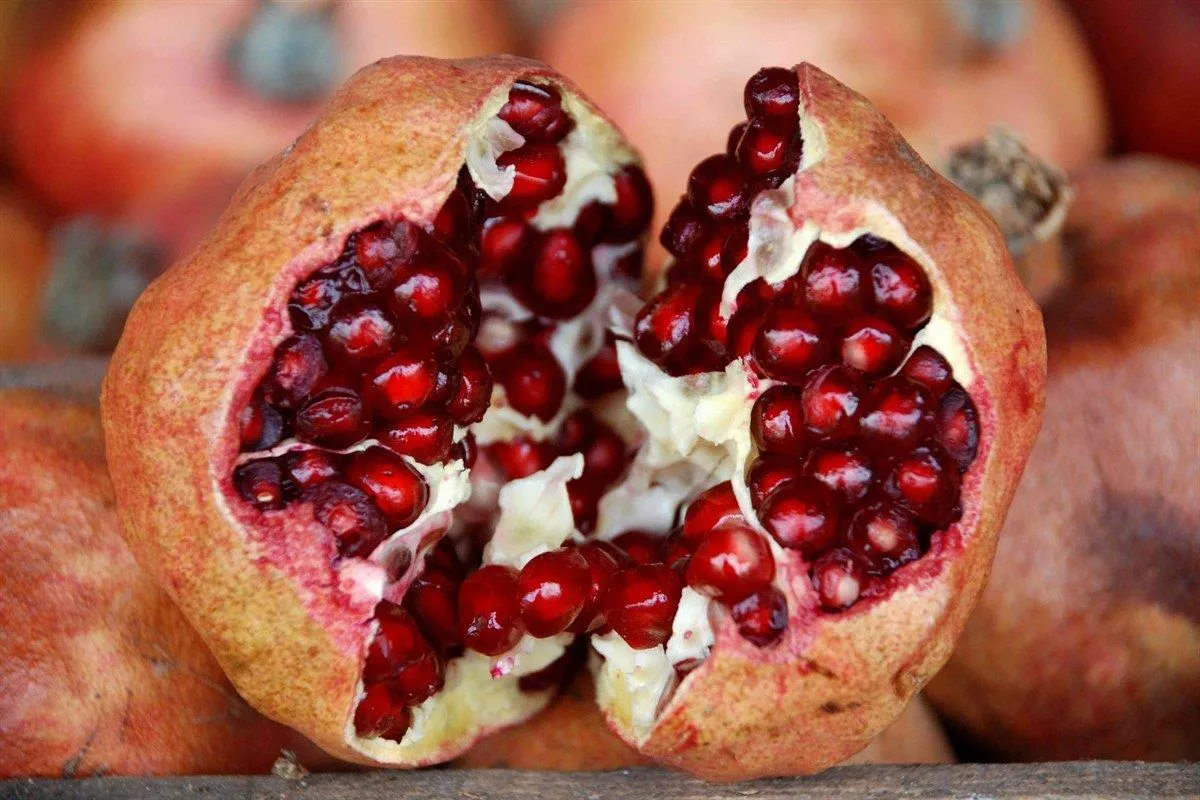
Mirror of a Multicultural Heritage: Kurtalan___ are the evidence. These sacred places were not only places of religious worship, but also centers of cultural exchange, artistic production and social solidarity. This fertile land, known for its local products such as pomegranate and Zivzik pomegranate, also offers a rich blend of beliefs and architecture.
This unique texture of Kurtalan offers its visitors not only a historical journey, but also an inspiring experience that shows how different beliefs and cultures can coexist. These structures remind us of our responsibility to preserve the legacy of the past and carry it to the future.
___ These sacred places represent a cultural treasure hidden in the depths of Anatolia, waiting to be discovered. Each of them bears the traces of a different period, a different belief and a different way of life. Visiting these structures means not only seeing the architectural beauties, but also feeling the spirit of these lands.As My Memleketim, we invite you to discover this unique religious and cultural heritage of Kurtalan. Kurtalan will offer an unforgettable experience for everyone who wants to delve into the depths of history, follow the traces of different beliefs and share the stories of these ancient lands. Come, listen to Kurtalan's sacred call and see this unique heritage with your own eyes.