# Turkey's Living Folk Legends, Legends and Mythology Map: Oral Memory, Dervish Stories and the Secret of the Mountains
!Turkey's Living Folk Legends and Mythology Map
Anatolia is a unique ocean of tales and legends whispered from generation to generation in the public imagination, as well as thousands of years of civilization ruins hidden under stones. The cleft of a canyon, a smoky mountain top, a small castle in the middle of a lake, or the shadow of a centuries-old grand plane tree; They are not just geological formations, but living scenes of mythological epics woven by the public conscience with justice, love, patience and loyalty.
Legend here; It is the poetic reflection of truth in public language. While the sanctity of a pure village girl who was slandered in the foggy peaks of the Kaz Mountains is memorialized with the Legend of Sarıkız; The story of Shahmeran, the king of doctors, who was betrayed in the heat of Çukurova, turns into the moral law of medicine and keeping secrets. The rough waters of Lake Van waver with Tamara's sad love, and Mount Ararat cradles Noah's Ark, the harbor of hope for humanity that survived the flood. Castles conquered by Khorasan saints with a wooden sword, Hacı Bektaş legends floating to Anatolia in the dove frost, and cruel rulers turned to stone; It is the spiritual seal of our nation's sense of justice stamped on the geography.
My Homeland, by scanning Türkiye's 81 provinces and 973 districts, mountain by mountain, spring by spring, to create "Map of Living Folk Legends, Legends and Mythology" compiled. This study; It is a unique cultural compass for those who want to explore geography not only as a travel route but as an ancient narrative with a soul.
1. The Essence of Anatolian Mythology and Folk Legends
While Western mythology portrays the gods as arrogant beings who punish people, Anatolian-Turkish folk legends and legends are entirely based on public conscience, morality and divine justice:
Innocents who prayed "Oh God, turn me into stone or turn me into a bird" rather than falling into the hands of the oppressors, become eternal by turning into stone.
The generous households that hosted Hızır Aleyhisselam, who came to the door disguised as an old dervish, were overwhelmed with abundance.
The wisdom of nature whispering which herb is the cure for which ailment and the elixir of immortality pouring into the rivers.
Ferhat and Şirin's pickaxe piercing the mountains, Kerem and Aslı's ashes; Roses blooming on the graves of lovers who could not be reunited in this world.
2. Living Legend Map of Anatolia Region by Region
Each region in the Anatolian geography opens the door to a different legendary universe according to its historical layers:
Aegean and Marmara: From Kaz Mountains to the Secrets of the Bosphorus
- The Legend of Kazdağları Sarıkız (Balıkesir): The custody and helpfulness of the innocent Sarıkız, who was slandered and left to the summit of Kaz Mountain with her geese by her father. Today, Sarıkız Hill, the highest peak of the Kaz Mountains, hosts the gratitude rituals of Turkmen tribes every year.
- Hasanboğuldu Pond (Edremit): The impossible love of Yoruk girl Emine and plains Hasan; Hasan's drowning in the pond while carrying his forty-odd kilo sack of salt to the mountain, and the integration of love with the river.
- Istanbul Maiden's Tower & Leandros: The Byzantine emperor, who built a castle in the middle of the sea to protect his daughter from snakebite, cannot escape the fate and the ancient lovers reunited in the waves of the Bosphorus.
Mediterranean and Çukurova: Shahmeran and the Castle of the Snakes
- Legend of Tarsus Shahmeran: Shahmeran, the king of snakes, who is half human and half snake and an example of goodness, teaches Camsab the secrets of medicine and is murdered in the Tarsus bath due to the betrayal of the sultan's vizier. This ancient story, where the water of its body is healing and the water of its head is poison, has been kept alive in under-glass paintings in Çukurova handicrafts for centuries.
- Mersin Heaven-Hell Sinkholes: Huge karst depressions where Typhon, the hundred-headed monster in mythology, was buried underground by Zeus, and the Virgin Mary. Church.
- Kızkalesi (Sea Castle): The island castle rising in the middle of the deep blue waters of the Mediterranean is based on a narrative of prophecy and destiny, just like Istanbul.
Central Anatolia: Dervishes and Fairy Chimneys of the Steppe
- Cappadocia Fairy Chimneys: The belief that the gigantic fairy chimneys in the Göreme and Uçhisar valleys were formed by fairies descending from the sky with the prayers of the villagers and turning malicious giants into stone.
- Hacı Bektaş Veli Pigeon Donu: The legend of the great rice who took the form of a white dove and landed in Sulucakarahöyük to greet the saints of the land while coming from Khorasan to Anatolia.
- Kayseri Erciyes Mountain: The dervish tombs hidden behind the endless snow and clouds at the summit and the two humps of Ali Mountain are the Hz. The legend that Ali was split open with his sword.
Eastern Anatolia: Mount Ararat and Noah's Ark
- Mount Ararat & Noah's Flood: The sacred peak where Noah's ark sat on the day of great purification when the earth was flooded. The lava plateaus around the mountain and the love legends of Ishak Pasha Palace heard from Ahmedi Hani.
- Lake Van and Akdamar Island (Tamara): The brave man who swam to Tamara, the priest's daughter, who was waiting on the island every night with a lantern in his hand, drowned in the lake when the lantern was extinguished in the storm. exclaimed "Oh Tamara!" how your cry gives a name to the island.
Southeast: Gods of Nemrut and Balıklıgöl
- Şanlıurfa Balıklıgöl (Halil-ür Rahman): Hz. who raised the flag of monotheism against the tyranny of Nimrod. The place of divine miracle where the wood turned into fish and the fire turned into a rose garden when Abraham was thrown into the fire.
- Adıyaman Nemrut Mountain: Statues of King Antiochus I of Commagene shaking hands with the gods at 2,150 meters and the immortality cult of sunrise.
3. Respectful and Conscious Travel in the Footsteps of Legends
When visiting a legendary place, one should act with the sensitivity of a cultural researcher rather than the curiosity of an ordinary tourist:
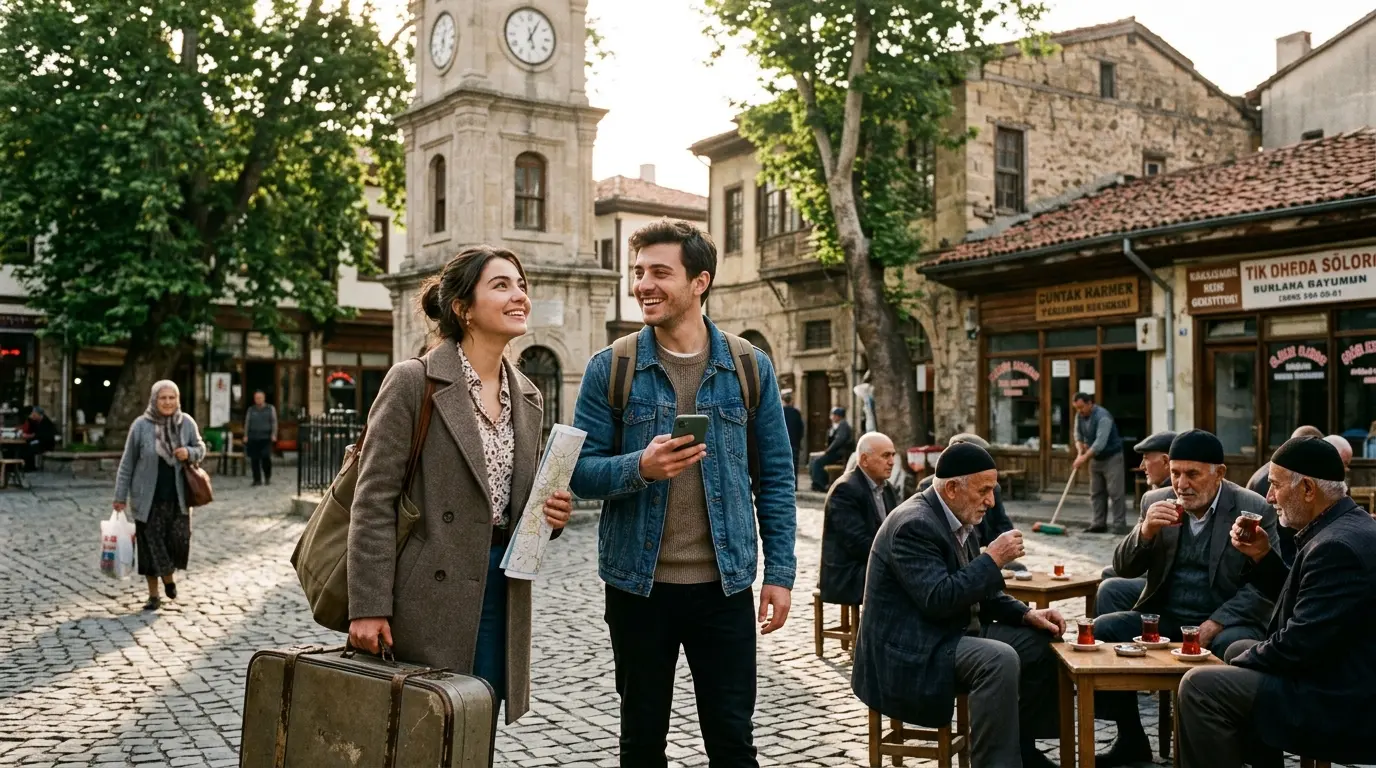
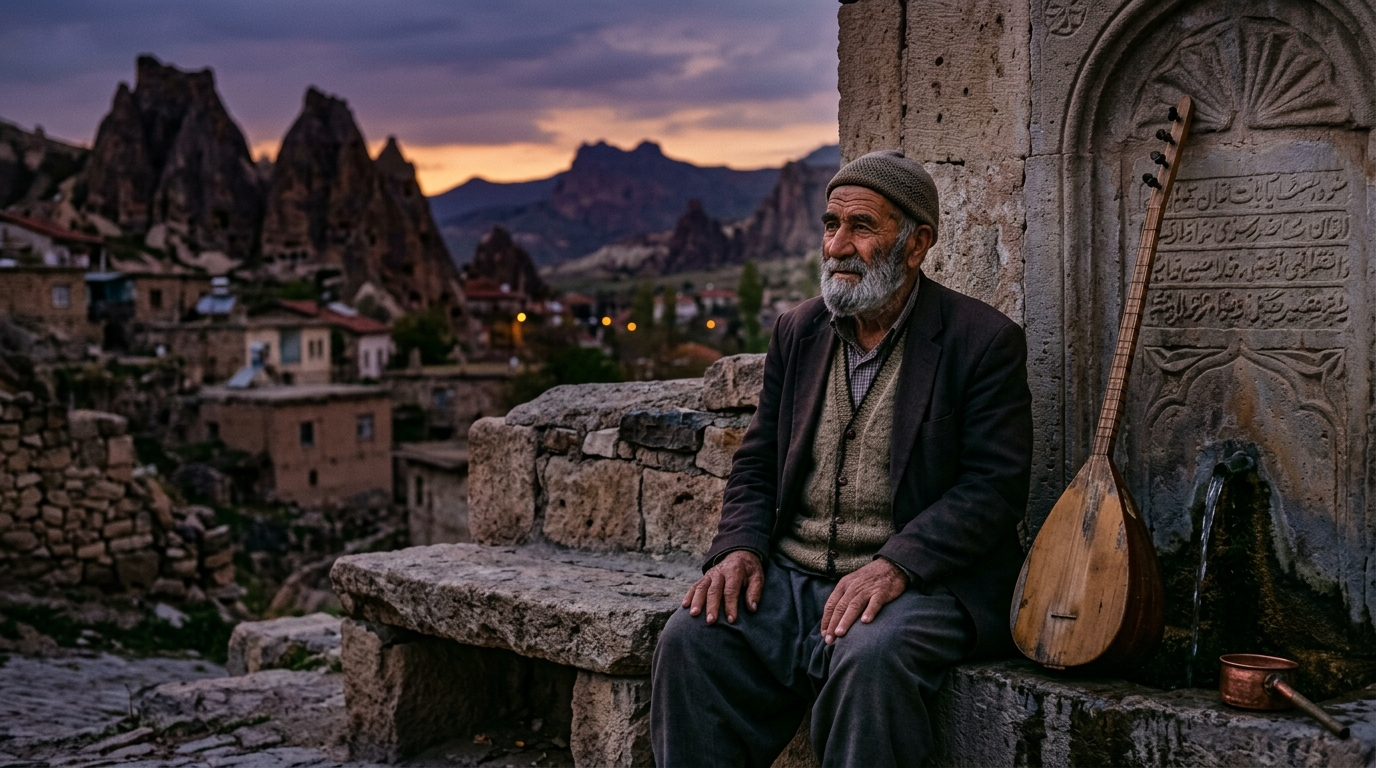
Don't settle for superficial summaries on the internet; Hear the story in their own words from the old uncles sitting in the village coffeehouse and from the local memories who have been telling the dervish legends for centuries.
Engraving names on centuries-old stones, cave walls or monumental trees in legendary places, or drying the tree by tying it with rags is a betrayal of cultural heritage.
Approach with respect the sanctity of the fish in Balıklıgöl, the stone piles or the lay trees on Sarıkız Hill; Do not hurt the religious values of the local people.
4. What Can You Discover With My Hometown Legends Map?
My hometown crowns the geographical discoveries of travelers with the richness of oral culture:
- District Based Legend and Legend Search: You can read the folk story behind the mountain, lake or historical fountain in the district you visit with a single click.
- Spiritual Heritage and Heritages Integration: You can visit the graves of the dervishes mentioned in the legends and the great temples through the Registered Spiritual Heritage Atlas.
- Quiet Cities and Villages: You can discover the untouched villages where legends were born with Authentic Village and Plateau Life Guide.
- Local Handicrafts and Cooperatives: You can find the women who produce Şahmeran glass paintings or Sarıkız weavings with Women's Cooperatives Atlas.
5. Frequently Asked Questions (FAQ)
History speaks with archive documents; Legend, on the other hand, is a masterpiece of oral literature that conveys to geography how a nation keeps justice, love and morality alive.
The strongest traces of the legend are located in the historical Şahmeran Bath in Tarsus and the steep Yılankale walls in Adana Ceyhan Plain.
There is a controlled exit from the National Park entrance. The Sarıkız commemoration meeting organized by the Yoruk-Turkmen tribes every year in August is a respectful tradition.
These fish, seen as the deposit of the rose garden that extinguishes the divine fire, have been protected with respect for centuries and are considered untouchable.
By scanning university folklore departments, provincial cultural inventories and local lovers' compilations, the true living stories for each district were confirmed.