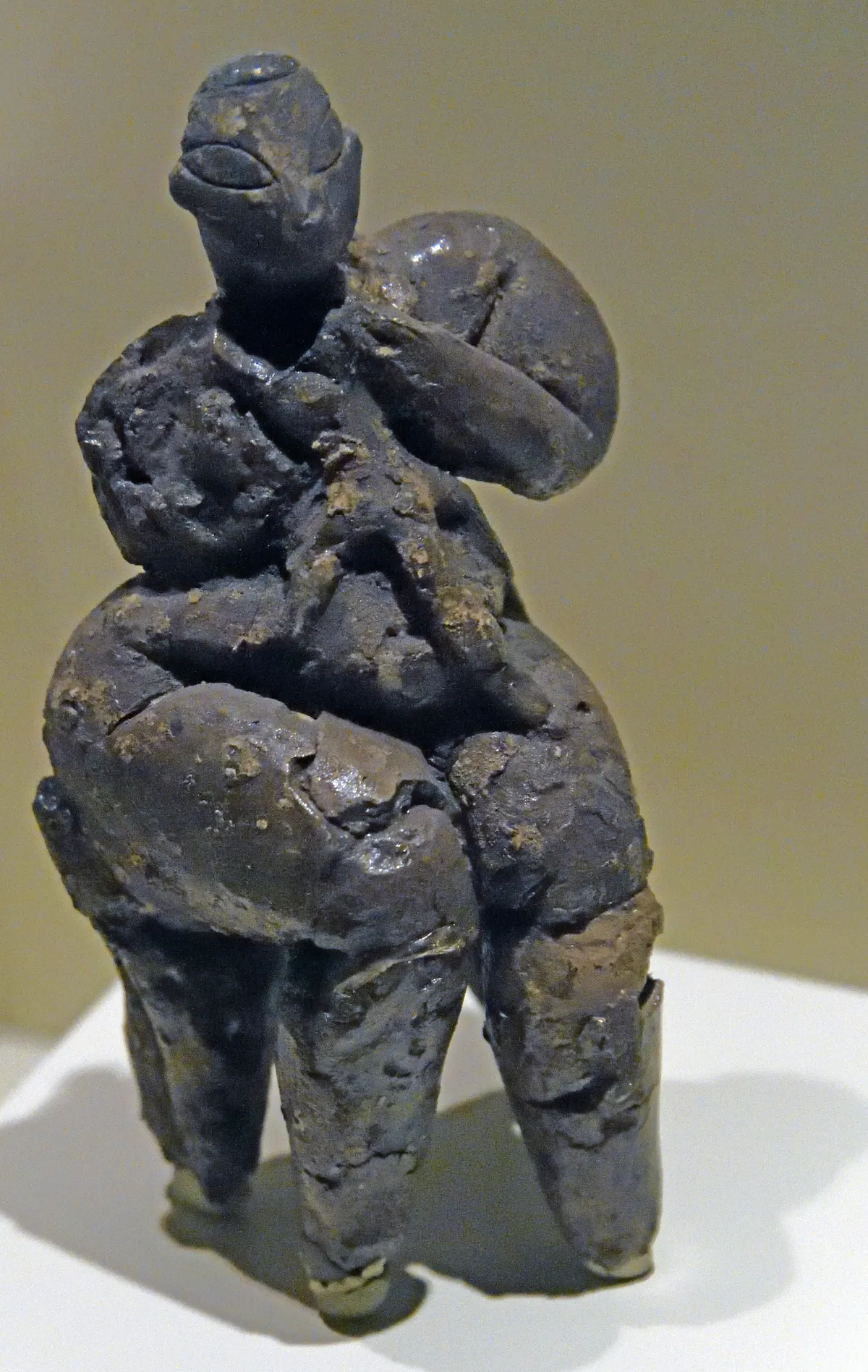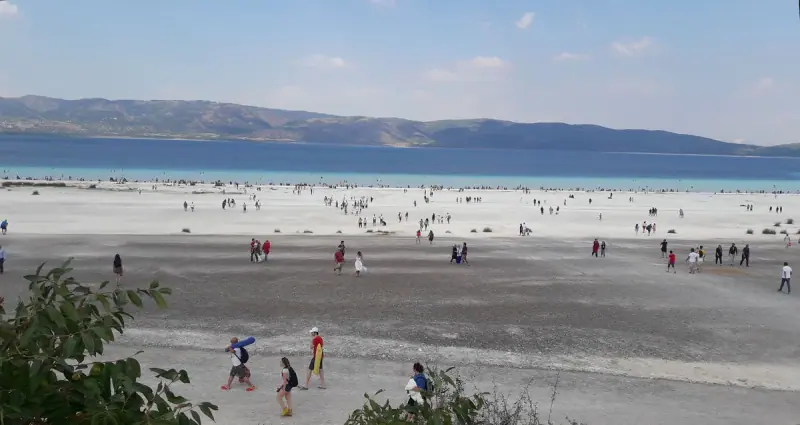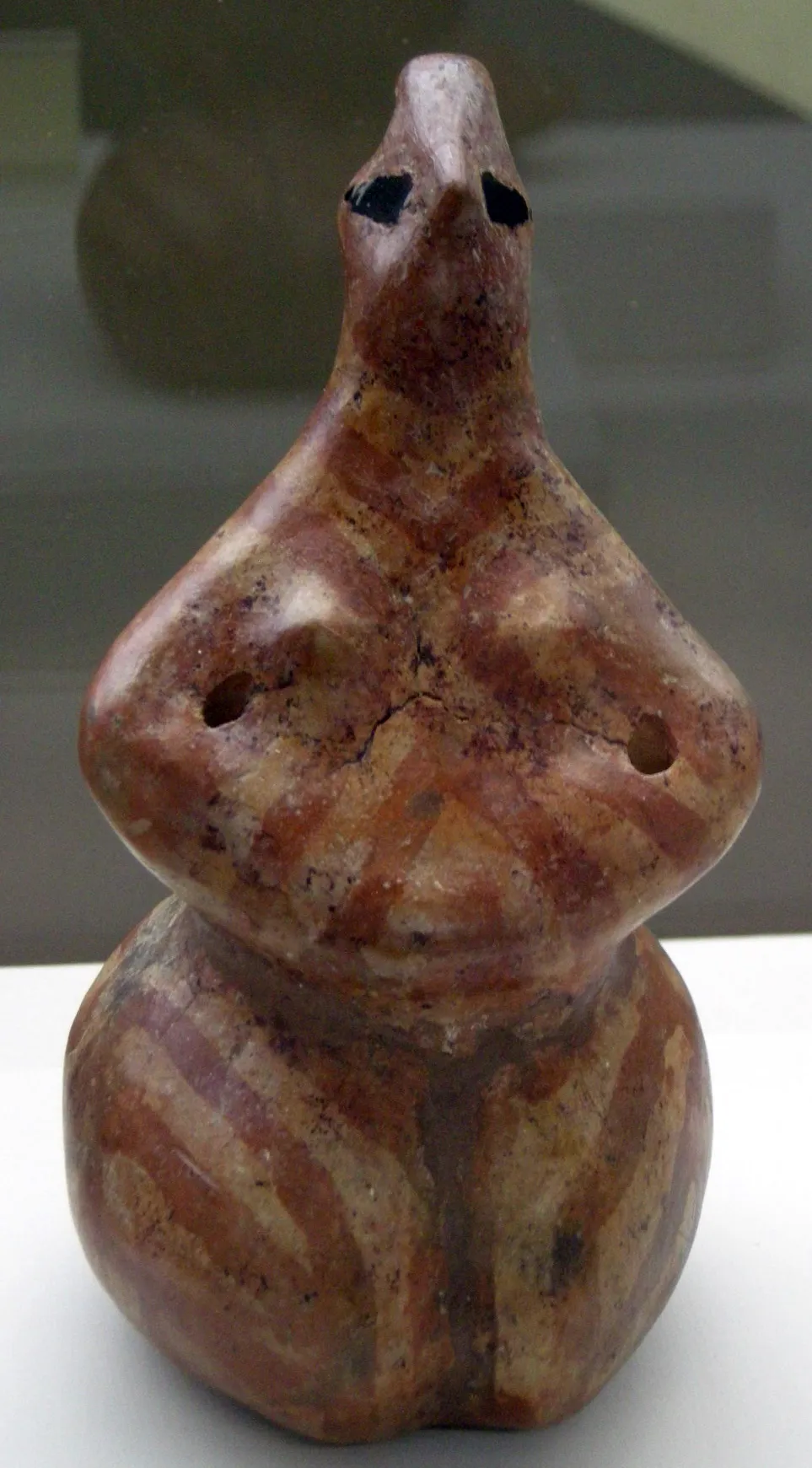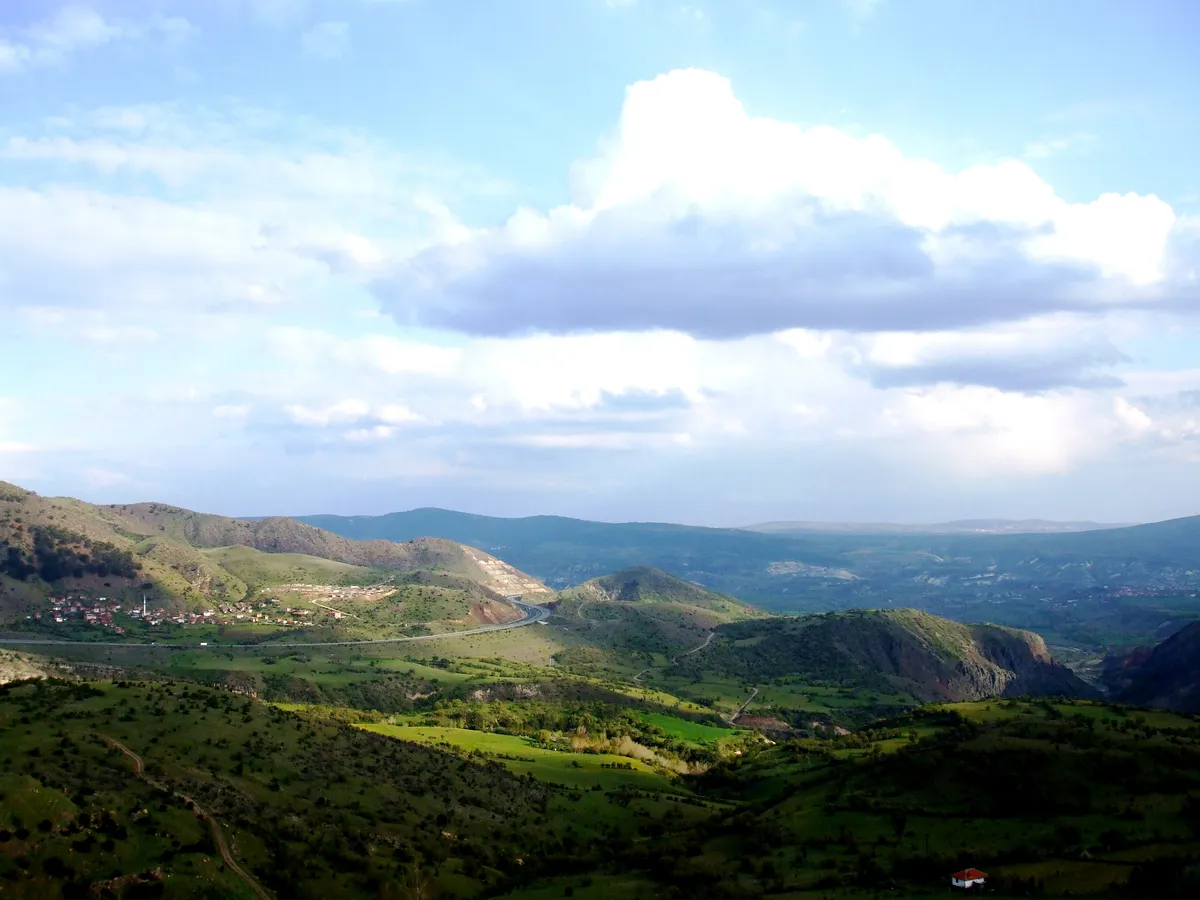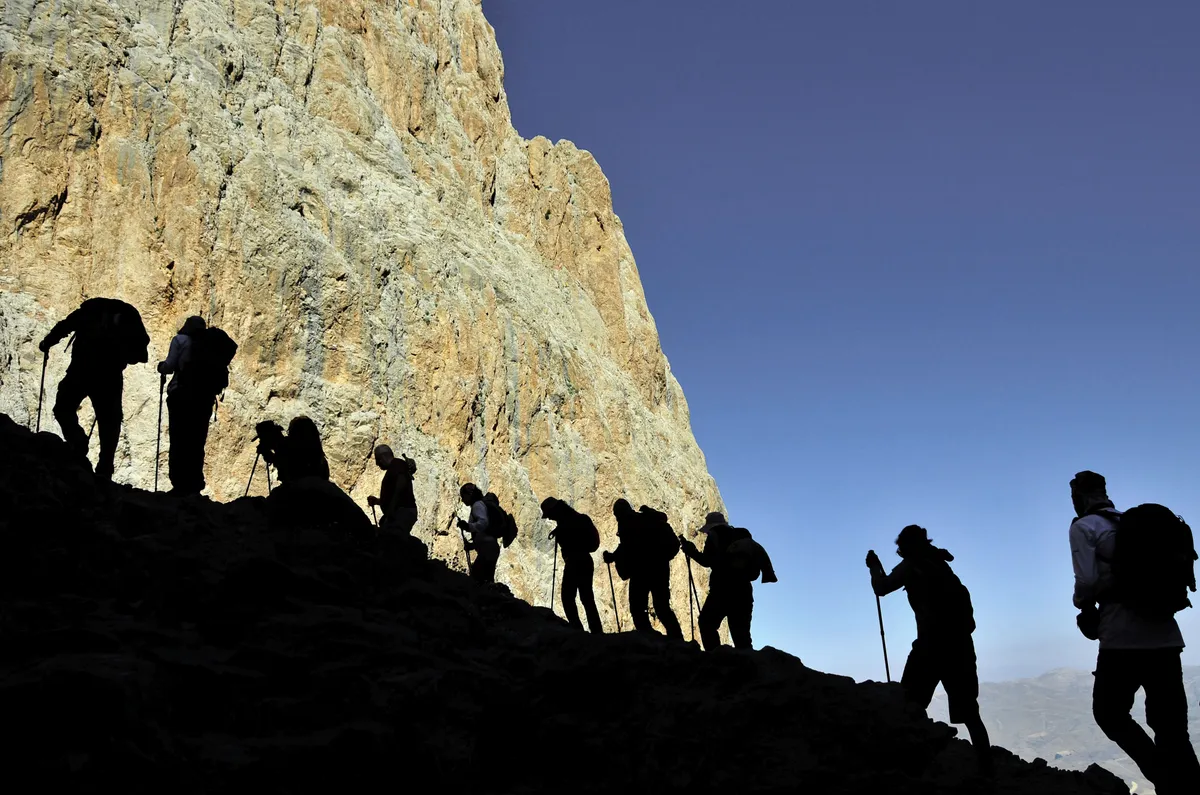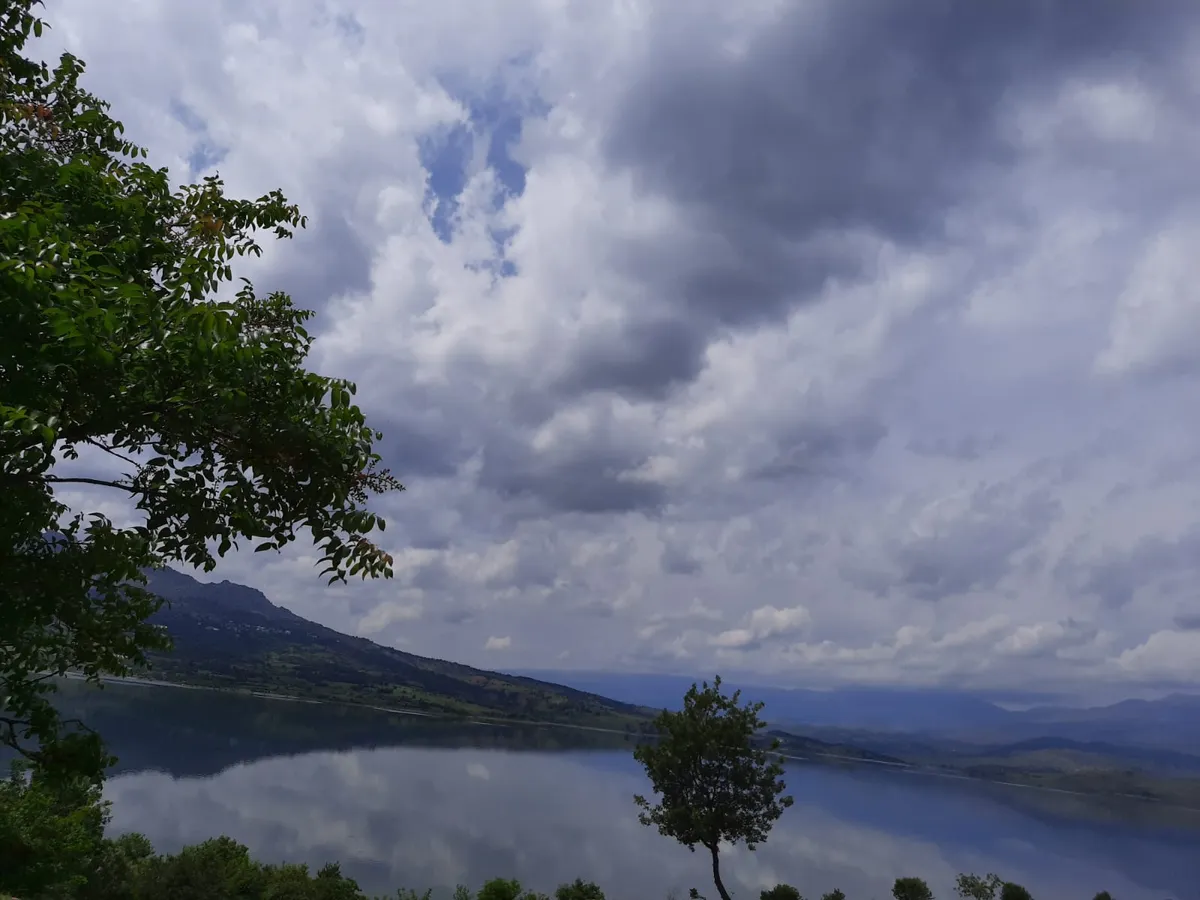

Çeltikçi, the charming district of our Burdur province, in the ancient lands of Anatolia, where every corner whispers a different story, attracts attention with its spiritual heritage as well as its natural beauties. Located in the tranquil atmosphere of the Lakes Region, Çeltikçi promises its visitors a peaceful journey with its mosques bearing the traces of centuries-old belief tradition. In this article, as the Memleketim platform, we will examine in depth the mosques of Çeltikçi, its architectural features and the faith tourism potential of the region.
The Spiritual Texture of Çeltikçi: Mosques and Historical Traces
Çeltikçi is located in the southeast of Burdur, in a fertile It is a district that stands out with its plains and lush nature. The history of the region has a rich history extending from the Hittites to Rome, from the Byzantine to the Seljuk and Ottoman. This deep-rooted history has shaped the cultural and spiritual structure of the district. In Çeltikçi, instead of large and flashy historical mosques, there are simple but meaningful village and neighborhood mosques that meet the needs of the local people. These mosques are important examples that reflect the architectural approach, woodwork and stonemasonry of the region.
Especially structures such as Çeltikçi Central Mosque are at the heart of the social and cultural life of the district. These structures, which bring the community together for Friday prayers, holidays and special occasions, serve as social meeting points, beyond just being places of worship. The wooden ceiling decorations, mihrab and pulpit details inside the mosque reveal the intricacies of local handicrafts. Although these mosques generally have a plain exterior, they impress their visitors with the peace and spiritual atmosphere they contain in their interiors.
The Importance of Faith Buildings in Çeltikçi and Its Surroundings
It is possible to come across mosques with similar architectural features in the villages around Çeltikçi. These mosques were generally built with the contributions of the local people and were restored over time and have survived to the present day. Each mosque contains a story within itself; Sometimes they rise in the shadow of a grand plane tree, sometimes at the top of a hill, integrated with the natural beauties of the region. These structures present more modest but intimate examples of the Seljuk and Ottoman period mosque architecture seen throughout Burdur.
An Architectural Heritage: Features of Çeltikçi Mosques
The mosques in Çeltikçi and its surroundings were generally built using local materials. Stone and wood are the basic building materials of these structures. Especially mosques with wooden pillars can be seen in Çeltikçi, as in many places in Anatolia. The most distinctive features of these mosques are as follows:
- Simplicity and Functionality: An architectural approach that is far from ostentatious and prioritizes the function of worship prevails.
- Local Material Usage: They were built with materials such as stone, wood and adobe obtained from the region.
- Wood Workmanship: Wood carvings seen on the mihrab, pulpit and ceilings display the skill of local masters.
- Single Minaret Building: They generally have simple minarets with a single balcony.
- Congregation Oriented Design: The interior spaces are large and spacious and arranged so that the congregation can worship comfortably.
These mosques are an important part of the cultural identity of the region, in accordance with the general architectural texture of Burdur. They are not only places of worship, but also a bridge from past to present, a cultural heritage.
Churches and Historical Diversity in Çeltikçi
Burdur and its surroundings are a geography that has hosted different civilizations since ancient times. Ancient cities such as Sagalassos and Kibyra reveal the multi-layered history of the region. However, considering the current demographic structure and historical development of Çeltikçi district, it is not possible to come across historical churches that are actively used or whose ruins are clearly standing in the district center or nearby villages. As in many parts of Anatolia, the Islamization process of the region and settlement policies during the Ottoman Empire shaped the distribution of religious buildings.
This means that Çeltikçi's religious heritage is mainly concentrated on mosques and Islamic buildings. However, this does not mean that there are no traces of Christian history throughout Burdur. For example, in the center of Burdur or other districts, there may be ruins of churches or buildings from the Byzantine period that existed in the past. In the case of Çeltikçi, the spiritual fabric of the region is shaped around centuries-old Islamic tradition and mosque architecture. This is a reflection of Çeltikçi's unique cultural and religious identity.
Faith Tourism Potential in Çeltikçi and Its Surroundings
Çeltikçi has potential for religious tourism not only with its natural beauties but also with its spiritual atmosphere. Çeltikçi mosques and their surroundings may be of interest, especially for visitors who are looking for tranquility and want to experience the local culture and friendly atmosphere. When combined with other historical and natural beauties found throughout Burdur, Çeltikçi can offer visitors a different experience.
- Interaction with Local People: Mosques offer a great opportunity to witness the daily life of local people and experience their hospitality.
- Integration with Natural Beauties: Çeltikçi's mosques are generally located within the natural beauties of the region. This offers visitors both a spiritual and visual feast.
- Cultural Depth: Mosques are an important starting point to understand the historical and cultural texture of the region.
Discover Burdur with My Hometown
Every corner of Burdur is like a treasure waiting to be discovered. Many beauties await you in these lands, from the mosques of Çeltikçi to the turquoise waters of Lake Salda, from the magnificent ruins of the Ancient City of Sagalassos to the unique view of Lake Burdur. My Hometown platform was established to present you all the riches of Burdur, to facilitate your travel plans and to contribute to the promotion of the region.
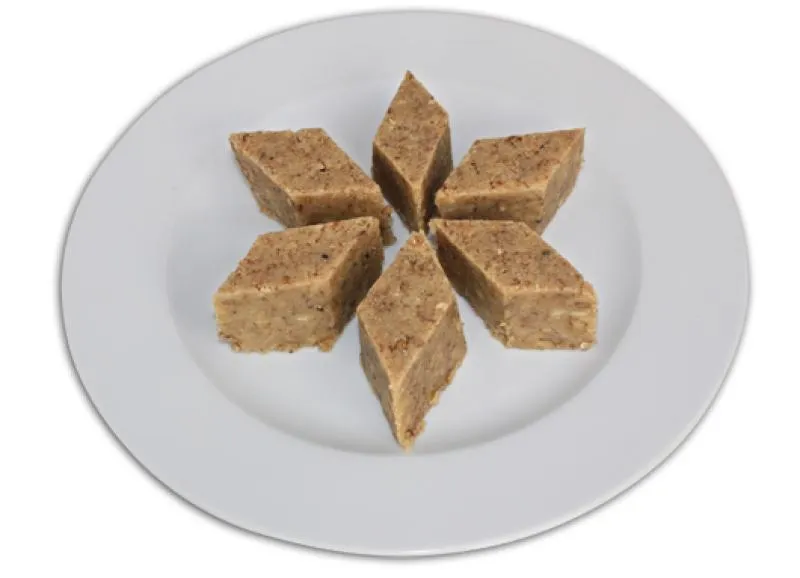
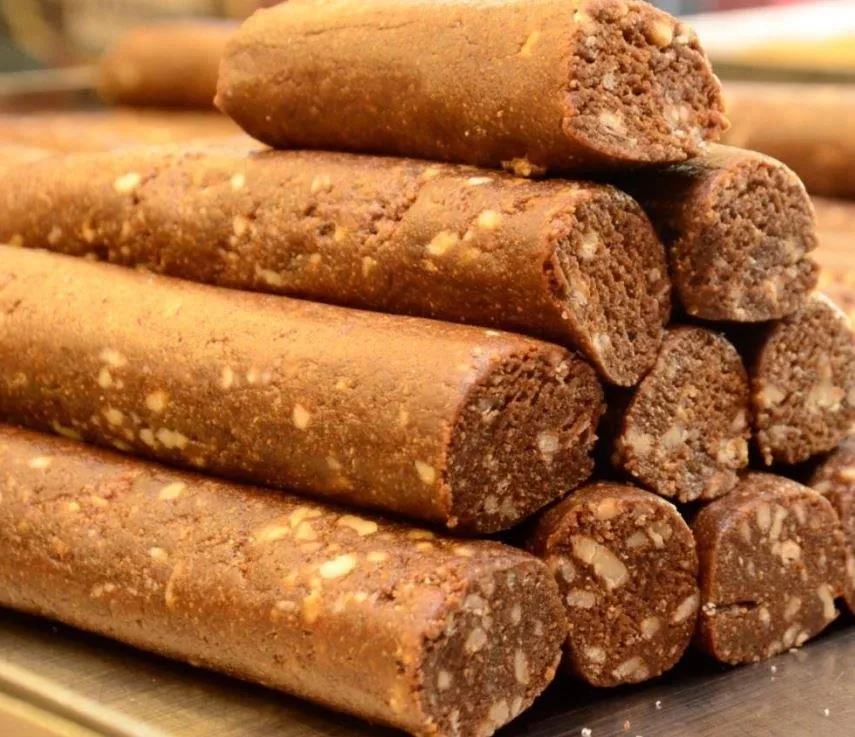
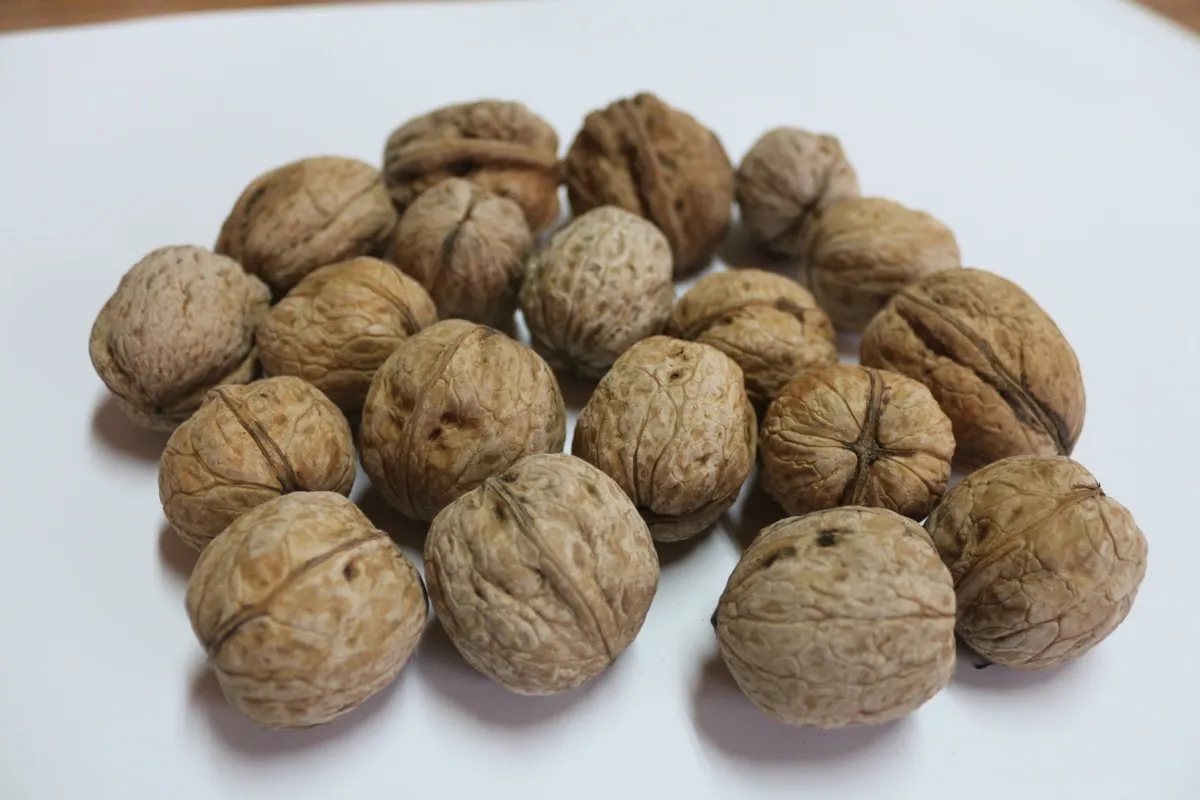
While visiting the spiritual stops of Çeltikçi, do not forget to taste Burdur's famous walnut paste, buy local handicraft products and chat with its friendly people. These experiences will add a special meaning to your trip. Each district of Burdur tells its own unique story, and Çeltikçi presents one of the most sincere and peaceful of these stories.
Conclusion
Burdur's Çeltikçi district stands out with its simple but meaningful mosques that witness the life of the local people, instead of large and flashy historical buildings. These mosques are important heritages that reflect the architectural tradition, cultural identity and spiritual depth of the region. Although the historical traces of churches in the region are less obvious, Çeltikçi's religious tourism potential makes it an attractive destination, especially for those looking for authentic experiences. As My Home, we invite you to discover this unique corner of Burdur and experience the sincere spirit of Anatolia. Çeltikçi will offer you a journey full of peace and spirituality.