
The dynamic district of , located in the easternmost part of Türkiye, adjacent to the Iraqi border, in a geography embraced by mountains, is a settlement that you may have only heard of but will surprise you with its cultural depth. Although it does not have major art and culture centers in the modern sense, every corner, every stone, every tradition of Derecik is a cultural center in itself, a living art gallery. In this article, as the Memleketim platform, we will explore the hidden cultural treasures of Derecik, the lifestyle intertwined with art and the authentic sounds rising from these lands.
Although Derecik gained district status in 2018, the history of the region dates back much further. As is the case throughout Hakkari, Derecik and its surroundings have hosted different civilizations for thousands of years and bear the traces of ancient civilizations. This geography offers a rich cultural mosaic as it is located at the intersection of Mesopotamian and Anatolian cultures. Derecik's understanding of art and culture is nourished by nature itself, the struggle for life, and oral traditions passed down from generation to generation rather than reinforced concrete buildings.
Derecik's Historical Depths and Cultural Heritage
Derecik's cultural fabric has been shaped by the difficult geography of the region. This district, located at the foothills of the Sat Mountains, has been the transit route of many civilizations throughout history, but has also managed to preserve its unique identity. Although archaeological research in the region has not yet been deep enough, the surrounding caves and old settlements may bear traces of ancient periods of human history. The rock paintings, old churches and ruins found throughout Hakkari are proof of the deep-rooted history of these lands. Similarly, in Derecik, building ruins or natural formations that bear traces of the past constitute the cultural memory of the region. This heritage continues to live not only in the stone structures, but also in the language, folk songs and traditions of the local people.
Traditional Arts and Crafts: Living Heritage
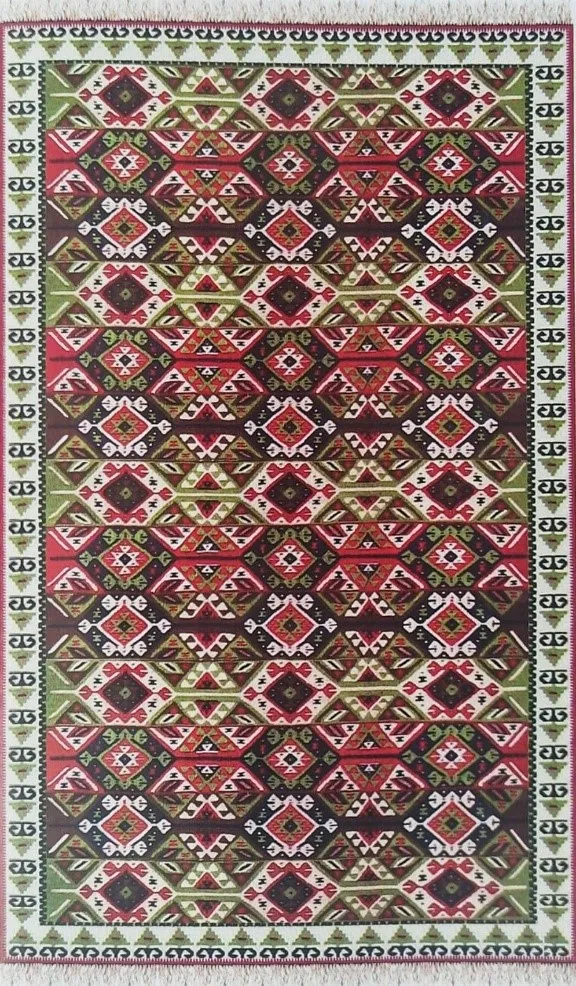
Art is an integral part of daily life in Derecik. Especially handicrafts are one of the most obvious reflections of the cultural identity of the region. The weaving tradition, which has been going on for centuries, is one of the most important cultural values of Derecik. Hakkari rugs and carpets are not just goods, but also works of art that reflect the history, beliefs and aesthetic understanding of the region. Each motif, each color tells a story and carries a meaning. These works, hand-woven by women, are the living art centers of Derecik.
- ___ It is one of the strongest symbols of identity. ___ carries.
- ___ Dengbejlik: Dengbejs, one of the most important representatives of oral literature and music, keep the cultural memory of the region alive. Stories, epics and elegies are art forms that are passed down from generation to generation. Each workshop, each house, each conversation assembly is an art school that keeps this rich culture alive and passes it on to future generations.
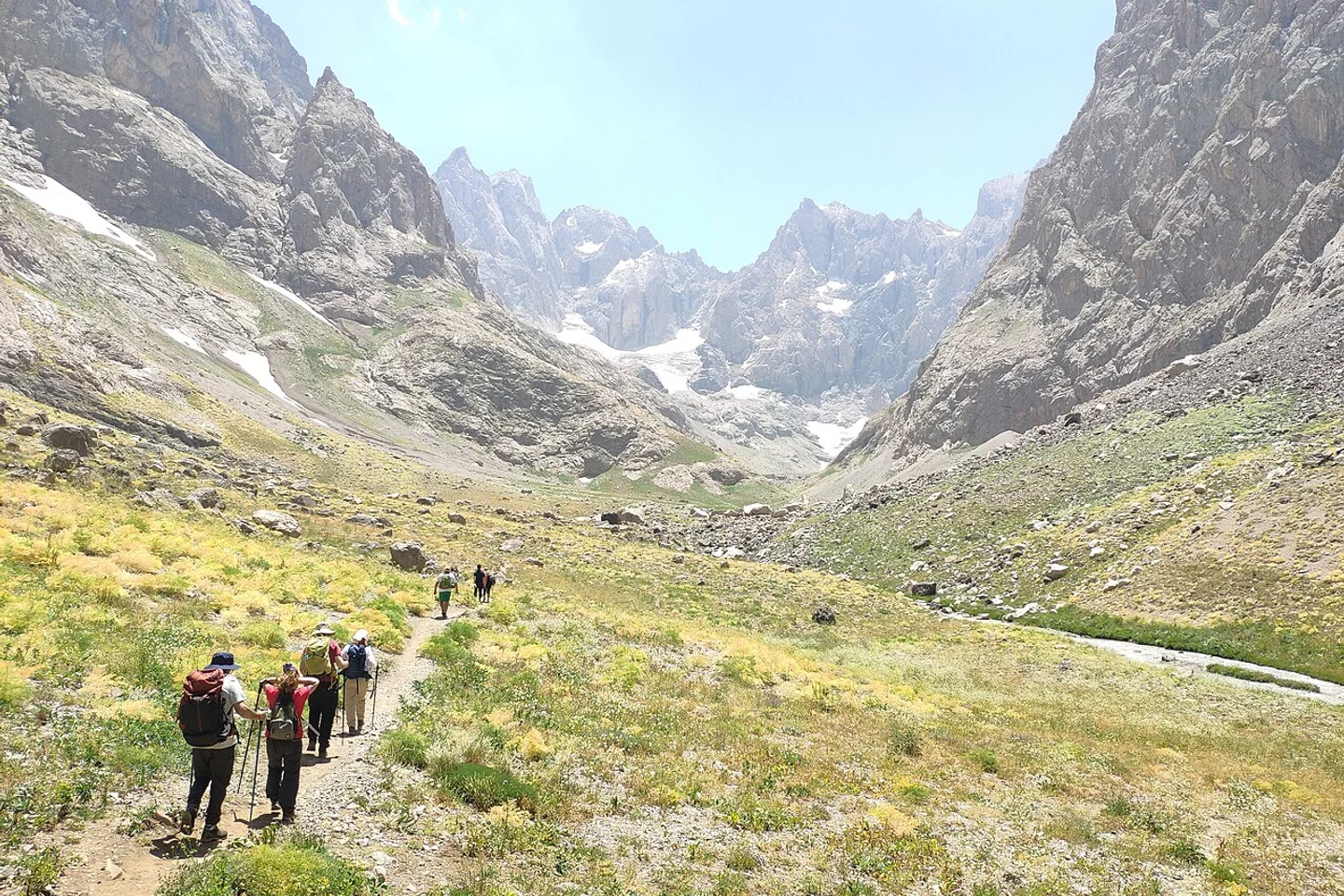
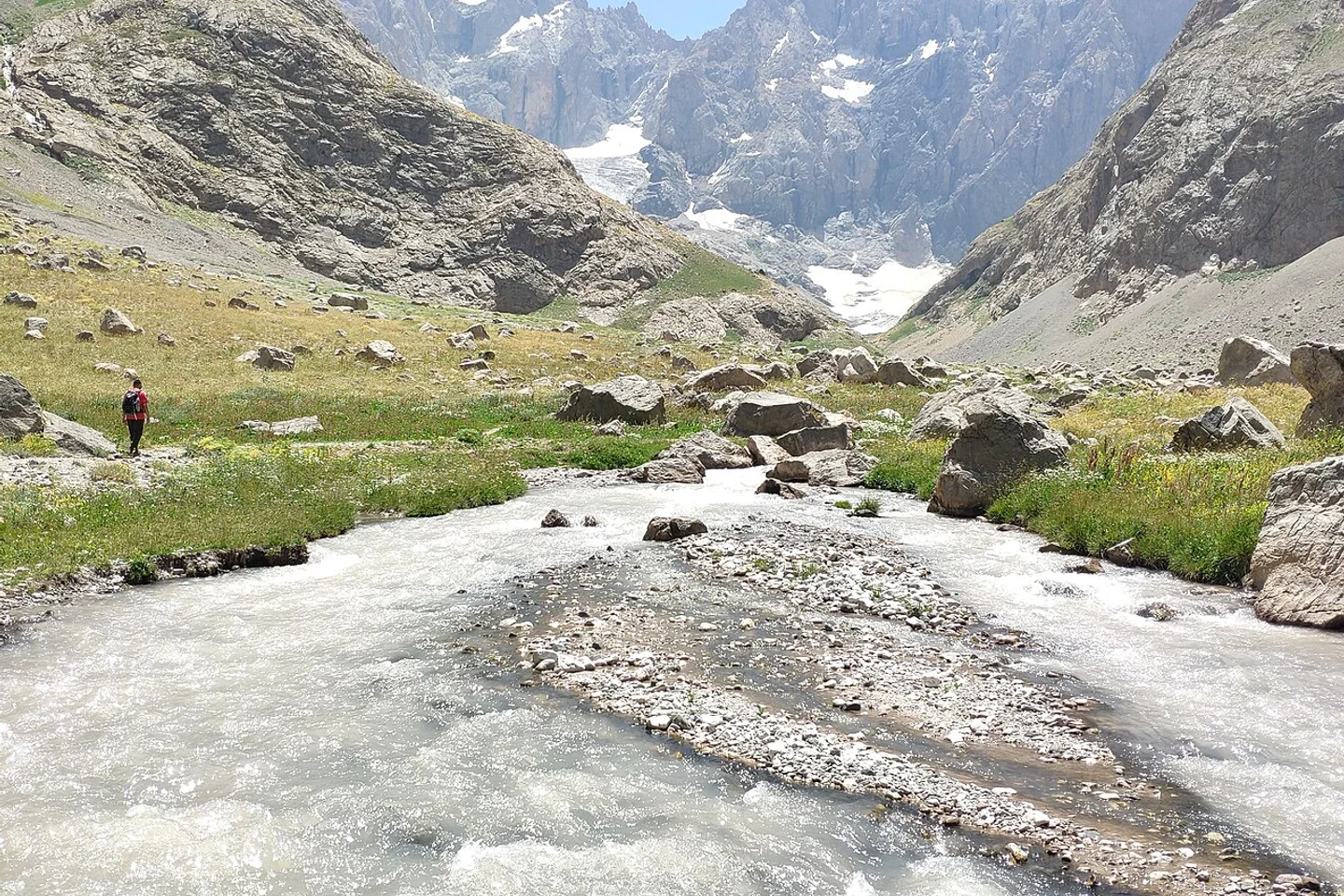
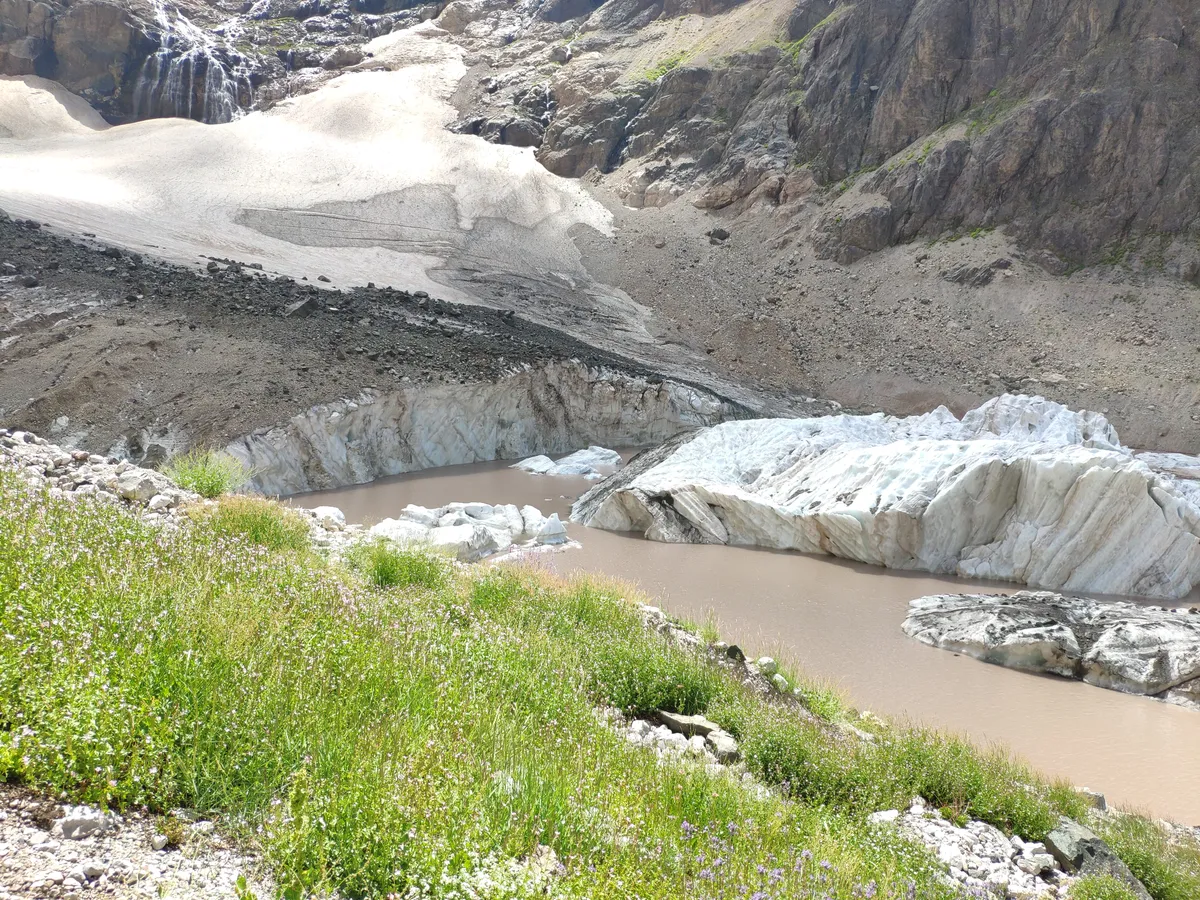
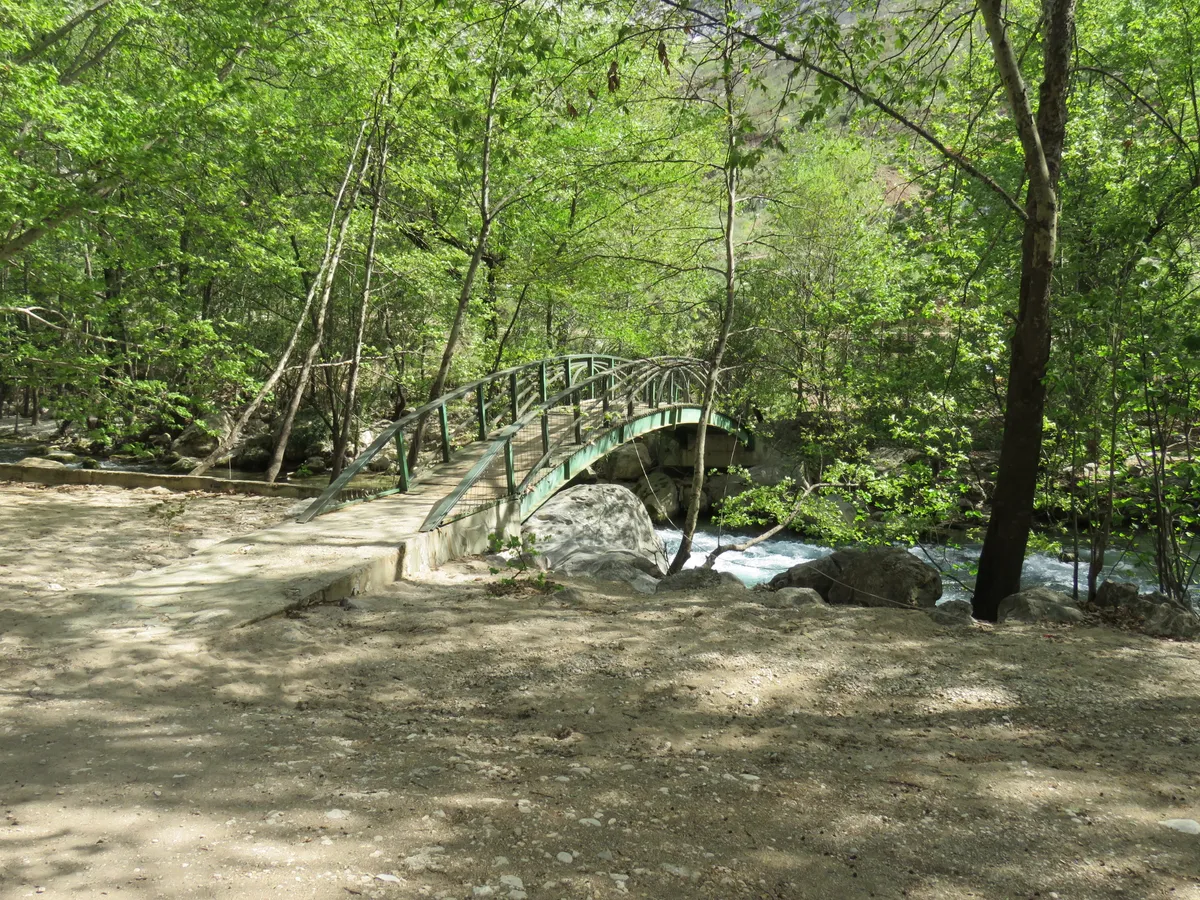
Art Inspired by Nature: The Unique Geography of Derecik___ The majestic peaks of the Sat Mountains, the enthusiastic flow of the Zap River and the untouched nature of the region are the greatest source of inspiration for the art and lifestyle of the local people. The mystical atmosphere of the mountains, the silence of the deep valleys and the cycle of the seasons are reflected in folk songs, poems and handicrafts. While the color palette offered by nature comes to life in the motifs on the rugs, the harsh conditions of the mountains symbolize the resistance and determination of the local people. Derecik's natural beauties not only offer a visual feast, but also form the basis of a cultural identity. This geography is like an open-air art gallery; Each corner offers a different picture, a different story.
Steps Towards the Future and Cultural Potential___ Keeping traditional handicrafts alive, supporting the dengbej tradition and organizing local festivals are important steps that can be taken to reveal this potential. Local governments and non-governmental organizations can play important roles in this field. For example, through platforms such as MyMemleket, Derecik's cultural riches can be delivered to wider audiences, the marketing of traditional products can be supported and cultural tourism routes can be created. In this way, Derecik's artistic and cultural heritage will both be protected and contribute to economic development.
Protection of Cultural Heritage
___ Traditional handicraft workshops, oral history studies and cultural events will ensure that this heritage remains alive.Tourism Potential
___ Cultural routes, nature walks and local life experiences can give visitors unforgettable moments.Cultural Experiences in Derecik: What Can Be Done?
___ You can experience:- Visit Local Markets: Handmade products, local flavors and traditional clothes discover.
- ___ Take Walks: ___ These are unique opportunities to experience the vibrant culture of Derecik. ___ Learn.
Derecik is an authentic cultural oasis, far from the noise of modern cities, living in its own rhythm. Art and culture here are not confined within walls, but breathe everywhere, from the mountain tops to the valleys, from the houses to the streets. As My Hometown, we hope that this unique geography and its rich cultural texture will be discovered by more people. Derecik is not only a district, but also a living museum, a breathing art gallery. Are you ready to set out to discover this hidden treasure?