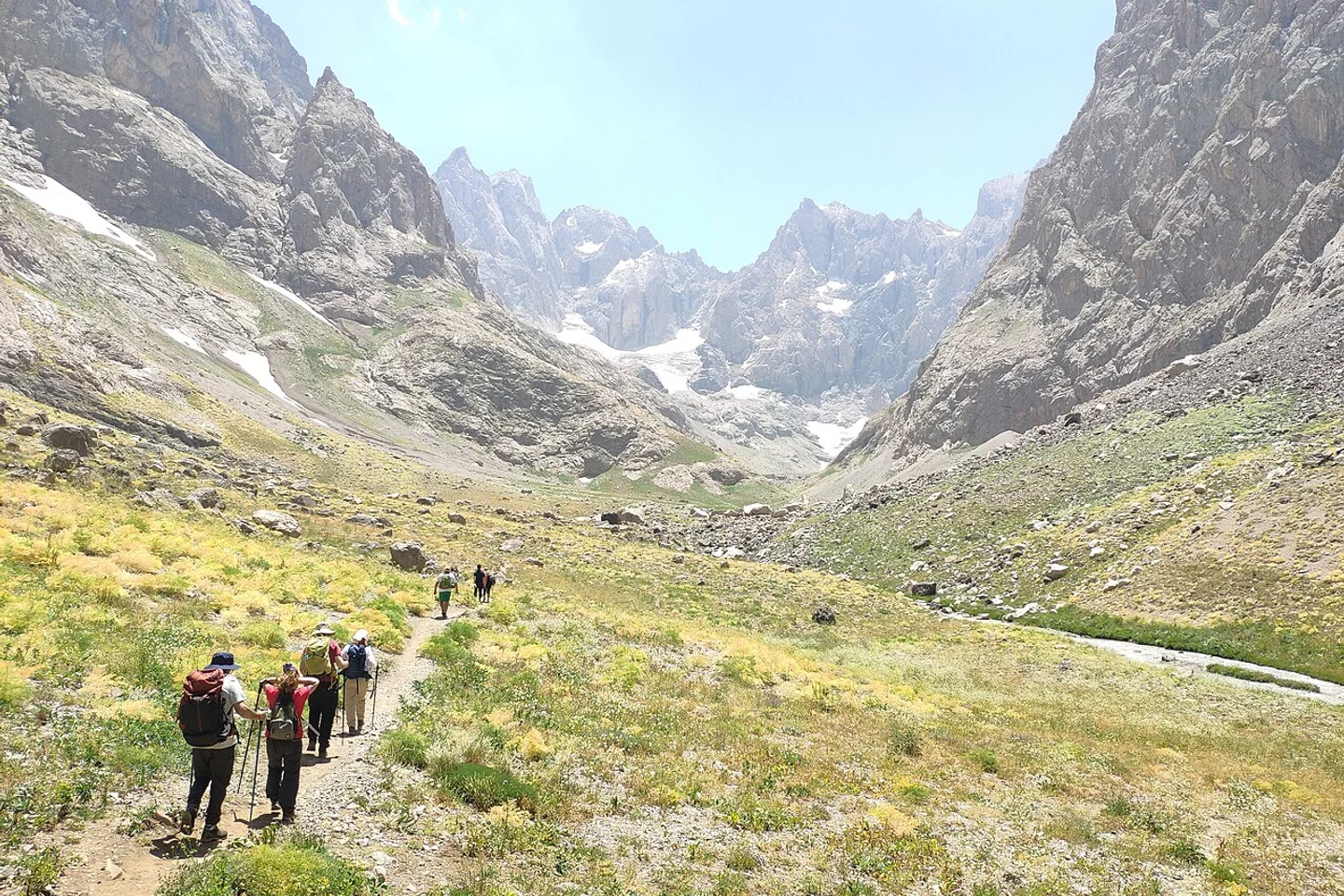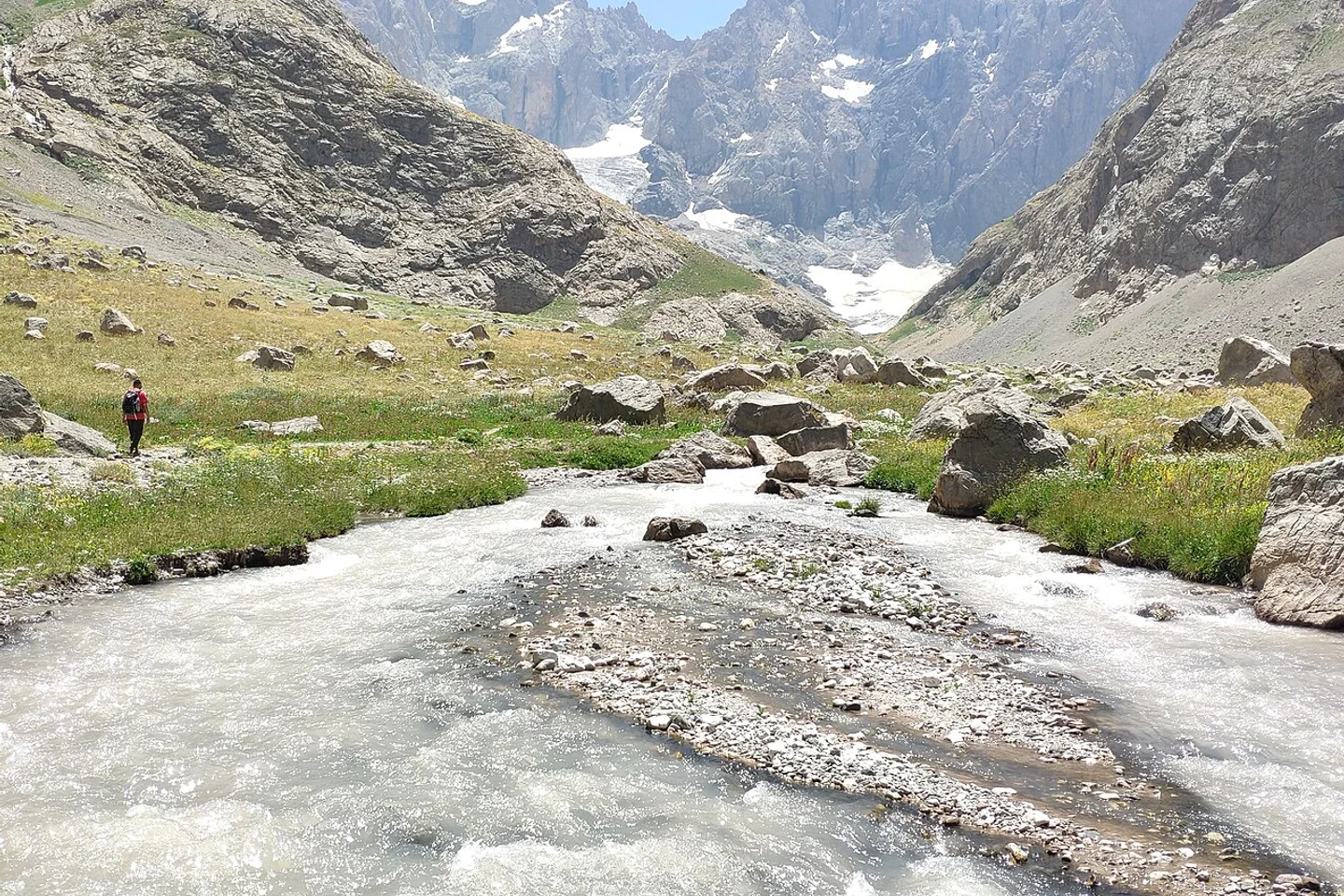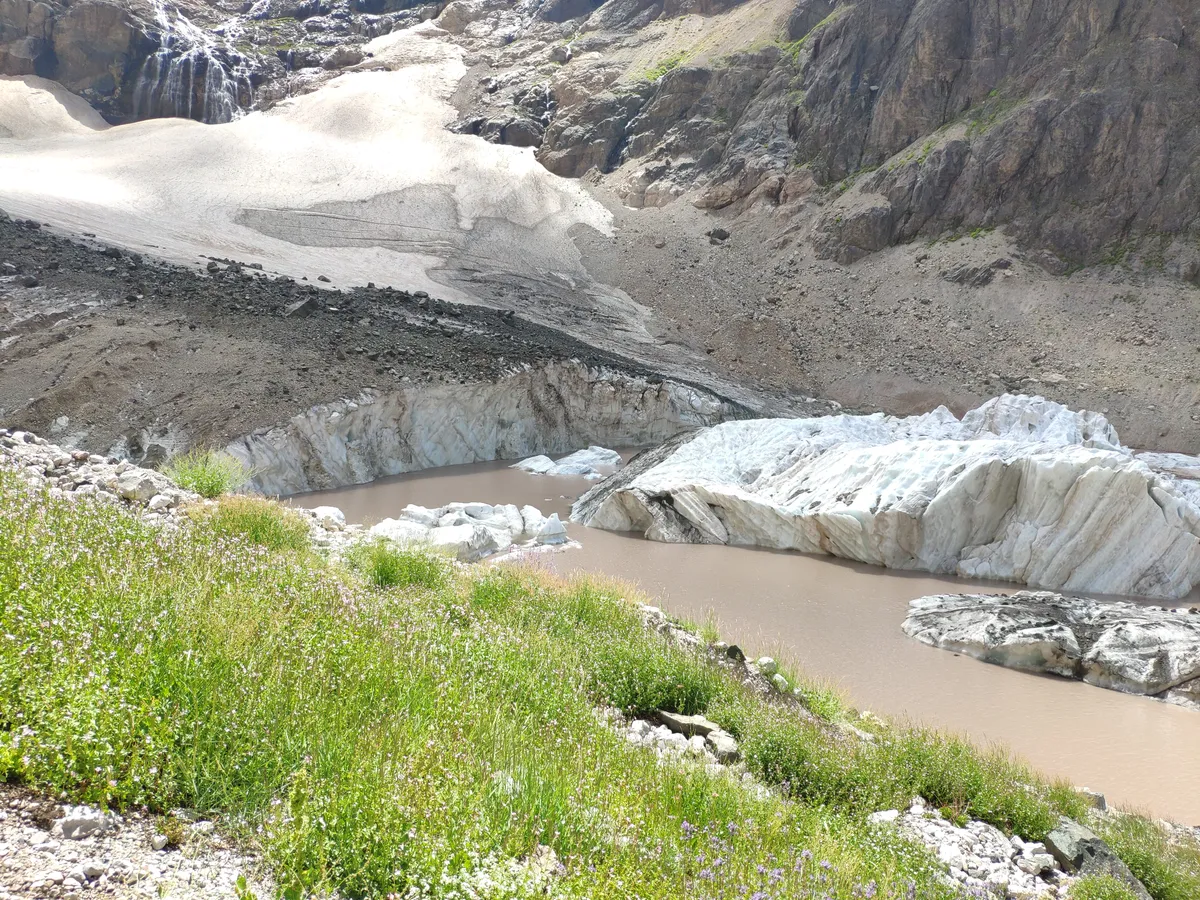

It is a paradise in the easternmost part of Türkiye, where steep mountains and deep valleys embrace, full of natural beauties that have not yet been fully discovered. The district, located at the heart of this unique geography, attracts attention especially with its underground riches, that is, its caves. As the My Hometown platform, in this article we will take a journey to the mysterious caves of Derecik and discuss many aspects from their geological formations to their tourism potential.
Derecik is one of the most challenging yet fascinating regions of Türkiye due to its geographical location. High mountain ranges, deep canyons and valleys brought to life by the Zap River constitute the general characteristics of the region. This rugged terrain also provides an ideal ground for karst formations. These caves, formed by the interaction of limestones with water as a result of geological processes lasting millions of years, are like works of art hidden underground.
Geological Formation and Features of Derecik Caves
Derecik and the Hakkari region in general are located in a zone where tectonic movements and geological transformations are intense. This situation has diversified the rock structure in the region and caused limestone-dominated formations to become widespread. Limestones are very sensitive to chemical erosion of water and form cracks and cavities over time, laying the foundations of caves. This means that dolines and sinkholes are formed on the surface and extensive cave systems are formed underground. Most of the caves in the region are a product of these karst processes.
Although the caves of Derecik have not yet been studied in scientific detail, the narratives of the local people and some preliminary observations show that these caves have significant potential in terms of both size and geological diversity. These caves offer a unique research area for geologists and speleologists.
Natural Heritage Waiting to be Discovered: Derecik Caves
Derecik's caves are more than just geological formations, they are also an important part of the natural and cultural heritage of the region. These caves may have been used as shelters, shelters or sacred places for humanity for thousands of years. Archaeological research may reveal whether these caves have been the scene of human settlement since prehistoric times.
Hidden Paradises of Derecik
There are many caves in the region that have not yet been named or are known by the local people but have not been recorded on maps. While some of these caves have narrow entrances, others may be huge structures that open into large galleries and rooms. As Memleketim, we believe that such undiscovered natural beauties should be protected and brought into sustainable tourism.
- Biological Diversity: Caves are home to unique ecosystems. Special insect species, bats and other creatures adapted to environments without light can live in Derecik caves. This biological diversity is of great value for scientific research.
- Paleontological Value: Fossils or remains from past geological periods can be found inside the caves. These ruins can provide important information about the flora and fauna of the region millions of years ago.
- Nature Photography: The stalactites, stalagmites, travertines and underground ponds inside the caves offer unique shots for nature photographers. The dance of light and shadows further strengthens the mystical atmosphere of the caves.
The discovery and documentation of these caves will not only satisfy scientific curiosity but also significantly increase the tourism potential of Derecik.
Cave Tourism and Sustainability: Opportunities for Derecik
Cave tourism is a rising trend around the world. This type of tourism, which combines natural beauties and the search for adventure, offers a great opportunity for untouched regions such as Derecik. However, the evaluation of this potential should be done within the framework of sustainability principles.
- Eco-Tourism Potential: Derecik's caves have a structure more suitable for eco-tourism rather than mass tourism. Visits made in small groups, accompanied by a guide, will both help protect nature and contribute to the local economy.
- Participation of Local People: It is important for local people to take an active role in the development of cave tourism. Supporting local people in areas such as guide services, accommodation and sales of local products will contribute to the development of the region.
- Infrastructure Development: Infrastructure works such as improving access roads to caves, taking security measures and establishing visitor centers are essential for the development of tourism. However, care should be taken to carry out these works without harming the nature.
- Promotion and Marketing: Marketing activities should be carried out on national and international platforms to promote Derecik's caves. Digital platforms such as My Home can play an important role in this promotion process.
Cave tourism will not only make an economic contribution to Derecik, but will also allow the natural and cultural values of the region to be recognized by a wider audience.
Important Tips and Safety for Cave Visitors
Although Derecik's caves have not yet been fully explored and opened to tourism, some basic safety and preparation tips for future visitors should already be kept in mind:
- Professional Guide Accompanied Visit: Caves can be dangerous for inexperienced people. It should always be visited with a trained guide who knows the region and the caves well.
- Appropriate Equipment: Basic equipment such as a helmet, flashlight, sturdy shoes and appropriate clothing should be carried for cave exploration.
- To nature Respect: Basic nature conservation rules should be followed, such as not damaging the natural structure of the caves, not touching the stalactites and stalagmites, and not leaving garbage.
- Permits and Notifications: It is important to obtain the necessary permissions from the local authorities to visit the caves in the region and to inform the security units.
These measures will both ensure the safety of visitors and help preserve the natural structure of the caves.
Other Natural Beauties of Derecik and Its Integration with Caves
Derecik, in addition to its caves, also has It also attracts attention with the canyons formed by the water, high mountain peaks and rich vegetation. Cave tourism can be combined with these other natural beauties to create a more comprehensive tourism package.
- Nature Walks and Trekking: Derecik's mountainous terrain offers wonderful trails for nature walks and trekking. Cave visits can be integrated into these walking routes.
- Bird Watching: The rich biodiversity of the region makes it an attractive destination for bird watchers.
- Local Culture Experience: Derecik's unique culture, traditional lifestyle and local flavors offer visitors an authentic experience. After exploring the cave, staying in a local village or tasting local food will enrich the experience.
Derecik should be considered as a whole, not only with its caves, but with all its natural and cultural riches, and should be carried into the future with a sustainable tourism approach.
Conclusion: Derecik's Looking to the Future with Its Caves
Hakkari's Derecik district is one of Türkiye's hidden natural treasures with its caves that are yet to be fully discovered. These caves are a focus of great interest for both the scientific world and nature enthusiasts with their geological formations, biological diversity and potential archaeological values. It is of great importance to protect this unique underground world and transfer it to future generations through sustainable tourism approaches.
Derecik's caves, when introduced and managed with the right strategies, can make significant contributions to the economic and social development of the region. As Memleketim, we support every effort to understand and protect the value of such natural beauties. The mysterious underground world of Derecik is an adventure waiting to be discovered and a unique gift that nature offers us.