
Located in the ancient lands of Southeastern Anatolia, in the fertile crescent of Mesopotamia, Mardin is a city steeped in history in every corner. Derik is one of the little-known but deep-rooted districts of this magical city. Derik, which has hosted civilizations for thousands of years under the shade of olive trees, has countless historical sites waiting to be discovered. As the My Hometown platform, we invite you to open the dusty pages of Derik and unearth the hidden treasures of this unique geography.
Derik attracts attention not only with its delicious olives, but also with its strategic location and structures bearing the traces of different civilizations. These lands, where many empires ruled from the Assyrians to the Romans, from the Byzantines to the Artuqids and the Ottomans, bear the unique architectural and cultural traces of each period. In this article, we will delve into the historical depths of Derik and detail the unique experiences it offers to its visitors.
Ancient Lands and Strategic Importance of Derik
Derik, located in the west of Mardin, has been an important transition point throughout history due to its geographical location. This region, which provides the connection between Mesopotamia and Anatolia, has constantly become the focus of attention of different cultures and civilizations due to its location at the intersection of trade routes. This strategic location is one of the main reasons why the district has a rich historical heritage. Derik's fertile lands offered ideal conditions, especially for olive cultivation, and this played an important role in the economic and cultural development of the region. Olive trees have not only been a source of income, but also an integral part of Derik's identity and history.
Derik Castle: A Structure That Defies Centuries
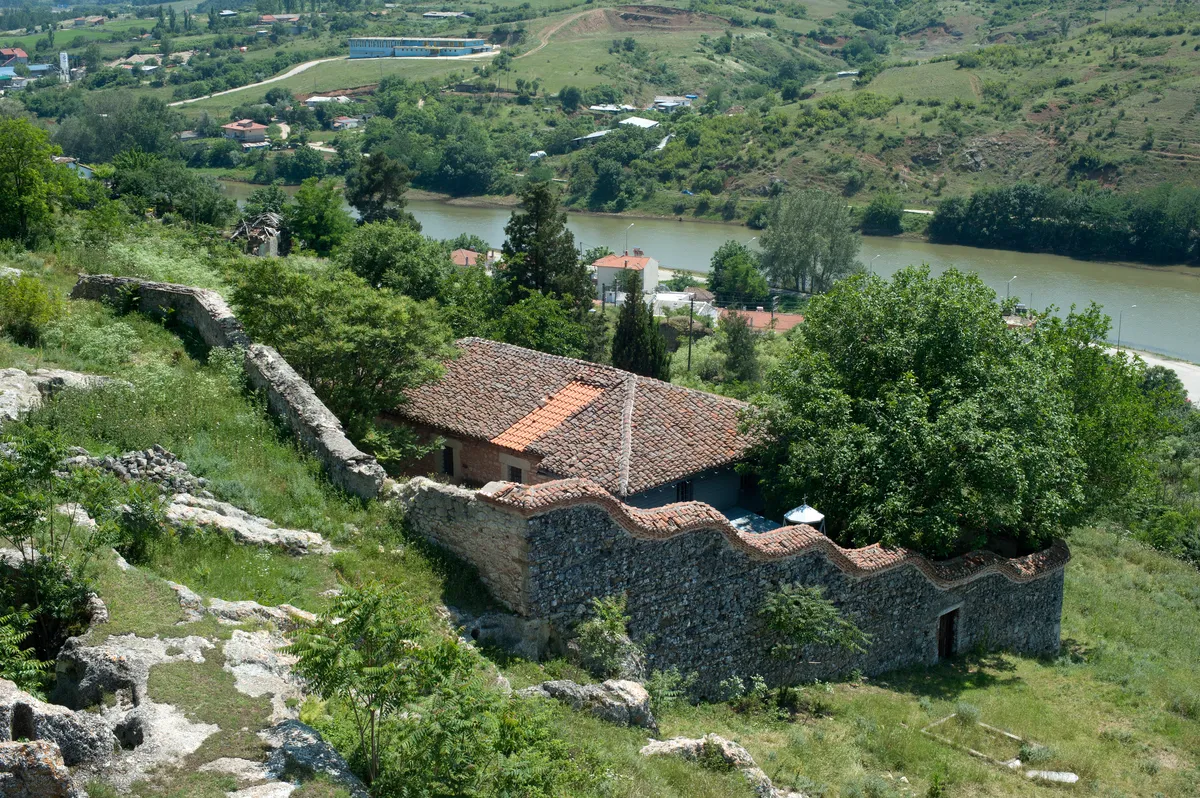
One of Derik's most distinctive historical structures is undoubtedly Derik Castle. Located on a hill close to the town centre, this castle has ensured the security of the region for centuries and has been used as a strategic observation point. Although the exact construction date of the castle is unknown, it is thought that it may date back to the Roman or Byzantine periods, like other castles in the region. It is estimated that it was also used and repaired by the Artuqids and Ottomans in later periods. The castle whispers to its visitors the magnificence of the past with its city walls and bastions that have survived despite the corrosive effects of time. A climb to the castle not only discovers a historical structure, but also reveals a panoramic view of Derik. This landscape offers the perfect combination of the natural beauty and historical texture of the region.
Ancient Traces and Mounds in the Surroundings
Derik and its surroundings have a great potential in terms of archaeology. Surface surveys and excavations in the region have revealed traces of settlement from different periods. The mounds (artificial hills) scattered throughout the district are evidence of human settlements dating back thousands of years. These mounds point to an uninterrupted history of settlement starting from the Neolithic Age and extending to the Chalcolithic, Bronze and Iron Ages. Each mound sheds light on the ancient history of Derik and Mesopotamia in general, with the secrets and finds it hides beneath. These areas, which have not yet been fully explored, will provide much more important information through future research. These ancient traces show that Derik is not just a district, but also an open-air museum.
Hidden Stops of Faith Tourism: Churches and Monasteries
Mardin is a city of tolerance where different beliefs have lived together in peace for centuries. This also applies to Derik. Although there are no important centers of Syriac Christianity in the region, it is possible to come across the ruins of old churches and monasteries in the surrounding villages and rural areas. These structures are concrete indicators of the multicultural and multi-faith structure of the region. These structures, which bear the characteristic features of Assyrian architecture, attract attention with their stone workmanship and simple but impressive designs. These historical places of worship are not only religious buildings, but also an important part of the social and cultural life of the region. Visitors go on a historical journey in these places and have the opportunity to follow the traces of different beliefs.
Cultural Heritage and Traditional Life of Derik
Derik's historical places are not limited to stone structures only; At the same time, the district's vibrant cultural heritage and traditional lifestyle are also a part of this history. It attracts attention with its traditional Derik houses, narrow streets and stone workmanship. These houses are generally spacious and have courtyards, designed to suit the climatic conditions of the region. Derik's cuisine has also developed in parallel with its rich history. Especially olives and olive oil are indispensable in Derik cuisine. Local dishes are prepared with recipes handed down for centuries and reflect the cultural identity of the region. Visiting a market in Derik, interacting with local people and seeing traditional handicrafts is one of the best ways to experience the history of the district more closely. These experiences show how rich Derik is, not only with its past but also with its present.
Exploring Derik with My Homeland: Planning and Visiting Tips
For those who want to discover the historical and cultural riches of Derik, My Homeland is a comprehensive offers a guide. When planning your visit, do not forget to include Derik Castle, the ancient ruins in the surrounding area and, if possible, the hidden traces of churches or monasteries with the guidance of local people. Spring and autumn months can be preferred for the best experience, as weather conditions are more favorable in these periods. Tasting local flavors and chatting with local people will make your trip to Derik even more meaningful. Remember that places like Derik are not just places to see; It also offers an experience to be had. My Hometown is ready to guide you to live this experience in the best way.
Conclusion: An Invitation to the Historical Depths of Derik
Mardin's Derik district is a district that is hidden from view but has a deep history and a rich cultural heritage. is ore. From the majestic stance of Derik Castle to the whispers of the olive trees, from the mystery of ancient mounds to the warmth of traditional life, every corner contains a story waiting to be discovered. These lands are a unique destination for those who want to trace the past, understand the layers of different civilizations and feel the ancient spirit of Anatolia. A visit to Derik will not only be a trip but also a time travel, enriching your soul and knowledge. Don't wait any longer to discover this mysterious and fascinating district!