
Mardin is an ancient city adorned with the mystical atmosphere of Southeastern Anatolia, where every corner smells of history. One of the lesser-known but dazzling districts of this city with its cultural richness is Derik. Derik attracts attention not only with its famous olives, but also with its deeply rooted artistic and cultural heritage. Instead of major art centers in the modern sense, Derik itself is a living open-air museum, an art and culture center with every street, every stone, every tradition. In this article, we will explore the artistic and cultural values that form the soul of Derik, under the guidance of the My Homeland platform.
Derik's Ancient History and Architectural Heritage
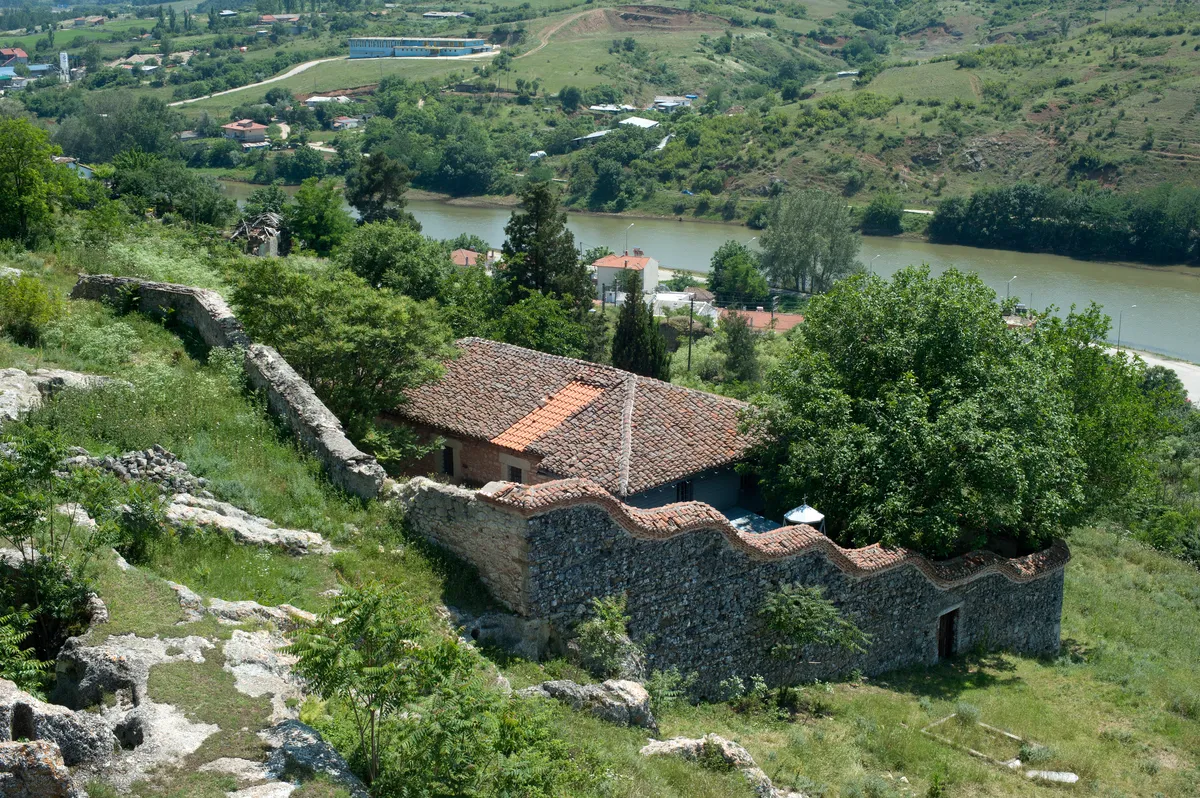
The history of Derik is intertwined with the general history of Mardin, dating back to the Sumerians. It has hosted many civilizations, from the Assyrians, Romans, Artuqids and Ottomans. This rich past has left deep traces on the architecture and cultural texture of the district. As you walk through the narrow streets of Derik, you will come across houses, mosques and churches made of yellow limestone, unique to the region. These structures are not just buildings, but also works of art that reflect the aesthetic understanding and craftsmanship of the past.
- Stonework: Stonemasonry forms the basis of architecture in Derik, as in the whole of Mardin. The fine embroideries on the door and window jambs and the motifs on the courtyard walls are the signatures of the master hands of the region. This craftsmanship is an integral part of Derik's cultural identity.
- Historical Buildings: Some old mosque and church ruins in the district reveal the tolerance and cultural diversity of these lands, where different beliefs have lived together for centuries. Each of them is an important cultural heritage that reflects the architectural understanding and artistic taste of the period.
- Traditional Houses: Derik's traditional houses attract attention with their courtyard structures and stone architecture. These houses are not only shelters, but also lively centers where family life, neighborhood relations and cultural practices take place.
Handicrafts and Living Traditions of the Land of Olives
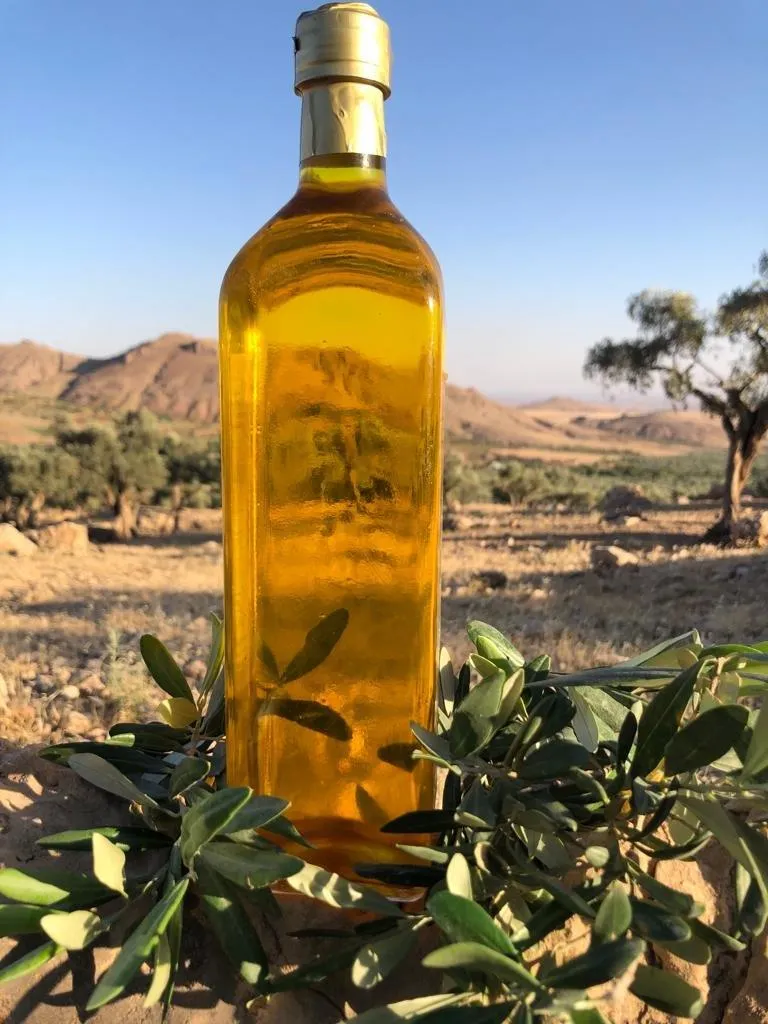
When Derik is mentioned, the first thing that comes to mind is undoubtedly olive and olive oil. However, for Derik, olives are not just an agricultural product, but also a way of life, a culture and an art. The fact that olive trees have taken root in these lands for thousands of years is reflected in the handicrafts and traditions of the region.
Olive and Olive Oil Culture
Derik olives are famous for their unique aroma and quality. The process from the harvest of the olive to its arrival on the table is a cultural ritual in itself. Olive oil production using traditional methods is a craft passed down from generation to generation. The tools used in this process, the techniques applied and the resulting products are among the best examples of Derik's living handicrafts. Wooden carvings and ornaments made from olive trees are another reflection of this culture.
Other Handicrafts
In Derik, along with olives, traditional handicrafts such as weaving, coppersmithing and stonemasonry continue to exist. Especially rug and carpet weaving is an important artistic activity that reflects the cultural motifs and colors of the region. These handicrafts not only carry aesthetic value, but also embody the life philosophy, beliefs and stories of the Derik people.
Sounds of Derik: Music, Folklore and Oral Culture
Every culture has its own unique voice, and the voice of Derik resonates in centuries-old music, folklore and oral tradition. The multicultural structure of the region is also reflected in its music and folklore, and the melodies of different ethnic and religious groups have come together to create a unique mosaic.
- Local Music: Local music performed in Derik and its surroundings usually comes to life at weddings, holidays and special celebrations. This music, performed with instruments such as drums, zurna and baglama, reflects the joy, sadness and life energy of the region. The Dengbej tradition, that is, oral epic telling, is an important cultural heritage of the region.
- Folk Dances: Halays are one of the most common folk dances of the region. Symbolizing community spirit and solidarity, these games are an integral part of Derik's social life. Each figure, each step tells a story carried from past to present.
- Oral Literature: Fairy tales, legends, lullabies and laments are important elements of Derik's oral literature tradition. These narratives are passed down from generation to generation, keeping the history, values and imagination of the region alive.
Preserving Cultural Heritage and Carrying It to the Future
Derik's art and culture centers are the district itself, its people and way of life, rather than modern buildings. It is of great importance to preserve this valuable heritage and pass it on to future generations. Local governments, non-governmental organizations and local people are making efforts to spread this awareness. Traditional handicraft workshops, local music groups and folklore teams play a key role in keeping this cultural richness alive. Platforms such as
Memleketim serve as an important bridge in the promotion of places containing cultural treasures such as Derik and in reaching these values to large audiences. Thanks to the detailed information and visuals presented in the digital environment, Derik's world of art and culture reaches more people beyond geographical borders.
Discovery of Art and Culture in Derik: A Journey Guided by My Hometown
Derik is an art and culture center not with modern art galleries or large museums, but with its own unique lifestyle, historical texture and the warmth of its people. It is a district that has managed to become a A visit here will not only be an excursion, but also a time travel and cultural discovery. You will feel the spirit of Derik in the shadow of the olive trees, among the stone houses, accompanied by local melodies.
If you want to experience this unique art and culture atmosphere of Derik, you can visit the Memleketim platform to learn more about the district, create travel routes and discover the beauties offered by these ancient lands. you can start. Derik is a hidden treasure waiting for you, a feast of art and culture waiting to be discovered.