
Mardin is the cradle of ancient civilizations and a unique geography where different beliefs and cultures have lived together in peace for centuries. Derik, one of the charming districts of this magical city, hosts a rich mosaic of beliefs, just like Mardin in general. Famous for its olive trees and fertile lands, Derik is a place that fascinates its visitors not only with its natural beauty but also with its historical mosques and churches. In this article, we will examine in detail these sacred buildings of Derik, their architectural features, historical depth and place in the culture of the region. As the Memleketim platform, we are proud to guide the discovery of this unique heritage.
Mosques in Derik: Where Stone and Faith Meet
Mosques that witness the history of Derik are an important part of the Islamic identity of the region. While these structures generally display the best examples of local cut stone workmanship, they also bear traces of Seljuk and Ottoman architecture. Each of them played a central role in the spiritual life of the people of Derik and became the heart of worship and social life.
Derik Great Mosque and Its Surroundings
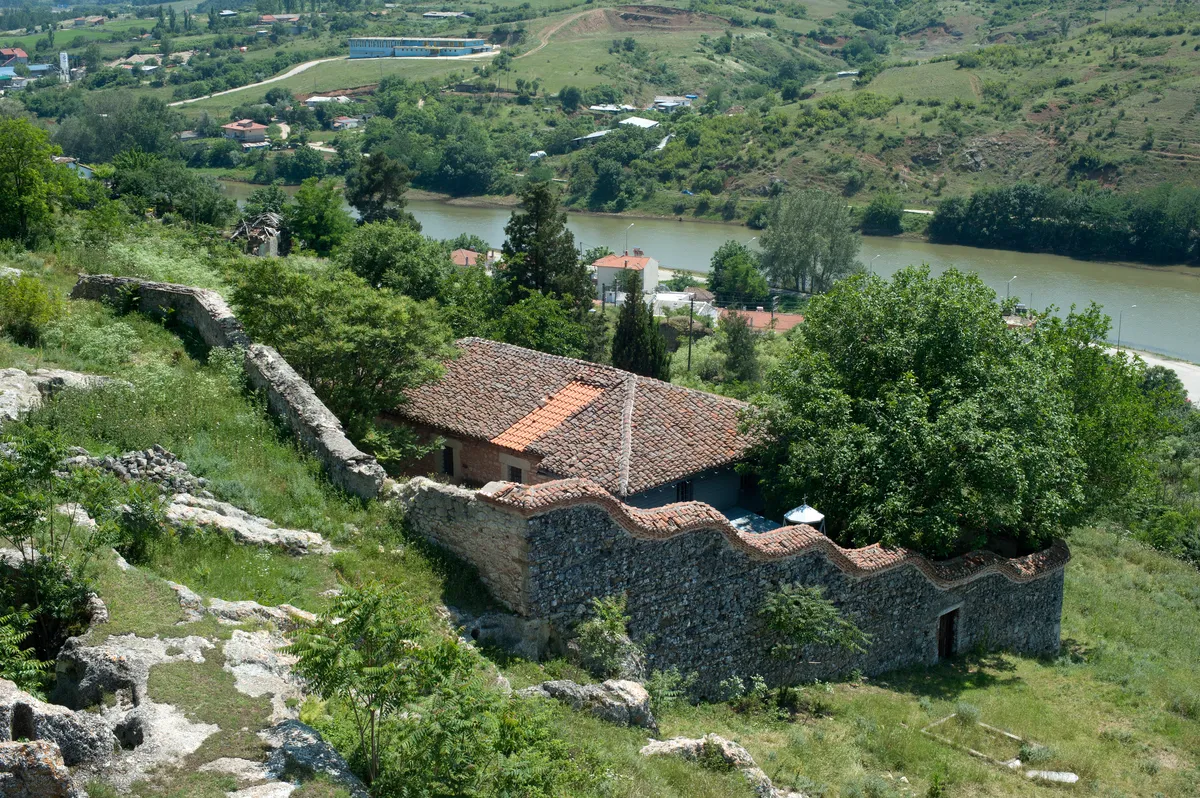
As in every Anatolian city, Derik also has a Great Mosque. Derik Ulu Mosque is one of the oldest and most important places of worship in the district. Although its exact construction date is not clear, it has similar features to other historical mosques in the region and has undergone various repairs over time. The simple but impressive architecture of the mosque reflects the stonemasonry tradition of the region. With its large courtyard and peaceful atmosphere, it is an important stop not only for worshipers but also for visitors who want to feel the historical texture. The mosque is surrounded by narrow streets leading to Derik's old markets and traditional houses, offering visitors an authentic Derik experience.
Architectural Features and Historical Touches
Mosques in Derik are generally square or rectangular in plan and stand out with their single or double balconied minarets. Mihrabs and pulpits are generally decorated with carved stone workmanship and reflect the artistic taste of the period. In the interior of the mosque, wooden ceiling decorations or simple dome transitions can be seen. These buildings are more than just places of worship, they have also been at the center of the social and cultural life of the region. The madrasahs, baths and bazaars built around the mosque reveal the vitality of Derik in the past. These mosques are indispensable stops to understand the history and cultural identity of Derik.
Churches in Derik: Silent Witnesses of an Ancient Heritage
Mardin and its surroundings are one of the ancient centers of Assyrian Christianity. Derik has also received its share from this rich heritage and has churches that have defied centuries. These churches are the most concrete evidence of the multicultural structure of the region and are sacred places where the Assyrian community keeps their beliefs and culture alive.
Assyrian Churches and Congregations
Assyrian churches in Derik generally belong to the Assyrian Orthodox community. Contrary to their plain exteriors, these churches contain a deep spirituality and rich history in their interiors. Most of the churches were built by local stonemasons and rise in harmony with the natural materials of the region. The Assyrian community living in Derik in the past performed their worship in these churches, held ceremonies and preserved their cultural identity. Although the number of congregations has decreased today, these churches still stand and continue their existence as living witnesses of the past. While some churches continue to be actively used, some have been restored and protected as cultural heritage.
Architectural Aesthetics and Spiritual Depth
Assyrian churches in Derik generally attract attention with their thick stone walls, small windows and simple bell towers. The interiors may contain frescoes or stone carvings of Assyrian iconography. One of the most striking features of churches are the baptisteries and burial chambers, which are often located underground or in secret compartments. While these structures bear the unique characteristics of Assyrian architecture, they are also in harmony with other belief structures in the region. Every corner of the churches contains the prayers whispered, the candles lit, and the joys and sorrows experienced throughout the centuries. These sacred places are not only buildings, but also monuments that represent the resistance and faith of a community.
Symbols of Living Together: Derik's Environment of Tolerance
The mosques and churches in Derik are not only symbols of their architectural beauty, but also symbols of the culture of living together that has been going on for centuries. In these lands, people of different beliefs lived in neighborly relations, celebrating each other's holidays, sharing their pain and enriching a common culture. Derik offers one of the best examples of this atmosphere of tolerance. The moments when the call to prayer of the mosque and the sound of the bell of the church mix together are one of the views that best describe the spirit of the region. This situation is a living proof of how different beliefs can co-exist by respecting each other in Derik, as in the whole of Mardin. id="38"/> provides a comprehensive guide. On our platform, you can access detailed information such as the locations, history, architectural features and visiting hours of mosques and churches in Derik. You can also plan your Derik trip in the best way by getting information about other places to visit in the region, local delicacies and accommodation options. By supporting local tourism, My Homeland aims to ensure that such unique values reach wider audiences.
Conclusion: Derik's Timeless Call
Mardin's Derik district, with its historical mosques and churches, is like a corner where beliefs and cultures intertwine and time stands still. These sacred structures are not just made of stone and mortar; they are silent witnesses who whisper the stories of centuries, the depth of beliefs and the beauty of life together. Visiting Derik is not only about seeing historical sites, but also about feeling the spirit of these ancient lands and experiencing what tolerance and cultural richness means. As My Homeland, we invite you to this unique experience and inspire you to see Derik's mosaic of faith with your own eyes. It means discovering every detail hidden in these lands, building a bridge between the past and the present, and looking to the future with hope. Derik is a treasure waiting to be discovered.