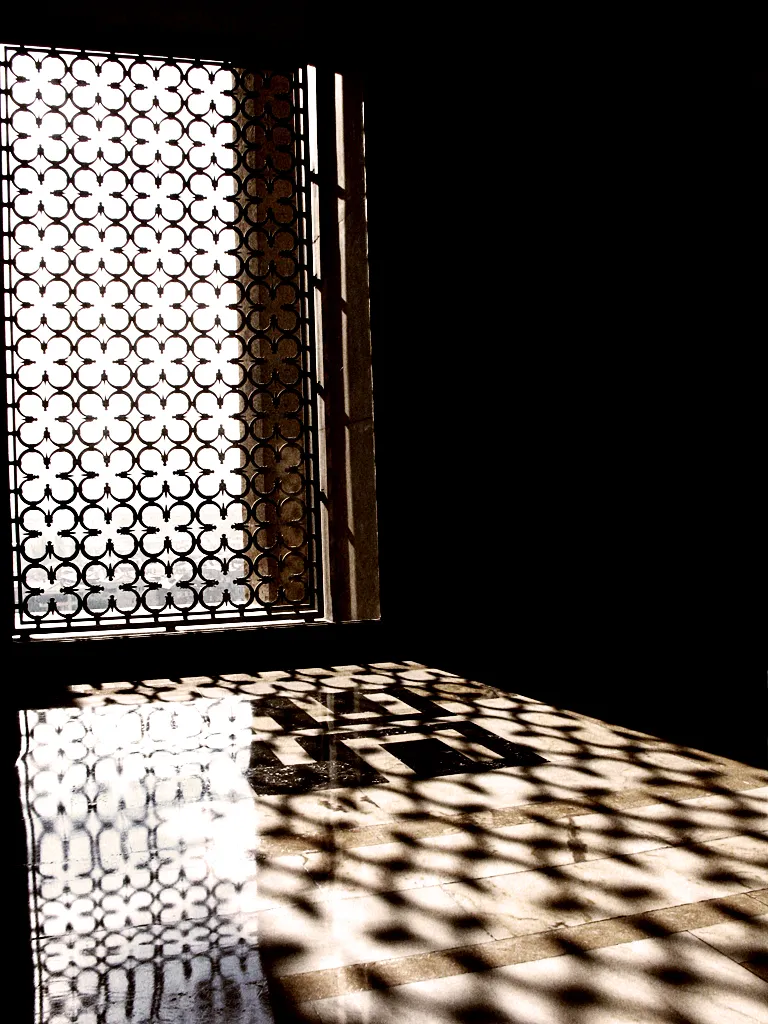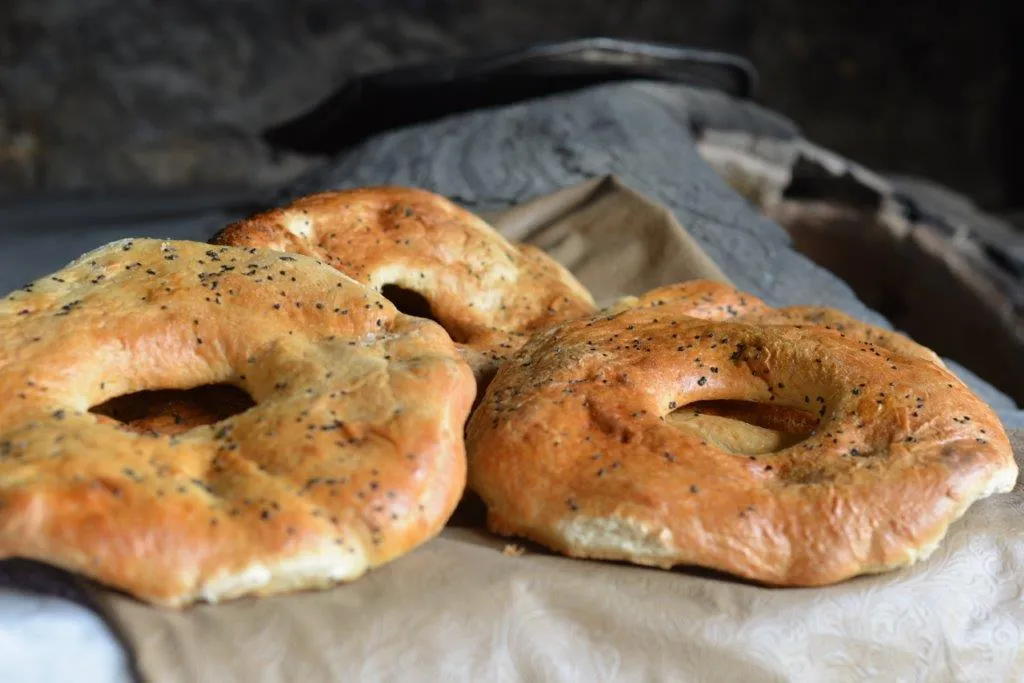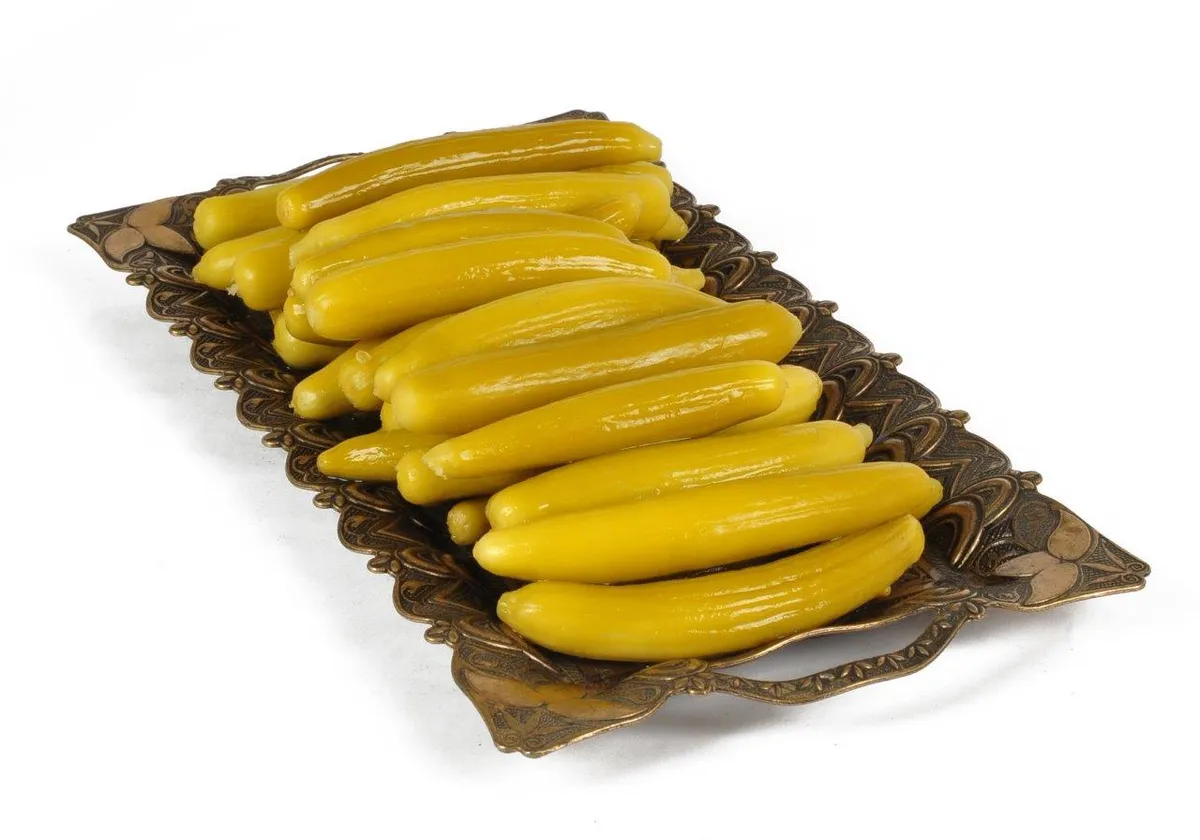

Ömerli district, located in the Southeastern Anatolia Region of Mardin, is a unique destination in the heart of Mesopotamia that takes its visitors on a journey in time with its thousands of years of history and ancient cultural heritage. Although there are no large art galleries or theater buildings in the modern sense, every corner of Ömerli is a living art and culture center with its structures bearing the traces of past civilizations, traditional lifestyle and cultural activities. In this article, as the My Homeland platform, we will present to you the deep cultural texture and history of Ömerli.
Historical and Architectural Heritage of Ömerli: Places Where Stone Turns into Art
Ömerli, Assyrians, It has hosted many civilizations such as Persians, Romans, Byzantines and Turkish-Islamic States. This rich past has left deep traces on the architecture and cultural structure of the district. Ancient ruins, cemeteries and religious buildings in the district shed light on the history of the region.
Assyrian Kadim Mor Cırcıs Church
Syriac Ancient Mor Cırcıs Church, located in Ömerli district center, is one of the important historical monuments of the region. Although it is not known exactly when it was founded, this church, which was restored and opened for worship, is a living representative of Assyrian culture and belief. The stonework and architecture of the church reveal the artistic craftsmanship of the region and offer a mystical atmosphere to visitors.
Ömerli Ulu Mosque
Ömerli Ulu Mosque, one of the most important historical buildings of the district, bears the influence of classical Islamic architecture. The mosque's stone workmanship and attention to detail are remarkable; The ceiling decorations and mihrab in the interior have historical and artistic value. The mosque, which functions not only for religious purposes but also as an area where cultural and social events are held, is an important meeting point for the local people.
Göllü-Beşikkaya Ruins and Ancient Settlements
The Göllü-Beşikkaya ruins, located to the east of Ömerli, are probably the site of Late Roman and early It contains ruins from the Byzantine period. This area is known as Turabidin and has many defensive fortresses as it was Rome's natural border with the Sassanids. Many architectural remains such as castles, temples, houses and rock tombs can be found in the ruins here. In addition, other ruins such as Yaylatepe (Hıbatok), İkipınar and Maserti show that the region is a very old settlement. These ancient ruins provide invaluable information about the lifestyles, beliefs and artistic expressions of past civilizations.
Old Ömerli Bazaar
Old Ömerli Bazaar, considered the heart of Ömerli, has become the center of the commercial and social life of the district. Here, local products and handicrafts are important elements that reflect the cultural identity of the region. It seems that small handicrafts and trade have increased in recent years. While the bazaar offers a traditional shopping experience, it also serves as a platform where local artisans display their works.
Cultural Events and Local Life
Ömerli stands out not only with its historical buildings but also with its lively cultural events.
Ömerli Grape Harvesting Culture and Art Festival
The 'Ömerli Grape Harvesting Culture and Art Festival', organized with the support of the Ministry of Culture and Tourism, has an important place in the cultural calendar of the district. In this festival, local grape species are introduced and local products such as molasses, fruit pulp and walnut sausage are made. The festival combines the agricultural culture of the region with art and tradition, offering visitors an authentic experience. Such events are among the values that best reflect the spirit of My Homeland.
Local Handicrafts and Local Products
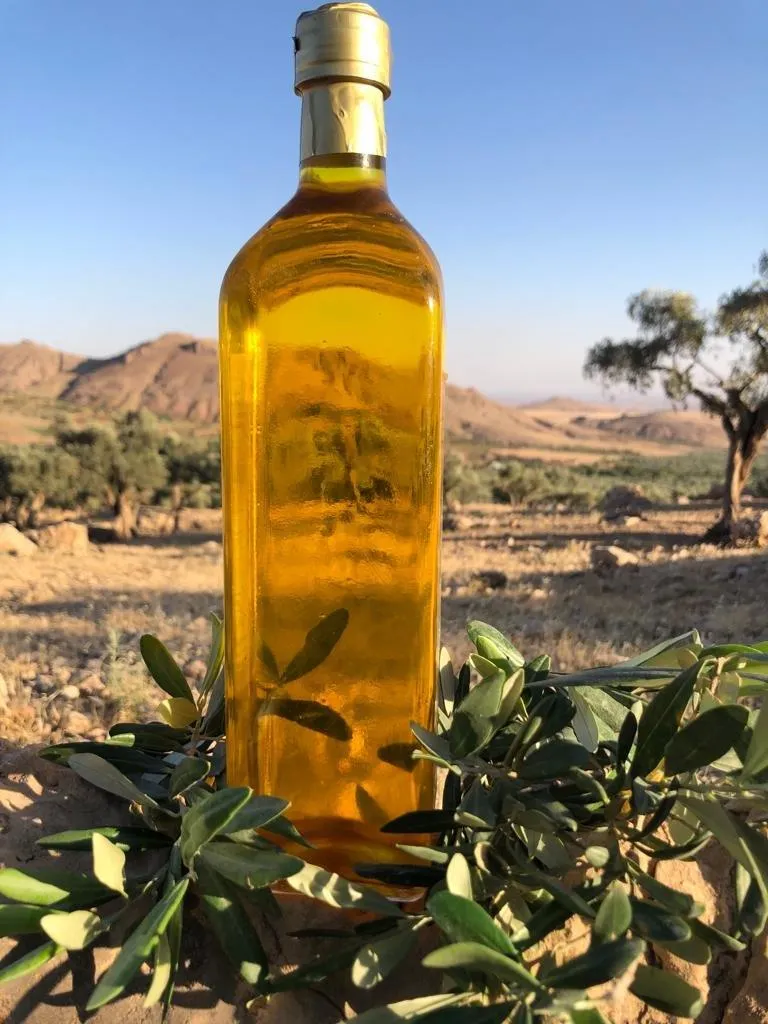
Small handicrafts and local products are an important part of the cultural heritage in Ömerli. The region's unique stonemasonry, textile products and culinary culture offer visitors the opportunity to experience the cultural richness of Ömerli. These products are both works of art and contribute to the regional economy.
Visit Tips and Transportation
After reaching Mardin city center, it is very easy to move to Ömerli district. You can reach Ömerli with a journey of approximately 45 minutes by public transportation or private vehicles departing from Mardin city center. Accommodation options in the district may be limited, so it may be more appropriate to stay in the center of Mardin and organize day trips.
- Best Visit Time: Spring and autumn months are ideal for enjoying both the favorable climate and natural beauties. Visiting especially during the Harvest Festival period (usually early autumn) will enrich the cultural experience.
- What to Wear: It is recommended to wear respectful clothing when visiting historical and religious sites. Comfortable walking shoes will be useful for exploring the ruins and natural areas.
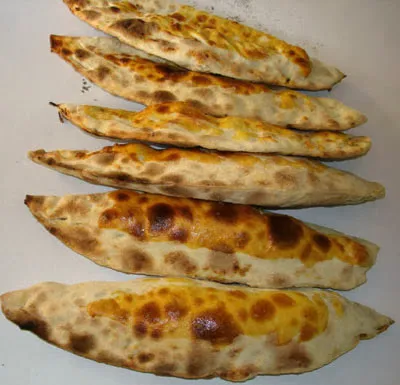
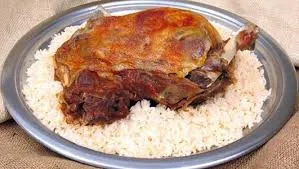
- Local Flavors: You can choose local restaurants or artisan eateries to experience Ömerli's local cuisine. You will find the richness of Mardin cuisine here, too.
Ömerli, beyond modern art centers, is a real treasure of art and culture with its historical texture, ancient structures and living culture. As My Home, we strongly recommend you to discover this unique district and experience this cultural richness hidden in the depths of Mesopotamia.