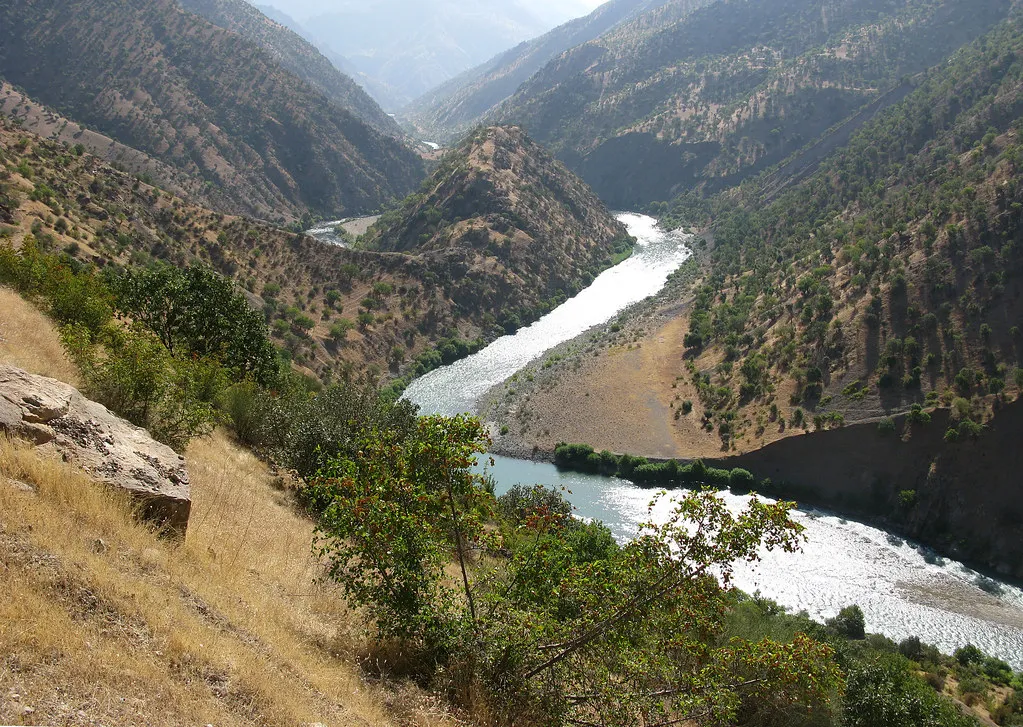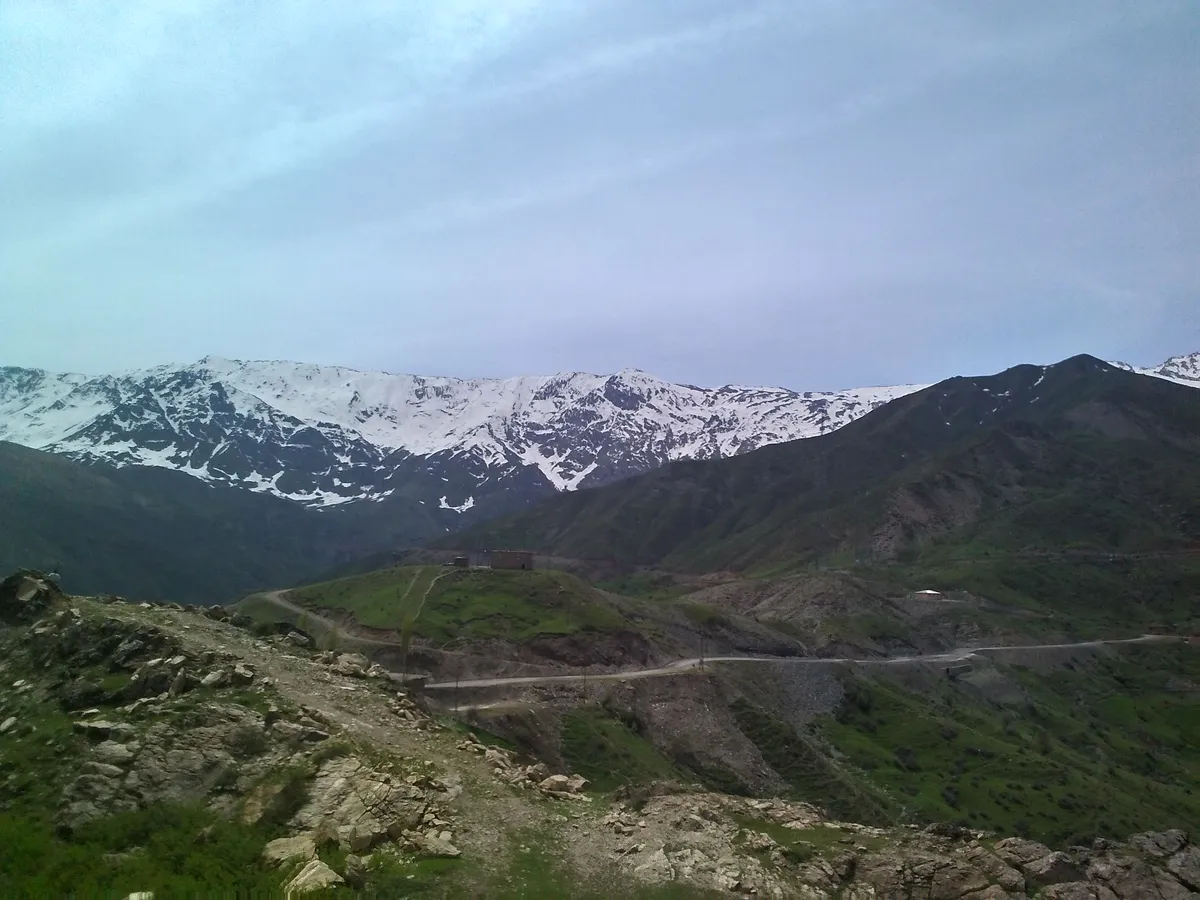

The ancient lands of Anatolia is a unique geography that has hosted different civilizations for thousands of years and deeply carries the traces of each of them. One of the important stops of this rich heritage is Siirt, the pearl of Southeastern Anatolia, and its district Şirvan, which stands out with its historical texture. Shirvan, which has a great potential especially in terms of religious tourism, is almost an open-air museum with its mosque and church ruins. In this article, we will examine in depth the sacred structures of Shirvan, their historical importance and their contribution to the cultural richness of the region.
___ It has become a frequent destination for many civilizations throughout history. Many empires, from the Sumerians to the Assyrians, from the Persians to the Romans, from the Byzantines to the Seljuks and the Ottomans, have ruled in these lands. Each civilization left behind its own unique cultural heritage, and the most obvious traces of this heritage are evident in religious structures. Shirvan has always been an important center both strategically and culturally, especially as it is located at the foothills of the Botan Valley. These ancient lands have been a cradle where different beliefs have lived together for centuries and a culture of tolerance and dialogue has developed. This historical depth has transformed Shirvan's mosques and churches from being merely places of worship into monuments of history and culture.Mosques in Shirvan and Surroundings: Reflections of Islamic Civilization___ played an important role in its spread. This situation is also reflected in the mosque architecture in the region. The mosques in Shirvan generally bear the simple but impressive features of Seljuk and Ottoman architecture. Although they are not as large and spectacular as monumental structures such as the Ulu Mosque in the center of Siirt, the local mosques of Shirvan have been the heart of the social and cultural life of the region. These mosques, beyond being just places of worship, also functioned as centers of education, social assistance and social solidarity. It is possible to see the handicrafts of local craftsmen in the woodwork, stone carving and pulpit details. Small mosques, especially in old neighborhoods, are silent witnesses that carry the spirit of the past to the present. These structures reveal the region's deep connection with Islamic civilization and how this connection is reflected in architecture. As the Memleketim platform, we believe that each of these mosques has a different story and we encourage visitors to discover these stories.Ancient Churches of Siirt and Christians Heritage
Siirt is an important center that has hosted Assyrian, Armenian and other Christian communities throughout history. Shirvan is a district that bears the traces of this rich Christian heritage. Archaeological studies and historical records in the region reveal the existence of many churches and monasteries in Shirvan and its surroundings. Although most of these structures are in ruins today, some surviving ruins and restored examples shed light on the multicultural past of the region. Especially the Syriac Orthodox Church has a great influence in the region. Assyrian churches that are still standing or whose ruins are found throughout Siirt, in districts such as Eruh and Pervari, show the deep roots of this ancient belief in the region. The existence of similar structures in Shirvan is the best evidence of how different beliefs lived together for centuries. These churches generally display the best examples of stonemasonry and reflect the architectural approach of the period. Wall paintings, reliefs and inscriptions show that these buildings are not only places of worship but also works of art. These sacred places have become an important part of the cultural and religious identity of the Christian community of the region.