
Van Travel Guide 2026: Ancient Urartu Capital Tusba, Akdamar Island & Legendary Van Breakfast


Affectionately called the 'Van Sea' by locals due to its immense size and restless waves, Lake Van is the world largest alkaline soda lake. Since the 9th century BC, this dramatic high-altitude basin served as the heart of the mighty Iron Age Urartu Kingdom. Perched on a 100-meter-high limestone monolith rising straight from the lakeshore, Tusba (Van Fortress) guards three millennia of imperial memories with its monumental cuneiform inscriptions and royal rock-cut tombs.
From the turquoise waters cradling Akdamar Island with its 10th-century Holy Cross Church to the eagle-nest fortress of Hosap and the Guinness-record-setting Van breakfast feast, this comprehensive 2026 travel guide unveils eastern Anatolia most mesmerizing pearl.
1. Historical Van Fortress (Tusba): The Impregnable Urartian Citadel
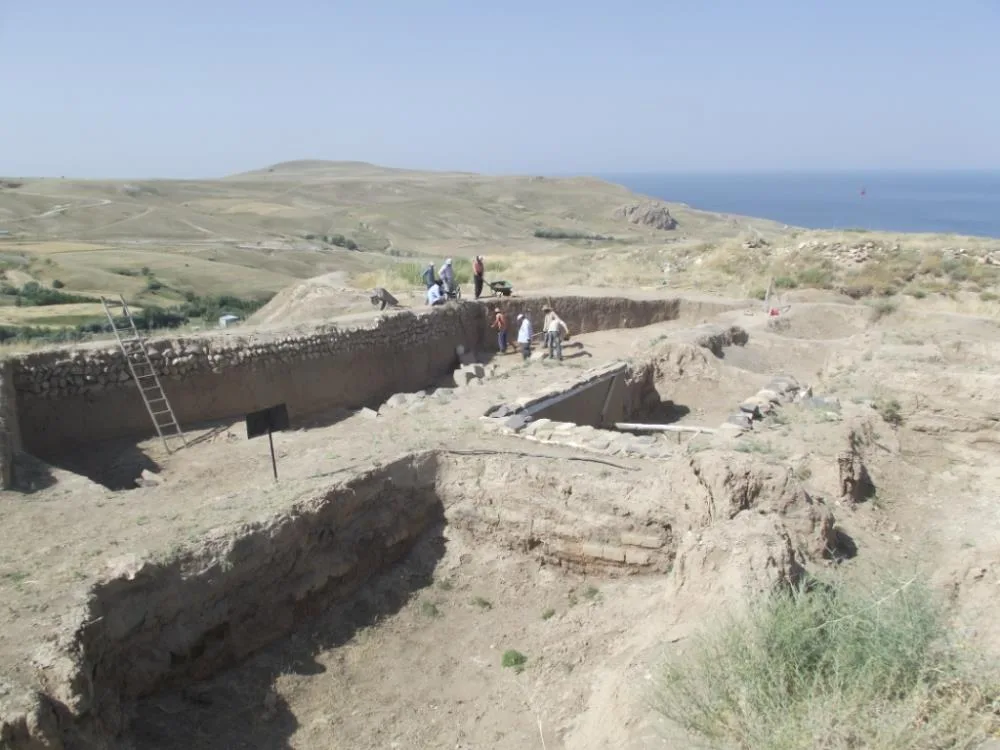
Erected between 840 and 825 BC by Urartian King Sarduri I, Van Fortress crowns an 1,800-meter-long limestone ridge. At the western foot sits the famous Sardur Bastion (Horhor Inscription) inscribed in Assyrian cuneiform, while the southern cliffs house the cavernous royal rock crypts. At sunset, the panoramic view from the summit Ottoman bastions over Lake Van and the Old City ruins is simply breathtaking.
- Location: Located 5 km west of central Van in Tusba district.
- Opening Hours: Open daily from 08:30 to 19:00 throughout the year.
- Admission & Museum Pass: Turkiye Museum Pass valid; spacious parking and modern Van Museum located at the northern entrance.
- Photo Advice: Capture the sunset rays across Lake Van and the mudbrick silhouettes of Old Van from the southern battlements.
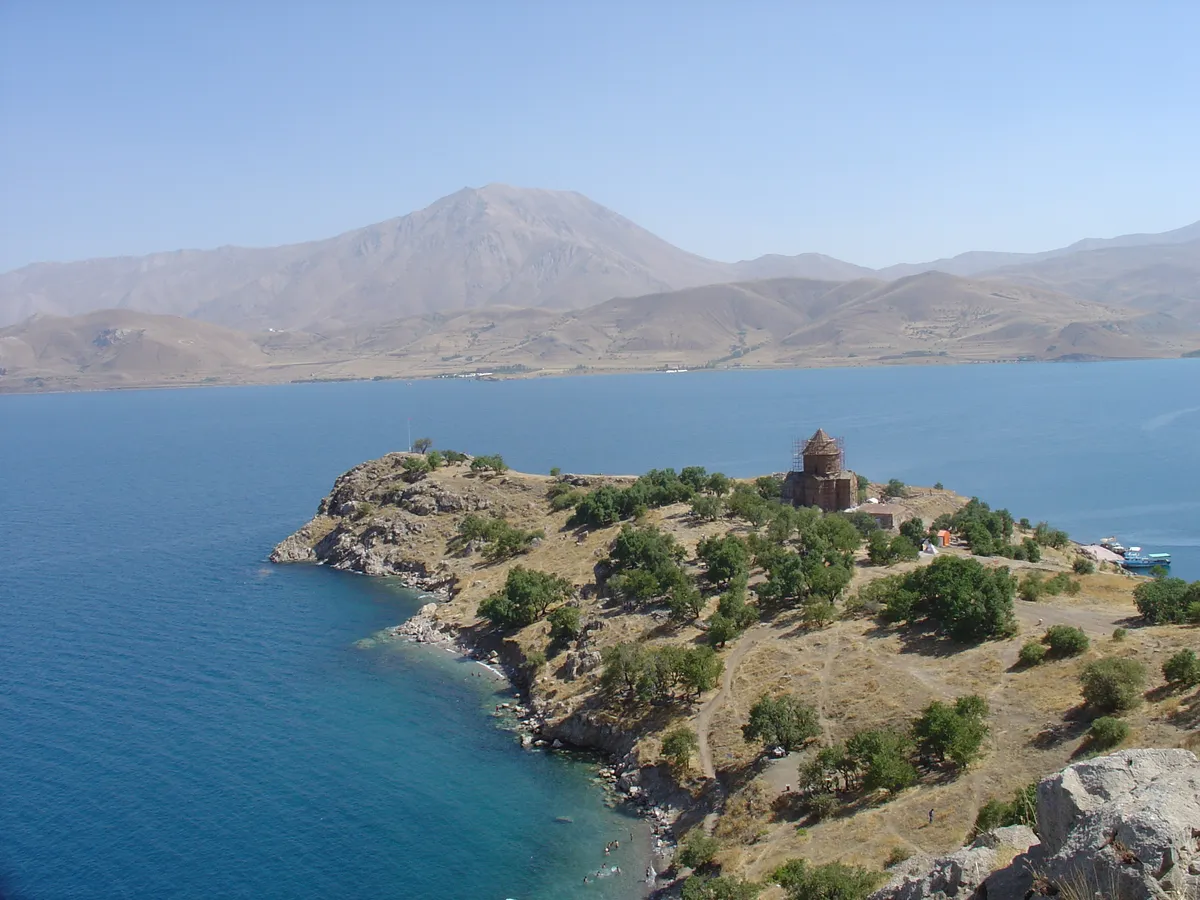
2. Akdamar Island & Holy Cross Church: Masterpiece of Medieval Stone Reliefs
Floating peacefully in the turquoise waters of Lake Van, Akdamar Island is home to the Church of the Holy Cross, commissioned by King Gagik I of Vaspurakan between 915 and 921 AD and built by architect monk Manuel. Built from warm reddish andesite stone, its exterior walls are richly decorated with biblical friezes depicting David and Goliath, Jonah and the whale, lions, eagles, and lush grapevine garlands, representing the zenith of medieval stonemasonry.
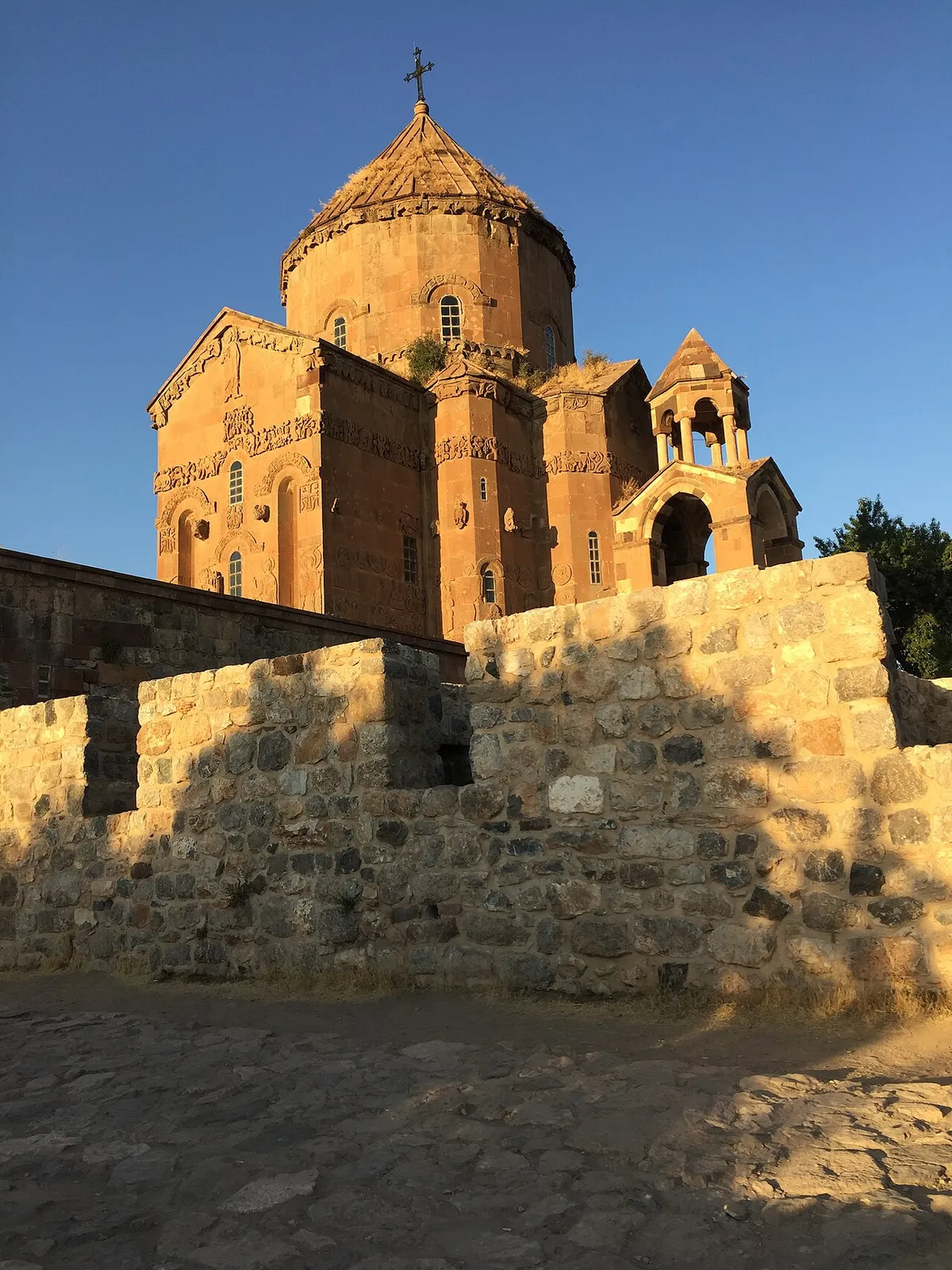
- Access: Regular ferryboats depart every 20 minutes from Gevas Akdamar Pier (20-minute crossing).
- Best Season: April and May offer magical vistas when island almond groves bloom with pink flowers against snowy Mount Artos.
- Admission: Museum Pass accepted for island entry (boat ticket purchased separately at pier).
- Tip: After exploring the church reliefs, hike to the island panoramic lookout pavilion for traditional Turkish tea.
3. Van Museum: The World Richest Urartian Archaeological Collection
Standing next to the northern slopes of Van Fortress, the newly designed Van Museum houses the globe most extensive Urartian artifact collection. Spanning 16 thematic galleries from the Paleolithic to Ottoman eras, it features embossed bronze shields, helmets, ceremonial jewelry, cuneiform tablets, and lifelike wax dioramas illustrating royal palace life.
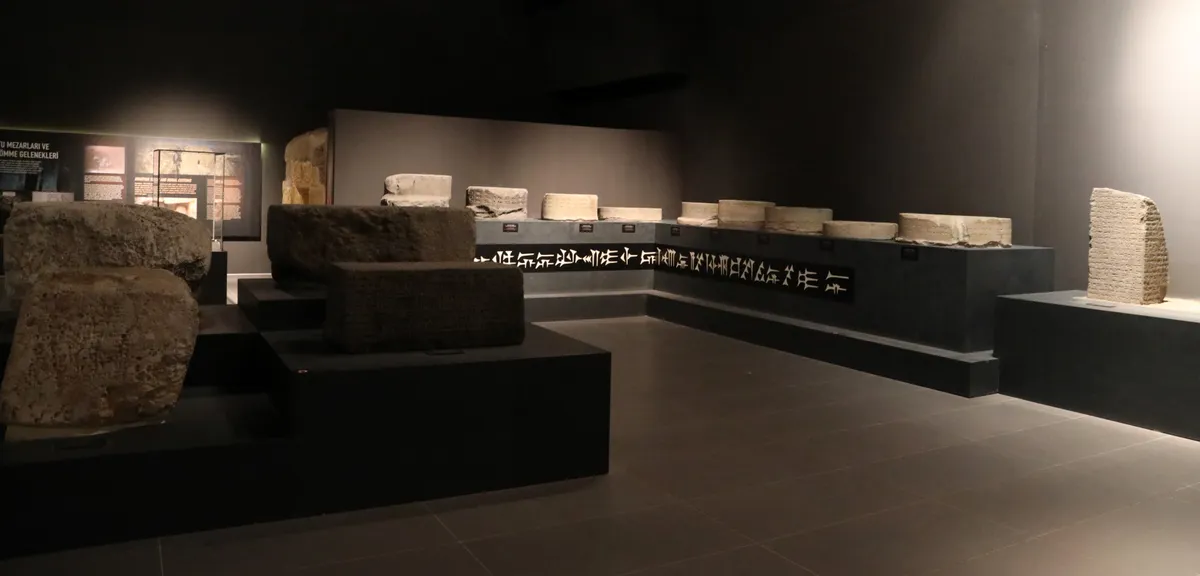
4. Halime Hatun Tomb & Historical Gevas Seljuk Cemetery
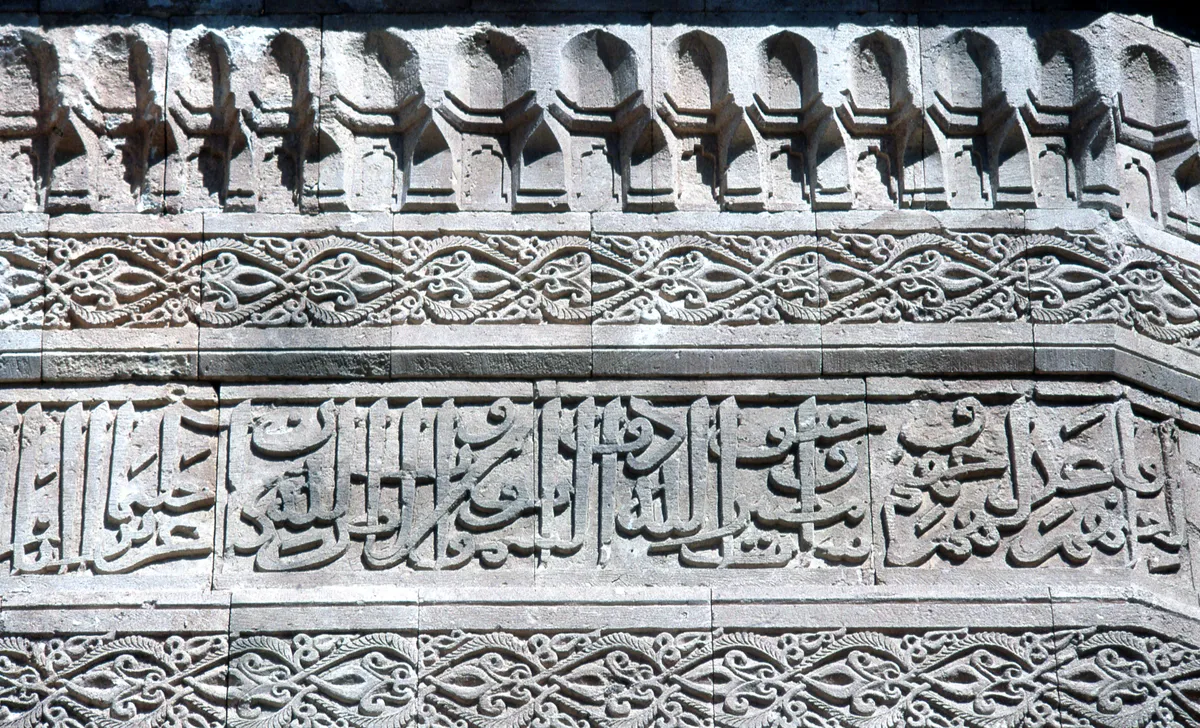
Located in Gevas near the southern shore of Lake Van, the Halime Hatun Tomb was built in 1335 by Melik Izzettin in honor of his daughter. With its twelve-sided fluted stone body and conical roof, it stands as an exquisite example of Seljuk funerary architecture. The surrounding Seljuk cemetery features two-meter-high headstones adorned with intricate geometric and calligraphic carvings.
5. Tusba Coastal Park & Van Lake Promenade
Stretching along the eastern shoreline, the Tusba Coastal Park is modern Van premier waterfront recreational area. With wide cycling paths, green amphitheaters, wooden piers, and cafes, it is the ideal spot to stroll, feed lake gulls, and feel the refreshing lake breeze.
6. Historical Van Houses Cultural Area
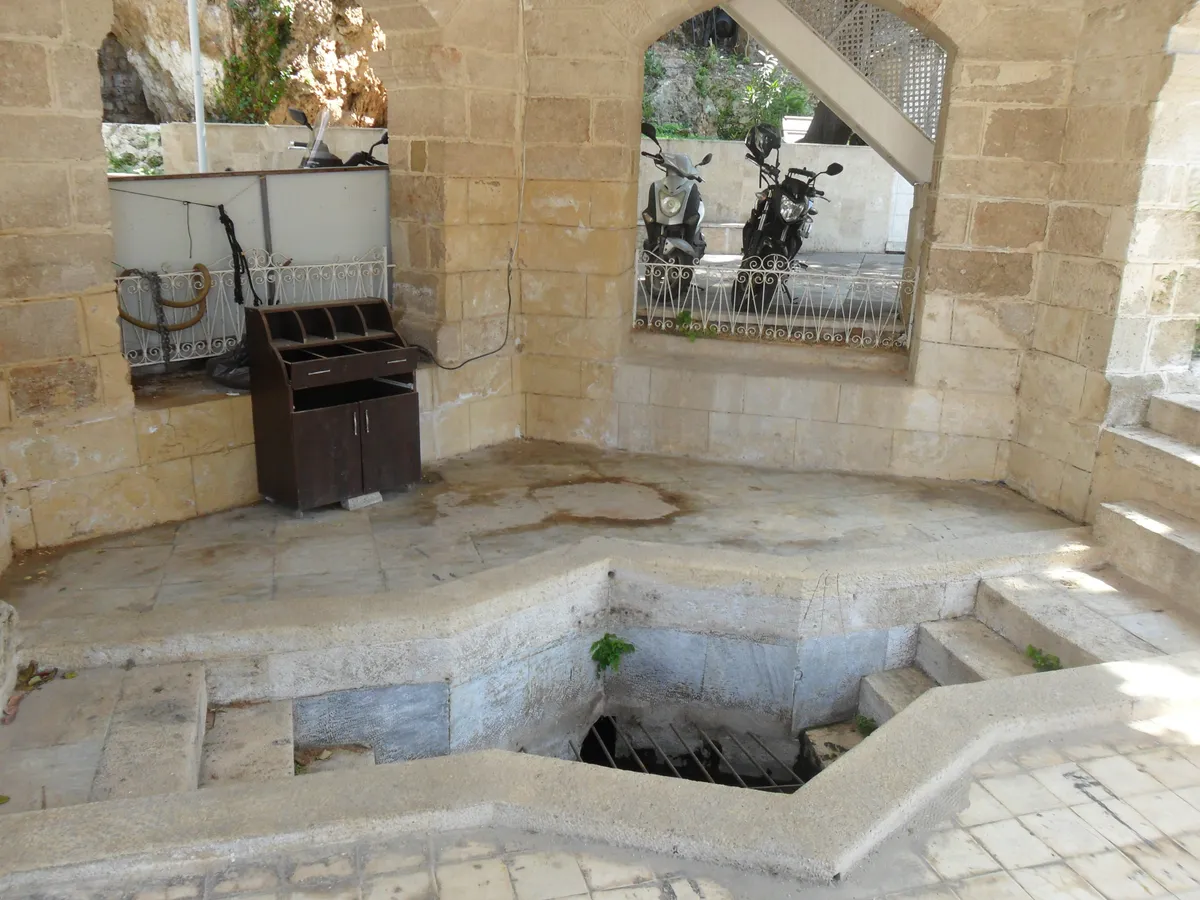
Faithfully reconstructed at the foot of Van Fortress, the Historical Van Houses reflect the authentic vernacular architecture of the region. Constructed with sun-dried mudbrick, timber frames, and flat earth roofs, these traditional residences showcase folk crafts and early 20th-century household culture.
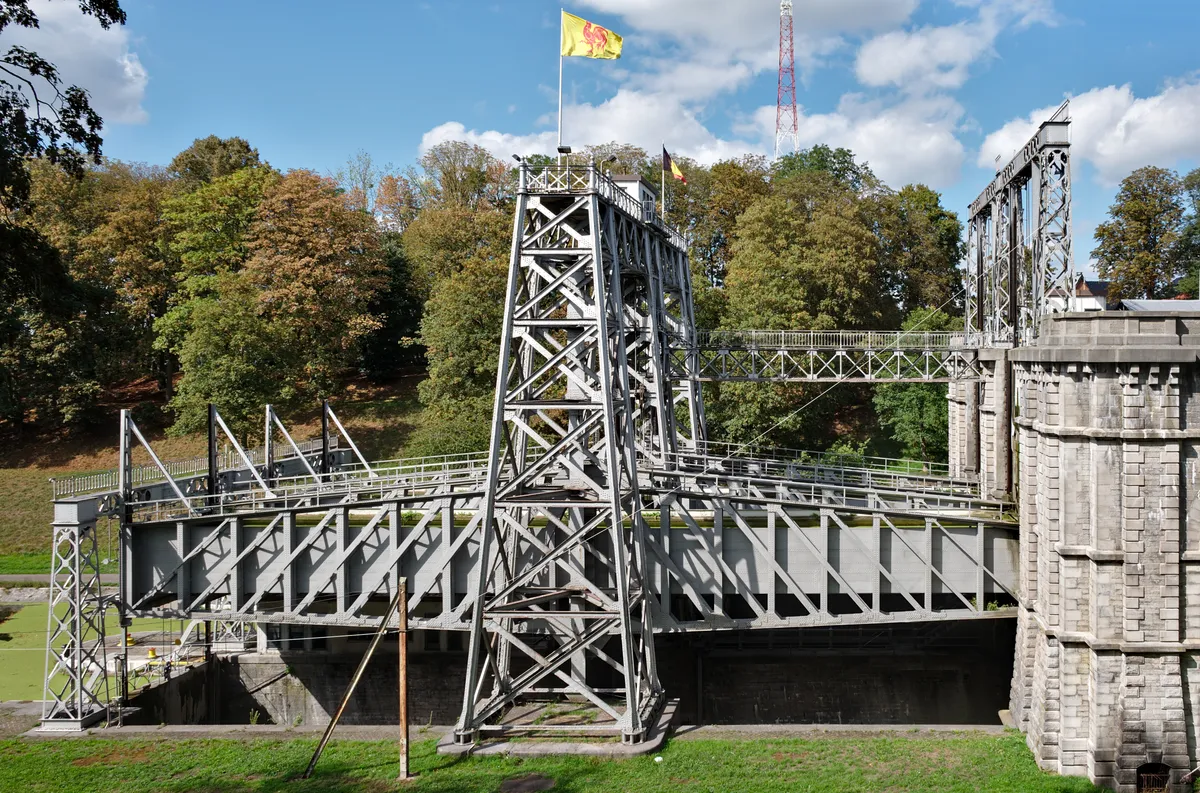
7. Old City of Van & Ruins of the Great Mosque
Lying just south of the fortress ridge, the Old City of Van was a cosmopolitan hub where Turks, Armenians, and Kurds coexisted harmoniously until 1915. Today an open-air archaeological park, it preserves the grand ruins of the Seljuk Great Mosque, Kizil Minareli Mosque, and the Ottoman Husrev Pasha complex.
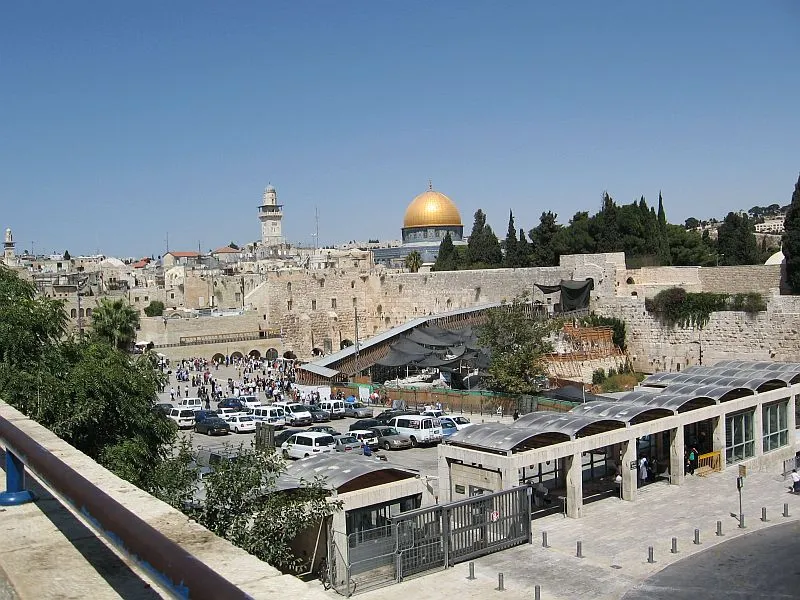
8. Mount Artos: 3,515-Meter Alpine Crest & Butterfly Haven
Towering majestically south of Gevas, Mount Artos rises to 3,515 meters above sea level. Renowned among botanists and entomologists for its hundreds of rare alpine plant species and endemic butterfly varieties, it offers exhilarating ski touring in winter and trekking routes with sweeping views across the entire lake basin in summer.
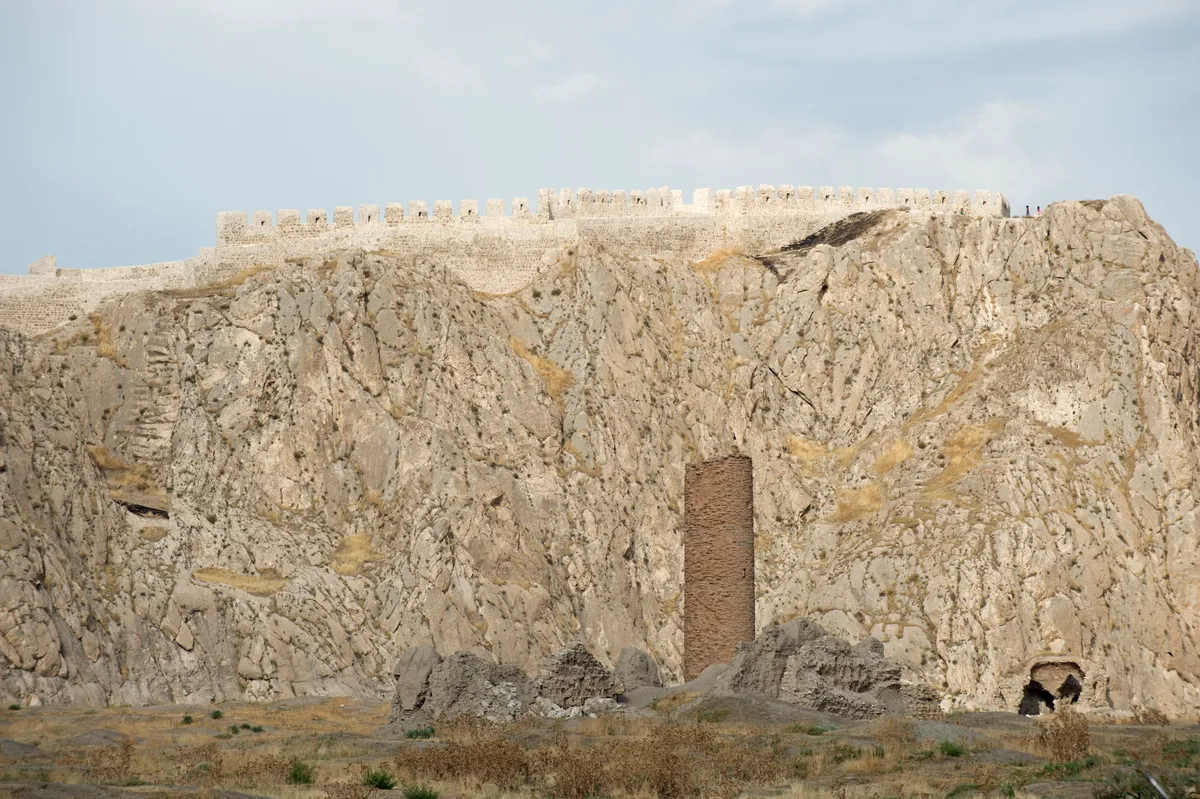
9. Historic Kizil Minareli Mosque & Kumbet
Rising gracefully among the orchards of Old Van, the Kizil Minareli Mosque is named after its monumental cylindrical minaret built from warm red baked bricks laid in intricate zig-zag patterns. Dating back to the 13th-14th centuries, its surviving glazed tile ornaments testify to refined Seljuk craftsmanship.
10. Hosap Castle: The Fairy-Tale Eagle Nest of Eastern Anatolia
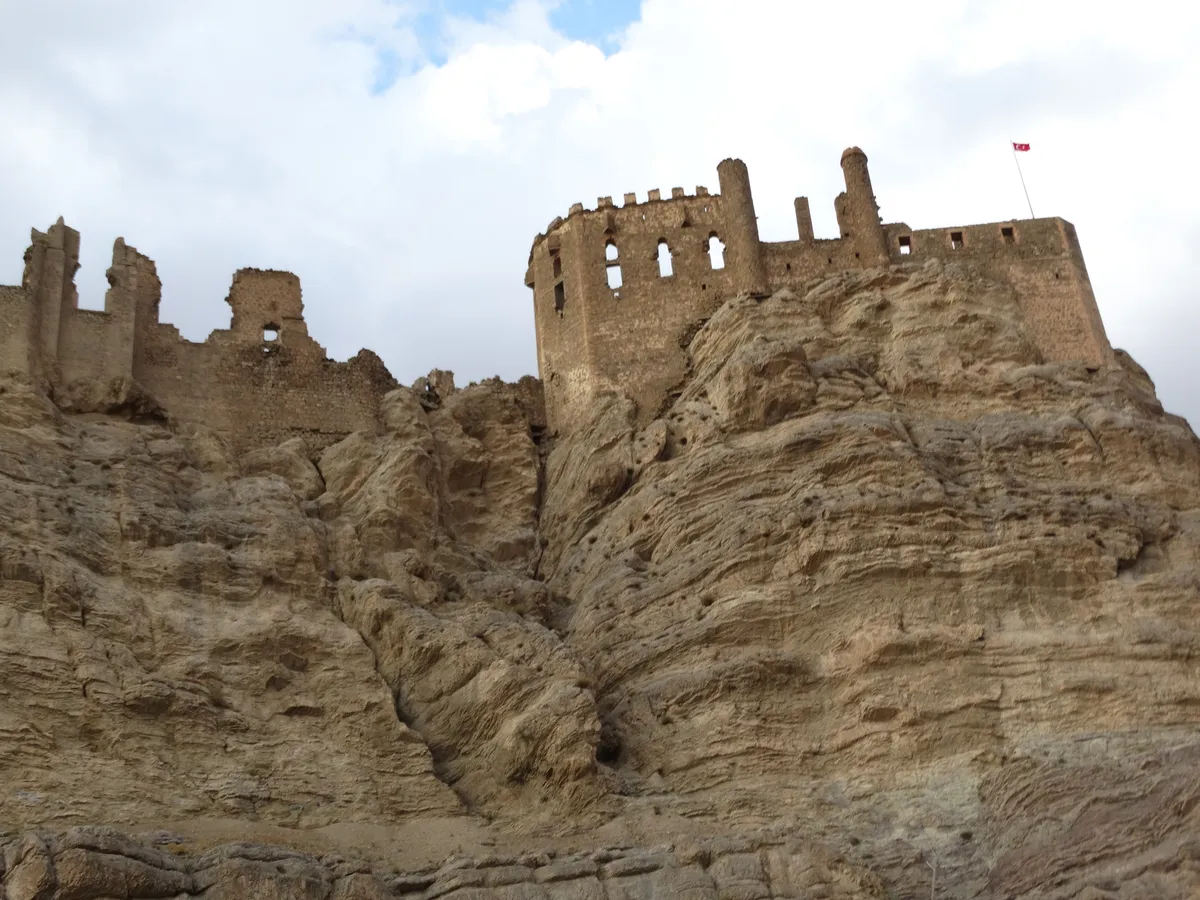
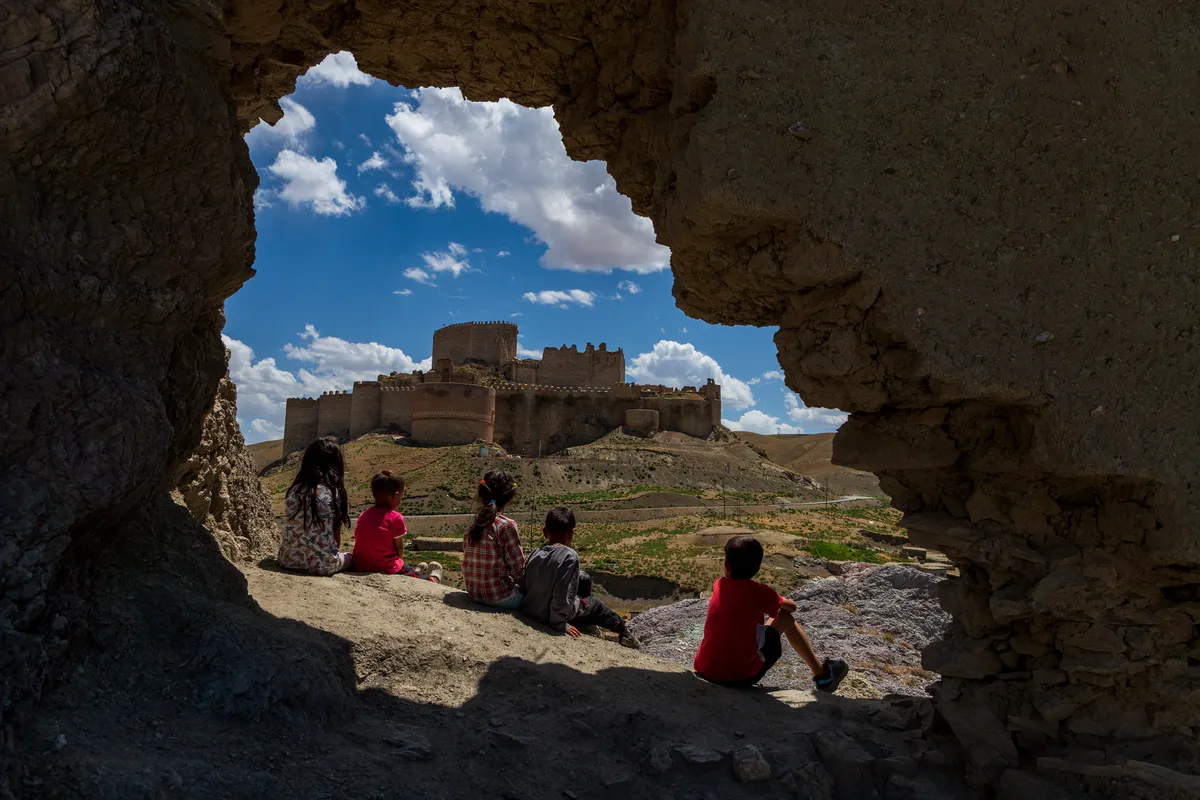
Perched dramatically upon a sharp limestone crag along the ancient caravan route to Persia in Gurpinar, Hosap Castle was reconstructed in 1643 by Mahmudi Lord Sari Suleyman Bey. Featuring a monumental iron-plated gate tower, harem quarters, watchtowers, and underground cisterns, it resembles a romantic European castle transplanted to the Anatolian highlands.
2-Day Detailed Van & Akdamar Itinerary
Day 1: Tusba Citadel, World-Class Museum & Coastal Stroll
- 08:30 – 10:00: Start in Van Breakfast Alley enjoying wild-herb Otlu cheese, murtuga (warm flour-butter dish), kavut, honey, and hot tandoori buns.
- 10:00 – 12:30: Ascend Van Fortress (Tusba); discover the Sardur Cuneiform Inscription, royal crypts, and sweeping lake views.
- 12:30 – 14:00: Tour the modern Van Museum at the foot of the citadel to admire Urartian bronze weapons and royal jewelry.
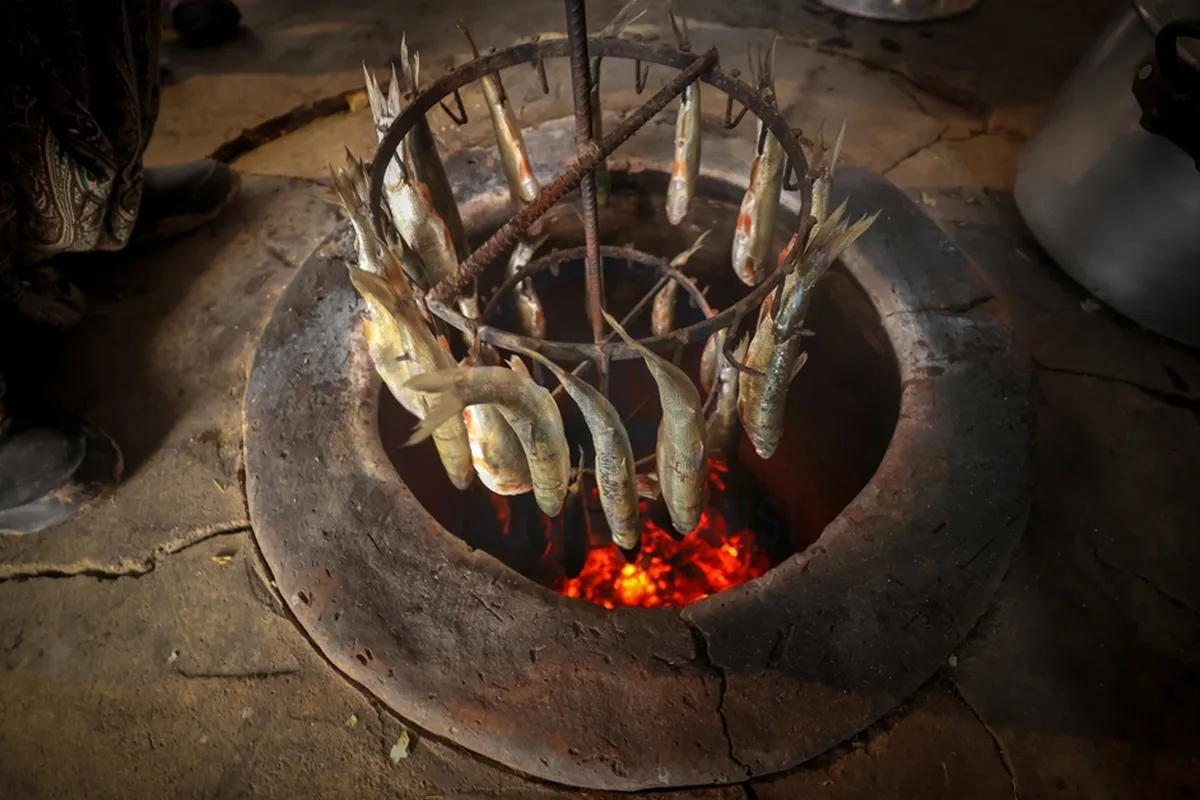
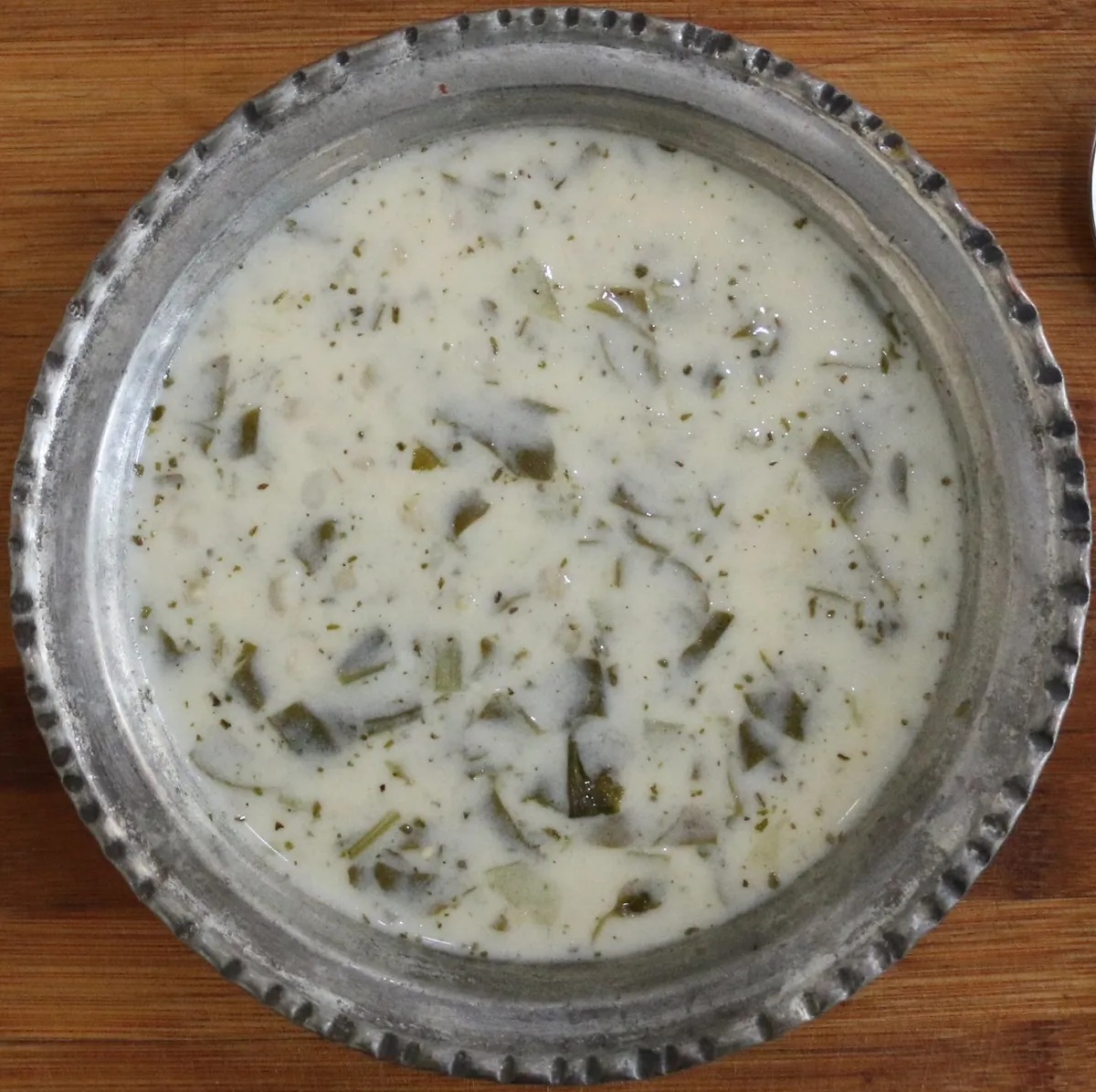
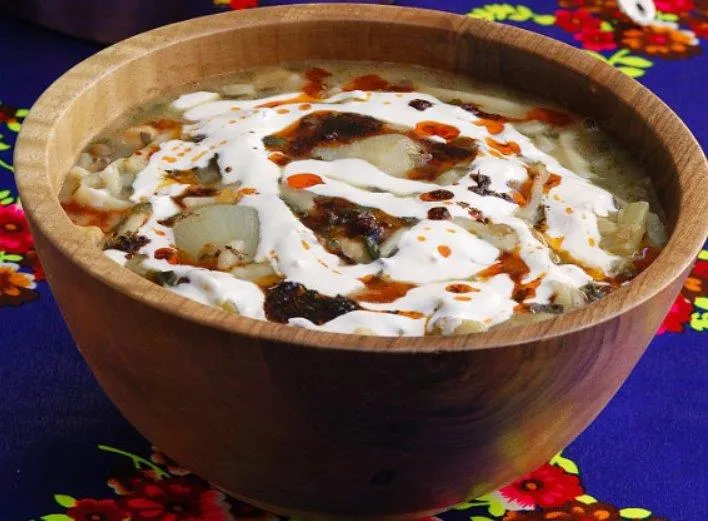
- 14:00 – 15:30: Lunch featuring freshly pan-fried Lake Van Pearl Mullet (Inci Kefali) and tangy ayran asi soup.
- 15:30 – 17:30: Walk through the romantic ruins of Old Van, Husrev Pasha Mosque, and the Traditional Van Houses.
- 17:30 – 19:30: Stroll along Tusba Coastal Park and visit the Van Cat Research Center to see the odd-eyed Van cats.
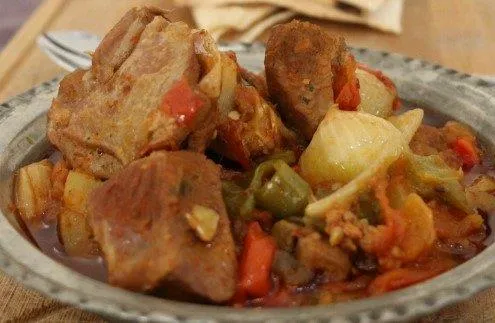
- 20:00 – 22:00: Dinner savoring traditional slow-cooked Keledosh stew.
Day 2: Akdamar Island, Halime Hatun Tomb & Hosap Castle
- 08:30 – 09:30: Scenic coastal drive south to Gevas (approx. 40 km from Van center).
- 09:30 – 12:30: Board ferry from Gevas Pier to Akdamar Island; explore the Holy Cross Church stone reliefs and enjoy tea with mountain vistas.
- 12:30 – 13:30: Visit the 14th-century Halime Hatun Tomb and historical Seljuk carved headstones in Gevas.
- 13:30 – 15:30: Drive southeast to Gurpinar to discover the dramatic cliff-top Hosap Castle.
- 15:30 – 17:30: On the return drive, stop at Cavustepe to see Urartian palace foundations and the 2,800-year-old active Menua irrigation canal.
- 18:00 – 20:00: Browse the Historic Cheese Bazaar in central Van for vacuum-sealed Otlu cheese and local handmade savat silver jewelry.
Real Transportation & Transit Guide (2026 Updated)
- Airport Access: Van Ferit Melen Airport (VAN) is located 8 km southwest of the center, with daily direct flights from Istanbul, Ankara, Izmir, and Antalya.
- Gevas & Akdamar Ferries: Shared minibuses depart from Van Central Bus Terminal to Gevas every 20 minutes (40-minute journey). Boats operate continuously as they fill.
- Van Fortress Transit: City minibuses and municipality buses run frequently from the central square to Tusba and Van Museum in under 10 minutes.
- Lakeside Highway: The full highway ring around Lake Van is modern dual-lane asphalt, offering scenic and reliable driving toward Tatvan, Ahlat, and Ercis.
- Parking Facilities: Free ample parking is available at Van Museum and Fortress, while paid municipal parking operates at Gevas Boat Pier.
Best Photography Spots & Framing Tips
- Akdamar with Mount Artos: In spring, frame the blooming pink almond blossoms in the foreground, Holy Cross Church in the midground, and snow-capped Artos behind.
- Citadel Sunset: Capture the fiery orange reflections across the alkaline waters of Lake Van from the southern battlements using a wide-angle lens.
- Hosap Castle Gate: Shoot the monumental carved lion gate tower in the early morning side-lighting to accentuate the ancient stonework relief.
- Old Van Minarets: Highlight the contrast between the crumbling red brick towers of Kizil Minare and the sheer limestone cliff behind them.
- Van Cat Portraits: At the Cat House, capture the luminous amber and turquoise eyes of the famous white felines at eye level under diffused natural light.
Regional Gastronomy: What to Eat & Where
Registered Van Breakfast
Over 20 artisanal items: wild-herb Otlu cheese, butter-toasted murtuga, roasted flour kavut, clover honey with clotted cream, and hot tandoori buns.
Pearl Mullet (Inci Kefali)
An endemic fish species found only in the soda waters of Lake Van. Pan-fried in cornmeal or slow-baked in stone ovens for exceptional flavor.
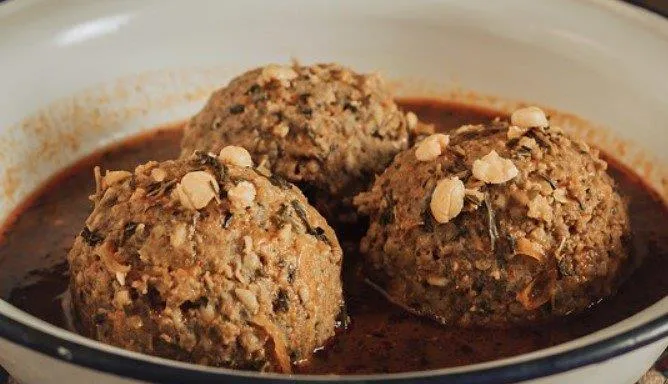
Keledosh Stew
Geographically protected banquet dish simmered with tender lamb, chickpeas, green lentils, mountain heliz herb, and fermented kurut yogurt.
Van Corek & Otlu Cheese
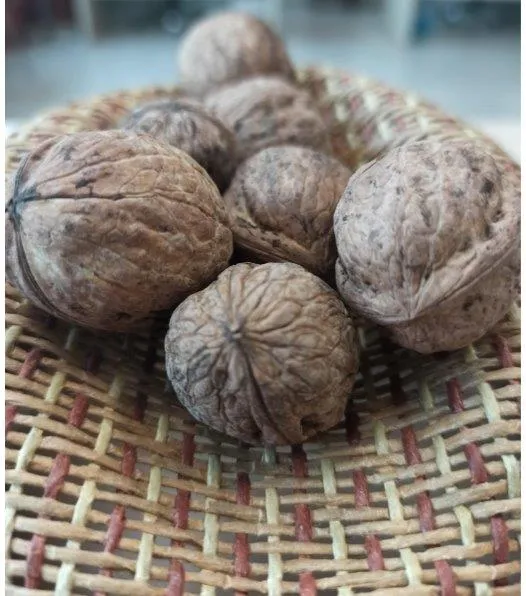
Crispy baked pastries stuffed with walnut or spiced flour paste, paired with aged cheese infused with up to 25 mountain herbs.
© 2026 Memleketim App - All Rights Reserved. Van Tusba Gevas Akdamar Island Travel Guide.