Stratonikeia Ancient City and the nearby Lagina Hekate Sanctuary, situated in the Yatağan district of Muğla, form a globally unique 'living archaeological city' where Hellenistic, Roman, Byzantine, Anatolian Beylik, Ottoman, and Early Republican eras coalesce seamlessly. Renowned as the largest city in the world built entirely from white marble, Stratonikeia is an awe-inspiring open-air museum boasting grand gladiatorial monuments, an enormous gymnasium, and colonnaded Roman boulevards. Located just 8 kilometers away, Lagina serves as the ancient world's premier independent sanctuary dedicated to Hekate, goddess of magic, the moon, and crossroads, and was immortalized as the site of Turkey's first scientific archaeological excavations led by Osman Hamdi Bey.
- Deep History and Multi-Layered Heritage: The Gladiators School, Hekate Cult, and Osman Hamdi Bey
Stratonikeia was founded in the early 3rd century BCE by the Seleucid King Antiochus I, dedicated to his beloved queen Stratonice. Expanding dramatically during the Roman imperial era with marble colonnaded avenues, an expansive Bouleuterion (Council House), and palatial imperial baths, the city rose to prominence as one of antiquity's premier gladiator training academies. Unearthed burial stelae inscribed with famous arena combatants such as 'Droseros', 'Vitalis', and 'Khrysopteros' offer exceptional windows into ancient martial spectacles.
Lagina functioned as Stratonikeia's sacred religious precinct. Linked by an ancient stone-paved Sacred Way, annual processions saw young priestesses carrying a ceremonial bronze key to the Temple of Hekate, where solemn nocturnal mysteries were celebrated. In modern archaeological history, Lagina holds immense prestige as the site excavated in 1891-1892 by the legendary painter and museologist Osman Hamdi Bey. What makes Stratonikeia truly spellbinding today is its architectural coexistence: Ottoman timbered stone mansions and village coffeehouses stand shoulder-to-shoulder with monumental Roman marble columns.
- Two-Day Comprehensive Itinerary: Marble Metropole, Hekate Sanctuary, Guzelkoy, and Belen Cafe
Day 1: Monumental Northern Gate, Gladiators Necropolis, Bouleuterion, Roman Baths, and Saban Aga Mosque
Begin your exploration at the monumental North City Gate and ceremonial colonnade. Marvel at the double-arched gateway flanked by Corinthian columns and the carved tomb monuments of celebrated gladiators.
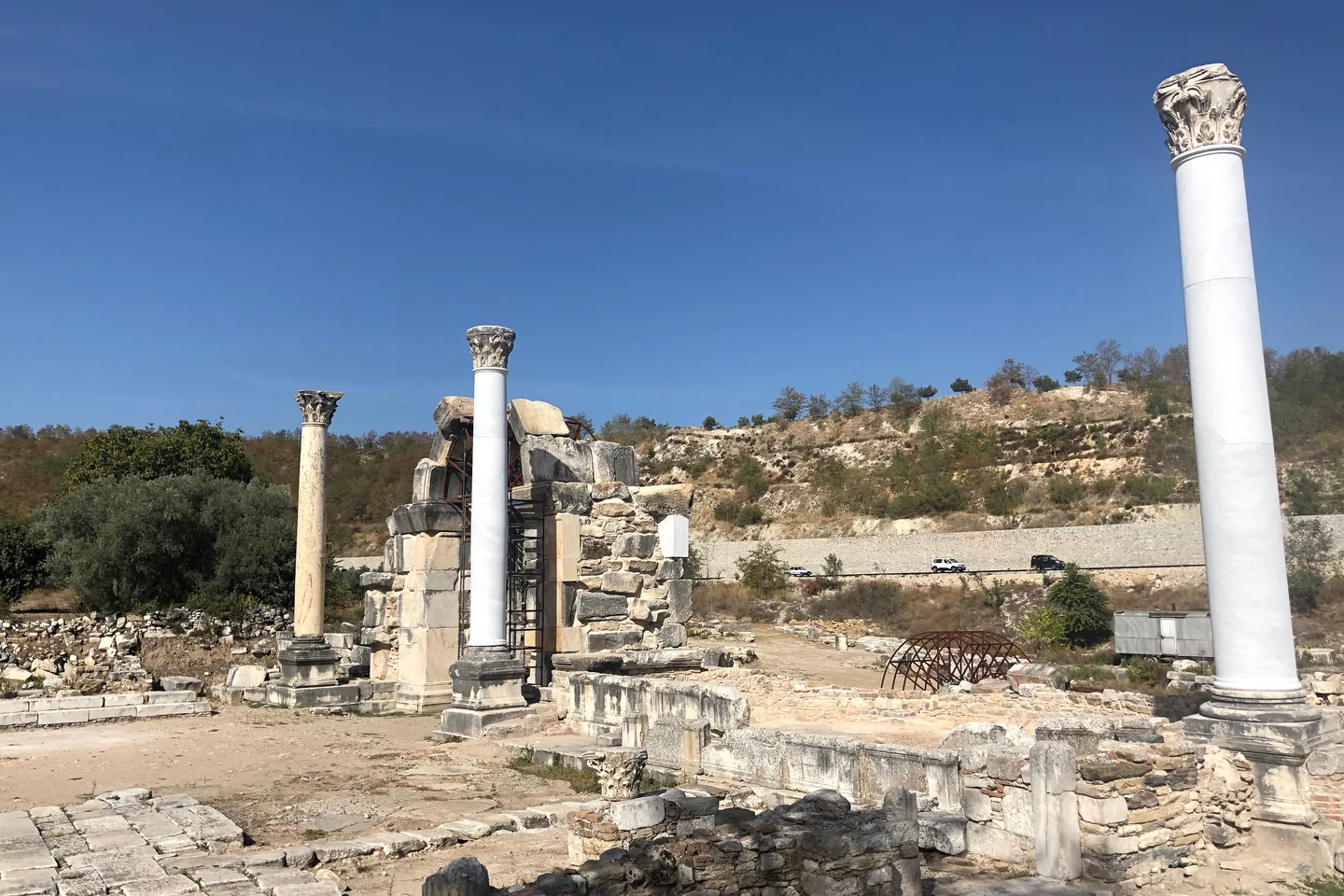
Follow the colonnaded avenue southward to reach the civic Bouleuterion, where the famous Edict of Diocletian price inscriptions remain legible on marble ashlar walls, preserving ancient marketplace values.
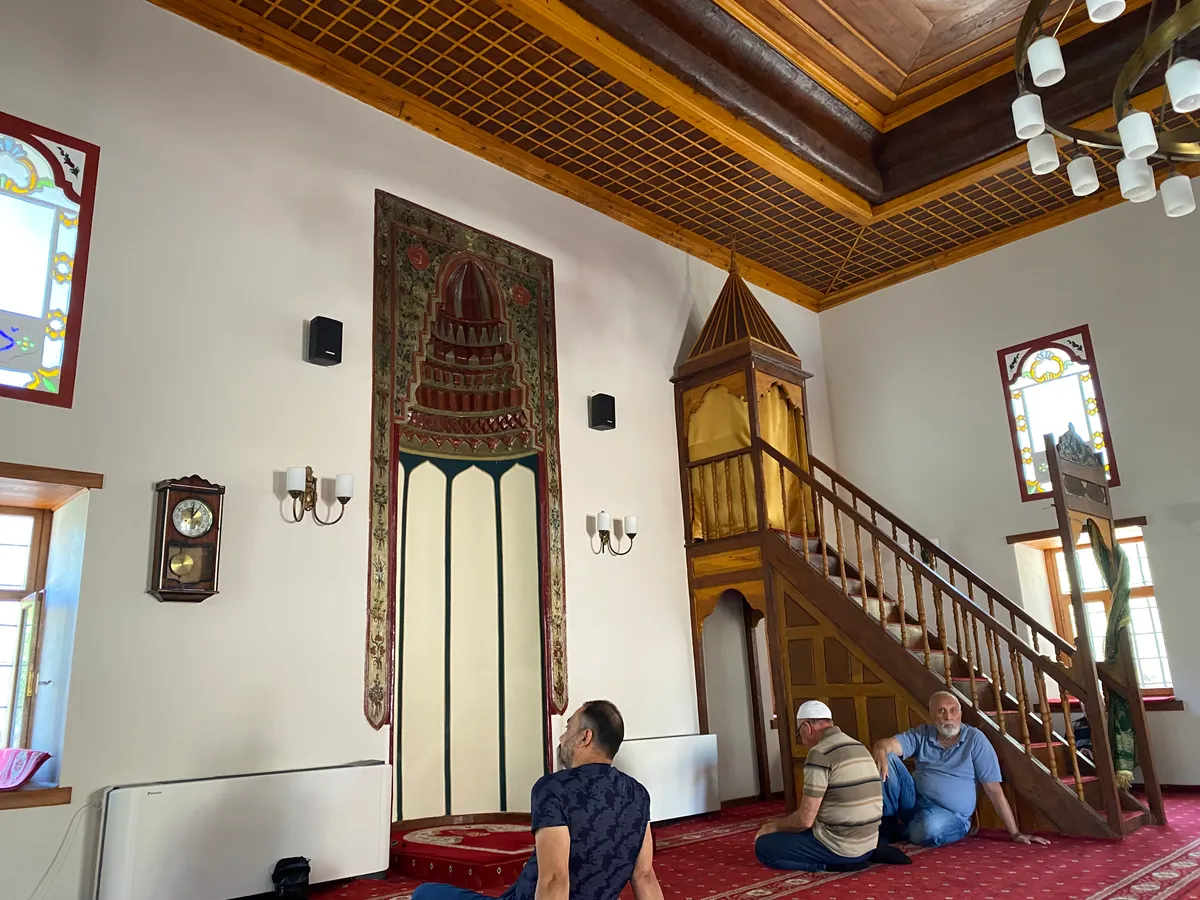
In the afternoon, explore historic Eskihisar Village Square, nestled right within the ruins. Tour the 19th-century timber-roofed Saban Aga Mosque built upon Roman foundations and relax at the restored village teahouse.
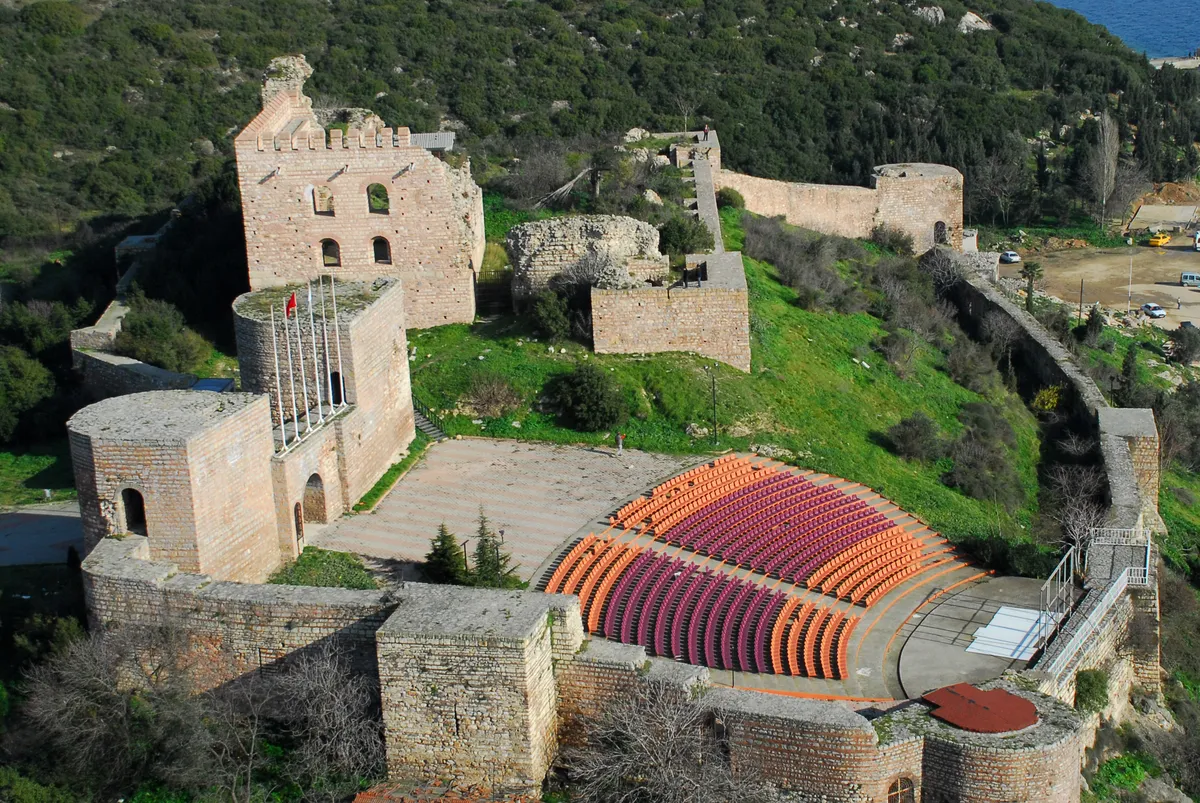
Conclude the afternoon by ascending to the Byzantine Eskihisar Castle perched upon the acropolis ridge, enjoying panoramic vistas stretching over the white marble ruins.
Day 2: Lagina Hekate Sanctuary, Bozuyuk Guzelkoy, Belen Cafe, and Gokbel Valley
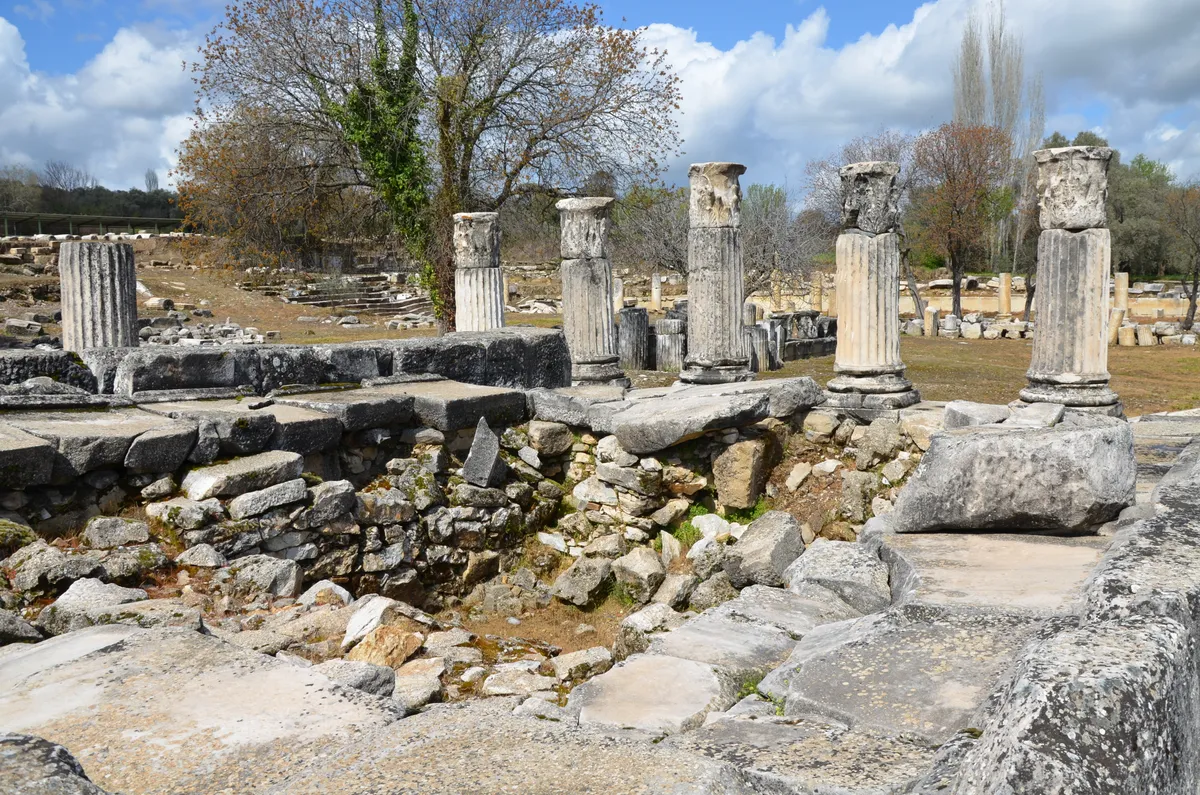
Morning begins at the Sanctuary of Hekate in Lagina. Sheltered within ancient olive groves, admire the pseudodipteral temple platform, the grand propylon portal, and Osman Hamdi Bey's preserved excavation house.
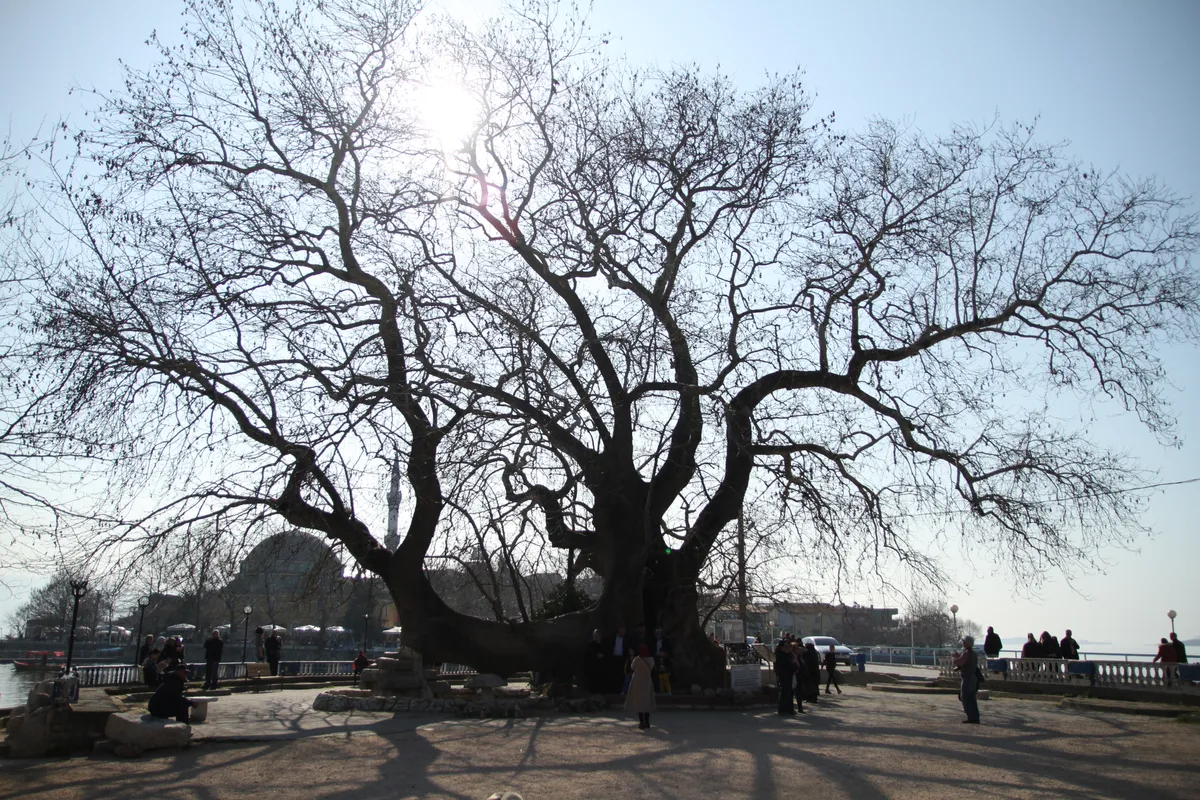
Proceed to Bozuyuk Guzelkoy, celebrated for its 800-year-old monumental plane tree, natural water mills, and picturesque stone residences. Enjoy fresh village flatbreads under the leafy canopy.
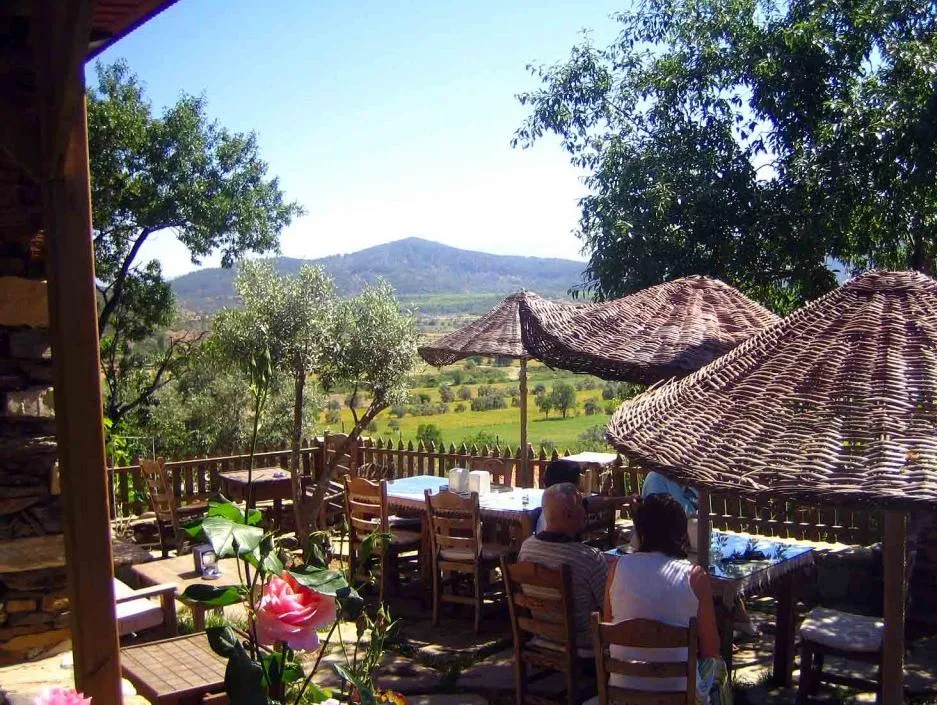
Travel next to Caybuku Village to visit the iconic Historic Belen Cafe, immortalized in the legendary Aegean folk ballad 'Ormanci', featuring an authentic cultural heritage exhibition.
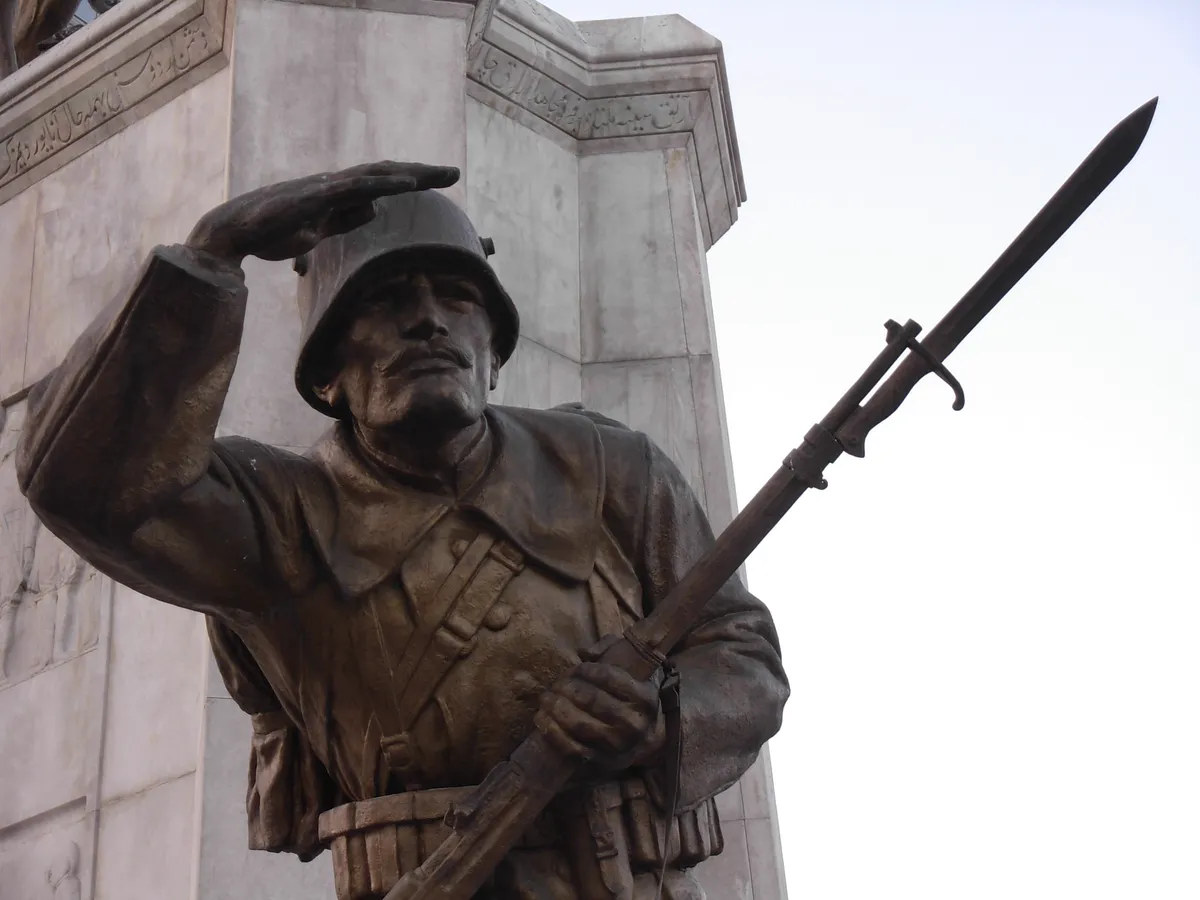
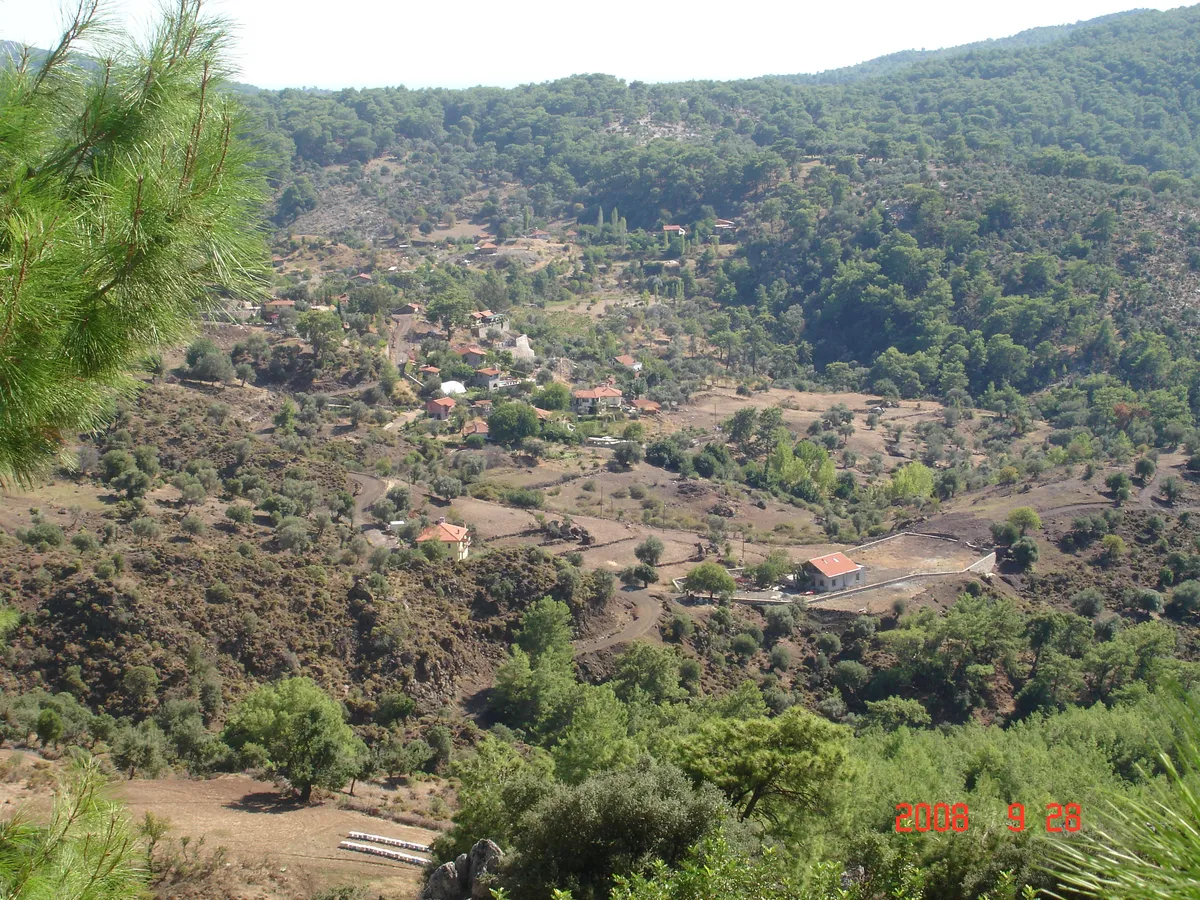
Continue to Yatağan town center to honor the Martyrs Park and Victory Monument, then trace the peaceful, pine-scented rural trails of Gokbel Valley.
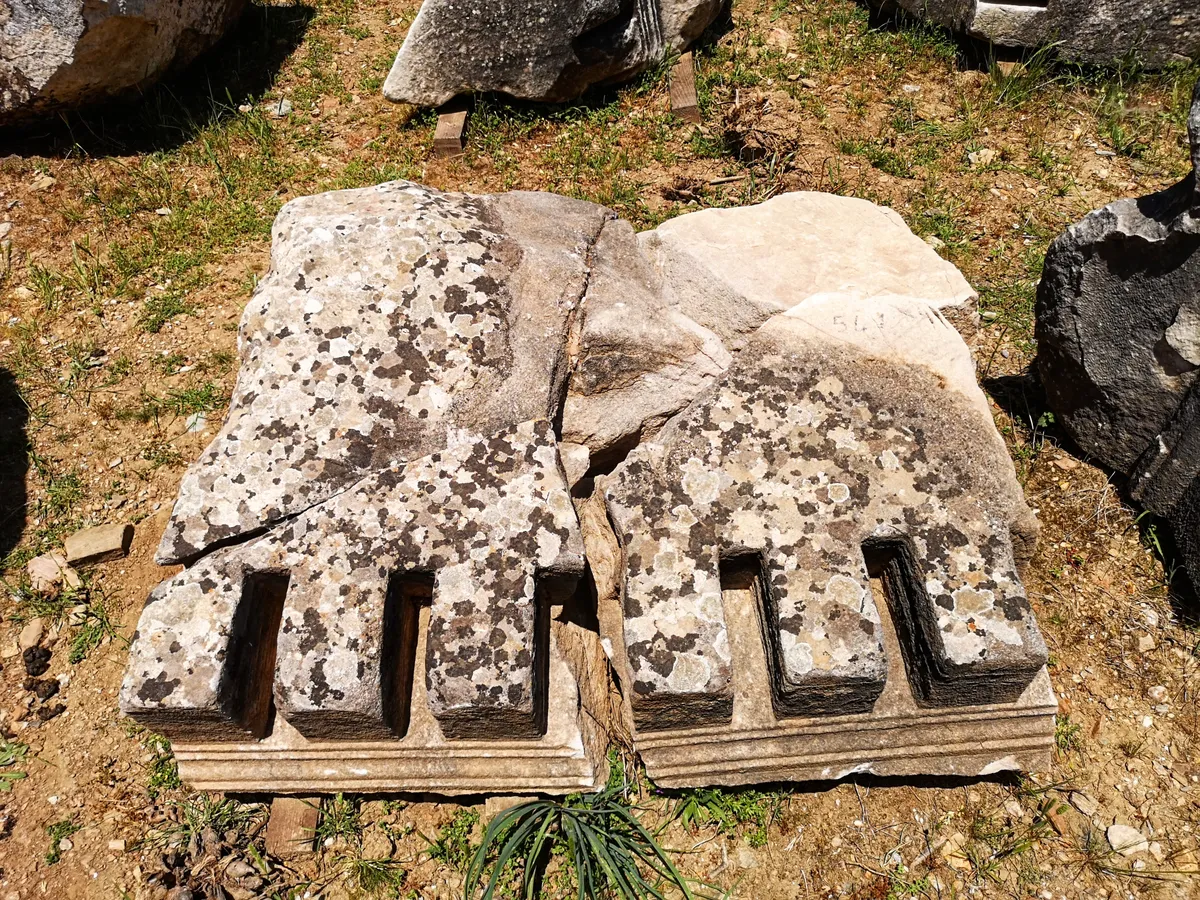
For travelers with extra time, the nearby Temple of Zeus Lepsynos at Euromos stands as one of Anatolia's best-preserved classical sanctuaries.
- Visiting Hours, 2026 Ticket Pricing, and Museum Pass Access
- Stratonikeia Archaeological Site: Open daily; Summer season (April 1 - October 31) 08:30 - 19:00; Winter season (November 1 - March 31) 08:30 - 17:30.
- Lagina Hekate Sanctuary: Open daily from sunrise to sunset with no seasonal closure.
- Museum Pass Validity: Valid for Turkish Museum Pass holders; international single-entry admission is approximately 10 Euros in 2026.
- Bozuyuk Guzelkoy and Belen Cafe: Free admission public cultural sites open 7 days a week year-round.
- Parking Facilities: Large complimentary parking spaces are available directly at the Stratonikeia entrance gate and Eskihisar village square.
- Transportation and Road Conditions: Mugla - Milas Highway and Regional Minibuses
- Driving Directions: Stratonikeia is situated just 7 km from Yatağan center along the Muğla - Milas / Bodrum highway; take the Eskihisar interchange turnoff.
- Reaching Lagina Sanctuary: Follow the paved road from Yatağan toward Turgut municipality for approximately 12 km through peaceful olive groves.
- Public Transit / Minibuses: Regular regional dolmush shuttles connecting Muğla, Yatağan, Milas, and Bodrum stop directly at the Eskihisar junction upon request.
- Accessing Bozuyuk and Belen: Well-signposted exits along the main highway reach both villages within 10-15 minutes by car.
- Road Infrastructure: Dual-lane modern asphalt throughout; fully accessible for standard passenger vehicles and tour buses.
- Yatagan Gastronomy and Smart Traveler Recommendations
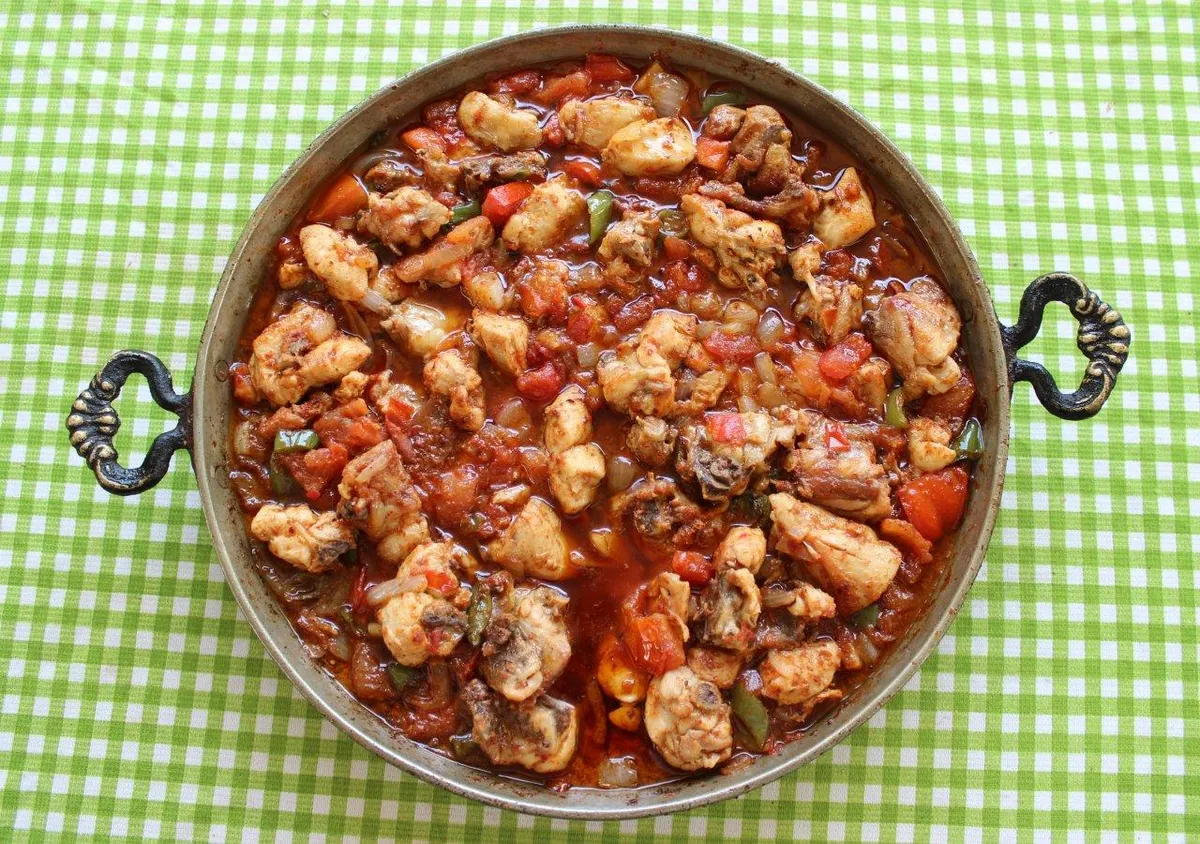
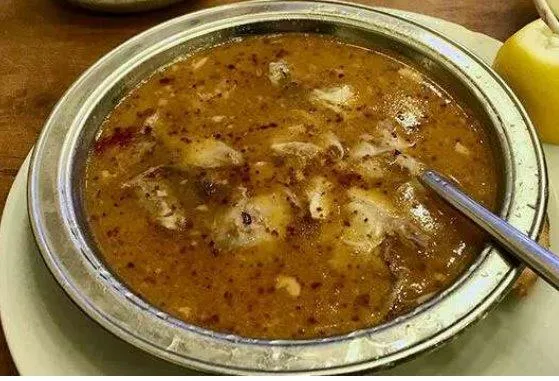
- Famous Yatagan Braised Meat (Kavurma): Tender beef pan-seared with wild thyme in traditional copper skillets at roadside eateries along the highway.
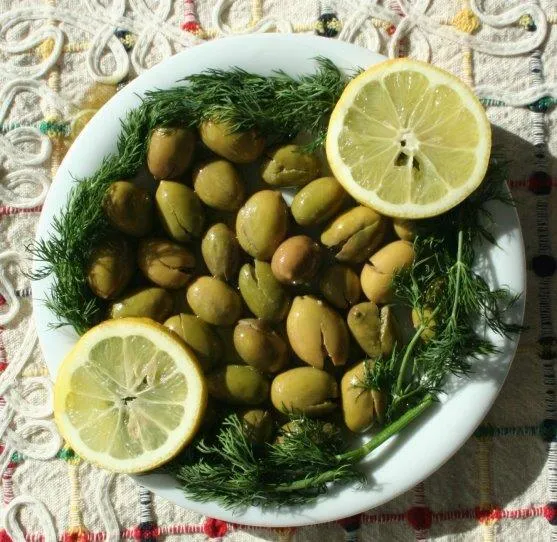
- Bozuyuk Village Breakfast: Farm-fresh butter, artisanal goat cheeses, citrus and fig jams, hot griddled flatbreads, and cured olives.
- Artisanal Pine Honey and Olive Oil: Savor geographically indicated Muğla pine honey and cold-pressed extra virgin olive oil directly from local beekeepers.
- Footwear and Sun Protection: Stratonikeia covers a vast expanse; sturdy walking shoes, sun hats, and hydration are essential.
- Golden Hour Photography: The intersection of Eskihisar Ottoman coffeehouses with Roman Corinthian colonnades produces stunning sunset compositions.