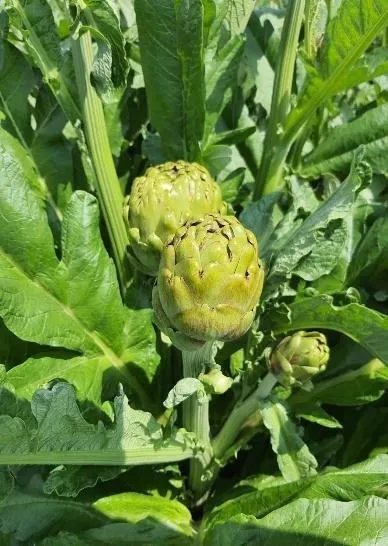
Nestled in the southern Aegean between the majestic slopes of the Madran Mountains and the fertile valley of the Çine Creek, Çine is a uniquely rich territory where mysterious Carian mountain cults, affluent trade metropolises, and the monumental heritage of Seljuk-Menteshe beyliks harmonize. Renowned in antiquity for its luxurious lifestyle, dark Alabandic marble quarries, and champion racehorses, Alabanda Ancient City, alongside the mysterious sanctuary of Gerga hidden among rugged peaks, provides travelers and archaeology buffs with an extraordinary journey through time.
From the deep granite gorge that hosted the mythological flute contest between Apollo and the satyr Marsyas, to the monumental Eski Çine Ahmet Gazi Mosque built in 1308 as one of the largest single-domed structures of pre-Ottoman Anatolia; from the patriotic spirit at the Kuva-yi Milliye Museum to the geographically certified oak-grilled Çine meatballs, this comprehensive travel guide covers every hidden gem across Çine in meticulous detail.
Situated in the village of Doğanyurt (Araphisar) just 9 kilometers from Çine, Alabanda Ancient City derives its name from the Carian words ala (horse) and banda (victory). Celebrating glorious horse-racing triumphs, the city was refounded in the 3rd century BC by Seleucid King Antiochus III under the name "Antiochia of the Chrysaorians" and flourished as a wealthy commercial and cultural hub. Its most celebrated monument is the Doric Temple of Apollo Isotimos, built following the innovative architectural canons of master Hermogenes, flanked by expansive Hellenistic fortifications.
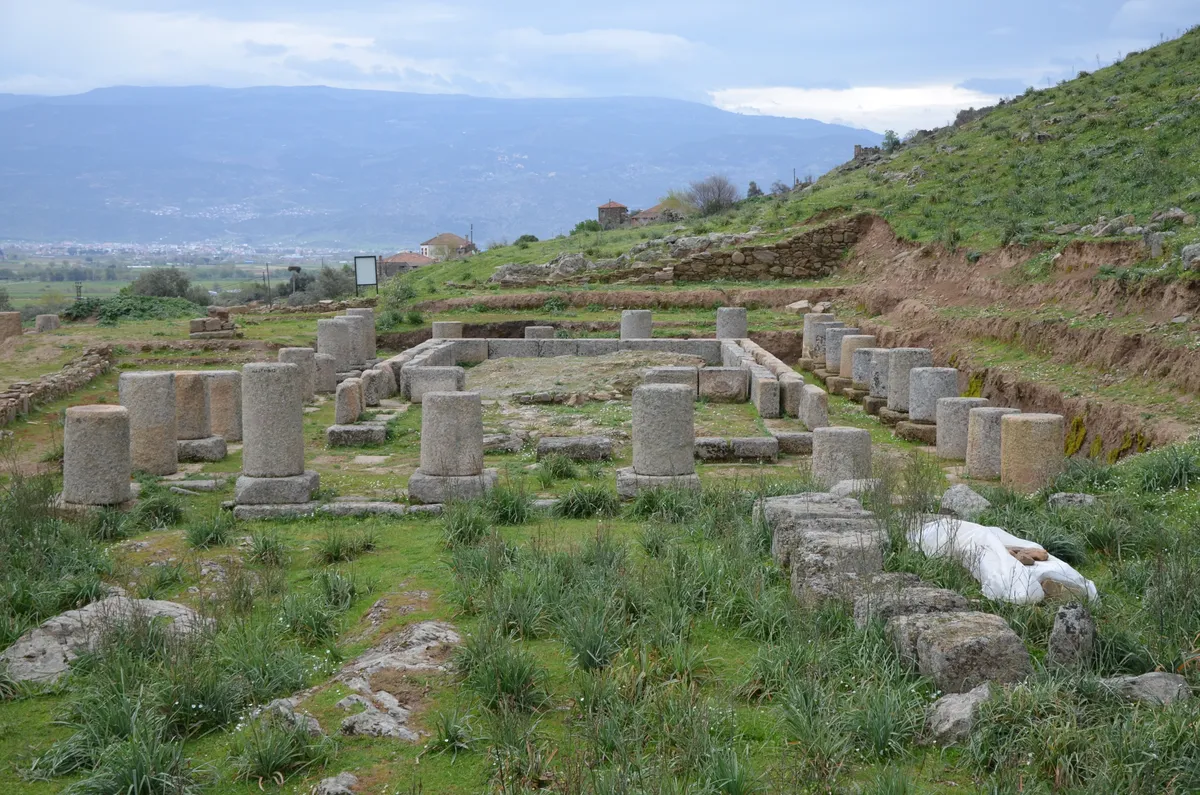
Alabanda Ancient City Visiting Details
- Location: Doğanyurt (Araphisar) Village, Çine (9 km from district center)
- Key Landmarks: Temple of Apollo Isotimos, ruins of Zeus Chrysaoreus Temple, Hellenistic walls
- Marble Heritage: Celebrated in Roman times for dark purple Alabandic marble and quartz glass crystals
- Admission & Hours: Open archaeological site, free entry; optimal visiting seasons are spring and autumn
Resting against the natural northern valley slope of Alabanda, the Ancient Theater embodies the grand civic architecture of the Hellenistic period. Accommodating around 6,000 spectators, its orchestra and stepped cavea gaze out over the sweeping alluvial plains of Çine. Directly downhill stands the rectangular Bouleuterion (Council Chamber), which functioned as the political nucleus of the city where high-level delegates from the Chrysaorian League (Carian Federation) gathered to deliberate on civic policy and federal alliances.
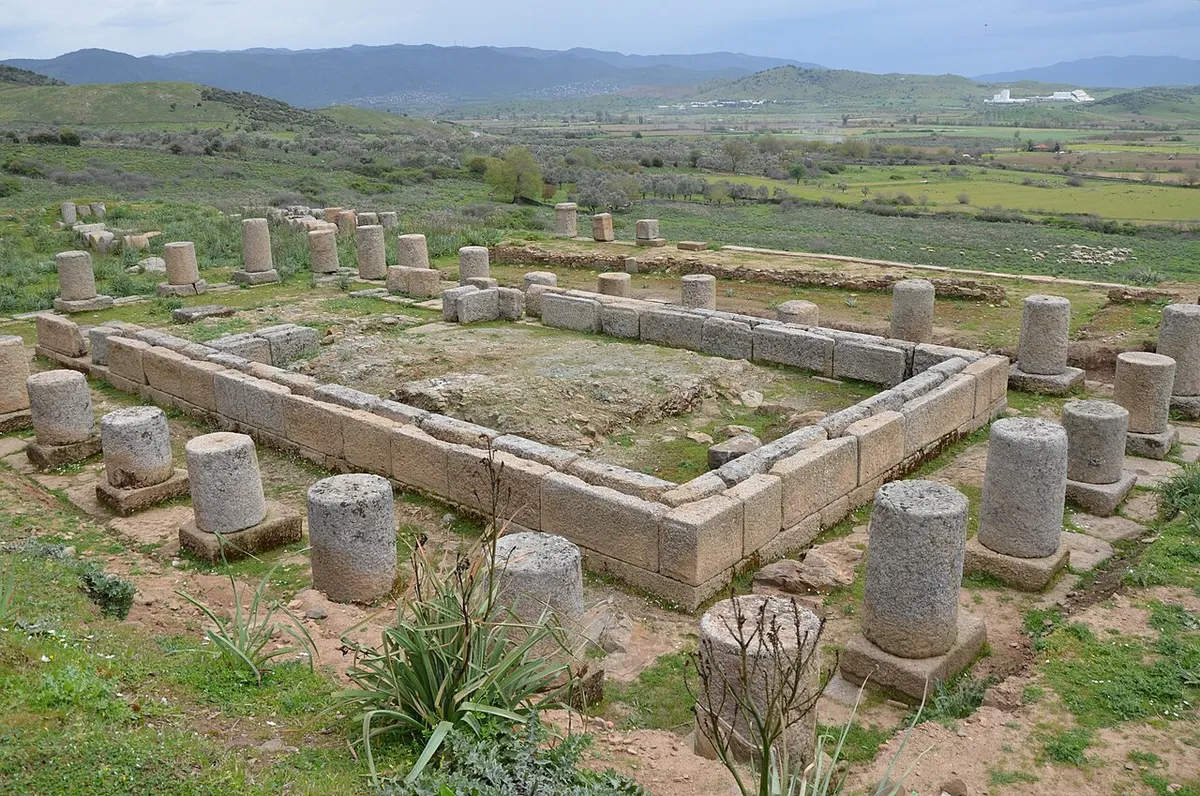
Theater and Bouleuterion Field Notes
- Structure Type: Hellenistic horseshoe-shaped theater and monumental council house
- Capacity & Acoustics: Approximately 6,000 seats; natural valley acoustics still audible today
- Political Significance: Seat of the Chrysaorian League senate and regional federal council
- Photography Vantage: Upper rows of the cavea offer sweeping panoramas of the valley and walls
Concealed amidst the rocky ravines of the rugged Madran Range near Ovacık Village, the Gerga Sacred Sanctuary ranks among Anatolian archaeology’s most enigmatic and pristine sacred compounds. Dedicated to archaic Carian mountain and nature deities, the site showcases colossal granite monoliths engraved with archaic GERGAS inscriptions, monumental fountains, stepped pyramidal tombs, and a megalithic temple pavilion. Built entirely without mortar from massive granite ashlars, its pedimented facade illustrates Carian stonemasonry at its zenith.
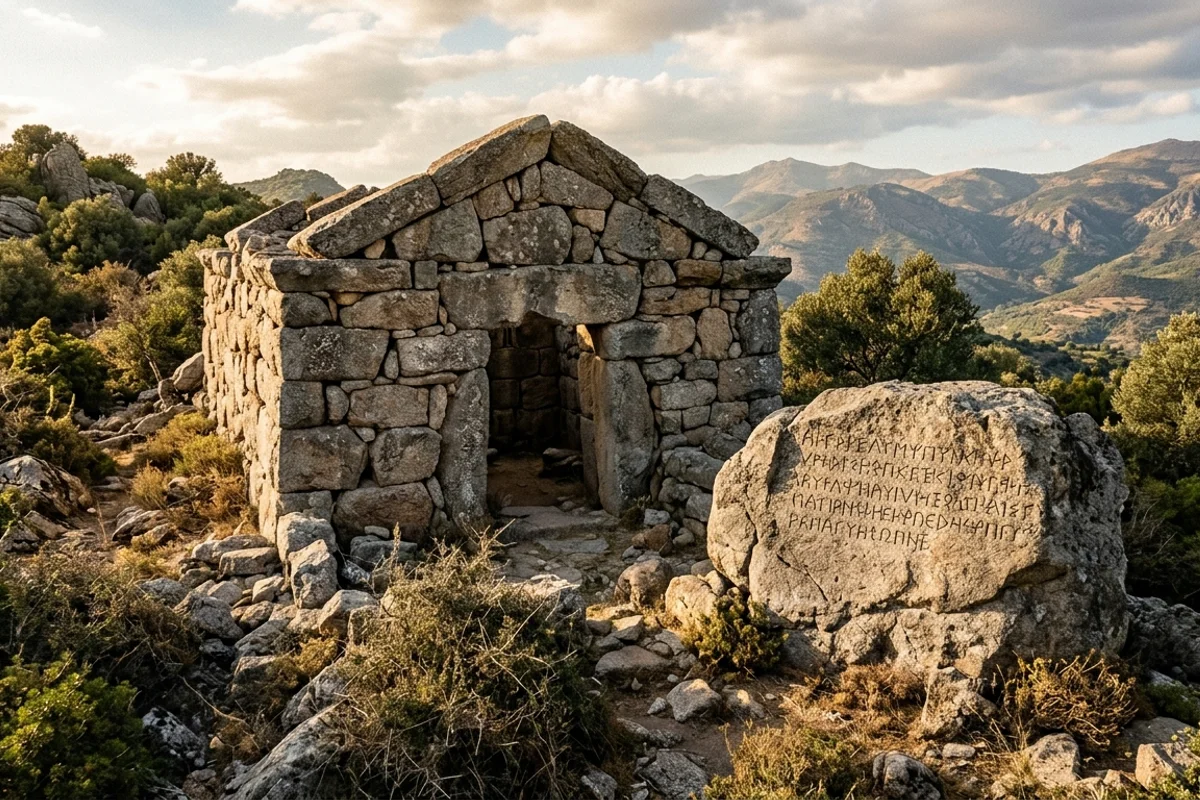
Gerga Mountain Sanctuary Field Guide
- Elevation & Location: Ovacık Village slopes, 700m elevation; 22 km from Çine center
- Unique Architecture: Mortarless megalithic granite temple, sacred springs, and archaic relief epigraphy
- Access Note: Graded mountain track; final 1 km requires hiking shoes on a rugged rocky trail
- Spiritual Atmosphere: One of the most authentic surviving indigenous pre-Hellenistic Anatolian mountain sanctuaries
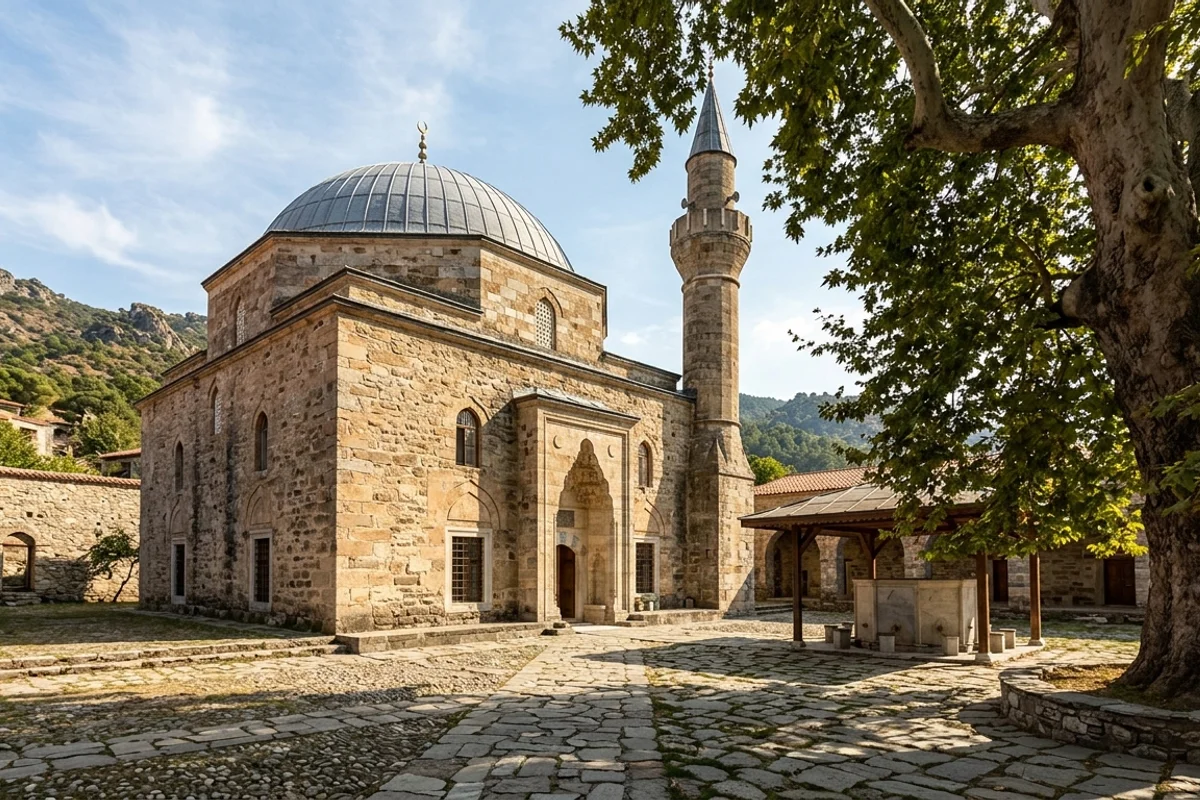
Located in the historic settlement of Eski Çine, the Ahmet Gazi Mosque was commissioned in 1308 by Ahmet Gazi Bey, ruler of the Menteshe principality. Spanning an astonishing 17 meters in internal dome diameter, it holds the historic distinction of being the largest single-domed mosque constructed in Anatolia during the Beyliks era. Boasting massive stone walls over two meters thick, this monument masterfully blends Seljuk portal traditions with repurposed antique marble columns, completed by the adjacent mausoleum of Ahmet Gazi and ancient bathhouse remnants.
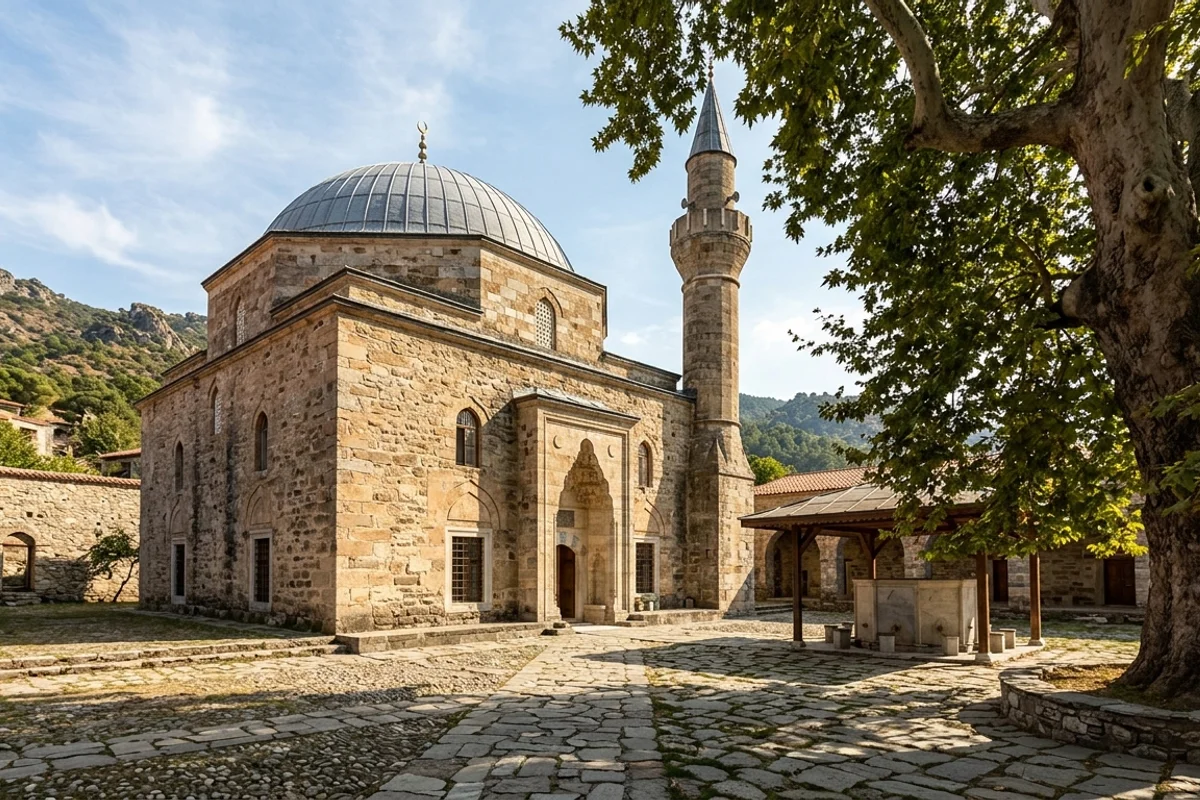
Ahmet Gazi Mosque Architectural Highlights
- Construction Date: 1308 AD (708 AH) - Menteshe Beylik Period
- Engineering Feat: Largest single-dome span of the Beyliks era (17 meters diameter)
- Complex Features: Mausoleum of Ahmet Gazi, medieval Turkish bathhouse ruins, centuries-old plane trees
- Visiting Status: Open for daily worship and cultural visits; situated 4 km from Çine downtown
According to classical mythology, the Marsyas Valley witnessed the tragic musical duel between Apollo and the satyr Marsyas, who invented the double reed pipe (aulos). Today, the Çine Creek cuts a dramatic granite gorge of wild, untamed beauty. Gigantic weathered boulders, riverbanks lined with sycamores and flowering oleanders, and cool cascading waters make Marsyas Canyon one of the premier hiking, bouldering, and camping corridors in western Turkey. The rushing rapids are poetically revered as the immortal tears of the punished satyr.
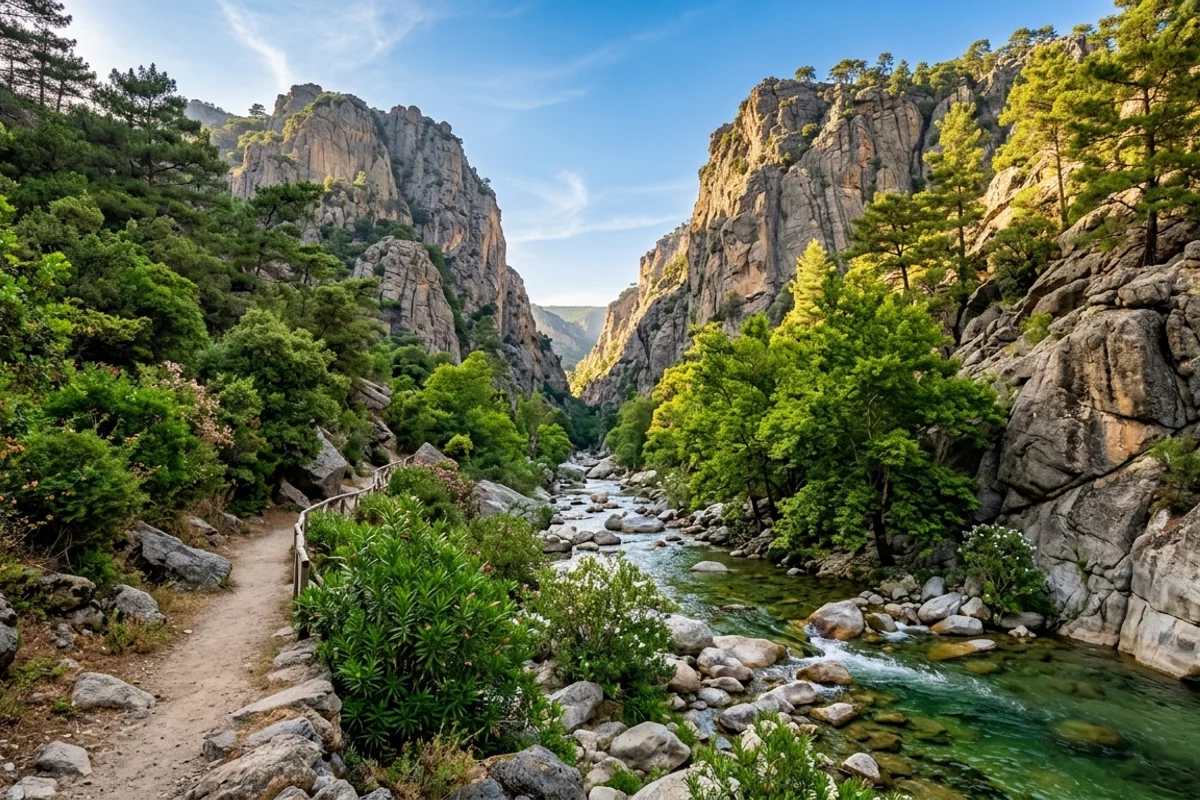
Marsyas Canyon Trekking & Adventure Guide
- Trail Length: Approximately 8 km moderate-difficulty wilderness trekking trail
- Mythological Roots: Sacred river valley associated with the musical contest between Marsyas and Apollo
- Outdoor Activities: Canyon hiking, landscape photography, freshwater rest spots, bouldering
- Recommended Season: April to June and September to November offer optimal water levels and mild temperatures
Bridging the narrowest chasm of the Çine gorge, the İncekemer Aqueduct Bridge stands as a formidable monument to Roman and Early Byzantine hydraulic engineering. Constructed as a double-tiered stone aqueduct to channel freshwater from mountain springs toward coastal and lowland settlements, its arches are securely keyed into sheer vertical cliff faces. The juxtaposition of the swirling turquoise waters below with the weathered classical masonry makes this bridge one of the most striking photographic subjects in Aegean Anatolia.
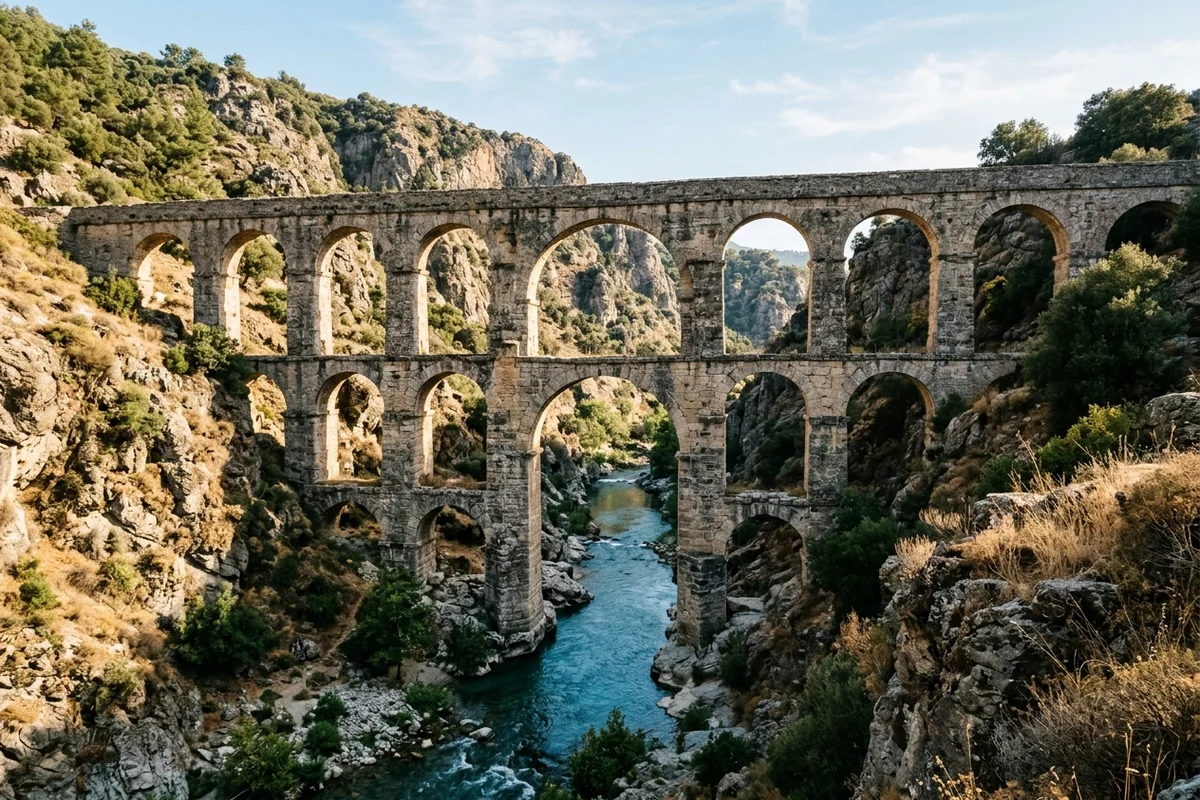
İncekemer Aqueduct Bridge Profile
- Era & Purpose: Roman to Early Byzantine civil water conveyance and aqueduct bridge
- Engineering Details: Two-story dressed stone arches anchored directly into canyon rock walls
- Visual Character: Towering landmark perched over the most dramatic section of the river gorge
- Access Tip: Reachable via a short scenic detour from the main Aydın-Muğla highway
During the Turkish War of Independence, Çine served as an indispensable headquarters for the Aegean regional resistance, where legendary militia leaders (Efeler) such as Yörük Ali Efe and Demirci Mehmet Efe mobilized patriotic volunteers. Housed within an elegantly restored municipal mansion in downtown Çine, the Kuva-yi Milliye Museum commemorates this historic struggle through original weapons, embroidered traditional Efe costumes, battle telegrams, and historical photography. The adjacent Government Park, sheltered by majestic plane trees, offers a tranquil setting for contemplation.
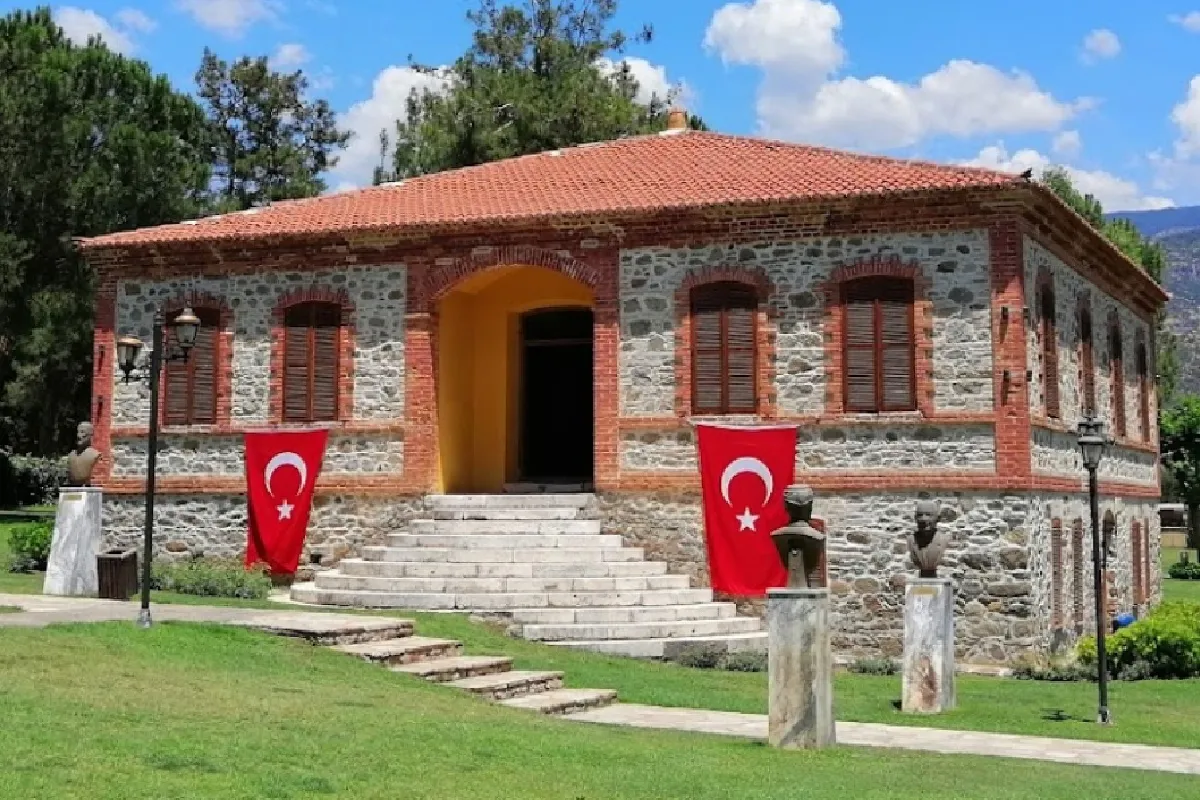
Kuva-yi Milliye Museum Visitor Information
- Location: Central Çine, adjacent to Government Square
- Exhibits: Efe ceremonial attire, flintlock pistols, sabers, war orders, and rare photographs
- Historical Merit: Command center where Southern Aegean civic resistance was first systematically marshaled
- Visiting Hours: Open during regular museum hours on weekdays and weekends
Dominating the skyline between Aydın and Muğla, the summit of Madran Baba (1,792 meters) acts as Çine’s spiritual rooftop, presenting sweeping vistas across the Aegean mountains and valleys. At the crest lies the humble stone tomb of Madran Baba, revered as an early Khorasan mystic who brought spiritual light to the high plateaus. Celebrated each summer during highland festivals, the mountain is equally renowned throughout Turkey for its pure, naturally alkaline mineral water springs.
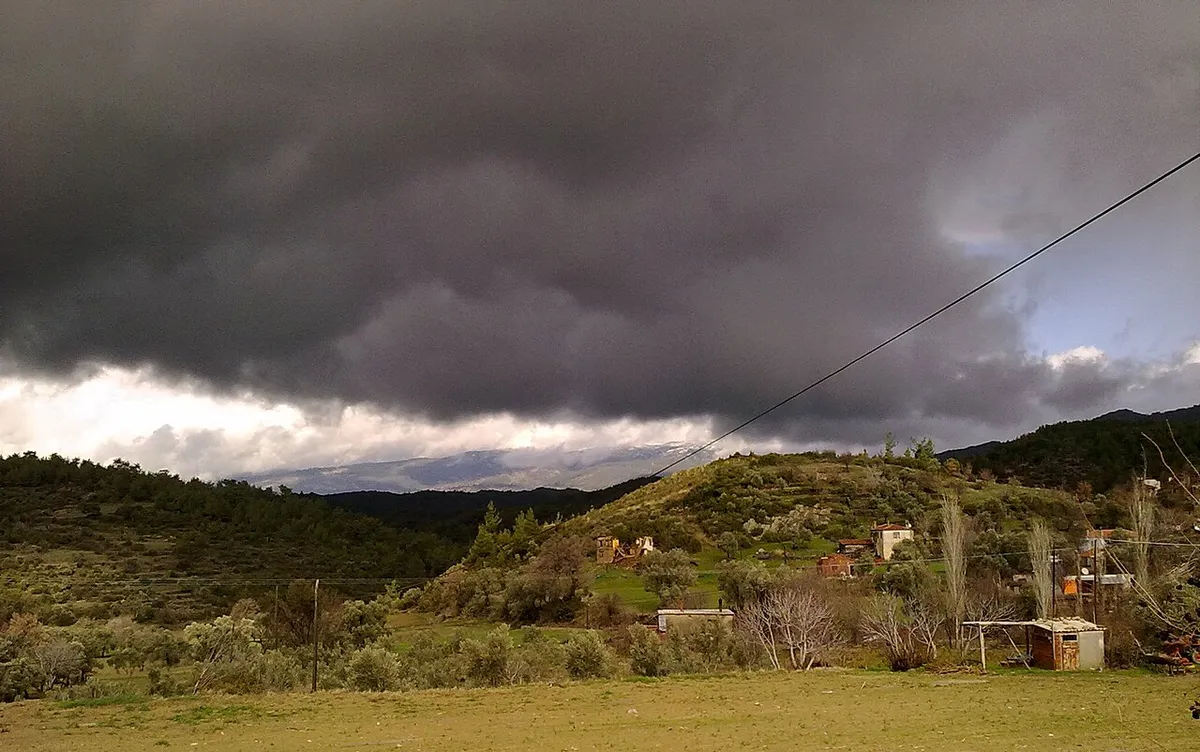
Madran Baba Mountain Peak Highlights
- Summit Elevation: 1,792 meters above sea level (Highest crest in central Aydın)
- Spiritual Legacy: Shrine of mystic Madran Baba and site of centuries-old highland pilgrimages
- Natural Resources: Pristine Madran mountain springs supplying Turkey’s finest drinking water
- Access Details: Highland roads reachable by car; summit reached via gentle open-ridge walking
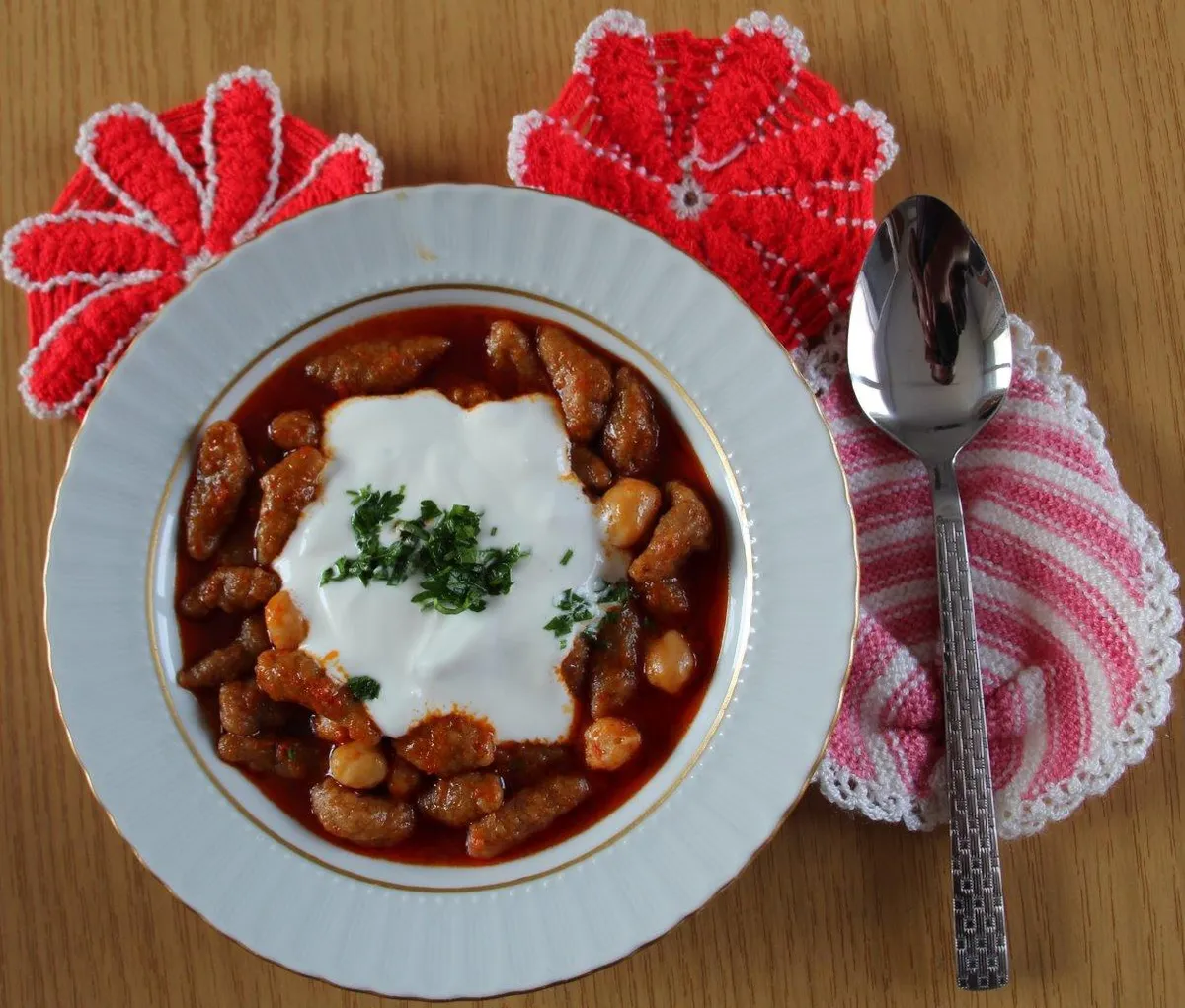
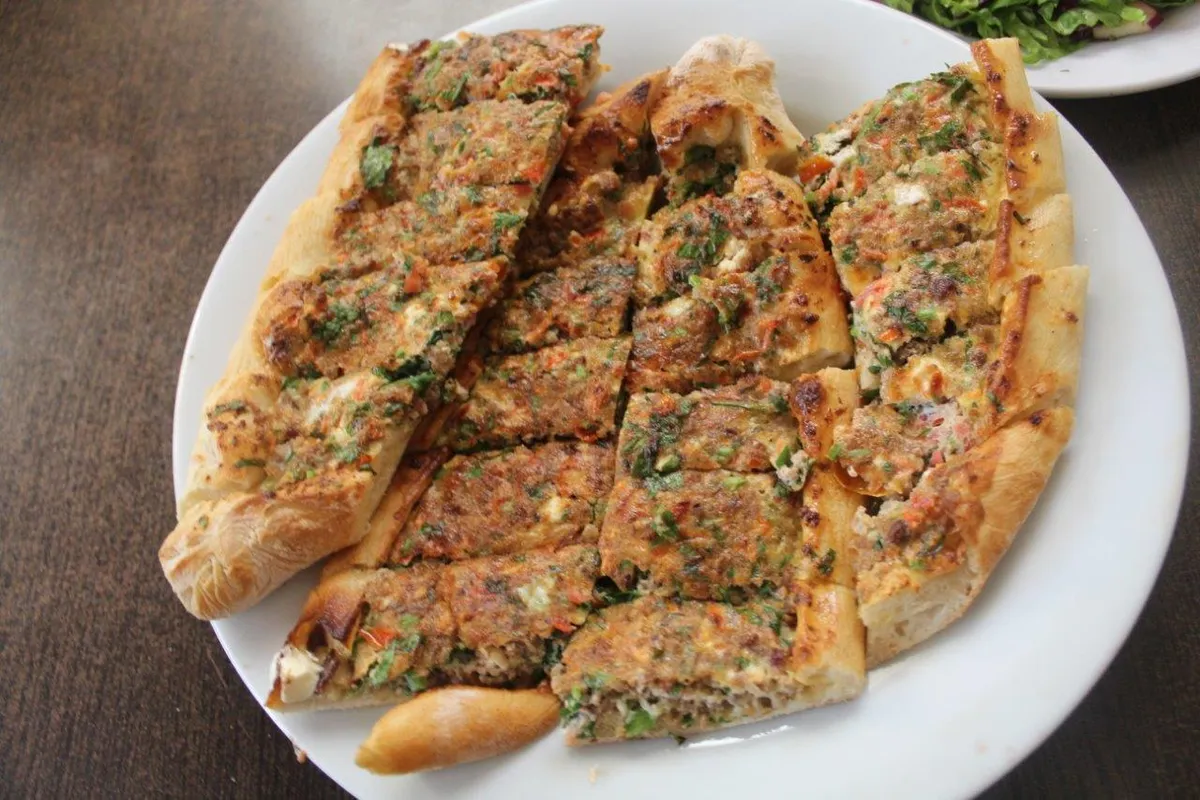
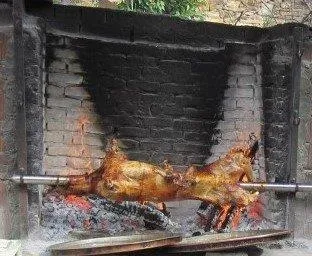
No voyage through Çine can be declared complete without savoring its nationally acclaimed, geographically certified culinary gem: Çine Köftesi (Meatballs). Clustered around the civic Town Square and highway promenades, local master cooks preserve a generational tradition: grass-fed beef and lamb raised in the highlands of Madran are kneaded purely with rock salt and delicate spice blends, before being grilled over fragrant oak lump charcoal. Served alongside foamy churned ayran, blistered green peppers, and candied Aydın figs topped with buffalo cream, it is an essential Aegean culinary ritual.
Çine Gastronomic Guide
- Certified Dish: Geographically registered Çine Köftesi (Pristine highland beef, rock salt, grilled over oak coal)
- Traditional Accompaniments: Cold frothy churned ayran, charred hot peppers, grilled tomatoes, warm flatbreads
- Signature Dessert: Aydın dried fig compote or warm baked tahini halva
- Dining Hubs: Çine Town Square and open-air eateries along the Aydın-Muğla highway corridor
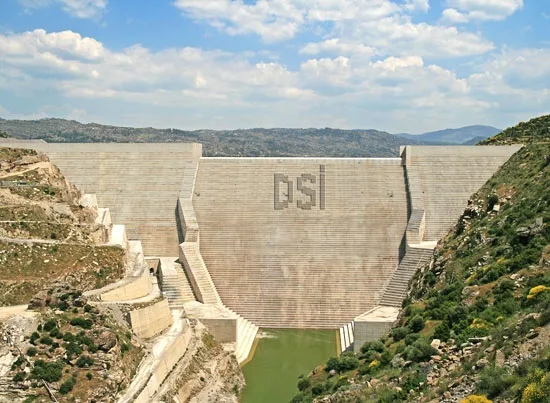
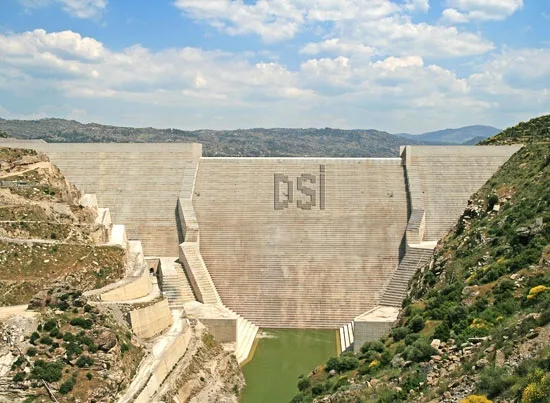
Created across the Madran River basin, Topçam Dam Lake serves as Çine’s most serene natural sanctuary, sheltered by dense forests of stone pine and Mediterranean red pine. The peaceful recreation grounds hugging the calm turquoise reservoir feature wooden picnic pavilions, shaded footpaths, and invigorating highland air that draw weekend families and nature photographers alike. Visitors can enjoy recreational freshwater angling, stroll through aromatic pine groves, and capture tranquil postcard-perfect reflections during golden hour.
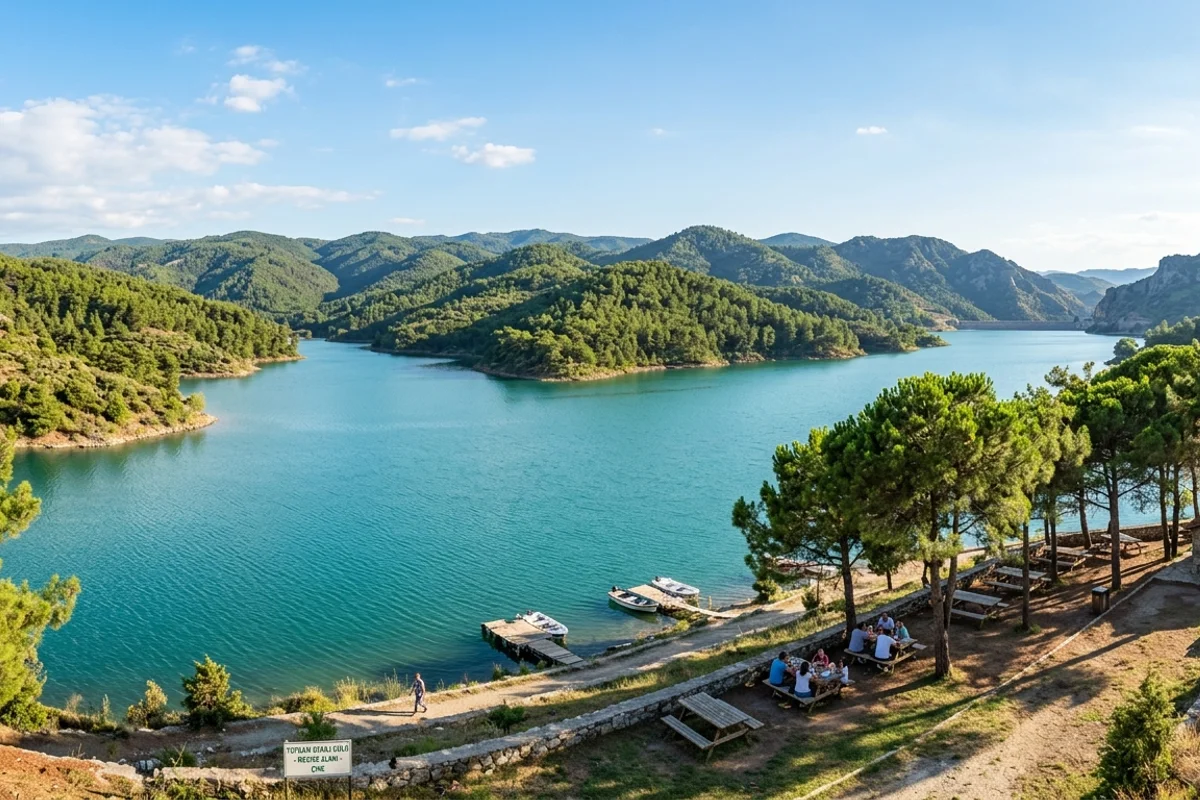
Topçam Lake Recreation Area Essentials
- Distance: Approximately 12 km from Çine town center
- Amenities: Picnic tables, freshwater fountains, walking tracks, parking areas
- Activities: Lakeside picnicking, catch-and-release fishing, birdwatching, sunset photography
- Travel Tip: Visit early in the morning for calm glassy waters and peaceful bird chorus
Suggested Itineraries for Çine (1-Day and 2-Day Routes)
| Time Slot | 1-Day Express Route | 2-Day Comprehensive Route |
|---|---|---|
| Morning (09:00 - 12:30) | Alabanda Ancient City, Temple of Apollo and Theater exploration | Day 1: Comprehensive survey of Alabanda & Bouleuterion |
| Midday (12:30 - 14:00) | Famous Çine Meatballs lunch in downtown Town Square | Eski Çine Ahmet Gazi Mosque visit and traditional village lunch |
| Afternoon (14:00 - 17:30) | Eski Çine Ahmet Gazi Mosque and Kuva-yi Milliye Museum | Day 1: Kuva-yi Milliye Museum & Topçam Dam lakeside relaxation |
| Day 2 (Full Day) | - | Gerga Sacred Mountain Sanctuary, Marsyas Canyon trek, and İncekemer Bridge |
Frequently Asked Questions About Çine (FAQ)
How do you reach Çine, and what is the best time of year to visit?
Çine occupies a strategic transit junction along the main Aydın-Muğla state highway, 38 km south of Aydın city and 62 km north of Muğla. Frequent public minibuses depart every 15 minutes from Aydın Intercity Bus Terminal. The best times to explore its archaeological ruins and river canyons are April through May and September through October, when Mediterranean heat is mild and daytime walking is comfortable.
Can standard compact passenger cars reach the Gerga Sanctuary?
The asphalt road leads reliably up to Ovacık Village. Beyond the village, the remaining few kilometers toward the sacred precinct consist of an unpaved, stony mountain track. Higher-clearance vehicles are strongly recommended; standard sedans should be driven with extreme caution, or visitors may opt to hike the final rocky path on foot.
What distinguishes Çine Meatballs from other Turkish meatballs?
Çine Meatballs hold official geographical indication status in Turkey. Unlike ordinary meatballs, authentic Çine recipes contain strictly no breadcrumbs, grated onions, or heavy spice fillers. Master butchers select grass-fed beef brisket blended with a touch of lamb from Madran pastures, seasoned solely with rock salt before grilling over oak embers to highlight pure meat flavor and moisture.
Is the Museum Pass (Müzekart) valid at Alabanda Ancient City?
Alabanda is designated as an open-air archaeological site and is currently open to the general public free of charge. There are no turnstiles or ticketing booths, allowing visitors to tour the ruins, temples, and informational panels freely throughout daylight hours.
Why is the dome of Eski Çine Ahmet Gazi Mosque architecturally significant?
Erected in 1308, the mosque represents a monumental breakthrough in early Turkish domed engineering, spanning a remarkable 17 meters without internal pillars. It stands as the widest single-dome pre-Ottoman Beylik mosque in Anatolia, anticipating classical Ottoman monumental dome design by more than two centuries.
What safety precautions should hikers observe in Marsyas Canyon?
Marsyas Canyon features rugged granite rocks and slippery riverbeds. Proper ankle-supporting trekking boots, sun protection, and plenty of drinking water are essential. Note that mobile phone signals may be weak or absent within deep sections of the canyon.
From Alabanda’s horse-racing glory to Gerga’s sacred mountaintop megaliths, and from Ahmet Gazi Mosque’s colossal dome to the mythical murmurs of Marsyas Canyon, Çine represents an authentic treasury waiting to be explored in the heart of the Aegean. Discover our companion guides across Aydın and share your travel impressions with our community.