Stretching between the fertile Buyuk Menderes River delta and the dramatic rocky precipices of the Dilek Peninsula National Park, Söke is a remarkable Aegean realm blending ancient classical wisdom, Ottoman and Greek stone architecture, and pristine wetland ecosystems. The ancient Ionian city of Priene—celebrated for its textbook Hippodamian grid urban planning—and the enchanting hillside stone village of Old Doğanbey (Domatia) on the slopes of Mount Mykale together form an extraordinary open-air museum for culture and nature enthusiasts.
From the tranquil rustic fisherman docks of Karina Bay bathed in fiery Aegean sunsets at the southern tip of the peninsula to the reed-fringed pelican haven of Lake Bafa Serçin; from the late 19th-century timber-bay mansions of the Kemalpaşa Quarter to the British railway heritage beneath centuries-old plane trees at Söke Station, this curated journey unveils one of western Turkey's most captivating travel itineraries.
Perched dramatically upon stepped rock terraces on the southern escarpment of Mount Mykale (Samsun Mountain), Priene was one of the prestigious 12 founding members of the ancient Ionian League (Panionion). Dedicated by Alexander the Great in 334 BC and designed by Pytheos—the renowned architect of the Mausoleum at Halicarnassus—the Temple of Athena Polias stands as the definitive textbook masterpiece of classical Ionic architecture. Five monumental fluted marble columns soar against the sky, framing an awe-inspiring panorama across the fertile Menderes floodplain.
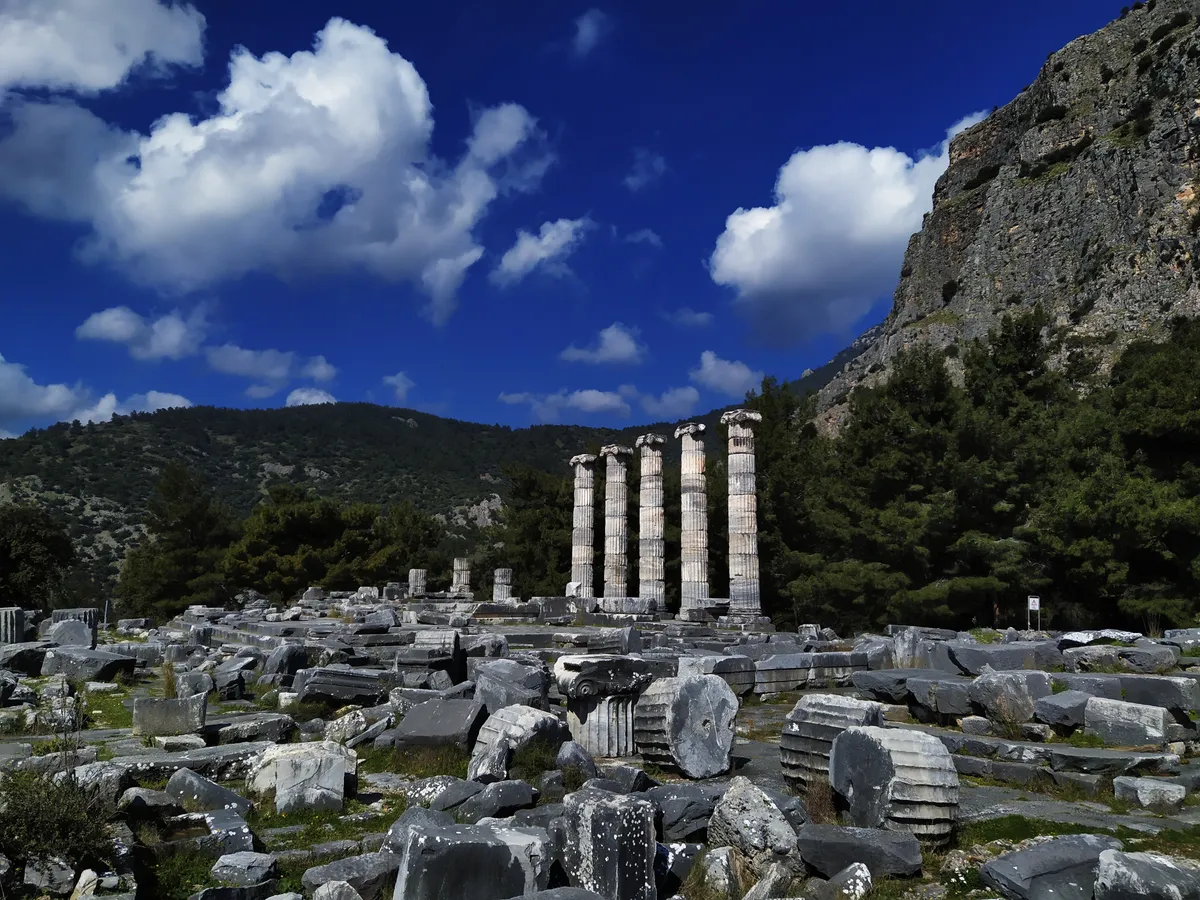
Priene Athena Temple Essential Information
- Location: Söke district, Güllübahçe village (15 km southwest of Söke town center)
- Historical Fame: Designed by master architect Pytheos; personal dedication inscription by Alexander the Great
- Architectural Style: Classical 6x11 column peripteral Ionic temple with five re-erected monumental columns
- Visiting Tips: Open daily year-round; MuseumPass accepted. Sturdy walking shoes recommended for stone steps
Priene's remarkably intact civic structures, the Ancient Theater and the adjacent Bouleuterion (Senate Council House), offer an extraordinary window into Hellenistic democratic city life. The horseshoe-shaped theater seated 5,000 spectators, featuring five intact carved marble prohedria (seats of honor with lion-paw armrests) in the front row. Next door, the square-plan Bouleuterion retains its tiered stone seating for 640 councilors centered around an intact marble sacrificial altar, ranking among the best-preserved ancient parliament halls in existence.
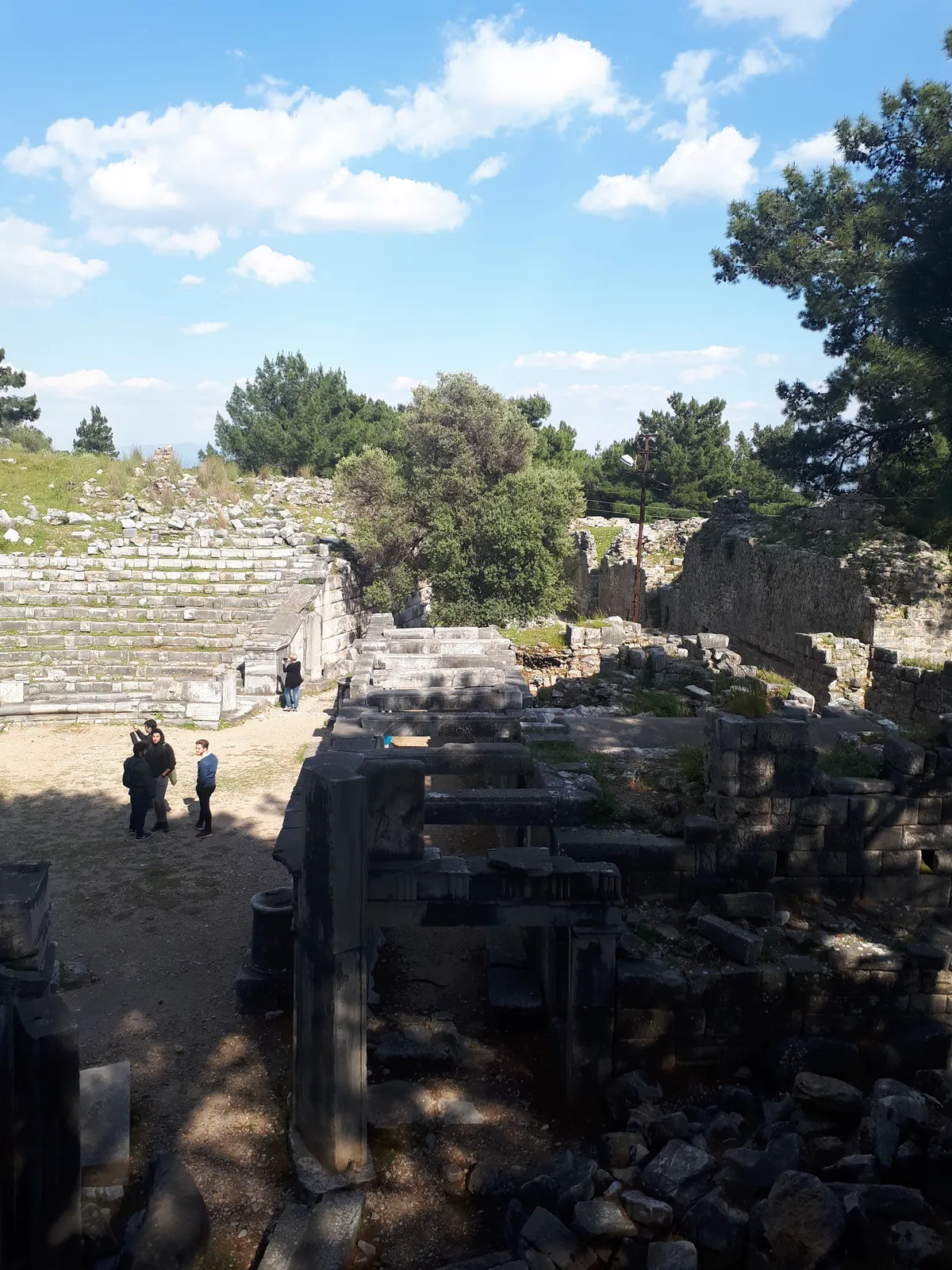
Priene Theater and Bouleuterion Key Highlights
- Capacities: Theater: 5,000 spectators; Bouleuterion: 640 civic assembly members
- Unique Detail: Original Hellenistic marble prohedria armchair thrones with sculpted lion claws
- Urban Engineering: Seamless integration of Hippodamian grid streets with steep hillside terraces
- Photography Vantage: Upper cavea tiers frame the theater orchestra against the vast delta plains below
Tucked into the rugged southern mountain slopes of the Dilek Peninsula National Park, Old Doğanbey (ancient Domatia) traces its origins to the 7th century BC and was inhabited by an Ottoman Greek community until the 1924 population exchange. Its steep cobblestone streets, meticulously restored stone mansions with timber shutters and overhanging bays, and tumbling cascades of vibrant bougainvillea evoke an enchanting sense of timelessness. The village's restored historic stone schoolhouse serves as the National Park Visitor and Nature Museum.
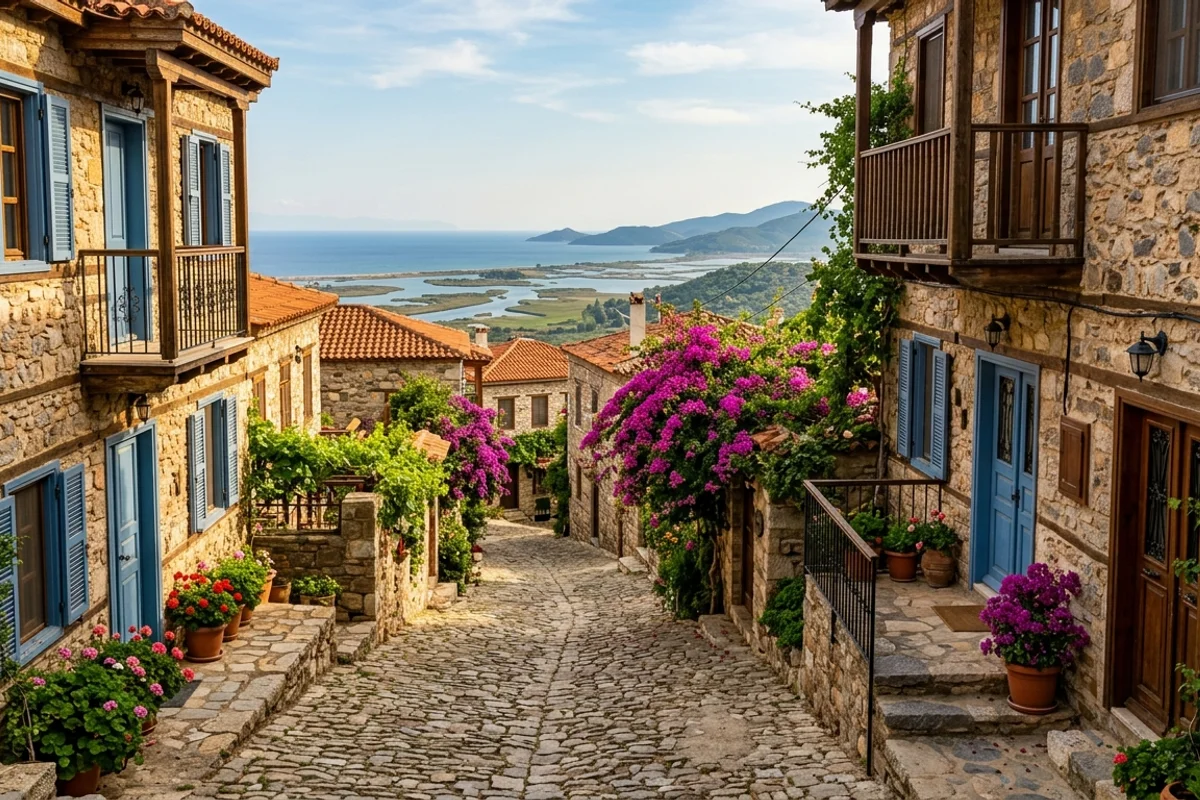
Old Doğanbey Village Travel Highlights
- Location: 30 km southwest of Söke, Dilek Peninsula National Park southern foothills
- Architectural Heritage: Late 19th-century Greek and Ottoman ashlar stone mansions with timber balconies
- Key Sights: National Park Visitor Museum (Old School), historic stone fountains, village teahouse
- Access Note: The village interior is pedestrian-only; comfortable walking shoes are essential
Continuing 8 kilometers past Old Doğanbey where the coastal asphalt road meets its end, travelers arrive at Karina Bay, one of the most serene sanctuaries in the Aegean. Here, the shallow lagoons of the Buyuk Menderes Delta meet the steep wilderness of the National Park mountains. Long weather-worn wooden piers, traditional painted fishing dories bobbing among emerald reeds, and rustic seaside fish taverns serving fresh sea bream and lagoon mullets create an unforgettable setting, especially during fiery Aegean sunsets.
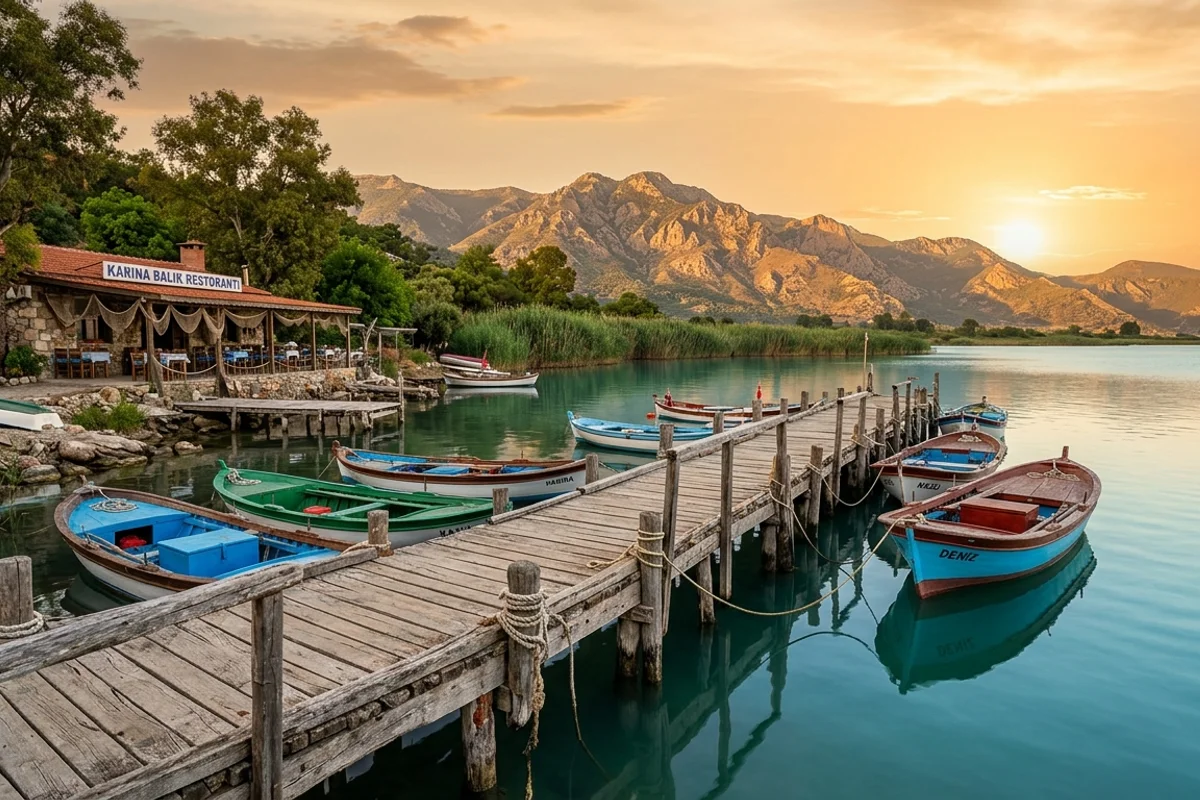
Karina Bay Visitor Insights
- Location: The terminal coastal point 8 km past Old Doğanbey (38 km from Söke town center)
- Natural Character: Shallow coastal lagoon ecosystem, marine bird sanctuary, and salt-marsh flora
- Gastronomy: Freshly grilled wild sea bream, sea bass, fried calamari, and samphire (deniz börülcesi)
- Golden Hour: Late afternoon through twilight; stunning views across to the Greek island of Samos
Situated on the quiet northern shore of Lake Bafa within Söke's borders, the historic fishing village of Serçin is an internationally recognized wetland haven and ecotourism center. Set against the surreal granite boulders and jagged peaks of ancient Mount Latmos (Beşparmak Mountains), the shallow waters harbor globally threatened Dalmatian pelicans, pygmy cormorants, flamingos, and great white egrets. The village features a multi-story timber birdwatching tower, scenic lakeside cycling paths, and a living heritage of wild eel fishing.
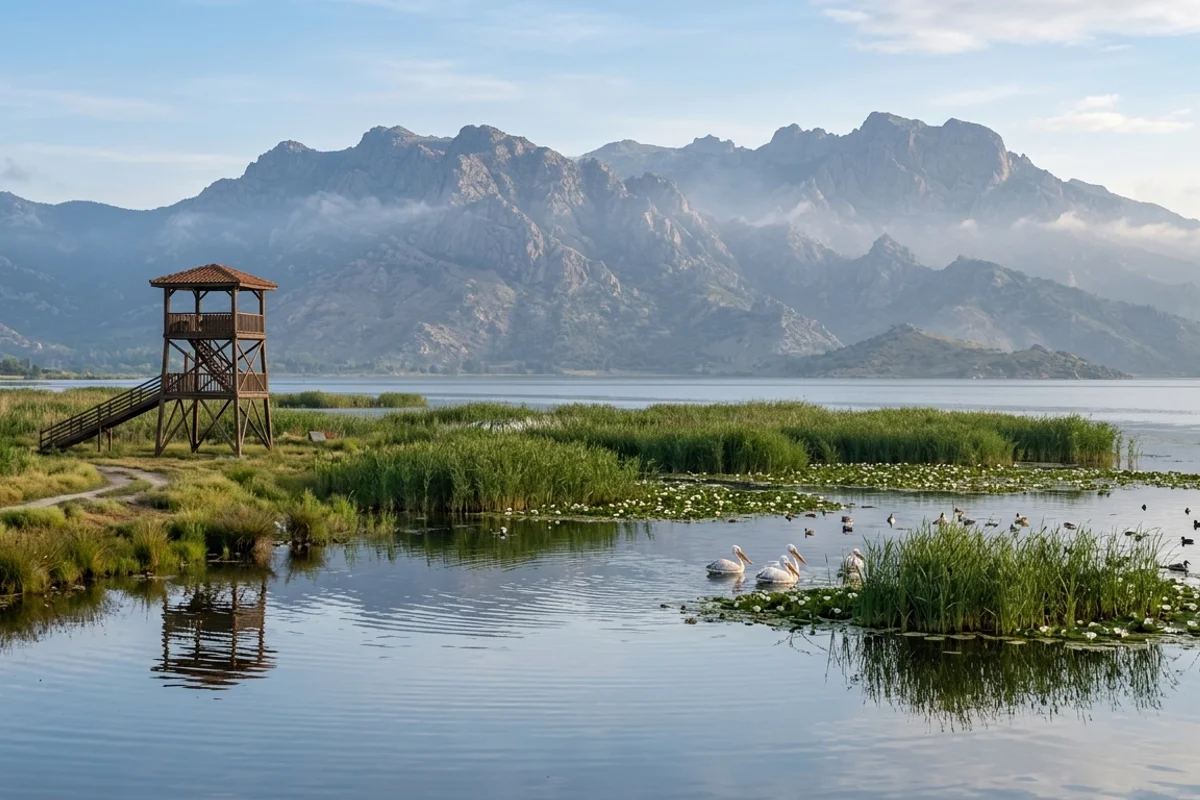
Serçin Ecotourism Center Facts
- Location: Söke - Milas highway, Serçin village turnoff (22 km southeast of Söke)
- Bird Species: Dalmatian pelican, flamingo, white-tailed eagle, grey heron, and migratory waterfowl
- Outdoor Activities: Bird observation, lake kayak rentals, nature cycling, and photography walks
- Local Delicacy: Famous grilled and smoked Lake Bafa eel caught sustainably in local lagoon traps
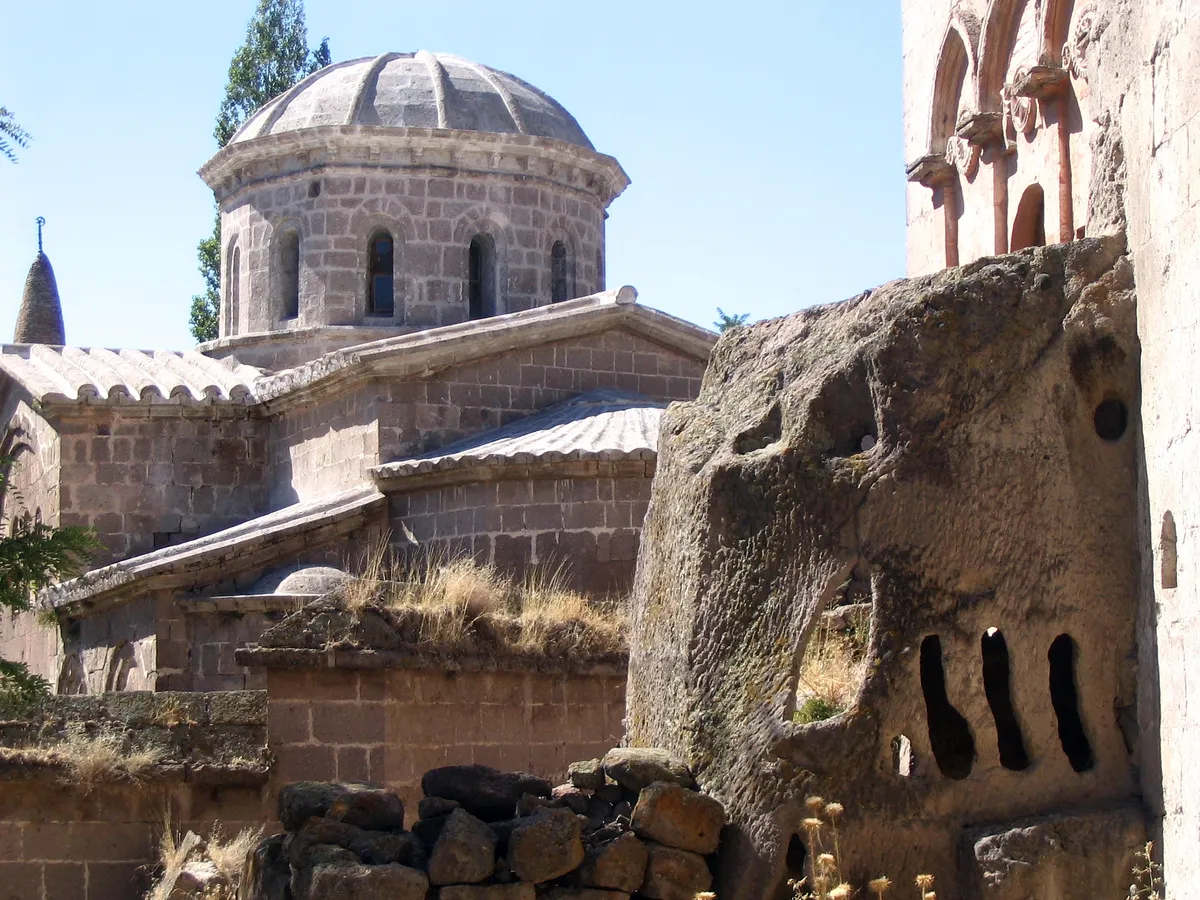
Commanding a hillside promontory along the approach to Priene in historic Gelebeç (old Güllübahçe), the Church of Saint Nicholas (Aghios Nikolaos) was built in 1821 by the local Greek Orthodox community. Dedicated to Saint Nicholas, patron protector of sailors and children, this grand three-aisled basilica displays monumental ashlar limestone walls, arched clerestory windows, sculpted marble door lintels, and the remains of its twin bell towers. Standing as a poignant testament to Ottoman-era multiculturalism, it overlooks the lush agricultural valley.
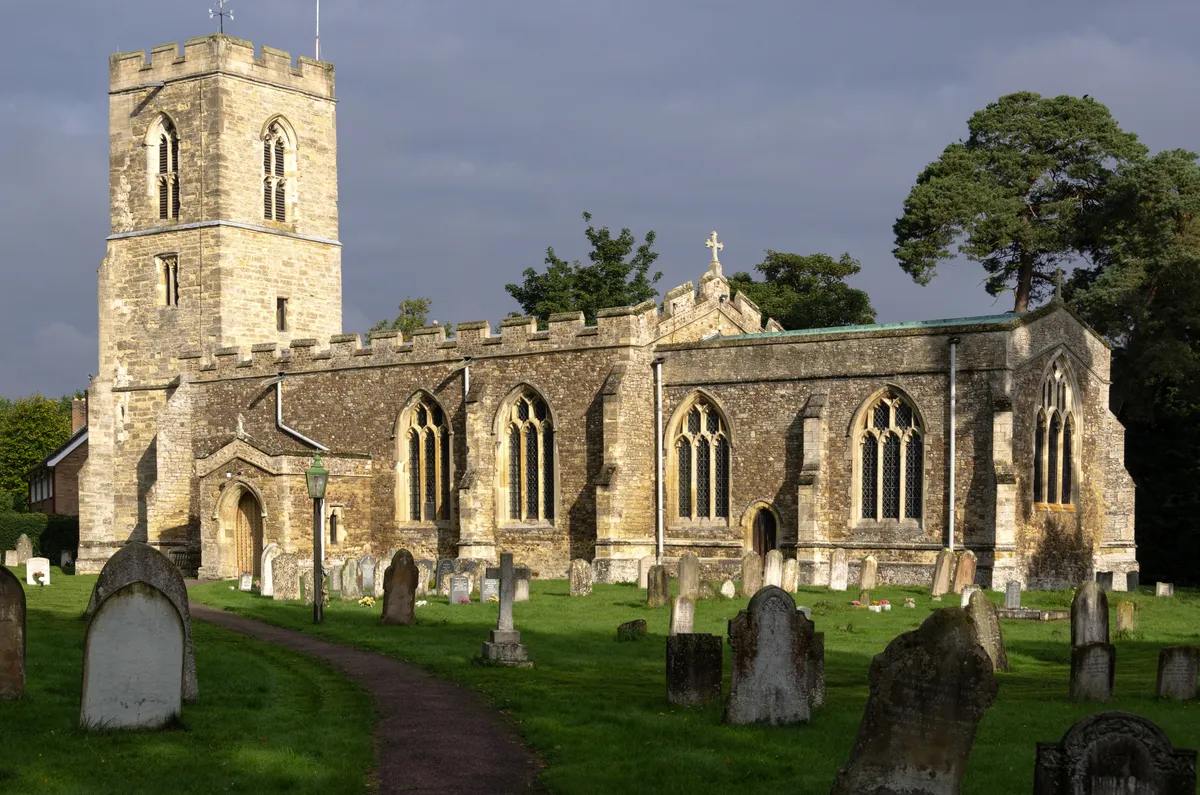
Saint Nicholas Church Visiting Guide
- Construction Date: Erected in 1821 by the Greek Orthodox parish of Gelebeç
- Architectural Style: Three-aisled basilica with barrel-vaulted nave and limestone arcade
- Notable Features: Carved marble flooring, remnants of sacred frescoes, panoramic valley views
- Admission & Status: Open-air heritage site with free public access; ongoing conservation underway
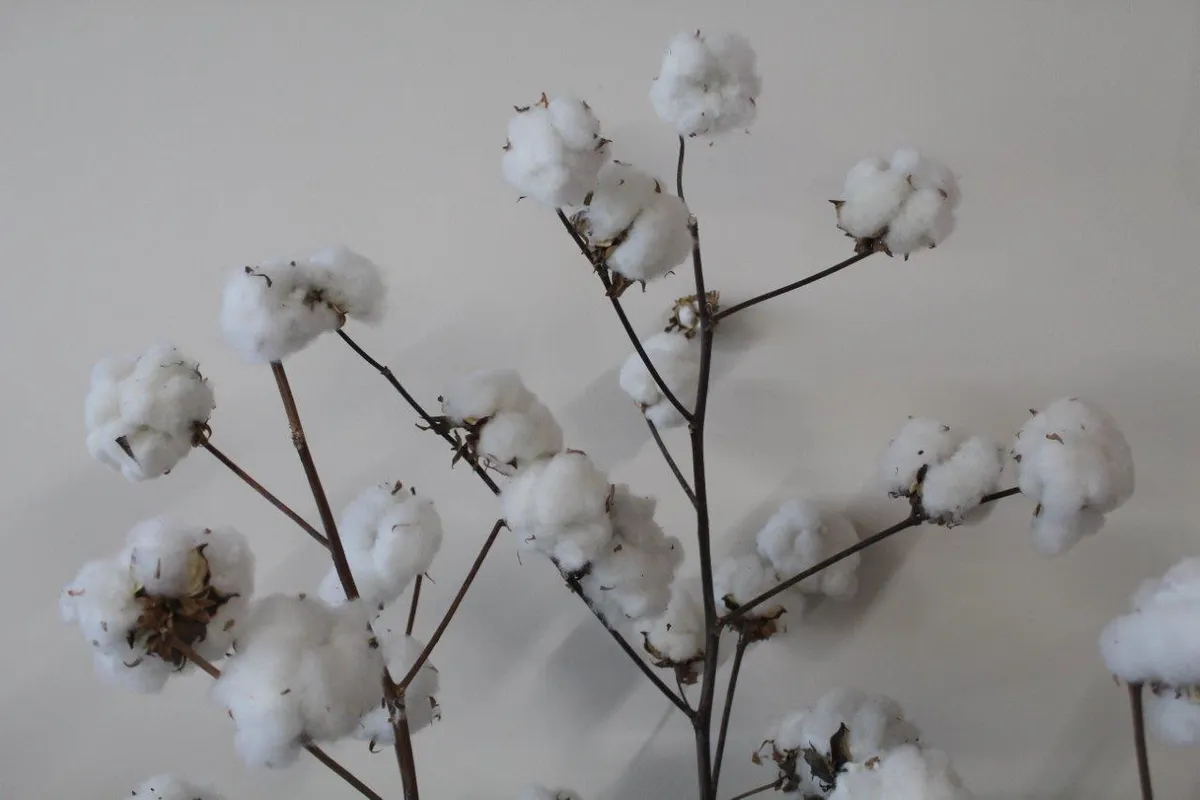
The historic soul of central Söke, the Kemalpaşa Neighborhood preserves stately stone and timber residences built during the late 19th-century cotton boom by prominent Greek merchants and Ottoman notables. Featuring timber-framed masonry walls, ornate carved cantilever brackets supporting overhanging bay windows (cumba), wrought-iron window grilles, and spacious inner courtyards shaded by lemon trees, this conservation quarter offers a serene architectural journey into Aegean urban life. Several restored mansions operate as boutique hotels and cultural cafés.
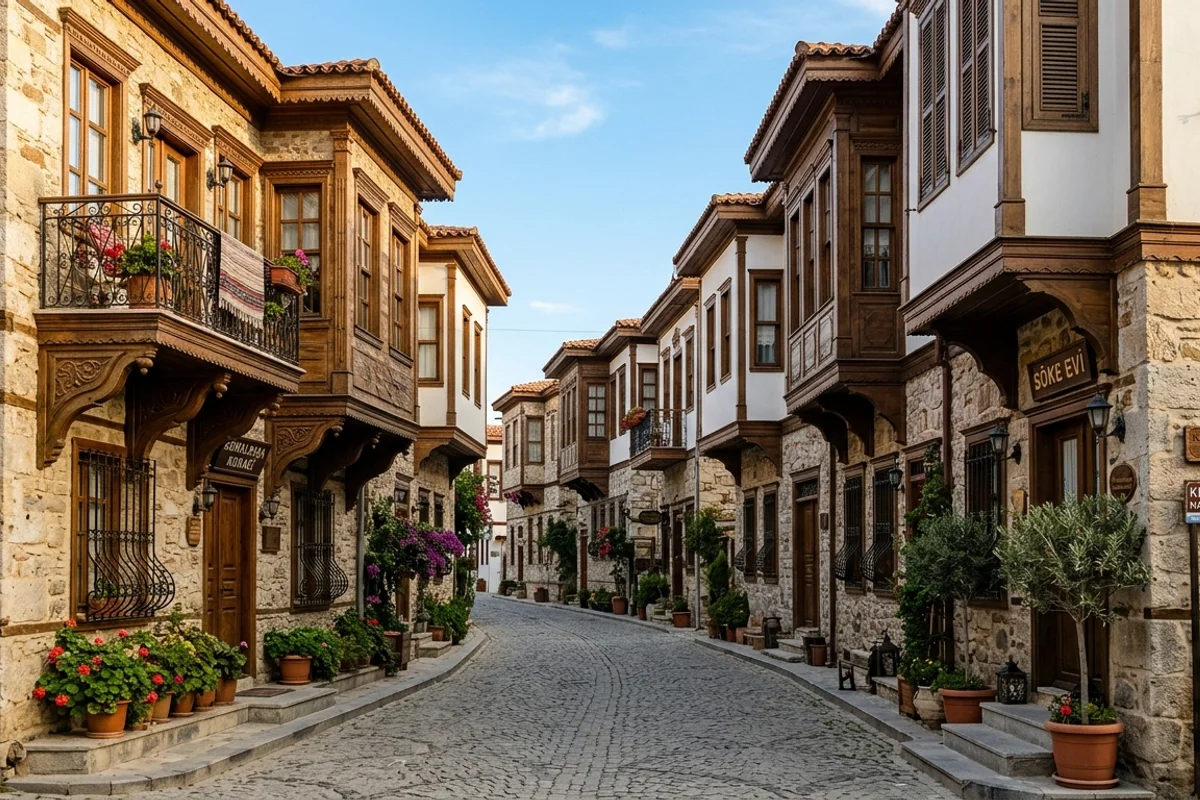
Kemalpaşa Mansions Heritage Notes
- Location: Central Söke, Kemalpaşa Historic Preservation District
- Architectural Period: Late 19th to early 20th century Ottoman and Greek Aegean civil architecture
- Distinctive Elements: Ornate wooden cumba bays, hand-carved eaves, and high courtyard walls
- Visitor Tip: Stroll the quiet pedestrian lanes and enjoy traditional Turkish coffee in a courtyard garden
As one of the twelve historic city-states of the Panionian League, Myus was originally founded as a bustling maritime harbor on the Aegean coast near modern-day Avşar village. Over centuries, heavy silt deposits from the Buyuk Menderes River landlocked the harbor, transforming the marine gulf into inland Lake Bafa. Granted by Persian King Artaxerxes I to the exiled Athenian hero Themistocles to supply his household with fish, the ruins today feature atmospheric acropolis walls, a white marble terrace of the Temple of Dionysus, and a Byzantine castle tower nestled among ancient olive trees.
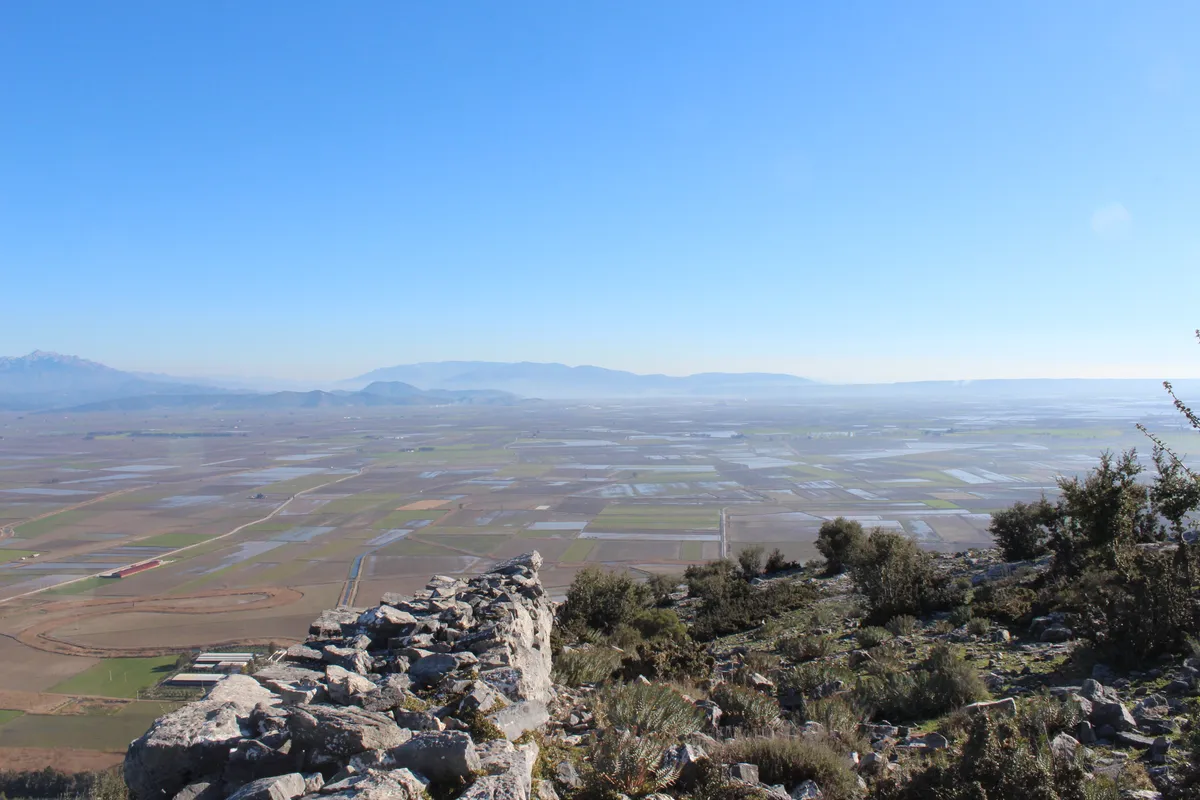
Myus Ancient City Summary
- Location: Söke district, Avşar village boundary on the northwest shore of Lake Bafa
- Historical Identity: Founding member of the Ionian League; gifted to Themistocles as his "fish city"
- Key Structures: Acropolis summit fortifications, Dionysus Temple podium, Byzantine defense tower
- Nature & Trekking: Undeveloped archaeological site; scenic trekking routes along Lake Bafa's shore
Cutting deeply through the limestone spine of Dilek Peninsula National Park, Olukludere Canyon represents one of the Aegean's premier wilderness hiking routes. Sheer limestone walls rising hundreds of meters shelter a crystalline mountain brook that tumbles over smooth boulders through ancient plane trees, wild olive groves, and fragrant wild bay laurels. Stretching approximately 15 kilometers, the trail offers a high-oxygen outdoor trek accompanied by birdsong and refreshing mountain pools.
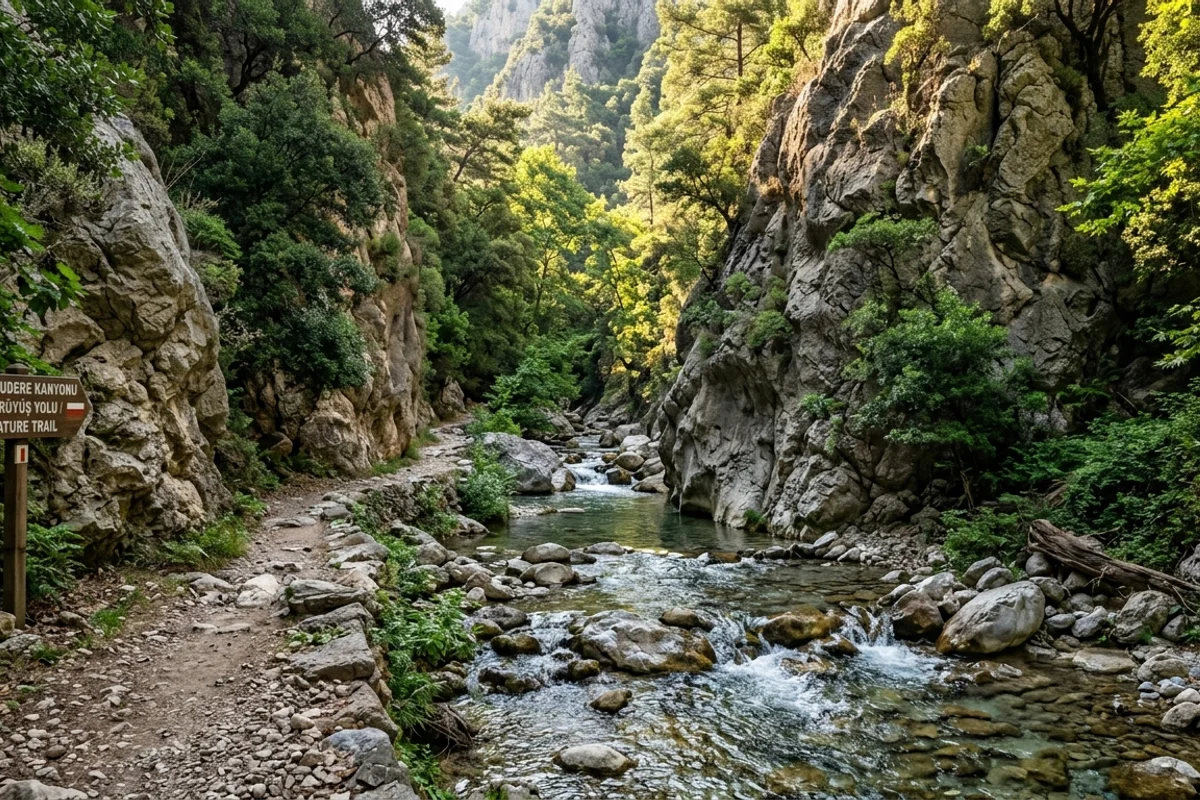
Olukludere Canyon Trail Guide
- Trail Length: Approx. 15 km moderate-to-challenging wilderness canyon route
- Flora & Ecosystem: Mediterranean maquis, centuries-old oriental planes, bay laurel, and umbrella pines
- Gear Recommendation: Non-slip waterproof hiking boots, trekking poles, and adequate drinking water
- Best Seasons: Spring and autumn when mountain stream volume is high and temperatures are mild
Erected in 1890 by the British-managed Ottoman Railway Company (ORC) as an extension of the pioneering Izmir-Aydin railway line, the Historic Söke Railway Station is a cherished monument of industrial heritage that once transported fertile Aegean cotton to Mediterranean steamships. Featuring ashlar limestone walls, pitched tiled roofs, ornate cast-iron canopy brackets over the platform, and massive centuries-old plane trees shading the station plaza, it maintains an authentic nostalgic charm. Commuter trains continue to link Söke with Izmir and Nazilli.
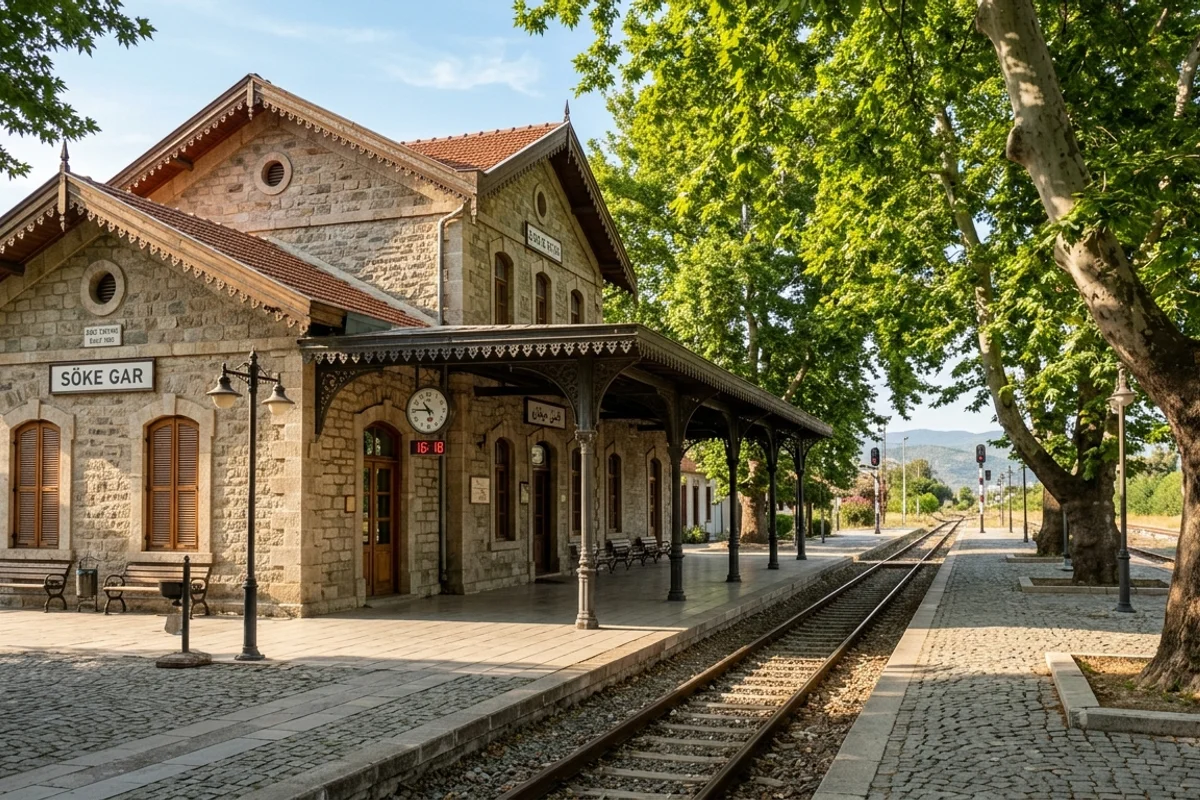
Söke Railway Station Heritage Notes
- Year Built: 1890 by the British Ottoman Railway Company (ORC)
- Architectural Style: Colonial British-Ottoman stone railway architecture with cast-iron platform canopies
- Plaza Ambiance: Monumental shaded plane trees, station teahouses, and nostalgic train platforms
- Access: Centrally located on İstasyon Caddesi within easy walking distance of downtown Söke
Curated 2-Day Itinerary for Söke, Priene & Doğanbey
Day 1: Priene Classical Ruins, Saint Nicholas & Old Doğanbey to Karina Sunset
Start early at Priene Ancient City in Güllübahçe to explore the monumental Athena Temple columns, the Hellenistic theater, and the Bouleuterion. Stop by Saint Nicholas Church before driving to Old Doğanbey Village. Wander through narrow stone lanes, visit the National Park Museum, and relax at a village café. In the late afternoon, proceed to Karina Bay to enjoy freshly caught lagoon fish on a rustic wooden pier at sunset.
Day 2: Söke Heritage, Olukludere Canyon & Lake Bafa Serçin Pelicans
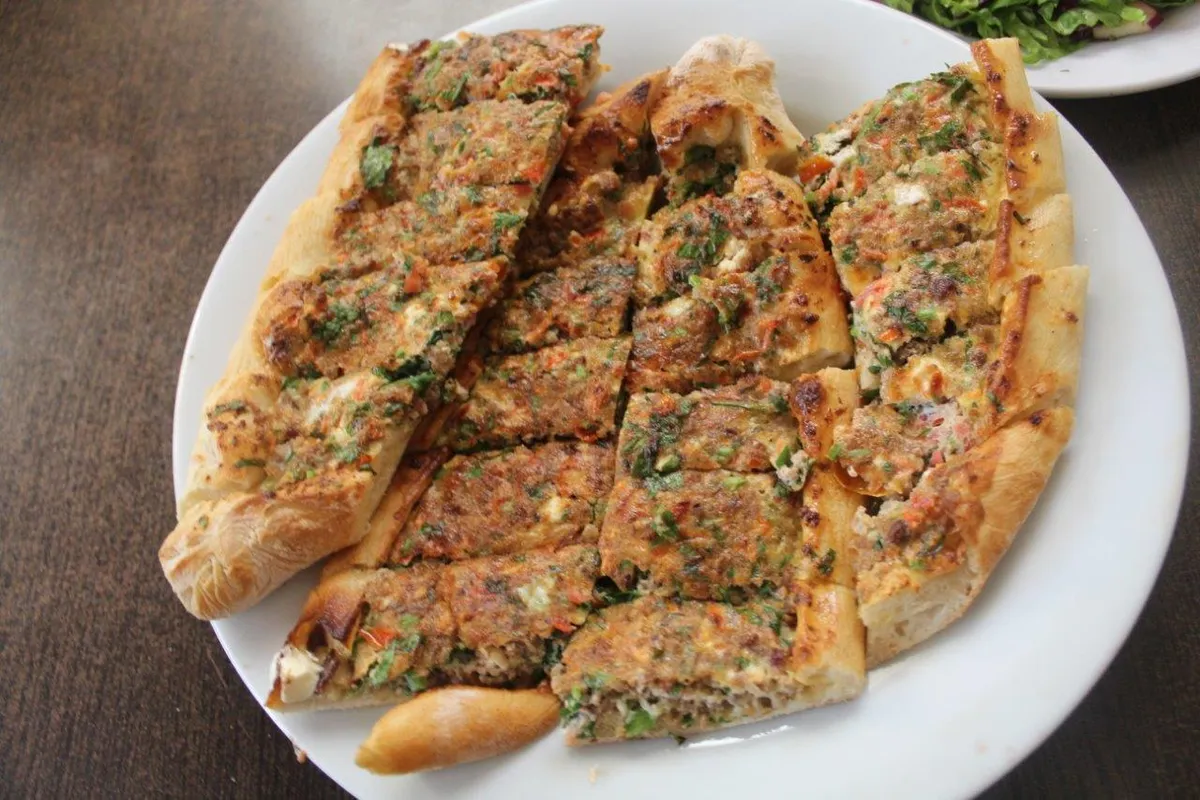
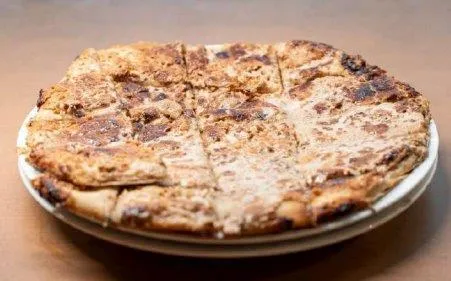
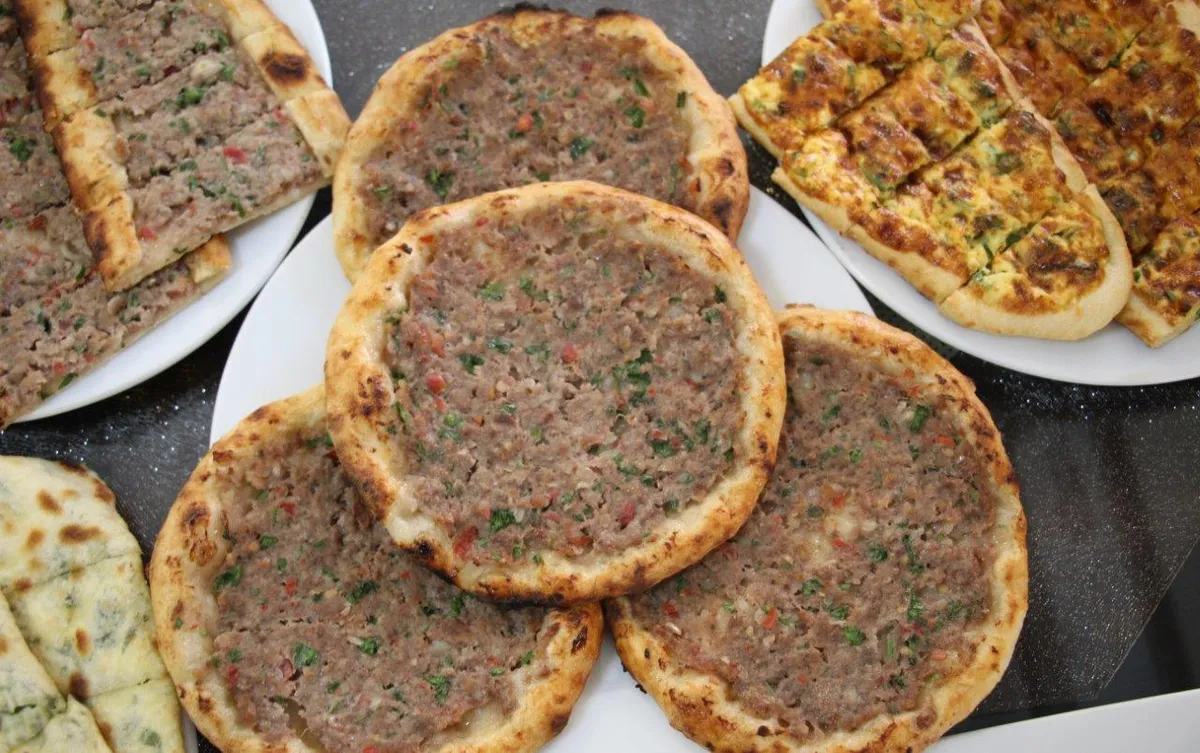
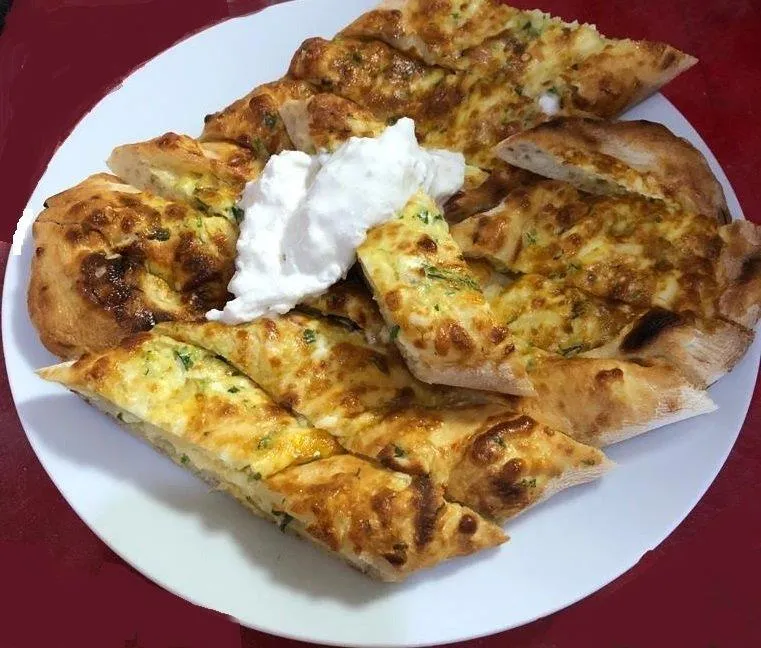
Begin in downtown Söke admiring the Kemalpaşa Mansions and the 1890 Söke Railway Station; savor local wood-fired Söke pide for lunch. In the afternoon, hike into Olukludere Canyon for a refreshing wilderness walk. Conclude the day at Lake Bafa Serçin Ecotourism Center, climbing the wooden observation tower to watch Dalmatian pelicans against the silhouette of Mount Latmos.
Transportation, Local Minibuses & Travel Tips
Söke sits conveniently at the intersection of major Aegean highway and rail corridors. Regular express coaches run every 30 minutes to Söke Central Bus Terminal from Izmir Adnan Menderes Airport and downtown Aydin. From Söke bus terminal, frequent cooperative minibuses (dolmuş) connect directly to Güllübahçe (Priene) and Doğanbey. Because Old Doğanbey and Priene feature steep stone inclines and ancient steps, sturdy walking shoes are indispensable. For nature visits to Karina Bay and Lake Bafa, bringing binoculars and cameras is strongly recommended.