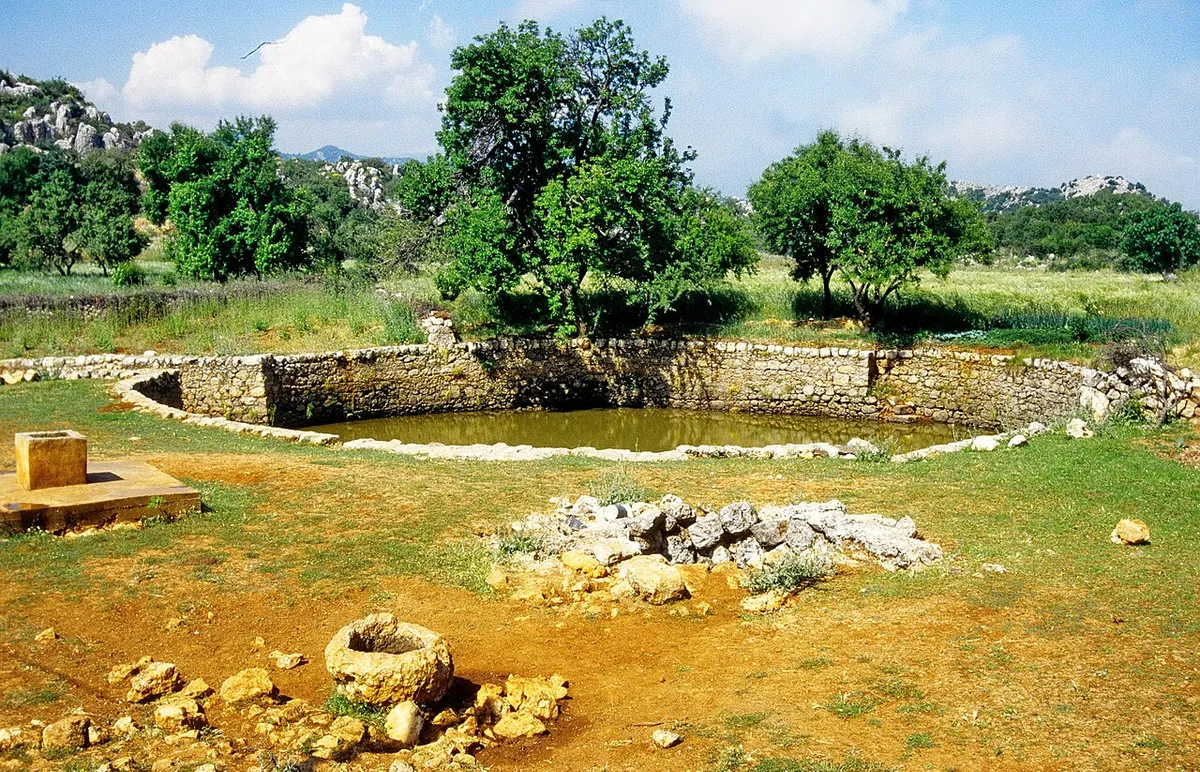
Few places in the Mediterranean blend turquoise waters and ancient history as seamlessly as the Kekova and Üçağız Basin in Antalya's Demre district. Gazing through the crystal-clear surface, you can see ancient stone staircases, submerged foundations, and clay amphorae dating back thousands of years. Following violent earthquakes in the 2nd century AD, the ancient Lycian trading hub of Dolichiste slipped beneath the waves, transforming this protected waterway into one of the world's most enchanting open-air underwater museums.
In this comprehensive 2026 guide, you will discover how to glide silently above submerged Lycian rooms via sea kayaking from Üçağız Harbor, climb through the bougainvillea-lined alleys of road-free Kaleköy (Simena), savor legendary homemade goat milk ice cream, explore the grand rock tombs of Myra, and pay homage to the sacred basilica of Saint Nicholas (Santa Claus).
1. Kekova Sunken City (Ancient Dolichiste Underwater Ruins)
Stretching along the northern coastline of Kekova Island, the Kekova Sunken City represents the submerged remnants of Dolichiste, a flourishing Lycian maritime harbor. Devastating tectonic shifts in the 2nd century AD tore the island from the mainland, sending residential quarters, harbor quays, storerooms, and stone stairs plunging into the crystal-clear sea.
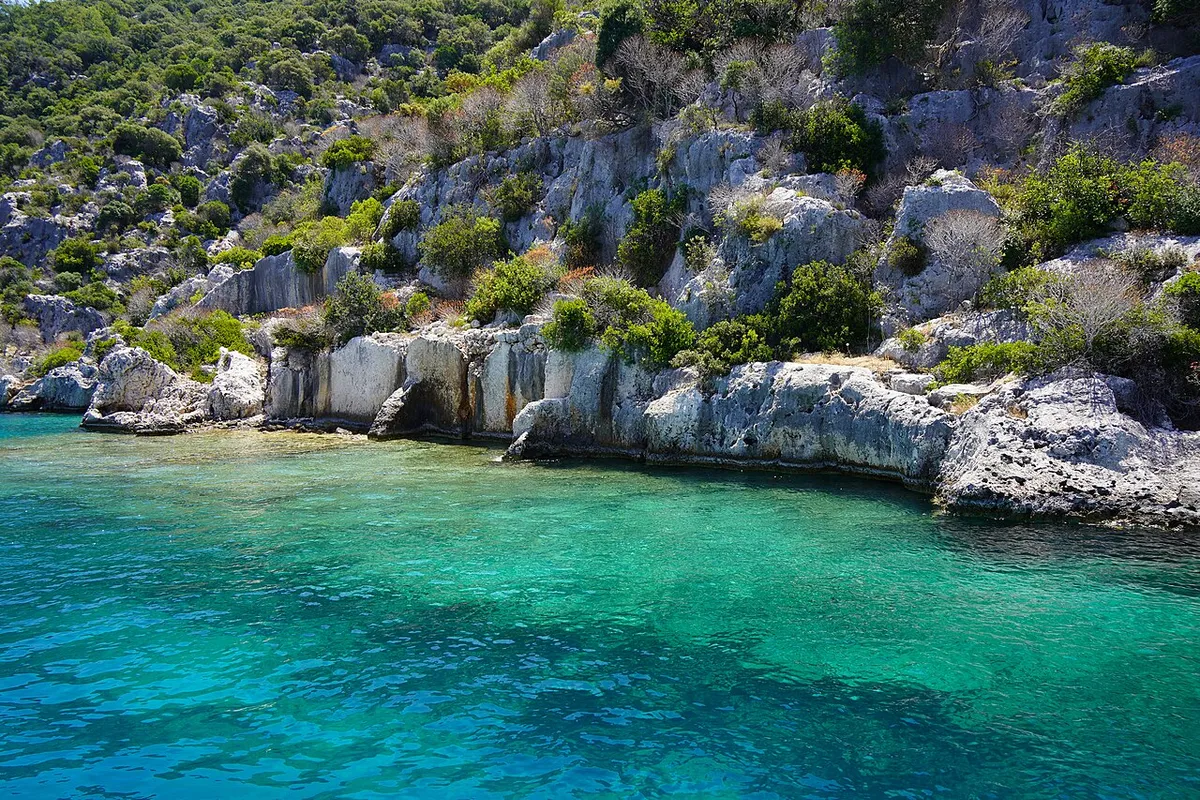
As a strictly protected first-degree archaeological reserve, swimming and scuba diving are strictly prohibited here to safeguard the delicate ruins. The most serene and eco-friendly way to appreciate this wonder is either by sea kayak in the early morning or aboard traditional wooden boats equipped with underwater glass observation windows. Just inches below your hull, ancient stone walls and terra-cotta roof tiles emerge vividly through the turquoise water.
- Location / GPS: North Coast of Kekova Island, Demre / Antalya (36.1855° N, 29.8620° E)
- Access & Regulations: Protected marine reserve; swimming and diving strictly banned; boats and kayaks permitted
- Best Time to Visit: 07:30 - 10:30 AM (Glass-calm water conditions before sea breezes rise)
- Transportation: Sea kayaking tours from Üçağız Harbor or wooden boat charters from Demre Çayağzı
- Memleketim Tip: Wear polarized sunglasses to eliminate water surface glare and see ancient amphorae shards resting 3-4 meters below.
2. Simena Castle & Kaleköy (The Submerged Lycian King Sarcophagus)
Perched dramatically on a steep promontory directly across from Kekova Island, Simena Castle & Kaleköy is one of Turkey’s most enchanting vehicle-free coastal settlements. Connected to the outside world solely by sea or the rocky Lycian Way footpath, its cobblestone steps wind through whitewashed stone cottages draped in vibrant purple bougainvillea up to a medieval fortress maintained by the Knights of Rhodes.
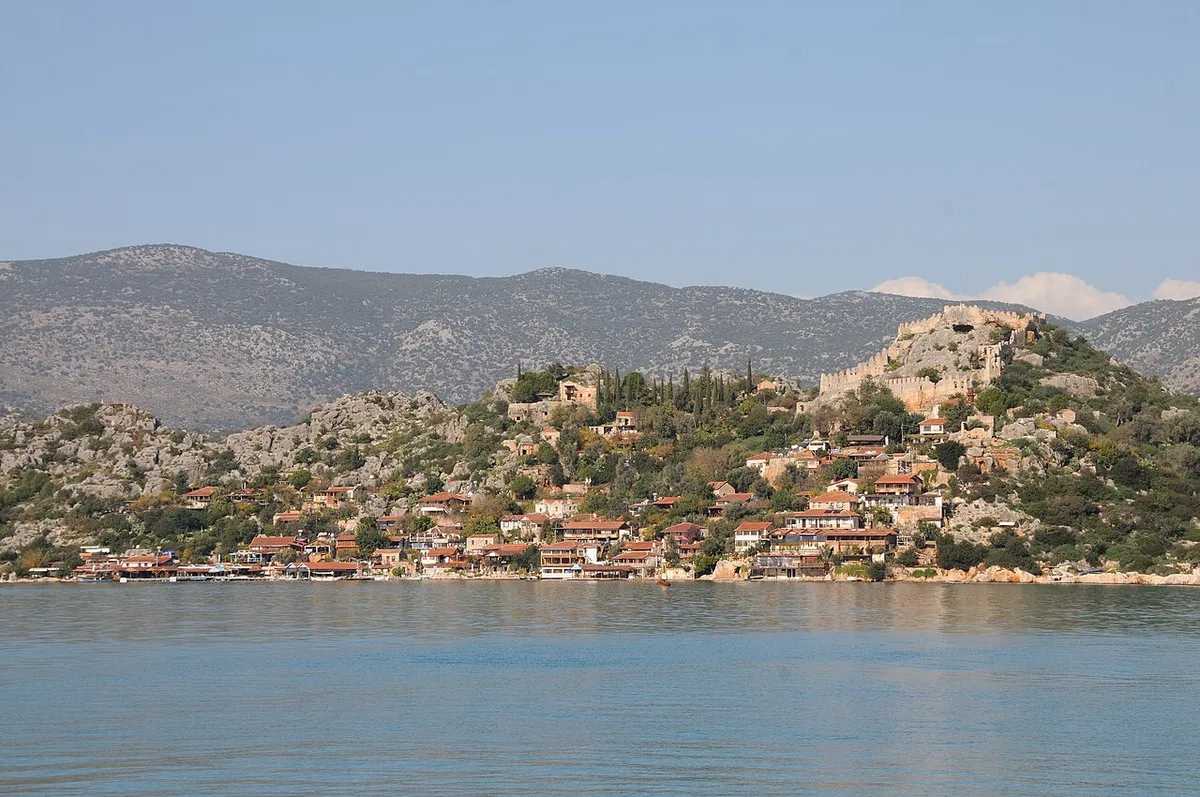
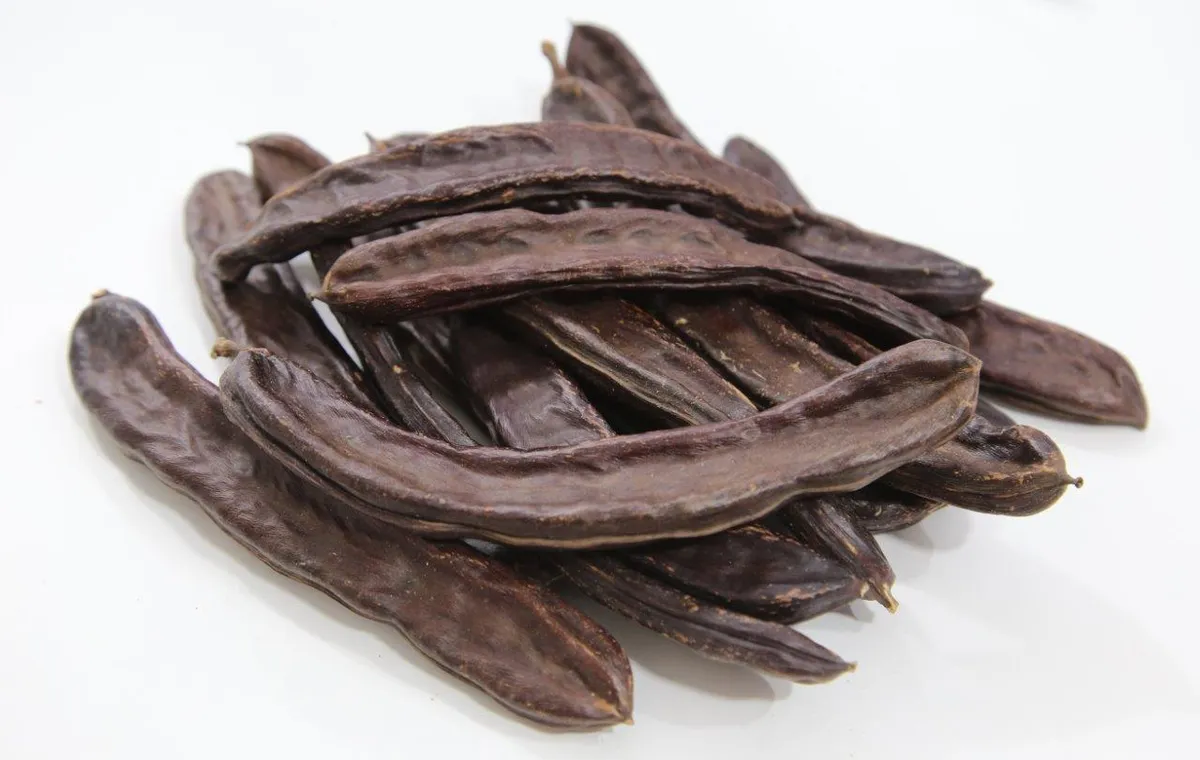
Inside the castle grounds lies the smallest ancient theater in Lycia, with only 7 tiers of seats accommodating about 300 spectators. From the fortress ramparts, look down upon the iconic freestanding Lycian Sarcophagus rising straight out of the turquoise shallow waters. On your descent back to the harbor, stopping at local family-run cafes for all-natural goat milk ice cream made with wild herbs and carob is an absolute must.
- Visiting Hours: Daily 08:30 - 19:30 (Winter until 17:30)
- Museum Pass & Entry: Turkish Museum Pass accepted; single-entry tickets available at gate
- Physical Requirement: Approximately 180 steep stone steps from harbor; sturdy footwear recommended
- Access: 15 min by boat/kayak from Üçağız; or a 40 min coastal hike along the Lycian Way
- Memleketim Tip: Order a cone combining roasted wild hazelnut and carob goat milk ice cream from the harborside village parlors.
3. Teimiussa (Üçağız Village & Ancient Necropolis)
Serving as the sole overland gateway to the Kekova archipelago, Teimiussa Ancient City & Üçağız Village rests inside a deeply sheltered fjord-like bay. Its name, meaning "Three Mouths," refers to the trio of narrow sea passages leading into this calm basin that has sheltered mariners for over two millennia.
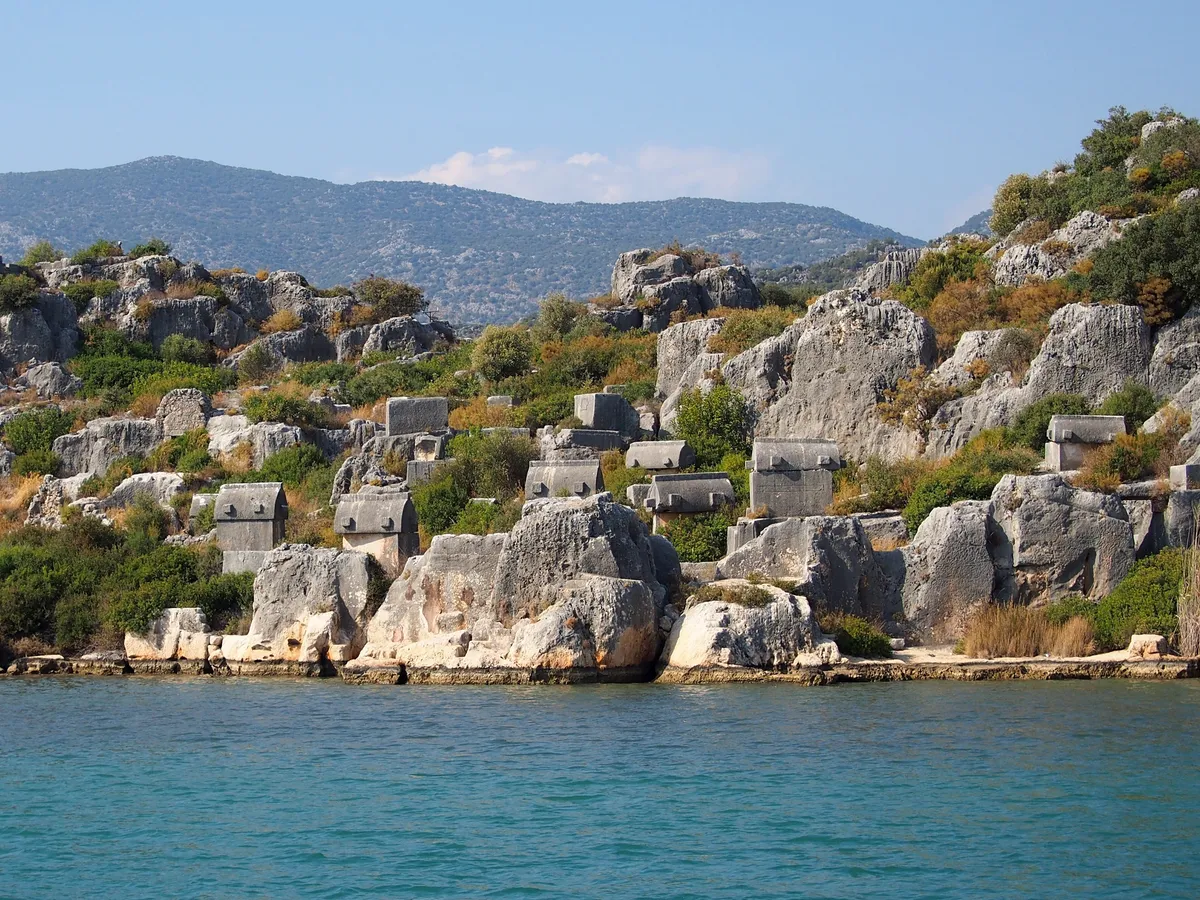
East of the village, dozens of 4th-century BC Lycian gabled sarcophagi lie scattered among ancient olive groves. These monumental stone tombs stand right next to fishermen's wooden piers and village courtyards, offering living proof of how seamlessly history and daily life merge here. Üçağız Harbor is also the primary launch hub for guided sea kayaking expeditions and day boat cruises.
- Entry: Free public access across the village and open-air ruins
- Parking: Municipal parking lot at village entrance (cars prohibited inside village core)
- Activities: Sea kayak rentals, cooperative boat tours, waterfront seafood dining
- Access: 20 km from Demre (25 min paved road); 35 km from Kaş (40 min)
- Memleketim Tip: Dine at sunset on wooden piers with freshly grilled local lagoon sea bass and mezes.
4. Tersane Bay & Semi-Submerged Byzantine Basilica
Situated near the western point of Kekova Island, Tersane Bay served as a prominent naval repair dock and shipwright haven since classical antiquity. As your boat approaches, the arched ruins of an ancient Byzantine basilica and stone slipways rising from the water welcome you.
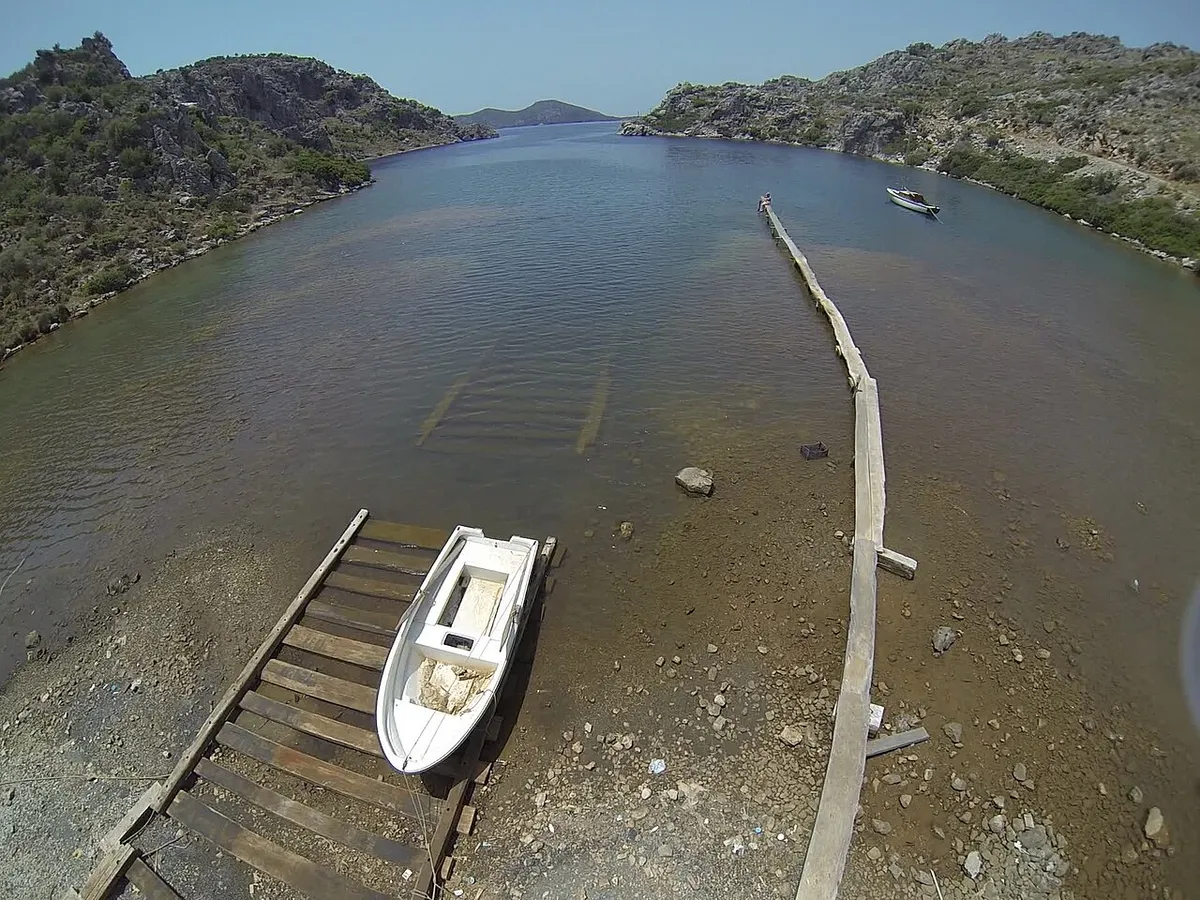
While swimming along the northern shore of Kekova Island is prohibited due to conservation laws, Tersane Bay is a celebrated exception. Boats drop anchor in its sheltered cove for swimming breaks. Don your snorkel mask and dive in: you can swim right alongside the submerged foundations of the basilica apse and explore ancient terra-cotta amphora fragments shared with schools of reef fish.
- Entry & Swimming: Free access; swimming and snorkeling fully permitted
- Facilities: Completely pristine natural bay without commercial establishments
- Marine Character: Rocky seabed with supreme underwater visibility; water shoes and snorkel gear recommended
- Transportation: Accessible only by sea (25 min by kayak or boat from Üçağız)
- Memleketim Tip: Take underwater photos around the submerged basilica apse where morning sunlight illuminates stone arches beneath the sea.
5. Gökkaya Bay & Natural Fjord Basin
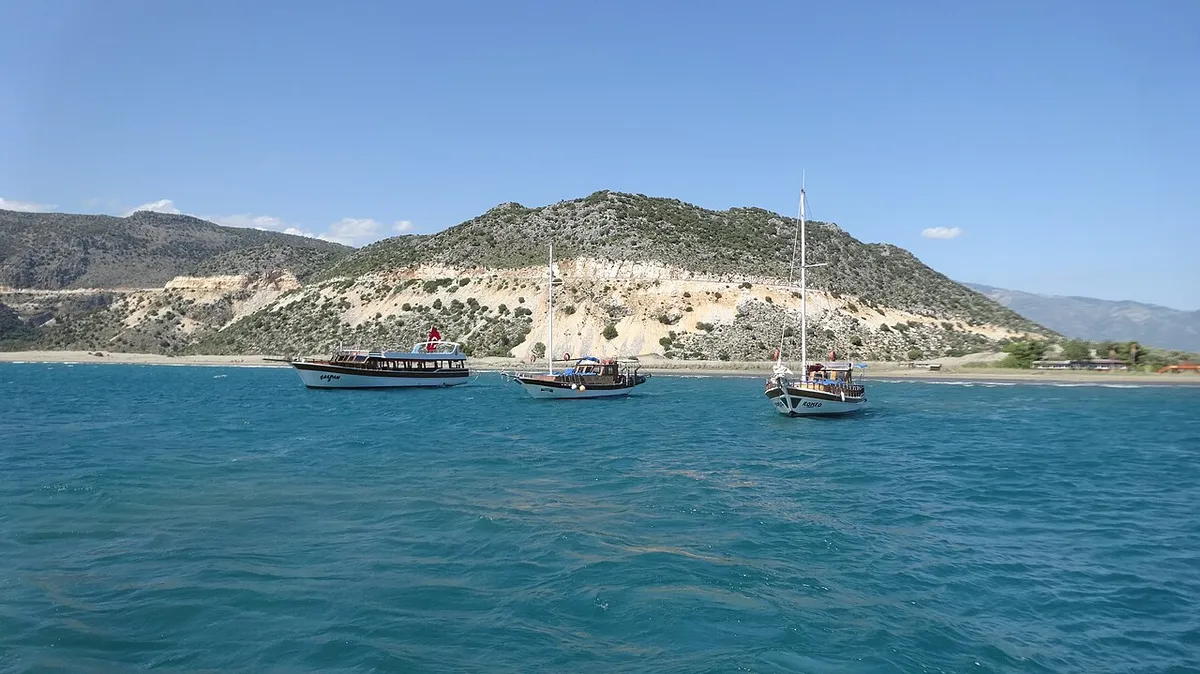
Recognized as the largest and most protected natural anchorage in the Kekova region, Gökkaya Bay resembles a secluded Mediterranean fjord ringed by limestone islets. Completely sheltered from offshore swells, it serves as a tranquil overnight haven for cruising yachts.
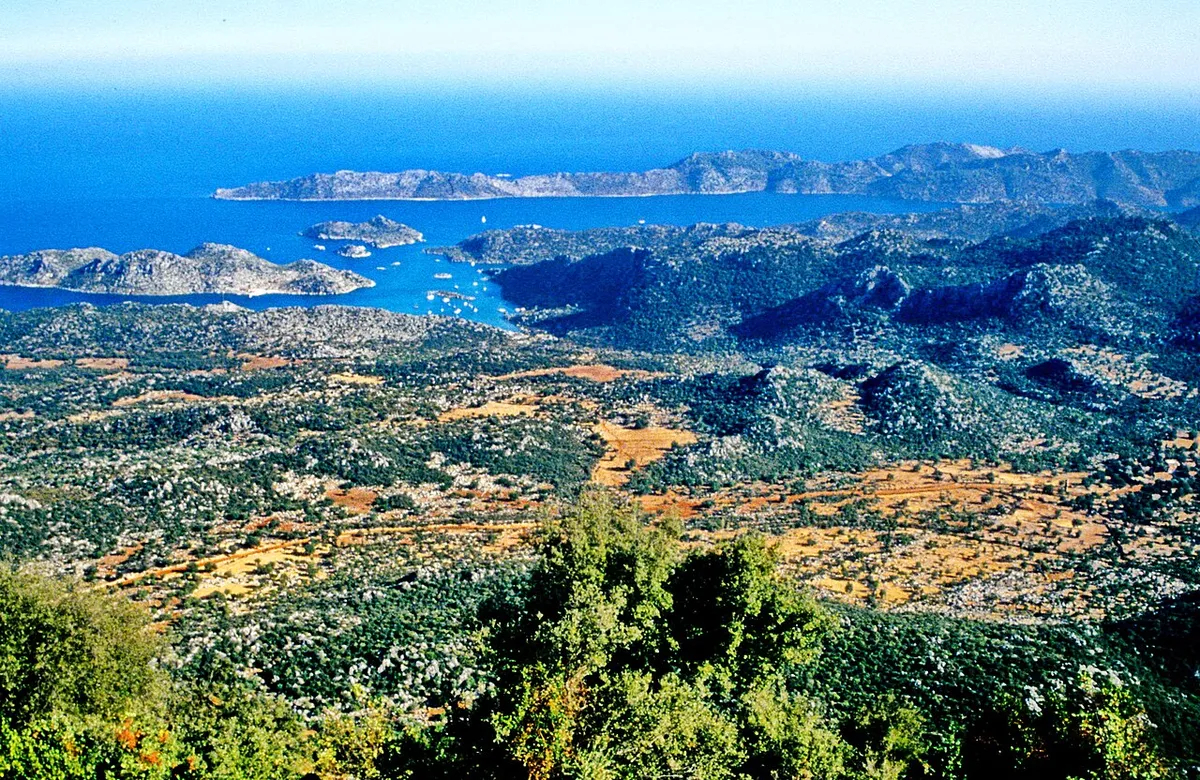
One of Gökkaya's most refreshing natural wonders is the presence of subaquatic freshwater springs flowing into the sea from subterranean mountain aquifers. While the upper layer of seawater is pleasantly warm and salty, dipping into these spring pockets delivers an invigorating rush of crisp, cold mountain water.
- Access: Free open natural bay
- Highlights: Zero waves, natural swimming pool calm, icy freshwater underwater springs
- Stay Options: Overnight yacht anchorage and scenic coastal hiking access
- Transportation: 30-40 min boat ride from Üçağız or Demre Çayağzı
- Memleketim Tip: Swim near the rocky northern point where the icy spring water blends into the warm sea for a revitalizing natural thermal contrast.
6. Aşırlı Island Pirate Cave
At the outer entrance to Gökkaya Bay, concealed beneath the vertical limestone bluffs of Aşırlı Island, lies the dramatic Aşırlı Island Pirate Cave. Maritime lore holds that ancient Cilician and Lycian pirates hid their small raiding vessels within its vaulted entrance to ambush merchant ships navigating the open sea.
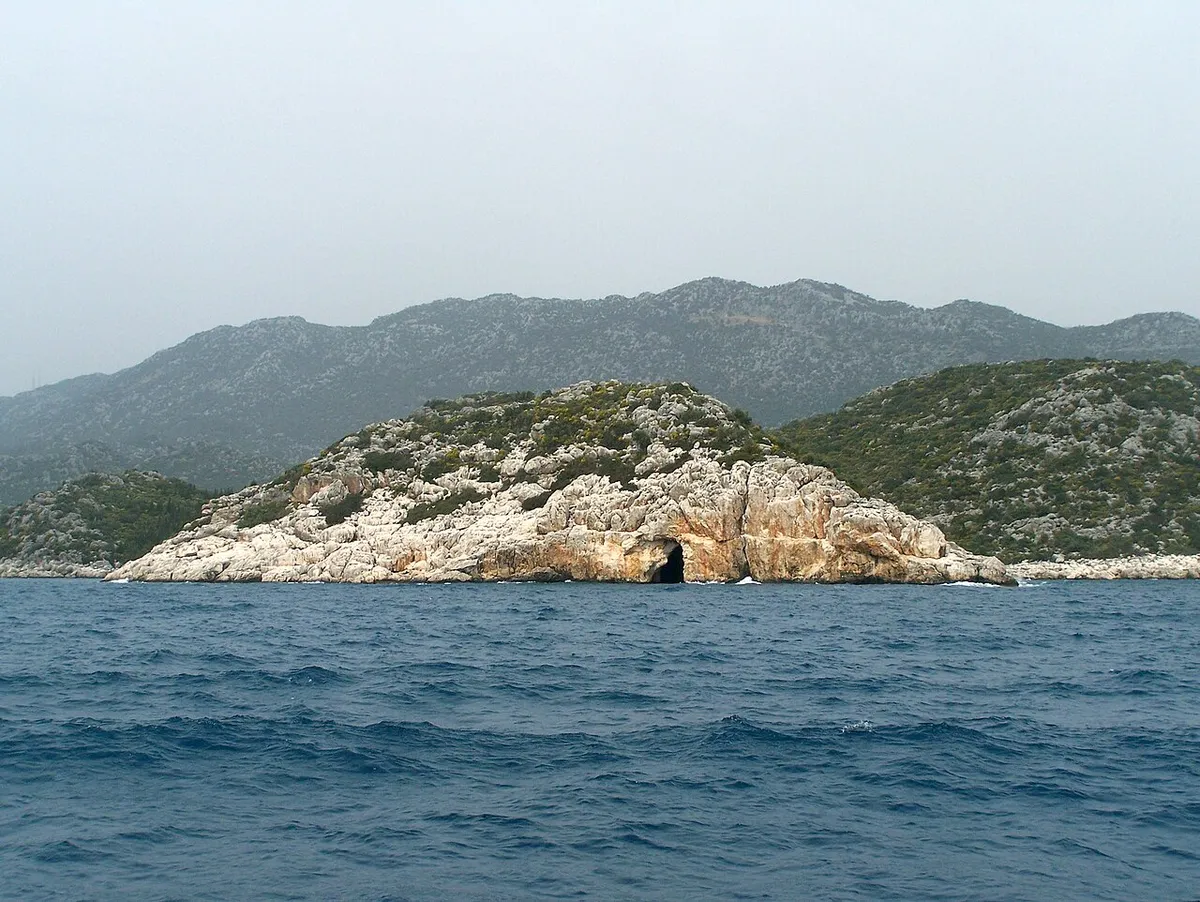
Thanks to its soaring entrance arch, sea kayaks and small zodiac tenders can maneuver directly into the cavern’s interior chamber. When daylight filters through the submerged seabed entrance, the cave walls and ceiling shimmer with an ethereal glow of phosphorescent green and deep electric blue.
- Entry: Free natural marine cave; subject to calm sea conditions
- Vessel Access: Large tour boats cannot enter; accessible only by sea kayak or small dinghy
- Best Light Window: 10:00 AM - 1:00 PM for maximum internal light refraction
- Transportation: Regular stop on Kekova boat cruises and kayaking expeditions
- Memleketim Tip: Paddle gently beneath the limestone stalactites inside the cave to hear the soothing acoustic resonance of the waves.
7. Myra Ancient City & Monumental Rock Tombs
Returning to the mainland in Demre, the quintessential archaeological highlight is Myra Ancient City & Monumental Rock Tombs. Holding three voting rights in the ancient Lycian League, Myra was one of the federation's six supreme metropolises and served as Saint Nicholas's bishopric seat in early Byzantine times.
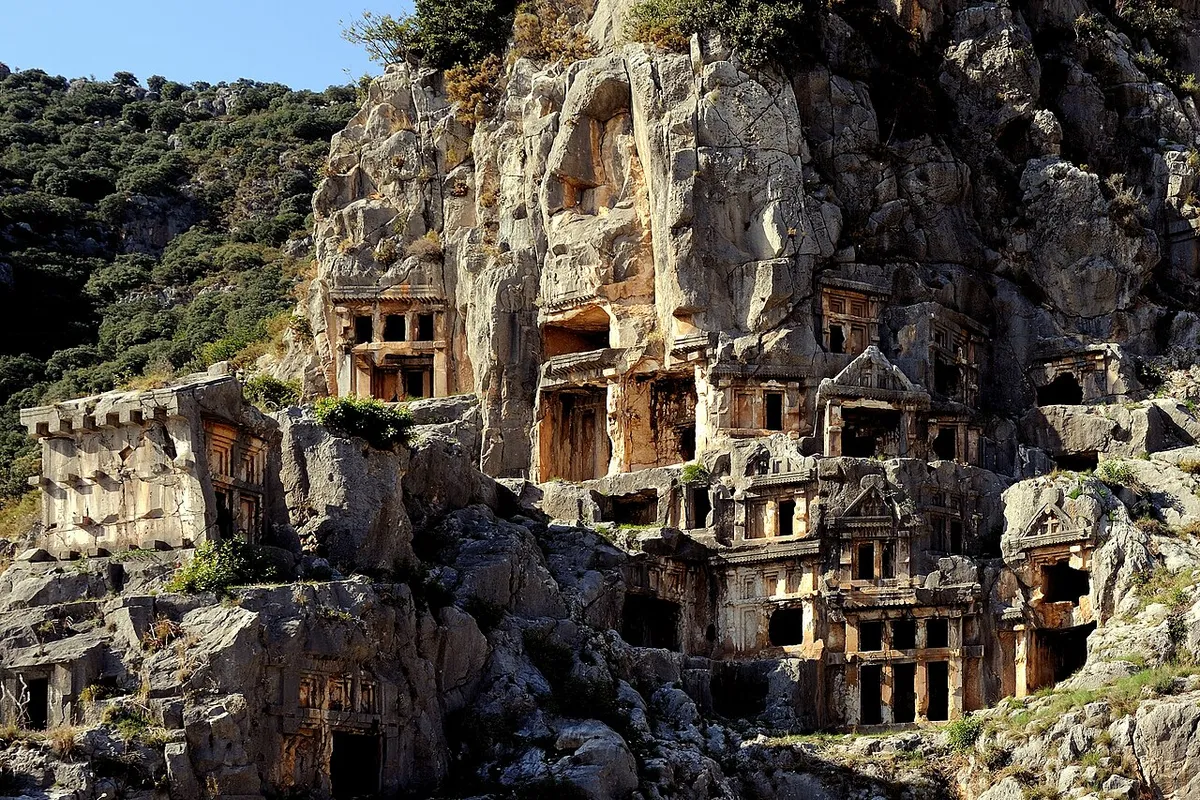
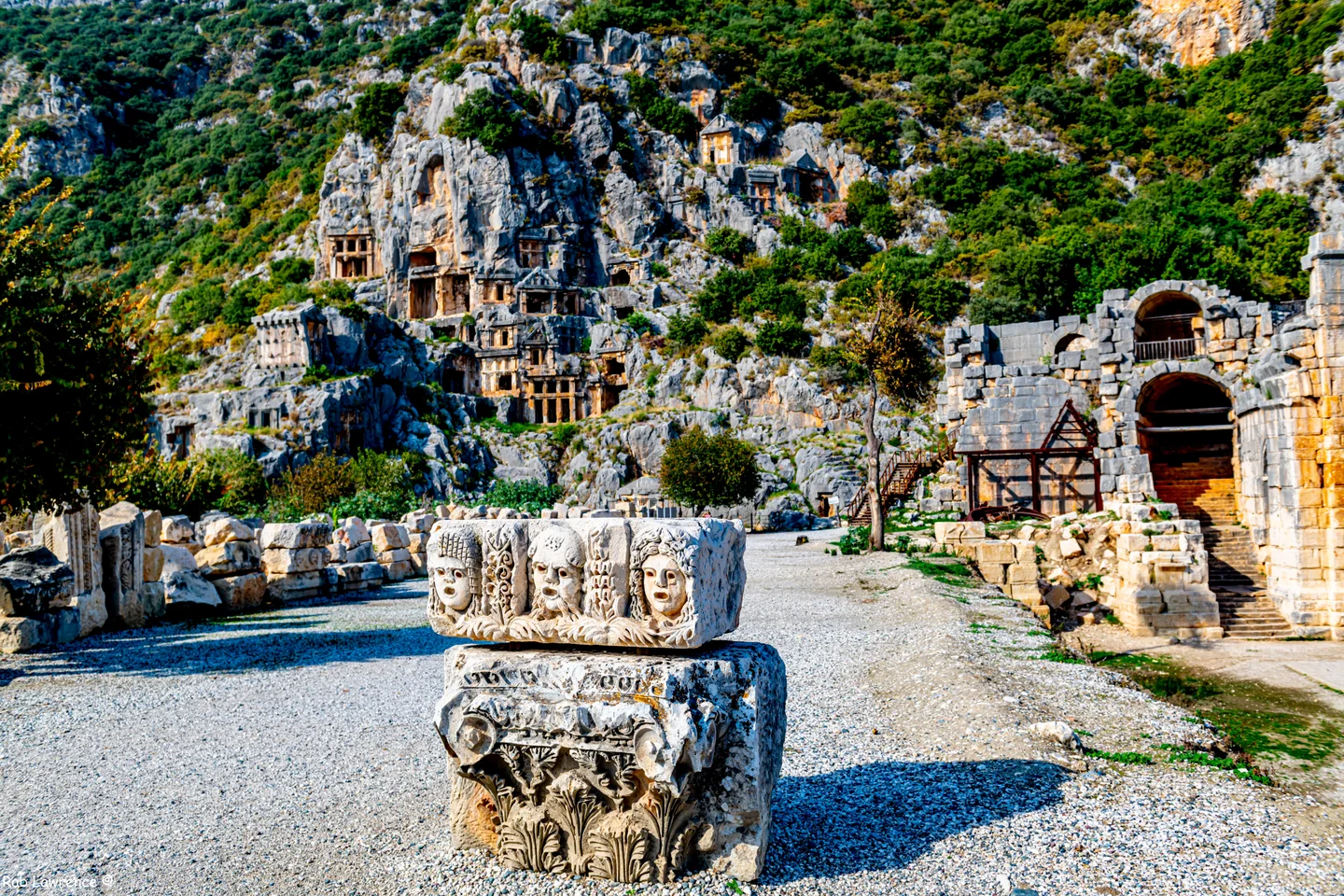
Myra’s River and Sea Necropolises represent the pinnacle of Lycian rock-cut architecture. Master masons carved elaborate façades directly out of solid rock cliffs, precisely replicating the beam ends, log posts, and relief friezes of traditional Lycian wooden homes to provide eternal houses for their deceased nobility.
- Visiting Hours: Daily 08:30 - 19:30 (Winter until 17:30)
- Pass & Admission: Turkish Museum Pass valid; tickets available at entrance
- Location: Alakent neighborhood, 2 km north of Demre town center
- Amenities: Parking lot, educational signage, souvenir shops, and cafe
- Memleketim Tip: Visit in late afternoon when the warm western sun casts long shadows that bring the rock tomb relief carvings to life.
8. Myra Roman Theater (11,000-Seat Acoustic Masterpiece)
Directly fronting the cliffside rock tombs stands the Myra Roman Theater, one of the most impressively preserved monumental entertainment venues in the Lycian realm. With an estimated capacity of 11,000 spectators, its double-diazoma cavea and massive scaenae frons reflect the sheer brilliance of Roman acoustics and engineering.
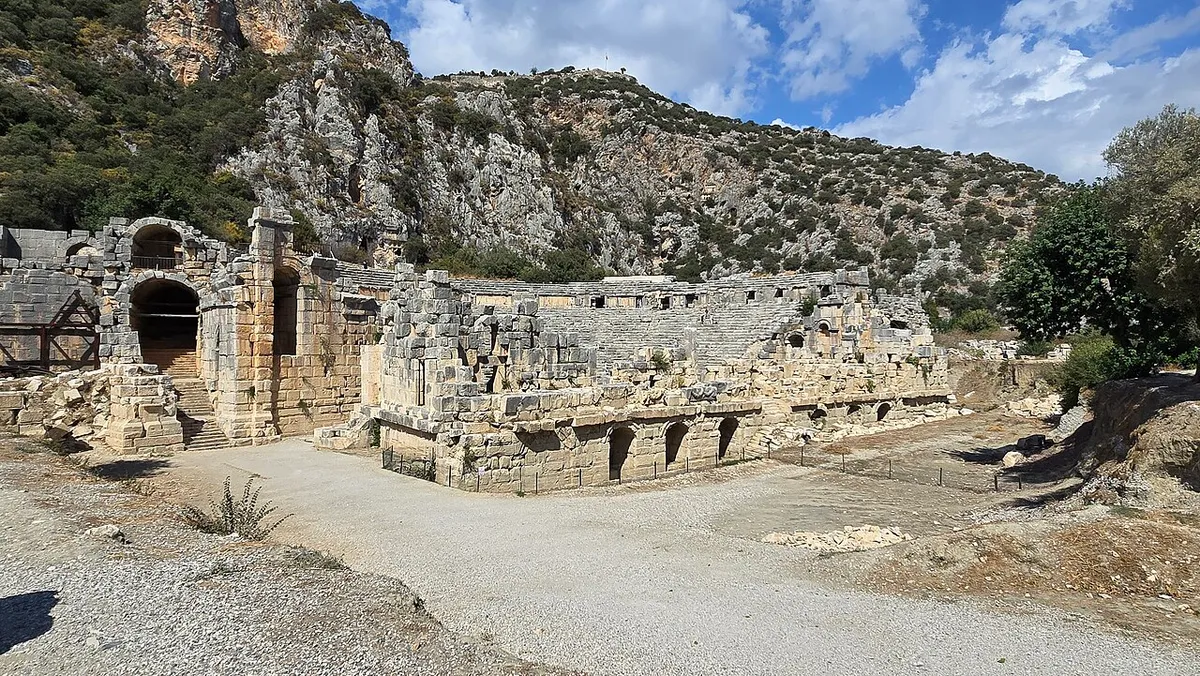
Strolling through the vaulted vomitoria and orchestra pit, you will encounter magnificent relief friezes depicting theatrical masks of comedy and tragedy, Medusa heads, and lion ornaments. The theater's acoustics remain so precise that a quiet whisper delivered at the orchestra's center can be heard distinctly on the topmost tier.
- Location: Included inside the Myra Archaeological Site, covered under same ticket
- Architecture: Greco-Roman style, 38 rows of stone seats, vaulted ambulatory passages
- Key Highlight: Intricately carved stone theatrical masks displayed along the orchestra floor
- Memleketim Tip: Stand in the circular acoustic focus of the orchestra floor to test voice projection across the ancient stone tiers.
9. Saint Nicholas (Santa Claus) Memorial Museum
Known throughout the world as Santa Claus, Saint Nicholas was an authentic historical figure who served as the beloved bishop of Myra during the 4th century AD. Located in central Demre, the Saint Nicholas Memorial Museum is a Byzantine basilica constructed above his final resting place, which has attracted Christian pilgrims for well over a millennium.
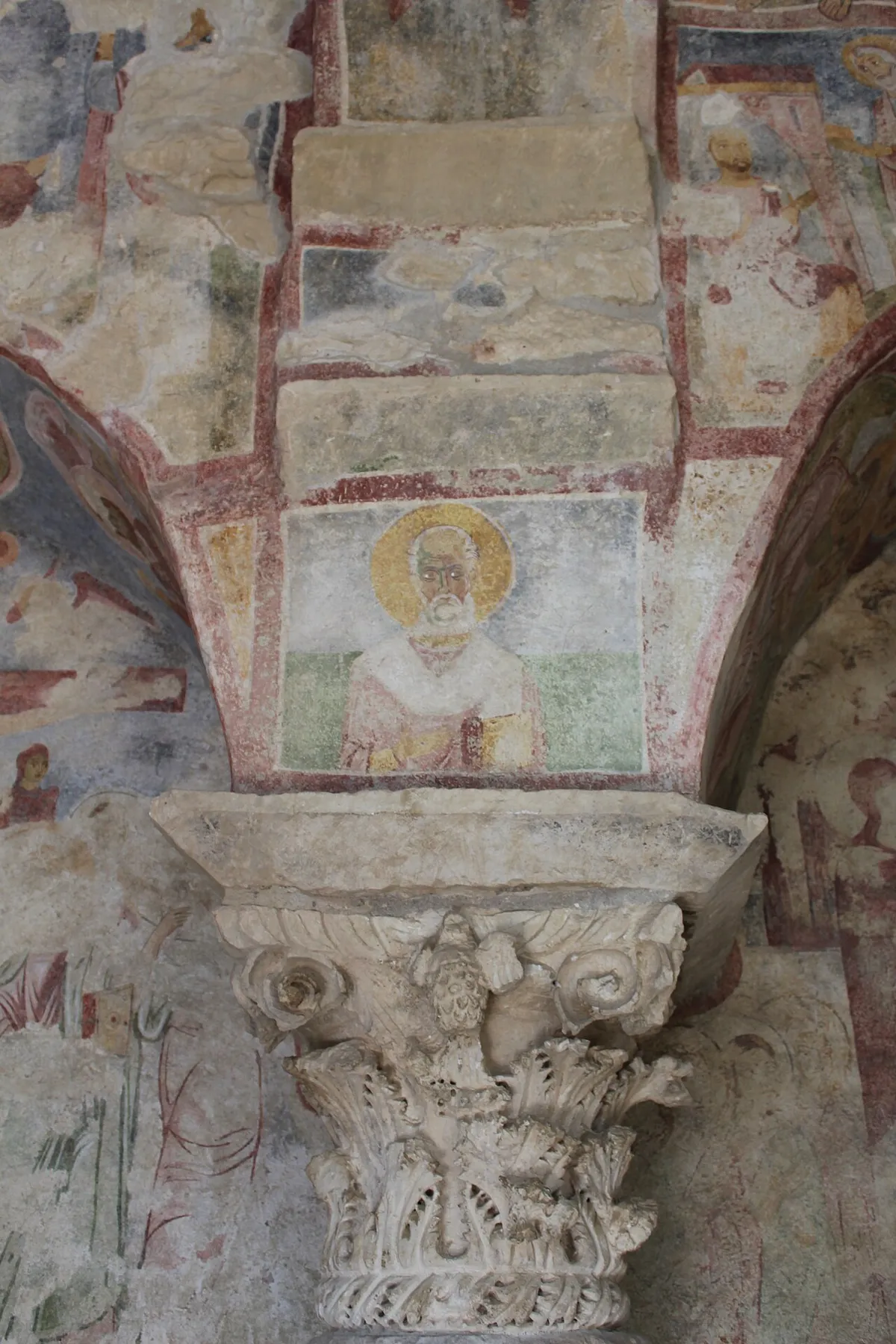
Inside the church, visitors marvel at remarkably vibrant 11th- and 12th-century Byzantine wall frescoes depicting biblical councils, saints, and miracles, alongside intricate geometric marble floor mosaics. A Roman marble sarcophagus adorned with fish-scale reliefs is believed to have held his relics before Italian merchants spirited most of them away to Bari in 1087.
- Visiting Hours: Daily 08:30 - 19:30 (Winter until 17:30)
- Pass & Admission: Turkish Museum Pass accepted; on-site ticketing
- Location: Demre town center, adjacent to Noel Baba Square
- Highlights: Marble sarcophagus of Saint Nicholas, Council frescoes, opus sectile paving
- Memleketim Tip: Flash photography is strictly forbidden to protect fragile fresco pigments; use higher ISO for handheld indoor photos.
10. Andriake Harbor & Museum of Lycian Civilizations
Where Demre opens to the sea at Çayağzı, the Andriake Harbor & Museum of Lycian Civilizations preserves the international maritime and naval hub of ancient Myra. Expanded under Emperors Trajan and Hadrian, Andriake was the vital transshipment harbor for imperial grain bound for Rome.
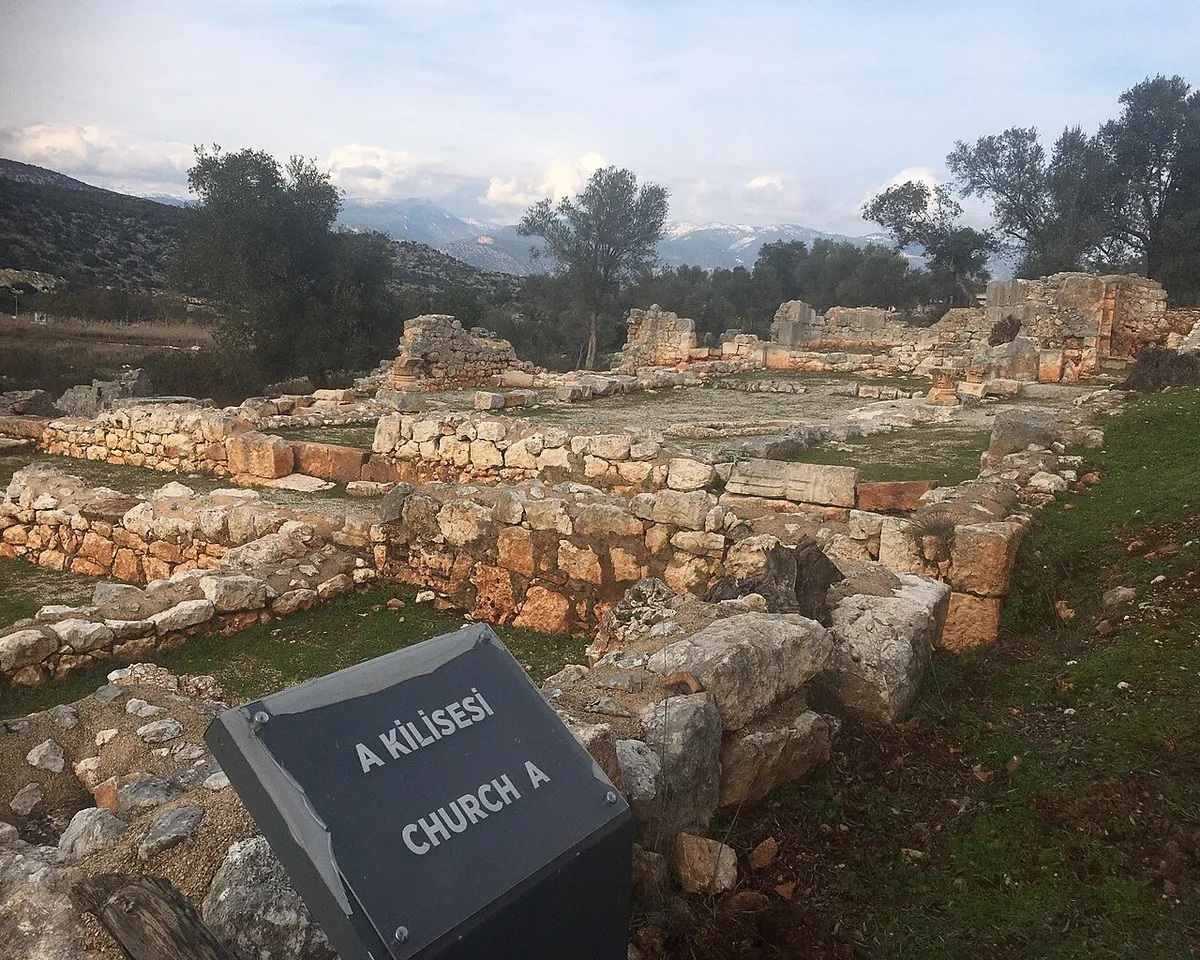
The museum’s centerpiece is the imposing Horrea Hadriani, a 2,300-square-meter imperial granary erected in 129 AD that still stands intact up to its roofline. Across its eight expansive halls, priceless artifacts unearthed from all major Lycian cities—including Patara, Xanthos, Tlos, and Antiphellos—are curated with modern lighting. Outside, explore the harbor avenue, agora, synagogue ruins, a full-scale Roman merchant ship replica, and ancient murex purple dye production vats.
- Visiting Hours: Daily 08:30 - 19:30 (Winter until 17:30)
- Pass: Turkish Museum Pass valid; covers both outdoor harbor ruins and indoor granary museum
- Notable Features: Reconstructed Roman merchant ship, imperial customs inscription, massive cistern
- Access: 5 km west of Demre town center along Çayağzı road (7 min drive)
- Memleketim Tip: After touring the museum, stop at the adjacent Burguç Sulphur Spring to soak your feet in icy mineral water for instant rejuvenation.
Gastronomy Recommendations: What to Eat in Demre & Kaleköy
Authentic culinary specialties to savor across the Kekova region:
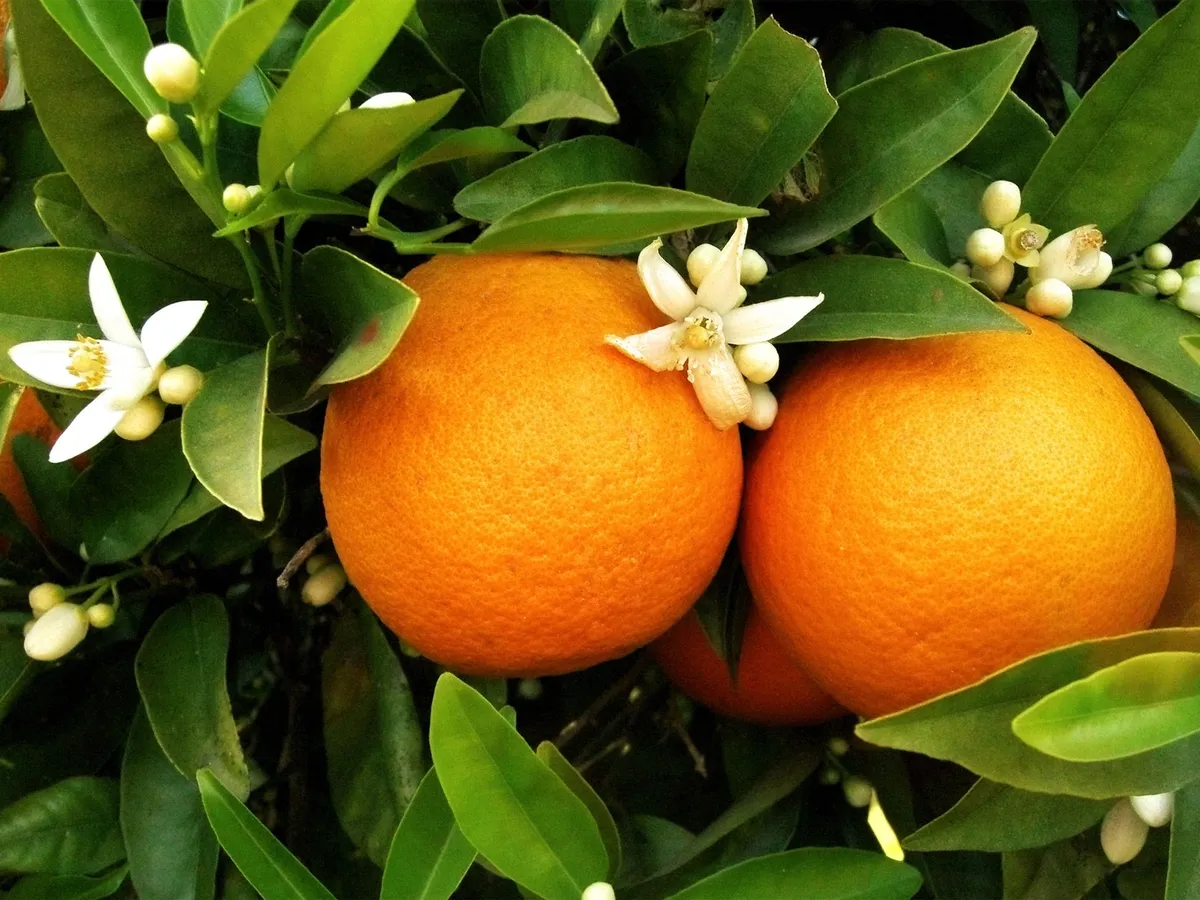
- Homemade Goat Milk Ice Cream (Kaleköy): Churned by village families using fresh milk from free-range Taurus goats, natural mountain salep, and local fruits. Do not miss the carob, bitter orange blossom, and wild thyme flavors.
- Fresh Blue Crab: Harvested from the estuaries of Demre and the Beymelek Lagoon, celebrated for its tender sweet meat. Grilled over charcoal with olive oil and garlic.
- Beymelek Lagoon Sea Bass & Bream: Wild fish flourishing where mountain springs meet the Mediterranean sea. Steamed with herbs or served grilled over charcoal.
- Orange Blossom Honey & Wild Thyme: Aromatic monofloral honey harvested from Demre's vast citrus orchards and fragrant wild thyme gathered from Kekova hills.
Transportation & Practical Travel Tips (2026 Advice)
Key recommendations to ensure a smooth Kekova adventure:
- Getting to Üçağız: Around 2 hours 45 minutes by rental car from Antalya Airport. If traveling from Kaş, take the local Üçağız minibus from Kaş Otogar (3-4 daily services in summer) or drive via the coastal road in 35 minutes.
- Sea Kayaking Logistics: Guided sea kayak groups depart Üçağız Harbor between 08:00 and 08:30 AM. Morning waters are mirror-still, making paddling easy even for total beginners. Bring a certified waterproof phone pouch.
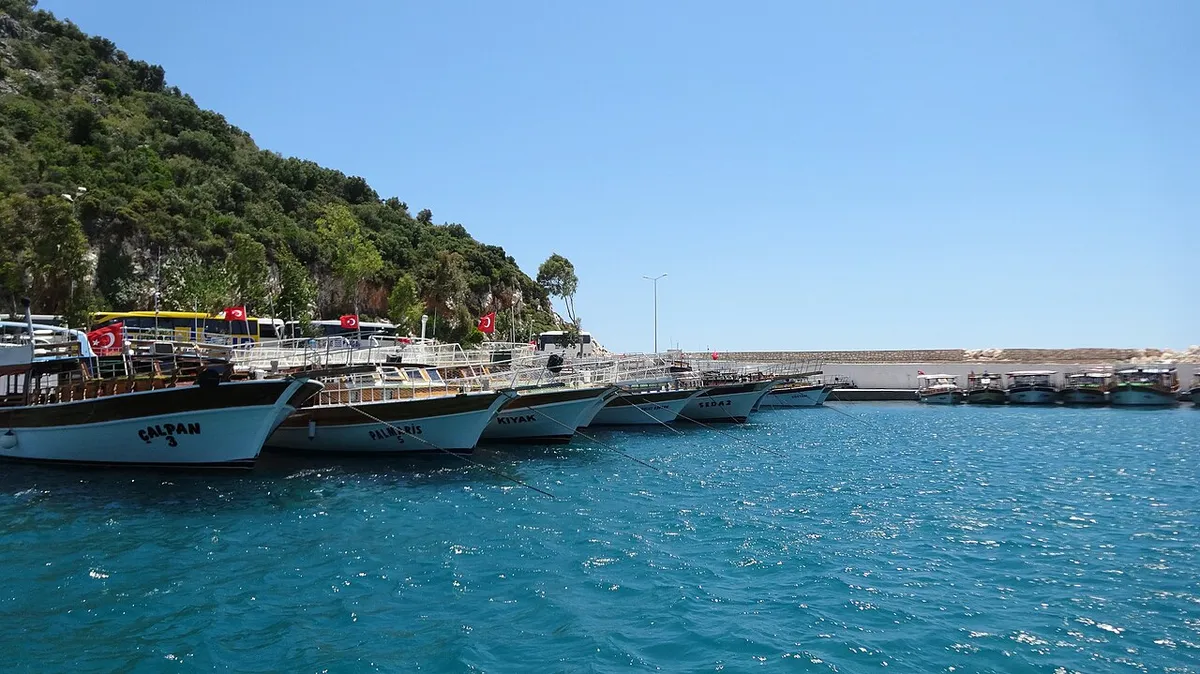
- Choosing Your Boat Cruise: Opt for small 8-to-12 passenger wooden cooperative crafts based in Üçağız rather than giant multi-deck party boats; smaller boats can approach the sunken ruins quietly and access hidden coves.
- Packing Essentials: Grippy water shoes are essential for rocky paths in Kaleköy and coastal ruins. Bring cash for local ice cream stalls that do not accept card payments.