# Ground Zero of History: Gobeklitepe, Holy Balikligol, Karahantepe & Traditional Sira Night
Rising in the heart of the Fertile Crescent on the northern threshold of Mesopotamia, Sanliurfa represents the undisputable "Ground Zero of Human History." Roughly 12,000 years ago—before agriculture, pottery, or metal tools existed—hunter-gatherer communities carved massive limestone monoliths to erect Gobeklitepe and Karahantepe. Here, organized religion, monumental architecture, and human storytelling were born. Concurrently, as the venerated sanctuary where the Prophet Abraham survived King Nimrod's inferno—turning flame into pure water and burning firewood into sacred carp at Balikligol—Sanliurfa proudly holds the revered title "City of the Prophets."
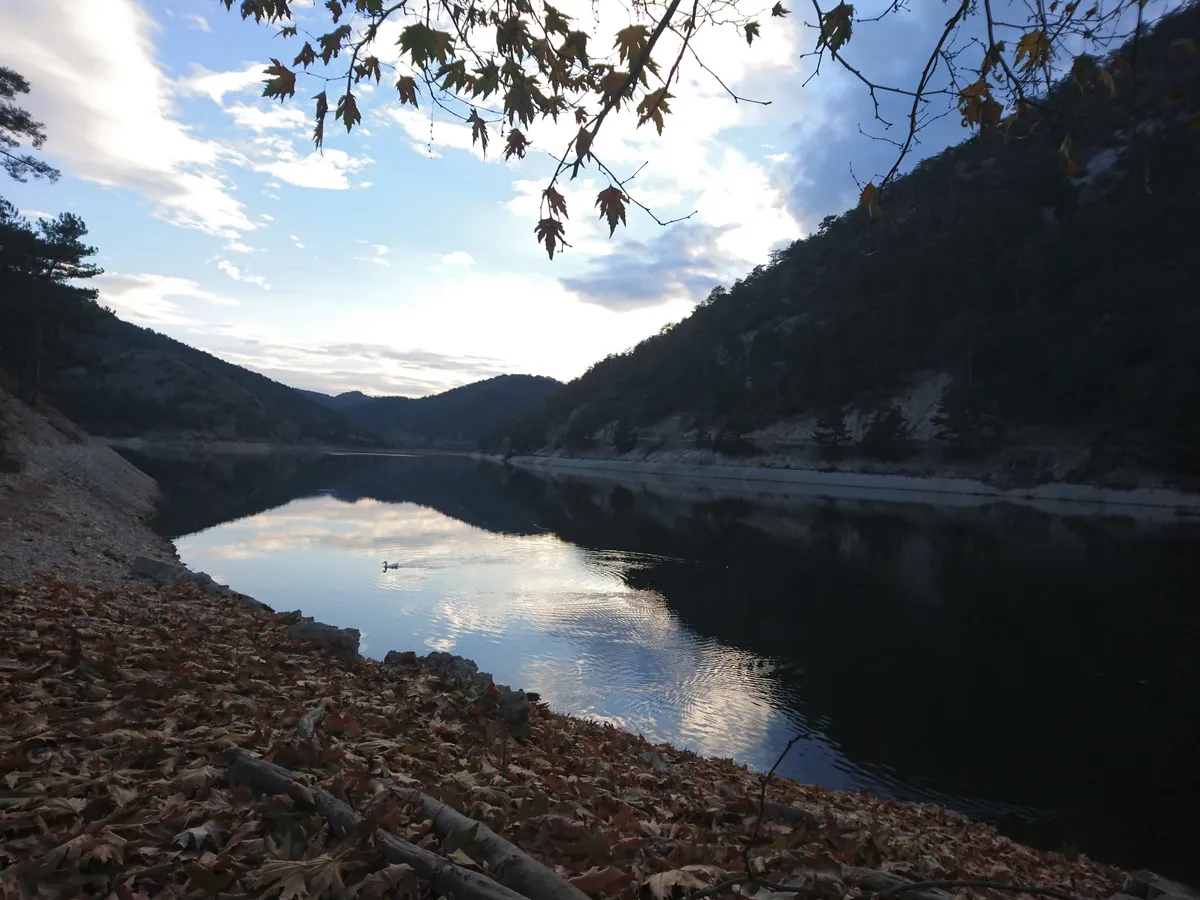
In this ultimate travel guide, discover the 12,000-year-old UNESCO World Heritage sanctuaries of Gobeklitepe and Karahantepe, marvel at the Urfa Man (the world's oldest known life-sized human sculpture), stroll the tranquil waters of Balikligol, explore ancient beehive dwellings in Harran, and immerse yourself in the musical brotherhood of an authentic Urfa Sira Night.
1. Deep History & Spiritual Origins: From Neolithic Temples to Abrahamic Faith
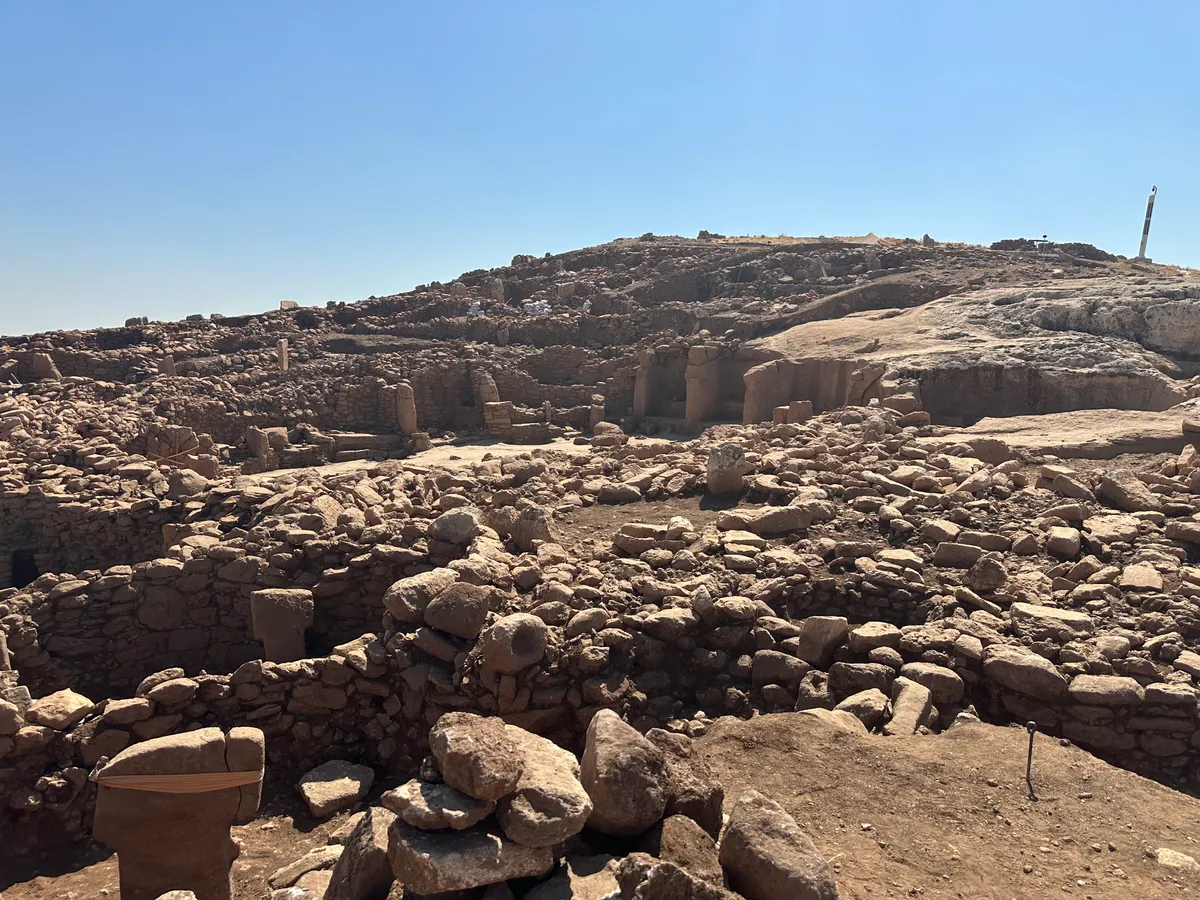
Sanliurfa anchors the global prehistoric project known as "Tas Tepeler" (Stone Hills). Excavations initiated in 1995 under German archaeologist Prof. Dr. Klaus Schmidt confirmed that Gobeklitepe dates back to 9600 BC—predating Stonehenge by 6,000 years and the Egyptian Pyramids by 7,000 years. Its monumental circular enclosures contain 16-ton T-shaped pillars intricately carved with bas-reliefs of lions, foxes, vultures, and boars, proving that spiritual devotion drove human settlement, not vice versa.
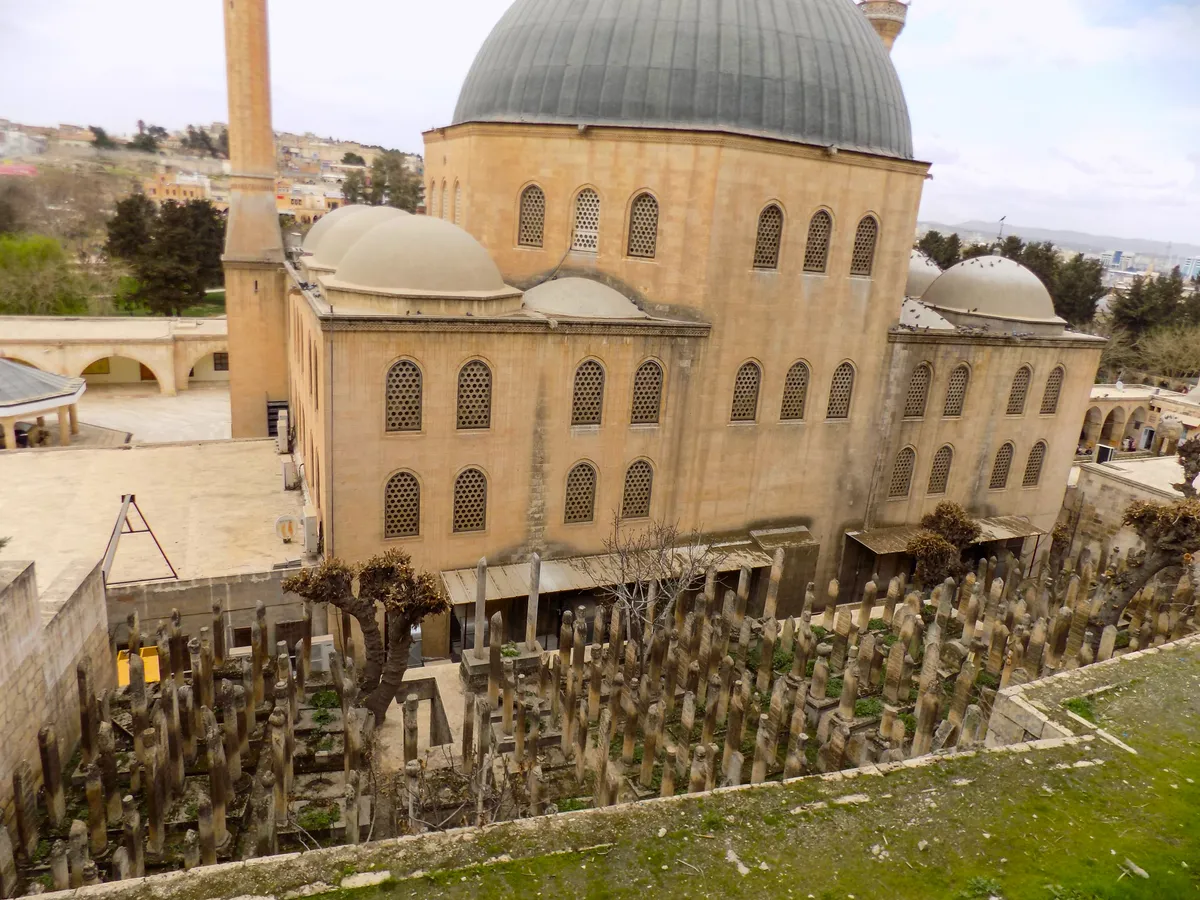
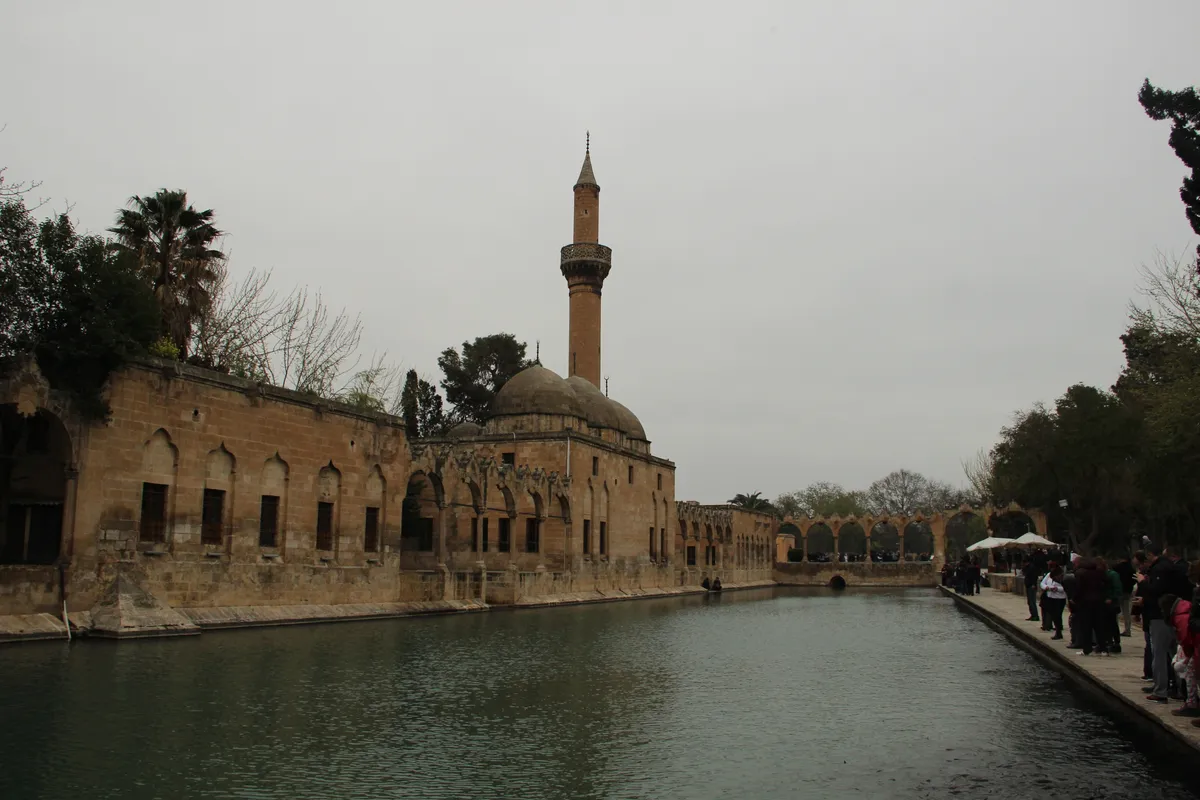
The city's spiritual anchor lies at Balikligol (Halil-ur Rahman Pool). According to ancient tradition, King Nimrod hurled Abraham from the catapult pillars atop Urfa Castle into a blazing pyre below. By divine decree, the fire turned into a refreshing turquoise pool and the burning logs into sacred carp that swim undisturbed to this day.
2. Comprehensive 2-Day Itinerary & Discoveries
Day 1: Gobeklitepe, Archaeology Megacomplex & Balikligol
- 08:30 - 11:30 | Gobeklitepe Archaeological Sanctuary: Start your morning 18 km northeast of Sanliurfa in Orencik. Tour the multimedia interpretive center before standing beneath the protective canopy of Enclosure D, observing the original 12,000-year-old T-pillars and animal totems.
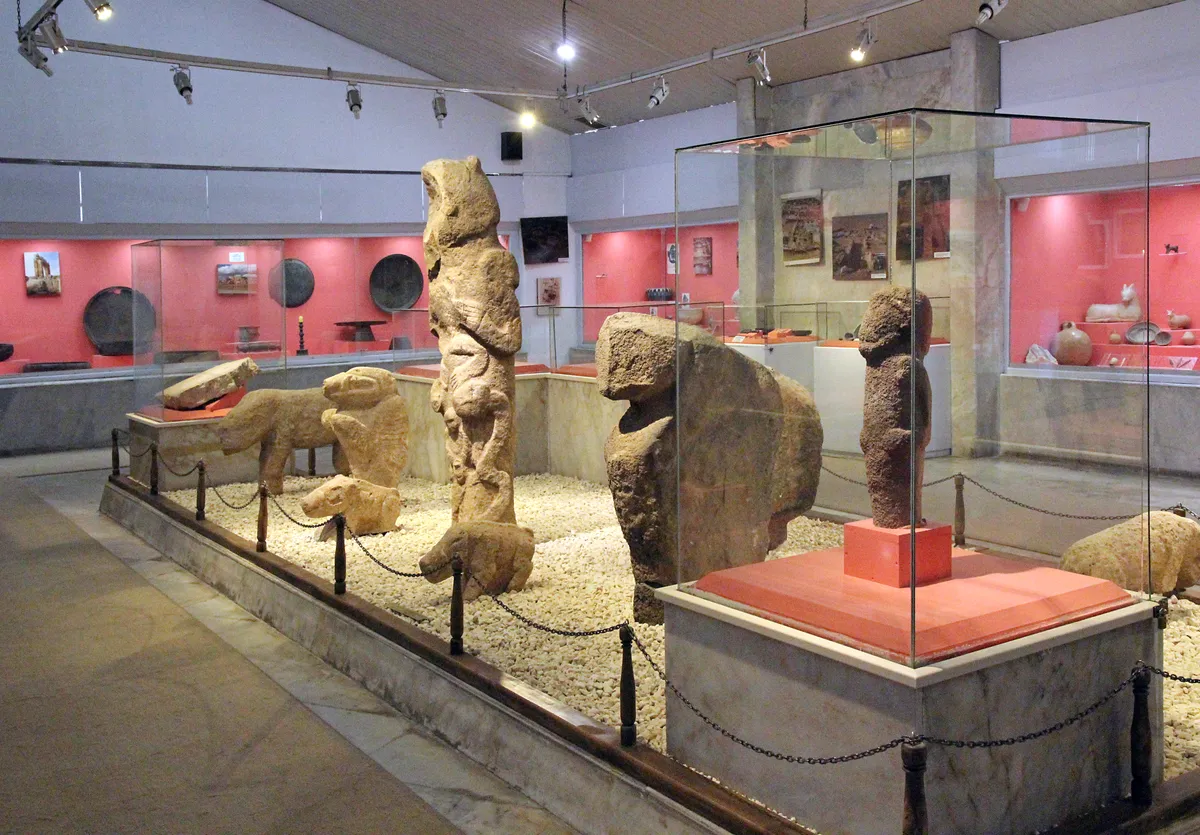
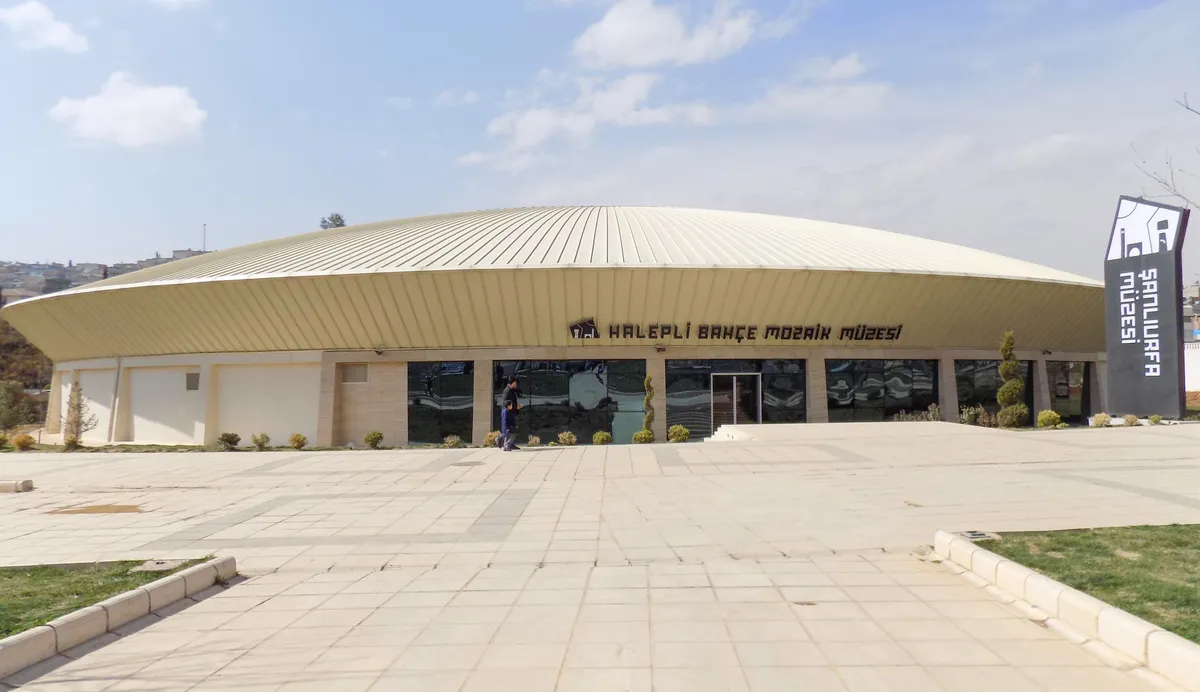
- 12:00 - 14:00 | Sanliurfa Archaeology Museum & Haleplibahce Mosaics: Explore one of Turkey's largest museum complexes to stand face-to-face with "Urfa Man" (the world's oldest naturalistic sculpture, circa 9000 BC) and admire the Roman mosaic villa depicting mythical Amazon warrior queens.
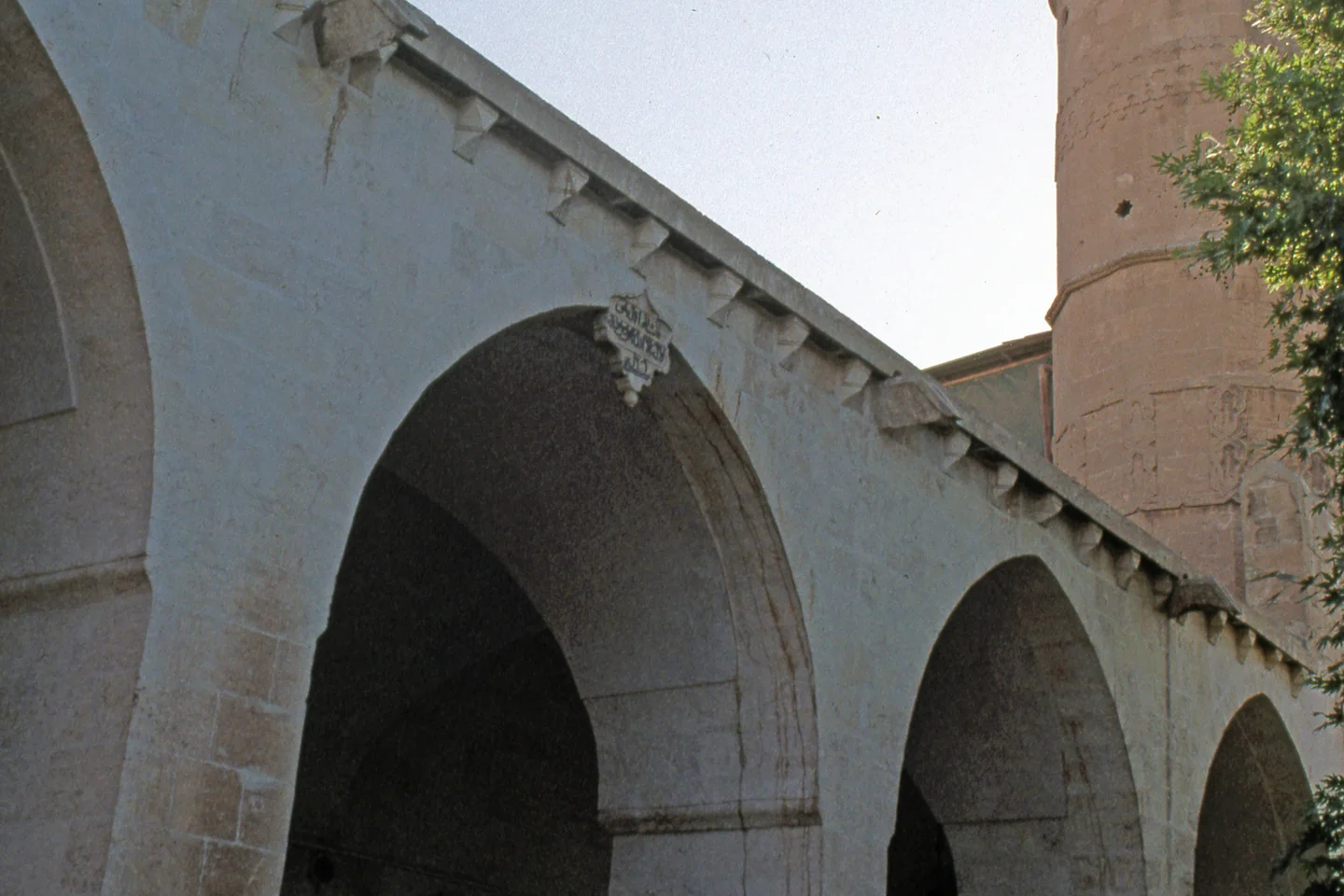
- 14:30 - 17:00 | Sacred Balikligol Pool & Aynzeliha: Walk the shaded stone arcades of Rizvaniye Madrasah, feed the revered carp, and take a rowing boat across Aynzeliha Pool, said to have formed from the tears of Nimrod's daughter.
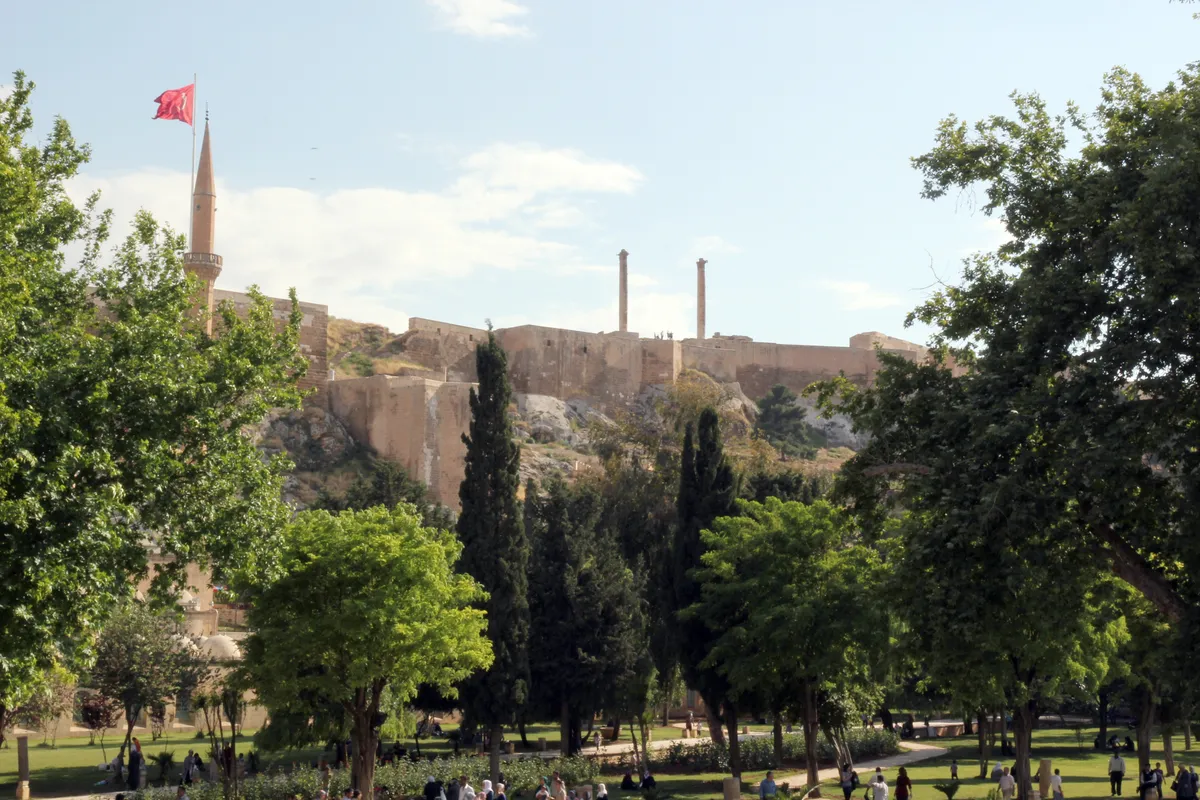
- 17:15 - 18:30 | Sanliurfa Castle Ramparts & Catapult Columns: Climb the stone tunnels to the citadel to capture the golden sunset over the ancient city and inspect the 17-meter Corinthian columns legendary known as Nimrod's catapults.
Day 2: Karahantepe, Job's Cave, Caravanserais & Sira Night
- 09:00 - 11:30 | Karahantepe Archaeological Site: Travel to Tek Tek Mountains National Park to discover Karahantepe, where more than 250 standing stones, ceremonial subterranean chambers, and human head sculptures carved directly into bedrock rewrite our understanding of prehistory.
- 12:00 - 13:00 | Sanctuary of Prophet Job (Eyyup Peygamber): Pay homage at the cave where the Prophet Job endured affliction with legendary patience and drink from the healing mineral well.
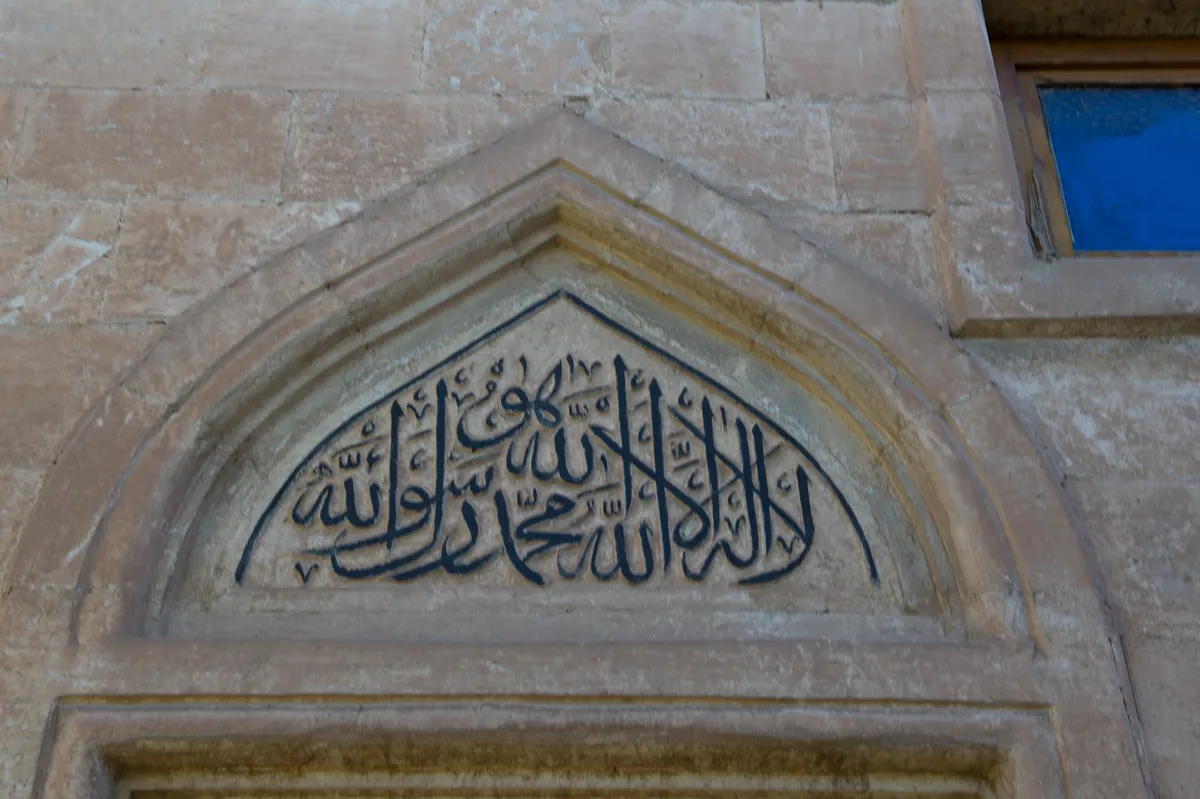
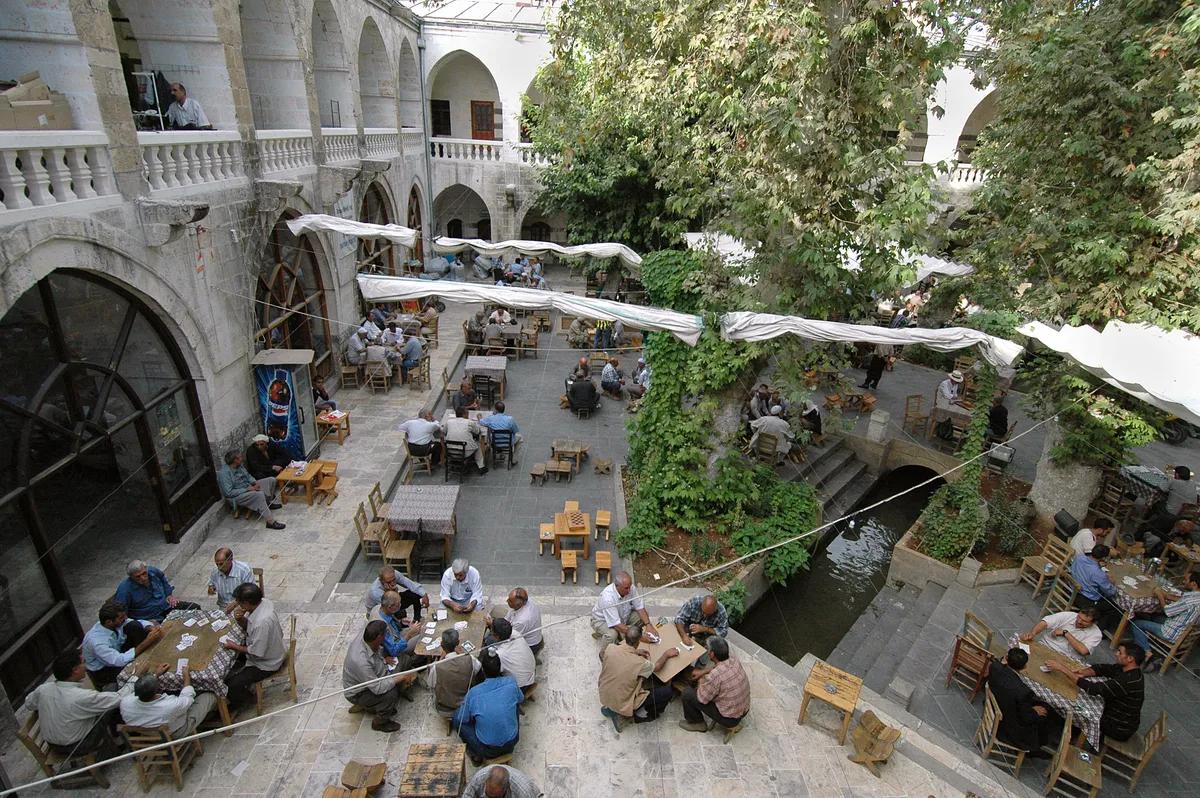
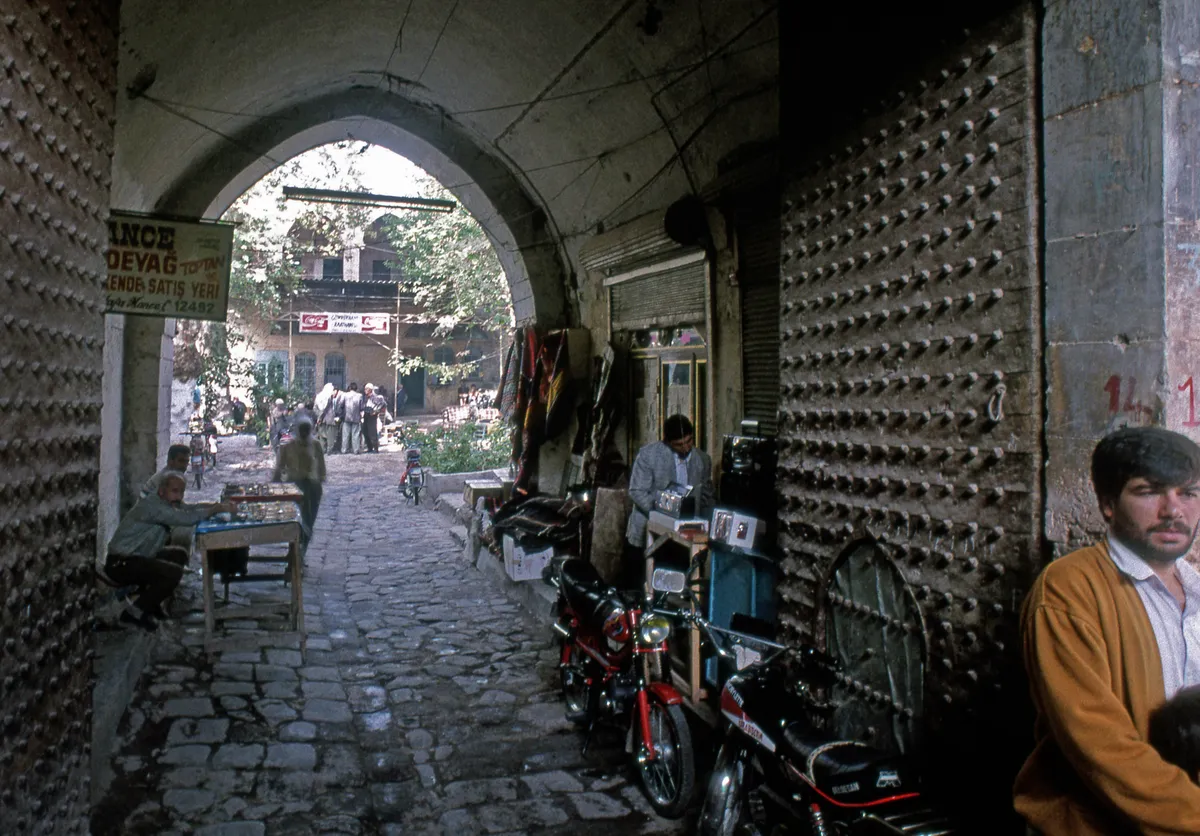
- 13:30 - 15:30 | Gumruk Hani Caravanserai & Spice Souks: Rest under the century-old plane trees of the 1563 Gumruk Hani to sip bitter Mirra coffee and browse traditional copper, silk, and Urfa pepper (isot) bazaars.
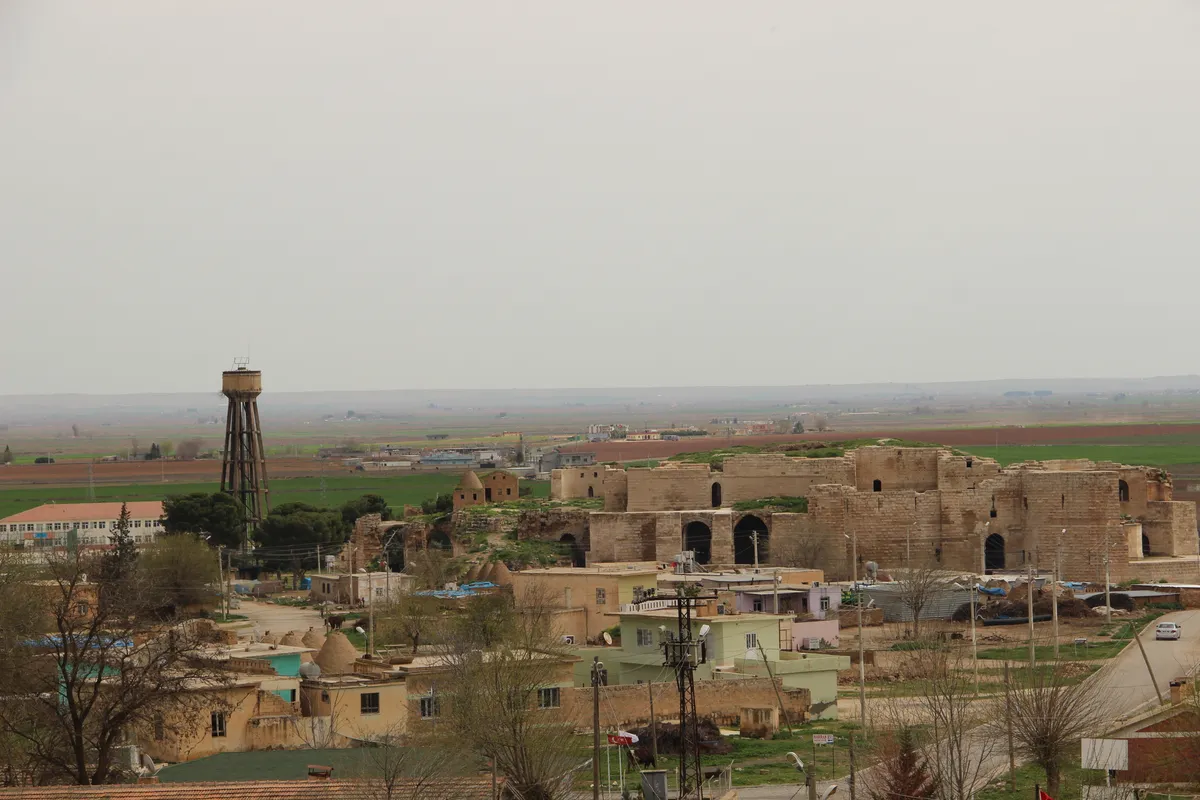
- 16:00 - 18:00 | Harran Mud-Brick Beehive Houses & Citadel: Tour the ruins of the world's oldest Islamic university and visit the 250-year-old conical clay beehive houses designed to remain cool in desert heat.
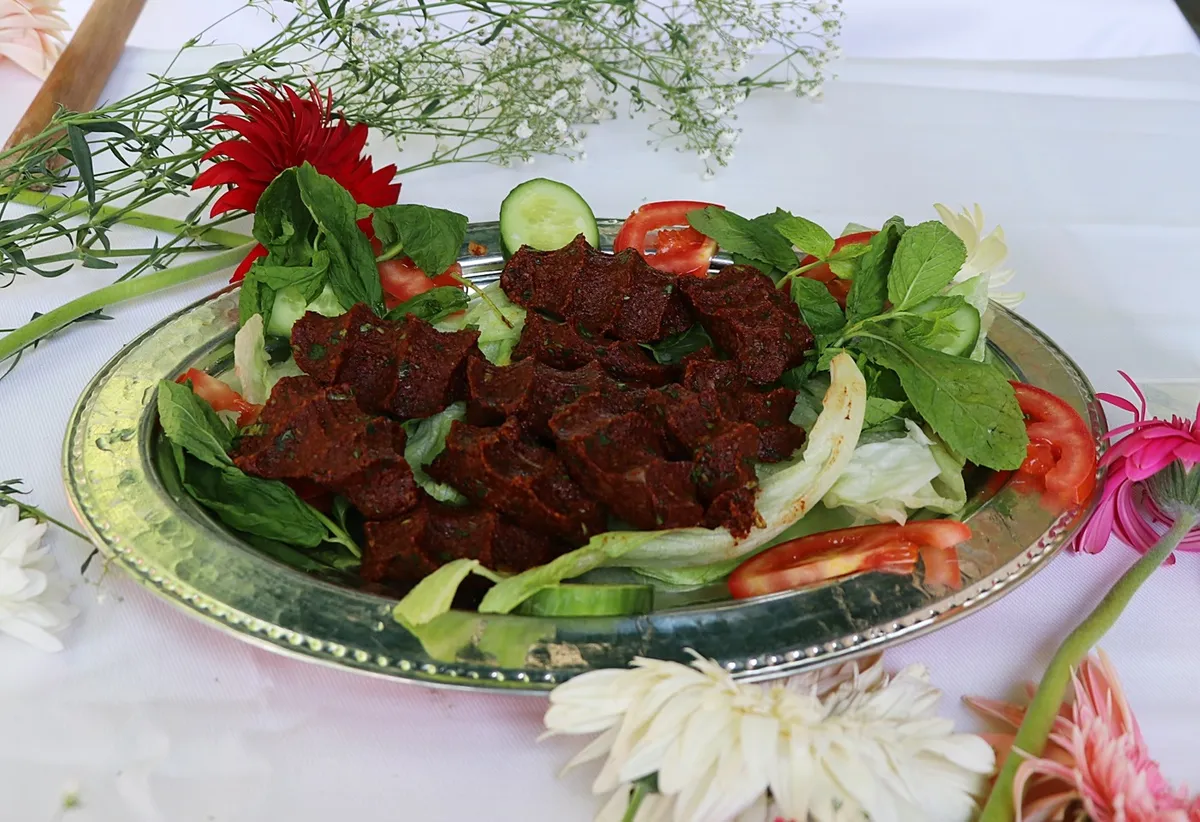
- 20:00 - 23:00 | Traditional Urfa Sira Night: Gather in a historical stone mansion for an evening of live folk songs, storytelling, and the live kneading of spicy raw meatball delicacy (cig kofte).
3. Transportation, Airport & City Transit
- Airport Access: Sanliurfa GAP Airport (GNY) is located 35 km north of the city. Official HAWAS airport shuttle buses meet every incoming domestic flight, reaching Balikligol and the city center in approximately 40 minutes.
- Transit to Gobeklitepe: Public municipal bus Line 100 (Gobeklitepe Ring) departs regularly throughout the day from the Abide Central Transfer Station directly to the archaeological park entrance.
- Walking in Old City: Balikligol, Archaeology Museum, Gumruk Hani, and the Castle are closely clustered within walking distance in the Eyyubiye district.
4. Top Photography Angles & Golden Hours
- Gobeklitepe Enclosure D: Early morning light (08:30 - 10:00) streams horizontally beneath the canopy, casting dramatic shadows across the animal reliefs on Pillars 18 and 31.
- Balikligol & Madrasah Reflection: Capture the late afternoon reflection of the arched colonnades on the mirror-like turquoise water between 17:30 and 18:30.
- Urfa Castle Monoliths: Position your camera between the two Corinthian pillars at sunset to frame the warm sandstone domes of the historic townscape.
5. Renowned Culinary Heritage: What to Eat
- Urfa Kebab (Armored Minced Lamb): Hand-chopped male milk lamb meat seasoned with native Urfa isot pepper, skewered over oak coals and served with roasted tomatoes and flatbread.
- Morning Liver Kebab (Ciger): Savor local morning tradition between 06:00 and 08:00 at traditional stalls around Gumruk Hani, rolling skewered lamb liver with fresh mint and sumac onions into warm lavash.
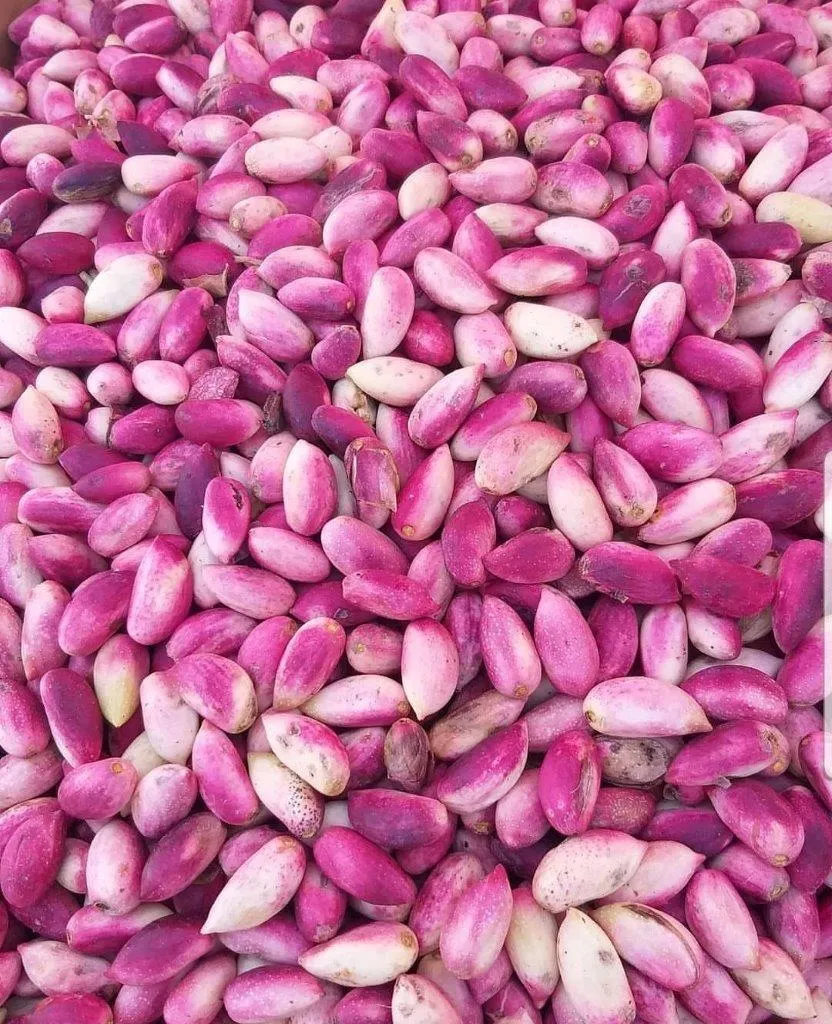
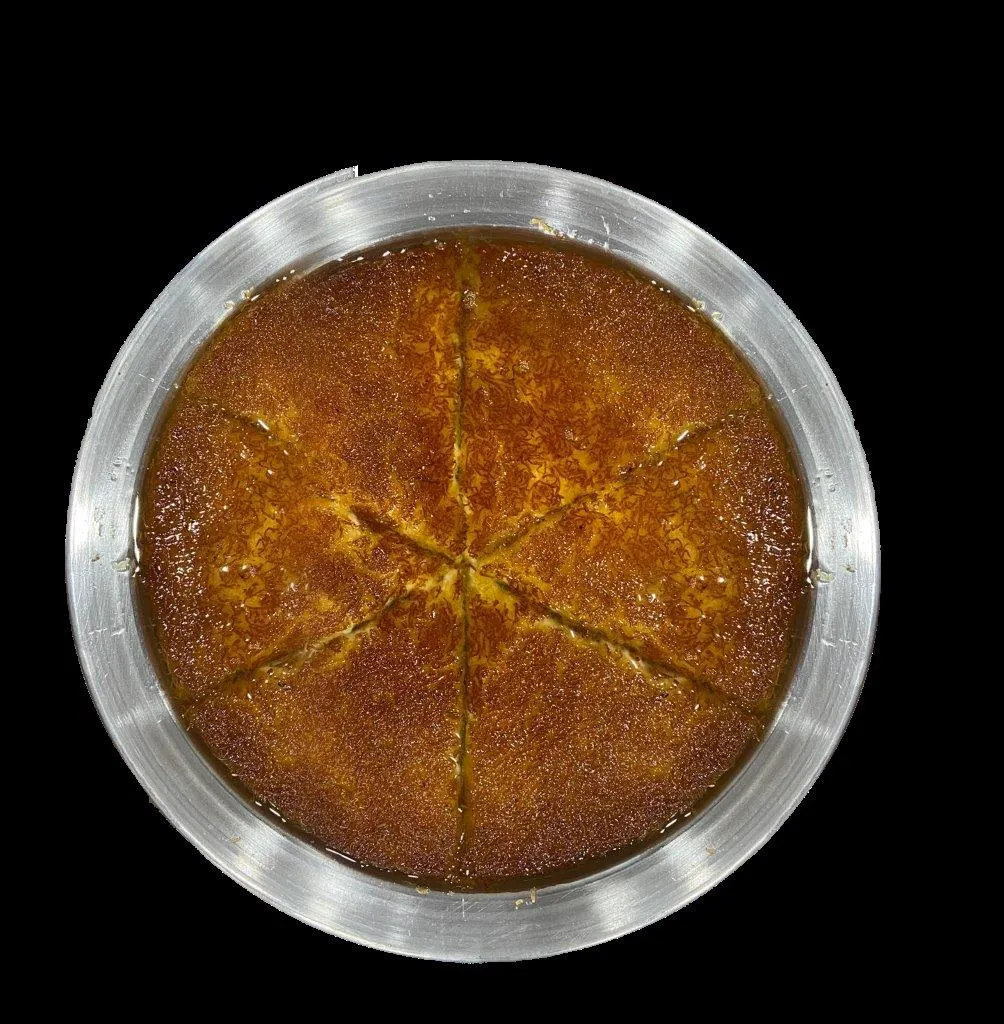
- Sillik Dessert & Billuriye: Delicate crepes folded with crushed pistachio and walnut, drenched in clarified butter syrup.
- Mirra Coffee: The ceremonial double-boiled bitter coffee served in handleless demitasse cups, offered in two sips as a hallmark of southeastern hospitality.