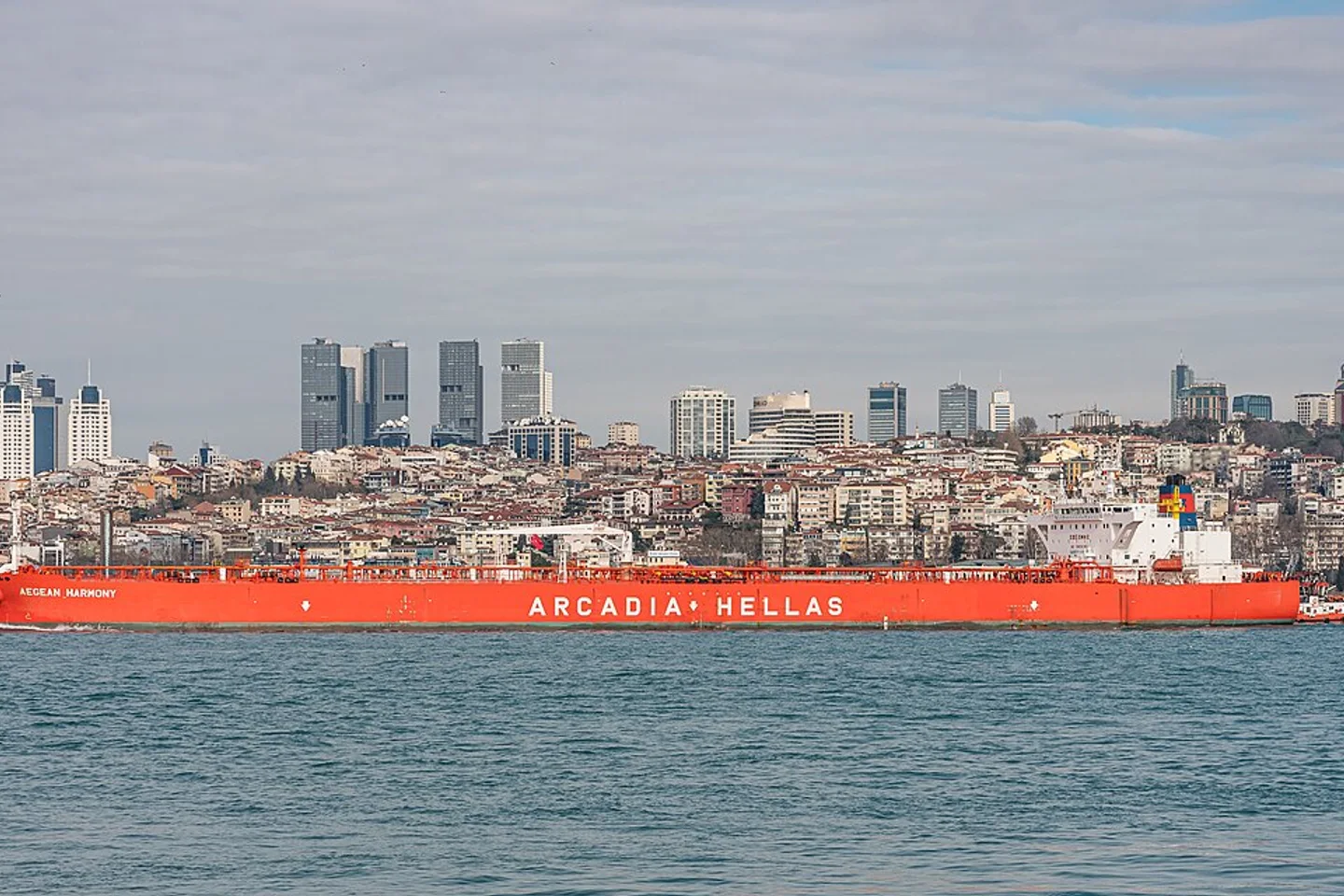
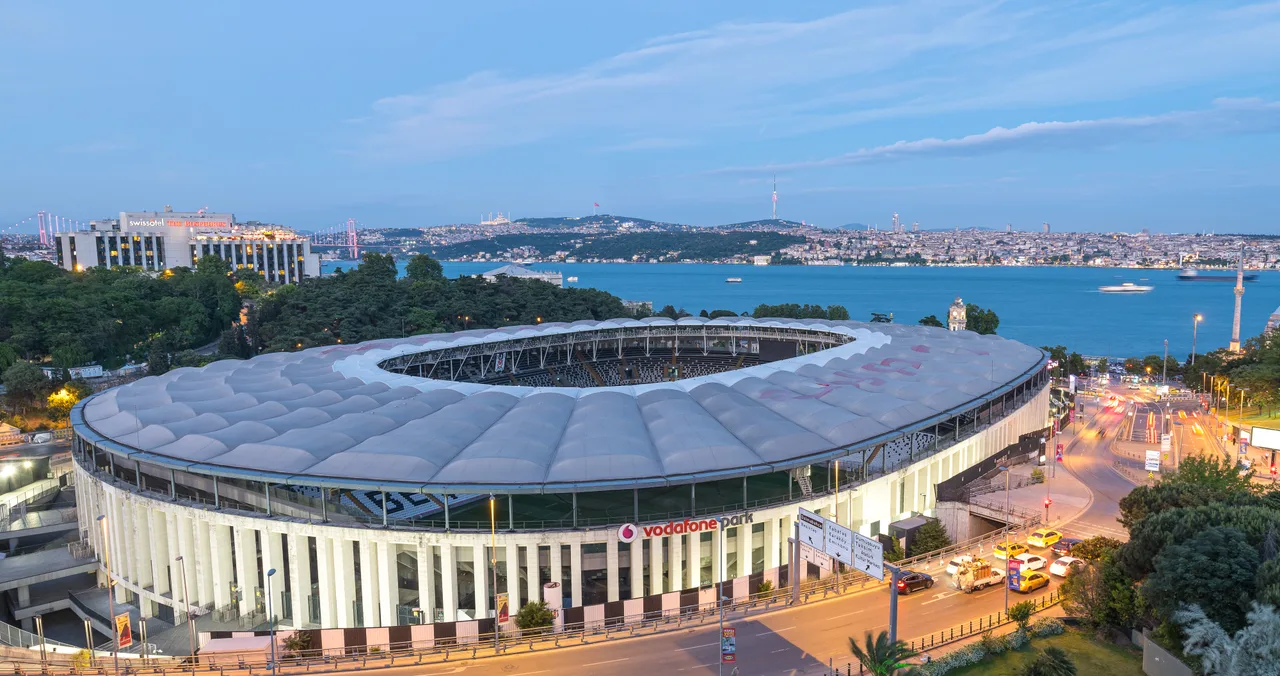
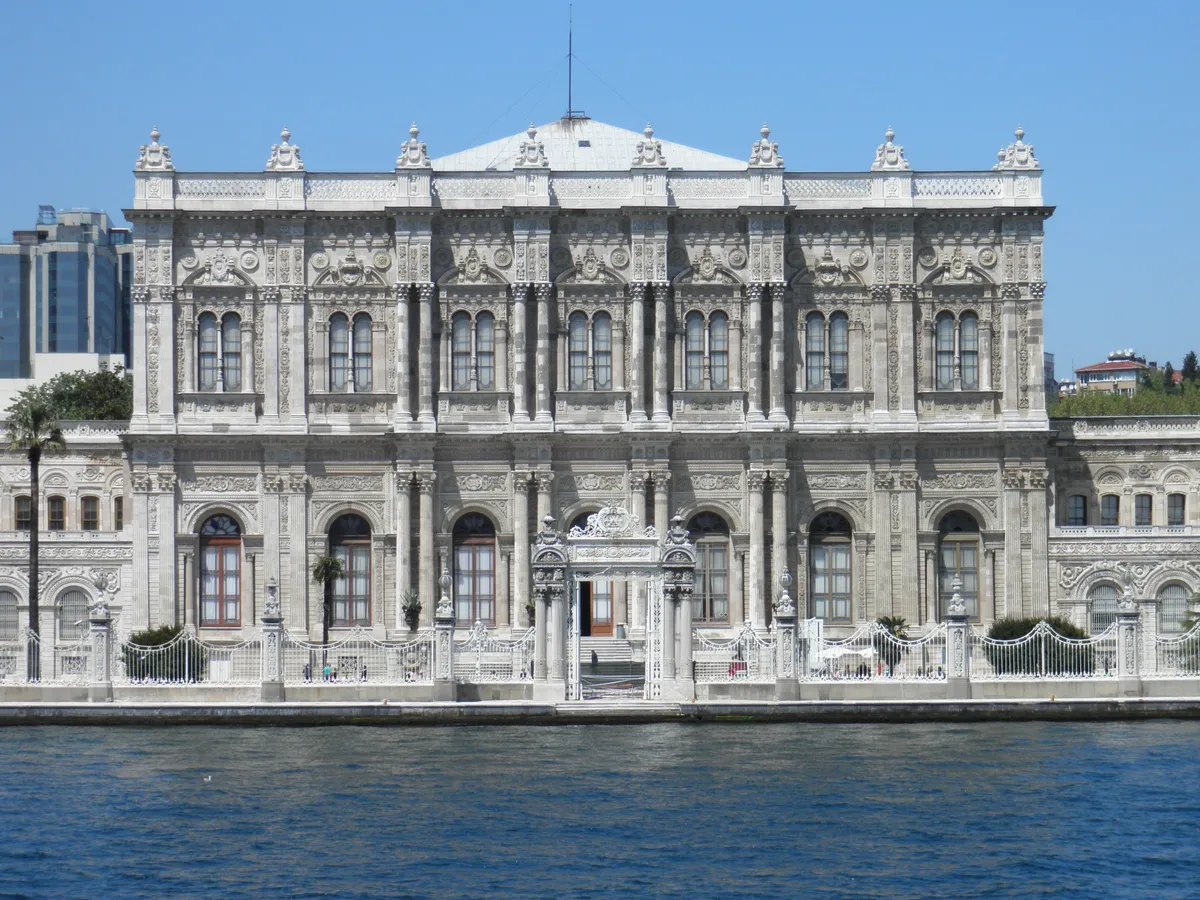
Lined with monumental imperial palaces reflecting upon the azure waters of the Bosphorus Strait, shaded by century-old plane trees, and enlivened by historic ferry horns and neoclassical row houses, Besiktas and Ortakoy form the most enchanting cultural corridor of Istanbul. Beginning from the historic pier where Ottoman Grand Admiral Barbaros Hayrettin Pasha set sail with his armada, this scenic route sweeps past the late-Ottoman masterworks of Dolmabahce and Ciragan Palaces, reaching the iconic Ortakoy Buyuk Mecidiye Mosque framed beneath the Bosphorus Bridge and the lush forest slopes of Yildiz Palace.
- Deep History: From Ottoman Fleet Haven to Imperial Capital
Known in antiquity as "Diplokionion" (Double Columns) or "Kuni Petro", Besiktas was a protected cove hosting summer pavilions and sacred springs during the Byzantine era. The area gained historic prominence in the 16th century when Grand Admiral Barbaros Hayrettin Pasha made Besiktas the primary mooring and rendezvous base for the Ottoman imperial navy. Before embarking on Mediterranean naval campaigns, fleets assembled off its shores, and Barbaros erected his grand mausoleum and mosque here.
In the 19th century, as the Ottoman court moved permanently away from Topkapi Palace to the waterfront, Besiktas became the de facto seat of empire. Dolmabahce Palace, followed by Ciragan Palace and the secluded hilltop pavilions of Yildiz Palace—all designed by the celebrated Balyan dynasty of imperial architects—blended Baroque, Rococo, and Neoclassical styles with traditional Ottoman splendor. Today, Besiktas thrives as a vibrant center of universities, lively bazaars, and artistic promenades.
- Two-Day Detailed Itinerary & Landmark Explorations
Day 1: Imperial Palaces, Maritime Heritage & Akaretler Row Houses
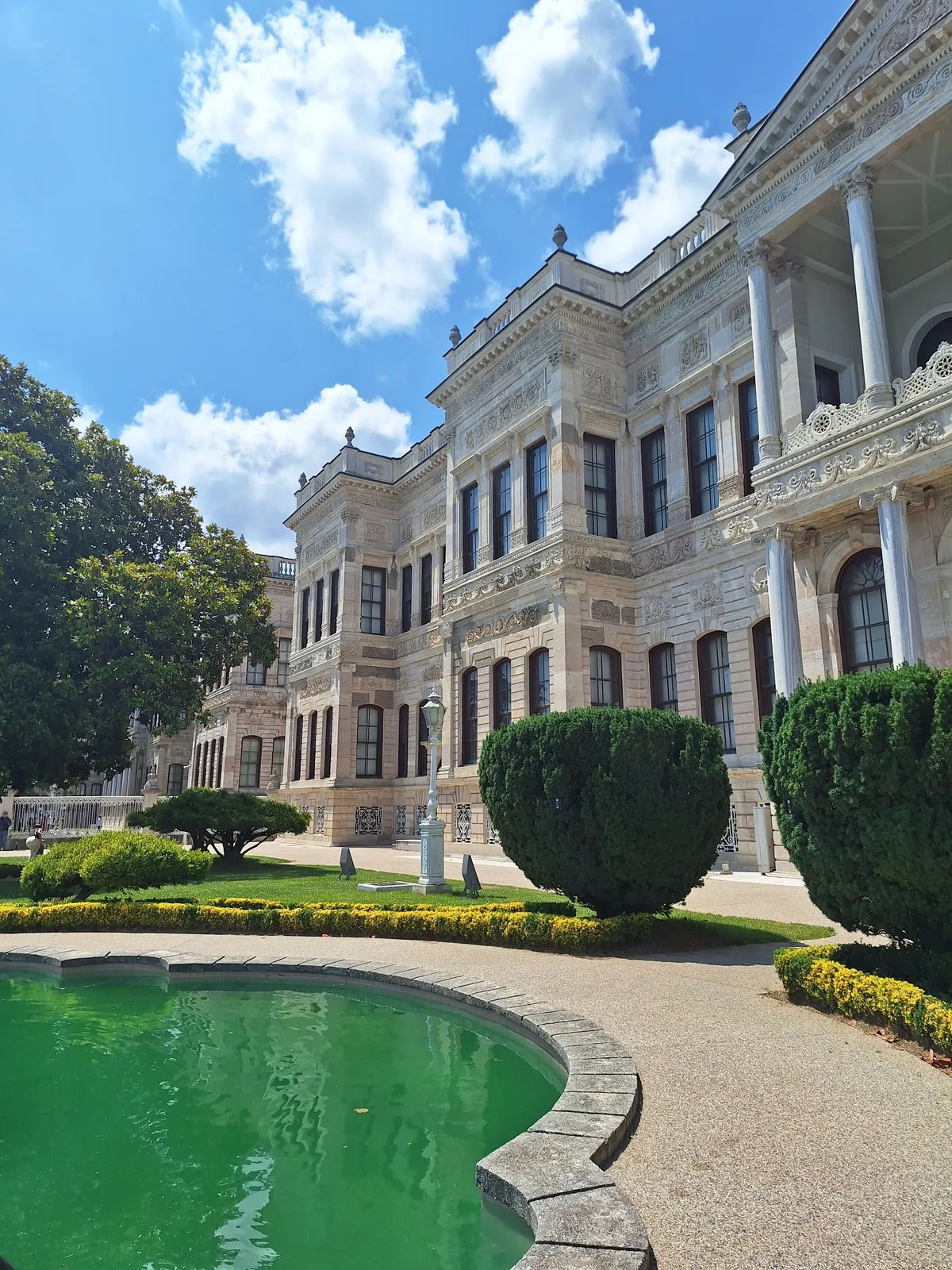
- Dolmabahce Palace (National Palaces)
Commissioned by Sultan Abdulmejid I in 1856 and designed by Garabet and Nigogos Balyan, Dolmabahce boasts 285 rooms, 44 reception halls, and an opulent Ceremonial Hall housing a legendary 4.5-ton Bohemian crystal chandelier. It is also deeply revered as the residence where Mustafa Kemal Ataturk, founder of modern Turkey, passed away in 1938.
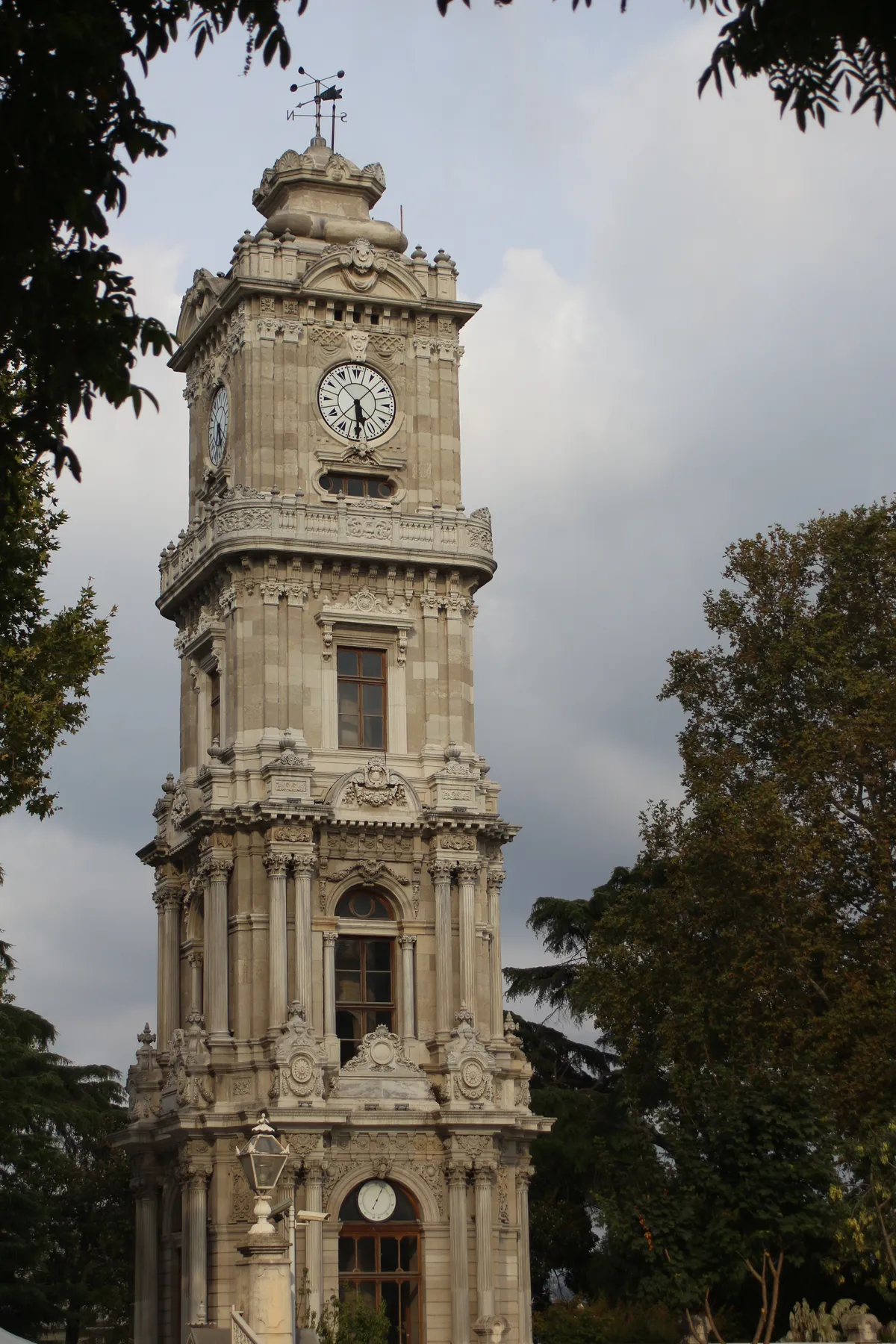
- Dolmabahce Clock Tower
Erected between 1890 and 1895 by Sultan Abdulhamid II, this 27-meter four-story Neobaroque tower stands between the Bezmialem Valide Sultan Mosque and the palace gates. Its French-crafted Paul Garnier clock faces remain operational to this day.
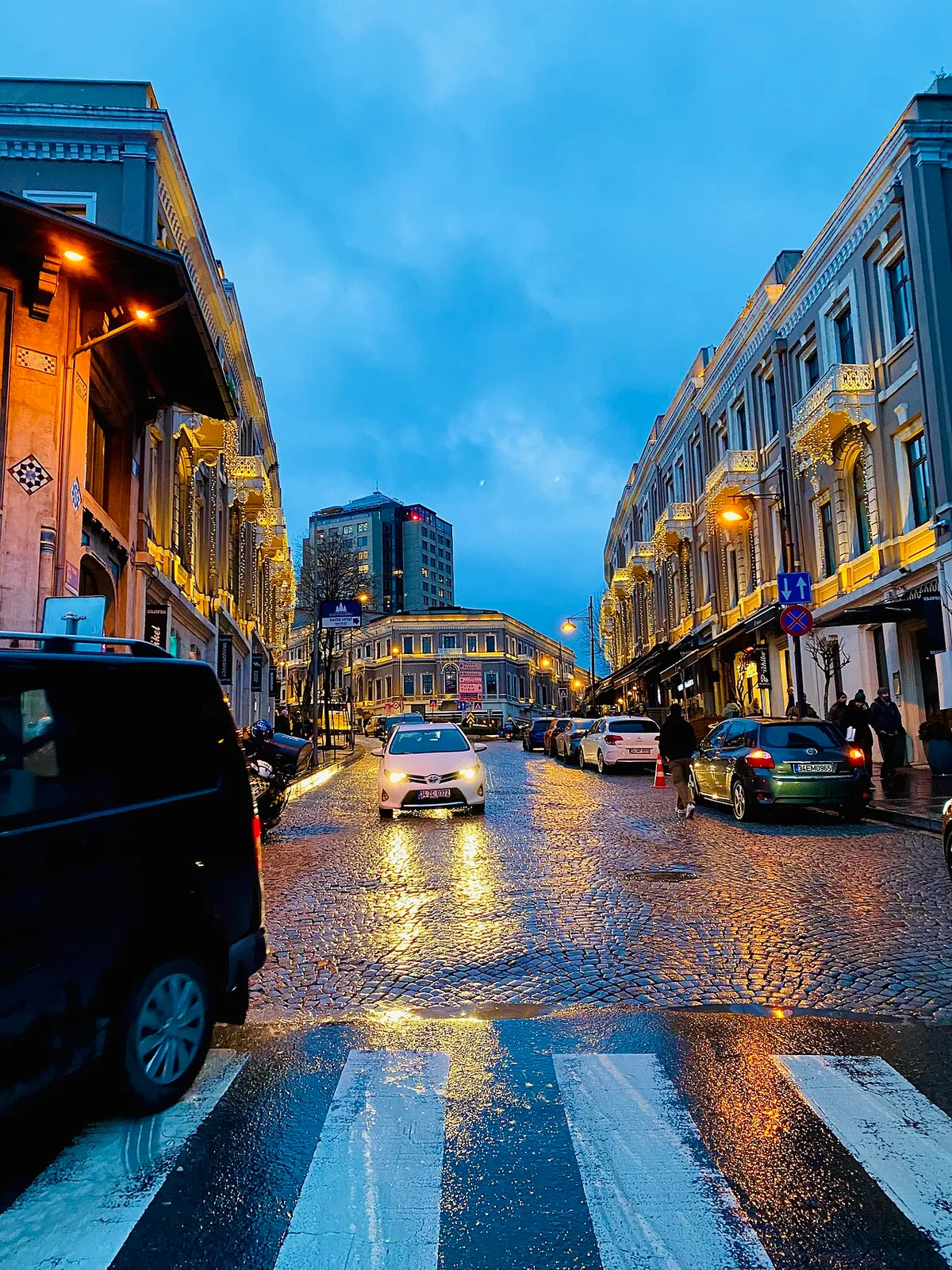
- Historic Akaretler Row Houses (1875 - Balyan Architecture)
Built by court architect Sarkis Balyan to house palace staff and high officials, Akaretler is the Ottoman Empire's first unified row-house residential complex. Today beautifully restored, it hosts designer boutiques, art galleries, and the memorial home of Ataturk's mother, Zubeyde Hanim.
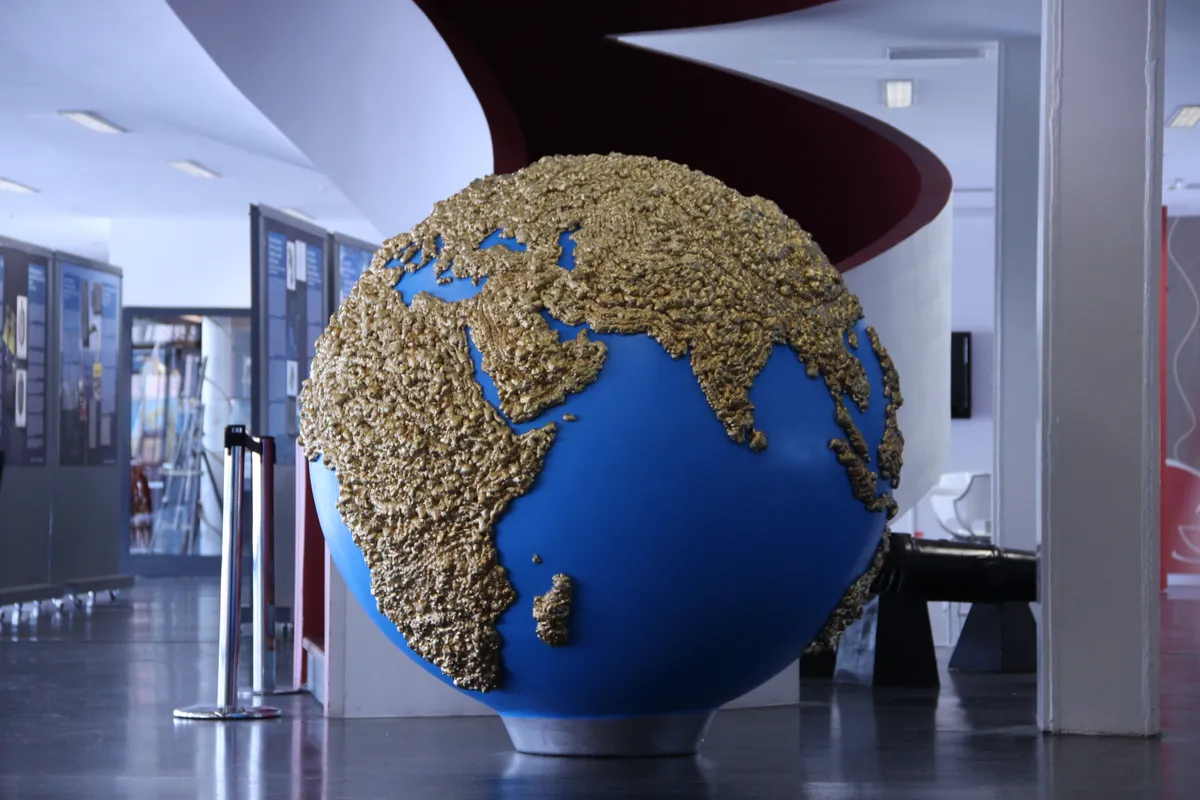
- Istanbul Naval Museum & Imperial Galleys
Turkey's premier maritime museum houses one of the world's finest collections of historic wooden ships. Its crown jewel is the 40-meter-long Tarihi Kadirga (Imperial Galley), the oldest surviving original galley on the planet, accompanied by gilded imperial caiques.
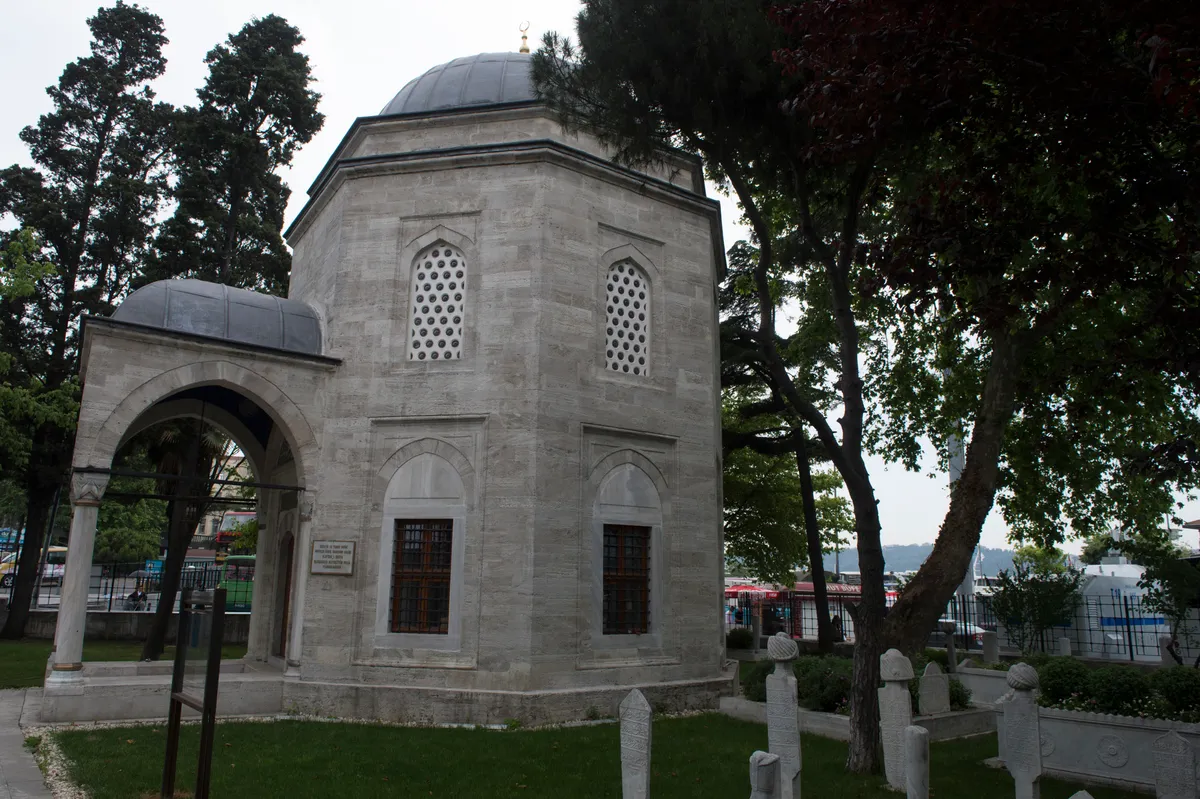
- Barbaros Hayrettin Pasha Mausoleum & Memorial
Designed by chief architect Mimar Sinan in 1546, this elegant octagonal tomb stands where the admiral's fleet once anchored. Outside, a bronze monument depicts the fearless naval conqueror standing alongside his maritime crew.
Day 2: Painting Museum, Ciragan, Yildiz Palace & Ortakoy Square
- National Palaces Painting Museum (Crown Prince Residence)
Housed inside the lavish Crown Prince Residence of Dolmabahce, this museum presents Ottoman palace art treasures, featuring works by Osman Hamdi Bey, Seker Ahmed Pasha, Fausto Zonaro, and Ivan Aivazovsky beneath exquisitely gilded ceilings.
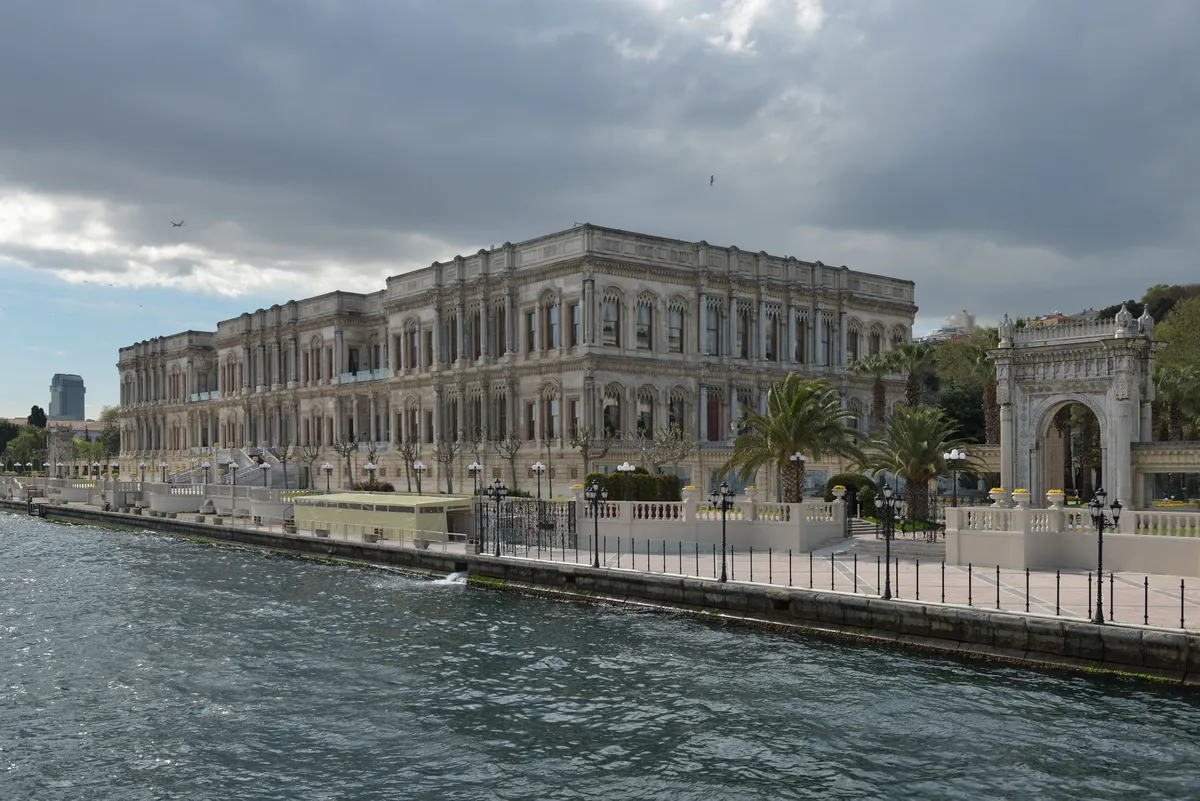
- Historic Ciragan Palace (1871)
Constructed by Sultan Abdulaziz and designed by Sarkis Balyan, Ciragan is famed for its monumental marble facades and intricate Moorish arches lining the water's edge. Restored faithfully after a tragic 1910 fire, it stands as a pinnacle of luxury and imperial heritage.
- Yildiz Palace Complex & Sale Kiosk (National Palaces)
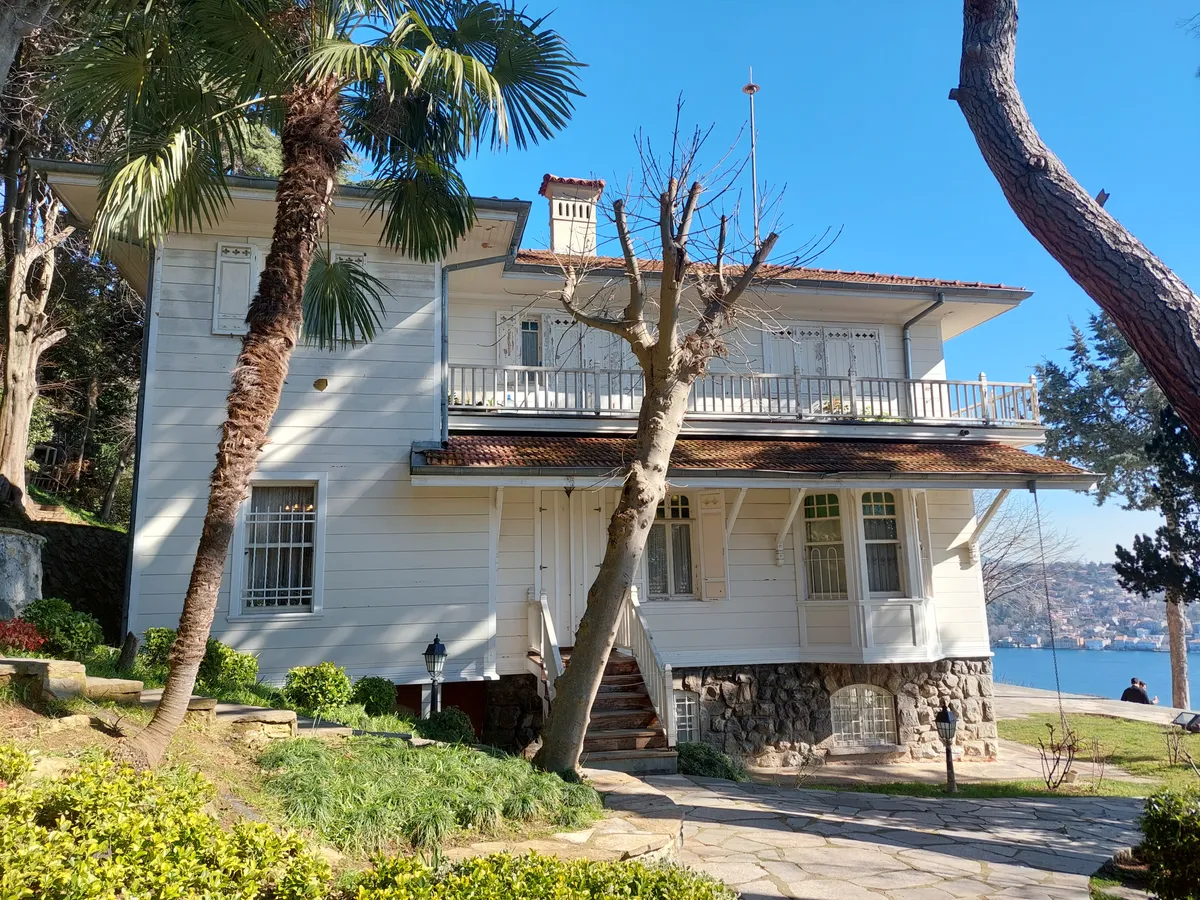
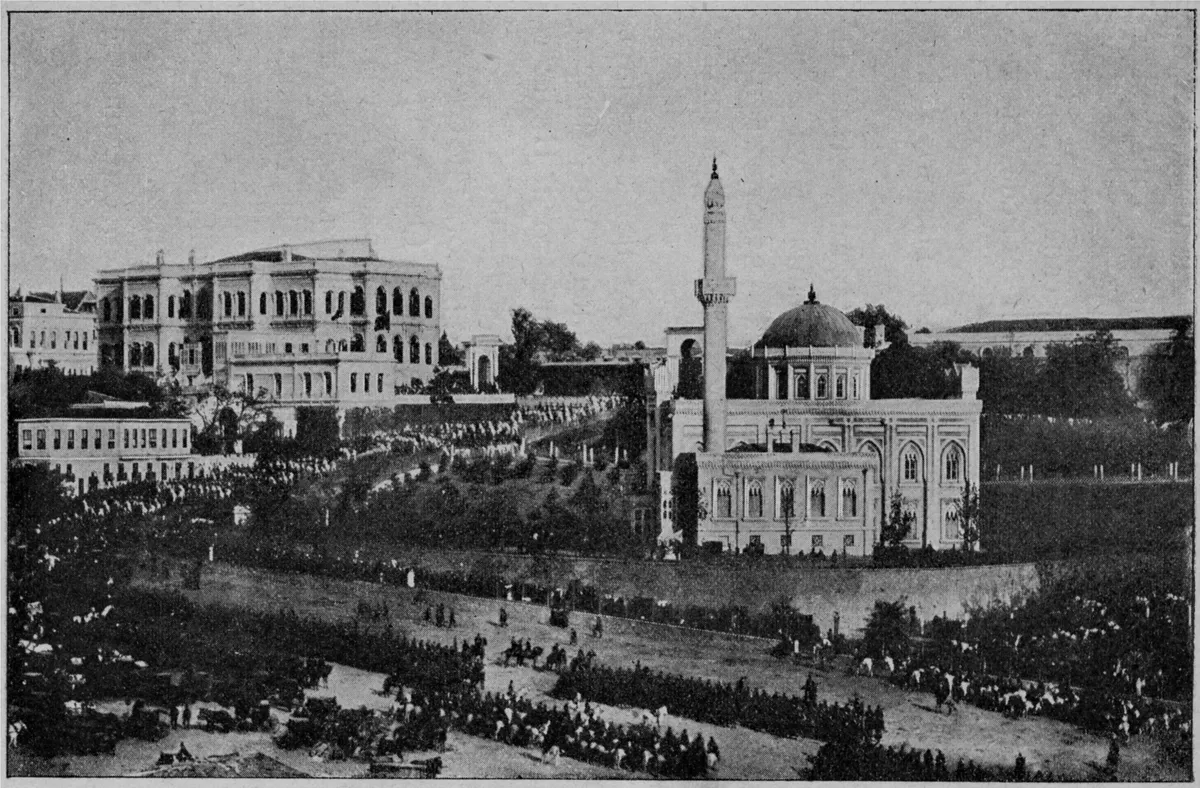
Serving as the private residence and state headquarters of Sultan Abdulhamid II for 33 years, Yildiz Palace is a self-contained estate of woodland pavilions, libraries, and workshops. The Swiss-chalet style Sale Kiosk with its mother-of-pearl salon is an architectural masterpiece.
- Ortakoy Buyuk Mecidiye Mosque
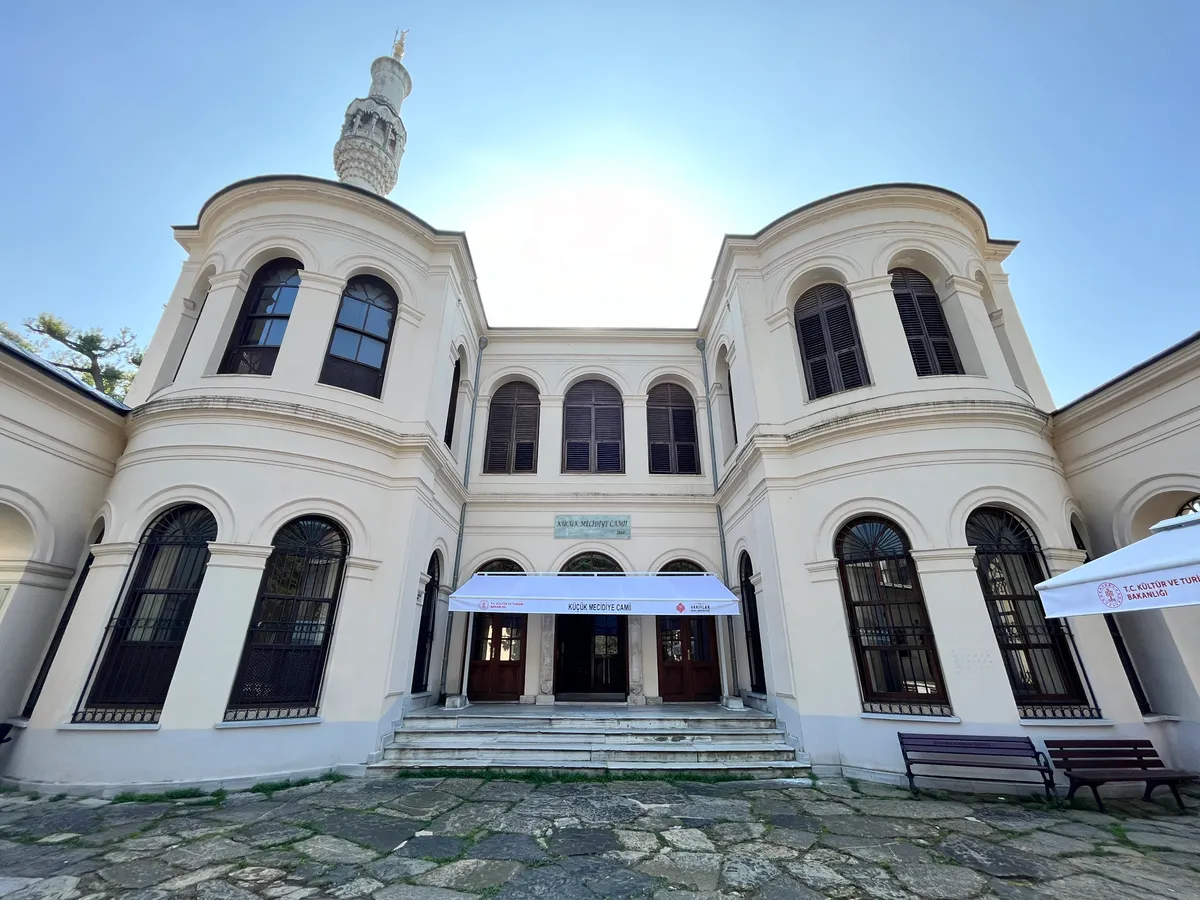
Built in 1854 by Nigogos Balyan for Sultan Abdulmejid, this jewel of Neo-Baroque architecture appears to float atop the water right beside the Bosphorus Bridge. Soaring arched windows flood the interior prayer hall with reflections of blue water.
- Historic Bebek Park & Coastal Promenade
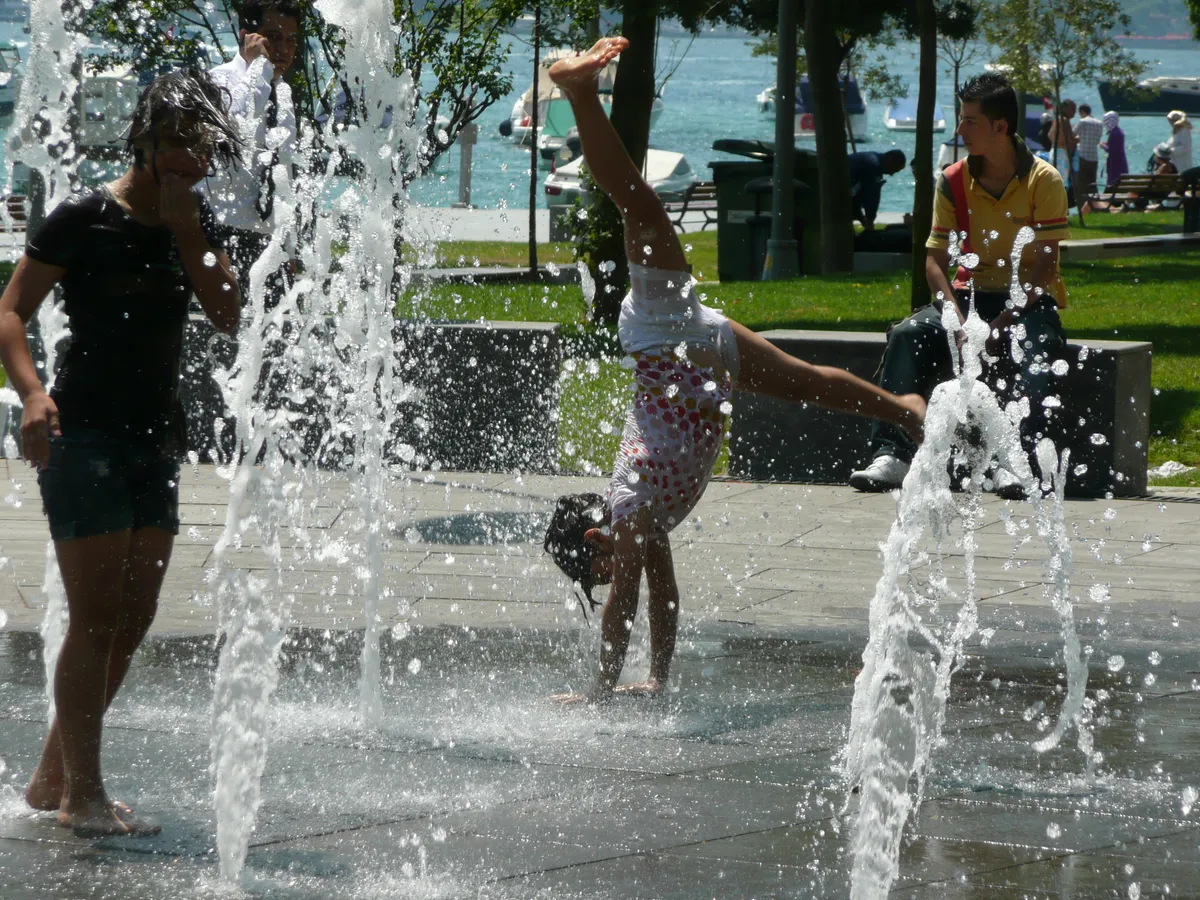
Extending north from Ortakoy through Kurucesme and Arnavutkoy to Bebek, this coastal promenade is adorned with traditional wooden waterfront yalis (mansions) and ancient plane trees. Bebek Park provides the perfect seaside haven to unwind and watch strait maritime traffic.
- Visiting Hours, 2026 Ticket Fees & Practical Advice
- Dolmabahce Palace (Selamlik + Harem + Painting Museum): Closed on Mondays. Open Tuesday through Sunday, 09:00 - 17:30. Combination tickets cover all main sections. Audio guides are provided in multiple languages. To avoid long lines during peak hours, arrive around 09:00 or reserve online.
- Yildiz Palace & Sale Kiosk: Closed on Mondays. Open Tuesday through Sunday, 09:00 - 17:30. The sprawling public forest grounds of Yildiz Park are accessible 24/7 free of charge.
- Istanbul Naval Museum: Closed on Mondays. Open weekdays 09:00 - 17:00, weekends 10:00 - 18:00. Standard military museum entry fees apply.
- Ortaköy Mosque: Open daily for visits outside obligatory prayer times, roughly 09:00 - 19:00. Admission is completely free. Modest dress is required (headscarves and coverings provided at entrance). Closed to tour visits during Friday prayer.
- Barbaros Hayrettin Pasha Tomb: Mausoleum interior is open on select commemorative dates and Friday mornings; the surrounding public monument square is accessible at all times.
- Transit & Transportation Lines
- Ferry Routes (Sehir Hatlari & Private Boats): Frequent public ferries connect Besiktas and Ortakoy with Kadikoy, Uskudar, and the Asian shore. This is the fastest and most scenic way to travel, avoiding city traffic.
- Tram & Funicular Connections: Take the T1 Tram line to Kabatas terminus, followed by a pleasant 10-minute waterfront walk to Dolmabahce Palace and Besiktas. The F1 Funicular line also connects Taksim Square to Kabatas in two minutes.
- Metro Access (M7 Yildiz Station): The M7 metro line connects directly to Yildiz Station, providing easy access to upper Besiktas and Yildiz Park.
- Bus Lines: Regular buses (22, 25E, 40T, 42T) depart from Taksim, Eminonu, and Sariyer, running all along the Bosphorus coastal boulevard.
- Parking Notice: Multi-story parking garages are available in central Besiktas and Akaretler; however, weekend traffic on the coastal avenue is notoriously heavy. Public transit and sea ferries are strongly recommended.
- Local Gastronomy & Smart Traveler Recommendations
From street-food rituals to historic tradesmen diners and refined waterfront seafood taverns, Besiktas and Ortakoy offer a legendary culinary playground:
- Ortakoy Kumpir & Fresh Waffles: Savoring a steaming baked potato stuffed with savory toppings while admiring the Bosphorus Bridge is an quintessential Istanbul ritual.
- Historic Besiktas Wood-Fired Doner: At the entrance of the lively Besiktas Bazaar, traditional thin-sliced doner kebabs roasted on wood-fire sell out early in the afternoon.
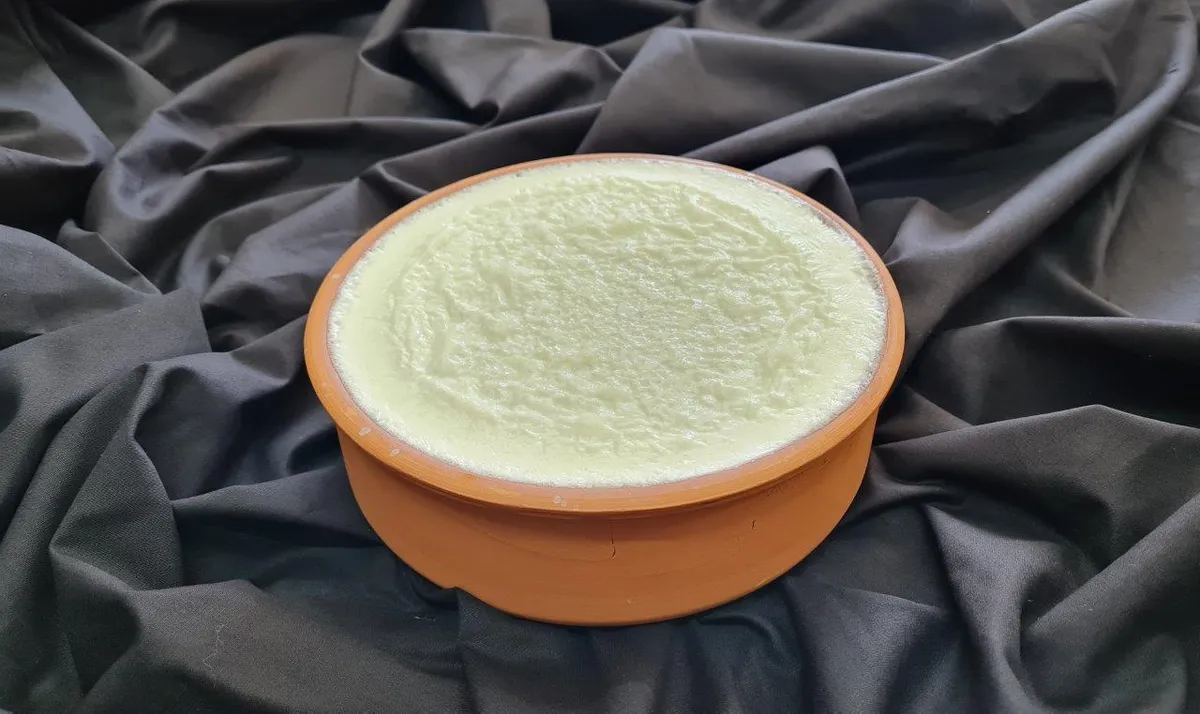
- Besiktas Breakfast Street (Celebioglu Sokak): A buzzing pedestrian street lined with open-air cafes serving sizzling eggs in copper pans (menemen), hot fried pastries (pisi), and honey with clotted cream.
- Artisan Cafes of Akaretler: Take a relaxing pause among specialty coffee houses and French patisseries tucked between historic neoclassical facades.
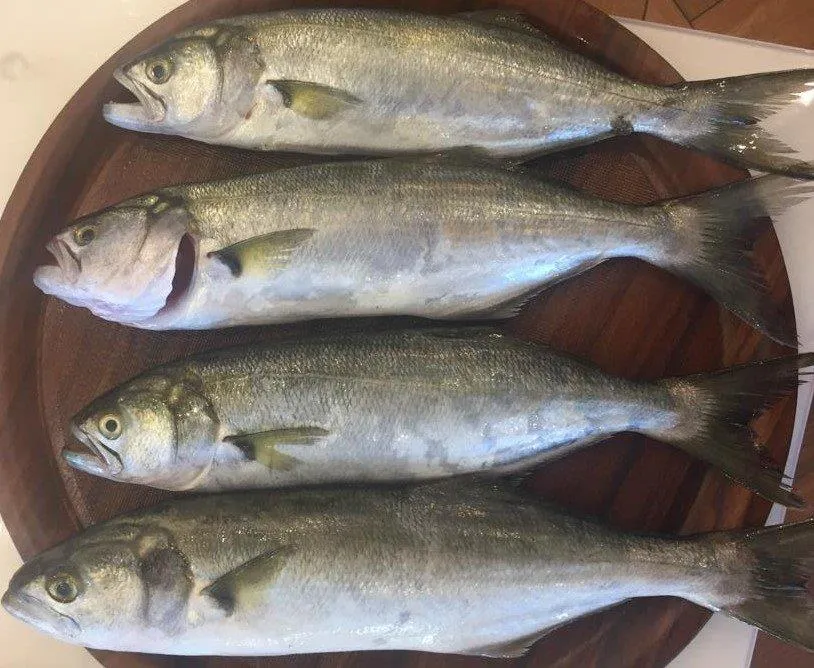
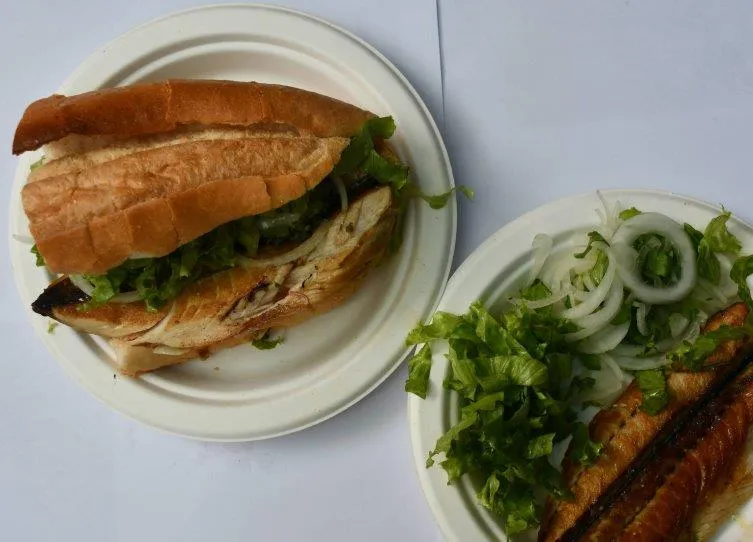
- Bosphorus Seafood Taverns: Enjoy locally caught seasonal fish (bluefish, sea bass, horse mackerel) with mezes at waterfront restaurants in Ortakoy and Arnavutkoy.
The most breathtaking photographs of Ortakoy Mosque and the Bosphorus Bridge are captured early in the morning between 07:30 and 09:00, when the rising sun illuminates the stone facade and the square is free from tourist crowds. When exploring Yildiz Park, take a short cab to the upper Malta Pavilion gate and walk leisurely downhill to avoid the steep slope.