
A Necklace by Night and a Garden by Day: Mardin Travel Guide 2026: Stone Mansions, Deyrulzafaran, Midyat Filigree and Dara Ruins


Cascading down a precipitous limestone cliff that commands the sea-like horizon of the Upper Mesopotamian plain, Mardin is a living medieval fairytale wrought in golden ashlar stone. Renowned throughout the Orient as "a garden by day and a glittering diamond necklace by night," this ancient stronghold stands as an immortal crossroads of tongues, faiths, and cultures, where Syriac, Arab, Turkish, and Kurdish traditions have harmoniously interwoven for millennia.
From the pinnacle of Artuqid Islamic architecture to the mystical monasteries of Tur Abdin; from the gargantuan subterranean water cisterns of Roman Dara to the gossamer-fine silver filigree ateliers of Midyat, Mardin promises an enchanting journey back in time. Here is your comprehensive guide for the 2026 travel season.
1. Deyrulzafaran Syriac Orthodox Monastery: A 16-Century Sanctuary Atop a Sun Temple
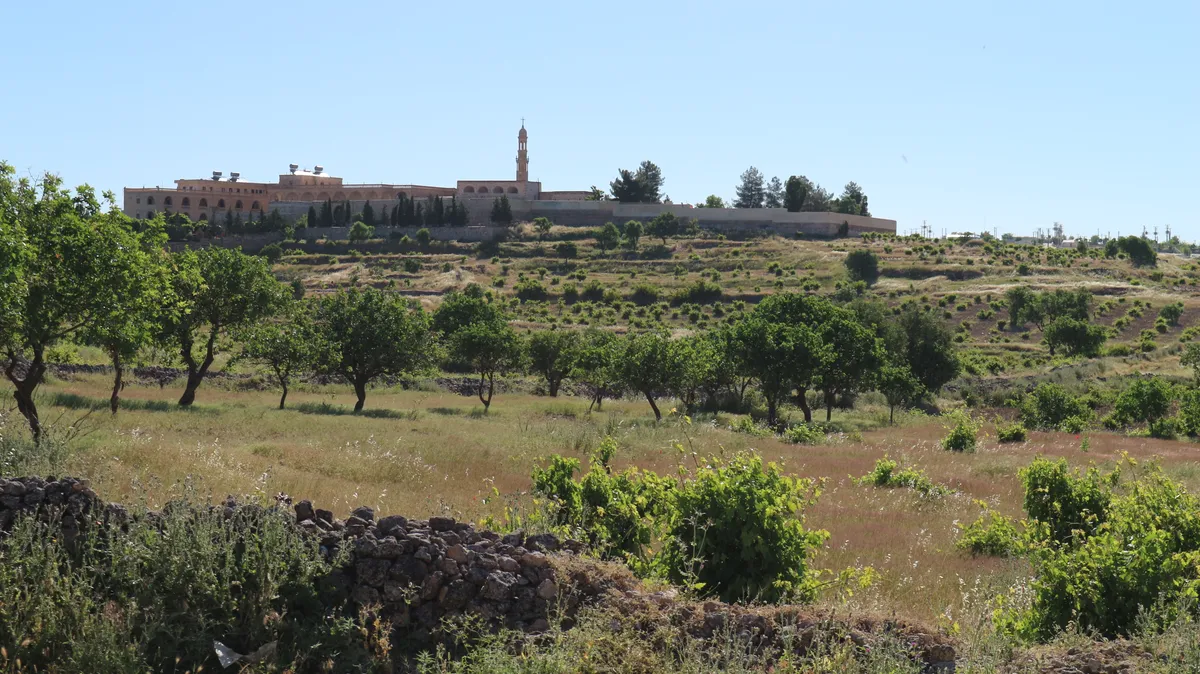
Nestled in a peaceful valley 5 kilometers southeast of Mardin, Deyrulzafaran Monastery (Saffron Monastery) was founded in the 5th century and served as the official seat of the Syriac Orthodox Patriarchate of Antioch for 640 consecutive years until 1932. The monastery stands upon the cyclopean foundations of a sun temple erected in 2000 BCE by pagan Shamash worshippers, whose mortar-free interlocking ceiling slabs still defy gravity.
Named after the wild saffron blossoms that carpet the surrounding hills, the complex includes the Church of Mor Hananyo, the Virgin Mary Chapel, the sacred Crypt of the Saints (where 52 patriarchs are entombed seated upright on stone thrones), and the historic 18th-century Syriac printing press. Sipping fragrant saffron tea in the stone courtyard while listening to ancient Aramaic chants is an unforgettable spiritual experience.
- Location: Artuklu District, Deyrulzafaran Road (5 km from city center).
- Hours: Daily 09:00 - 17:00 (Closed between 12:00 and 13:00 for lunch).
- Guided Tours: Access is permitted exclusively through official monastery guides in scheduled batches.
- Etiquette: As an active sacred sanctuary, modest attire covering shoulders and knees is strictly required.
2. Kasimiye Madrasa & The Philosophy Pool: An Architectural Allegory of Human Life
Begun under the Artuqid dynasty and completed in the late 15th century by Sultan Kasim of the Aq Qoyunlu, the Kasimiye Madrasa was a celebrated Islamic academy of astronomy and medicine. Beyond its academic legacy, it houses one of world architecture's most poignant philosophical water features.
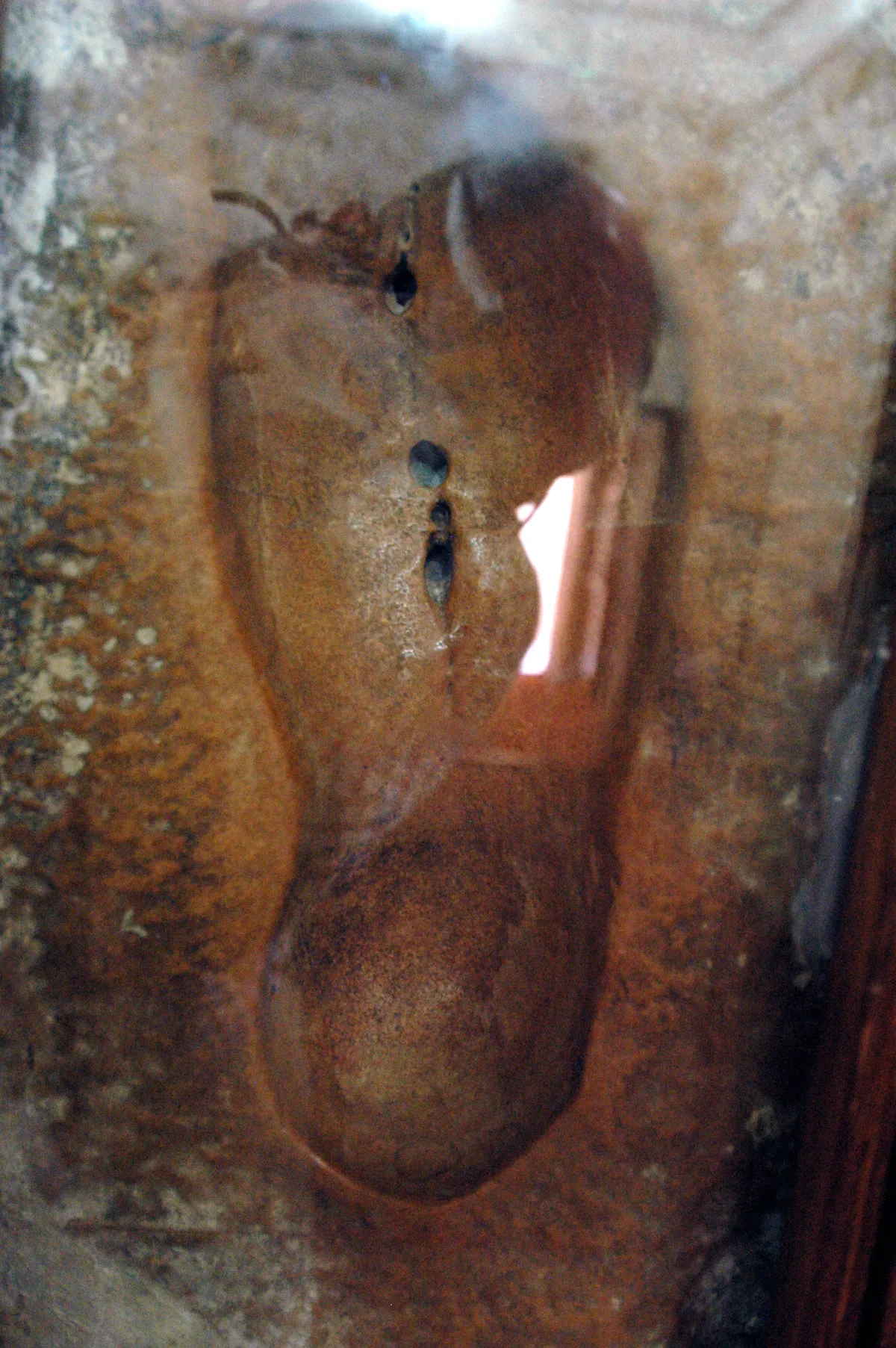
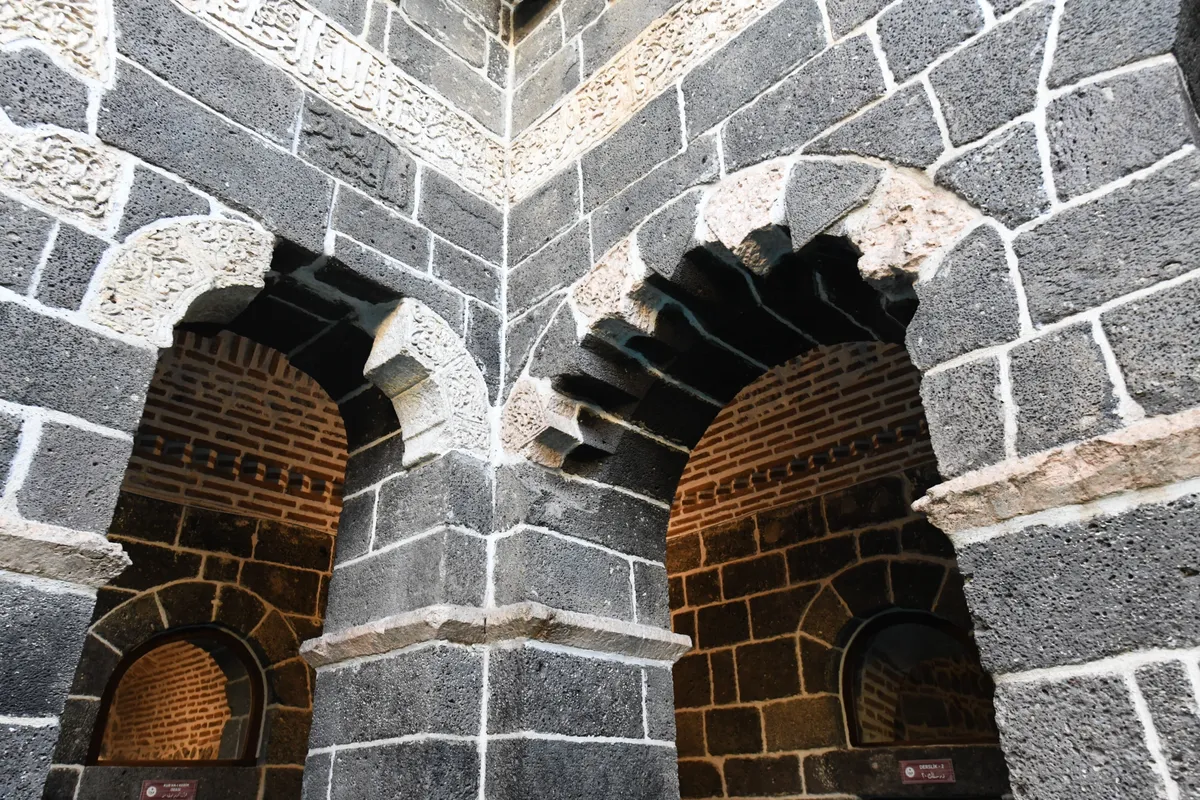
Spring water emerging from a wall fountain in the southern iwan portrays the journey of human existence: the tiny opening represents birth; the initial narrow cascade signifies infancy and childhood; the widening channel represents youth; and the slowing current portrays old age. The tranquil pool mirrors the gathering of souls at the Day of Judgement, while water draining into the Mesopotamian plain whispers of eternity and afterlife.
3. Zinciriye (Sultan Isa) Madrasa: Fluted Domes and Mesopotamian Sunsets
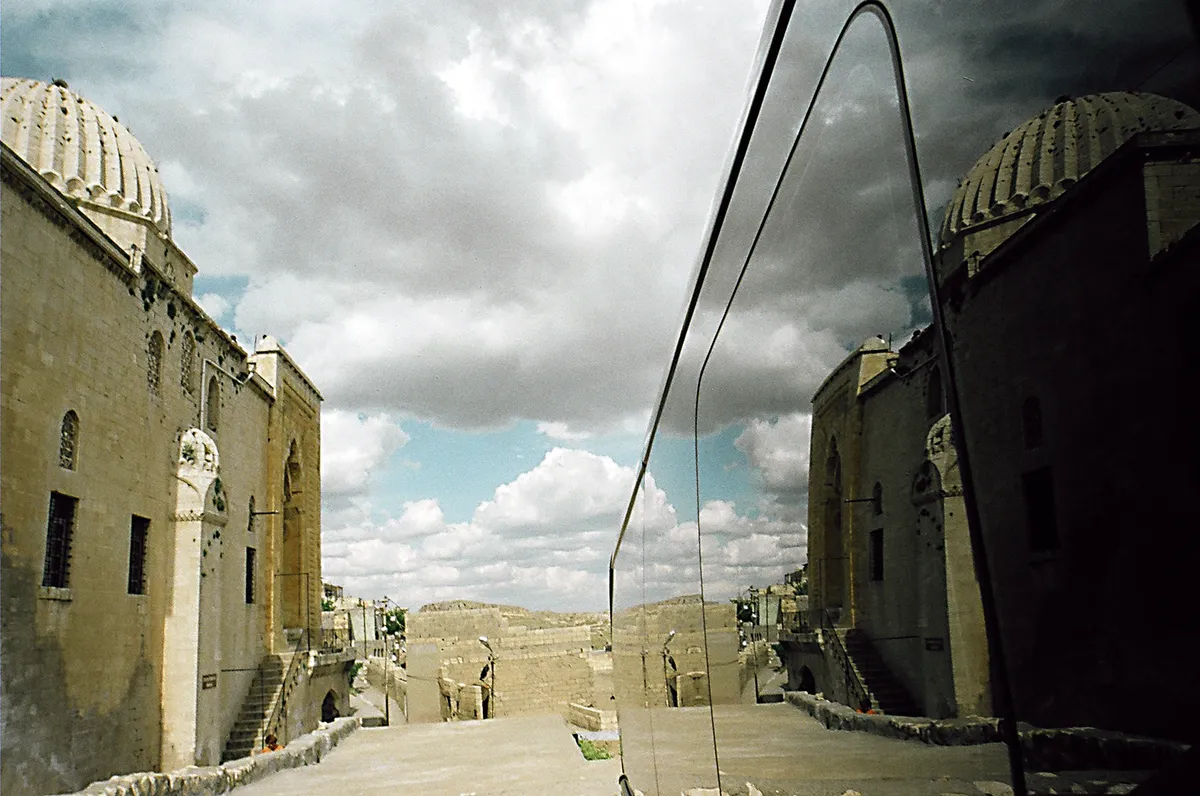
Commanding a panoramic perch directly below the rocky fortress cliff, the Zinciriye Madrasa was erected in 1385 by Artuqid Sultan Melik Necmeddin Isa. Crowned with iconic twin fluted domes, it represents the apex of regional stone carving. Sultan Isa was once imprisoned within its walls when Tamerlane laid siege to Mardin.
Its tiered courtyard, monumental muqarnas portal, and lofty rooftop observatory form the most coveted viewpoint for watching the sun sink into the vast Mesopotamian plains, illuminating the honey-colored limestone with fiery orange hues.
4. Dara Ancient City & Colossal Underground Cisterns: Rome's Border Fortress
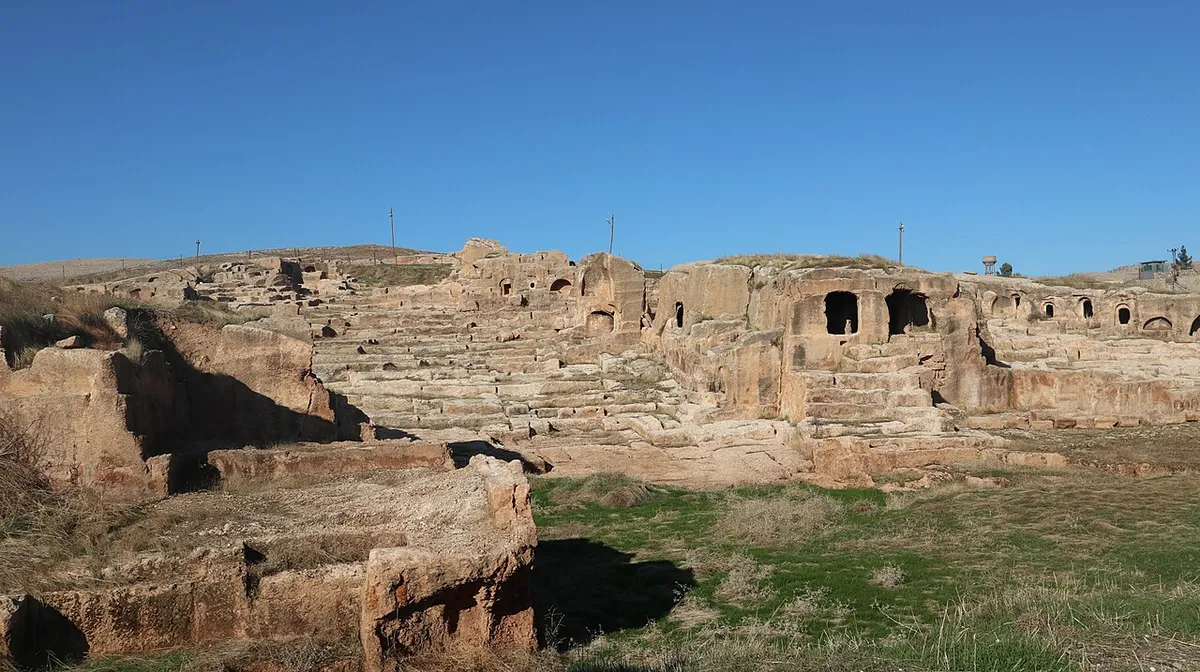
Located 30 kilometers southeast of Mardin near Oguz Village, Dara was founded in 505 CE by Eastern Roman Emperor Anastasius I as a fortified military garrison against the Sasanian Persian Empire. Encircling 4 kilometers of battlements, rock-cut necropolises, and agoras, it is celebrated as the "Ephesus of Mesopotamia."
The city's engineering crown jewel is the colossal rock-hewn subterranean cistern, locally known as "The Dungeon" (Zindan). Plummeting 40 meters deep with soaring stone pillars and vaulted arches, it stored millions of liters of mountain water channeled through advanced aqueducts to withstand protracted Persian sieges.
- Access: Easily reached via an 8 km paved spur off the Mardin-Nusaybin highway.
- Admission: The open-air site is free to explore under Ministry of Culture supervision.
- Highlights: The Dungeon Cistern, Rock-cut Necropolis with mass graves, Ancient Roman Dam, and Agora.
- Note: The underground cistern is delightfully cool even in peak summer; tread carefully on damp stairs.
5. Mardin Grand Mosque (Ulu Camii): The 850-Year Artuqid Landmark
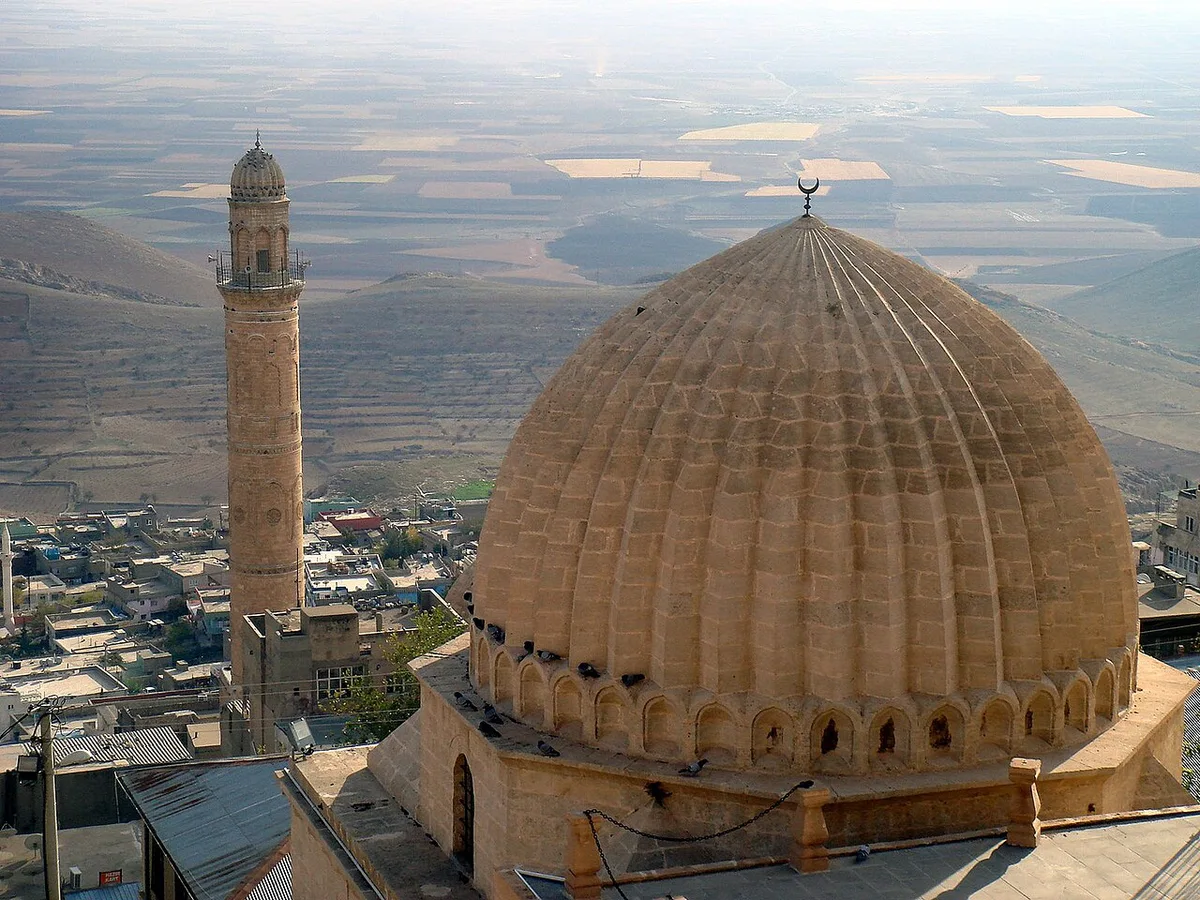
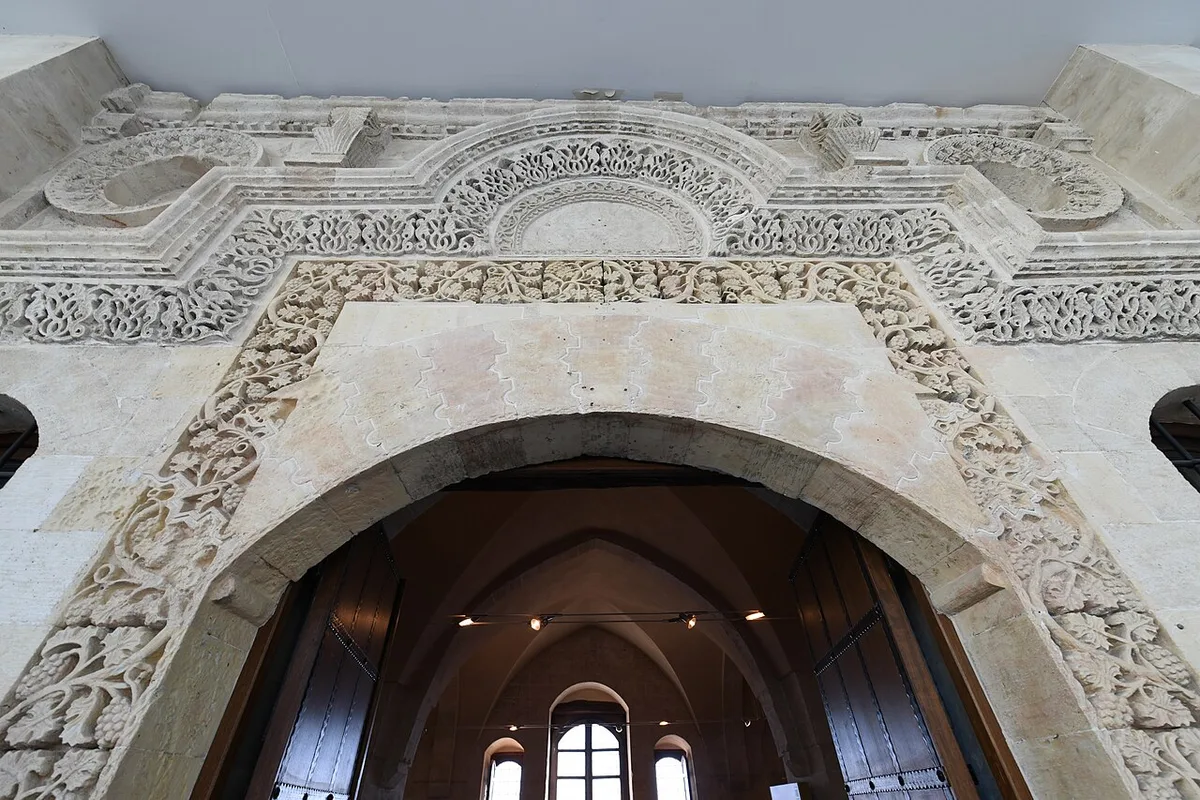
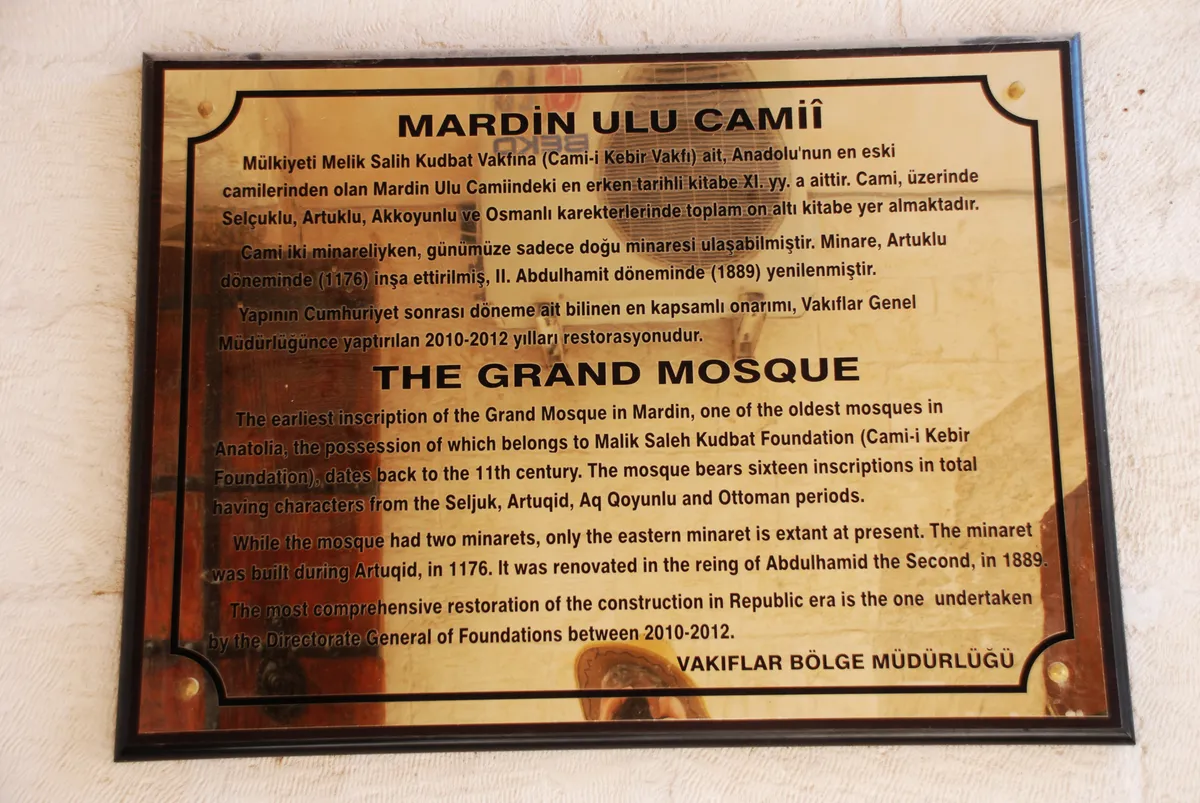
Anchoring the historic bazaar quarter, the Mardin Grand Mosque (Ulu Camii) was commissioned in 1176 by Artuqid ruler Kutbeddin Ilgazi. Exhibiting a transversal prayer hall and a pioneering ribbed dome, it stands among Anatolian Islamic art's foundational masterpieces.
Its monumental fluted dome and soaring cylindrical minaret—rebuilt in 1888 and adorned with intricate teardrop reliefs—dominate every skyline photograph. The mosque enshrines a relic of the Prophet's beard (Sakal-i Serif) and offers a serene, arcaded marble courtyard.
6. Historic Mardin Castle (The Eagle's Nest) & Panoramic Bluff
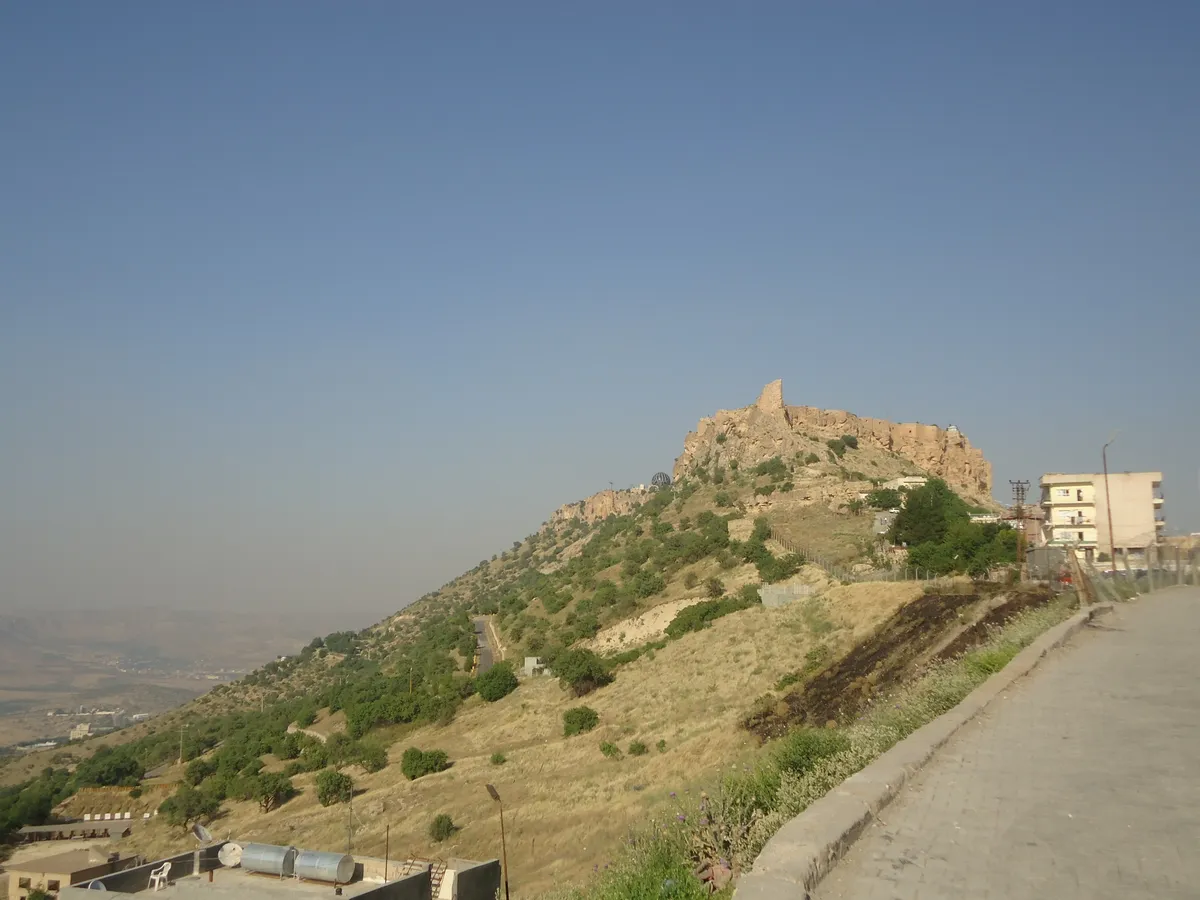
Crowning the 1,200-meter-high limestone crag that shields the city, Mardin Castle, romantically dubbed the "Eagle's Nest", has watched over Upper Mesopotamia since the 10th-century Hamdanid era. Its precipitous battlements withstood relentless sieges, including assaults by Tamerlane.
While the interior fortress serves as a strategic radar installation and remains closed to casual tourists, the scenic promenades and cafes clustered beneath its ramparts offer an incomparable vantage point for viewing the tiered stone mansions cascading down the mountain.
7. Midyat Historic Guest House (Sila Mansion): Three Tiers of Masterful Nahit Stonework
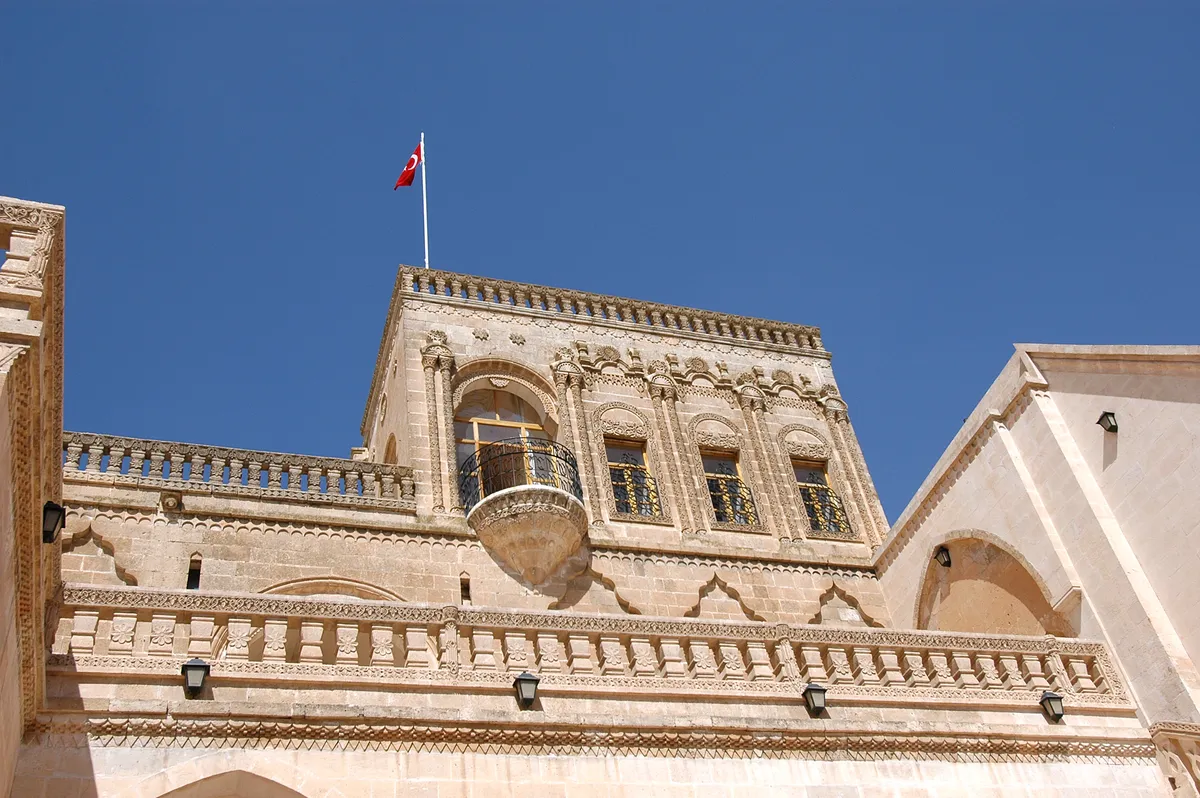
Located 60 kilometers east of Mardin in the heart of Midyat, the Midyat Historic Guest House (Sila Mansion) is a monumental three-story Syriac residence sculpted from local golden Nahit stone. Famed across Turkey as the backdrop for iconic television dramas, it showcases the pinnacle of secular stone carving.
With dramatic outdoor stone staircases, arched loggias, and a panoramic rooftop deck, the mansion provides 360-degree views of Midyat's bell towers and minarets. Nearby, the Geluske Han and the Silver Filigree Bazaar invite visitors to witness master silversmiths at work.
8. Mor Gabriel (Deyrulumur) Monastery (397 CE): The Heart of Tur Abdin
Perched on an oak-clad hill 23 kilometers east of Midyat, Mor Gabriel Monastery was founded in 397 CE by Mor Shmuel and Mor Shemun, predating church foundations in Constantinople and Jerusalem. It is the spiritual epicenter of the Tur Abdin mountains and one of the oldest functioning Christian monasteries on Earth.
Endowed by Roman Emperors Anastasius and Justinian, it features 5th-century Byzantine mosaics in the Main Church, the soaring Dome of Theodora, and crypts enshrining the relics of thousands of saints. Today, young novices still study the sacred Aramaic liturgy within its manicured limestone cloisters.
9. Church of the Virgin Mary (Anitli / Hah Village): Tur Abdin's Domed Architectural Crown
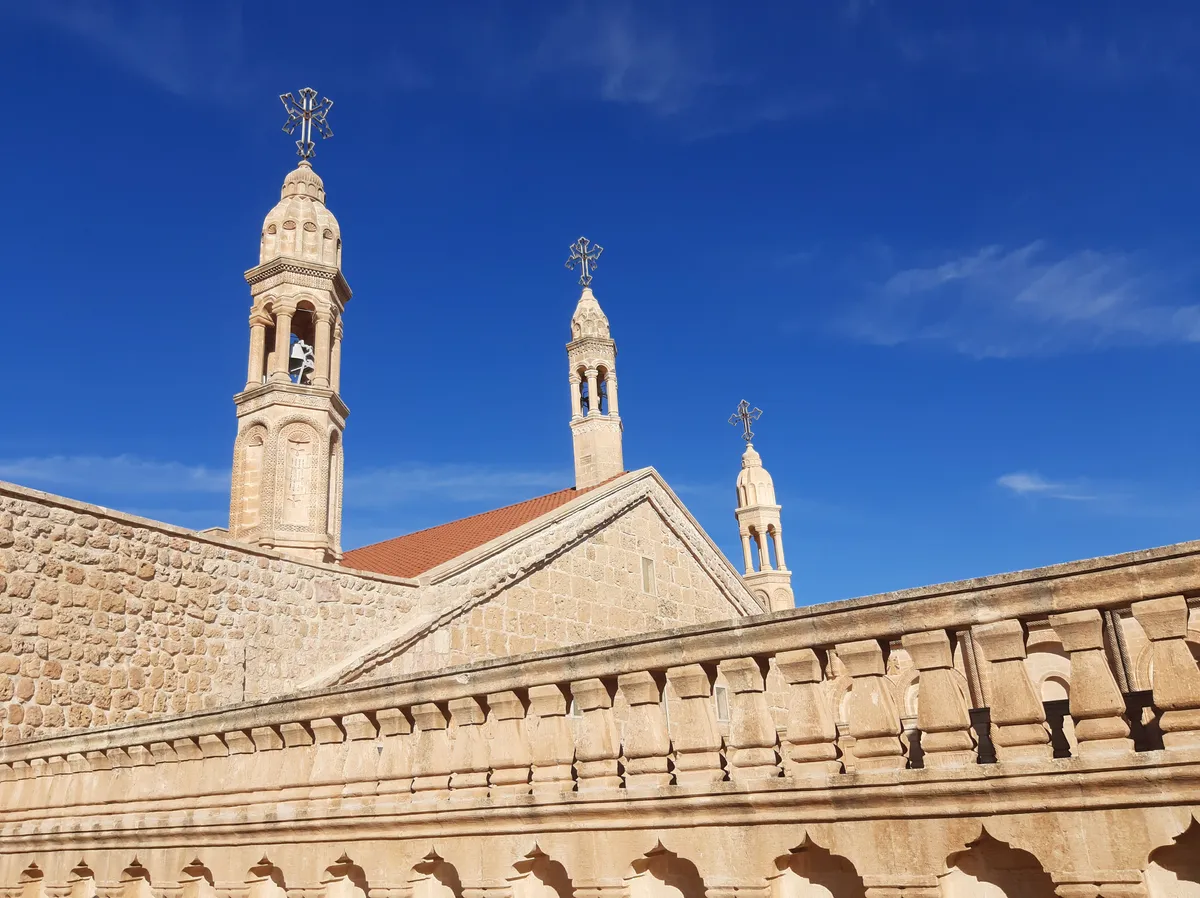
In the ancient village of Hah (modern Anitli) east of Midyat, the Church of the Virgin Mary is the architectural jewel of the region. Sacred lore recounts that twelve Magi traveling from the Orient followed the star to Bethlehem; on their return, Mary gifted them a swaddling band that miraculous turned to gold in the fire, prompting the construction of this sanctuary.
Its square sanctuary, towering octagonal dome drum, Corinthian acanthus-leaf capitals, and ethereal stone lace friezes make it one of the most exquisite early Christian monuments preserved anywhere in the Mediterranean basin.
10. Kafro (Elbegendi) Historic Village: The Renaissance of Syriac Architecture
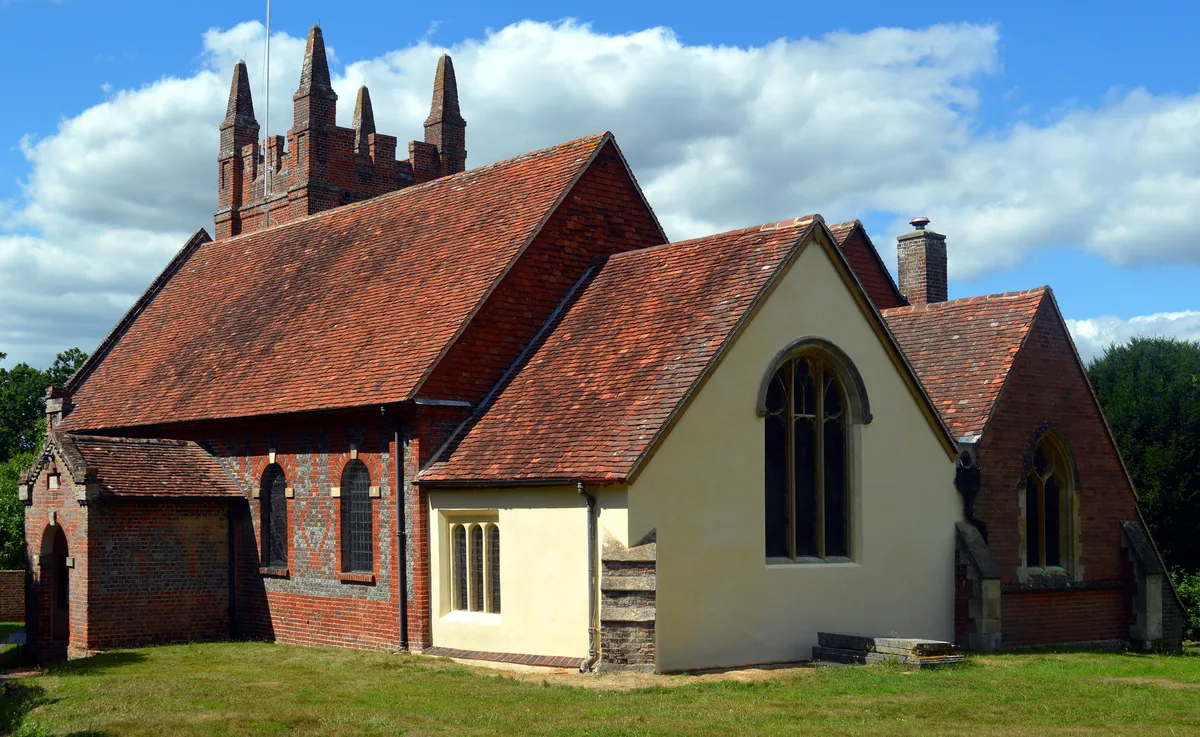
Set on the rolling slopes of Mount Bagok between Midyat and Nusaybin, Kafro (Elbegendi) is a remarkable success story. Syriac diaspora families who emigrated decades ago to Switzerland, Germany, and Sweden have returned to rebuild their ancestral village with luxurious, comfortable stone-crafted villas.
Lined with spotless cobblestone alleys, the village is renowned for the historic Church of Mor Yakup and the celebrated wood-fired Kafro Pizzeria, pairing artisan Italian-style pizzas with local cheeses and heritage Syriac mahlep wines.
Urban Fabric: The Mystery of Abbaras, Filigree Craft and Culinary Marvels
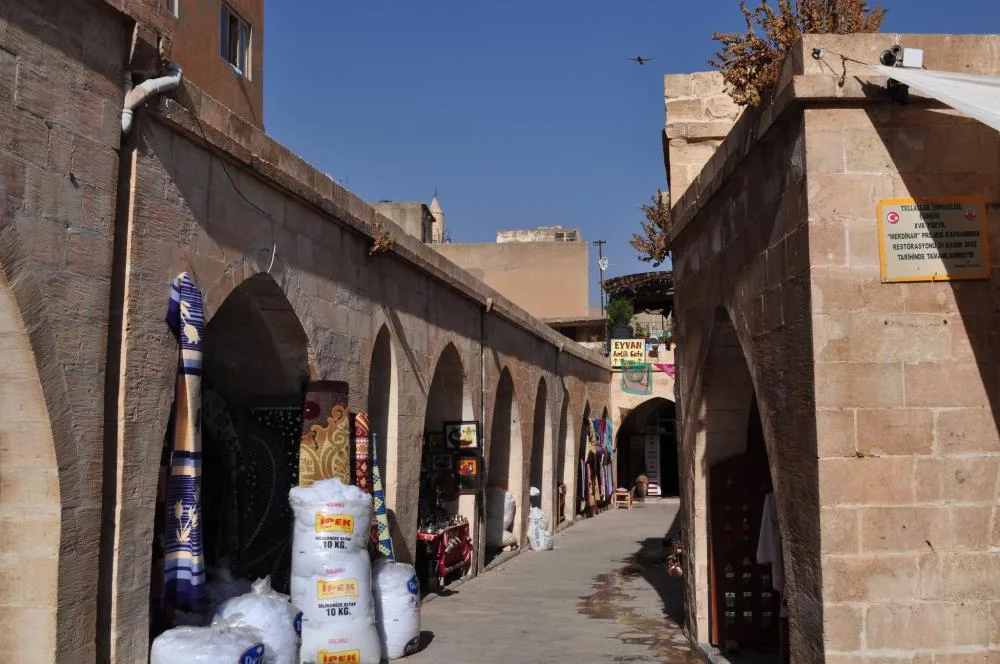
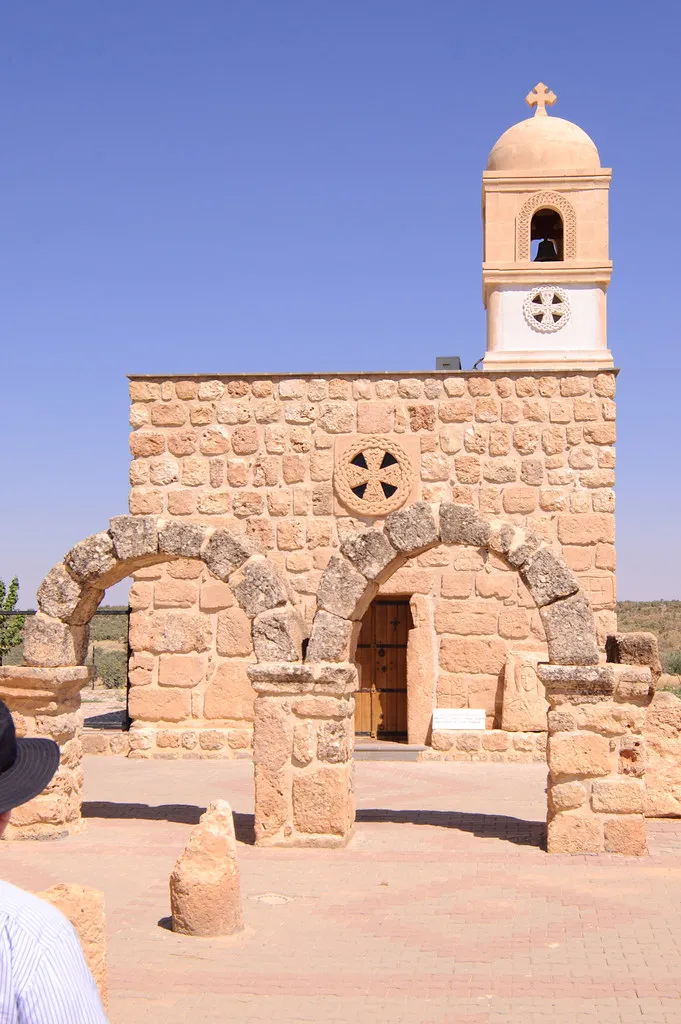
Mardin's most ingenious architectural features are its Abbaras—vaulted tunnel passages threading beneath private stone mansions. Conceived so that neighboring houses would never block each other's sunlight or valley view on the steep incline, these cool, breeze-filled conduits form a fascinating subterranean labyrinth.
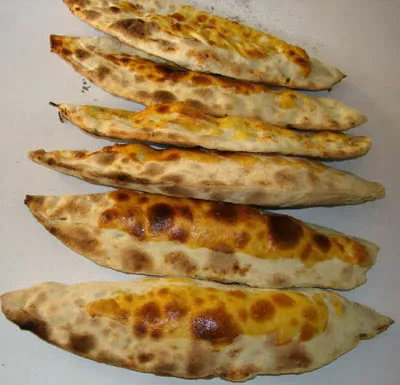
- Mardin Platter: Sembusek (closed crescent calzone), Kibe (herb-stuffed tripe), Irok (crispy fried kibbeh), and Ikbebet (poached bulgur dumplings).
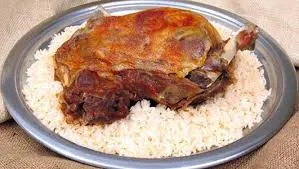
- Stuffed Rib of Lamb (Kaburga Dolmasi): Lamb breast stuffed with spiced rice, almonds, and allspice, slow-roasted in tandoor ovens for five hours.
- Blue Almond Candy (Ghost Candy): Roasted almonds coated in sugar dyed with natural bridal herb and wild indigo tree roots.
- Syriac Heritage Wine: Fermented from indigenous Okuzgozu and Bogazkere grapes enriched with aromatic wild mahlep cherry seeds.
- Midyat Telkari Silverwork: Meticulously spun 0.2mm pure silver threads welded into intricate filigree jewelry by master craftsmen.
The Ultimate 3-Day Mardin, Midyat & Dara Itinerary
- Morning: Study the Philosophy Pool at Kasimiye Madrasa.
- Lunch: Sample sembusek and the signature Mardin platter at Cercis Murat Konagi or Rido.
- Afternoon: Explore the Grand Mosque, Sehidiye Madrasa, Sakip Sabanci City Museum, and venture through hidden abbaras.
- Late Afternoon: Sunset reflection at Zinciriye Madrasa, followed by slow-cooked lamb rib in a candlelit stone courtyard.
- Morning: Guided tour of Deyrulzafaran Monastery; visit the Sun Temple and enjoy saffron tea.
- Lunch: Excursion to Dara Ancient City; explore the 40-meter Dungeon Cistern and rock-cut necropolis.
- Afternoon: Return to Mardin to visit the 4th-century Kirklar Church and Latifiye Mosque.
- Evening: Sip stone-ground dibek coffee and taste heritage Syriac wine at historic terrace cafes.
- Morning: Drive to Midyat; admire the 360-degree panorama from the roof of the Sila Mansion.
- Lunch: Browse handmade silver filigree jewelry in Geluske Han and the covered bazaar.
- Afternoon: Tour the 1600-year-old Mor Gabriel Monastery, then enjoy artisan wood-fired pizza in Kafro Village.
- Late Afternoon: Discover the domed Church of the Virgin Mary in Hah before heading back.
Frequently Asked Questions About Traveling to Mardin
- When is the ideal time to visit? Spring (April and May) and Autumn (September to November) provide crisp, comfortable days around 20-25°C. Summer regularly exceeds 40°C.
- How long does the drive between Mardin and Midyat take? It is a scenic 60 km drive that takes roughly 50 minutes by private vehicle or shared dolmus.
- Is the Museum Pass accepted? Müzekart is valid at Mardin Museum and Dara open-air ruins; monasteries run by independent religious foundations charge a modest admission ticket.
- How do I reach the city from the airport? HAVAŞ shuttle buses connect Mardin Aziz Sancar Airport directly to the city center in about 20 minutes.
Discover more: Artuklu Highlights | Midyat Historical Sights | Mardin Province Guide