
Silifke Travel Guide: Cennet-Cehennem Chasms, Narlıkuyu, Uzuncaburç & Tisan Bay


Where the pine-clad slopes of the Taurus Mountains plunge dramatically into the azure waters of the Mediterranean, at the historic crossroads of ancient Rough Cilicia (Kilikia Tracheia), Silifke (Seleucia ad Calycadnum) stands as one of the most intellectually intriguing and visually spectacular open-air museums in Asia Minor. Renowned worldwide for the colossal karst sinkholes of Cennet and Cehennem (Heaven and Hell), the subterranean mythological prison of the hundred-headed dragon Typhon, the monumental Hellenistic religious sanctuary of Uzuncaburç (Diocaesarea), and the pristine double coves of Tisan Peninsula, Silifke delivers an unforgettable journey through geological wonder and classical antiquity.
Founded in the early 3rd century BCE by Seleucus I Nicator, one of Alexander the Great's foremost generals, Silifke bridges millennia of spiritual devotion. It is home to the sacred grotto pilgrimage shrine of Saint Thecla—Christianity's first female martyr—the freshwater karst springs of Narlıkuyu where Roman governors sought rejuvenation, and the sprawling Göksu Delta, a globally protected wetland sheltering hundreds of rare avian species.
1. Cennet (Heaven) Karst Sinkhole & Virgin Mary Church (452-Step Descent)
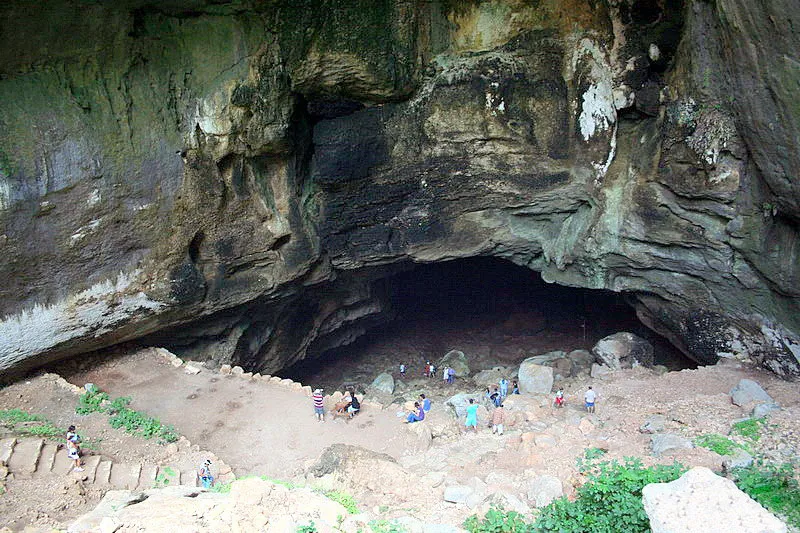
Carved over millions of years by subterranean watercourses dissolving the limestone bedrock until its ceiling collapsed, the Cennet Sinkhole (Heaven Chasm) is an awe-inspiring natural abyss measuring 70 meters deep, 250 meters long, and 110 meters wide. A historic stairway of 452 stone steps dating back to Roman and Byzantine times (supplemented by a modern glass elevator) winds through dense sub-tropical vegetation down into the humid depths of the chasm.
Near the floor of the sinkhole at the entrance of a colossal cavern mouth stands the 5th-century Church of the Virgin Mary, commissioned by a pious magistrate named Paulus. Beyond the church nave, the roaring subterranean river echoes through the dark cave depths, evocative of the mythological River Styx.
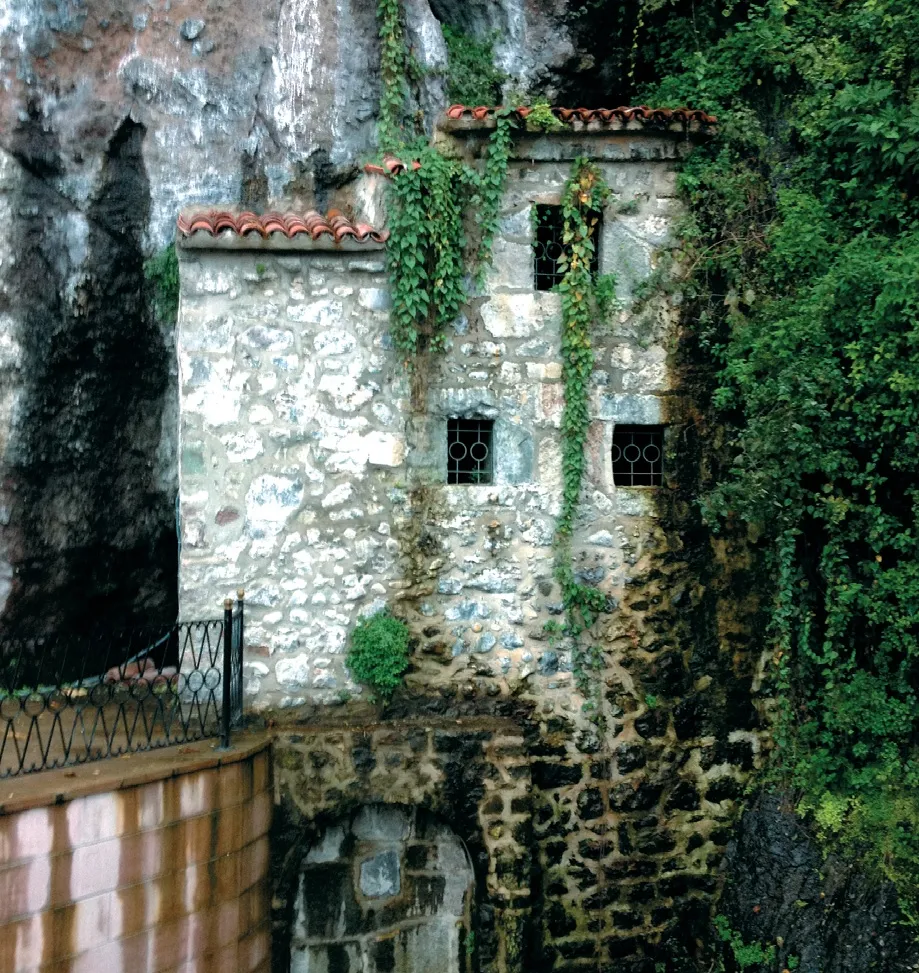
- Descent & Ascent: Walking the 452 stone steps is scenic but physically demanding on the climb back up. A glass elevator is available for seniors and families.
- Subterranean River: The rushing underground stream at the bottom flows into the sea at Narlıkuyu Bay as a cold freshwater surge.
- Museum Pass: Valid for entry under the Ministry of Culture and Tourism.
2. Cehennem (Hell) Karst Chasm & Cantilevered Glass Skywalk (Typhon Abyss)
Lying just 75 meters north of Cennet, the Cehennem Chasm (Hell Sinkhole) is a terrifying geological phenomenon dropping 128 meters vertically into the earth. With its sheer, concave limestone overhangs, it is completely inaccessible to human foot traffic. In ancient Greek mythology, this chasm was where Zeus, king of the gods, temporarily imprisoned the hundred-headed, fire-spouting monster Typhon before casting him beneath Mount Etna.
A thrilling Cantilevered Glass Observation Deck juts out over the 128-meter abyss, giving daring visitors the sensation of floating suspended over the dark underworld. Watching the shadows shift across the jagged vertical cliffs as wind howls through the canyon is an unforgettable experience.
- Mythological Legend: The mythical prison where Zeus fought and bound the monstrous storm titan Typhon.
- Skywalk Safety: Constructed with reinforced triple-ply structural glass; shoe covers (overshoes) required before stepping on the platform.
- No Physical Descent: Descent to the floor is strictly prohibited and physically impossible without technical mountaineering equipment.
3. Asthma Cave (Astım Mağarası) & Therapeutic Stalactite Chambers
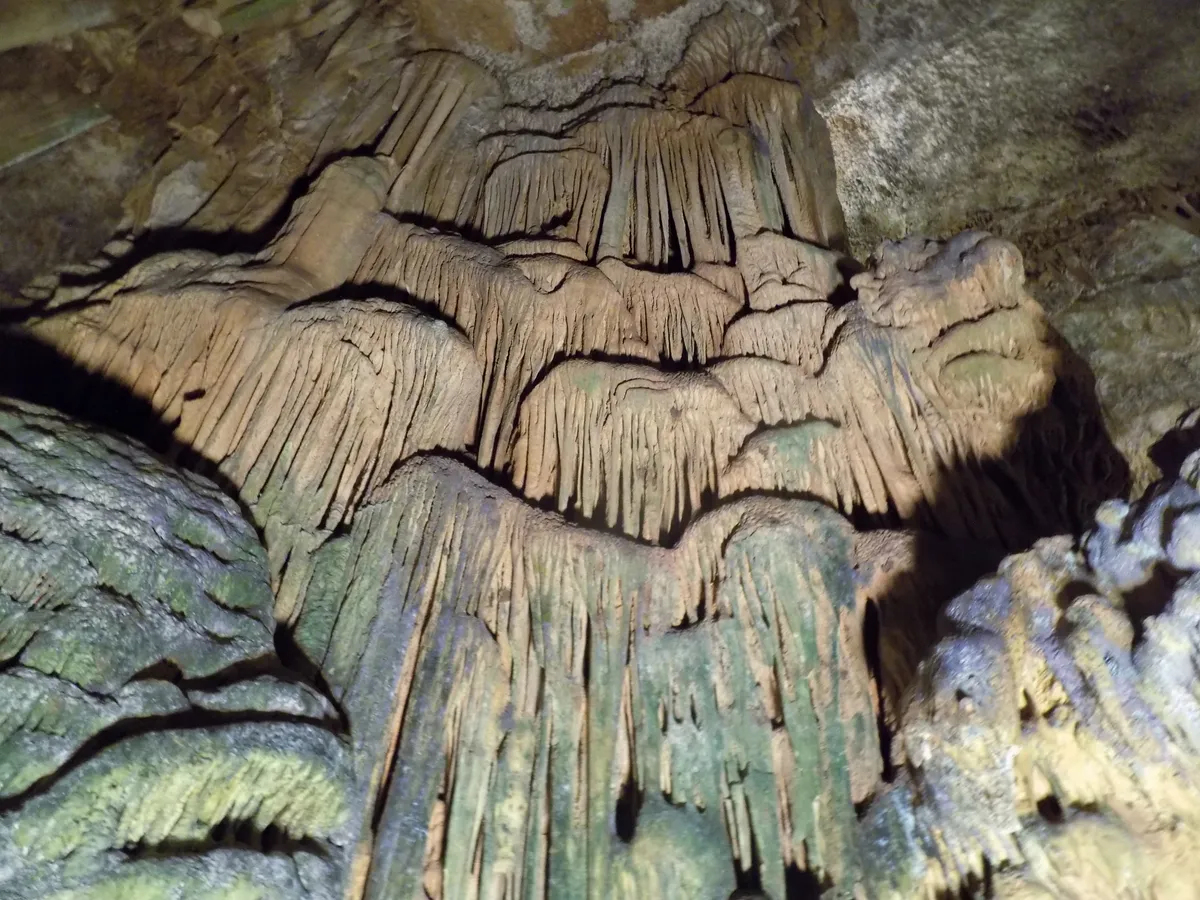
Located approximately 600 meters west of the Cennet and Cehennem sinkholes, Asthma Cave (Dilek Mağarası) is entered via a steep iron spiral staircase that plunges 15 meters below ground into an illuminated subterranean wonderland. The cave system consists of interconnected chambers adorned with colossal stalactites, stalagmites, and calcite draperies formed over tens of thousands of years.
Maintaining a year-round microclimate of 15°C and relative humidity exceeding 85%, the cave is renowned for easing respiratory ailments such as asthma and bronchitis. Historically, local villagers also tied pieces of cloth to the surrounding trees, giving it the local moniker of the 'Wishing Cave.'
- Subterranean Microclimate: Constant 15°C temperature year-round; a light jacket or cardigan is recommended when descending in summer.
- Floor Conditions: Damp stone walking paths with handrails; slip-resistant walking shoes are essential.
- Artistic Illumination: Features soft ambient lighting that highlights the amber, ochre, and ivory hues of the mineral formations.
4. Narlıkuyu Cove & Three Graces Mosaic Museum (Poimenios Bath)
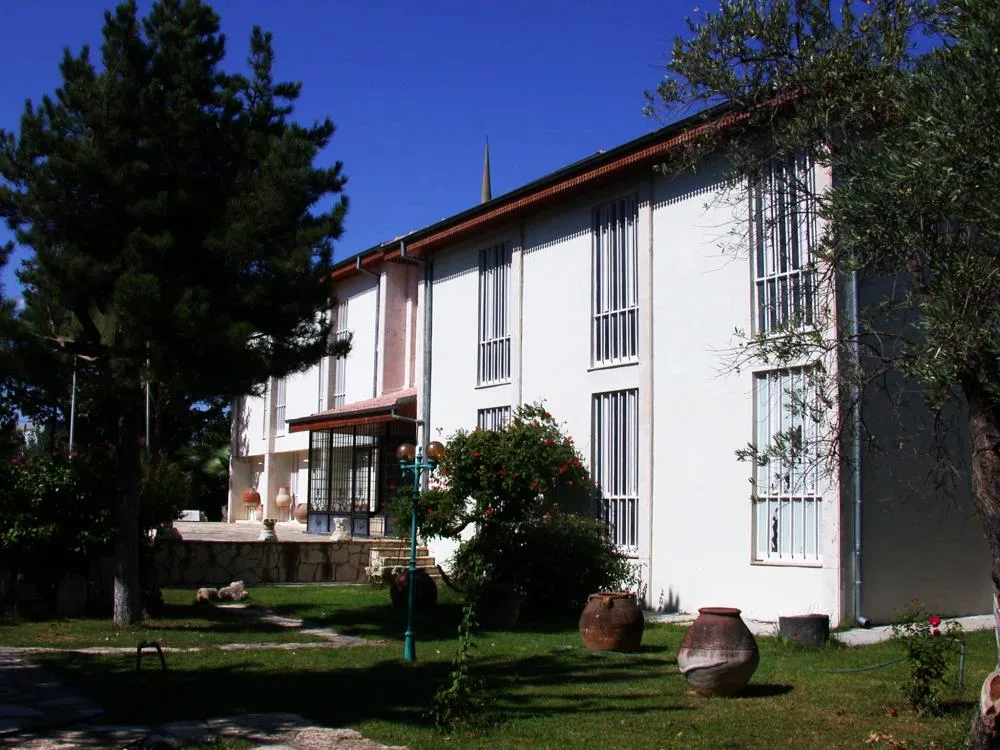
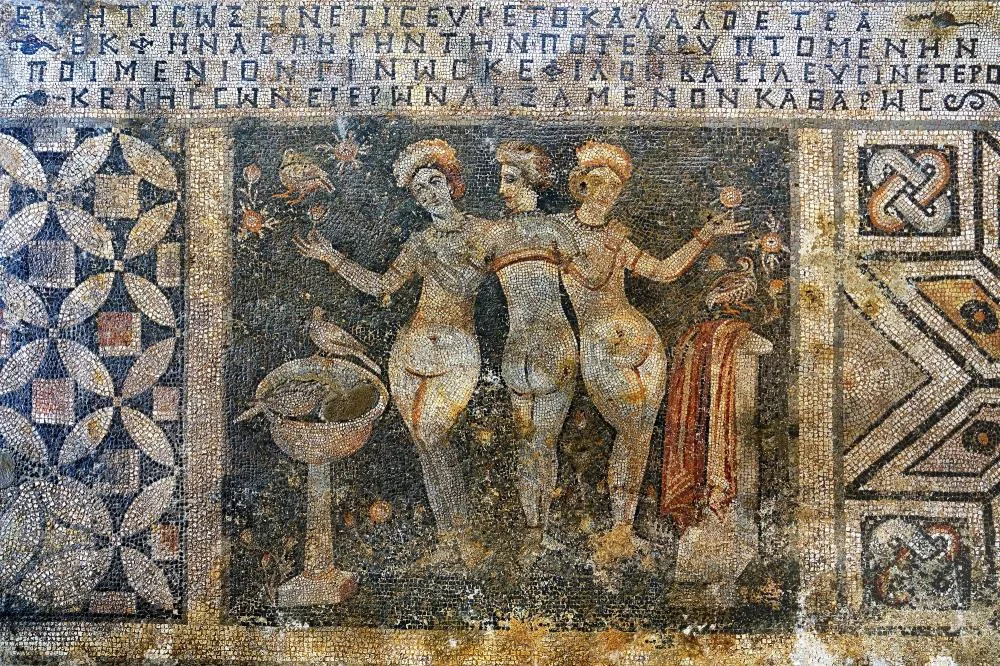
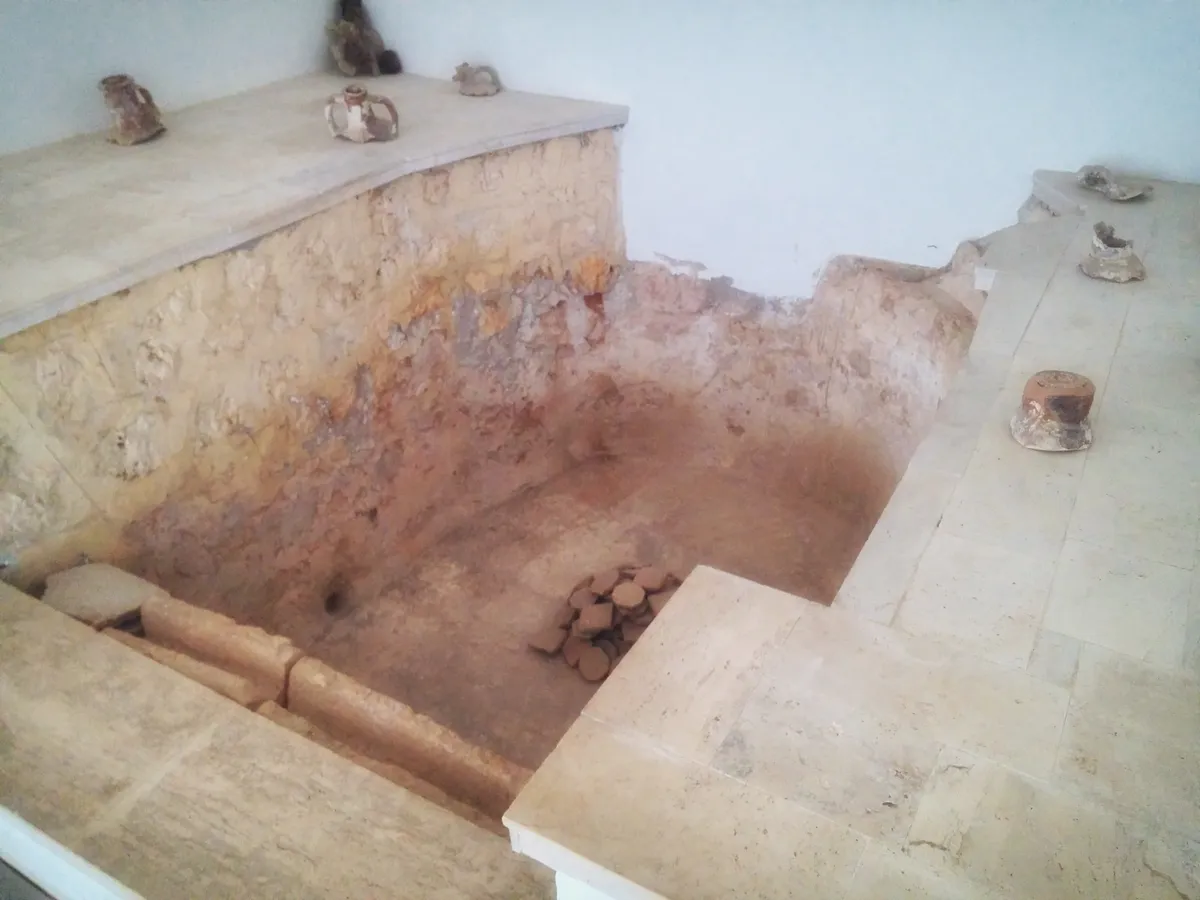
Where the subterranean freshwater torrent of the Cennet Sinkhole emerges through undersea karst springs into the Mediterranean, it forms the idyllic, emerald-turquoise inlet of Narlıkuyu Cove. Here, seawater mixes with icy fresh mountain springs, creating a distinct cooling sensation. Nestled along the harbor stands the Narlıkuyu Mosaic Museum, preserving the remarkably intact floor mosaic of a 4th-century Roman bathhouse built by regional governor Poimenios.
The mosaic masterfully depicts the Three Graces (Aglaia, Thalia, and Euphrosyne), the goddesses of charm, joy, and beauty, dancing gracefully among birds. The Greek inscription above them invites weary travelers to bathe in these curative waters gifted by the honest imperial friend Poimenios.
- Thermal Phenomenon: The upper layer of sea water is noticeably chilly and brackish due to underground karst spring outflows.
- Museum Access: Free with Turkey Museum Pass; open 7 days a week.
- Harbor Dining: Renowned for waterfront seafood tavernas serving grilled white grouper (lagos), crisp calamari, and pickled rock samphire.
5. Uzuncaburç (Diocaesarea) Ancient City & Temple of Zeus Olbios
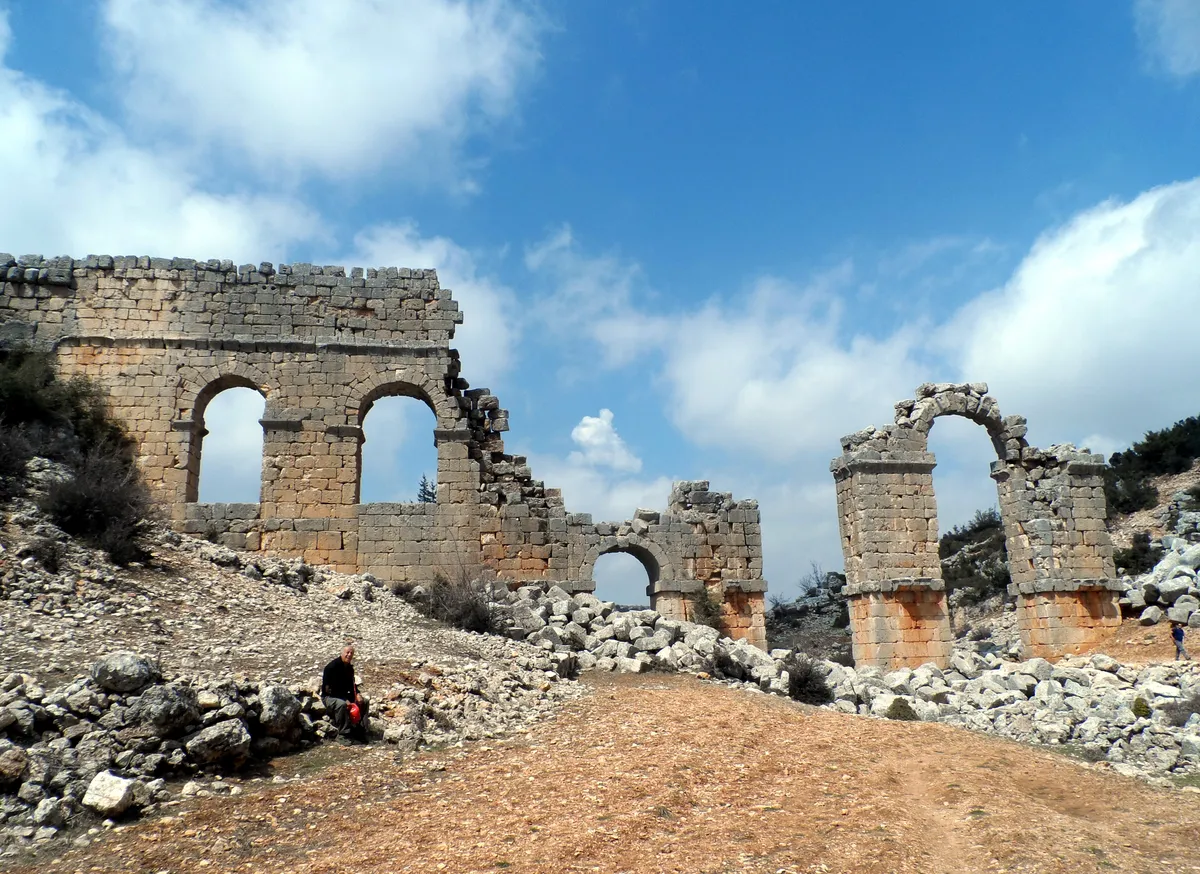
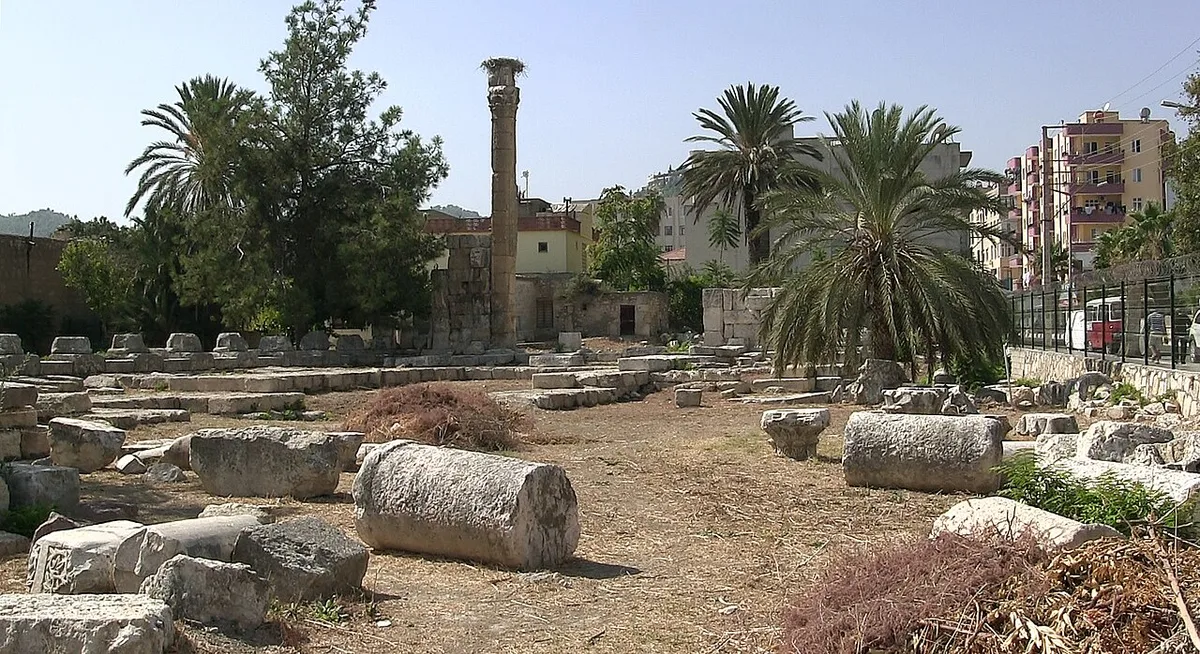
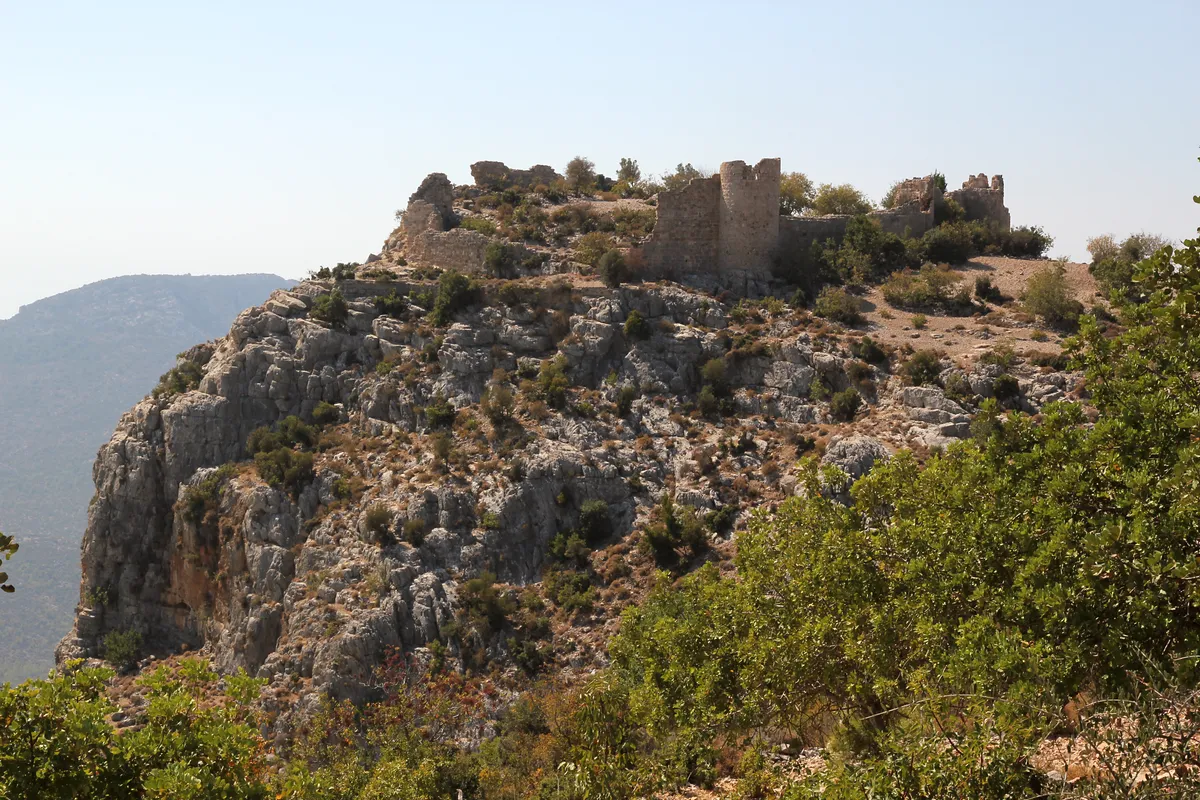
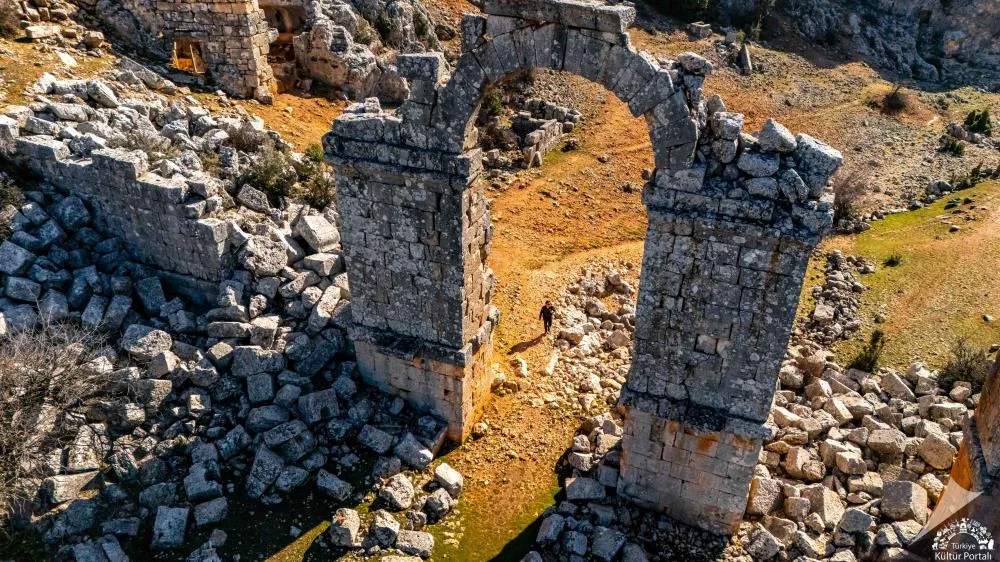
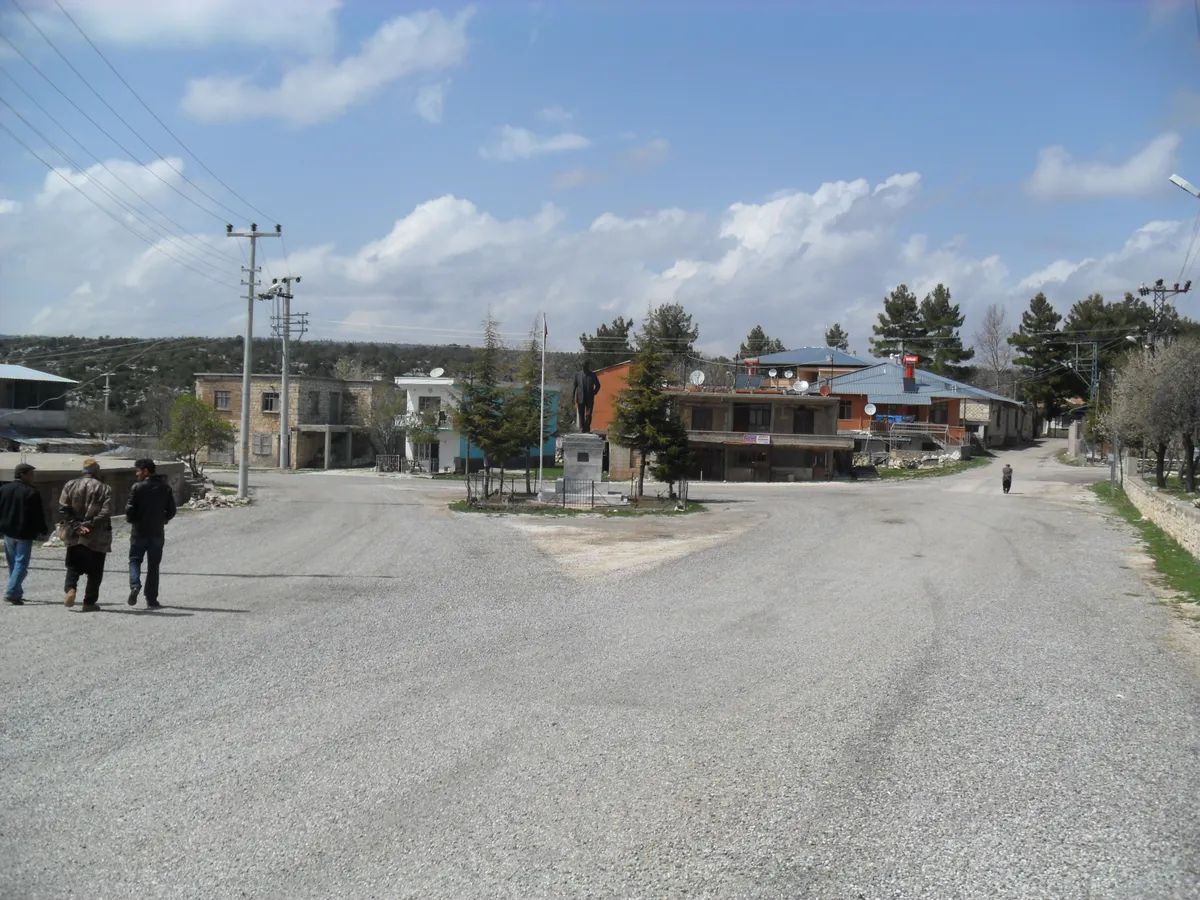
Perched 30 kilometers north of Silifke on a high plateau in the Taurus Mountains at an elevation of 1,200 meters, Uzuncaburç (Diocaesarea) was the supreme spiritual and political sanctuary of ancient Cilicia Tracheia. Its crowning monument, the Temple of Zeus Olbios, was commissioned in the 3rd century BCE by Seleucus I Nicator. Featuring thirty towering Corinthian columns still standing proud, it represents one of the most intact Hellenistic peripteral temples in the world.
The site takes its modern Turkish name ('Tall Tower') from the 22-meter, five-story Hellenistic watchtower that looms over the ruins. With its Colonnaded Street, Temple of Tyche, Monumental Propylon, Theater, and ancient necropolis, Uzuncaburç is rightfully hailed as the 'Ephesus of Cilicia.'
- Altitude & Climate: Situated at 1,200 meters above sea level, offering refreshing mountain breezes during hot summer months.
- Key Monuments: Temple of Zeus Olbios, 22-meter Hellenistic Defensive Tower, Temple of Tyche, and Roman Theater.
- UNESCO Status: Inscribed on the UNESCO World Heritage Tentative List.
6. Historic Silifke Castle & Göksu Valley Overlook (185m Citadel)
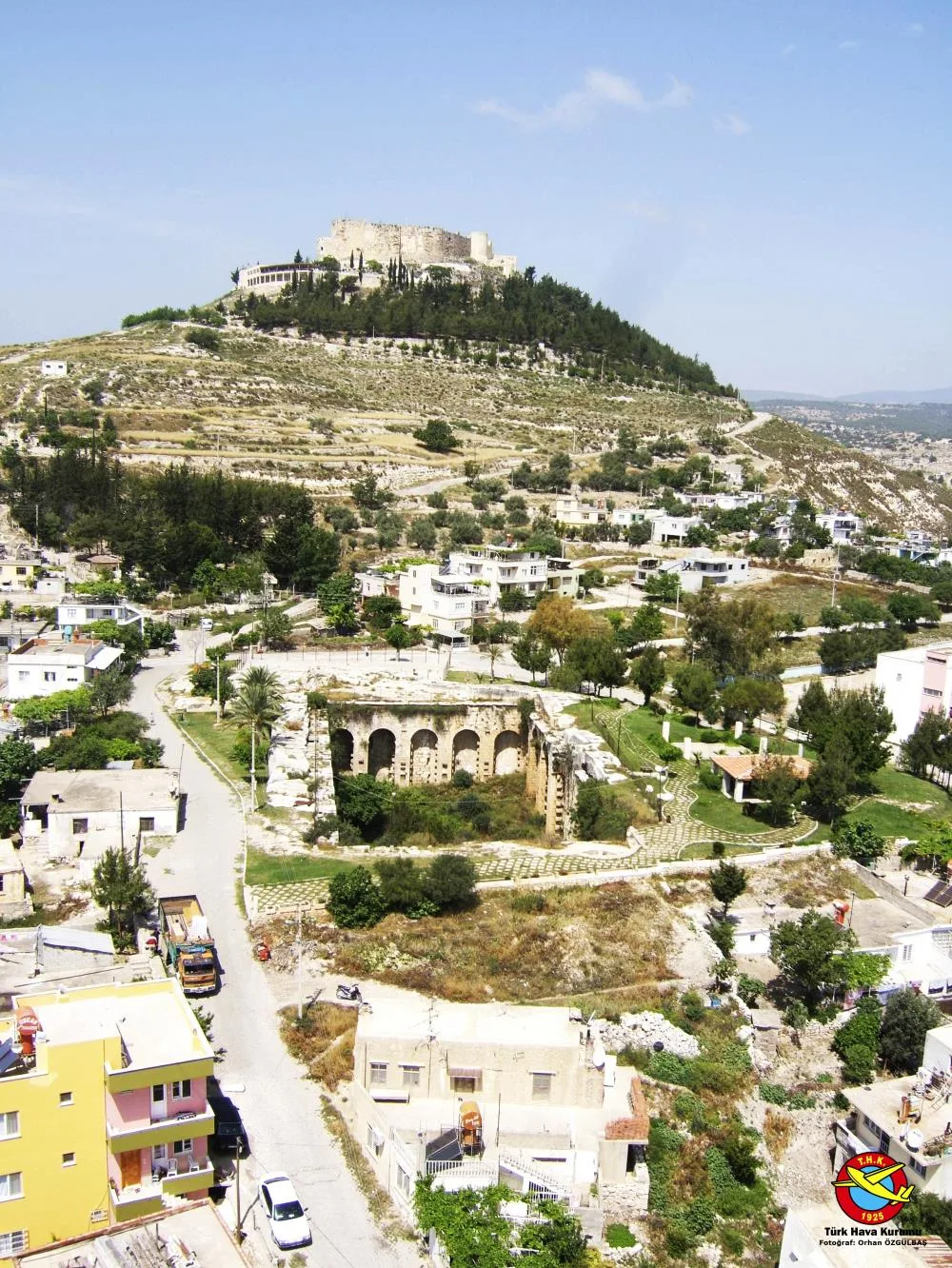
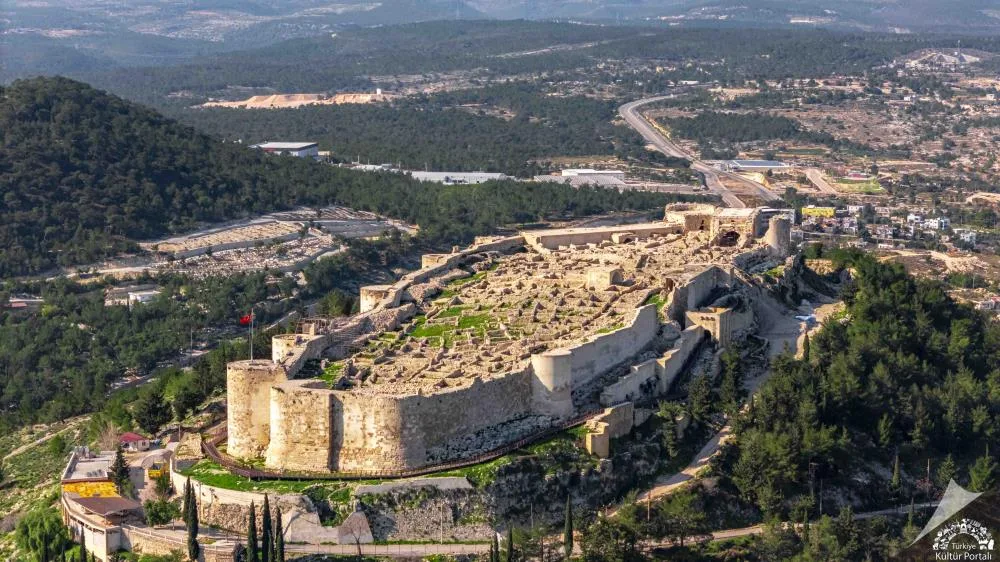
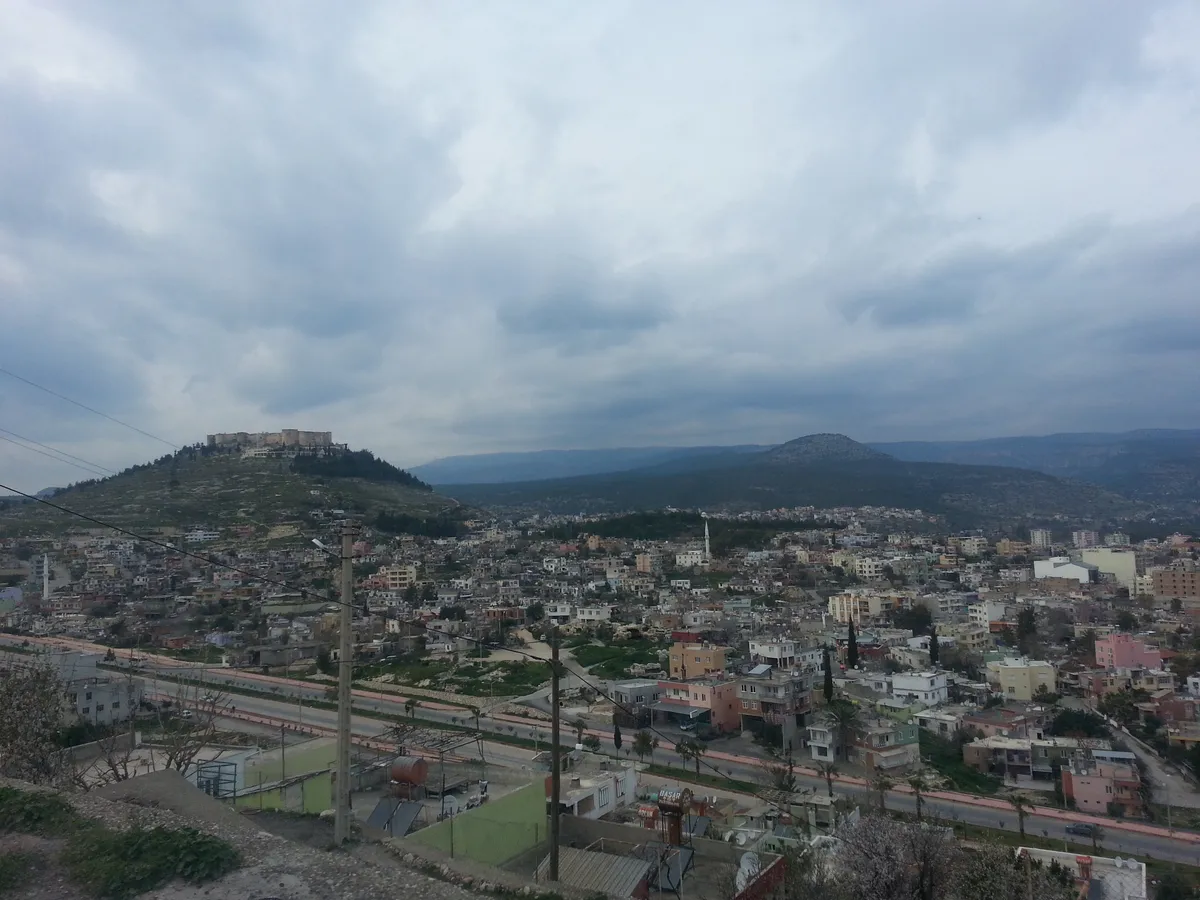
Commanding a 185-meter limestone bluff overlooking the city of Silifke, Silifke Castle is a formidable medieval citadel whose fortifications span Hellenistic, Roman, Byzantine, Crusader (Knights Hospitaller), Karamanid, and Ottoman epochs. Surrounded by a deep dry moat carved directly from the rock, the fortress features 23 round and polygonal bastions that once protected vital trade routes.
Following comprehensive archaeological restorations, walking along the castle ramparts rewards visitors with an exceptional bird's-eye panorama encompassing the serpentine curves of the Göksu River, the ancient Roman stone bridge, and the fertile coastal plains meeting the Mediterranean.
- Panoramic Vista: The premier photography viewpoint for the Göksu River delta and surrounding Taurus mountain range.
- Road Access: A 5-minute paved drive from central Silifke brings you directly to the fortress entrance and car park.
- Historical Ruins: Interior excavations reveal vaulted Byzantine cisterns, palace foundations, and historic mosque remains.
7. Boğsak Bay & Boğsak Island (Calm Mediterranean Maritime Haven)
Situated about 10 kilometers west of Taşucu, Boğsak Bay is an exceptionally tranquil, mirror-like natural harbor shielded from offshore swells by a protective headland and the uninhabited Boğsak Island. During Roman and early Byzantine times, this was a vital maritime convoy stop, and the island still holds ruins of ancient monasteries, basilicas, and stone tombs.
Awarded an eco-certified Blue Flag for its crystal-clear water, Boğsak’s sand-and-pebble beach remains lake-like even when brisk coastal winds blow elsewhere. It is a favored haven for scuba diving academies, sea kayakers, and travelers seeking relaxed beachfront camping.
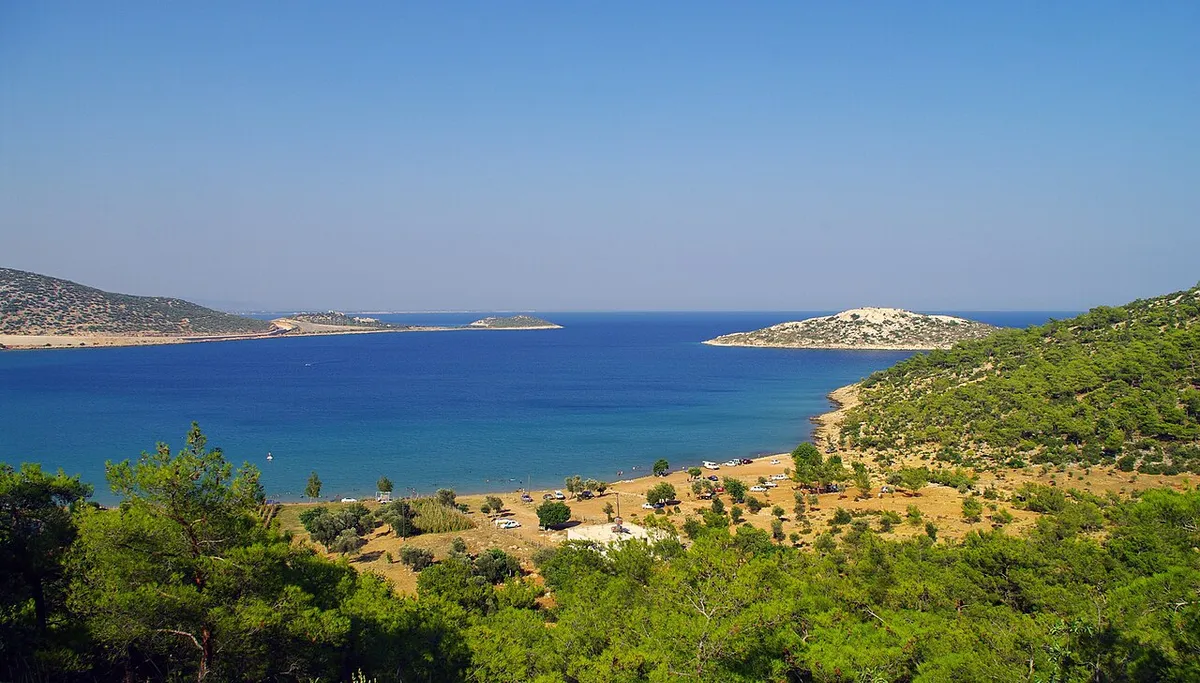
- Wind-Shielded Sea: Boğsak Island acts as a natural breakwater, keeping the bay serene and wave-free.
- Scuba Diving Hub: Crystal underwater visibility makes it a primary training destination for Mediterranean diving schools.
- Visitor Amenities: Seaside boutique guesthouses, serviced camping spots, and casual fresh-fish restaurants.
8. Tisan Peninsula & Cleopatra Bay (The White Pearl of Cilicia)
Accessed via a dramatic, switchback mountain pass descending from Yeşilovacık, the Tisan Peninsula is a breathtaking geographical wonder featuring two back-to-back turquoise bays connected by a narrow isthmus. Legend recounts that Queen Cleopatra of Egypt swam in the powdery white sands of Cleopatra Bay alongside Roman general Mark Antony.
Along the narrow neck of the peninsula lie the ruins of ancient Aphrodisias of Cilicia, founded in the 7th century BCE. Visitors can walk among Roman stone columns, explore maritime Byzantine chapel ruins, and admire mosaic floors just footsteps from the gently lapping waves.
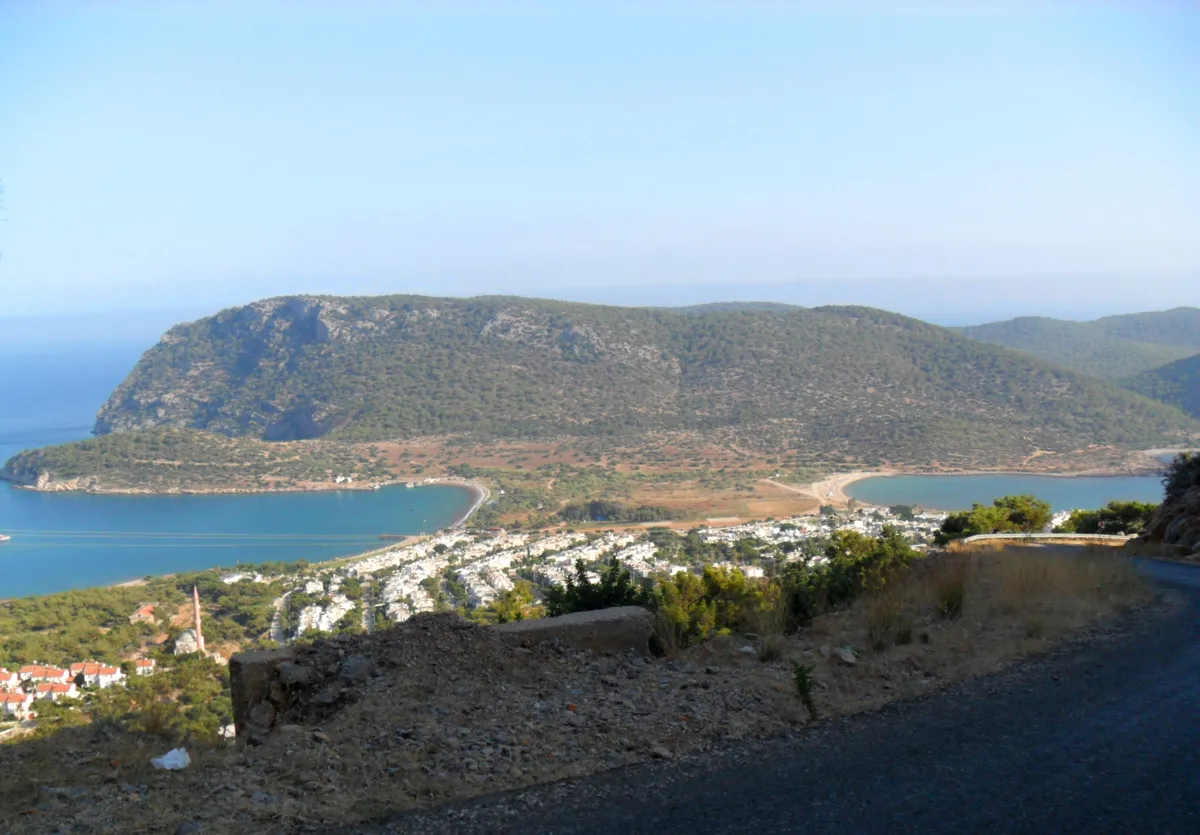
- Twin-Bay Advantage: Due to opposing orientations, one of the two bays is always perfectly sheltered and calm regardless of wind direction.
- Ancient Mozaics: Geometric and animal mosaic pavements of early Christian basilicas lie openly beside the beach.
- Drive Caution: The mountain descent road is steep and winding; drive carefully while soaking in the majestic coastal vistas.
9. Göksu Delta & Akgöl Bird Sanctuary (Ramsar Wetland & Flamingos)
Formed where the Göksu River completes its long descent through the Taurus gorges into the Mediterranean, the Göksu Delta encompasses 15,000 hectares of wetlands, dune systems, and coastal lagoons. Officially designated as a Ramsar Wetland of International Importance, its core sanctuaries—Akgöl and Paradeniz Lagoon—provide essential migratory stopovers for more than 330 bird species.
The delta is world-famous as one of the last breeding havens for the endangered purple swamphen (sazhorozu), greater flamingos, white pelicans, and glossy ibises. Additionally, its vast sandy beaches provide critical nesting grounds for endangered loggerhead (Caretta caretta) and green sea turtles.
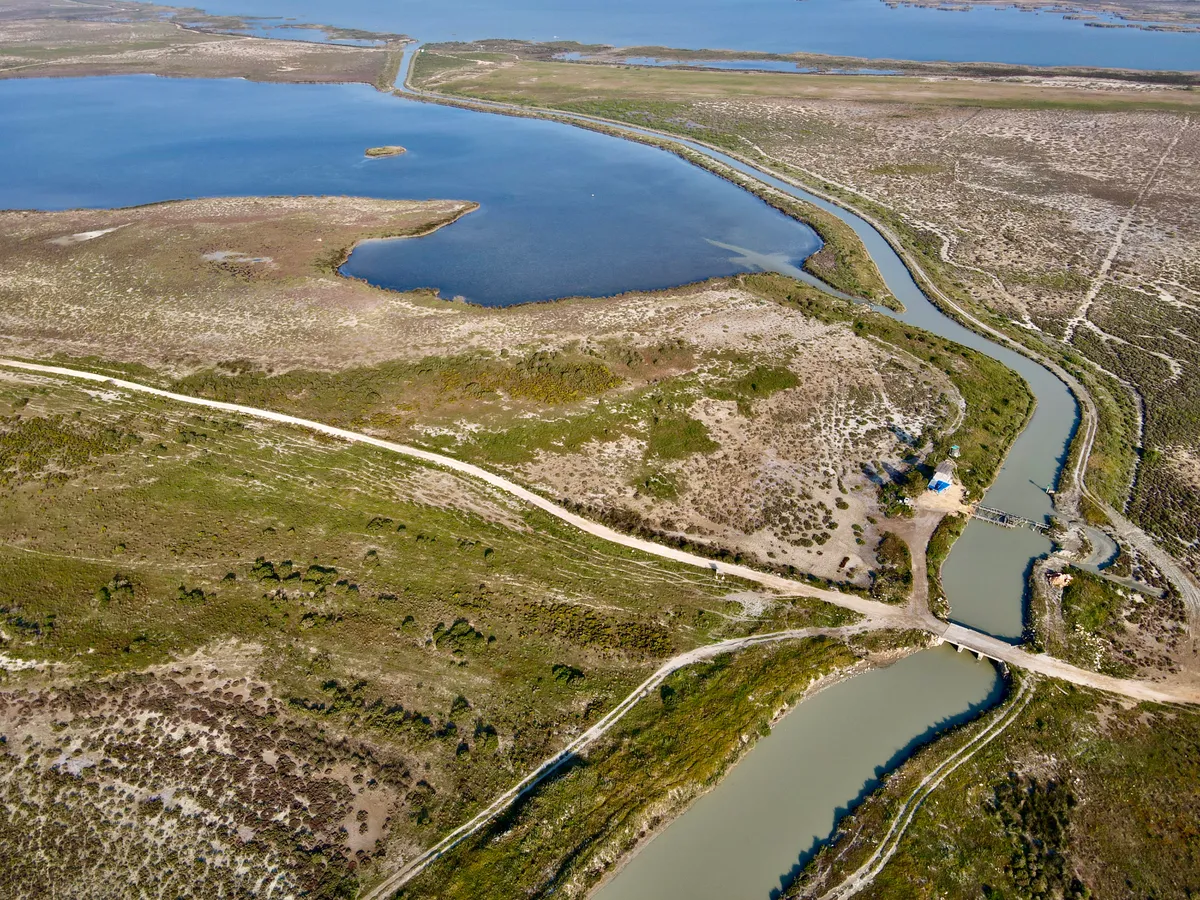
- Observation Towers: Elevated wooden birdwatching hides at Akgöl offer excellent vantage points for telephoto photography.
- Sea Turtle Nesting: Kumkuyu beach is one of the most prolific sea turtle nesting zones in the Eastern Mediterranean.
- Peak Season: Spring (March-May) and autumn (September-November) migration peaks bring extraordinary avian diversity.
10. Saint Thecla (Aya Tekla - Meryemlik) Underground Pilgrimage Cave
Located just 4 kilometers south of Silifke, Saint Thecla (Meryemlik) is the historic cave sanctuary of Saint Thecla, recognized in Christian hagiography as the first female martyr and closest disciple of the Apostle Paul. Fleeing pagan persecution in Iconium, Thecla took refuge in this subterranean grotto, devoting her life to healing the sick and preaching the gospel.
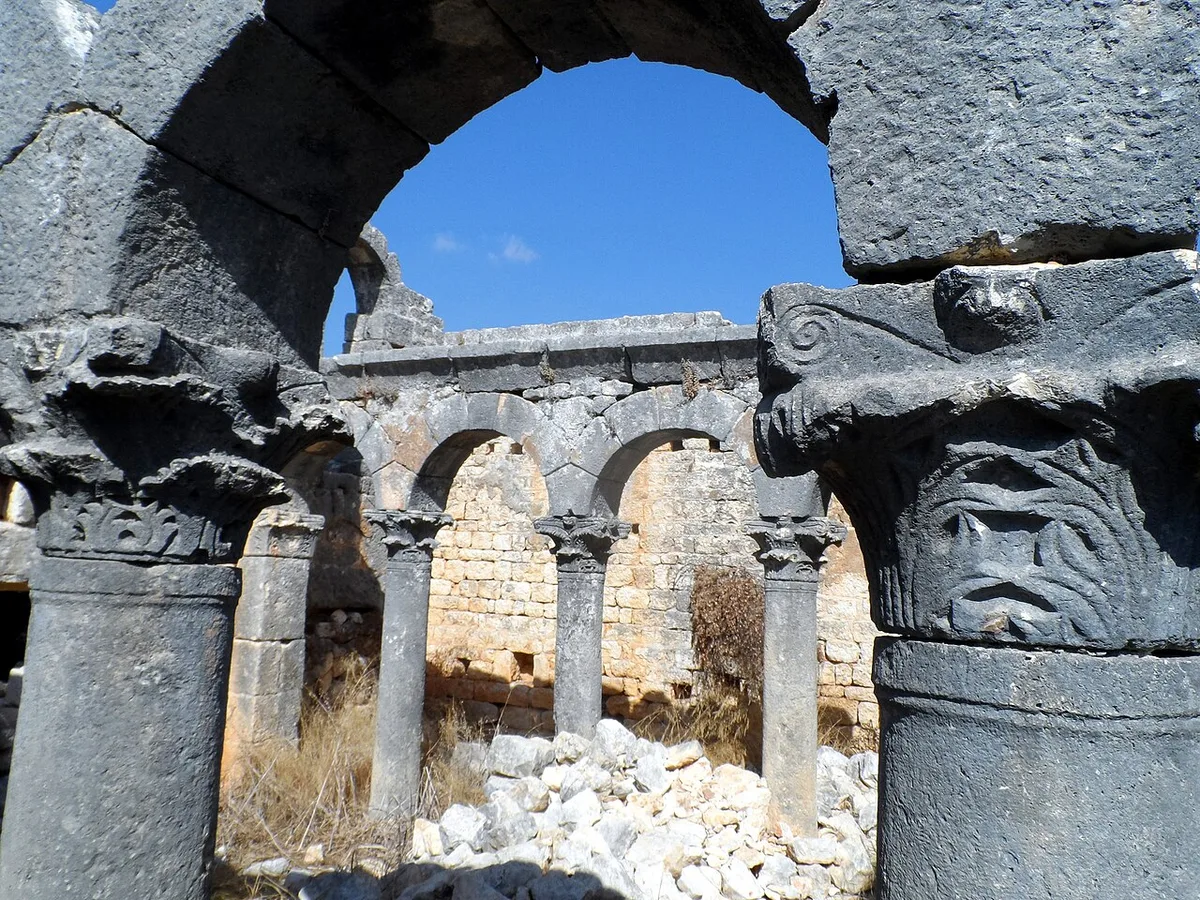
Following the Edict of Milan in 313 CE, the sacred cave was converted into an underground church, and later Byzantine Emperor Zeno erected a grand three-aisled cathedral above it. Throughout late antiquity, Meryemlik ranked as one of the premier Christian pilgrimage destinations en route to Jerusalem.
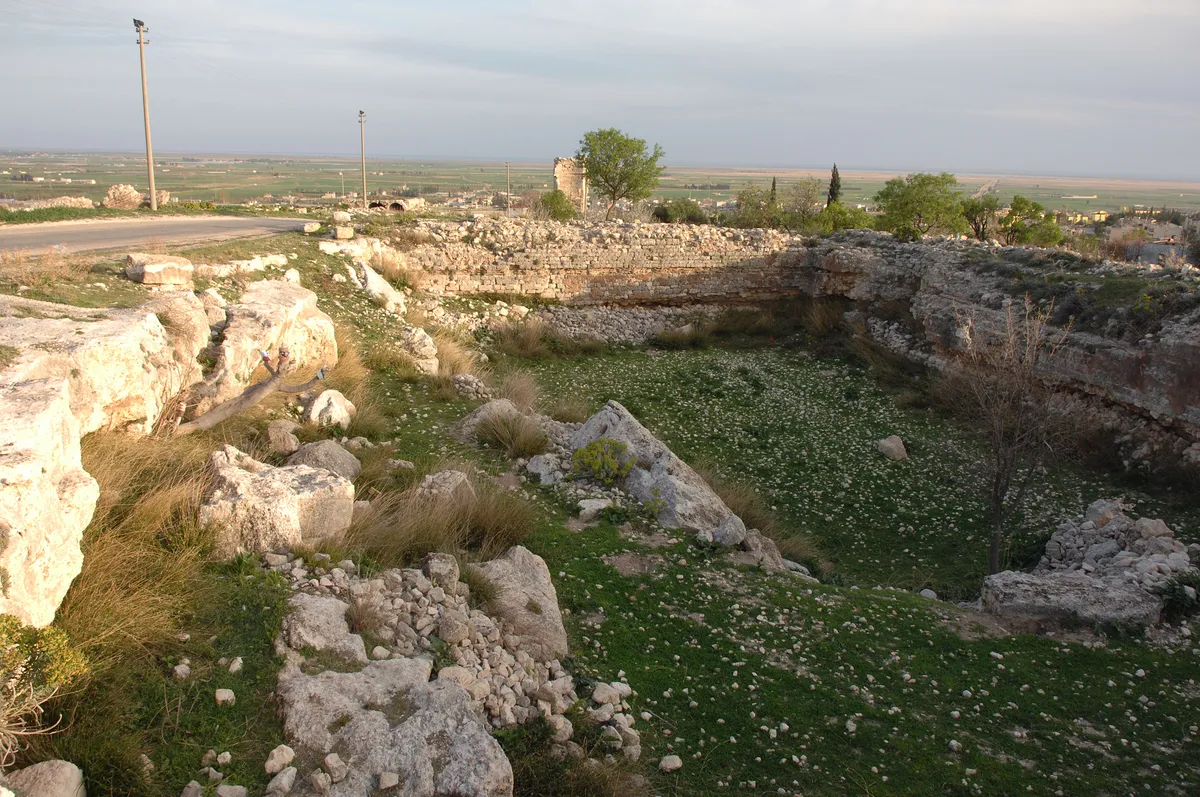
- Spiritual Heritage: Celebrated cave where Saint Thecla performed miracles and spent her final hermitic years.
- Visible Remains: The underground cave church, surviving apse of Emperor Zeno's Basilica, historic baptistery, and vast cisterns.
- Admission: Free entry. Ample parking available just a few minutes drive from central Silifke.
Silifke Gastronomy: What to Eat & Where to Savor?
Silifke’s culinary tapestry represents a glorious intersection between nomadic Yörük mountain traditions, the fertile agricultural riches of the delta, and the fresh bounty of the Mediterranean Sea:
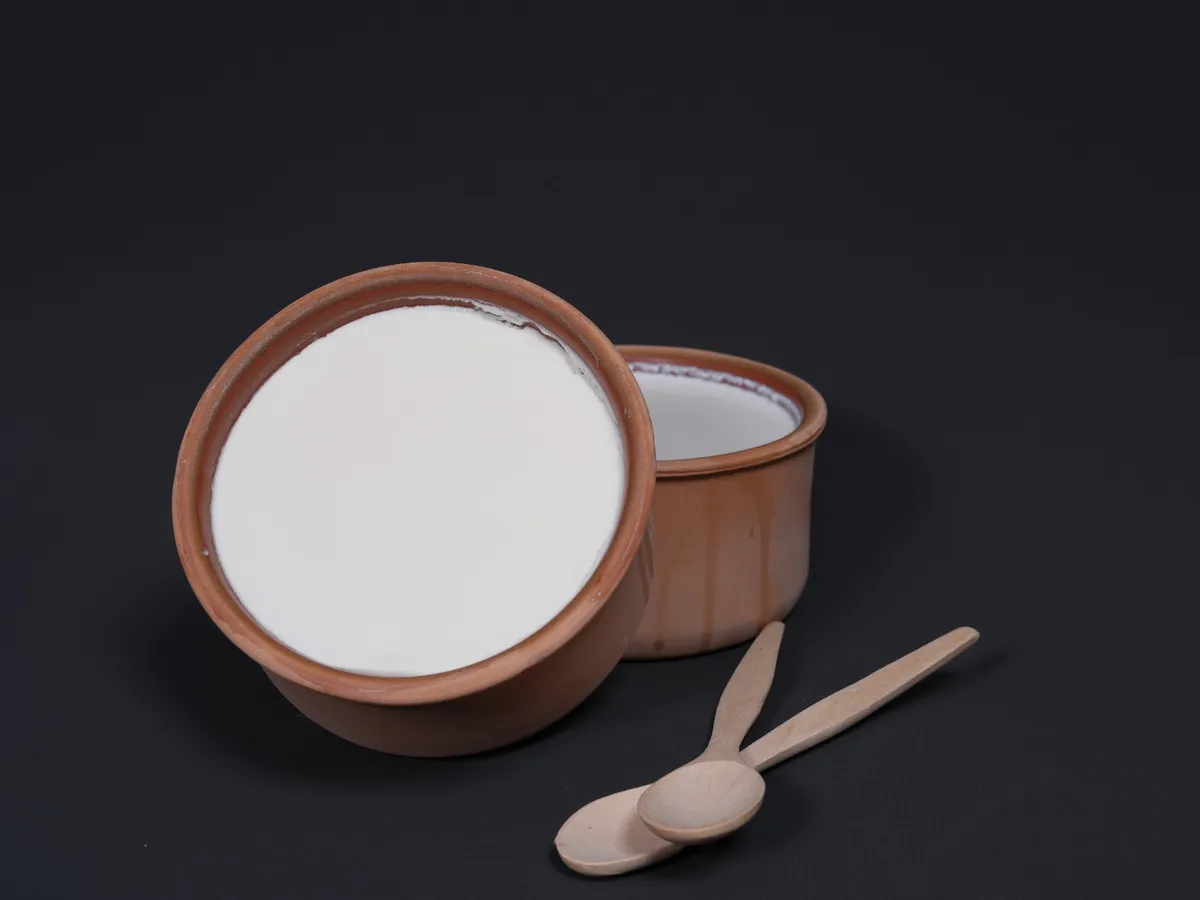
- Silifke Yoğurdu: Celebrated in regional folk ballads, this geographically certified strained yogurt is crafted from the rich milk of goats grazing on wild thyme across the Taurus highlands, possessing a thick texture and subtle smoky aroma.
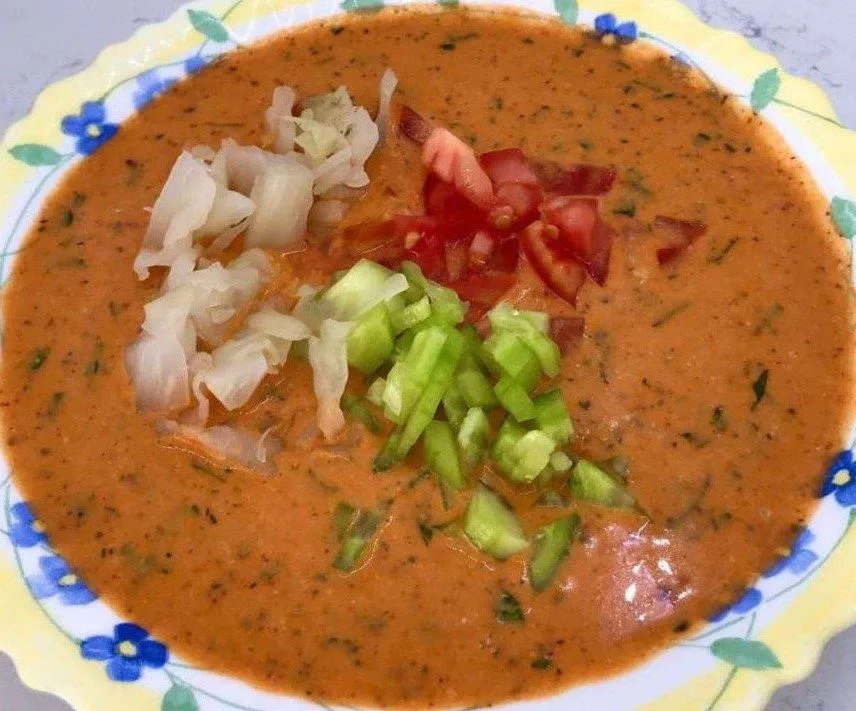
- Batırık: An iconic cold summer soup made from fine bulgur, roasted ground sesame paste (tahini), peanuts, ripe tomatoes, and fresh herbs, served chilled with ice cubes and crunchy cabbage leaves.
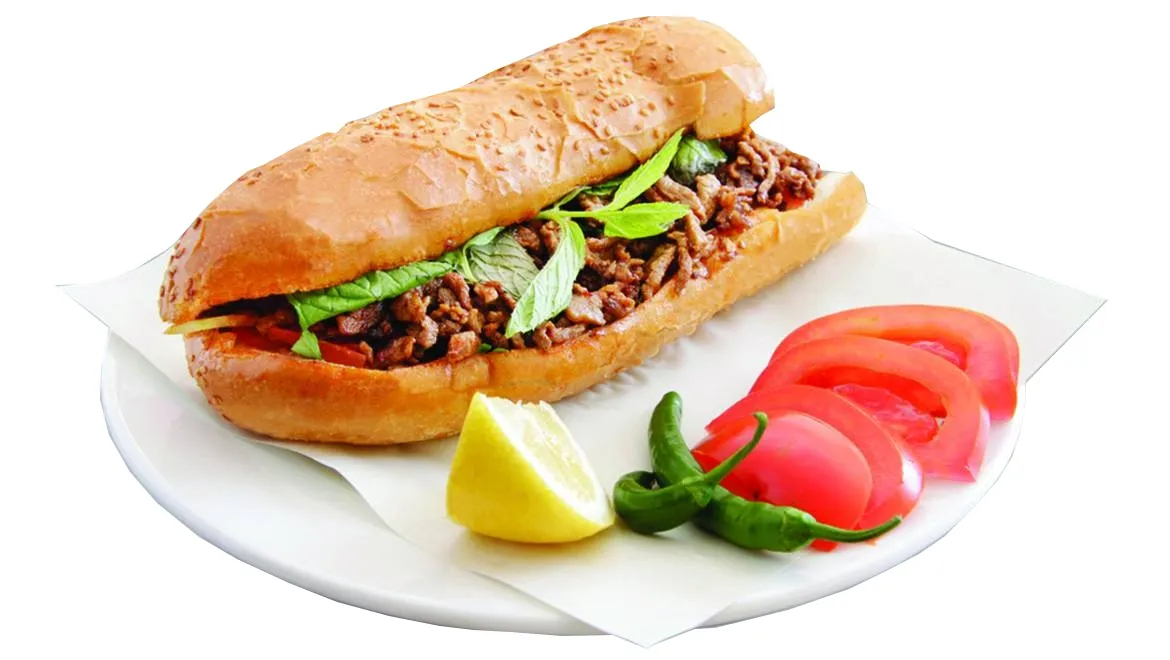
- Yörük Sıkması: Freshly baked thin griddle flatbreads rolled with goat tulum cheese, churned butter, scallions, and herbs—an essential roadside breakfast ritual.
- Taşucu & Narlıkuyu Seafood: Clay-oven baked white grouper (lagos), crisp fried calamari, and tangy pickled rock samphire (kaya koruğu) harvested from coastal sea cliffs.
- Silifke Strawberries & Kerebiç: Silifke produces over a third of Turkey's open-field strawberries. Complement your meal with kerebiç, a semolina pastry filled with pistachios and crowned with ethereal white marshmallow foam derived from soapwort root.
How to Get to Silifke: Transportation & Practical Advice
Situated on the D400 Mediterranean coastal highway, Silifke is conveniently located 85 kilometers west of Mersin city center and acts as a major transport hub:
- By Air: The newest and primary gateway is Çukurova International Airport (Tarsus/Mersin). Regular airport shuttle coaches (HAVAŞ) and car rentals connect airport passengers to Silifke in approximately 1 hour and 20 minutes via the motorway.
- By Road: Frequent intercity buses and regional minibuses connect Mersin bus terminal to Silifke and Taşucu every 15 minutes. From Ankara and Konya, modern highways traverse the Taurus mountains through the scenic Sertavul Pass (1,650m) directly down to Silifke.
- Ferry to Northern Cyprus: Taşucu Harbor in Silifke operates daily year-round passenger ferries and high-speed catamarans to Kyrenia (Girne), Northern Cyprus.
Recommended 1-Day Itinerary for Silifke & Surroundings
- 08:30 - 11:30 | Cennet-Cehennem & Asthma Cave: Descend the 452 steps into Cennet Sinkhole in the cool morning, marvel at the Mary church, walk the glass skywalk over Cehennem, and see the stalactites of Asthma Cave.
- 11:30 - 13:00 | Narlıkuyu Cove & Three Graces Mosaic: Head down to Narlıkuyu, view the exquisite Roman floor mosaic, and admire the turquoise karst springs meeting the sea.
- 13:00 - 14:30 | Seafood Lunch at Narlıkuyu: Savor grilled lagos and fresh calamari right by the harbor.
- 14:30 - 17:00 | Uzuncaburç Ancient City Exploration: Drive up to the Taurus plateau to explore the Temple of Zeus Olbios and the 5-story Hellenistic Tower in the refreshing mountain air.
- 17:30 - 19:30 | Sunset at Silifke Castle: Conclude your day atop the ramparts of Silifke Castle, watching the sun dip behind the Göksu River valley.
Silifke seamlessly fuses the raw power of geological sinkholes with the nobility of Hellenistic sanctuaries, the cooling breezes of the Taurus highlands with the warm embrace of turquoise Mediterranean coves. From the subterranean stairs of Heaven to the mythological legends of Typhon and Saint Thecla, this captivating district leaves an indelible impression on every traveler.