Rising where the wild waves of the Aegean Sea meet the tranquil warmth of the Mediterranean at Cape Tekir, the Datça Peninsula is an earthly paradise blending nature's lavish gifts with the sublime elegance of antiquity. From Knidos—the Dorian capital of astronomy, medicine, and art—to centuries-old almond orchards, and from the poetic stone alleys of Old Datça to secluded turquoise bays, this idyllic journey promises an unforgettable immersion in the clearest waters of the ancient world.
- History and Carian Heritage: Science, Maritime Might, and Aphrodite's Sanctuary
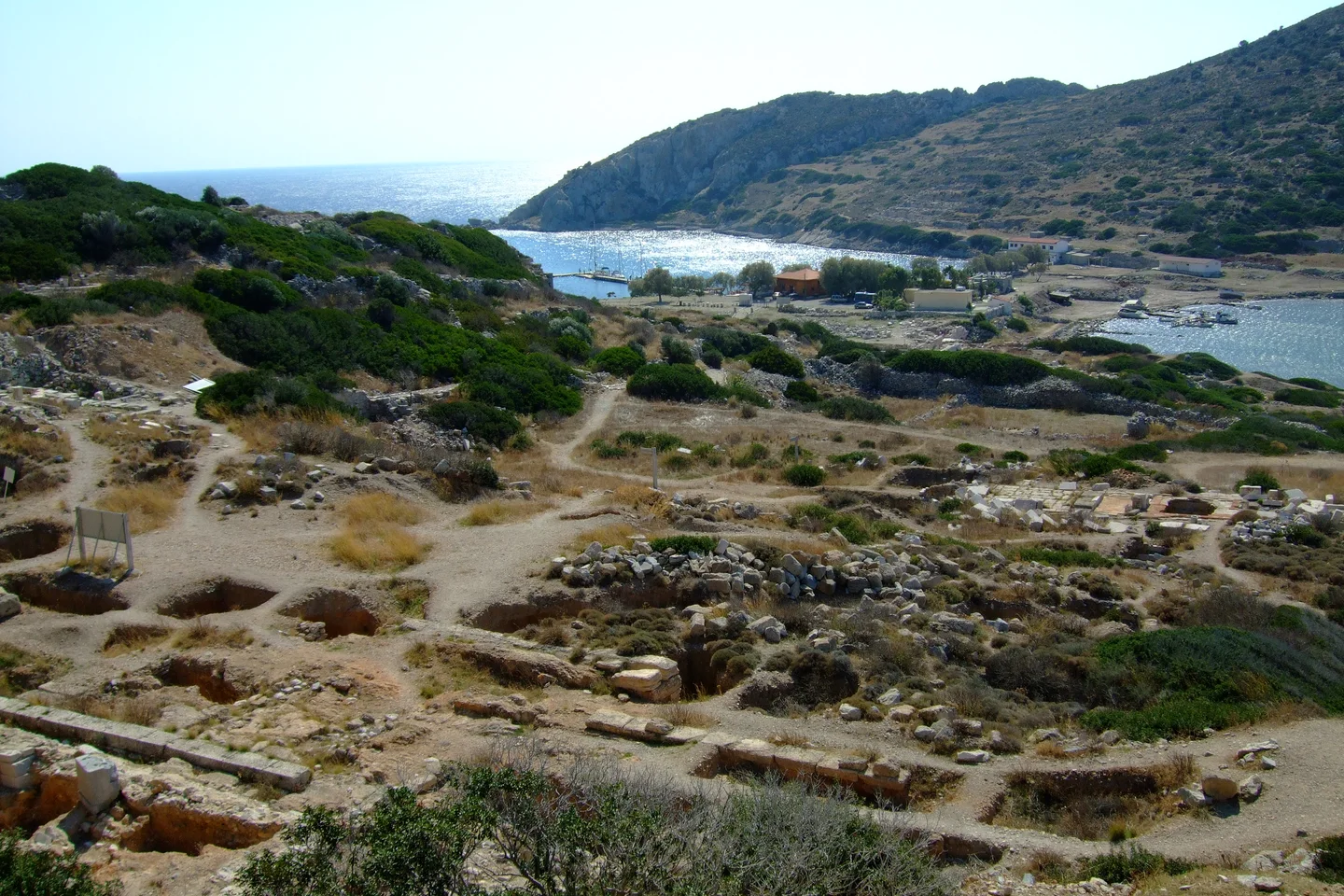
The roots of Knidos stretch back to the 2nd millennium BC with Carian settlements, followed by Dorian colonization. As one of the prominent members of the Dorian Hexapolis (League of Six Cities), Knidos commanded dual natural harbors that dominated classical Mediterranean trade routes. Universal geniuses flourished here: Sostratos, the architect who designed the legendary Lighthouse of Alexandria; Eudoxus, the brilliant astronomer and mathematician who invented the marble sundial; and Euryphon, pioneer of early medical treatises. The city gained legendary renown through sculptor Praxiteles, whose groundbreaking nude statue of 'Aphrodite of Knidos' drew voyagers across the ancient world.
- Two-Day Comprehensive Discovery Route: Antiquities, Stone Architecture, and Turquoise Coves
Day 1: Marble Terraces of Knidos, Deveboynu Lighthouse, and Palamutbükü Bay
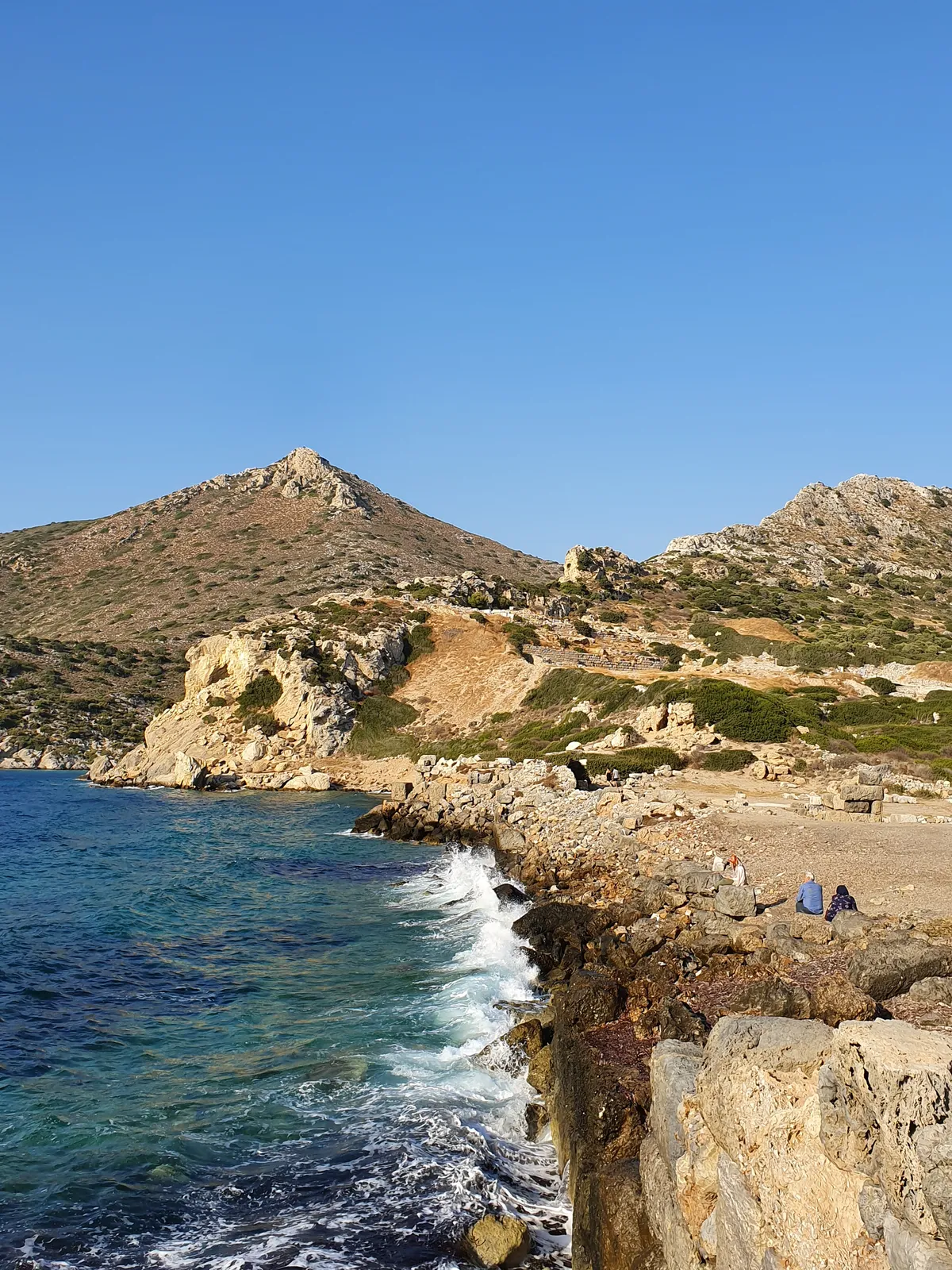
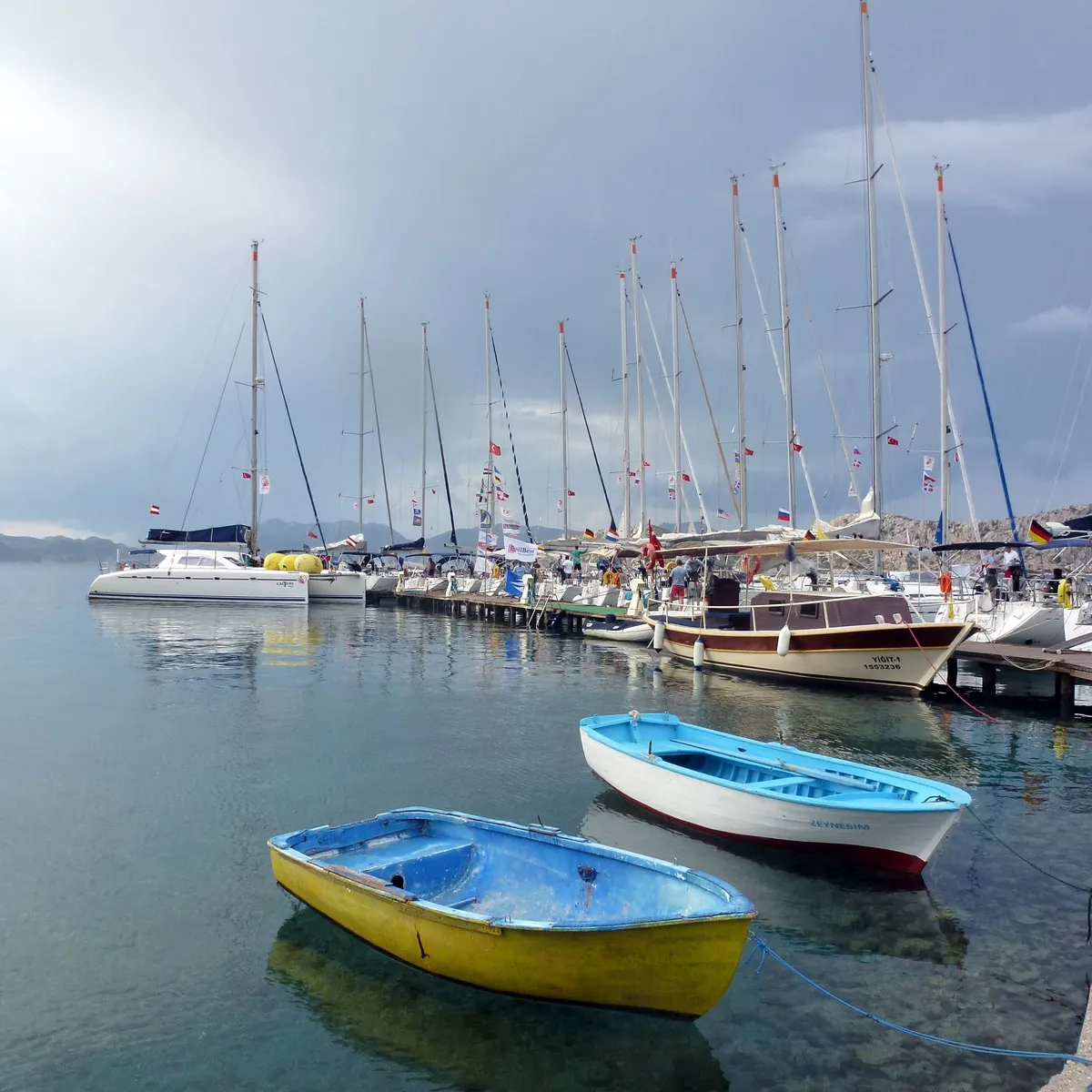
Begin at the western tip of the peninsula in the crisp morning light at Knidos. Ascending through monumental urban terraces, examine Eudoxus's hemispherical marble sundial before taking a seat in the 5,000-seat Hellenistic Theater overlooking the Small Harbor. Watching yachts glide past the ancient stone breakwaters from the marble tiers offers an incomparable sense of timeless serenity.
In the late afternoon, embark on the scenic 40-minute hike up the rocky spine of Deveboynu (Cape Krio). Built in 1931, the solitary Deveboynu Lighthouse stands atop dramatic sea cliffs with the Mediterranean on your left and the Aegean on your right. Watching the sun plunge into the horizon along the seam where the two distinct marine currents converge is one of the most spellbinding sunset spectacles in the Mediterranean basin.
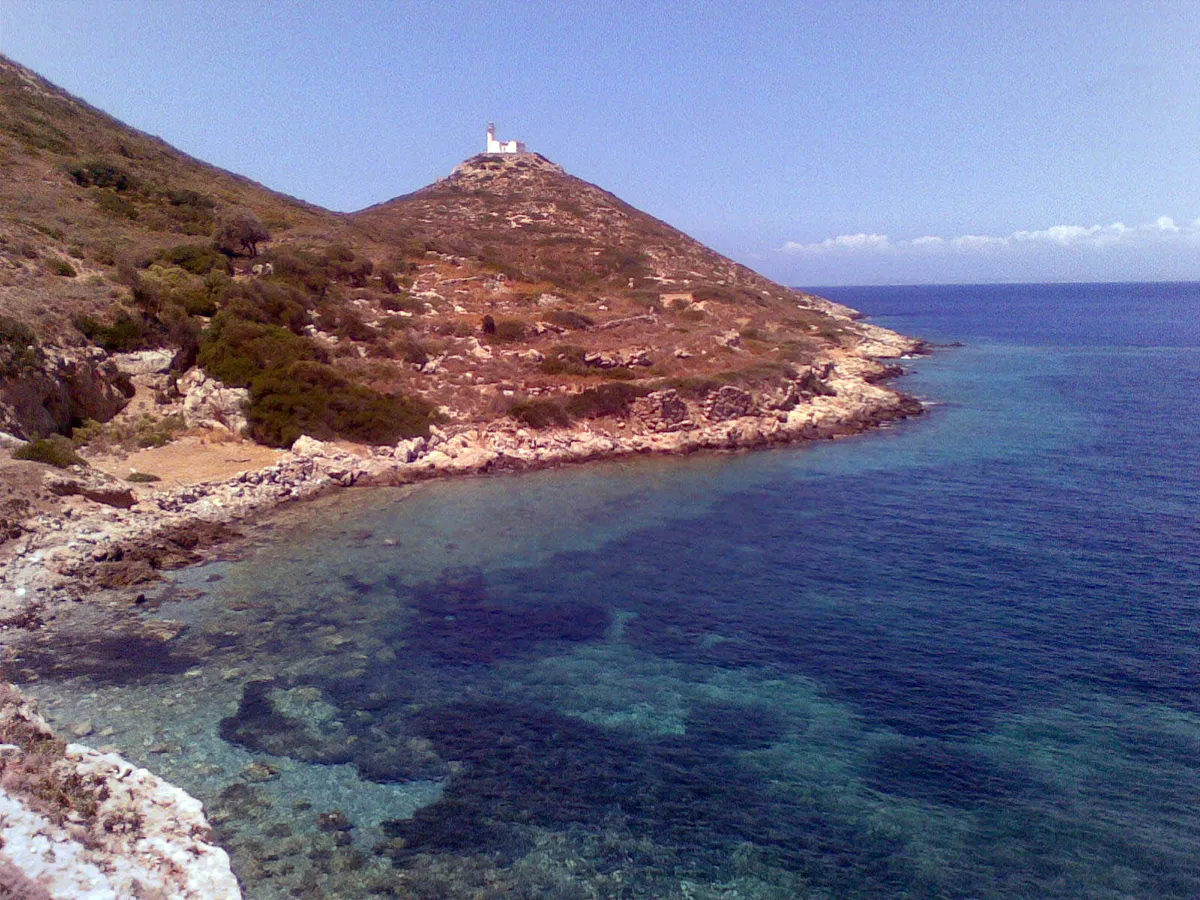
After descending Knidos, continue east along the southern coast to Palamutbükü. Famous for its long pebbled beach, aquarium-like water clarity, and seaside tavernas serving Aegean seafood, it is the perfect spot to unwind. Nearby Kargı Cove and eucalyptus groves offer additional tranquil swimming retreats.
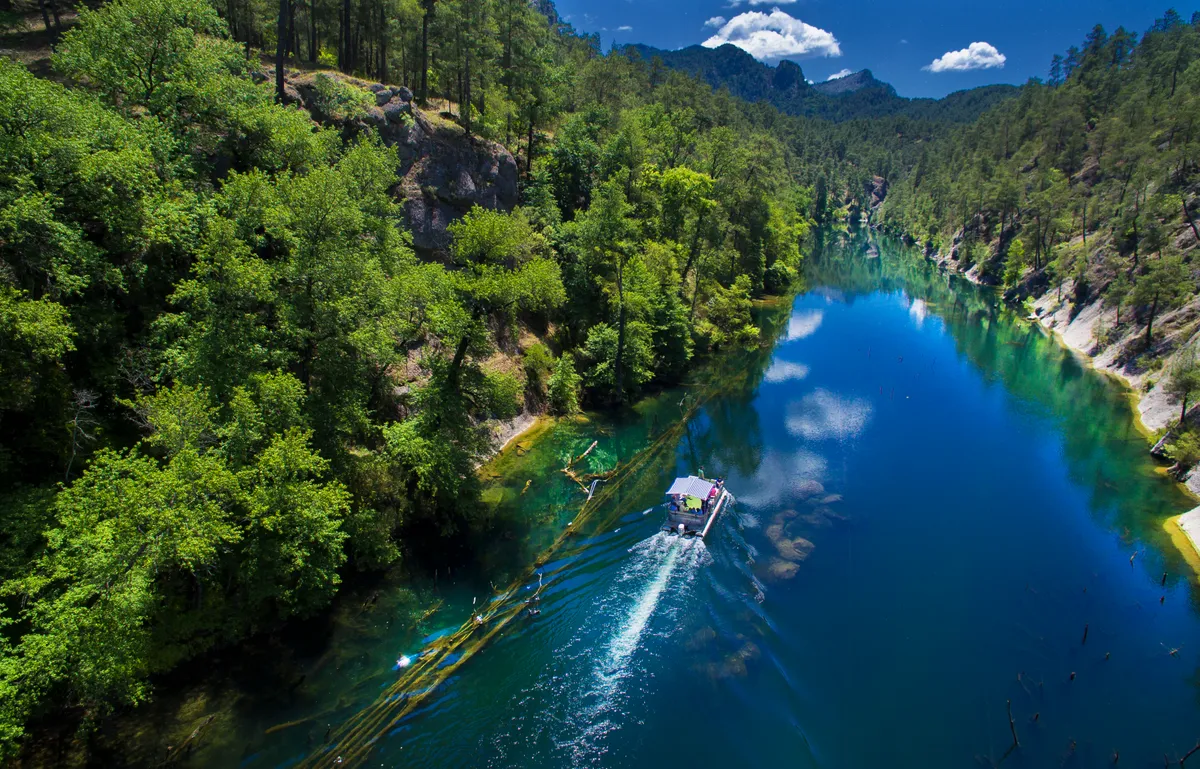
Day 2: Stone Alleys of Old Datça, Almond Trails, and Eastern Beaches
The second day unfolds in picturesque Old Datça (Eski Datça), celebrated for its restored stone houses draped in bougainvillea and jasmine. Wander down Can Yücel Street, named after Turkey's beloved poet who spent his final decades here, soaking in the bohemian aura of artist workshops and shaded stone tea gardens.
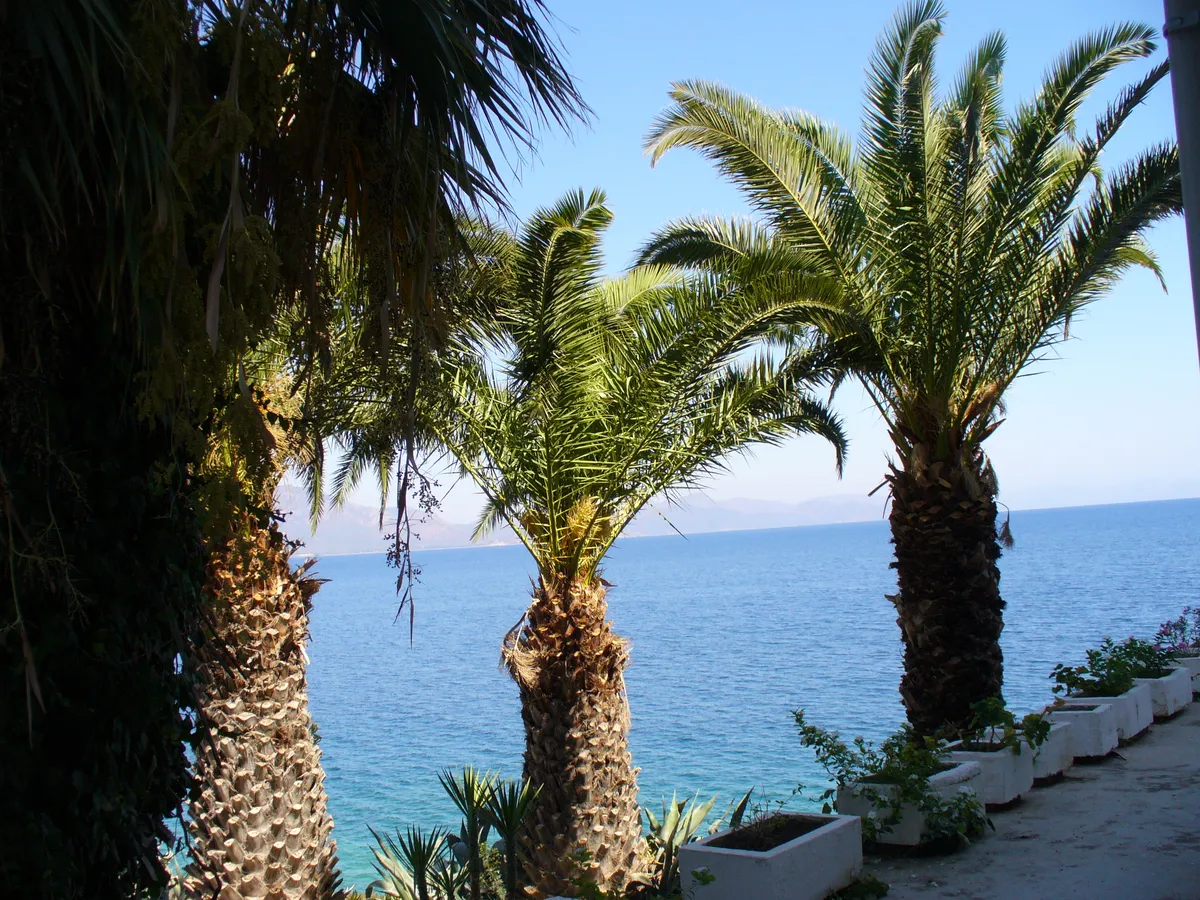
Venture deeper into the interior valleys where century-old almond trees mingle with fragrant pine forests. In February, the hillsides glow white with early almond blossoms; during summer, harvest brings the crisp delicacy of fresh Nurlu almonds. Meet local beekeepers and sample organic pine and thyme honey.
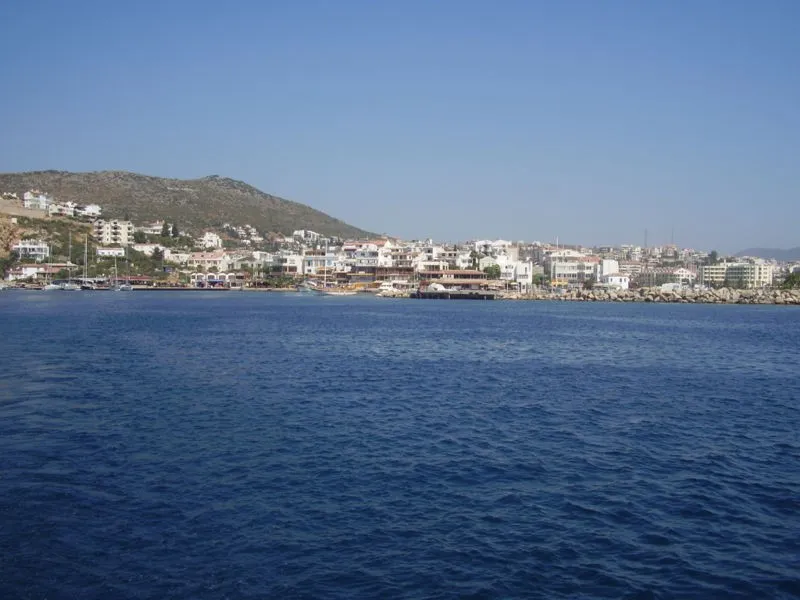
Continue to Hızırşah Village to visit the historic Hacı Dede Mosque, dating to the 14th-century Menteşe Beylik period. This domed stone structure represents the earliest surviving Turkish-Islamic architectural heritage on the peninsula, surrounded by traditional rural tranquility.
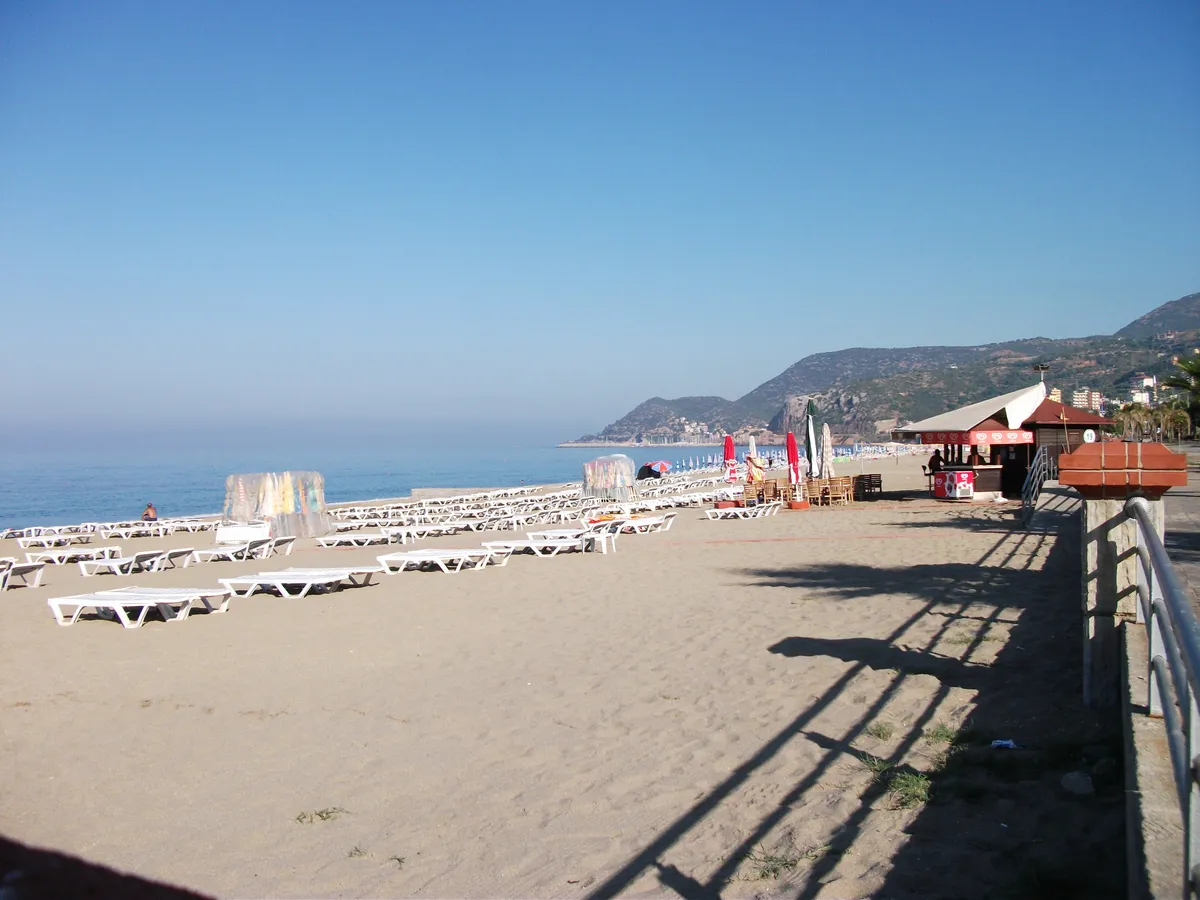
In the afternoon, relax at Karaincir Cove, known for its fine golden sand and gently sloping, crystal-clear shallows protected from summer swells—ideal for families and calm swimming.
Along the northern coast, scenic walking trails overlook the Gulf of Gökova toward Sedir Island (ancient Cedrae), providing hikers with dramatic cliffside panoramas.
Conclude the voyage savoring freshly grilled sea bass and mezes along the quiet fishing coves of the neighboring Bozburun coastline.
- Visiting Hours and 2026 Ticket Information
- Knidos Archaeological Site: Open daily 08:30 - 20:00 (April to October) and 08:30 - 17:30 (November to March). Museum Pass Turkey accepted; standard foreign visitor tickets available at the entrance.
- Deveboynu Lighthouse Trail: Accessed via the archaeological site. Sturdy hiking shoes, sun protection, and at least 1 liter of water are mandatory. The lighthouse interior is closed, but the exterior clifftop viewpoint is open.
- Old Datça (Eski Datça): Freely accessible 24/7. Can Yücel's private residence is not open to visitors, but his memorial street and courtyard gates can be admired from outside.
- Palamutbükü and Karaincir Beaches: Free public shorelines; sunbed and parasol rentals available through beachfront restaurants.
- Hızırşah Hacı Dede Mosque: Open daily for visits outside prayer congregations.
- Transportation and Road Advice
- Driving to Knidos: The scenic road from central Datça to Knidos is approximately 38 km (45-50 minutes). It is entirely asphalted but winds through hilly curves; drive with care, especially returning after sunset.
- Local Minibuses: Regular seasonal dolmuş services run from Datça Central Bus Terminal to Palamutbükü and Knidos throughout the summer.
- Bodrum - Datça Car Ferry: Operates 2-3 daily crossings between Bodrum Marina and Datça Karaköy Port (approx. 105 minutes), offering the most comfortable connection between the two peninsulas.
- Airports: Nearest gateways are Dalaman Airport (160 km) and Bodrum-Milas Airport (connected via ferry).
- Gastronomy, Almond Varieties, and Traveler Insights
Savor Datça's celebrated culinary treasures:
- Datça Nurlu Almonds: Renowned for their large size, crunchy texture, and sweet flavor; best enjoyed freshly shelled.
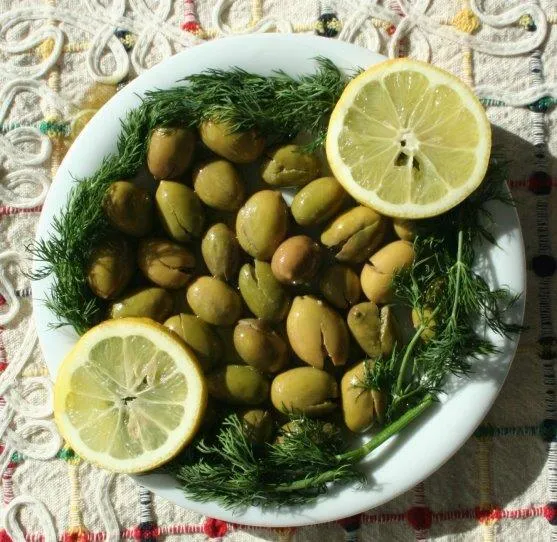
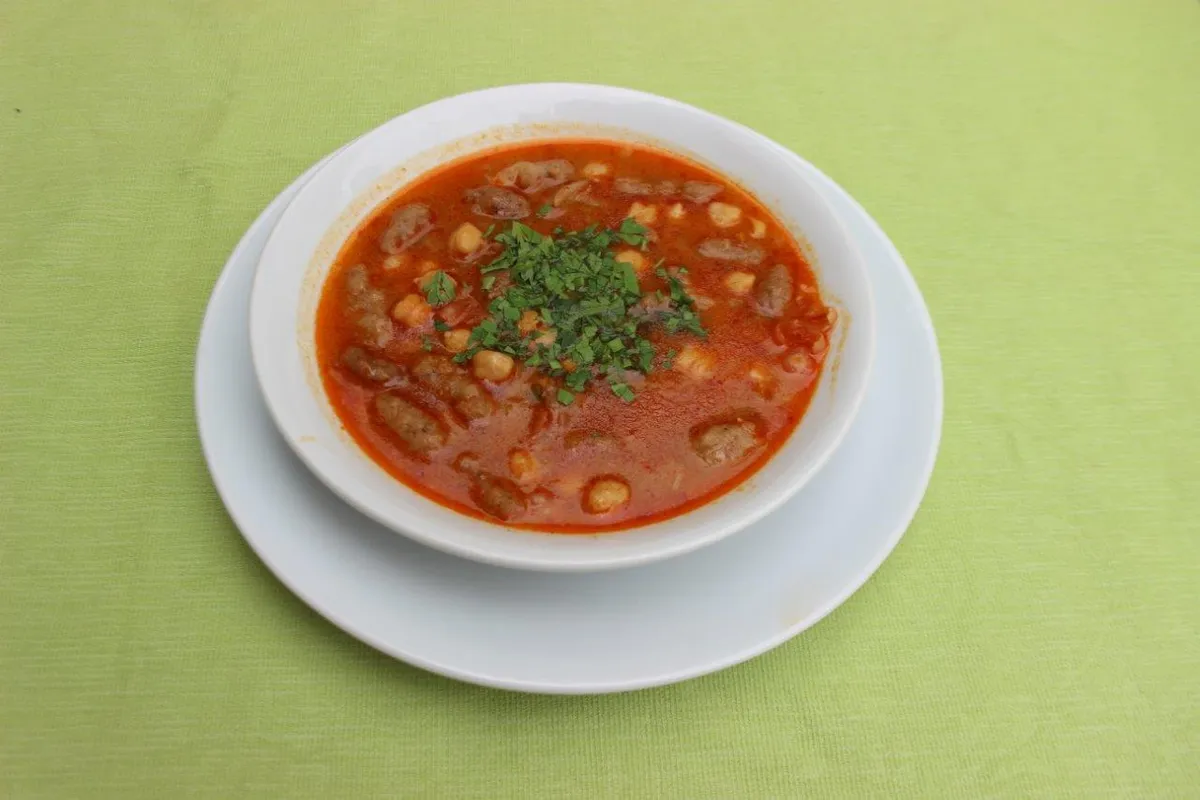
- Green Almonds (Çağla) & Almond Meatballs: In spring, enjoy crisp green almonds; in local bistros, try almond-infused meatballs and fresh olive-oil artichokes.
- Almond Soda & Damat Tatlısı: Refresh yourself with local sparkling almond soda, followed by the syrup-soaked traditional festive pastry.
- Wild Thyme and Pine Honey: Harvested from untouched mountain brush, this amber honey is the ultimate artisan souvenir.
- Wind Preparation: Datça enjoys constant cooling breezes (meltemi). Pack a light windbreaker for the clifftop trail at Deveboynu as evening winds can be brisk.
Standing beside the lonely lighthouse where the Aegean kisses the Mediterranean and watching the sun set between Knidos's ancient columns is an enchanting experience that captures the true soul of Datça.