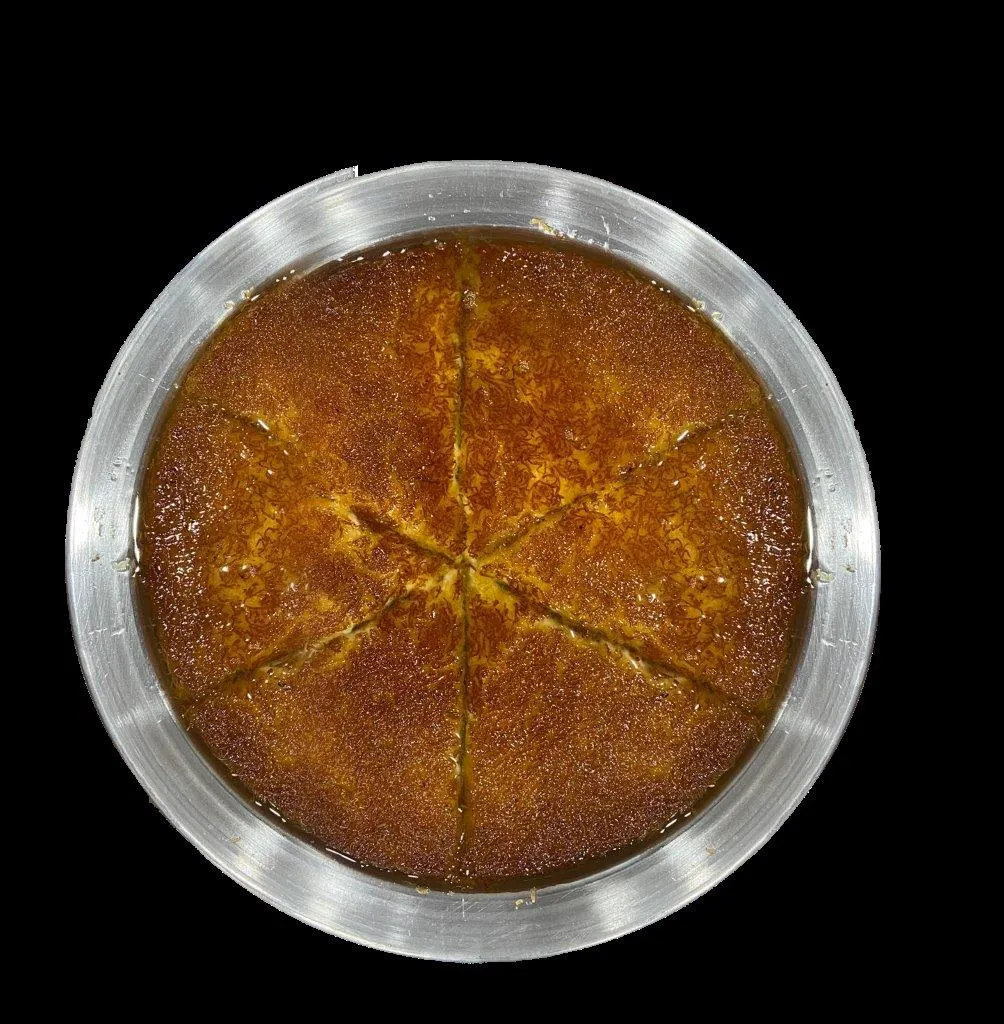
Point Zero of History Sanliurfa Travel Guide 2026: Gobeklitepe, Karahantepe, Balikligol and Sira Night Experience


Situated on the northern edge of the Fertile Crescent, where the endless plains of Upper Mesopotamia embrace the Anatolian highlands, Sanliurfa stands as the world's most staggering open-air museum. Thousands of years before the agricultural revolution and sedentary village life, hunter-gatherer communities carved monumental limestone sanctuaries, erected megalithic pillars, and developed profound spiritual systems, elevating Urfa to humanity's unquestioned "Point Zero of History".
From the 12,000-year-old UNESCO World Heritage site of Gobeklitepe to the groundbreaking discoveries at Karahantepe; from the sacred pools of Balikligol where flames miraculously turned into water to the world-class Sanliurfa Archaeology Museum housing the iconic "Urfa Man", this timeless land offers an unparalleled voyage through the dawn of human civilization. Here is your definitive 2026 guide.
1. Gobeklitepe Archaeological Site & Visitor Experience Center: Humanity's First Temple
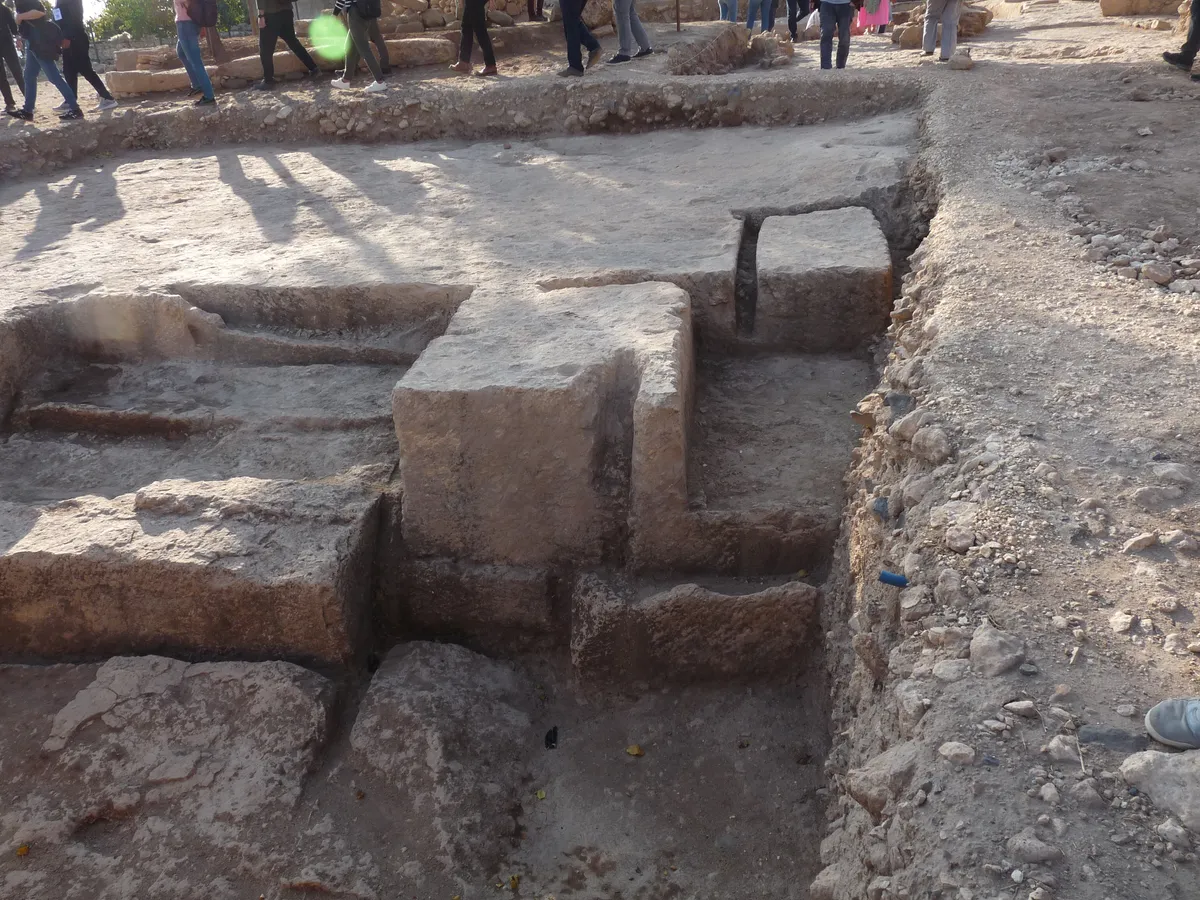
Located 18 kilometers northeast of Sanliurfa city center near Orencik Village in the Haliliye district, Gobeklitepe dates back to 9600 BCE (approximately 11,600 to 12,000 years ago). Excavations initiated by German archaeologist Prof. Dr. Klaus Schmidt fundamentally overturned established archaeological paradigms: rather than agriculture leading to settled life and religion, evidence proves that collective ritual and spiritual drive sparked social cohesion, architecture, and civilization itself.
The monumental circular enclosures contain two central T-shaped limestone monoliths reaching up to 5.5 meters in height and weighing up to 16 tons. These pillars represent stylized anthropomorphic beings with arms, hands, and loincloths, surrounded by perimeter pillars intricately carved in high relief with wild animals—lions, snakes, wild boars, foxes, cranes, and scorpions.
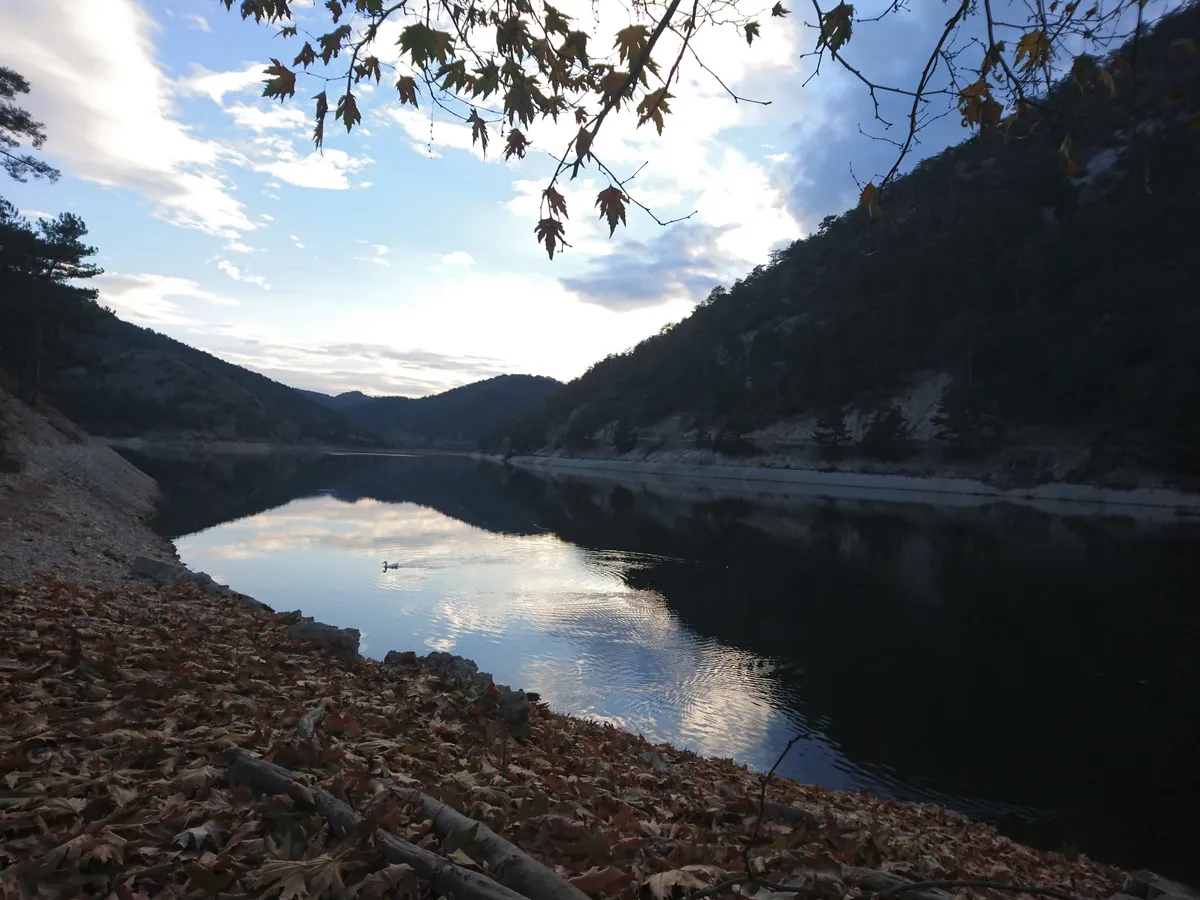
- Location: Haliliye District, Orencik Village (18 km from city center).
- Visiting Hours: Daily 08:30 - 19:00 (Closes at 17:30 in winter). Ticket booth closes 45 minutes prior.
- Admission: Museum Pass (Muzekart) is valid for domestic visitors. International e-tickets available.
- Transit: Express Public Bus Line 100 departs regularly from Abide and Haleplibahce transit hubs directly to Gobeklitepe.
- Pro Tip: Begin your tour at the cutting-edge Visitor Center to watch the immersive 360-degree timeline documentary before taking the shuttle to the hilltop excavation zone.
2. Karahantepe Archaeological Site: The Crown Jewel of the Tas Tepeler Project
Nestled near Kargali Village within the Tek Tek Mountains National Park in Haliliye, Karahantepe is the flagship site of the Ministry of Culture and Tourism's "Tas Tepeler" (Stone Mounds) Neolithic research project. Under the leadership of Prof. Dr. Necmi Karul, excavations have unveiled an astonishing degree of artistic sophistication contemporary with and in some aspects more advanced than Gobeklitepe.
The most breathtaking feature is the bedrock-carved Building AB, interpreted as an initiation and ritual chamber. Here, an imposing human head carved directly from the living rock gazes across an array of 11 upright phallic monoliths. Karahantepe represents humanity's first monumental attempt to portray the human countenance and establish physical dominion over sacred spaces.
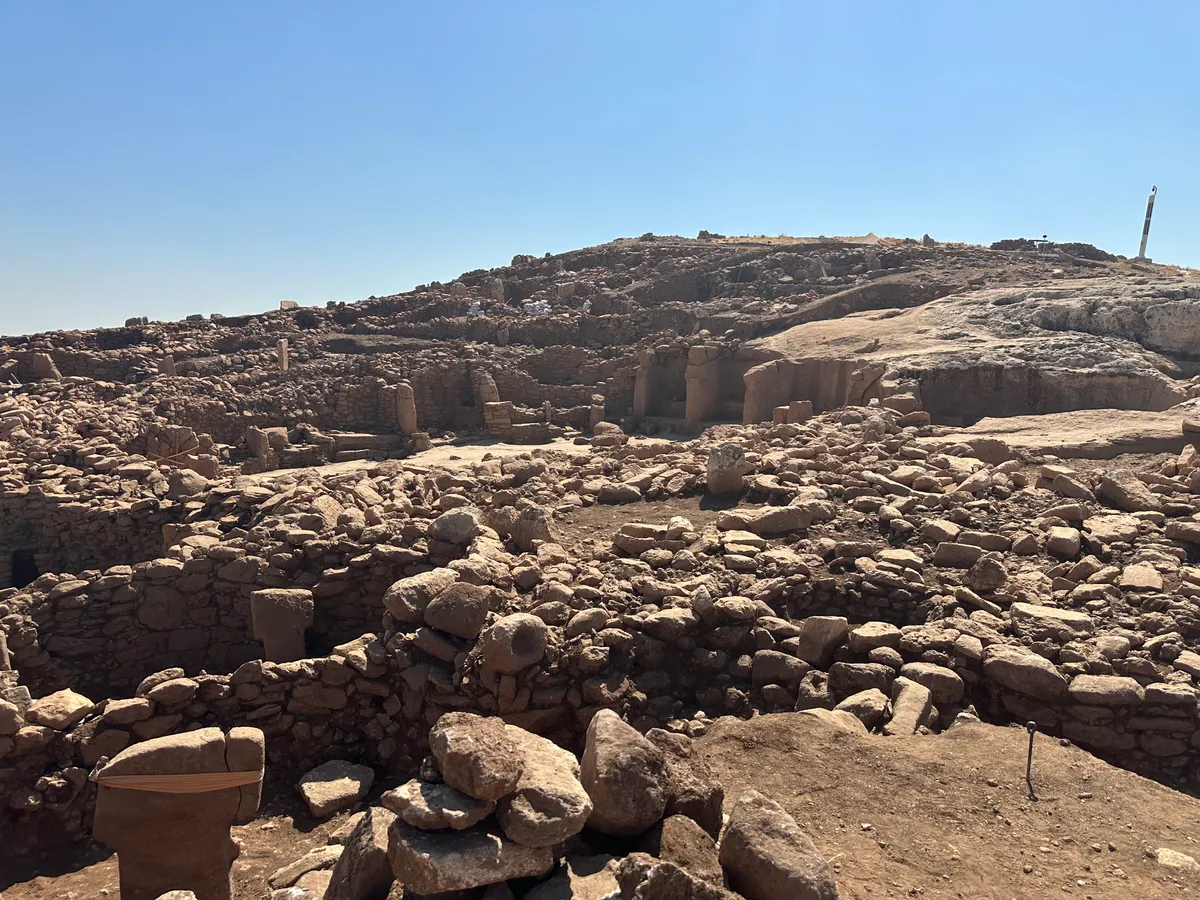
- Distance: Approximately 55 km east of Sanliurfa center.
- Road Condition: Accessible via paved roads turning off the Sanliurfa-Mardin highway towards the Tek Tek Mountains.
- Visiting: Walkways and observation platforms guide visitors safely through active excavation trenches.
- Preparation: The plateau is completely exposed; carry a wide-brim hat, sunscreen, and plenty of water.
3. Balikligol (Pool of Abraham): Where Flames Transformed into a Rose Garden
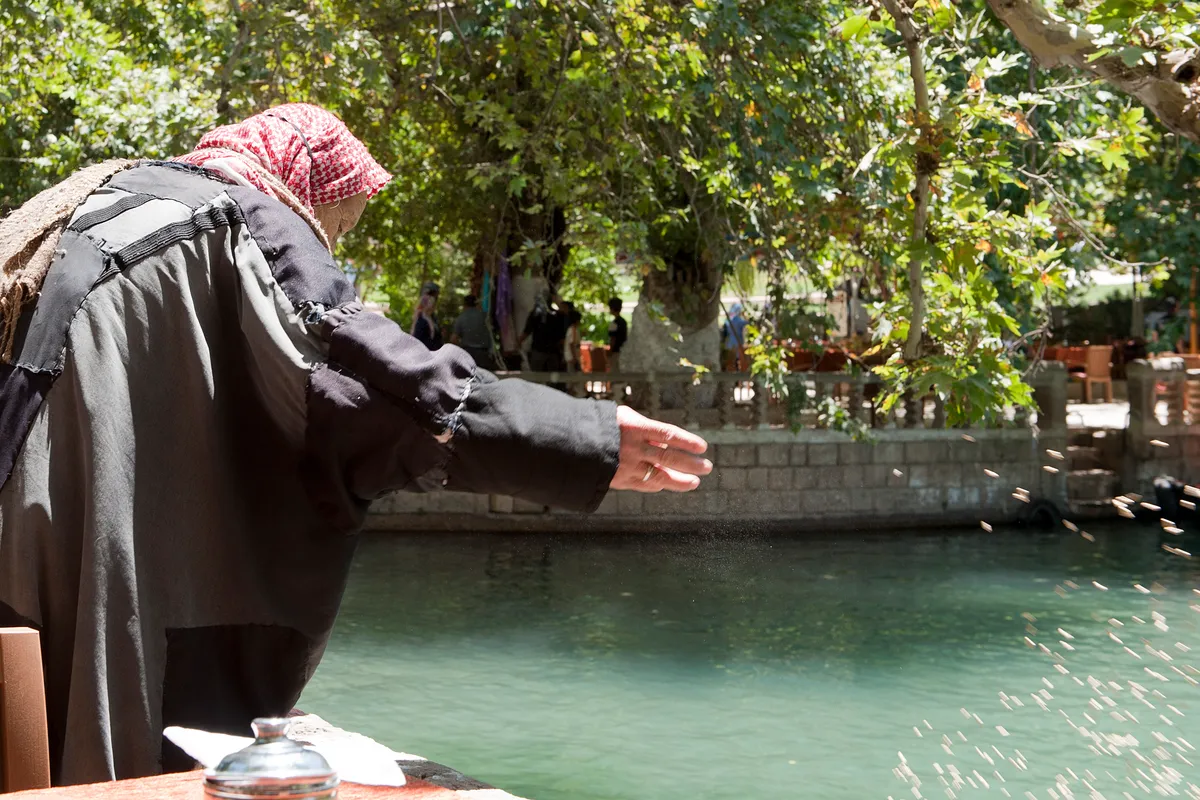
Located at the spiritual heart of ancient Urfa in Eyyubiye district, Balikligol (Halil-ur Rahman Lake) is revered as the site of Prophet Abraham's miraculous deliverance. According to sacred tradition, King Nimrod cast Abraham into a colossal bonfire from the castle towers above for destroying pagan idols.
By divine command, the raging furnace instantly transformed into a tranquil pool of crystal-clear spring water, and the burning logs became sacred carp with charcoal-like markings on their backs. The 150-meter-long pool is framed by the graceful stone arcades of the 1716 Rizvaniye Mosque and Madrasa. The fish are protected by centuries of religious reverence; touching or catching them is strictly forbidden.
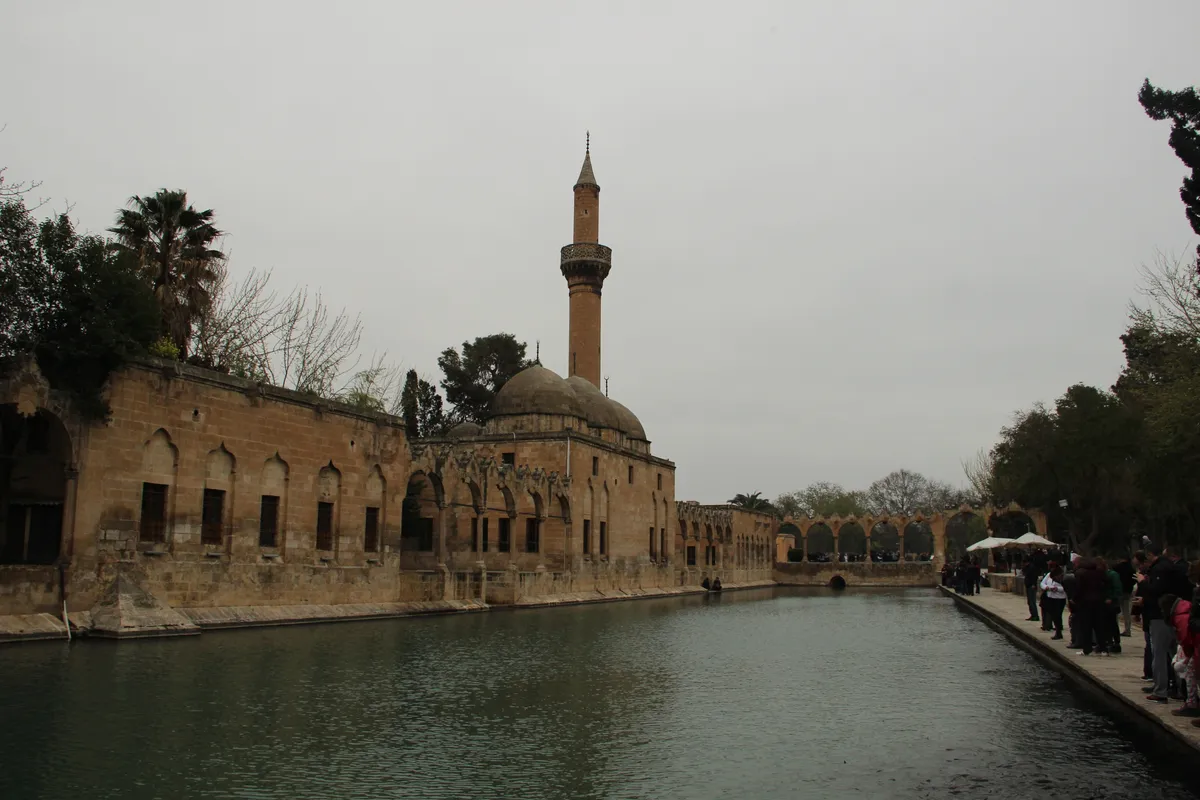
4. Aynzeliha Lake and Historic Park Gardens: The Tears of Devotion
Adjoining Balikligol to the southwest beneath the rugged limestone cliffs of Urfa Castle, Aynzeliha Lake embodies a poignant legend of love and faith. Tradition recounts that Zeliha, King Nimrod's daughter or adoptive child, secretly embraced Abraham's monotheistic teachings. Overwhelmed by grief when Abraham was hurled into the fire, her sorrowful tears gathered into this verdant pool.
Surrounded by century-old plane trees, floating water lilies, and traditional tea gardens, Aynzeliha offers a tranquil respite. Visitors can rent small rowboats to glide across the mirror-like waters and admire the looming battlements of Urfa Castle from below.
5. Sanliurfa Archaeology Museum: Home of the World's Oldest Statue, "Urfa Man"
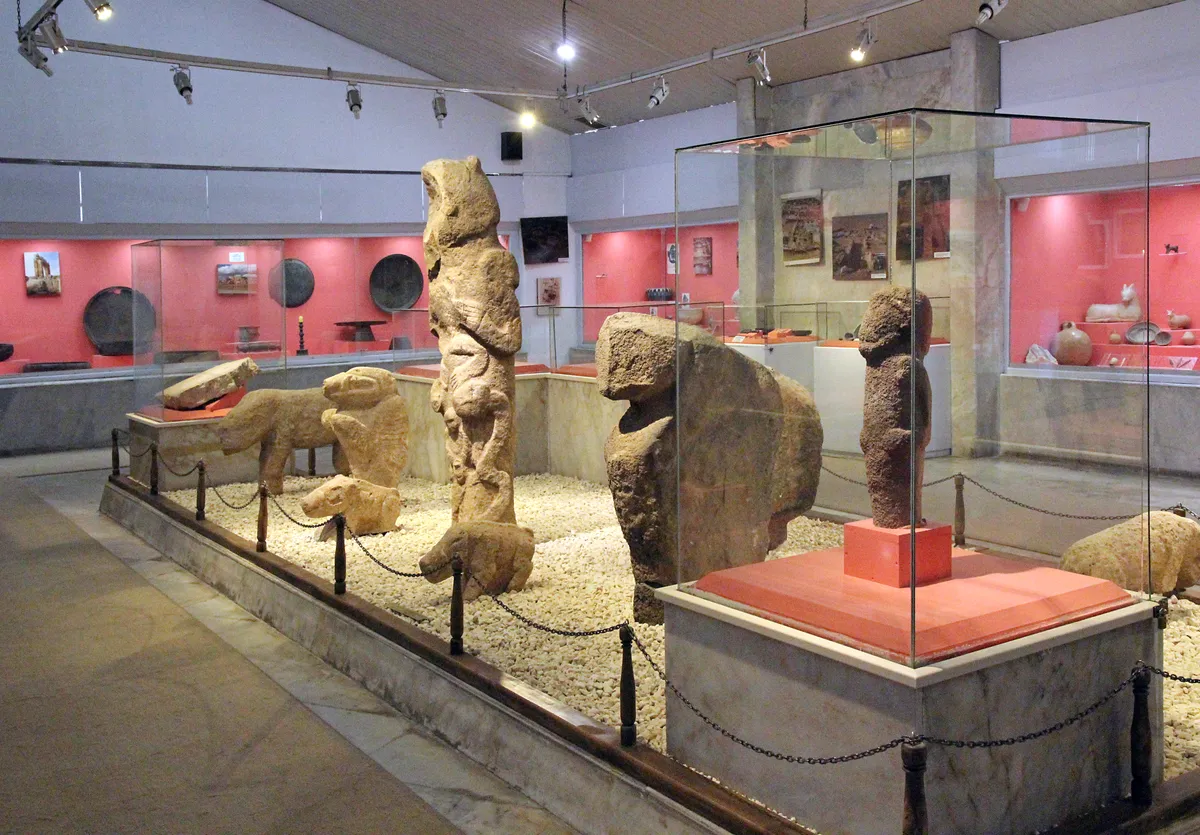
Spanning 24,000 square meters of exhibition space within the Haleplibahce cultural zone, the Sanliurfa Archaeology Museum ranks among Turkey's largest and most technologically sophisticated cultural institutions. With more than 10,000 cataloged artifacts, it is universally recognized as the world's definitive repository of Pre-Pottery Neolithic art.
The museum's crowning jewel is the "Urfa Man" (Balikligol Statue), discovered during urban excavations near the sacred pool and dated to 9300 BCE. Standing 1.80 meters tall, with piercing inlaid obsidian eyes, clasped hands, and realistic anatomy, it is humanity's earliest known life-sized human sculpture. The museum also features full-scale reconstructions of Gobeklitepe's Enclosure D and authentic Neolithic village dwellings.
6. Haleplibahce Mosaic Museum: Amazon Warrior Queens and Roman Splendor
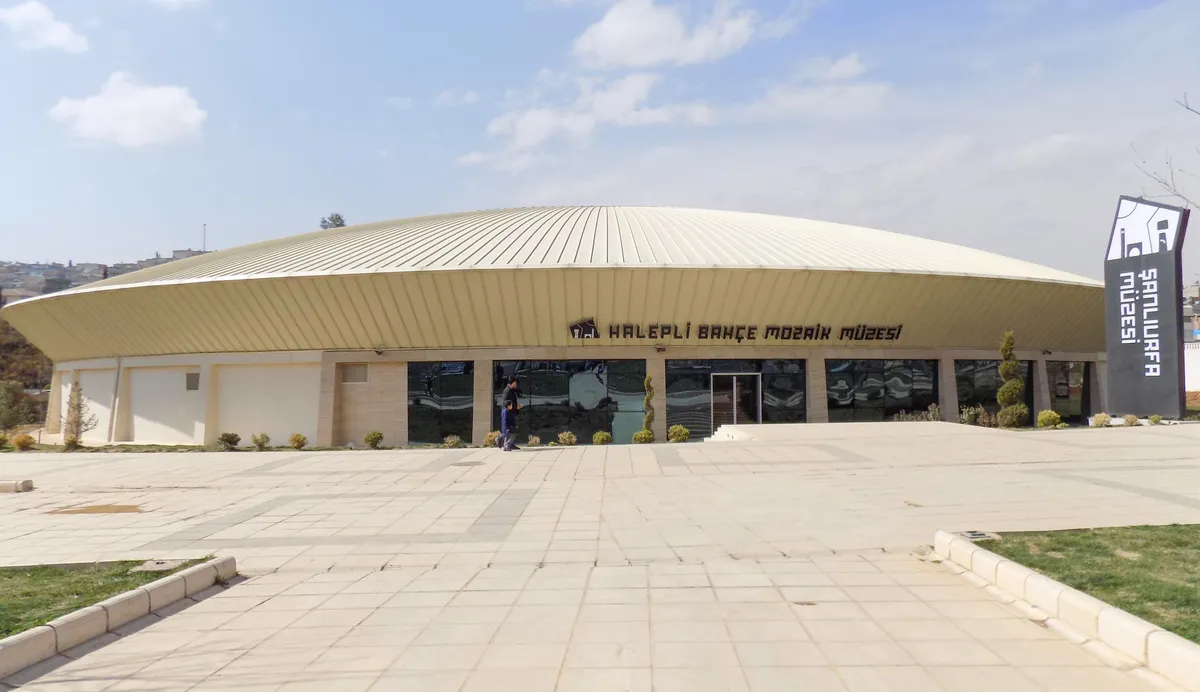
Directly adjacent to the Archaeology Museum beneath a column-free geodesic dome, the Haleplibahce Mosaic Museum preserves in situ exquisite floor mosaics from the Roman and Byzantine villas of ancient Edessa, discovered during municipal drainage excavations.
The collection's showstopper is the celebrated mosaic depicting Amazon Warrior Queens hunting on horseback. Crafted with millions of minuscule colored tesserae retrieved from the Euphrates riverbed, Queen Hippolyte and Penthesileia's battle against wild beasts rivals the finesse of classical oil painting. The museum also showcases the famed Orpheus Mosaic taming wild animals with his celestial lyre.
7. Historic Gumruk Hani & Covered Bazaars: Menengic Coffee and Silk Road Heritage
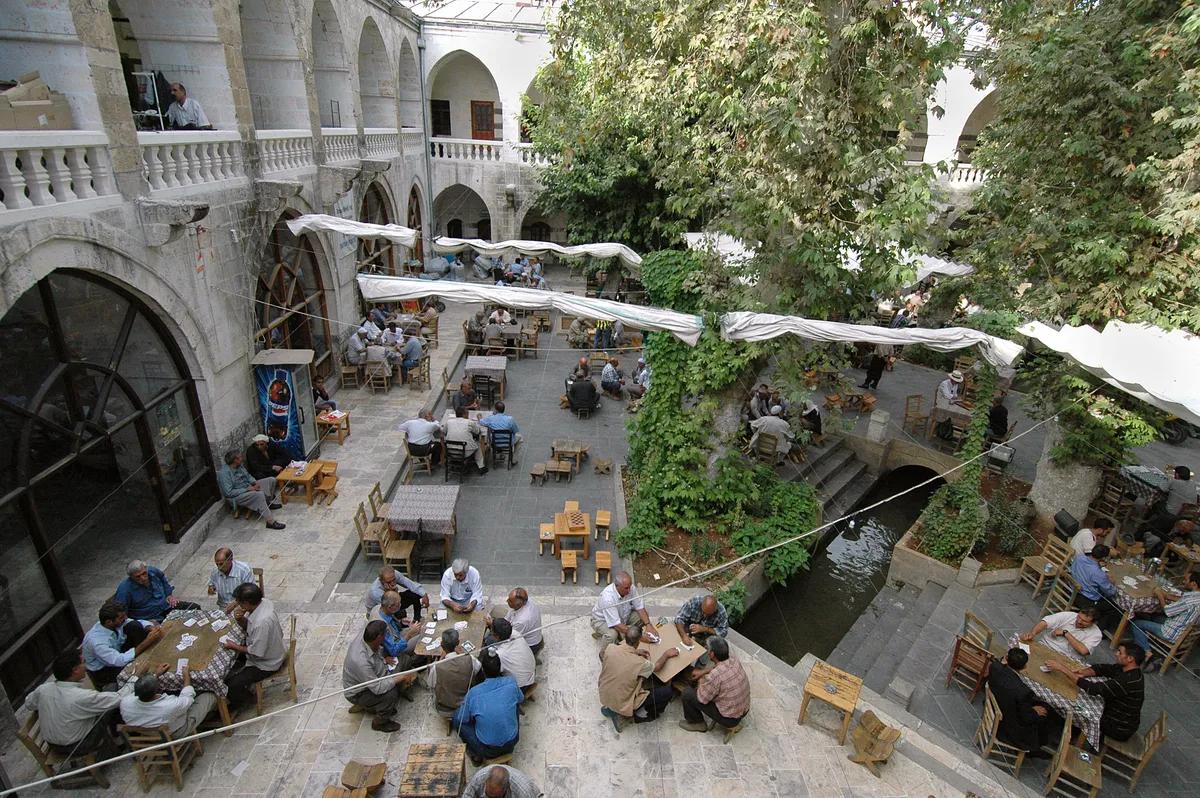
Built in 1563 during the reign of Suleiman the Magnificent by Behram Pasha, the Gumruk Hani (Customs Caravanserai) stands as the pulsing commercial nucleus of historic Urfa. Featuring two tiers of ashlar stonework, arched loggias, and spring-fed canals threading through its courtyard, the caravanserai continues centuries of Silk Road merchant hospitality.
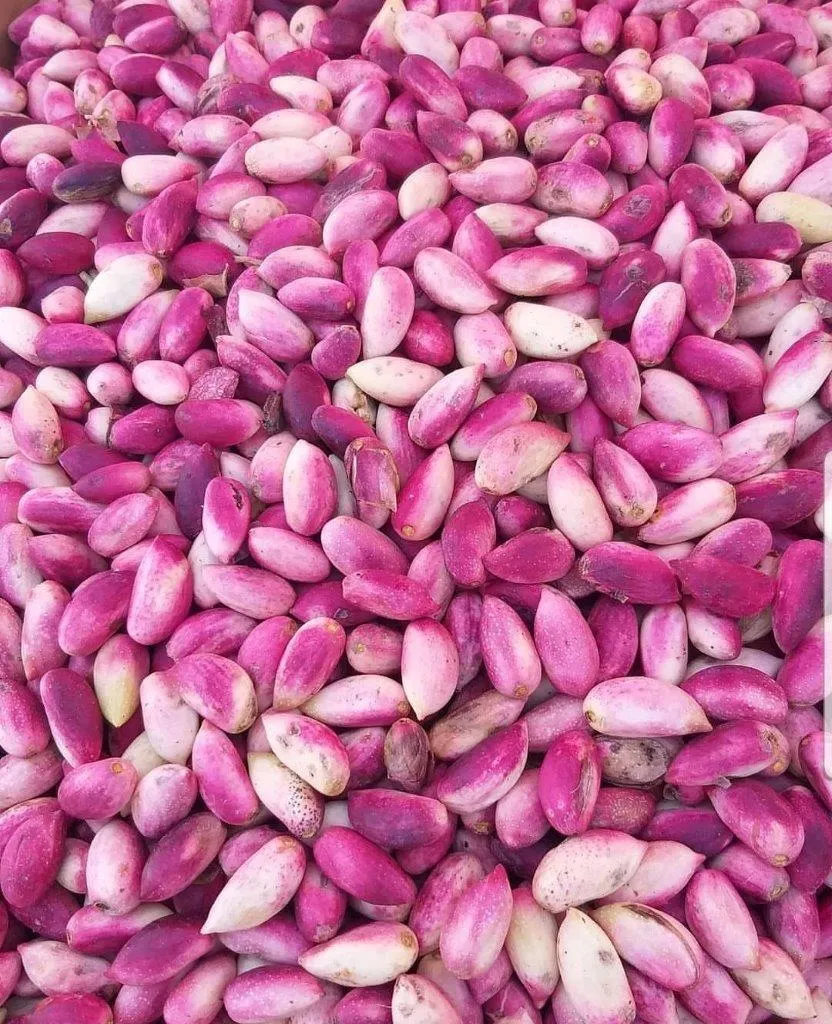
Sipping wood-fired Menengic Coffee (caffeine-free wild pistachio brew cooked with milk) beneath ancient plane trees is an unmissable local ritual. The surrounding covered markets—Sipahi Bazaar (leather and handmade carpets), Kazzaz Bazaar (traditional silk fabrics and keffiyehs), and the Coppersmiths' Market—resound with melodic hammer strikes and exotic spice aromas.
8. Sanliurfa Castle & The Twin Corinthian Catapult Pillars
Perched atop the craggy limestone promontory of Mount Dambur overlooking the Balikligol valley, Sanliurfa Castle forms the city's ancient citadel. Built over foundations dating back to 2000 BCE and fortified by Roman, Byzantine, Abbasid, Seljuk, and Ottoman rulers, its monumental walls and 20-meter-deep rock-cut moats made it virtually impregnable.
Crowning the fortress are two magnificent Corinthian columns rising 17.25 meters into the sky, known locally as "Nimrod's Catapult Pillars". Legend holds that Abraham was slung into the blazing inferno below from a cable stretched between these megalithic towers. Today, the fortress provides the premier panoramic vista for admiring Urfa's golden domes, minarets, and flat-roofed stone mansions at sunset.
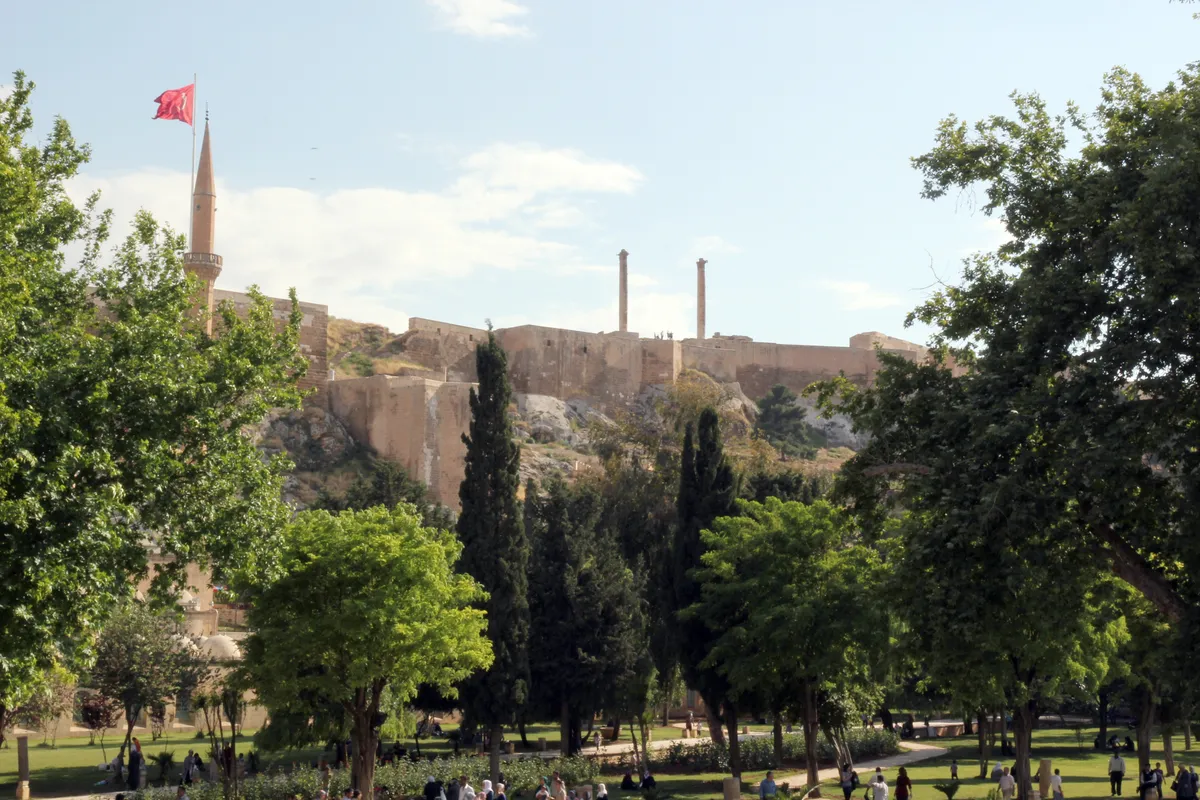
9. Mevlid-i Halil Mosque and the Birth Cave of Prophet Abraham
Bordering Balikligol to the south, the Mevlid-i Halil Mosque Complex contains the revered subterranean cavern acknowledged across the Islamic world as the birthplace of Abraham. Legend tells that King Nimrod, terrified by an astrological prophecy of a newborn who would topple his empire, ordered the slaughter of all male infants.
Abraham's mother, Nune, took sanctuary deep inside this hidden limestone grotto to give birth, where gazelles miraculously nurtured the infant. The holy spring water issuing from the cave has been consumed by pilgrims for centuries. The peaceful, shaded marble courtyards anchor Urfa's title as the "City of Prophets".
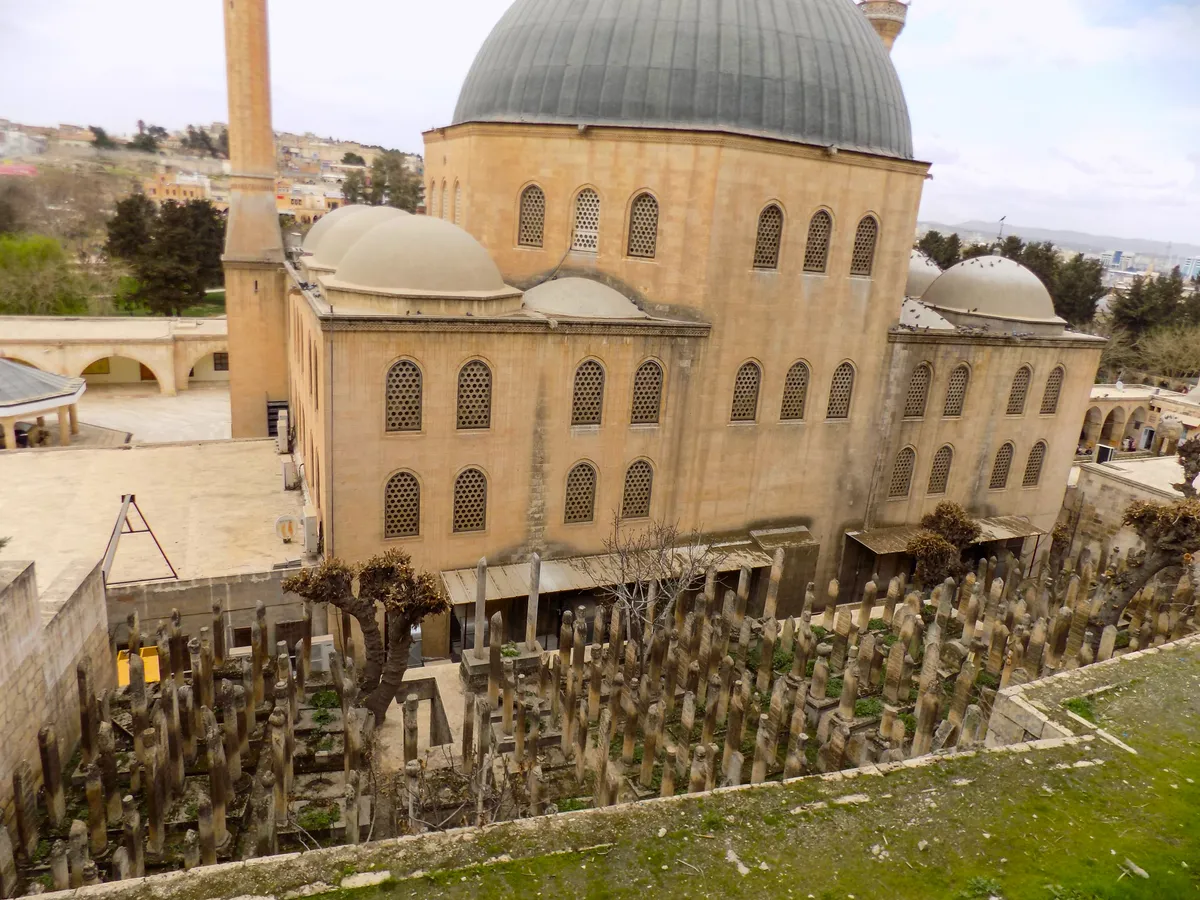
10. Prophet Job (Eyyup) Shrine, Cave of Patience and Healing Well
Located in the Eyyubiye district, the Shrine of Prophet Job (Hz. Eyyup) commemorates the Biblical and Quranic exemplar of unyielding patience, faith, and fortitude. Stripped of his wealth, children, and health by severe physical afflictions, Job secluded himself in this underground cave, steadfastly refusing to curse Providence.
Commanded to strike the ground with his foot, a cold, purifying spring gushed forth, washing away his diseases and restoring his vigor. Today, the sacred Cave of Patience and the pristine Healing Well draw hundreds of thousands of pilgrims seeking spiritual fortitude and renewal.
Authentic Urfa Gastronomy and the Sira Night Tradition
Sanliurfa cuisine blends ancient Mesopotamian aromatics, sun-cured Urfa isot chili flakes, and rich Euphrates valley produce into one of the globe's preeminent culinary landscapes. As night falls over the city's stone mansions, the UNESCO-recognized Sira Night (Sira Gecesi) brings travelers into an intimate salon of classical poetry, sufi wisdom, maqam music, and communal solidarity.
- Urfa Kebab: Hand-minced local lamb gently grilled over oak embers with roasted Birecik eggplants and char-grilled tomatoes.
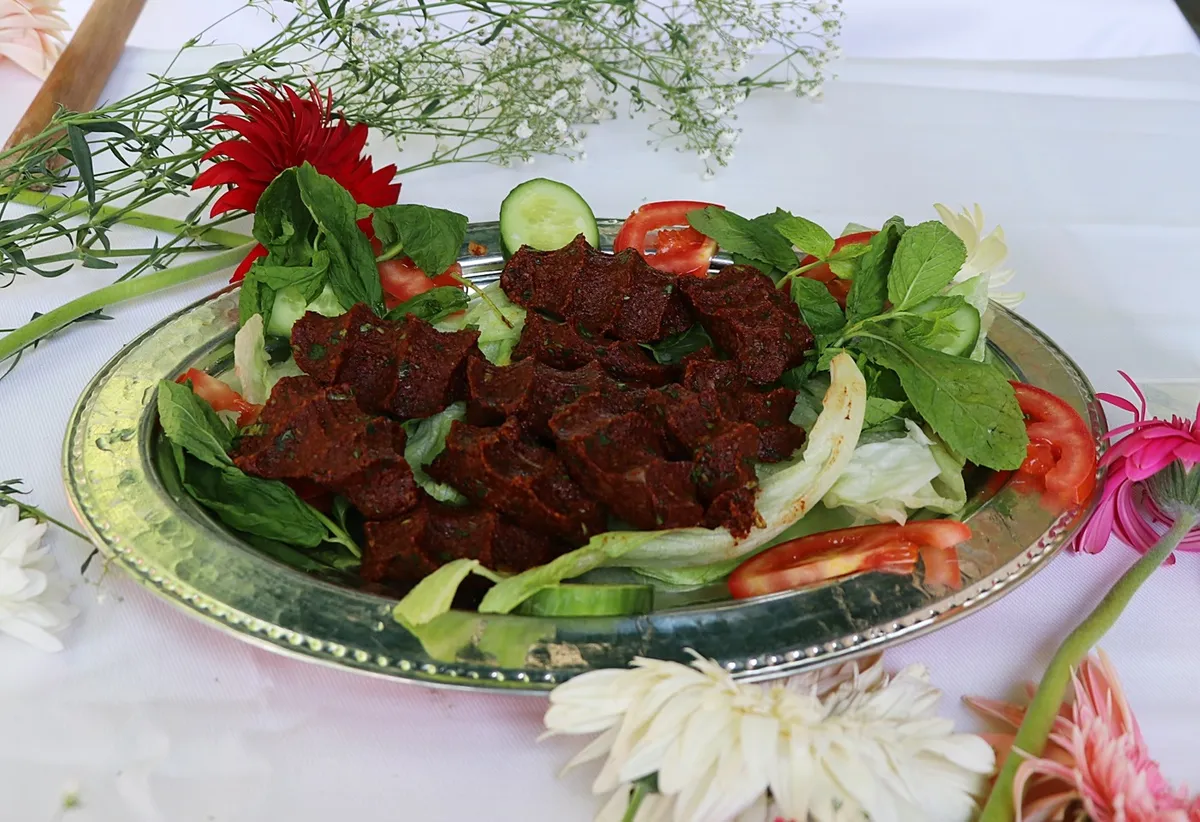
- Authentic Cig Kofte: Dark isot peppers, fine brown bulgur, herbs, and aromatics vigorously kneaded in copper basins to musical rhythms.
- Sillik Dessert: Silky wafer-thin crepes rolled with chopped pistachios or walnuts, drenched in clarified butter and hot syrup.
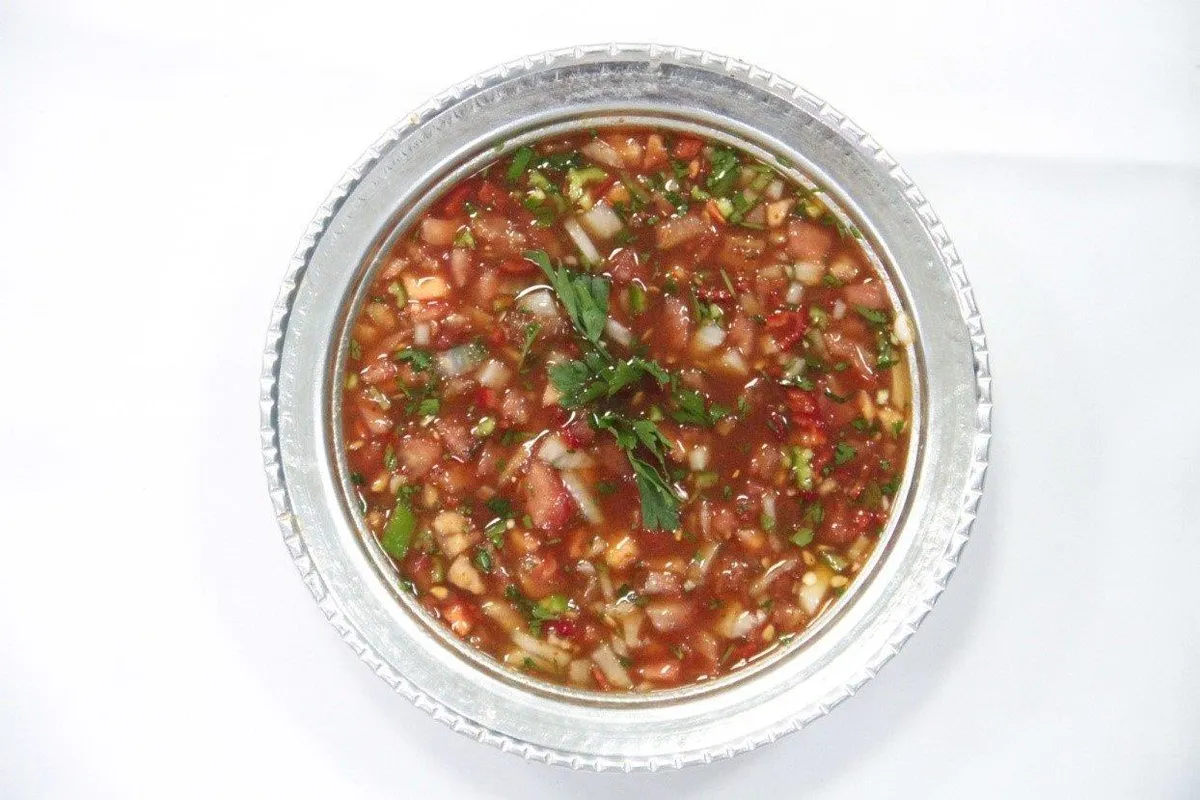
- Bostana Salad: Finely minced tomatoes, cucumbers, fresh mint, and ice-cold pomegranate molasses broth.
- Mirra Etiquette: Highly concentrated, cardamom-infused bitter coffee poured in minute thimble cups. Always hand the cup directly back to the server; placing it on the table is considered improper.
Suggested 3-Day Sanliurfa & Tas Tepeler Itinerary
- Morning: Early transfer to Gobeklitepe via municipal express bus 100 or rental car; explore the immersive Visitor Center and Enclosure D.
- Lunch: Savor succulent lamb liver skewers with paper-thin lavash in the historic market quarter.
- Afternoon: Comprehensive exploration of the Sanliurfa Archaeology Museum (Urfa Man) and Haleplibahce Mosaic Museum.
- Evening: Relax with Menengic coffee in the arcaded courtyard of Gumruk Hani.
- Morning: Contemplate Balikligol, feed the sacred carp, explore Aynzeliha, and visit Abraham's Birth Cave.
- Lunch: Taste authentic Urfa kebab and iced bostana salad overlooking the water gardens.
- Afternoon: Hike up to Urfa Castle to inspect the twin Corinthian columns, followed by the Prophet Job Shrine in Eyyubiye.
- Evening: Immerse yourself in an authentic Sira Night performance featuring live folk musicians and hand-kneaded cig kofte.
- Morning: Excursion to Karahantepe in the Tek Tek Mountains to view the human head sculpture and bedrock-carved pillars.
- Lunch: Authentic countryside sac tava with fresh tandoor bread.
- Afternoon: Wander through the Sipahi and Coppersmiths' bazaars for souvenir isot peppers, wool textiles, and hammered cookware.
Frequently Asked Questions About Traveling to Sanliurfa
- When is the best time to visit? Spring (March to May) and Autumn (September to November) provide pleasant weather around 22-26°C. High summer often exceeds 42°C.
- Is there direct public transit to Gobeklitepe? Yes, the Sanliurfa Metropolitan Municipality operates Express Bus Line 100 between Abide Station, Haleplibahce, and Gobeklitepe.
- Is the Museum Pass accepted? Yes, the Turkish Museum Pass covers Gobeklitepe, Sanliurfa Archaeology Museum, and Haleplibahce Mosaic Museum.
- How do I reach the center from the airport? HAVAŞ airport shuttles meet all scheduled commercial flights at GAP Airport, transporting travelers to the city center in approximately 35 minutes.
Explore more: Haliliye Highlights | Eyyubiye Historic Quarter | Sanliurfa Province Guide