Rising majestically on the peninsula where the Aegean and Mediterranean seas embrace, Bodrum is Turkey's world-renowned coastal capital, steeped in millennia of living heritage dating back to ancient Halicarnassus. Marked by dazzling whitewashed stone cottages, indigo-blue doors, and sheltered sapphire bays, this captivating land where Herodotus was born and Cevat Şakir (The Fisherman of Halicarnassus) pioneered the iconic "Blue Voyage" offers far more than a legendary nightlife: it delivers an unforgettable Aegean dream enriched by pristine waters, underwater archaeological treasures, and sweet mandarin orchards.
In this comprehensive 2026 Bodrum travel guide, we have assembled the top 10 historical and coastal highlights across the peninsula—from the 600-year-old Castle of Saint Peter to the Maldives-like clarity of Orak Island, a 2,400-year-old hillside theater, and the tranquil shores of Bitez.
Top 10 Natural and Historical Sights to Visit on the Bodrum Peninsula
1. Bodrum Castle and Museum of Underwater Archaeology
Dramatically occupying a rocky headland between Bodrum's dual harbors, the monumental Bodrum Castle (Castle of Saint Peter) was constructed between 1402 and 1522 by the Knights Hospitaller of Saint John of Jerusalem. Boasting impressive towers representing the French, Italian, English, German, and Spanish tongues, the castle is also globally unique for incorporating green volcanic and marble masonry salvaged directly from the Mausoleum at Halicarnassus—one of the Seven Wonders of the Ancient World.
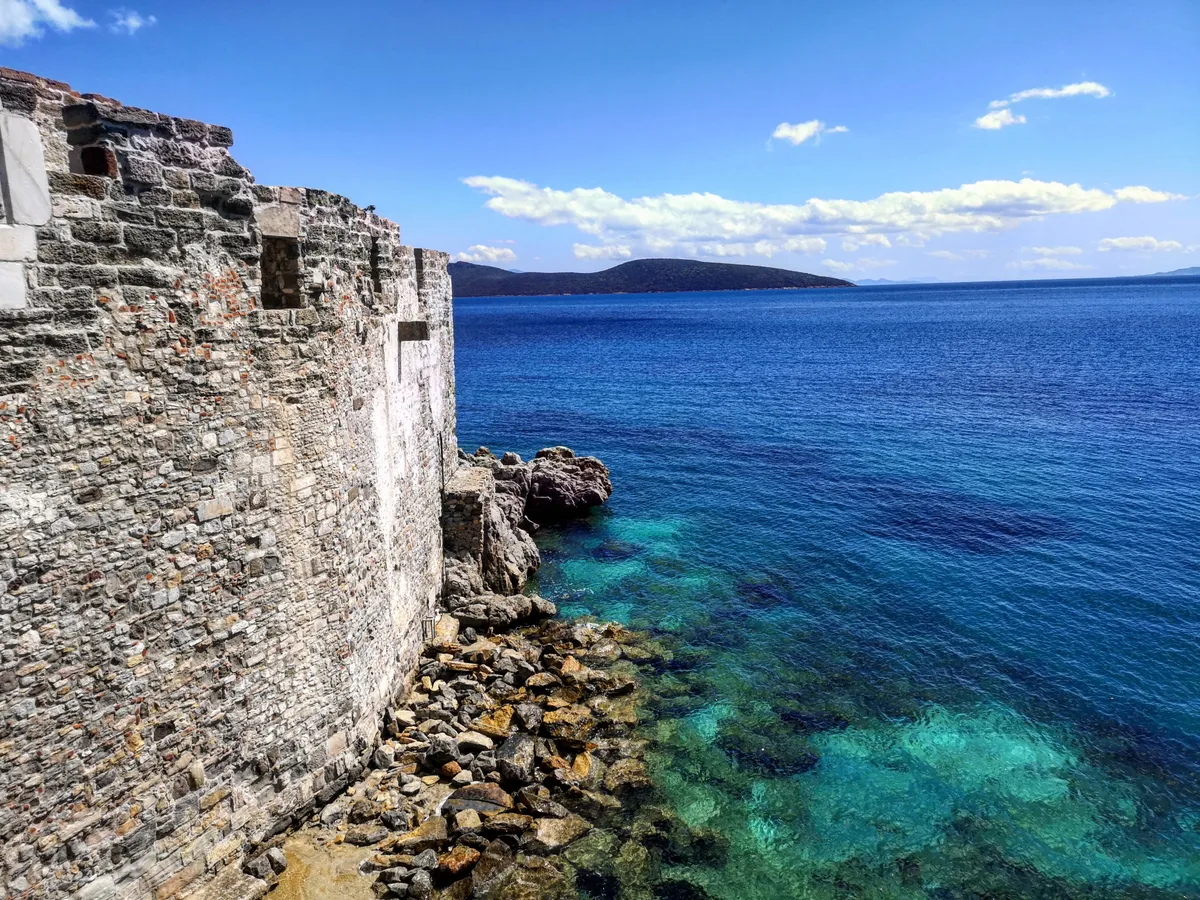
Within the castle walls resides the Bodrum Museum of Underwater Archaeology, recognized globally as a premier institution of its kind. Here, travelers can marvel at priceless treasures, including the famous 14th-century BC Uluburun Shipwreck, the Serçe Limanı Glass Wreck, and the richly adorned tomb of the Carian Princess Ada.
- Location / Address: Çarşı Quarter, Kale Street, Bodrum Center / Muğla
- Visiting Hours: Open daily from 08:30 to 19:00.
- Admission: Managed by the Turkish Ministry of Culture and Tourism; MuseumPass accepted.
- Must-See Galleries: Uluburun Shipwreck Hall, Glass Shipwreck Hall, English Tower, and the Dungeon.
- Memleketim Tip: Climb up to the French Tower—the castle's highest vantage point—for breathtaking panoramic photos of Kos Island and the yacht harbor.
2. Bodrum Antique Theatre (4th Century BC - Göktepe)
Nestled against the southern slopes of Göktepe along the main boulevard, the Bodrum Antique Theatre is one of the earliest classical performance venues in Anatolia. Commissioned in the 4th century BC during the reign of Carian Satrap Mausolus and later expanded by the Romans to accommodate gladiatorial contests, its horseshoe auditorium seated around 13,000 spectators.
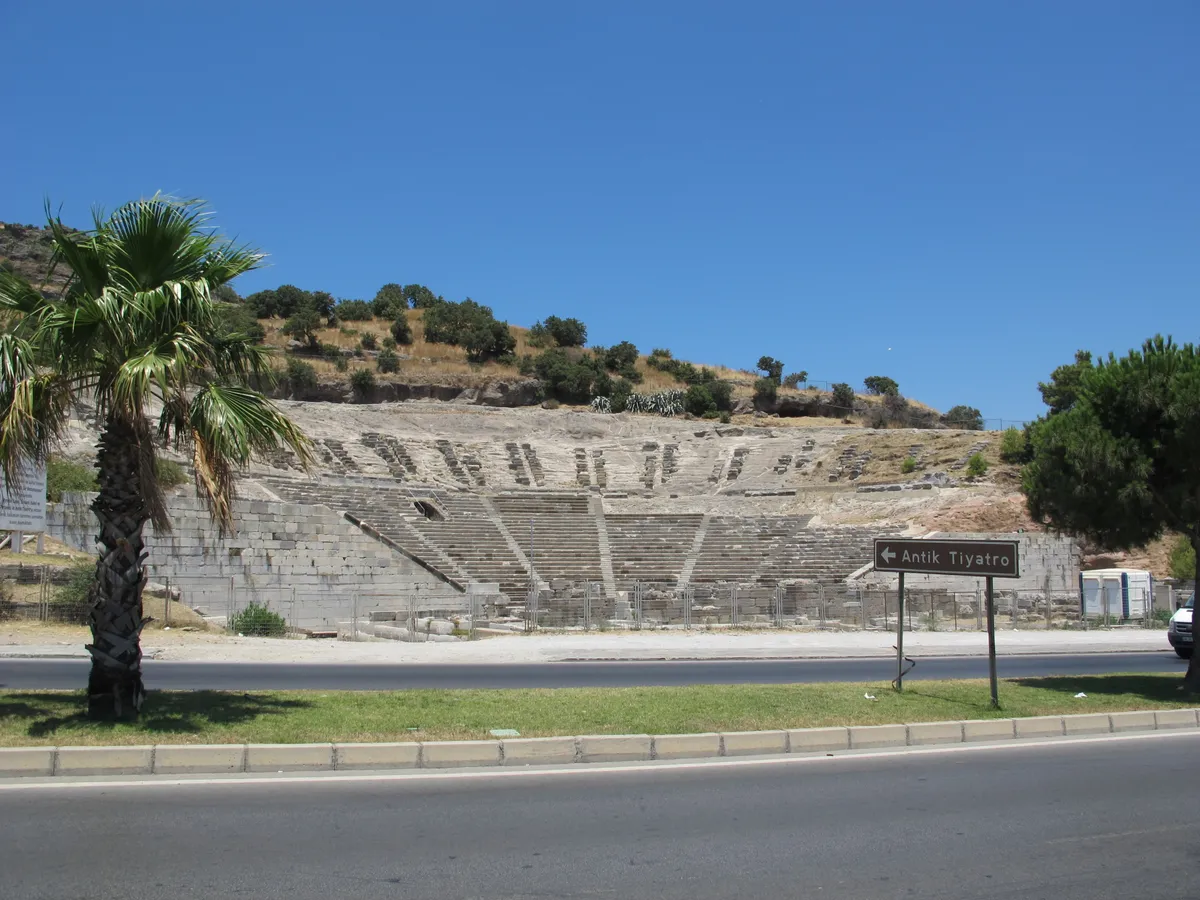
Today, the meticulously restored stone cavea continues to host high-profile open-air summer concerts. Climbing to the topmost stone tiers rewards visitors with an awe-inspiring sweeping view over the entire bay, the fortress, and the shimmering waters beyond.
- Location: Yeniköy Quarter, Kıbrıs Şehitleri Avenue, Bodrum
- Access & Tickets: Open during daytime hours; completely free admission.
- Acoustic Marvel: A normal speaking voice in the orchestra circle can still be heard clearly from the highest tiers.
- Best Lighting: Late afternoon when warm sunlight illuminates the harbor and castle without harsh glares.
- Memleketim Tip: If your trip coincides with a summer evening concert, don't miss the magical experience of listening to live music under the stars from ancient stone tiers.
3. Myndos Gate and Ancient Defensive Trenches
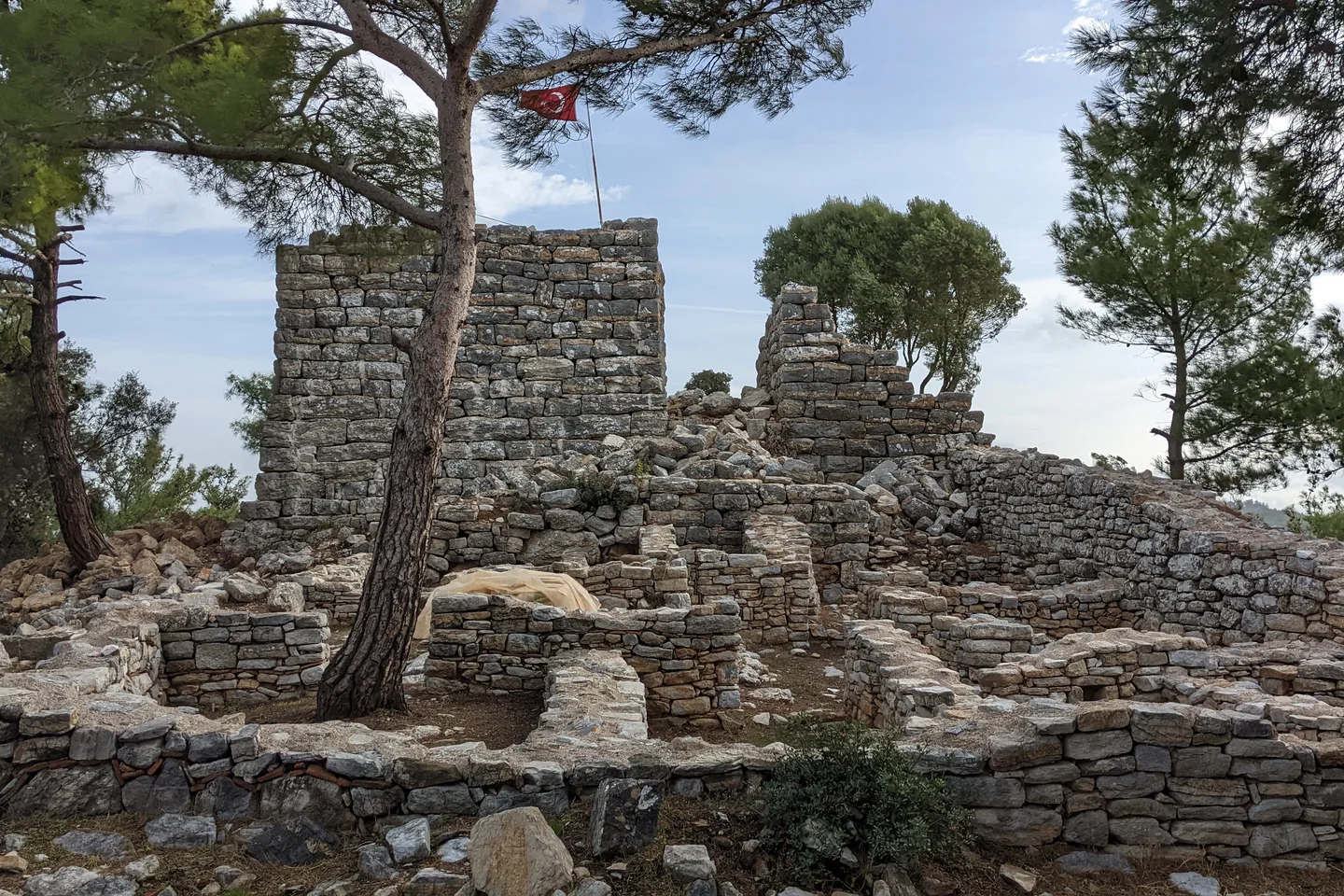
The site of the fiercest resistance encountered by Alexander the Great during his siege of Halicarnassus in 334 BC was the fortified Myndos Gate. Formed as the western portal of the monumental 7-kilometer defensive wall built by Mausolus, this site preserves two colossal stone towers and a deep rock-cut defense trench that thwarted Macedonian siege engines.
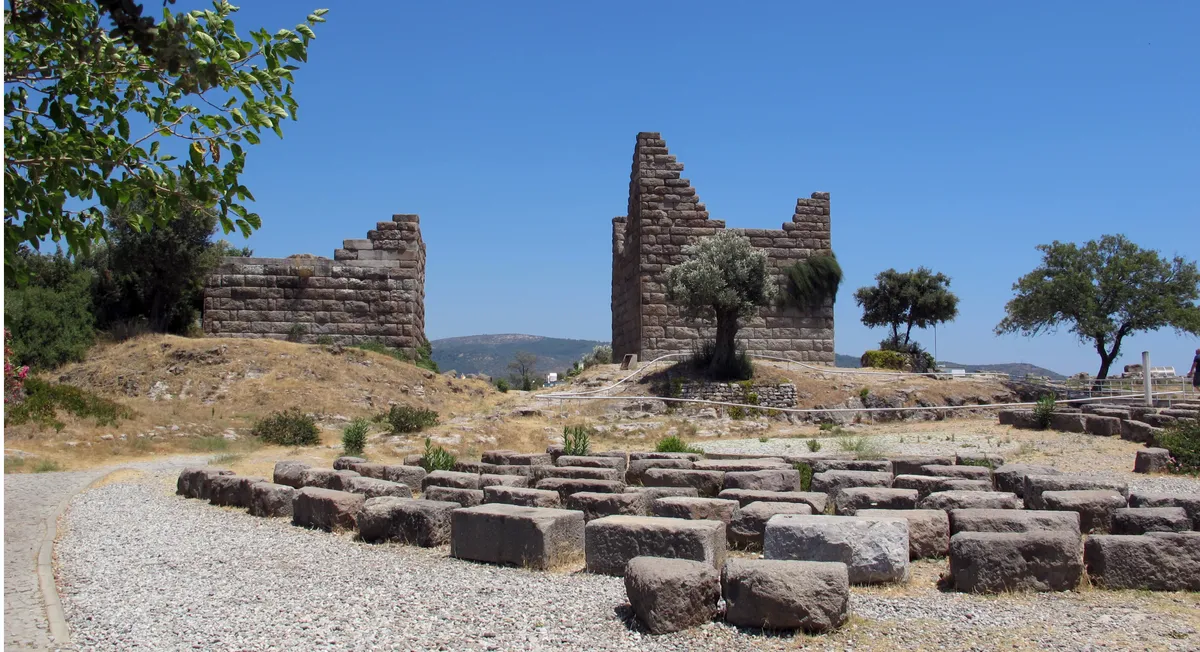
Marking the historical trailhead that connected ancient Halicarnassus to Myndos (modern Gümüşlük), the surrounding archaeological park also reveals Hellenistic vaulted family tombs and classical inscriptions. Recent landscaping makes this a rewarding open-air walking stop for archaeology enthusiasts.
- Location: Eskiçeşme Quarter, along Turgutreis Avenue, Bodrum
- Access: Open-air archaeological zone; accessible 24/7 free of charge.
- Historical Feat: The 334 BC battleground where Macedonian assault towers collapsed into the deep stone trenches.
- Transit: Frequent minibuses heading from downtown Bodrum to Gümbet stop directly beside the gate.
- Memleketim Tip: Review the informative multilingual display panels on-site to trace Alexander's siege lines on the ground.
4. Bitez Bay and Blue Flag Beach
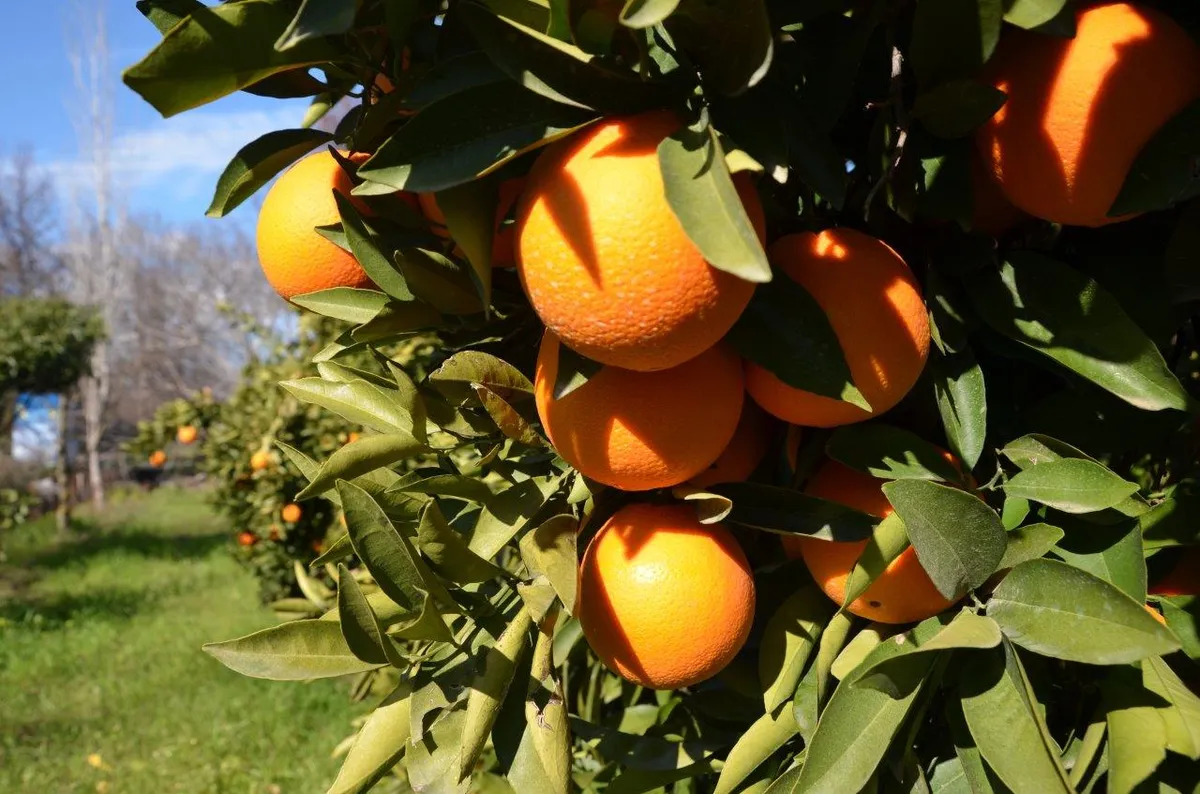
Situated merely 8 kilometers west of central Bodrum, Bitez Bay is one of the peninsula's most cherished sanctuaries, where fragrant citrus orchards sweep down to meet a calm crescent-shaped shoreline. Celebrated in traditional Aegean folk songs, Bitez Yalısı offers safe, shallow waters ideal for families and relaxed swimming.
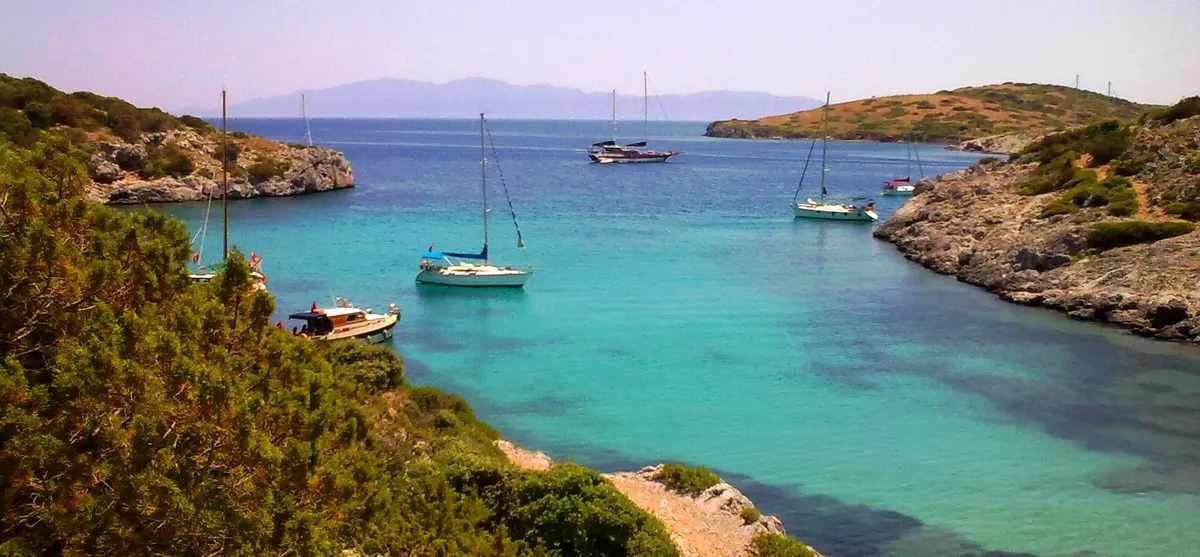
Bitez is equally celebrated as Turkey's premier windsurfing hub. While mornings feature glassy, mirror-flat water, gentle afternoon thermal breezes create perfect conditions for both beginners and experienced surfers. The leafy beachfront promenade is lined with charming wooden seaside restaurants serving fresh Mediterranean seafood by candlelight.
- Sea Characteristics: Fine soft sand and long shallow waters; exceptionally safe for small children.
- Water Sports: Certified windsurfing schools, sea kayaking, and stand-up paddleboarding (SUP).
- Amenities: Free municipal Blue Flag beach section, plus numerous cafes with sunbeds and umbrellas.
- Local Specialties: Traditional stone-oven ice cream and artisan citrus desserts along the waterfront.
- Memleketim Tip: Take an evening walk through the historic mandarin orchards behind the beach and sample authentic local mandarin soda.
5. Orak Island Bay and Submerged Reef Wall (Bodrum's Maldives)
Resting east of Bodrum at the northern approach to the Gulf of Gökova, Orak Island Bay is universally heralded as the "Maldives of Bodrum" due to its glistening white sandy seabed and luminescent turquoise waters. This uninhabited paradise is so pure that sailing yachts appear suspended mid-air above their own shadows.
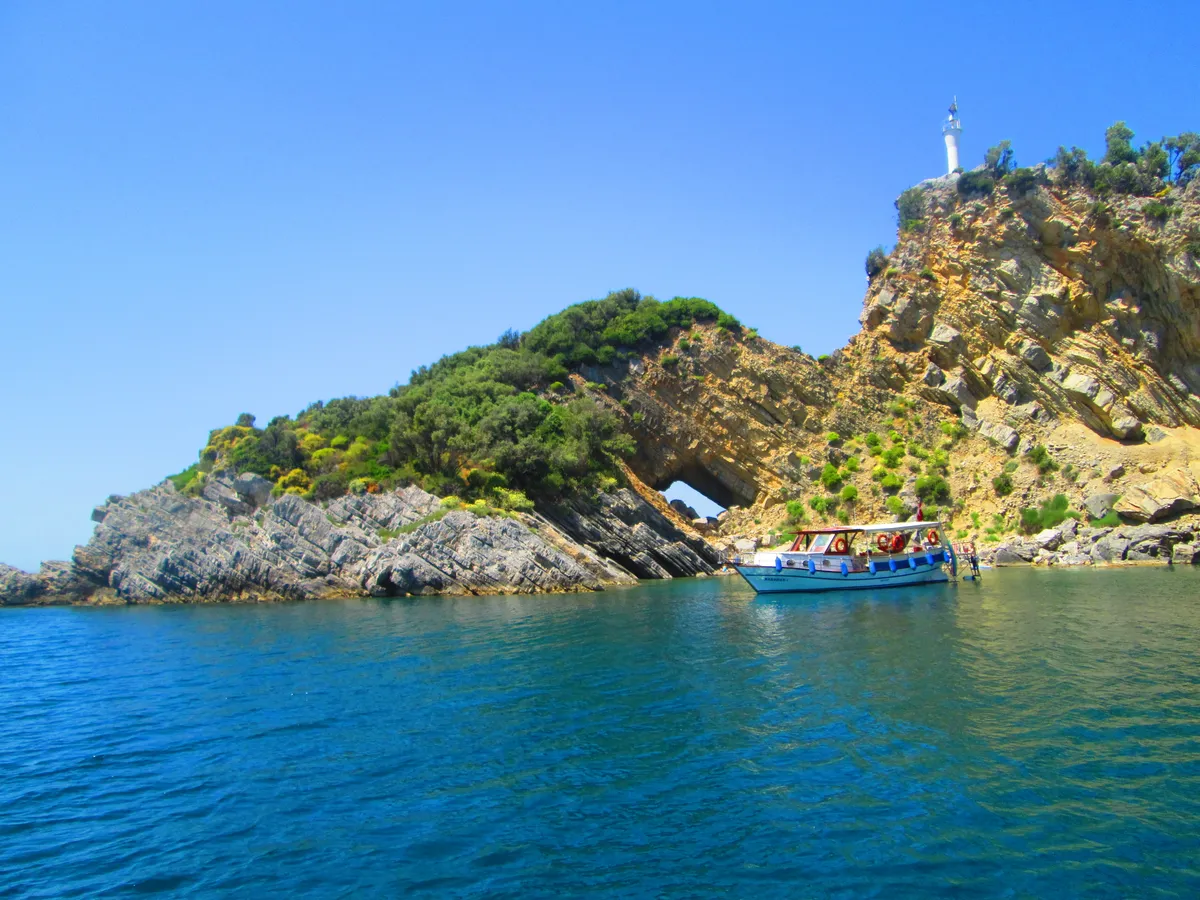
The island's southern promontory features a dramatic submerged vertical wall plunging over 100 meters into the abyss. Teeming with sea caves, groupers, sea sponges, and rays, it ranks among Turkey's top scuba diving destinations for both recreational divers and snorkelers.
- Access: Daily boat trips departing morning from Bodrum Marina or Halicarnassus pier (approx. 1.5-hour scenic cruise).
- Water Clarity: Remarkable 30 to 40-meter underwater visibility; bring high-quality snorkeling gear.
- Island Environment: Totally uninhabited with zero commercial facilities; bring sunscreen and essentials on the boat.
- Scuba Highlight: A sheer vertical reef starting at 5 meters and descending past 80 meters.
- Memleketim Tip: Opt for boutique small-group wooden gulets that depart early to enjoy the lagoon before larger tour groups arrive.
6. Karaada Hot Spring Cave and Therapeutic Mud
Looming roughly 4 nautical miles offshore from Bodrum harbor, pine-carpeted Karaada (Black Island) is the peninsula's most famous natural spa retreat, renowned for its coastal thermal cave and mineral-rich healing mud.
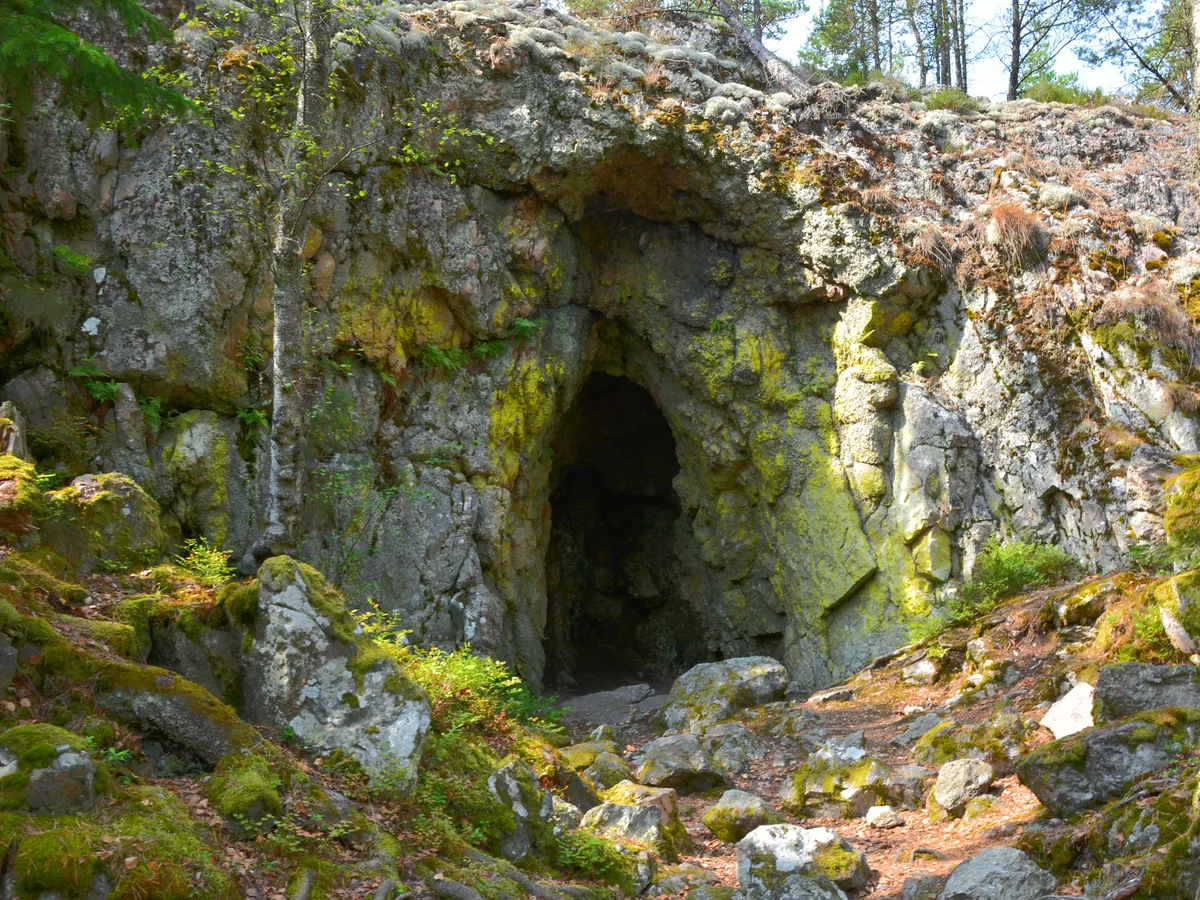
Legend tells that Queen Cleopatra of Egypt credited her timeless beauty and radiant skin to the sulfurous waters of this very cave. Mineralized thermal waters bubble up through the cave floor at a soothing 30°C, renowned for alleviating skin conditions and joint ailments.
- Transit: Typically the first scenic stop on daily Blue Cruise boat itineraries from central Bodrum.
- Water Temp: Consistent year-round mineralized hot spring water at 29-32°C.
- Experience: Apply the natural sulfurous mud to the skin, let it dry in the sun, then rinse off in the cave spring.
- Facilities: Features a small wooden docking pier and an open-air relaxation deck.
- Memleketim Tip: Following your mud bath, swim across to Poyraz Bay on the backside of the island to cool off in pure pine-scented sea waters.
7. Bardakçı Bay (Zeki Müren Bay)
Nestled in a protected cove between Bodrum Castle and the Gümbet headland, Bardakçı Bay is linked to the ancient mythological tale of the nymph Salmakis and Hermaphroditus. In modern times, it became beloved as the favorite swimming retreat of Turkish classical music icon Zeki Müren during his years in Bodrum, earning its affectionate local title "Zeki Müren Bay".
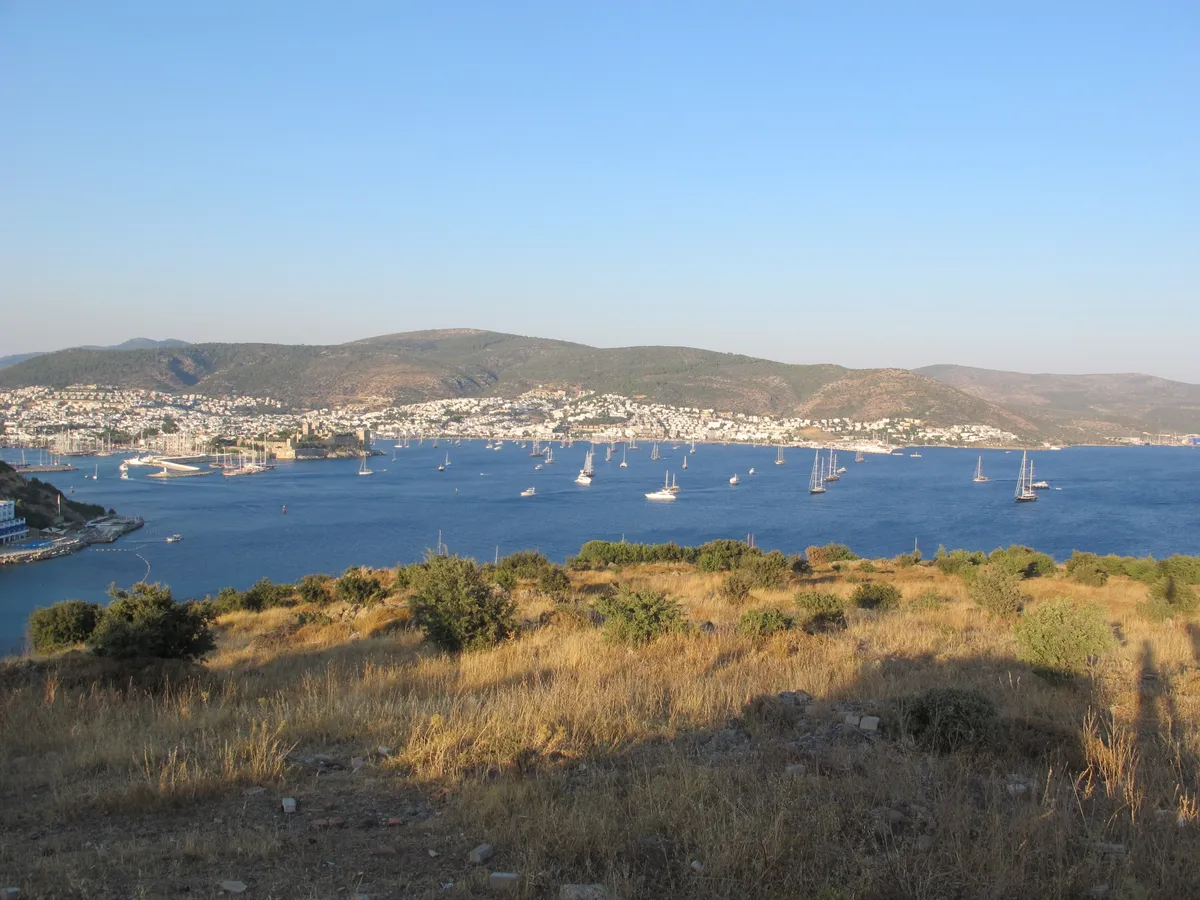
Fed by fresh mountain water springs, the sea here is famously invigorating and exceptionally clear. Its charm is enhanced by small sea-taxi shuttle boats that convey guests directly from Bodrum Marina across the harbor in just 5 minutes.
- Transit: Romantic 5-minute sea shuttle from Bodrum Marina or a short scenic walk past the windmills.
- Scenery: Direct unobstructed view looking back at Bodrum Castle and anchored classic schooners.
- Water Profile: Rocky and sandy floor; water shoes recommended when entering near stone formations.
- Amenities: Lined with boutique luxury hotels offering private sun decks, beach service, and seaside dining.
- Memleketim Tip: Enjoy a sundowner at a waterfront pier cafe while classical Turkish melodies softly drift across the golden castle view.
8. Camel Beach (Kargı Bay Golden Sands)
Stretching between Ortakent and Yahşi along the peninsula's southern shore, Camel Beach (Kargı Bay) is rare among Bodrum's rocky shores for featuring expansive stretches of powdery golden sand. Named after the gentle camels traditionally offered for short beachside rides, the bay is renowned for its calm, shallow lagoon conditions.
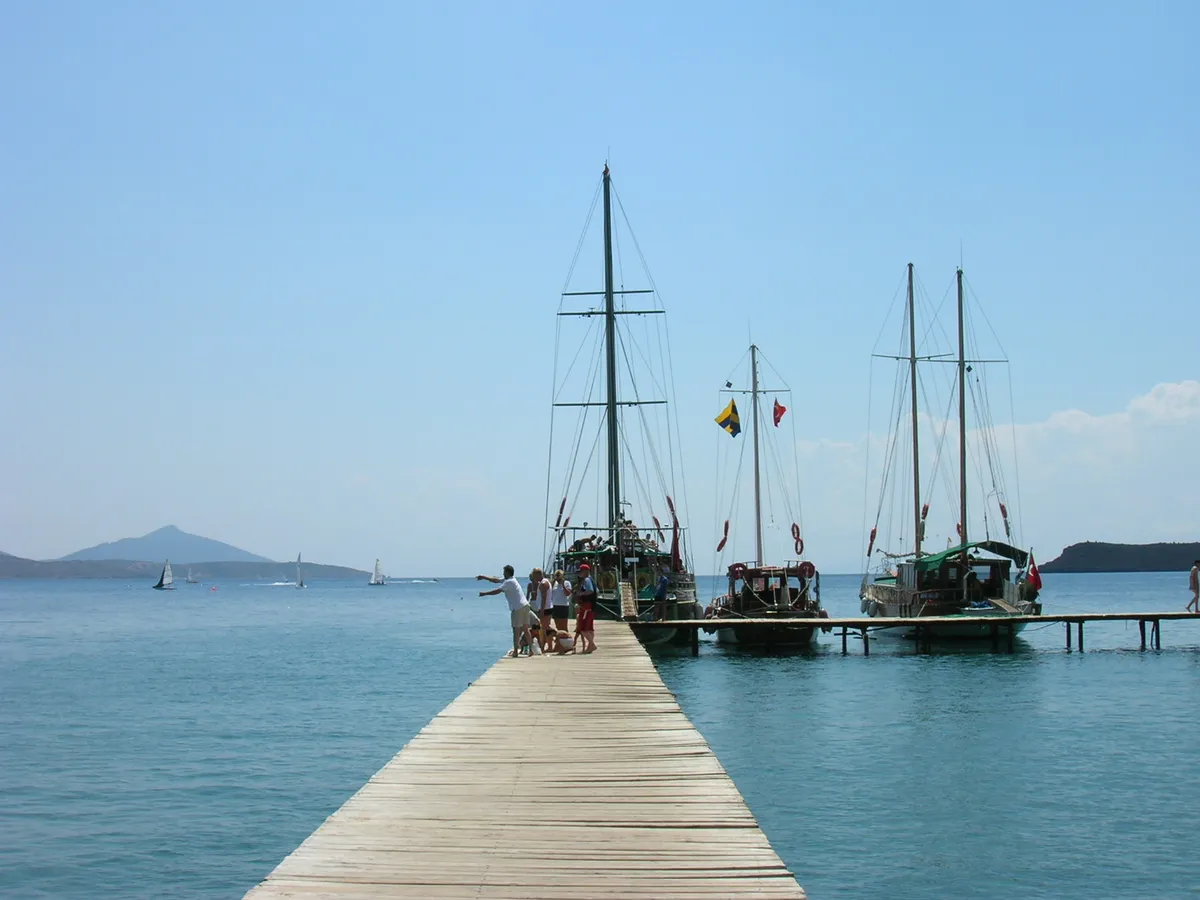
The beach is also a protected natural habitat for the fragrant white sea lily (Pancratium maritimum), which blooms in late summer. Completely shielded from southern ocean swells, it offers a lake-like serenity that makes sunbathing and swimming pure relaxation.
- Location: Ortakent Yahşi Quarter, Kargı Avenue, Bodrum
- Beach Texture: Rare completely stone-free, soft golden sand across a broad shoreline.
- Water Entry: Slopes very gently into the sea; prime choice for toddlers and timid swimmers.
- Activities: Memorable camel photo rides, water sports rentals, and beach volleyball.
- Memleketim Tip: Please protect the fragile wild sea lilies growing on the dunes; their sweet aroma envelops the beach at sunset.
9. Gündoğan Bay and Blue Flag Coastline
Nestled on the rugged northern coast of the peninsula over the remains of the ancient Leleg settlement of Farilya, Gündoğan Bay represents one of Bodrum's most authentic and unspoiled retreats. Deriving its name from the brilliant crimson sunrises emerging over the eastern hills, the bay is embraced by centuries-old olive orchards and aromatic pine woods.
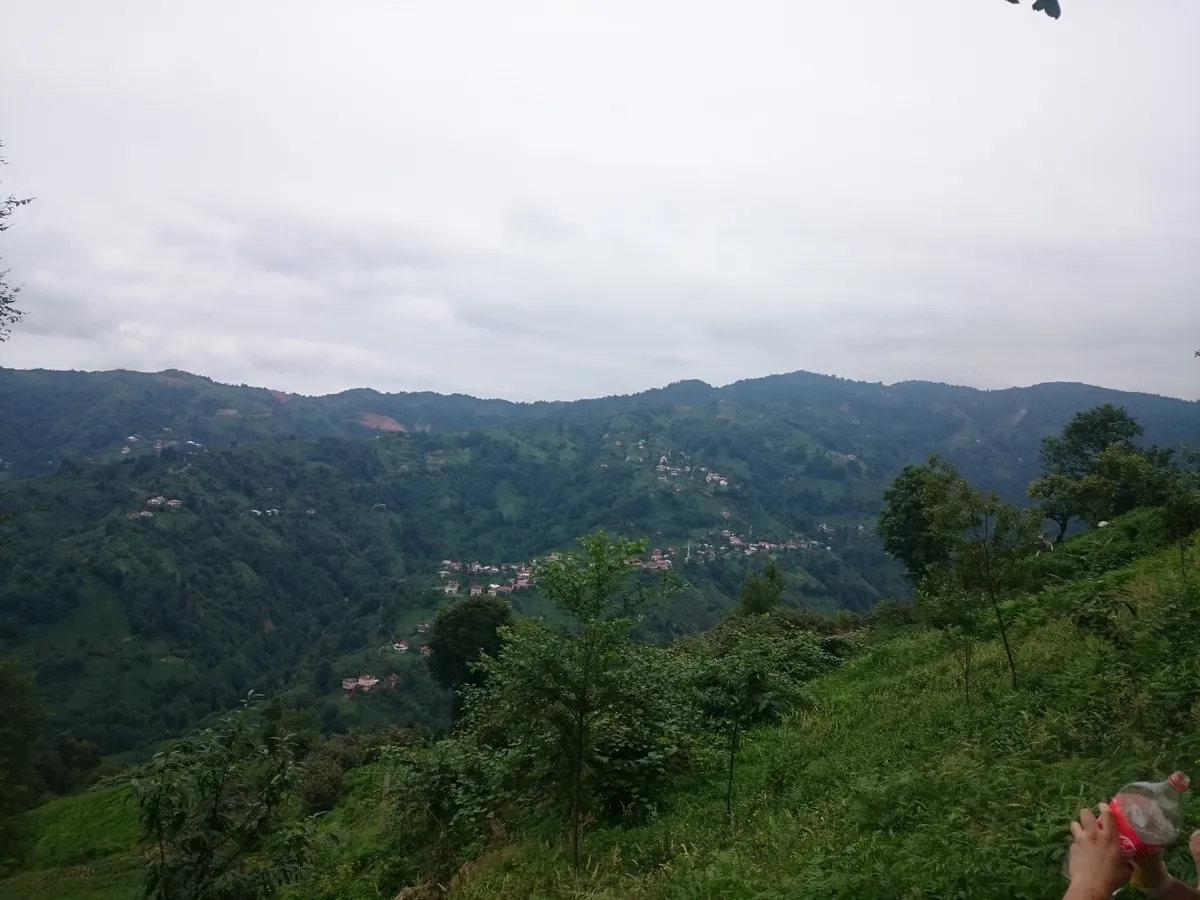
The rocky hillsides overlooking the bay conceal the prehistoric Peynir Çiçeği Cave and rock-hewn Byzantine hermitages. Along the waterfront, charming wooden sun decks and family-run fish taverns exude unpretentious Aegean hospitality.
- Location: Gündoğan Quarter, Bodrum North Coastal Road
- Climate: Refreshing northern Aegean sea breezes prevent stifling summer humidity.
- Historic Treks: Scenic hiking paths leading to Peynir Çiçeği Cave and Leleg cliff tombs.
- Beach Options: Free spacious municipal Blue Flag beach and serviced wooden seaside jetties.
- Memleketim Tip: Enjoy an early-morning seaside breakfast featuring fresh village pastries, local goat cheese, and mountain sage tea.
10. Torba Bay and Pine Forest Coast
Located just 5 kilometers northeast of downtown Bodrum, Torba Bay serves as the peaceful green gateway to the peninsula. Completely sheltered from southern winds, it has provided a calm fishing anchorage since antiquity and now hosts discreet luxury boutique hotels along its Blue Flag pebbled beach.
The eastern corner of the bay features 5th-century BC Leleg circular tomb monuments and the ruins of a Byzantine basilica. The Torba ferry pier also provides convenient sea connections across the gulf to Didim.
- Location: Torba Quarter, Northern Entrance to Bodrum / Muğla
- Sea Nature: Flat, glassy, mirror-clear water with mixed pebble and sand bottom.
- Transit: Frequent 10-minute local minibus service directly from Bodrum Central Bus Terminal.
- Atmosphere: Pine tree branches dipping low over the water, providing natural shade along the beach.
- Memleketim Tip: Dine on wooden platforms set directly over the sea, sampling stuffed zucchini blossoms, sea beans (deniz börülcesi), and grilled sea bass.
Suggested 4-Day Bodrum Peninsula Step-by-Step Itinerary
- Day 1 (History & Harbor): Tour Bodrum Castle and the Underwater Archaeology Museum. Head up to the Antique Theatre and Myndos Gate in the afternoon. End with a romantic seaside dinner in Bardakçı Bay.
- Day 2 (Blue Voyage Cruise): Embark on a boat cruise from Bodrum harbor to the turquoise lagoon of Orak Island. Unwind on the return leg with a mineral mud bath in Karaada's thermal cave.
- Day 3 (Citrus Orchards & Golden Sands): Go windsurfing or swim in the shallow waters of Bitez. Spend the afternoon lounging on the fine sands of Camel Beach; sample Bitez stone-oven ice cream.
- Day 4 (Northern Bays & Serenity): Relax on the wooden piers of Gündoğan Bay and explore the ancient caves. Conclude your holiday among pine-scented breezes in Torba Bay with Aegean mezzes.
Gastronomy and Logistics Guide for Bodrum
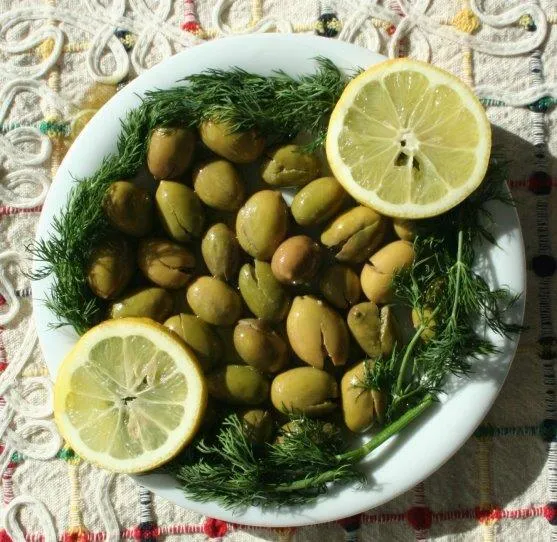
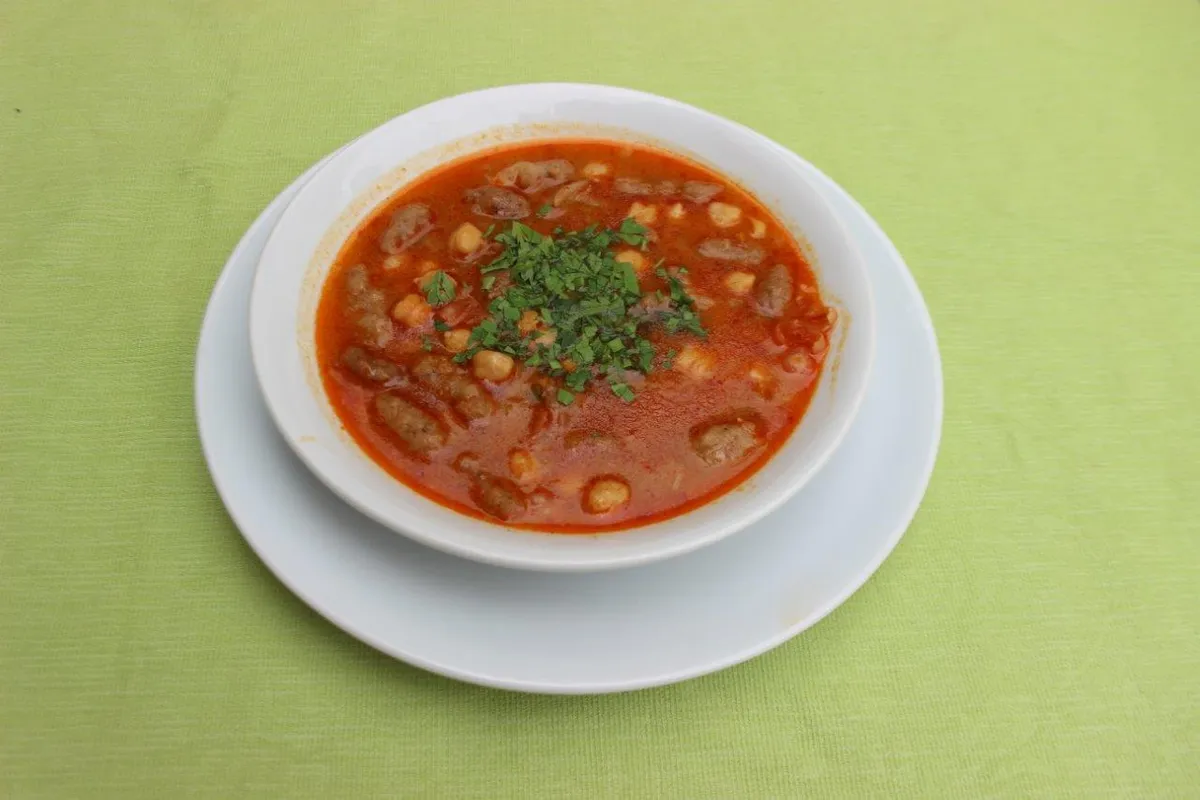
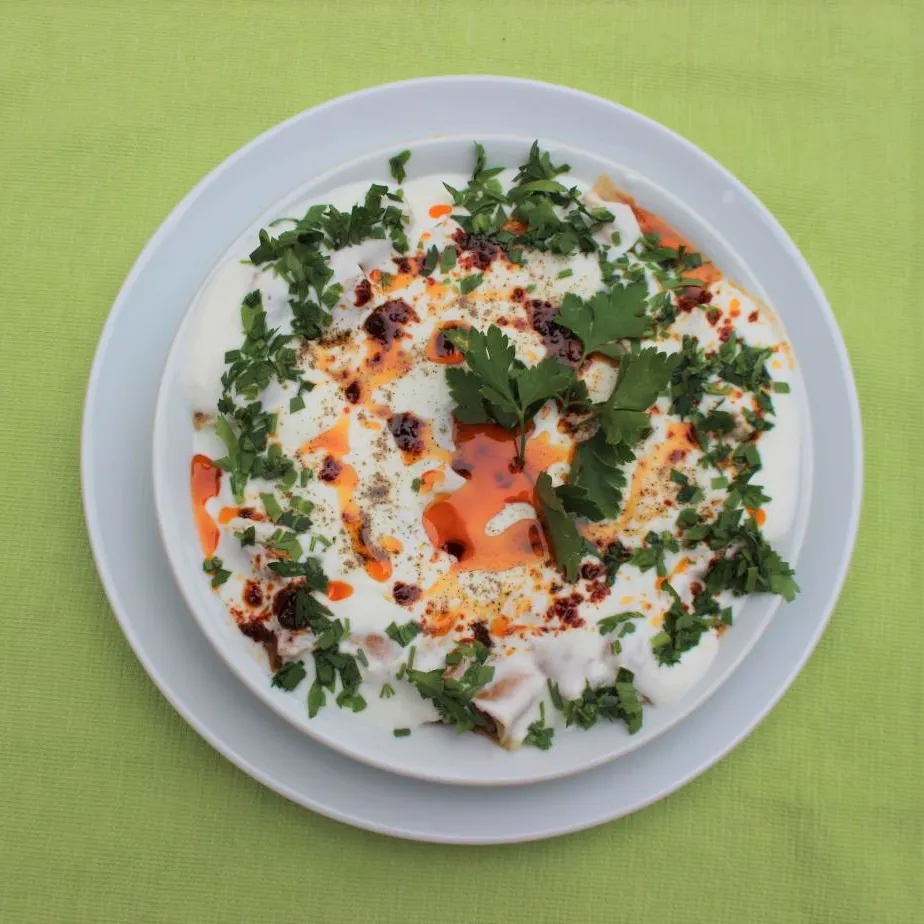
The signature culinary masterpiece of the peninsula is Çökertme Kebabı, featuring finely matchstick-cut crispy fried potatoes layered with garlicky yogurt and tender marinated steak strips, drizzled with browned butter. Other essential tastes include fresh olive oil stuffed squash blossoms (kabak çiçeği dolması), wild samphire (deniz börülcesi), sweet Bodrum mandarin marmalade, and artisan goat's milk stone-oven ice cream. Getting around between bays is effortless via the ubiquitous white Bodrum dolmuş (shared minibuses); if driving, utilize municipal covered parking garages near the marina and castle during peak summer months.