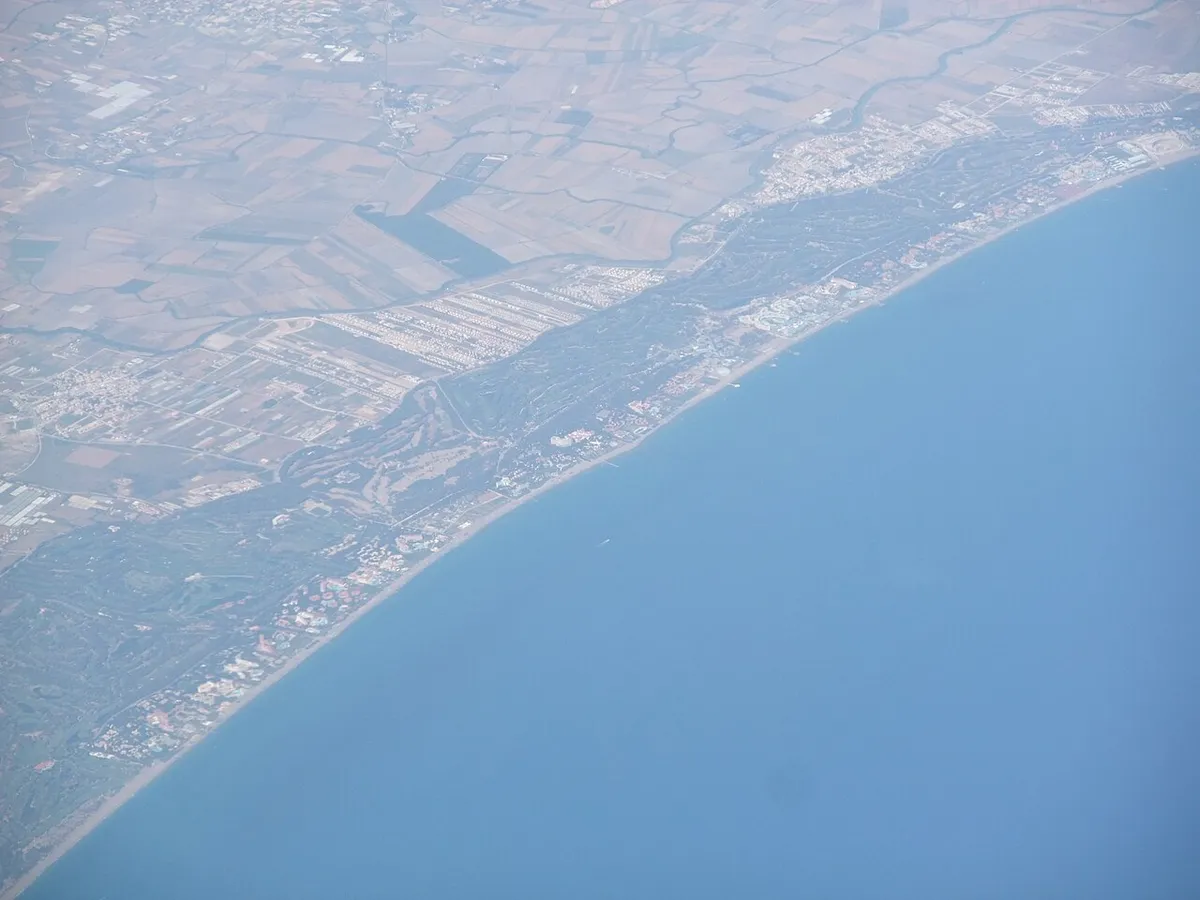
Located in the Aksu district just east of Antalya, the monumental ruins of ancient Perge and the neighboring Kurşunlu Waterfall Nature Park unite classical Greco-Roman splendor with verdant Mediterranean tranquility. As the ancient capital of Pamphylia, Perge mesmerizes travelers with its grand colonnaded avenues bisected by an engineered mountain water cascade, its iconic circular Hellenistic defensive towers, a 15,000-seat theater, and one of the finest preserved stadiums of antiquity. Only minutes away, Kurşunlu Waterfall plunges 18 meters through a pine canyon into seven emerald pools, offering a revitalizing natural oasis in the Mediterranean sun.
- History and Pamphylian Heritage: From Parha to Rome, Plancia Magna, and St. Paul
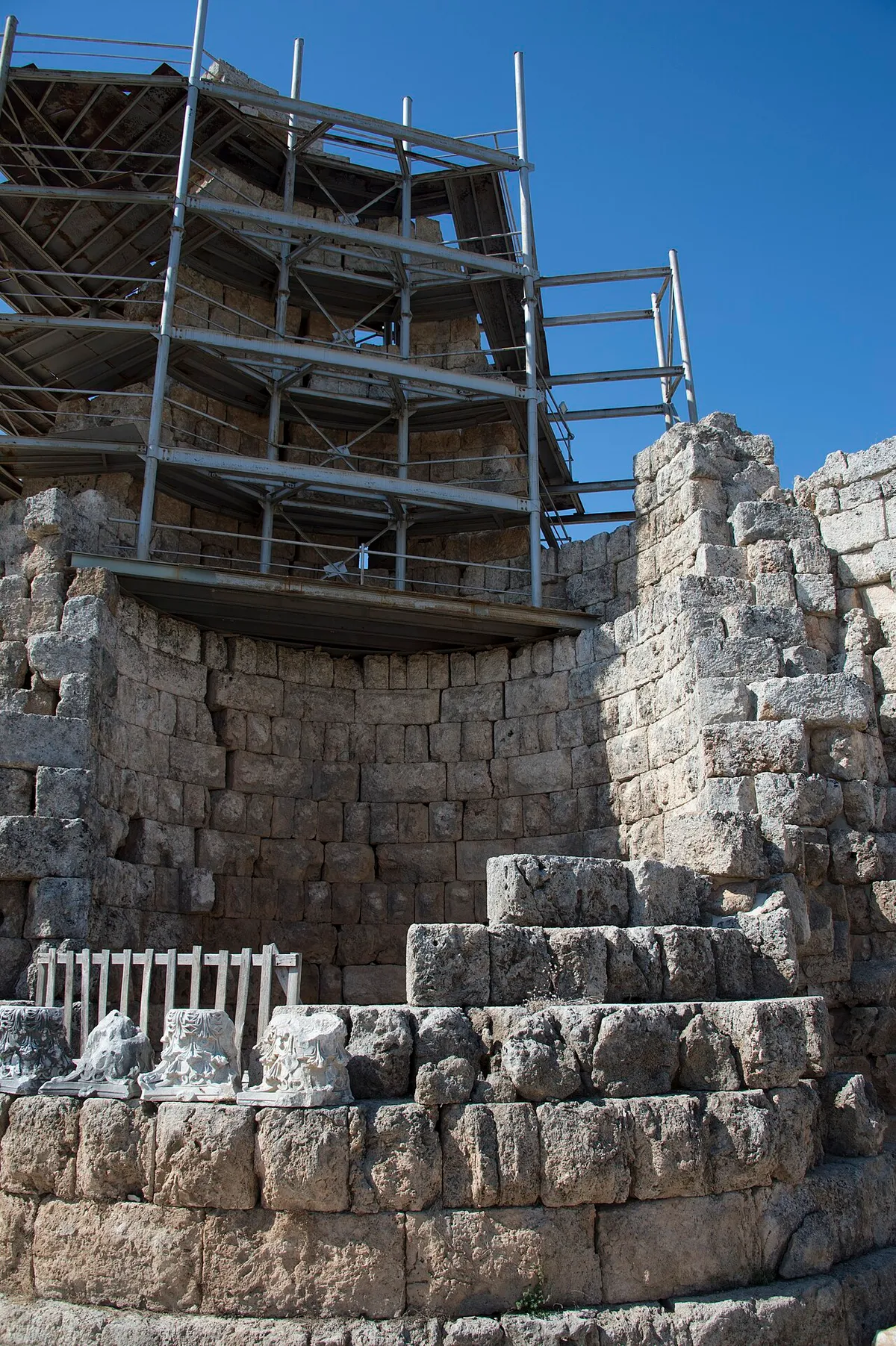
Settlement at Perge reaches back to the late Bronze Age, recorded in Hittite clay tablets as 'Parha on the Kestros (Aksu) River.' Mythologically founded by Trojan War seers Mopsus and Calchas, the city flourished during the Hellenistic era when it was fortified with stone circuit walls and majestic circular towers. In 333 BC, Alexander the Great entered Perge without resistance, allowing the city to preserve its wealth and autonomous prestige.
Under the Roman Empire, Perge earned the moniker 'Pearl of Pamphylia' and served as the intellectual home of the renowned mathematician Apollonius, whose work on conic sections advanced geometry. In the 2nd century AD, the aristocratic female magistrate Plancia Magna used her immense personal fortune to fund triumphal gates, civic libraries, and marble sculpture galleries, becoming one of antiquity's most prominent female benefactors. In early Christian history, the Apostle Paul visited Perge twice during his first missionary journey across Asia Minor.
- Two-Day Comprehensive Itinerary: Classical Metropolis, Forest Cascades, and Coastal Delta
Day 1: Hellenistic Gate, Colonnaded Avenue, Nymphaeum, Agora, Roman Baths, and Stadium
The exploration commences through the monumental Hellenistic South Gate. Behind the circular towers, visitors enter an elliptical court of honor lined with niches that once held statues of Roman emperors and civic deities.
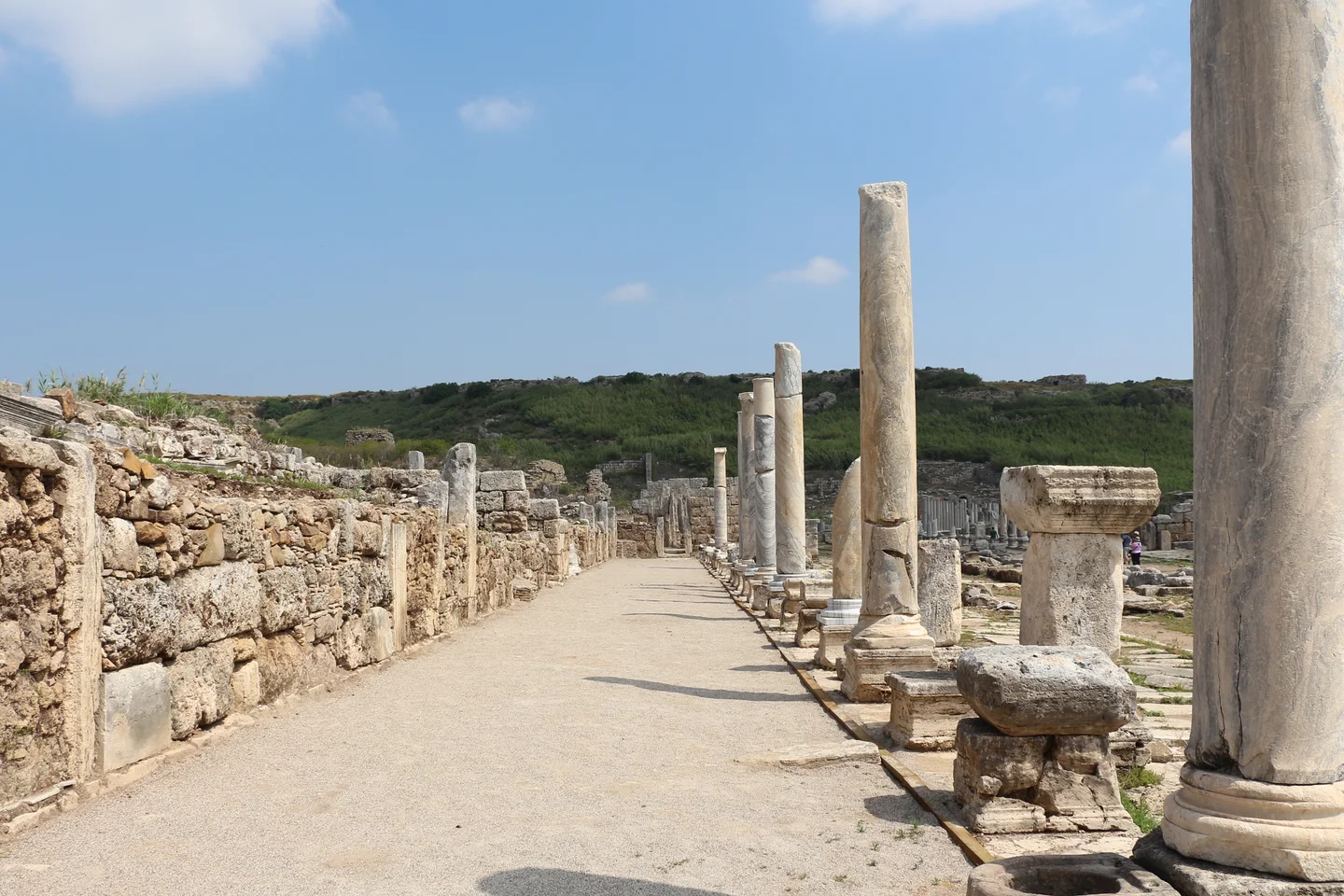
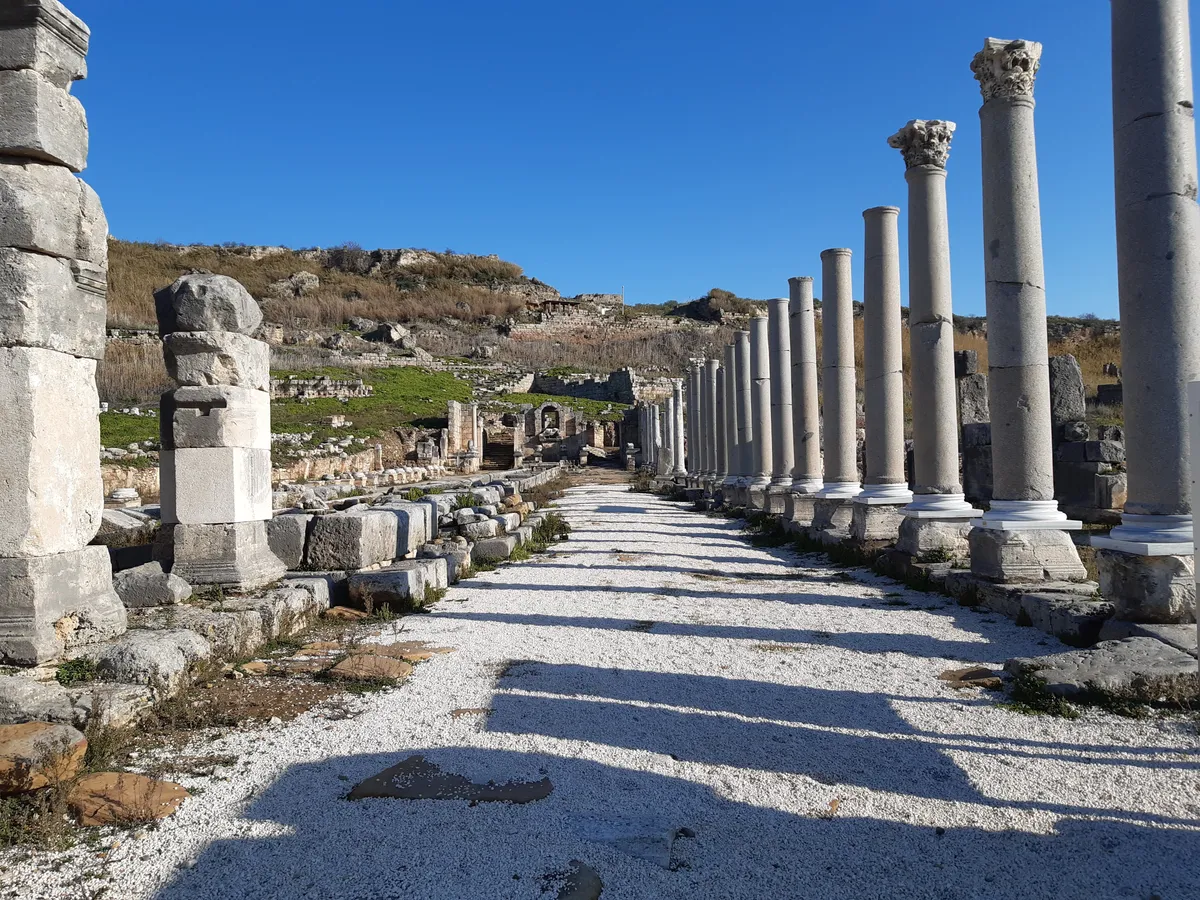
Continuing northward leads directly onto the 300-meter-long Colonnaded Avenue. A masterwork of Roman hydraulic engineering, a stepped marble water channel runs down the center of the avenue, once carrying cascading mountain water to cool the civic center.
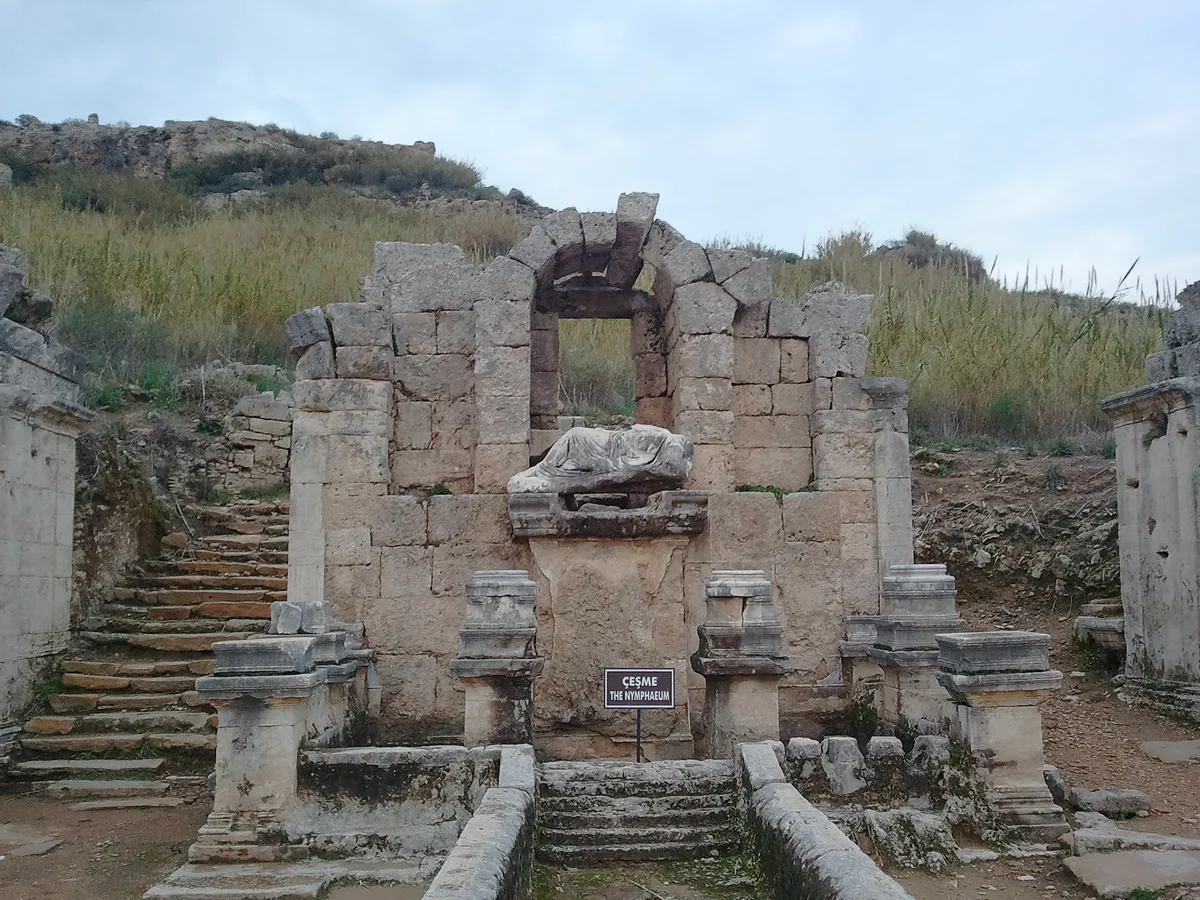
At the northern end of the avenue stands the Monumental Nymphaeum at the foot of the Acropolis. Fresh spring water cascaded beneath a reclining statue of the river god Kestros into wide marble collection basins.
East of the avenue lies the Perge Agora (Macellum), the commercial heart of the city featuring covered porticoes, artisan stalls, and a circular central temple dedicated to Hermes.
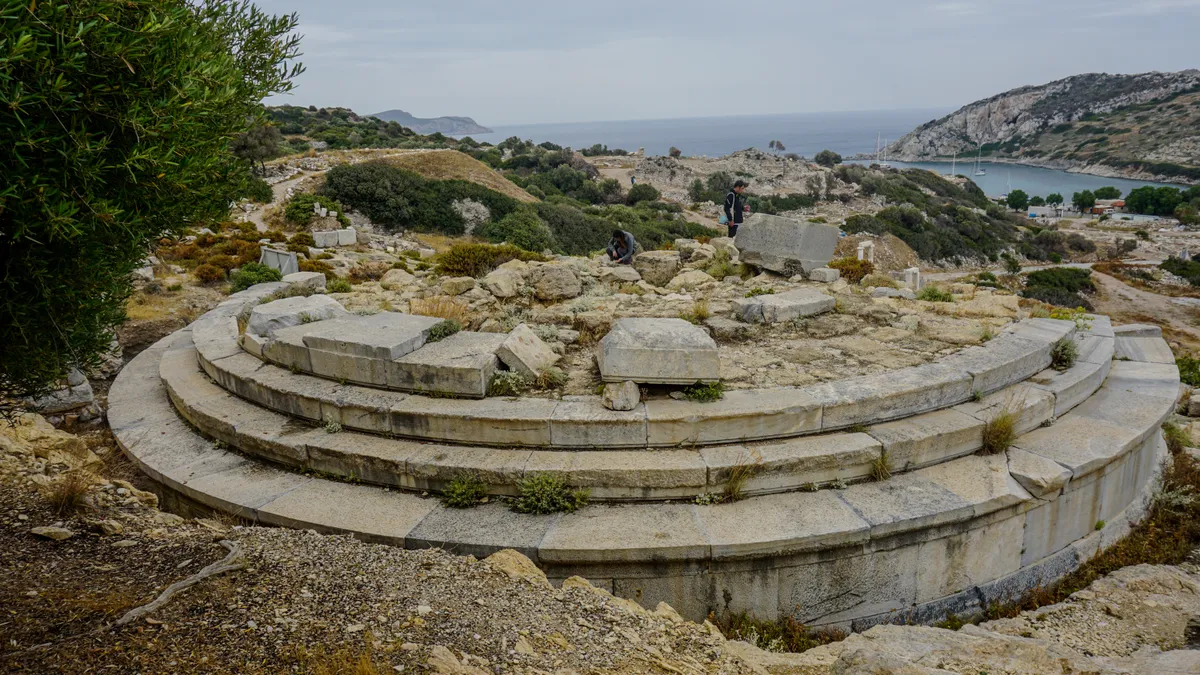
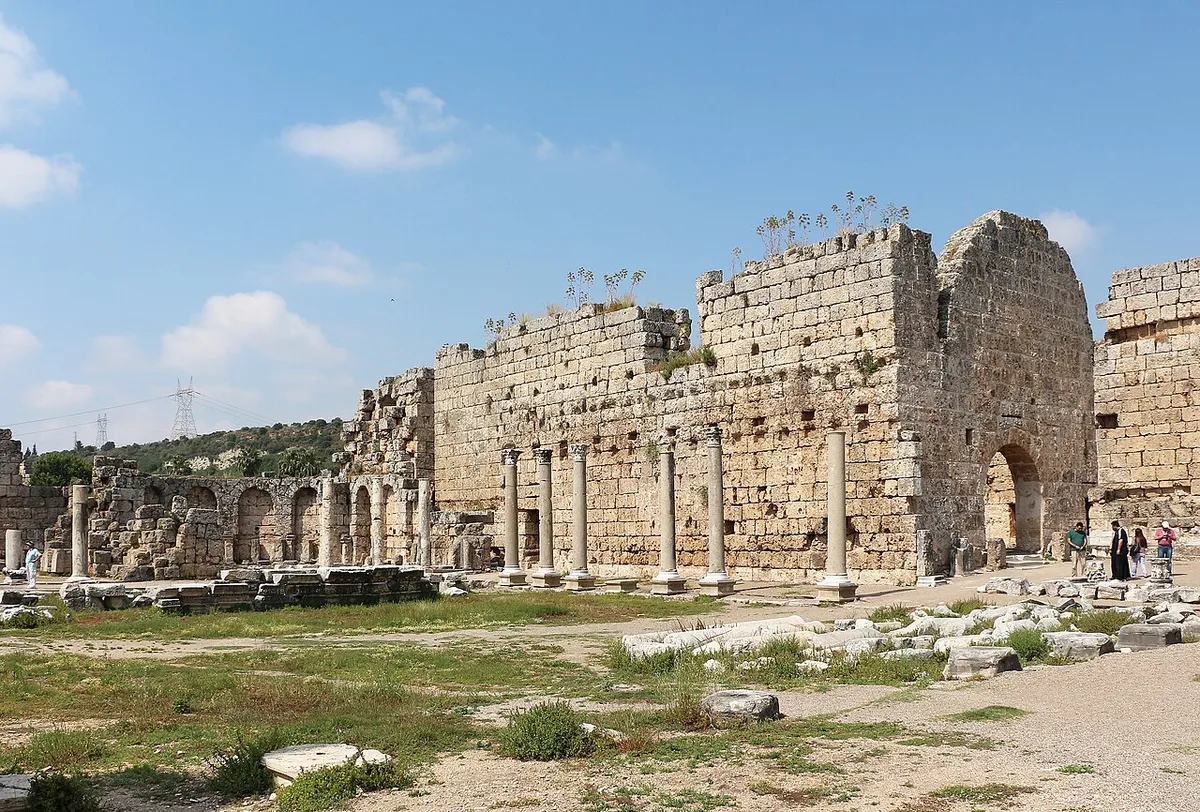
Adjacent to the agora, explore the South Baths—the largest bath complex in Pamphylia. Its monumental vaulted halls, cold pools (Frigidarium), warm rooms (Tepidarium), and hypocaust underfloor heating showcase imperial engineering luxury.
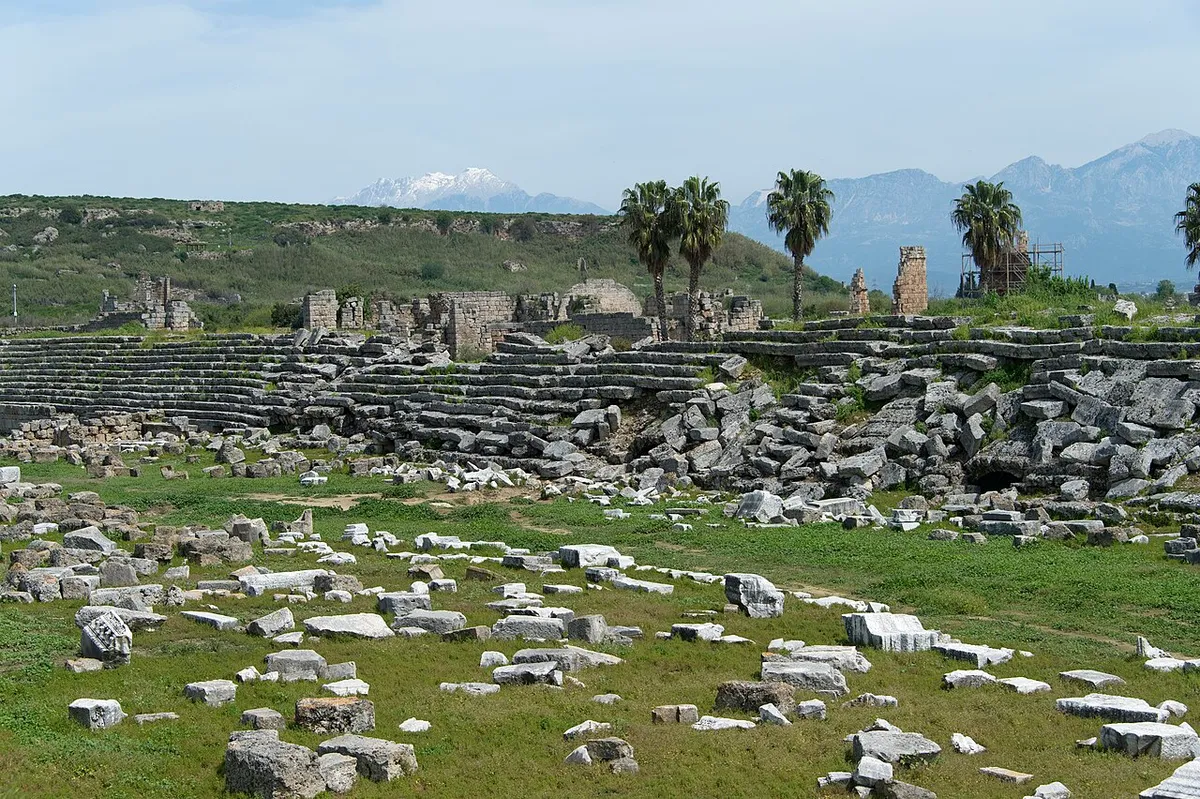
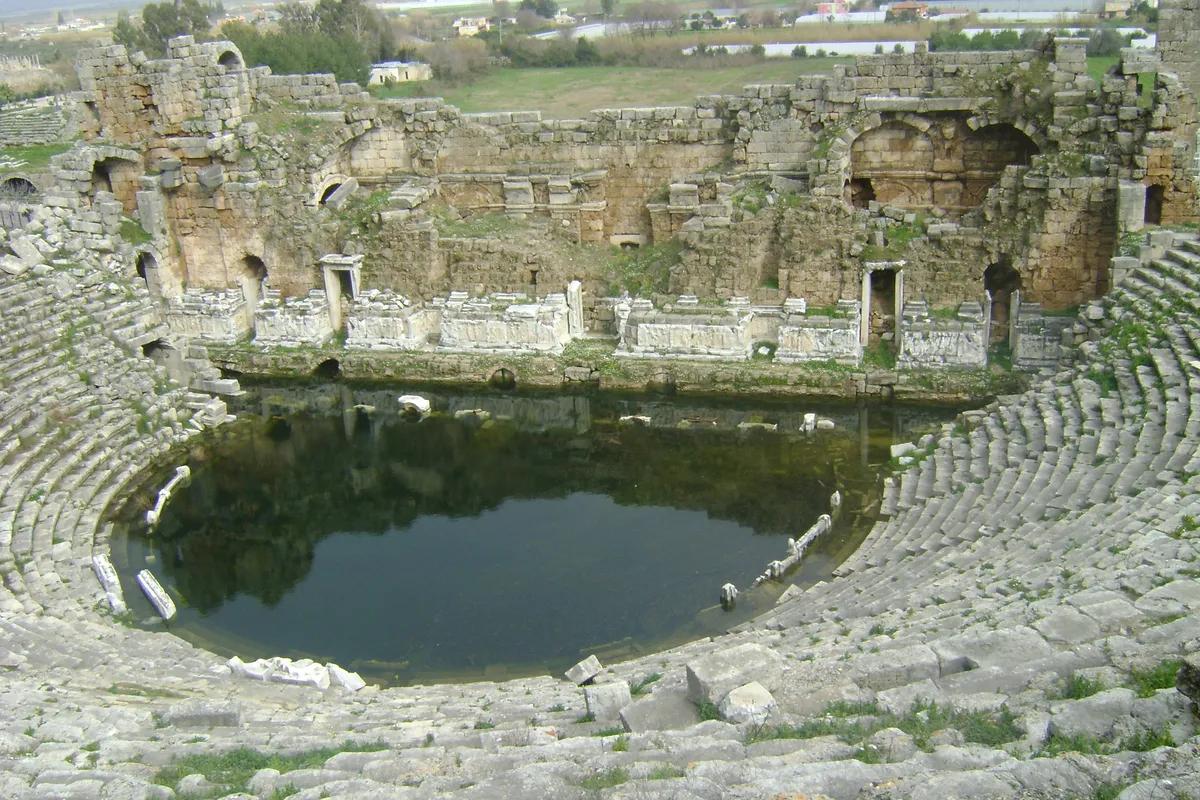
In the late afternoon, examine the 12,000-seat Perge Stadium and the nearby 15,000-seat Greco-Roman Theater, whose relief friezes depict the life of Dionysus.
Day 2: Kurşunlu Waterfall Nature Park, Historic Watermill, and Aksu Delta
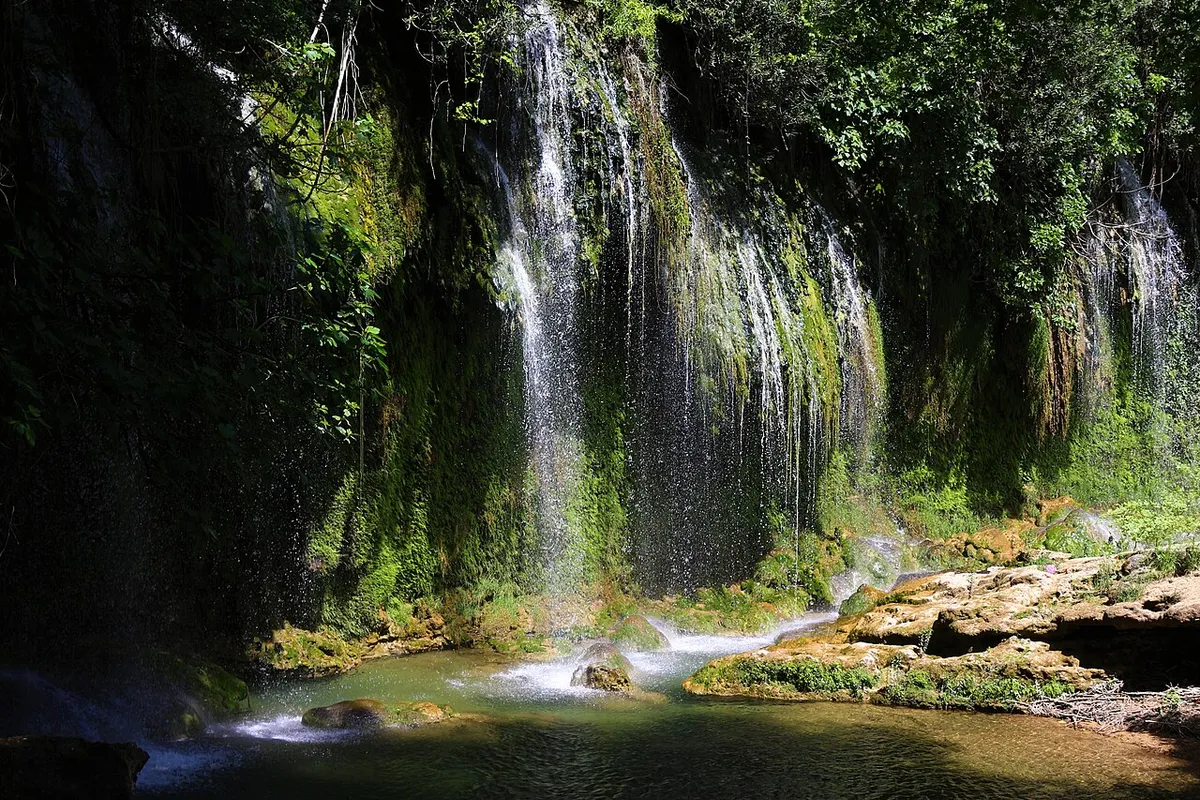
Day two begins at Kurşunlu Waterfall Nature Park, located just 10 kilometers north of Perge. The 18-meter cascade flows into seven interconnected tranquil pools shaded by fragrant pine and plane canopies.
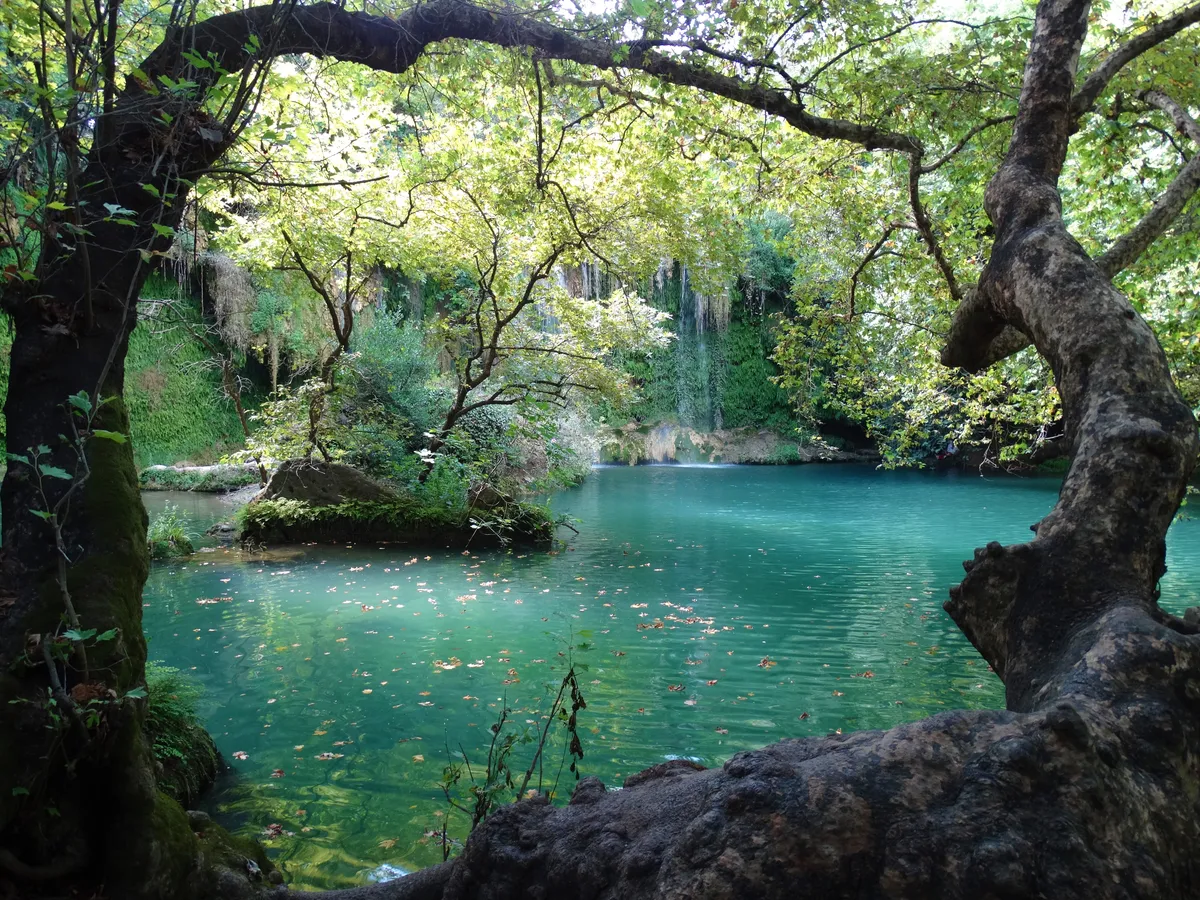
Meandering along the forested boardwalks leads to a 200-year-old historic watermill. Its antique stone grinding wheel is still powered by the rushing river current, offering a peaceful glimpse into traditional rural life.
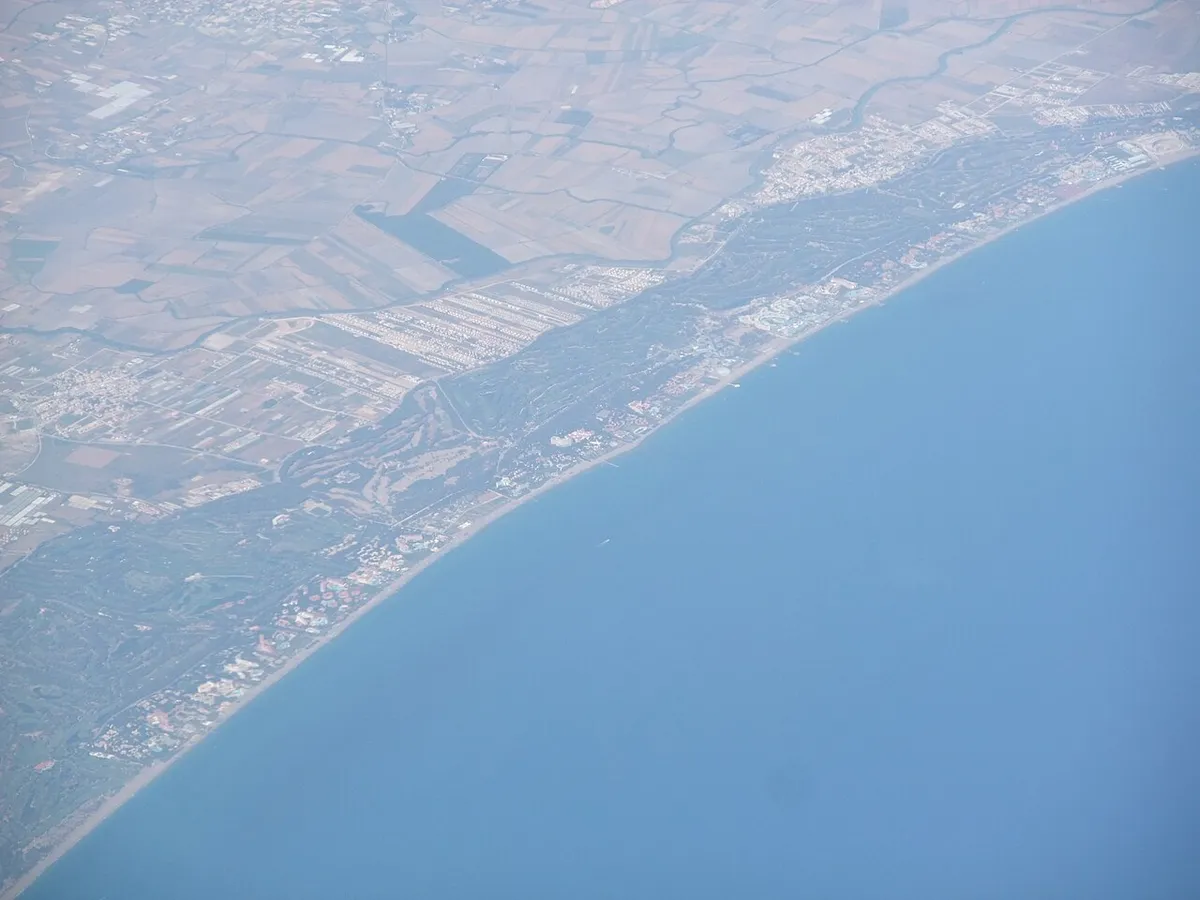
In the afternoon, travel south to the Aksu River Delta where the river meets the Mediterranean. Here, birdwatchers and nature enthusiasts can observe seasonal migratory flocks and wild sea daffodils along the protected dunes.
- Visiting Hours, 2026 Ticket Prices, and Museum Pass Details
- Perge Archaeological Site: Summer season (April 1 – October 31) 08:00 – 19:00; Winter season (November 1 – March 31) 08:30 – 17:30 daily.
- Museum Pass Validity: The Turkish Museum Pass (Müzekart) is accepted at Perge. The foreign visitor ticket is approximately €12 in 2026.
- Kurşunlu Waterfall Nature Park: Managed by the General Directorate of Nature Conservation and National Parks; open daily from 08:00 to 18:30 (nominal park entrance fee applies).
- Sun and Hydration Advice: Perge consists of extensive open marble surfaces with minimal natural shade; bring a wide-brimmed hat, sunglasses, and at least 1.5 liters of water.
- Parking: Generous paved parking lots are available at both the entrance to Perge and Kurşunlu Waterfall Nature Park.
- Transportation and Navigation: Antray Tram, Buses, and Driving Routes
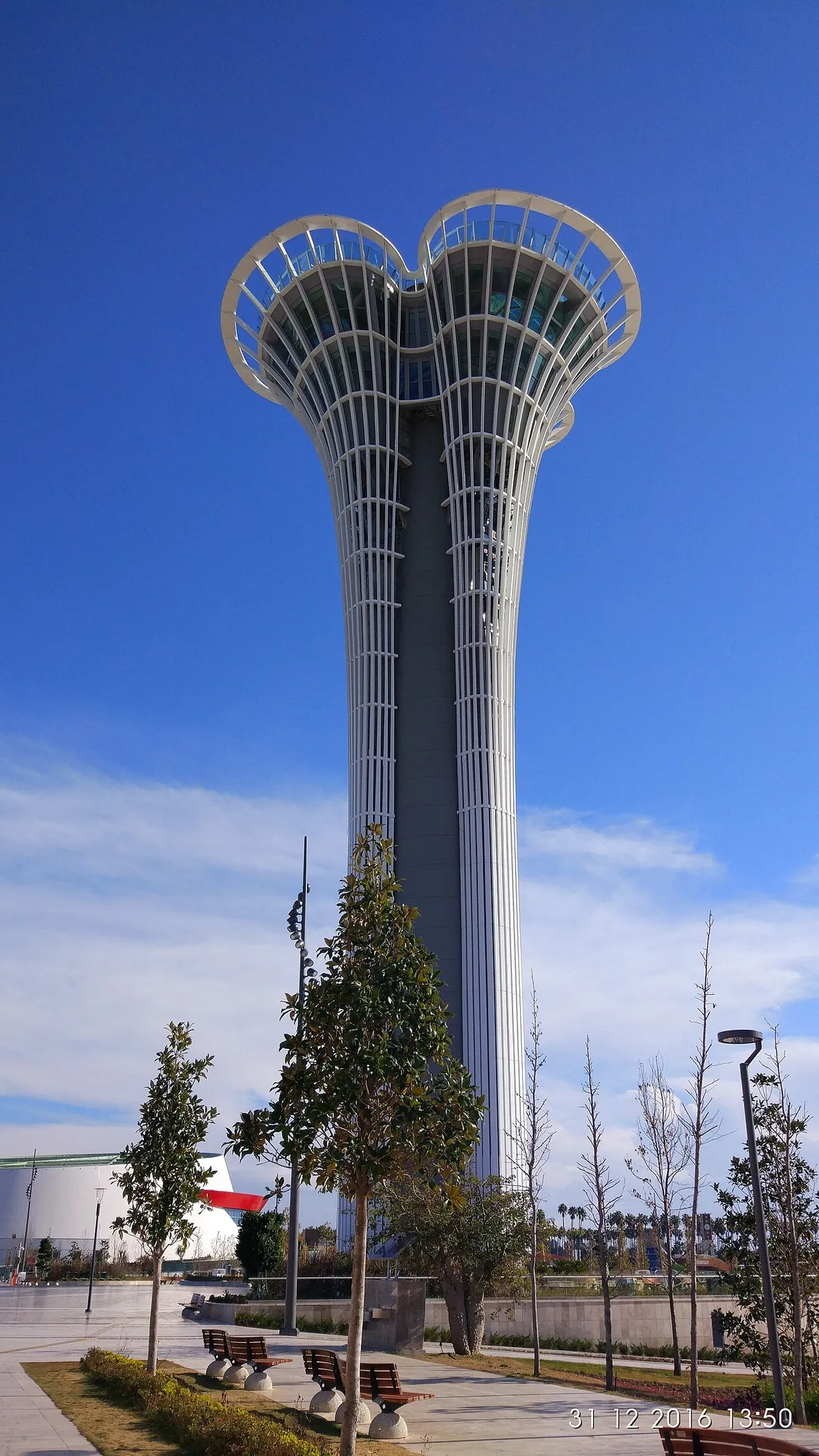
- Light Rail Transit (Antray): Travelers from Antalya Airport or downtown can take the Antray tram line to the Aksu or EXPO stations, followed by a quick 5-minute taxi or minibus ride to Perge.
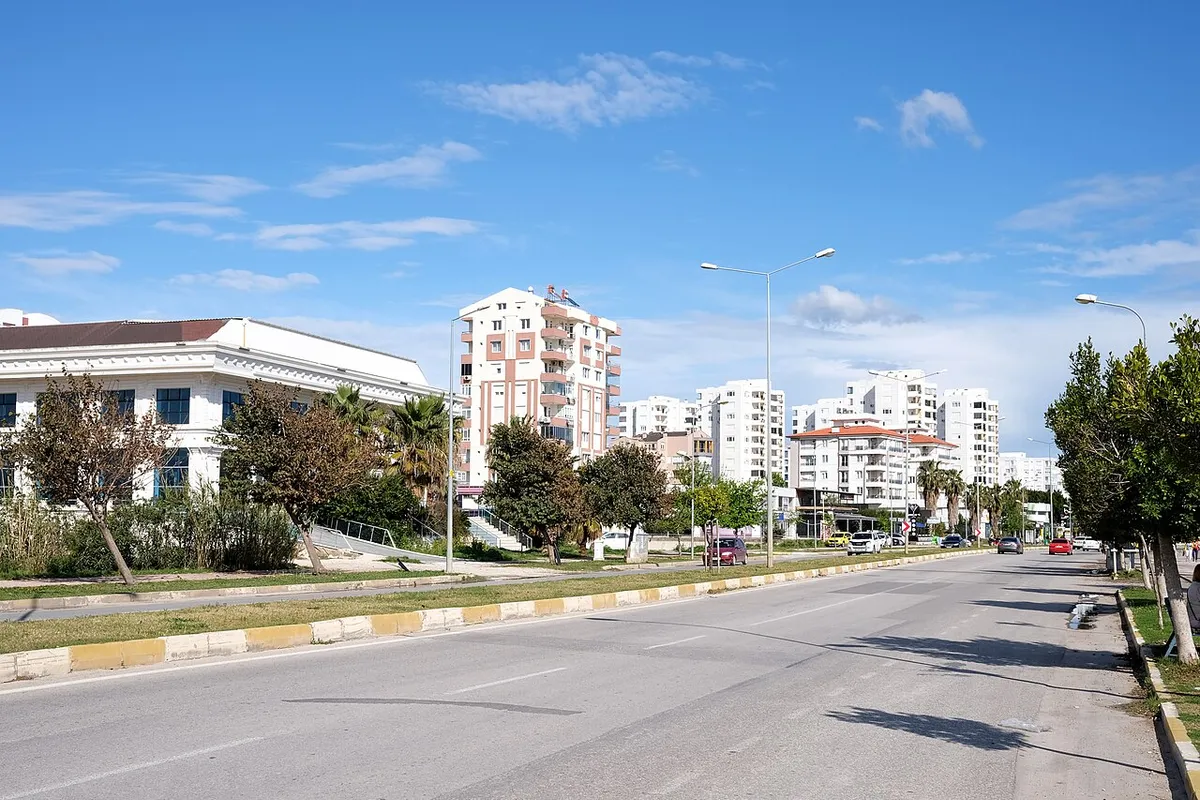
- Driving Directions: Follow the D400 highway east from Antalya center for 18 km to Aksu, turning north on Perge Caddesi (20 minutes total driving time).
- Reaching Kurşunlu Waterfall: From the Aksu junction on the D400, turn north toward Isparta for 7 km and follow the signposted Kurşunlu exit.
- Public Municipal Buses: Public bus lines AC03, AF04, and 511 depart regularly from Doğu Garajı and Meydan transport hubs in central Antalya.
- Road Quality: Access roads to both Perge and Kurşunlu are modern, multi-lane divided asphalt highways suitable for all vehicles.
- Aksu Gastronomy and Smart Traveler Tips
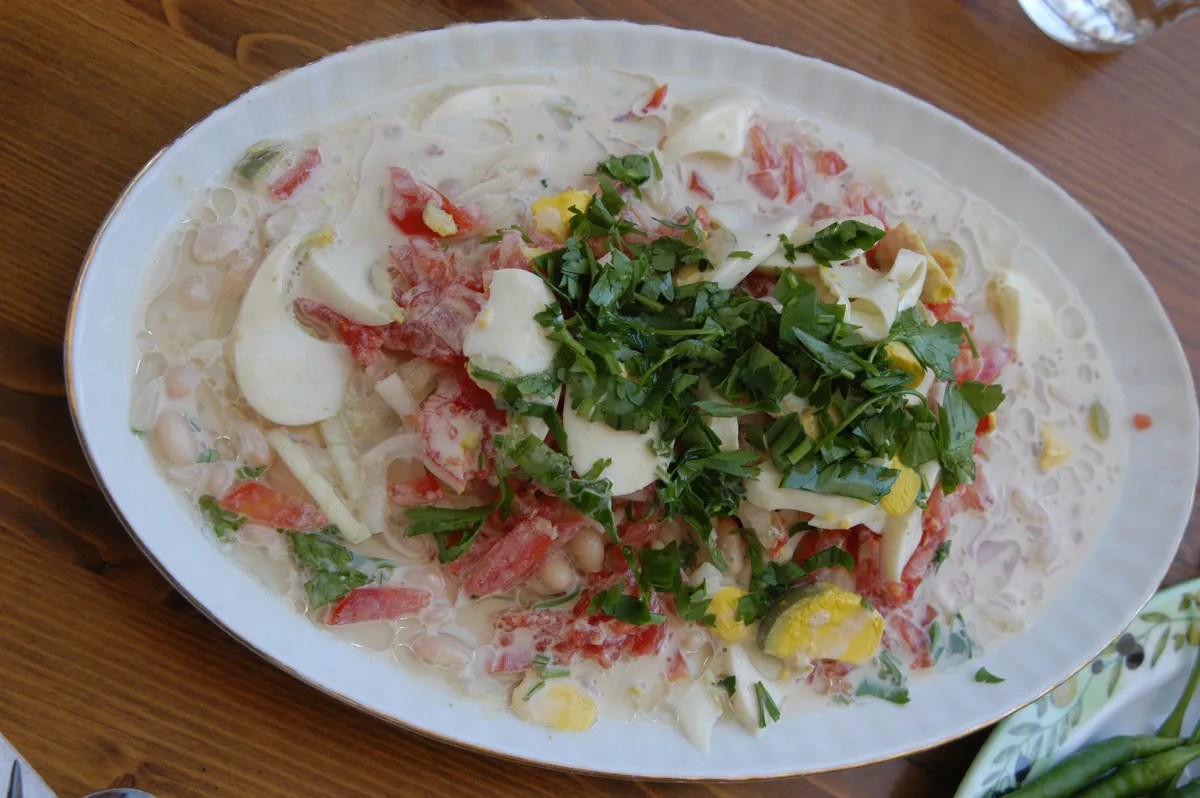
- Famous Aksu Köfte & Piyaz: Savor traditional skewered pure beef meatballs (Aksu Köftesi) paired with Antalya-style white bean salad dressed with rich sesame tahini (tarator piyaz).
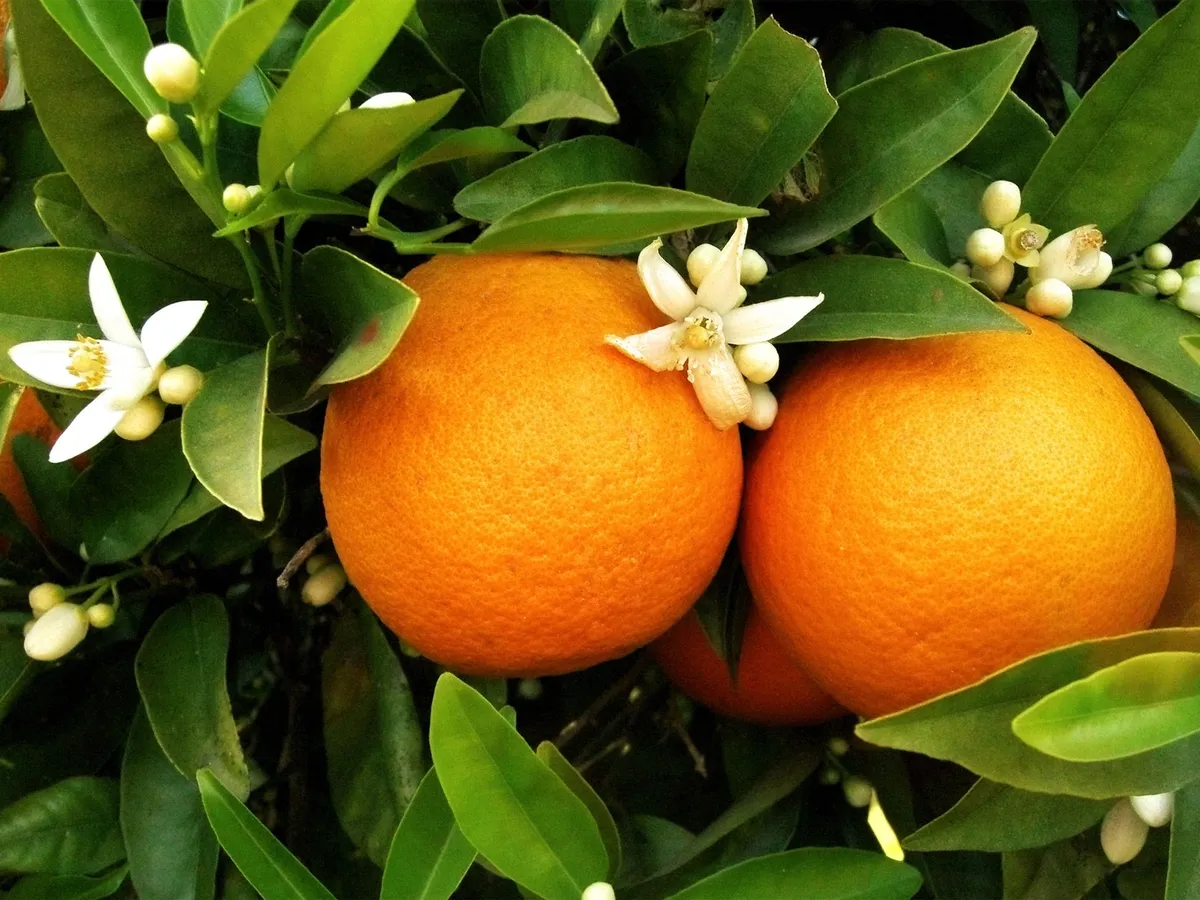
- Fresh Citrus and Honey: Aksu's fertile agricultural plain produces freshly squeezed orange juice and fragrant citrus-blossom honey sold at farm stands.
- Photography Timings: The Hellenistic Towers look magnificent in morning light (08:30) with dramatic front illumination; Kurşunlu Waterfall sparkles best under midday overhead sun.
- Walking Footwear: Wear sturdy sneakers with grip for Perge's ancient stone pavings and the damp wooden stairways at Kurşunlu.
- Pair with Antalya Archaeological Museum: Many monumental masterworks excavated from Perge—including the Dancer statue, Heracles sarcophagi, and Plancia Magna portraits—are displayed at the Antalya Museum.