Bathed in golden Aegean sunshine, Didim is a realm where timeless philosophy meets endless coastal horizons. Renowned throughout antiquity as the sacred sanctuary of Miletus, Didyma served as one of the ancient Mediterranean’s paramount oracular centers, rivaling Delphi with its colossal Temple of Apollo. Today, this exceptional archaeological legacy unites seamlessly with the Blue Flag sands of Altinkum, the pine-clad bays of Akbuk, and tranquil hidden lagoons along the peninsula.
In this comprehensive travel guide, we chart a complete journey from the mystical oracle sanctuaries of Didim to the cradle of natural philosophy at Miletus, across the sea-walkable islet of Sapli Ada, and into the untouched coves of the Aegean.
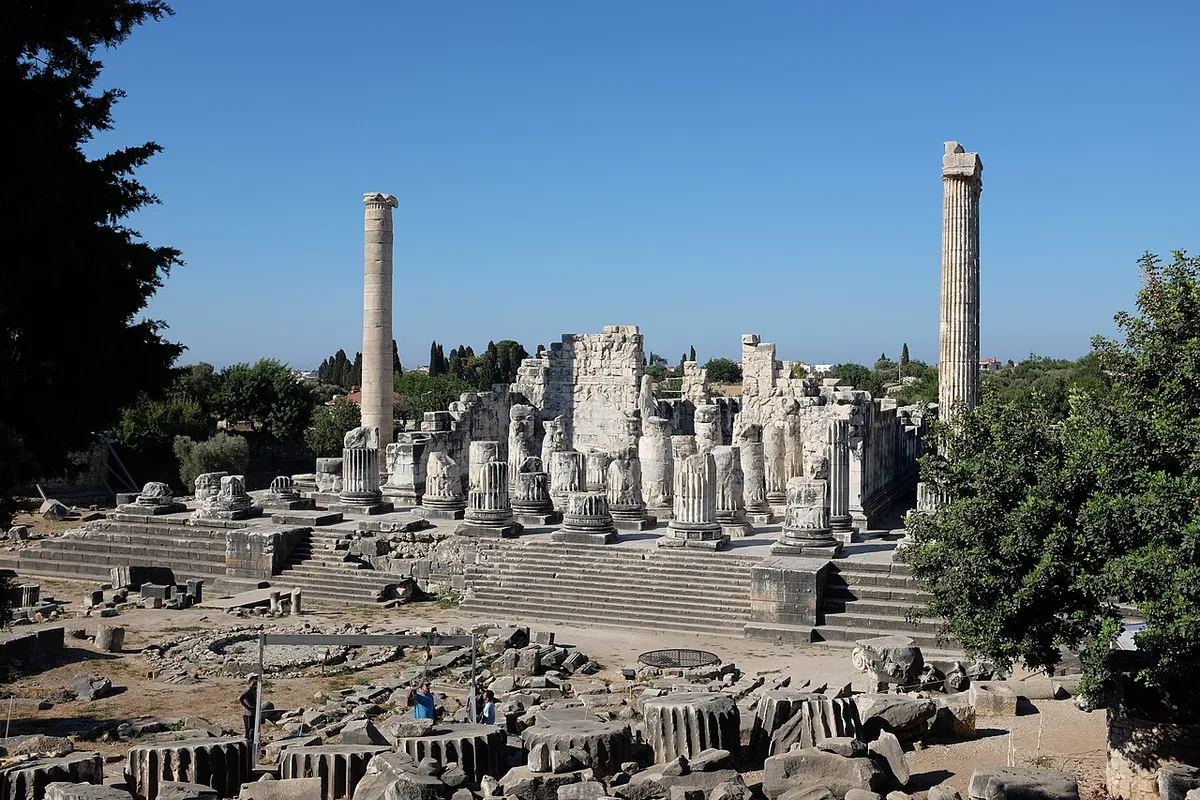
Towering proudly at the entrance to Didim, the Didyma Temple of Apollo ranks among the grandest and most breathtaking Ionic temples of the Greco-Roman world. Begun in the 6th century BC and connected to Miletus by a 24-kilometer Sacred Way, the temple served as an international oracle where rulers and military leaders sought prophecies before major campaigns. The intricately sculpted marble relief of Medusa, with her serpent locks, has become the world-renowned emblem of Didim.
Temple of Apollo Travel Notes
- Location: Didim central district, Yenihisar Quarter (Hisar Avenue)
- Architecture: Colossal dipteral plan with 122 monumental columns; vaulted subterranean ramps
- Iconic Artifact: 2nd-century AD carved marble Medusa frieze gazing at the temple gate
- Visiting & MuseumPass: Under Ministry of Culture & Tourism supervision; MuseumPass accepted
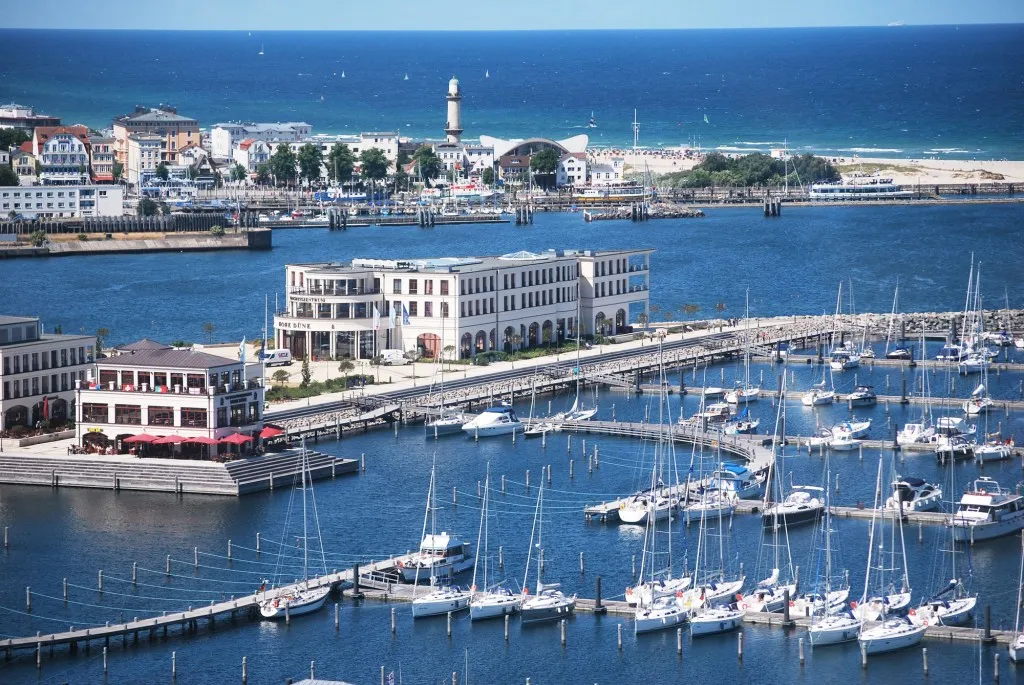
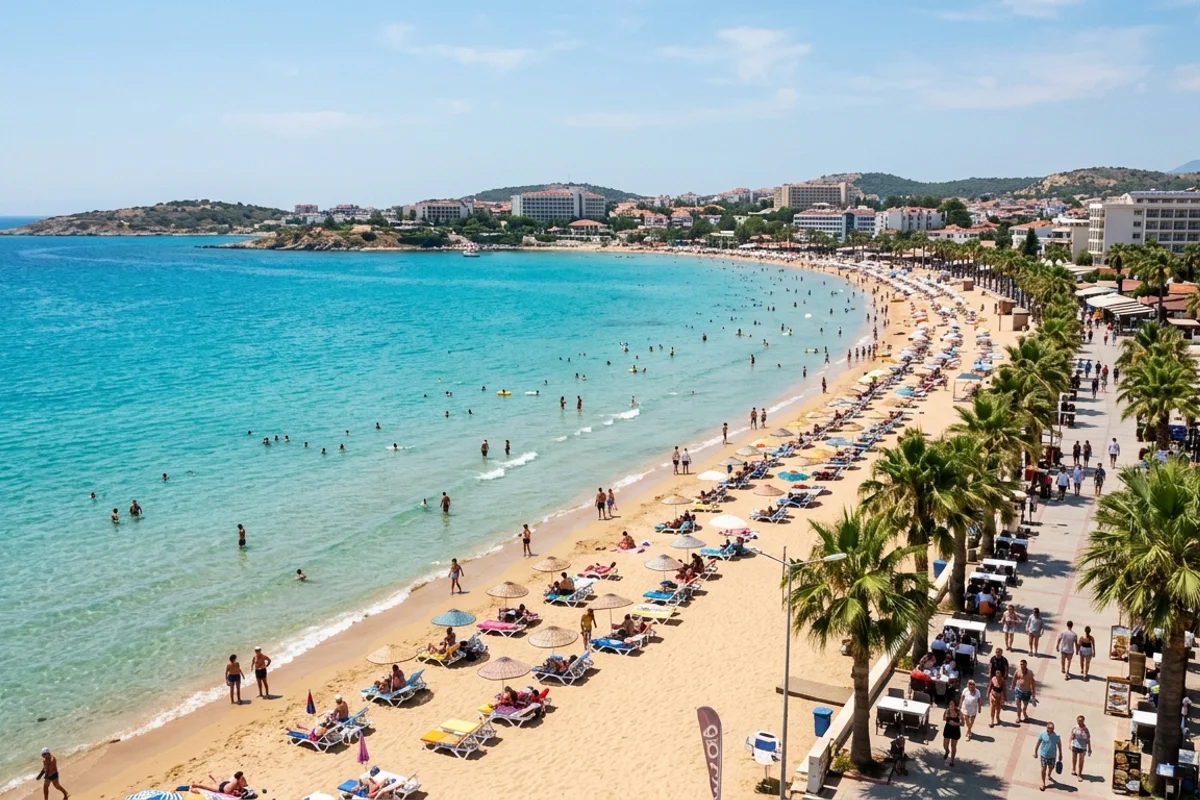
Taking its name from its powdery "golden sands", Altinkum Beach is the vibrant resort heart of Didim. With its Blue Flag certified crystalline waters and a gently shelving seabed that remains waist-deep dozens of meters out, it is considered one of the safest Aegean beaches for families with children. The palm-lined pedestrian promenade is alive with water sports by day and seaside seafood bistros by night.
Altinkum Beach Practical Guide
- Beach Profile: Fine natural golden sand; gentle wave-free entrance with zero stones
- Certification: Awarded international Blue Flag status by FEE for exceptional cleanliness
- Facilities: Parasols, sun loungers, disability access ramps, lifeguards, and fresh showers
- Water Sports: Windsurfing, sea kayaking, paddle boats, and daily boat excursion docks
Celebrated as the birthplace of Western philosophy, rational science, and grid urban planning, Miletus (Miletos) was home to the world's first natural philosophers: Thales, Anaximander, and Anaximenes. Once boasting four powerful Aegean naval harbors, the city now stands inland due to centuries of alluvial silt from the Buyuk Menderes River. Miletus’s crowning jewel is its monumental Greco-Roman theater, which seated 15,000 spectators and survives in extraordinary preservation.
Miletus Ancient City Information
- Location: 22 km north of Didim center, near modern Balat Village
- Historical Fame: Principal metropolis of the 12 Ionian League cities; naval & intellectual powerhouse
- Key Monuments: 15,000-seat theater, Faustina Baths, Agora, Delphinion, and Sacred Processional Way
- Access: Open daily; Turkish MuseumPass accepted, ample on-site parking available
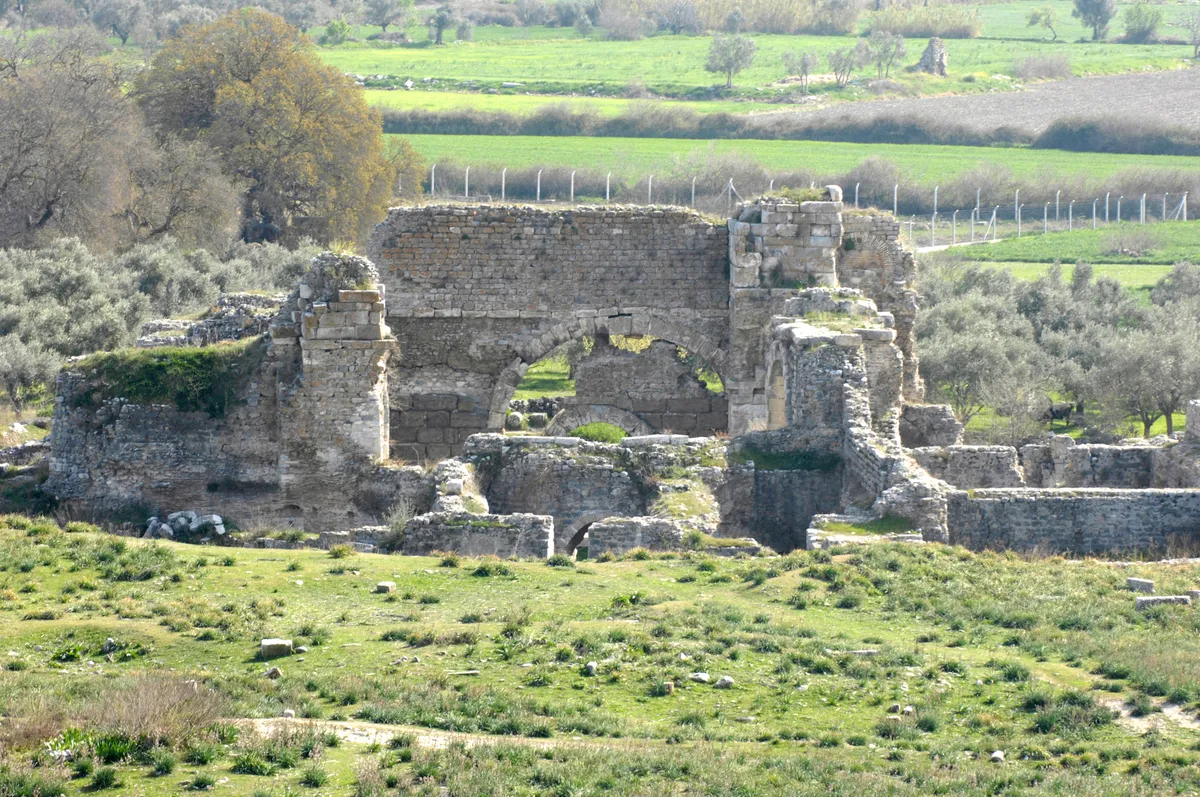
Located roughly 150 meters south of the theater, the Faustina Baths were built in the 2nd century AD in honor of Empress Faustina, wife of Roman Emperor Marcus Aurelius. It stands as one of the largest and most complete Roman bath complexes in Anatolia. Visitors can marvel at the grand frigidarium (cold room), caldarium (hot room) hypocaust heating flues, and a grand palaestra courtyard pool once adorned with reclining statues of the river god Meander and marble water-spouting lions.
Faustina Baths Architectural Highlights
- Era: 2nd century AD during the Roman Imperial golden age
- Thermal Design: Vast vaulted chambers, brick hypocaust underfloor heating tiles
- Artistry: Reclining Meander river god statue and sculpted marble lion heads
- Significance: Foremost surviving Roman imperial bathhouse architecture in Western Turkey
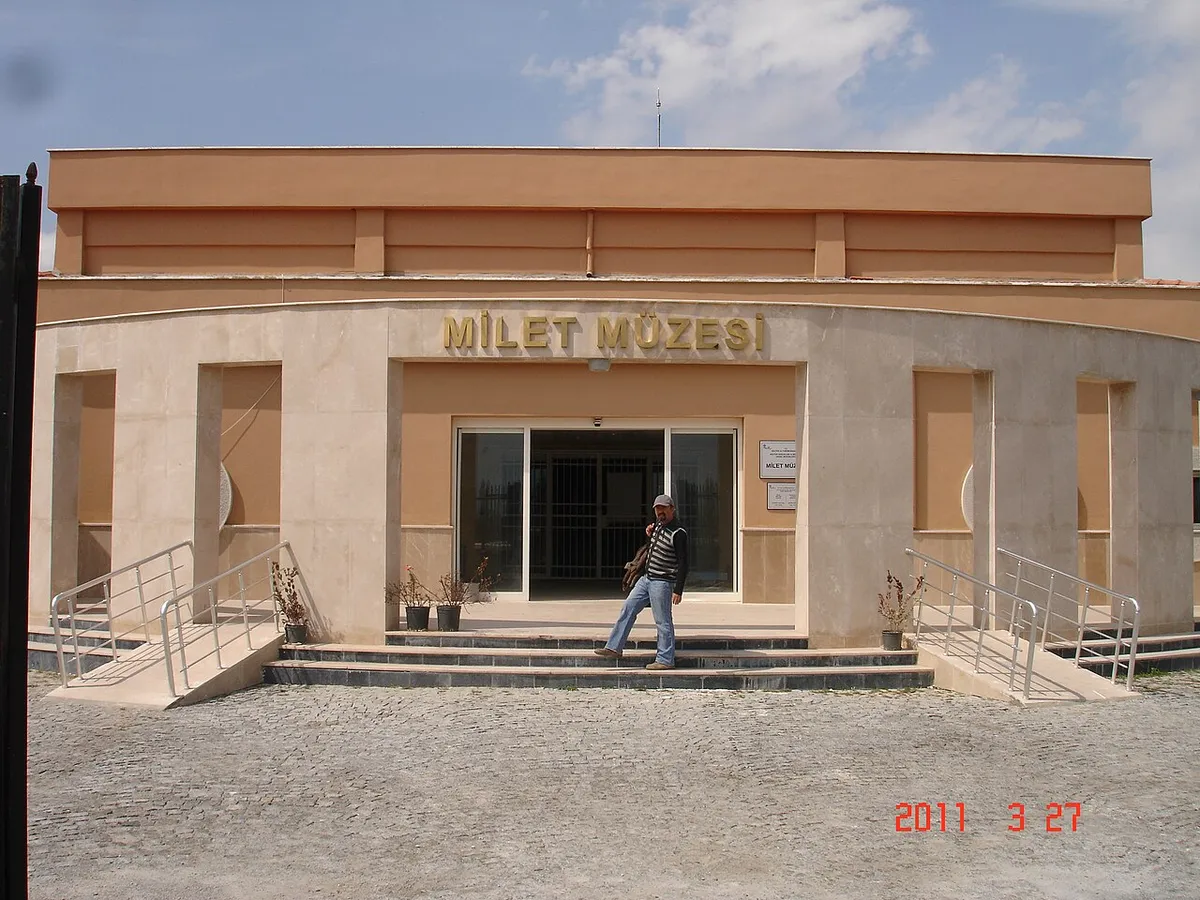
Housed in a sleek modern facility right next to the archaeological park, the Miletus Museum curates millennia of regional treasures. The collection showcases Mycenaean ceramics, Archaic marble sculptures, votive bronze figurines, classical gold jewelry, and antique coins unearthed from Miletus, Didyma, and nearby Priene. In the landscaped open-air lapidarium garden, monumental marble lions, ornate Roman sarcophagi, and civic friezes are presented chronologically.
Miletus Museum Visit Guide
- Location: Balat Village, directly opposite the Miletus archaeological site exit
- Galleries: Indoor chronological archaeological halls and an outdoor lapidary garden
- Star Exhibits: Archaic sanctuary lions, Mycenaean pottery, and Roman imperial busts
- Facilities: Air-conditioned galleries, bookshop, souvenir store, cafe, and parking
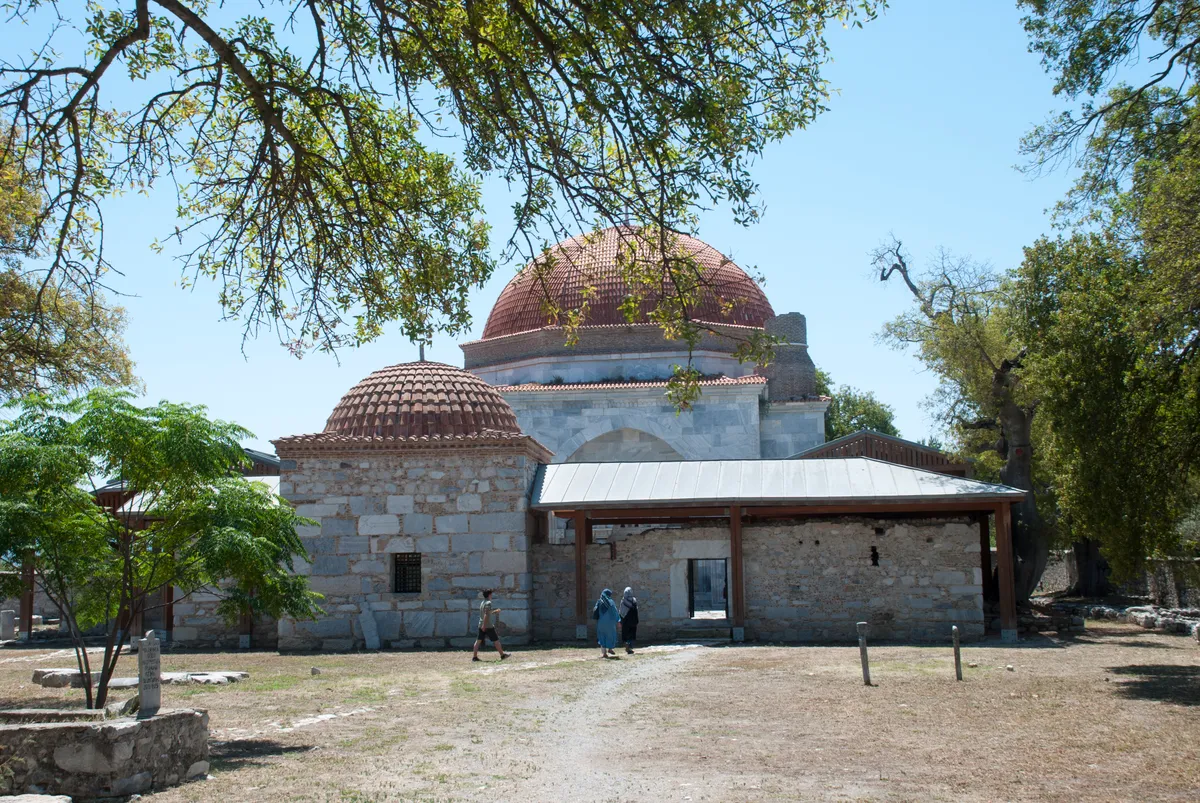
Standing gracefully near the foot of Miletus theater, the Ilyas Bey Complex was commissioned in 1404 by Ilyas Bey, ruler of the Mentese Principality. Comprising a single-domed mosque, madrasa cloister, and twin thermal baths, it masterfully repurposes classical marble blocks alongside intricate Seljuk and Anatolian Beylik stonework. The delicate lace-like geometric marble carvings framing the mosque portal and mihrab earned this conservation project Europe’s premier heritage distinction: the Europa Nostra award.
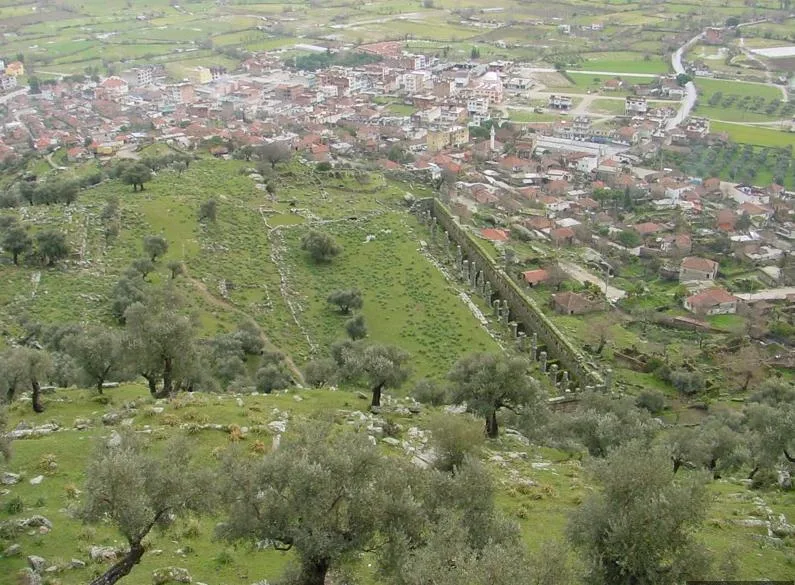
Ilyas Bey Complex Details
- Construction Date: 1404 AD (Reign of Mentese Emir Ilyas Bey)
- Composition: Tiled-dome mosque, madrasa courtyard, twin bathhouse (hammam), and cemetery
- Global Honor: 2012 Europa Nostra Grand Prix in Cultural Heritage Conservation
- Craftsmanship: Harmonious synthesis of classical Miletus marble with Islamic geometric tracery
Situated 20 kilometers east of Didim center at the northern apex of the Mandalya Gulf, Akbuk is a tranquil haven where emerald pine forests cascade down into crystal-clear seas. Celebrated for its rich oxygen levels, refreshing mountain breezes, and lake-like sheltered waters, Akbuk provides an idyllic contrast to busier tourist centers. Wooden jetties along the pine promenade invite visitors to unwind, watch traditional fishing gulets, and swim in pure waters.
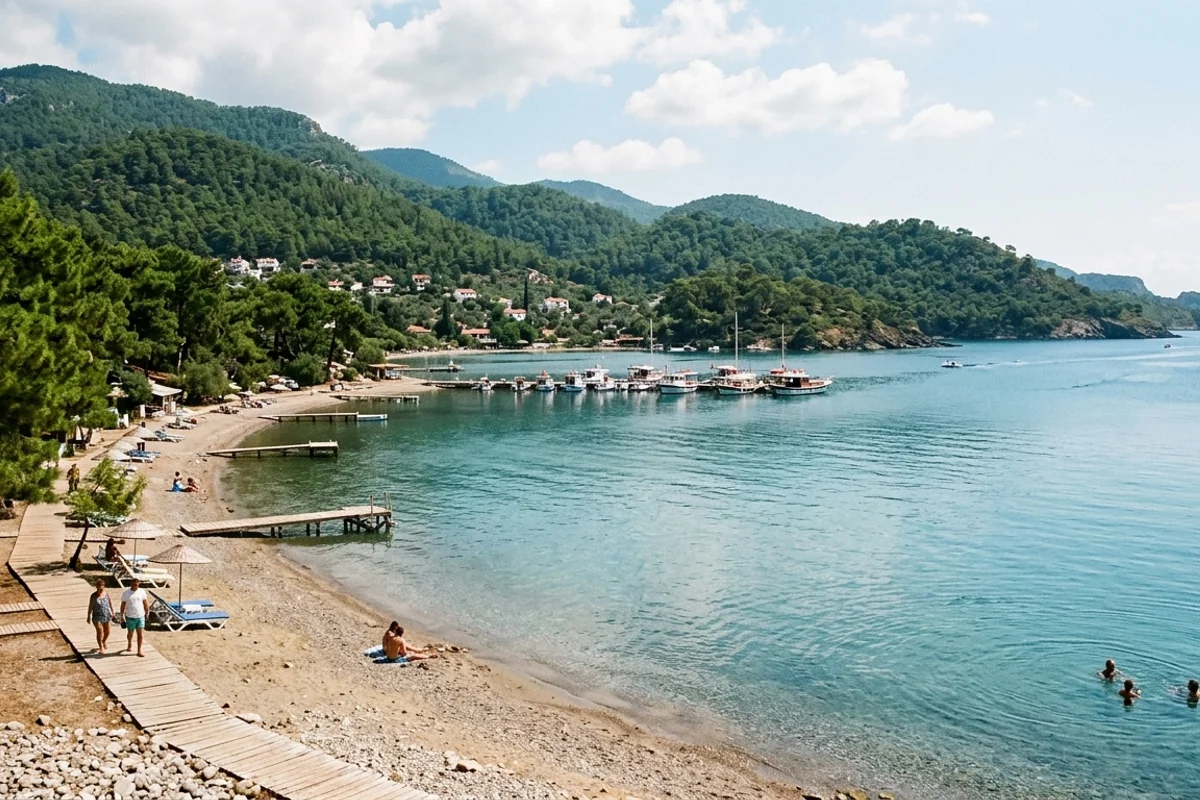
Akbuk Nature & Travel Tips
- Distance: 20 km from central Didim (Regular local dolmuş minibuses available)
- Microclimate: Brisk iodized breezes mixed with pine resin; famed for refreshing high-oxygen air
- Sea Conditions: Sheltered and calm like a lake; gentle shallow gradient ideal for peaceful swims
- Dining: Waterfront garden taverns serving sea bream, sea bass, and wild Aegean greens
Resting about 100 meters off the shoreline of Akbuk Bay, Sapli Ada ("Handled Island") is an enchanting geological landmark connected to the mainland by a submerged natural stone causeway. Formed during the catastrophic volcanic eruption of Thera (Santorini) around 1500 BC, the islet preserves distinct volcanic ash and pumice strata. Walking through the sea in waist-deep clear water across this ancient causeway to reach the wild olive-covered islet is one of Didim's most memorable adventures.
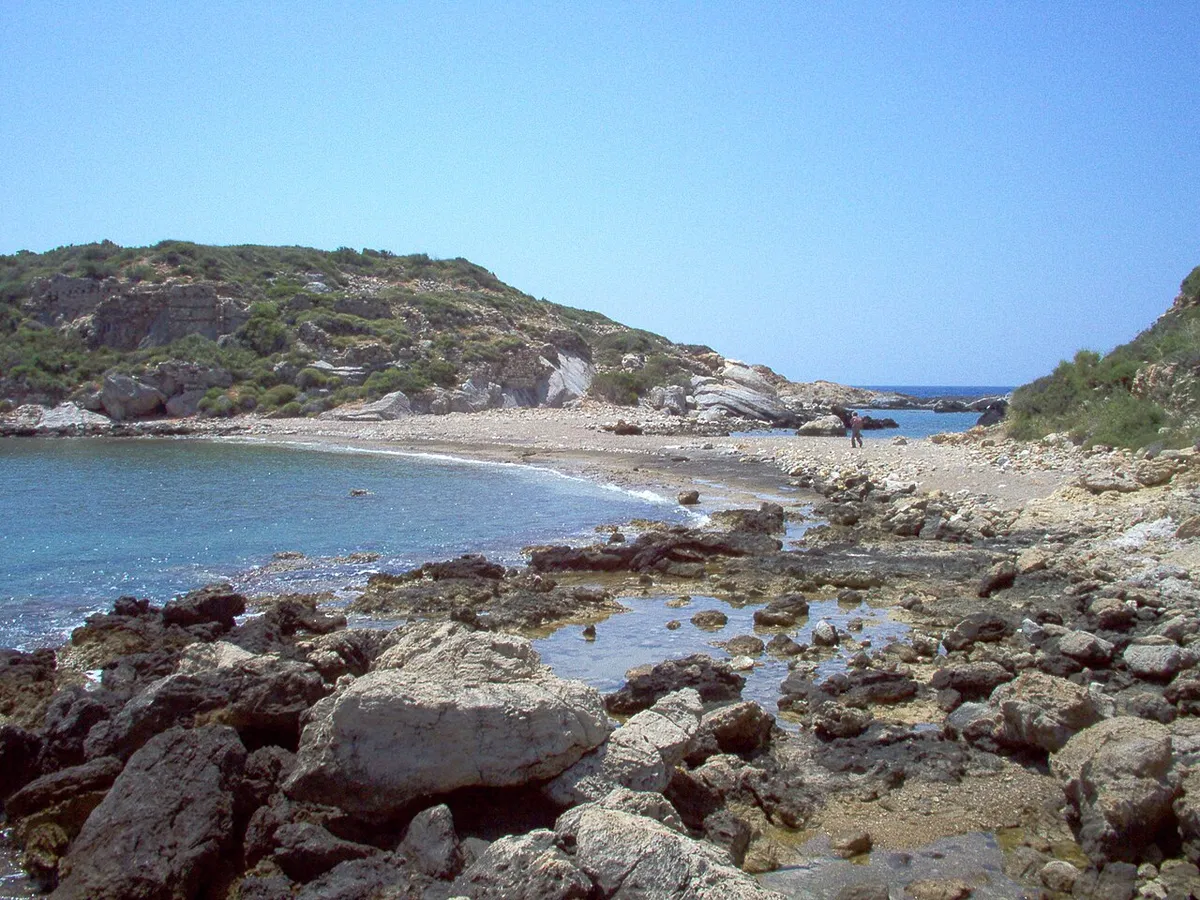
Sapli Island Visitor Guidelines
- Geology: Tuff and volcanic ash layers dating from the historic Bronze Age Santorini eruption
- Walkway Trail: Approx. 100 meters of shallow submerged stone reef passable on foot
- Footwear Advice: Water shoes or reef sandals are essential due to submerged rocks
- Protected Status: 1st Degree Archaeological and Natural Site; strictly preserved from construction
Nestled discreetly between Altinkum and Yesilkent, Cennet Koyu (Paradise Cove) fully earns its name with its serene turquoise lagoon framed by red maritime pines and fragrant maquis. Enclosed by natural headlands that shield the waters from offshore swell, the cove feels like a secluded natural swimming pool. Winding coastal paths above the bay offer breathtaking hiking trails and panoramic photography perches.
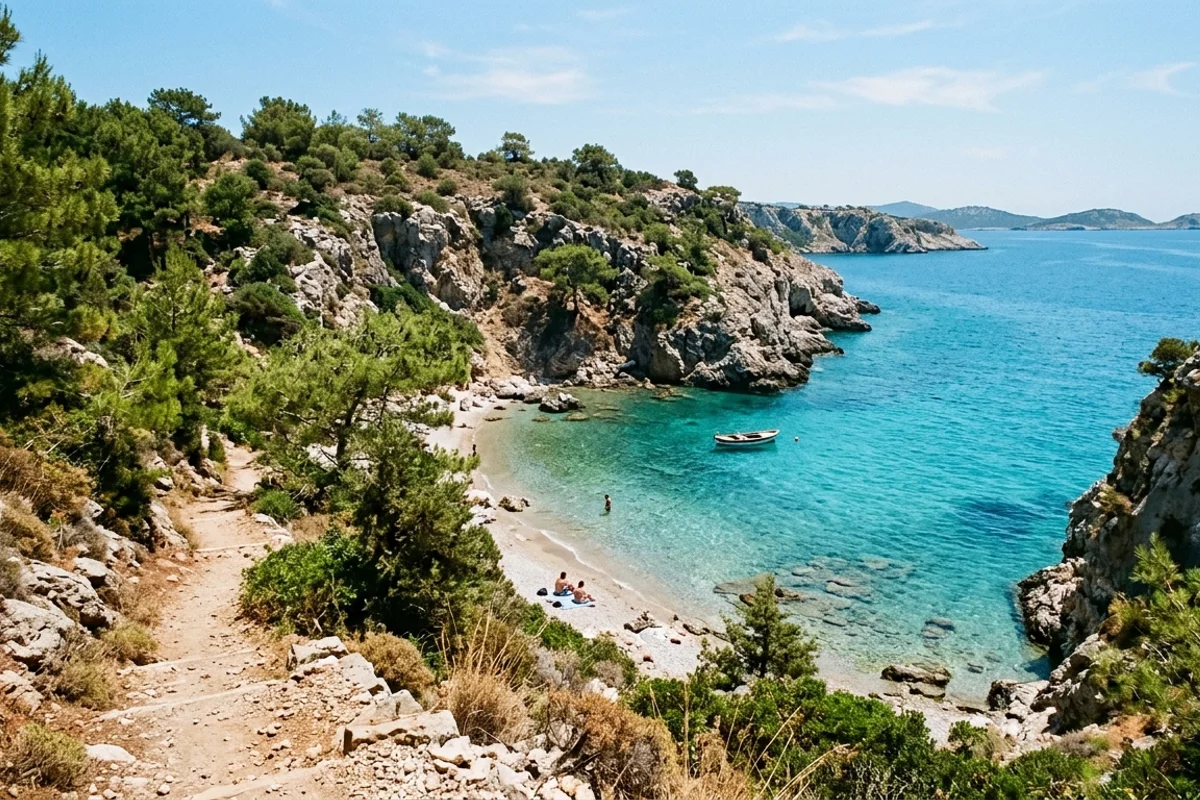
Cennet Koyu Insider Guide
- Location: 3 km east of central Altinkum, bordering the Yesilkent headland
- Coastline: Soft pebbles and sand; calm, mirror-flat water protected from winds
- Facilities: Undeveloped wild cove; visitors should carry drinking water and sun protection
- Activities: Snorkeling, stand-up paddleboarding (SUP), and coastal cliff walks
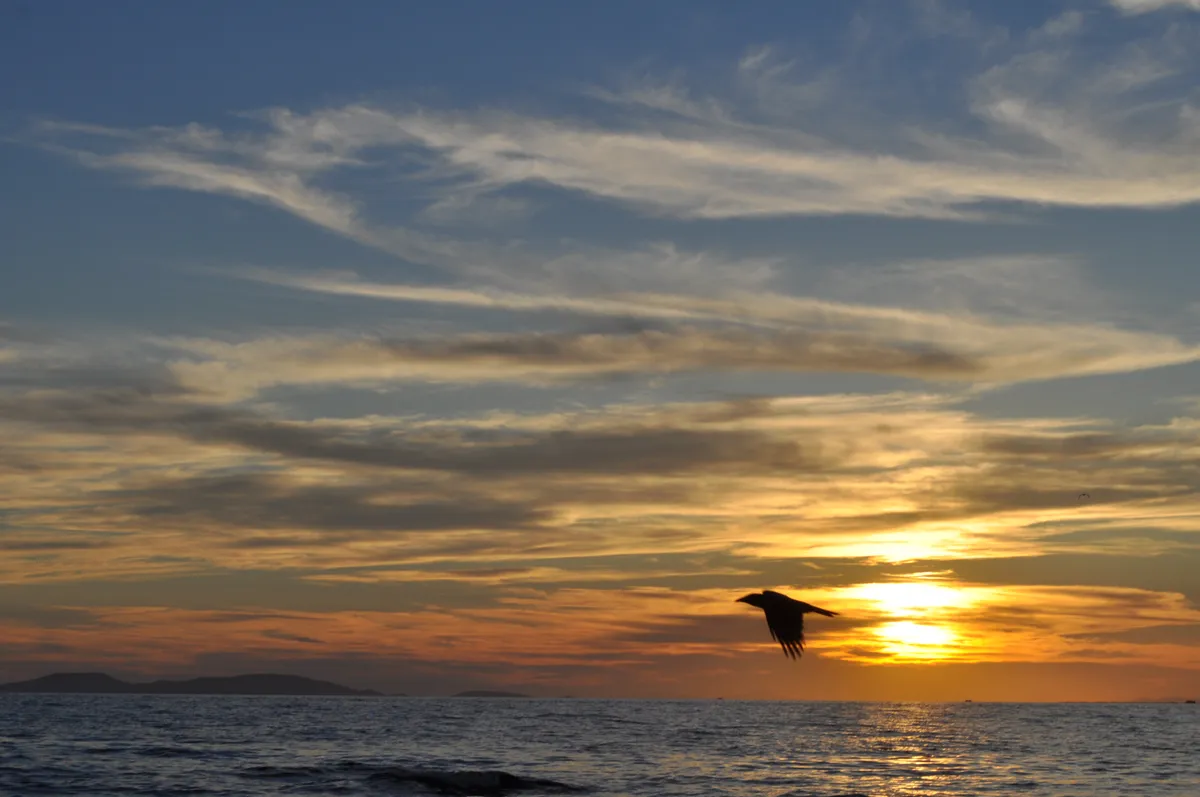
Situated on the southwestern tip of the Didim peninsula past the D-Marin harbor, Manastir Cove derives its name from the ruins of an ancient early Christian chapel nestled on the overlooking hillside. Boasting exceptional underwater visibility and vibrant coastal reefs, it is an idyllic destination for peaceful morning swims and capturing sweeping sunset vistas stretching toward the Greek Dodecanese islands.
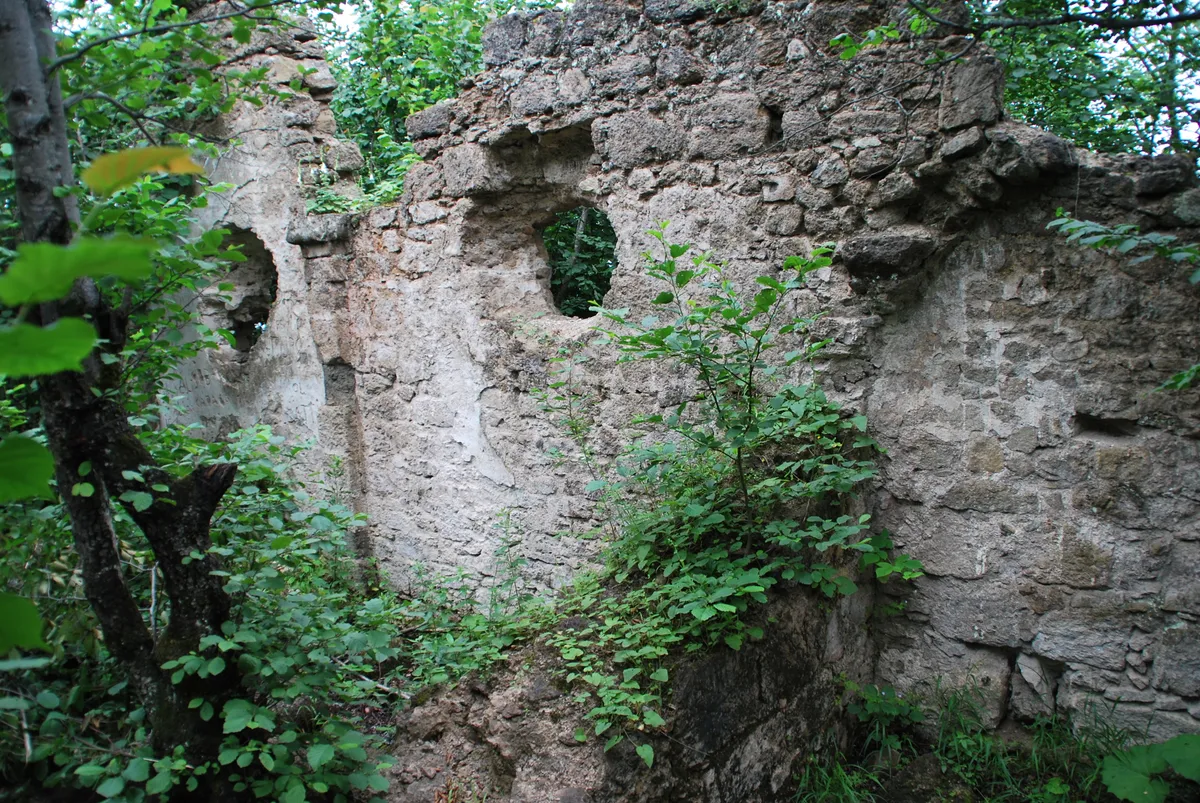
Manastir Cove Exploration Highlights
- Access: 15 minutes by vehicle from Didim center or a scenic coastal walk past the marina
- Seabed: Rocky and coarse pebble shelf; exceptional fish diversity for snorkeling
- Heritage: Overlooked by early Byzantine chapel foundations on the surrounding bluffs
- Best Time: Quiet early morning swimming or late afternoon sunset photography
Curated 2-Day Itinerary for Didim & Miletus
Day 1: Oracle Sanctuary, Altinkum Sand & Paradise Cove
Start early at the monumental Didyma Temple of Apollo to marvel at the 20-meter columns and the Medusa relief before midday heat. Head down to Altinkum Beach for swimming in golden shallow waters and lunch at a seaside cafe. In the afternoon, escape to Cennet Koyu or Manastir Cove for tranquil snorkeling, and conclude with fresh Aegean seafood at D-Marin.
Day 2: City of Philosophers Miletus, Ilyas Bey & Akbuk Sea-Walk
Drive north to Balat Village to explore the grand Miletus Theater, Faustina Baths, and the Miletus Museum. Visit the neighboring Ilyas Bey Complex to admire its award-winning 15th-century marble craftsmanship. In the afternoon, journey to Akbuk, walk through the sea to Sapli Island, and relax under pine shade along the waterfront.
Transportation, Local Minibuses & Travel Advice
Didim is easily accessible from Bodrum-Milas Airport (BJV) in approximately one hour, and from Izmir Adnan Menderes Airport (ADB) in about one hour and 45 minutes. From central Didim bus terminal, frequent minibuses (dolmuş) connect Altinkum, the archaeological zone of Miletus (Balat line), and the bays of Akbuk. When exploring ancient open-air ruins during summer, visit in the early morning, carry plenty of drinking water, and bring reef shoes for rocky coves and Sapli Island.