Standing as the intellectual and spiritual capital of ancient Ionia, the Didim Peninsula is home to two of antiquity's greatest monuments: Miletus, the birthplace of Western philosophy, scientific inquiry, and urban grid planning, and Didyma, one of the classical world's most revered oracular sanctuaries. Nurtured by the alluvial plains of the Maeander Delta, this historic land mesmerizes travelers with the colossal columns of the Temple of Apollo, the iconic marble Medusa relief, the 15,000-seat theater of Miletus, and the pine-scented shores of Akbuk.
- History and Ionian Heritage: The Philosophy School of Miletus and the Oracle of Didyma
The roots of Miletus extend to the 2nd millennium BCE with Minoan and Mycenaean settlements. In the 7th and 6th centuries BCE, Miletus became the maritime and intellectual leader of the Ionian League, founding nearly 90 trading colonies across the Mediterranean and Black Seas. Here walked Thales, the father of science who first calculated solar eclipses and geometric theorems without myth; Anaximander and Anaximenes, who debated the primordial elements of the cosmos; and Hippodamus, who invented the orthogonal grid system that shaped city planning worldwide.
Didyma, meaning 'twin', served as the grand prophetic sanctuary linked to Miletus, dedicated to Apollo and his twin sister Artemis. Emperors, generals, and merchants journeyed from across the ancient world to consult the high priestesses who chanted enigmatic prophecies above a sacred spring. Guarding the sanctuary entrance stands the famous Gorgon Medusa relief, carved into monumental marble to ward off evil spirits and turn adversaries to stone.
- Comprehensive Two-Day Itinerary: Oracle Temple, City of Philosophers, and Akbuk
Day 1: Didyma Sanctuary of Apollo, Ancient Sacred Way, Altinkum Beach, and Aquarium Bay
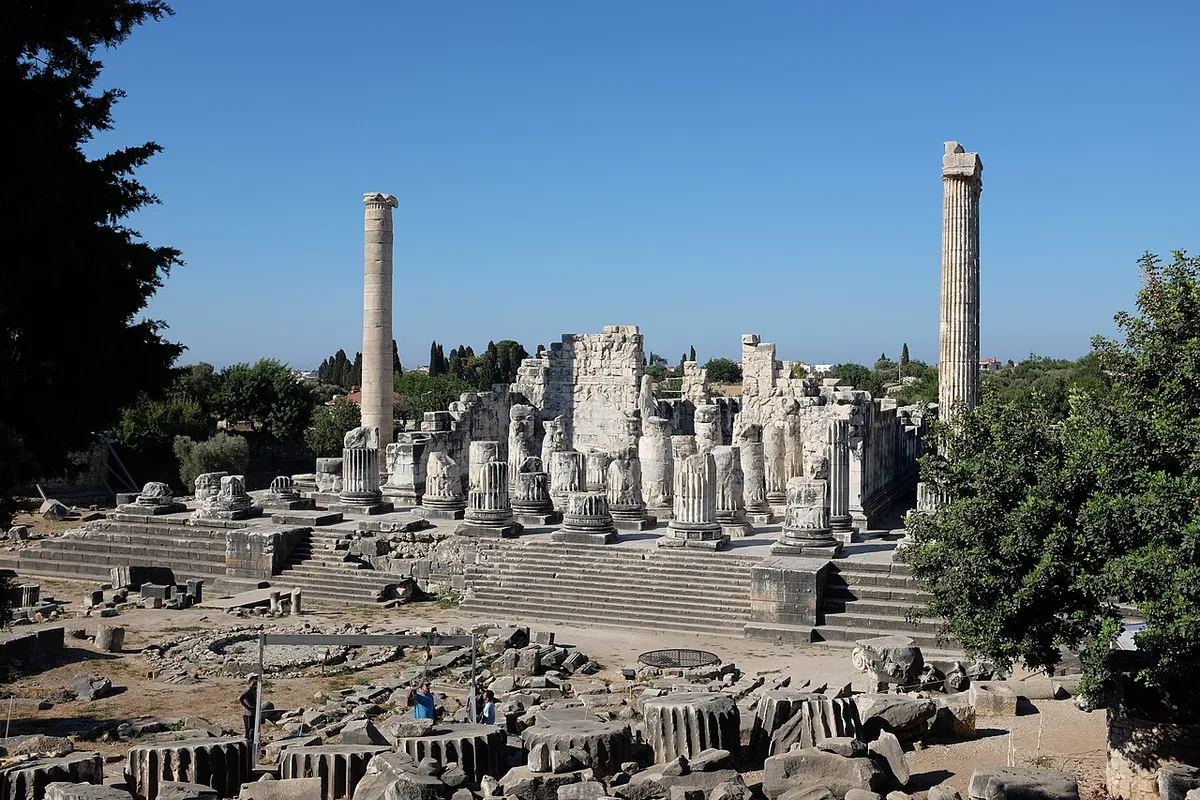
Begin early morning standing before the breathtaking scale of the Temple of Apollo. The soaring Ionic columns reach nearly 20 meters into the Aegean sky, surrounding the hypaethral (open-air) inner courtyard (adyton) where the prophetic laurel branch and freshwater fountain once flowed. Descending the dim barrel-vaulted stone tunnels into the sanctum evokes the solemn mysticism of ancient rites.
Inspect the starting point of the 16-kilometer Sacred Way, which once linked the harbor of Miletus directly to the temple gates. Flanked in antiquity by seated statues of the Branchidae priests and sphinxes, this ceremonial avenue hosted torchlit processions during springtime festivals.
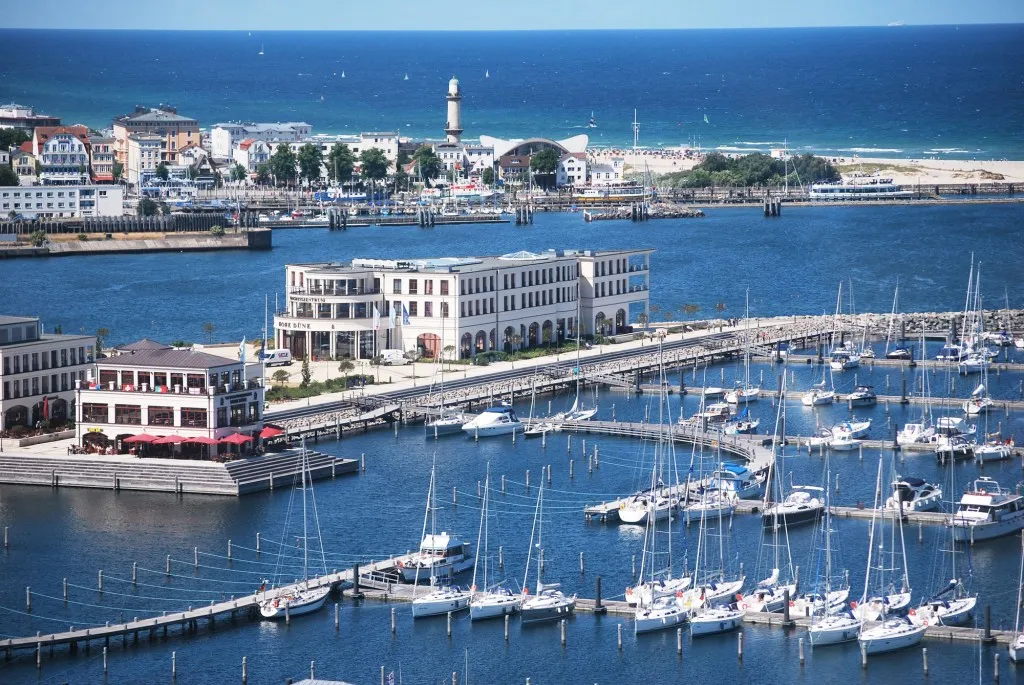
Head south to Altinkum Beach for an afternoon respite. Renowned for its fine golden sand and calm, shallow seabed, Altinkum provides a safe and pleasant environment for coastal relaxation.
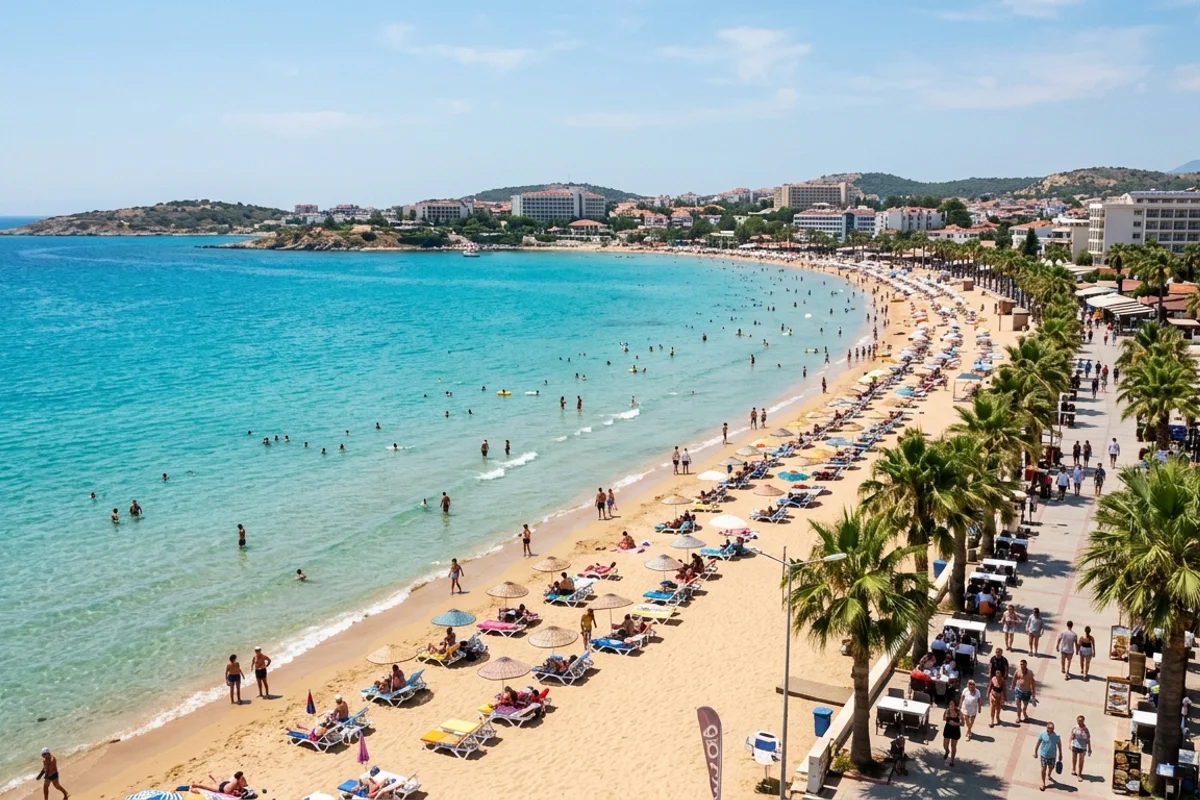
Conclude the afternoon at Aquarium Bay (Akvaryum Koyu) on the western coast. Its transparent lagoon-like waters offer superb snorkeling over rocky seabeds teeming with Mediterranean fish.
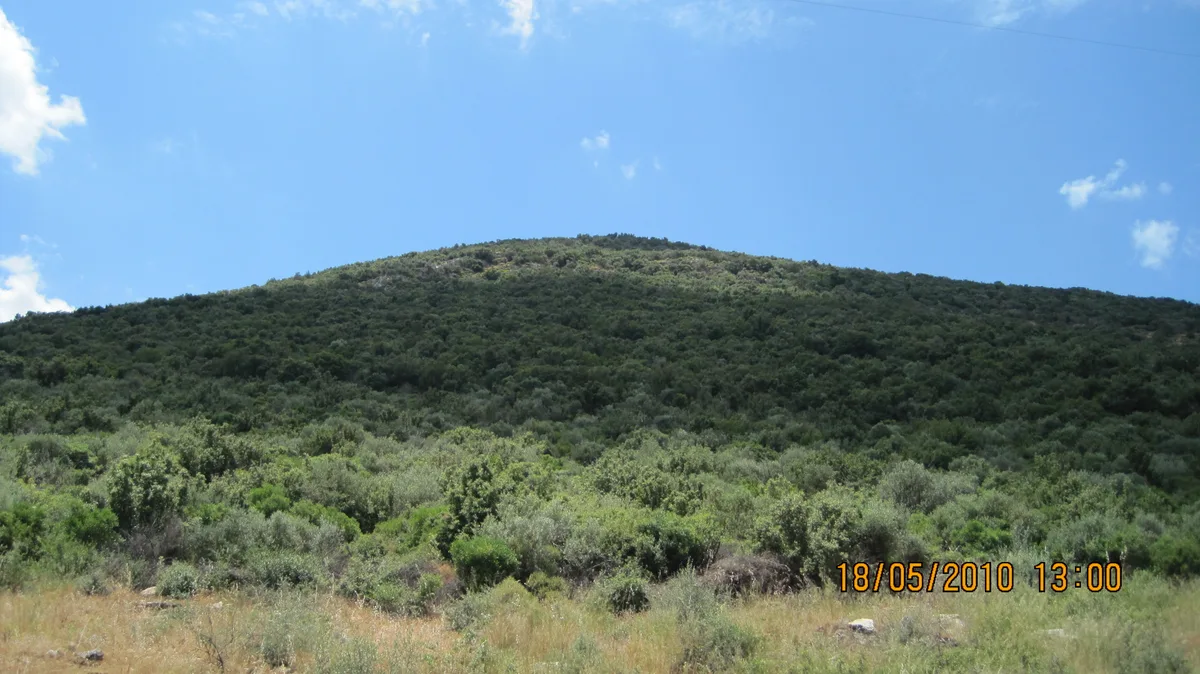
Day 2: Roman Theater of Miletus, Faustina Baths, Miletus Museum, and Sapli Island in Akbuk
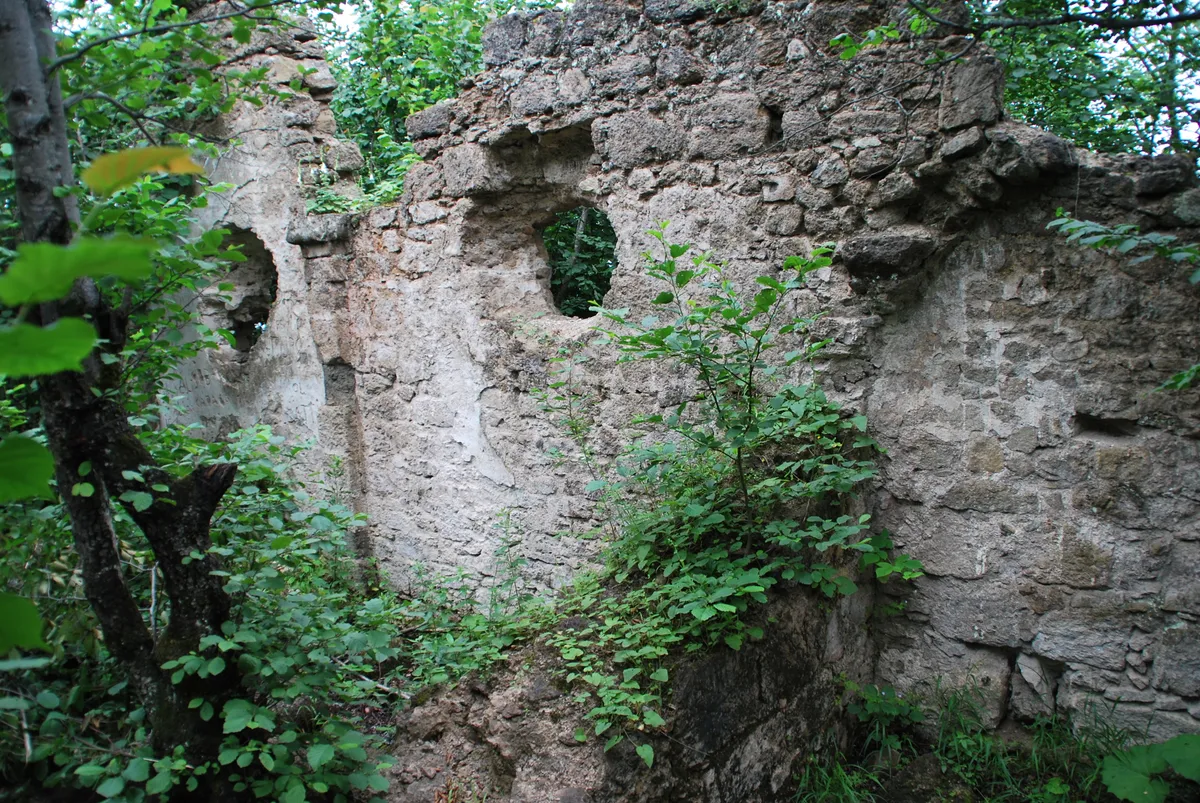
Dedicate the second morning to ancient Miletus near Balat village. The massive amphitheater, expanded under Roman imperial rule to accommodate 15,000 spectators, preserves its vaulted passageways, royal imperial box, and sweeping outlook over the Maeander plain.
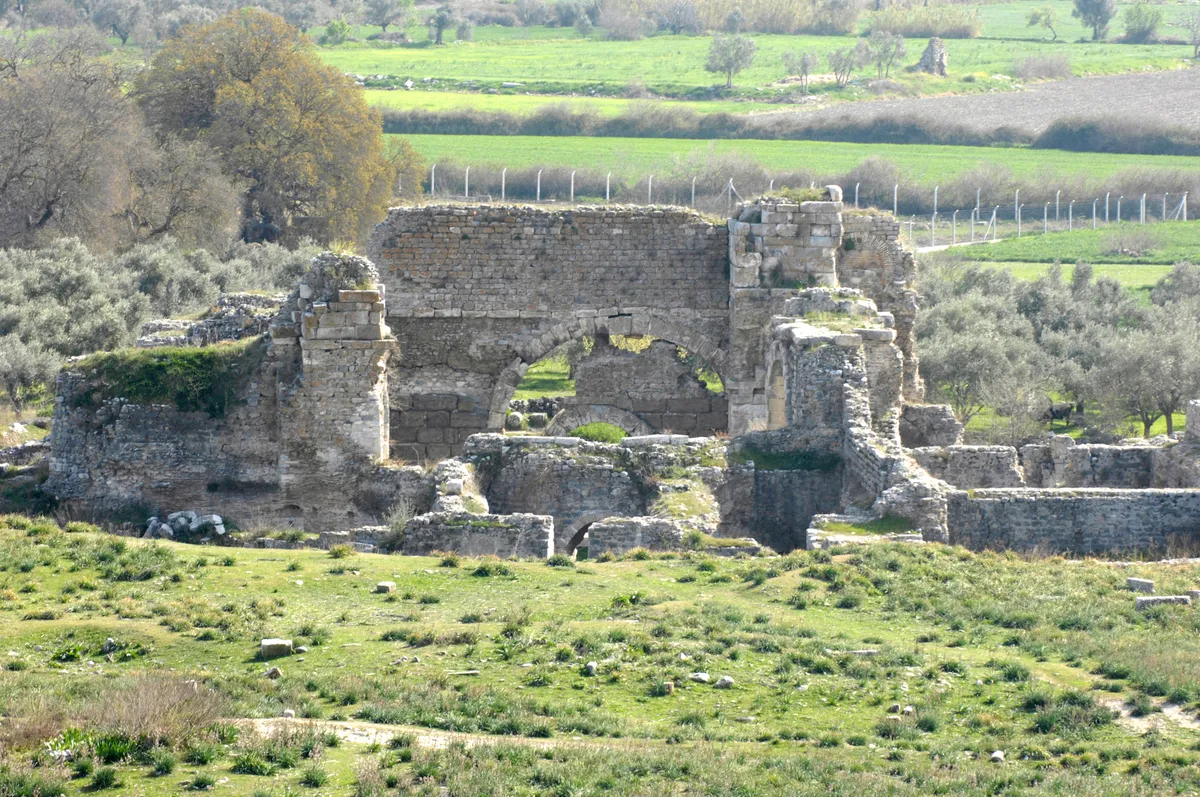
Directly south of the theater lie the magnificent Baths of Faustina, commissioned by Empress Faustina Minor, wife of Marcus Aurelius. Walk through the caldarium, tepidarium, and the grand frigidarium pool graced by a sculpted statue of the river deity Meander.
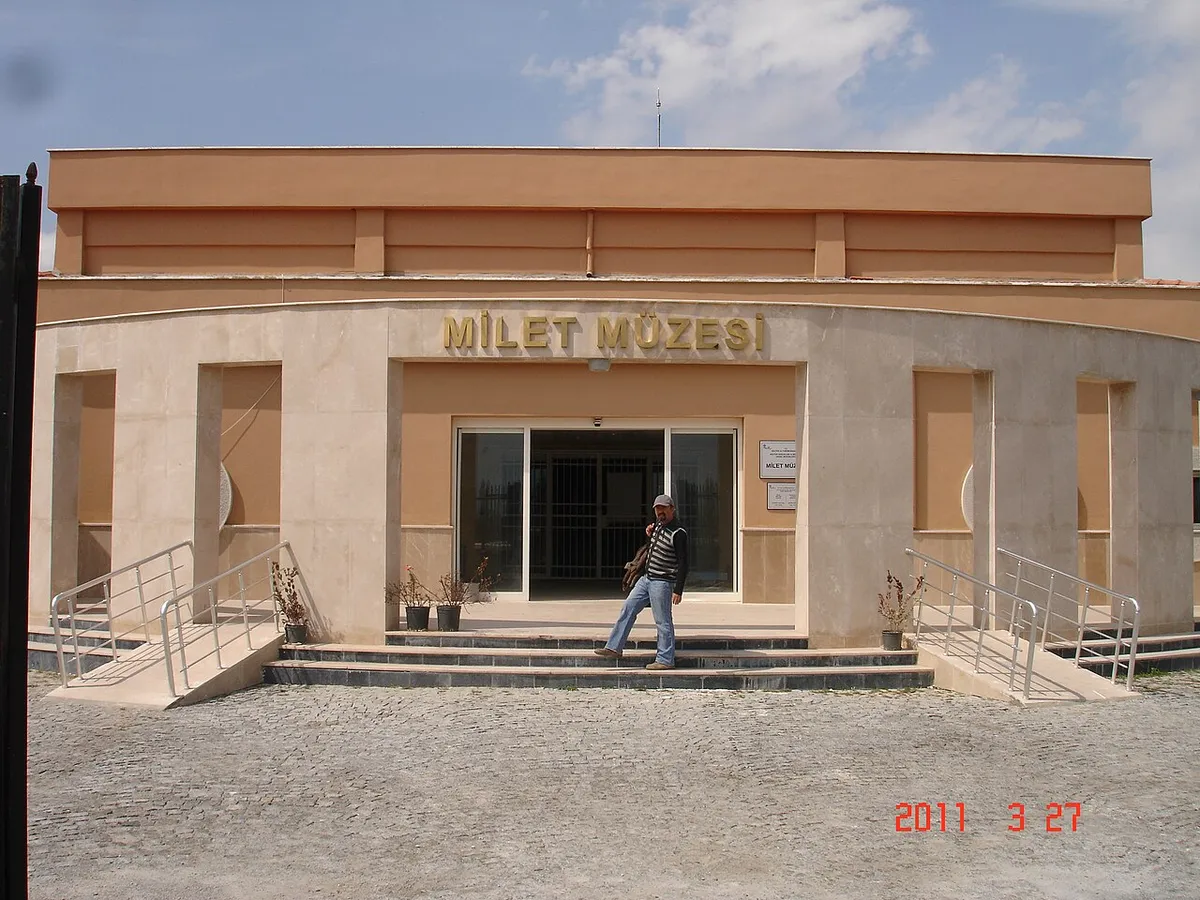
Visit the on-site Miletus Museum, showcasing votive statues from the Sacred Way, gold jewelry, classical grave stelae, and archaic pottery unearthed from Miletus, Didyma, and Priene.
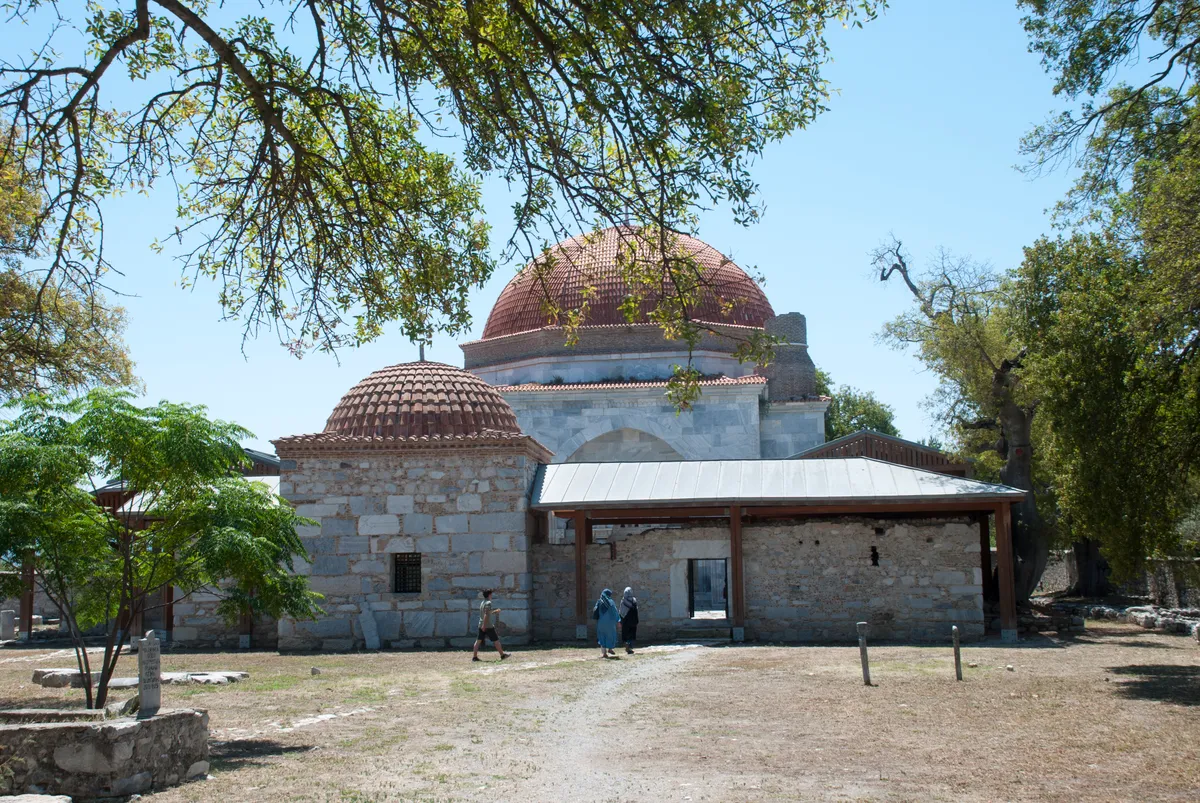
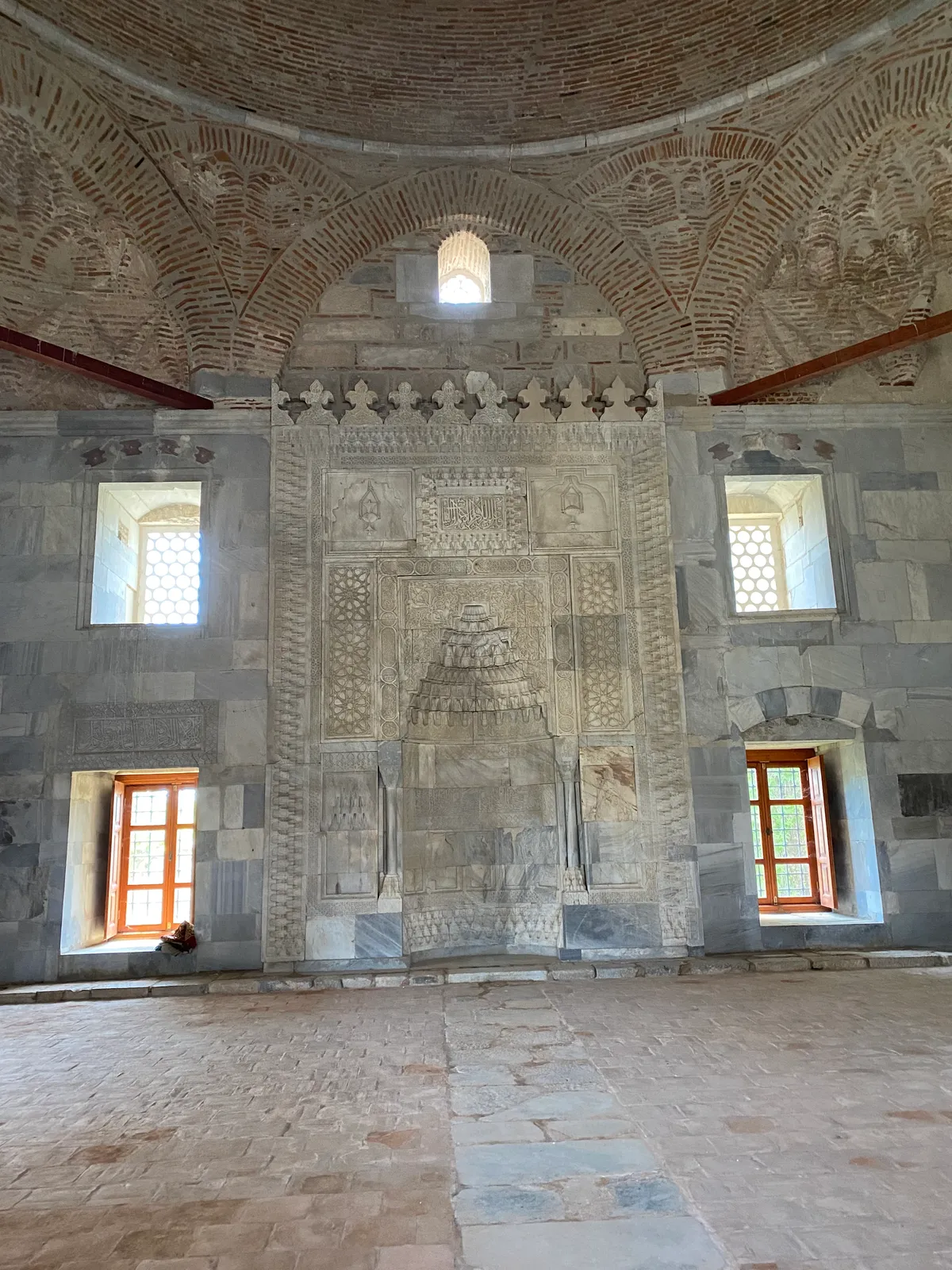
At the exit of the site stands the Ilyas Bey Complex and Mosque, erected in 1404 by the Mentese Emir Ilyas Bey. Its exquisite cut-marble cladding and minaretless dome earned it the prestigious Europa Nostra heritage award.
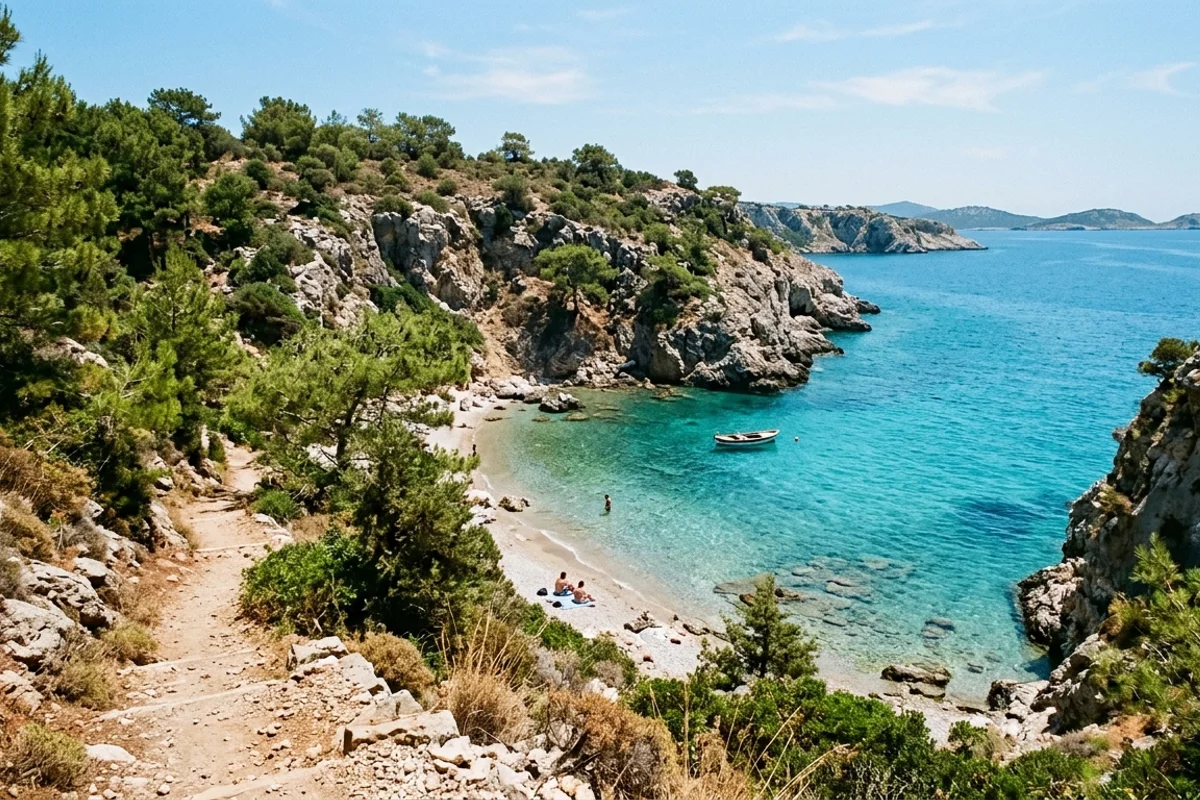
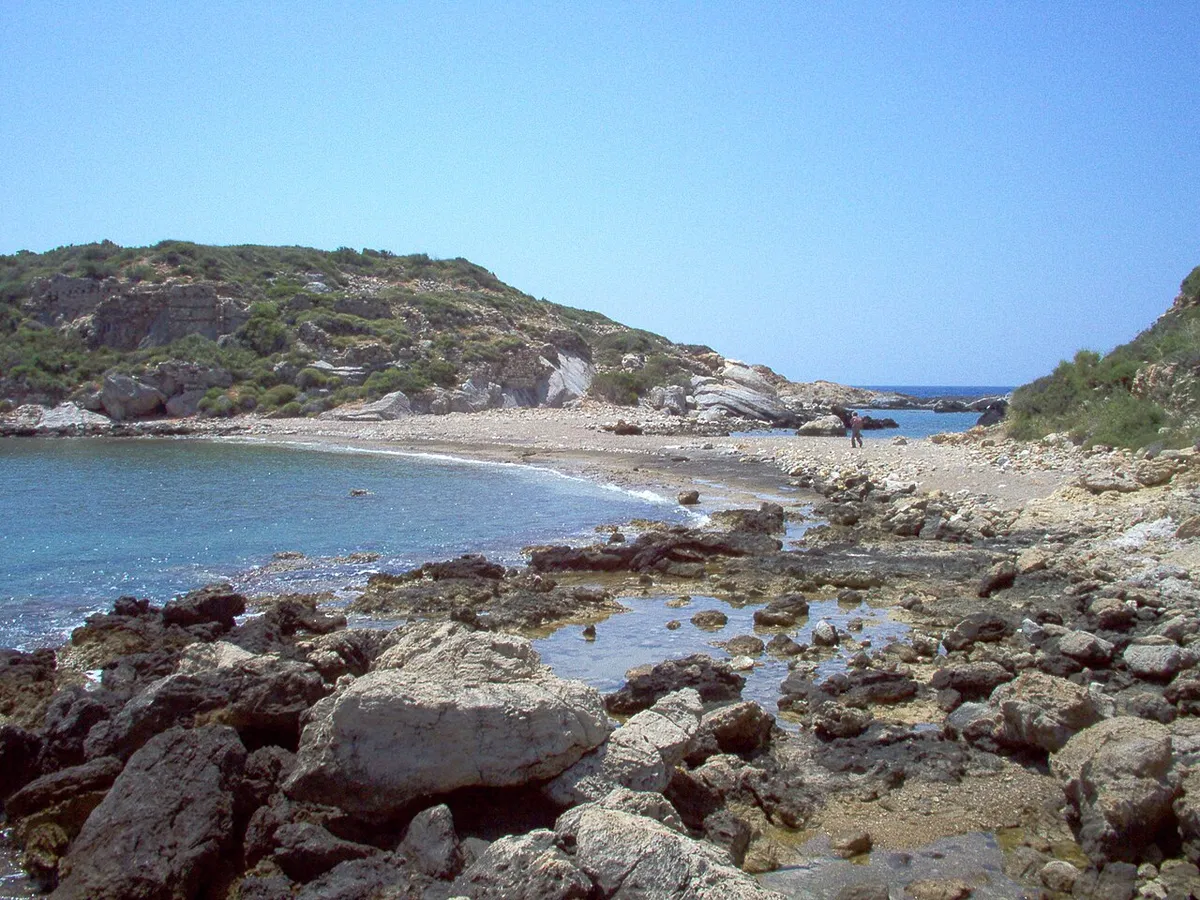
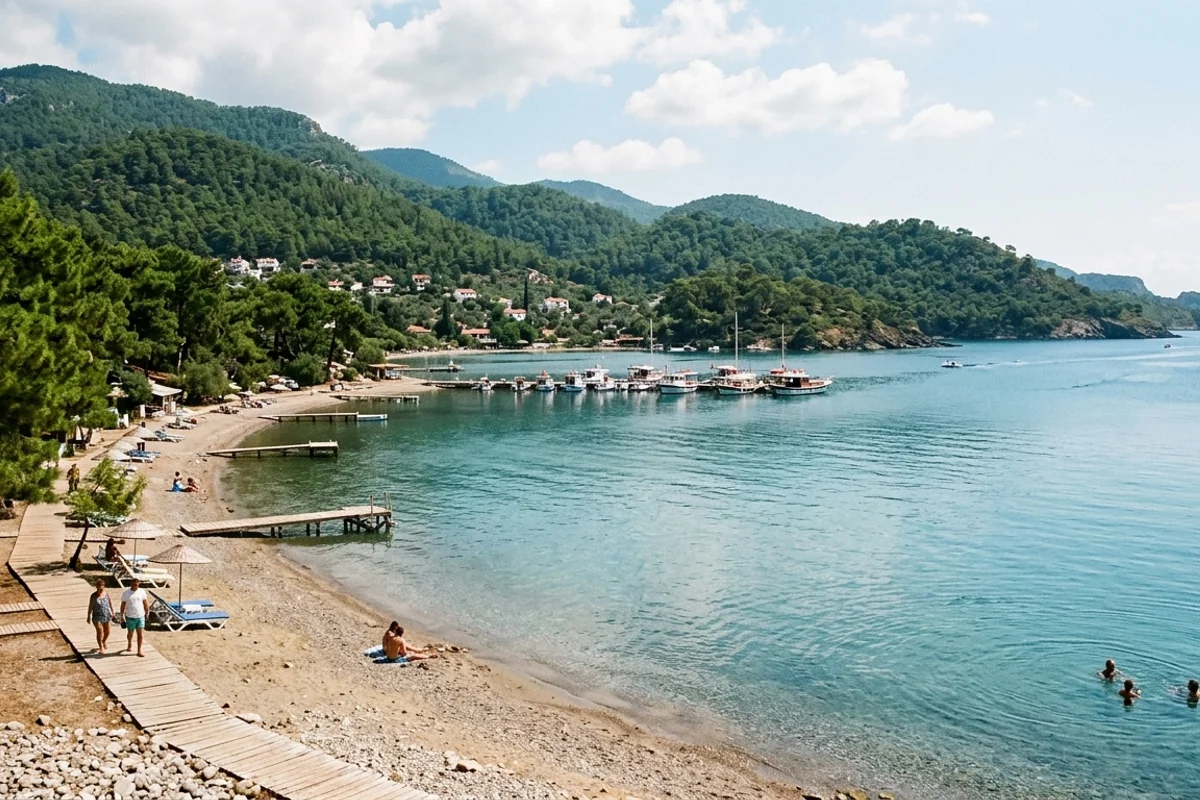
End your journey along the tranquil pine-clad shores of Akbuk. Walk out to Sapli Island over a shallow shingle sandbar formed of volcanic ash from the 1500 BCE Minoan eruption of Santorini.
- Visiting Hours, 2026 Ticket Prices, and Museum Pass Details
- Didyma Temple of Apollo: Summer Season (April 1 - October 31) 08:30 - 19:00; Winter Season (November 1 - March 31) 08:30 - 17:30 daily.
- Miletus Archaeological Site & Theater: Open daily year-round. Turkish Museum Pass (Müzekart) is valid; foreign visitor single admission is approximately 10 EUR in 2026.
- Miletus Museum: Located at the entrance gate of Miletus; included with Müzekart or site ticket.
- Ilyas Bey Mosque: Open daily for respectful public visitation free of charge.
- Altinkum & Akbuk Beaches: Free public access; municipal sun loungers, umbrella rentals, and changing booths operate during summer.
- Transportation and Road Conditions: Minibus Shuttles, Ancient Routes, and Parking
- By Car: From the Soke - Milas highway, take the Didim turnoff; a smooth 25 km divided roadway leads directly into Didim town center.
- Reaching Miletus and Balat: Drive 20 km north from Didim toward Soke; follow the signs for Balat village to reach the Miletus amphitheater parking area.
- Public Shuttles (Dolmus): Minibuses depart every 15 minutes from Didim Bus Terminal to Altinkum; hourly dolmus shuttles connect to Miletus-Balat and Akbuk.
- Scenic Akbuk Route: A pleasant 20 km coastal drive connects central Didim to the tranquil pine-lined bay of Akbuk.
- Parking: Generous municipal and site parking lots operate directly opposite the Temple of Apollo and in front of Miletus Theater.
- Didim Gastronomy and Smart Traveler Tips
- Wild Aegean Herbs with Olive Oil: Savor dishes made with wild edible greens such as sevket-i bostan, radika, and sea fennel simmered in cold-pressed virgin olive oil.
- Seafood Dining in Altinkum: Enjoy fresh grilled sea bream, crispy fried calamari, and creamy fava mezze at waterfront tavernas along Altinkum promenade.
- Pine Honey from Akbuk: Pick up aromatic pine honey and locally cured cracked olives produced around the pine slopes of Akbuk as delicious souvenirs.
- Sun Protection at Miletus: The archaeological expanse of Miletus offers limited shade; wear a wide-brimmed hat, apply sunscreen, and carry plenty of drinking water.
- Footwear for Sapli Island: The causeway leading to Sapli Island is strewn with coarse pebbles and sea urchins; wear water shoes for safe walking.