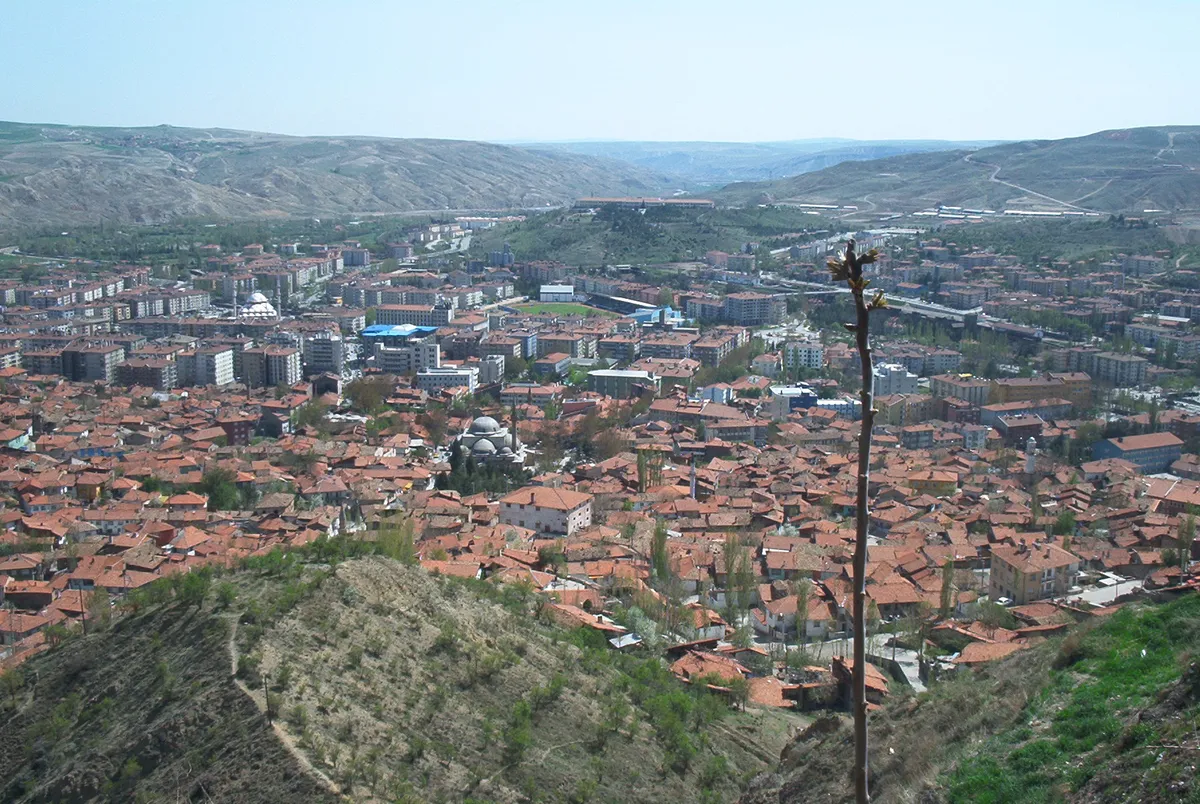
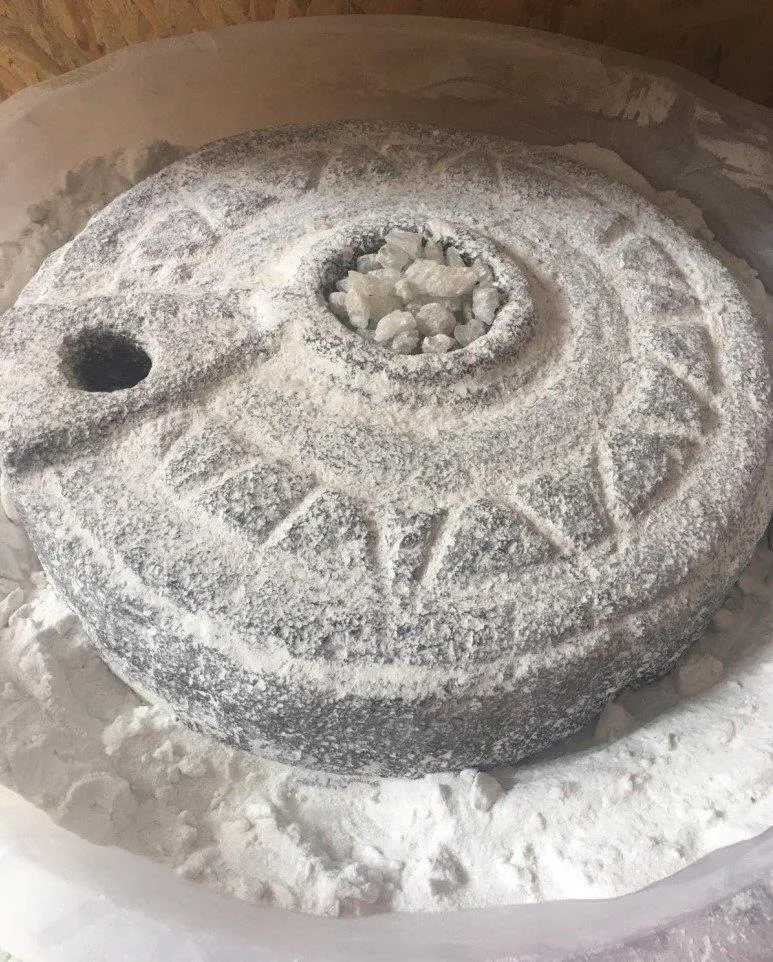
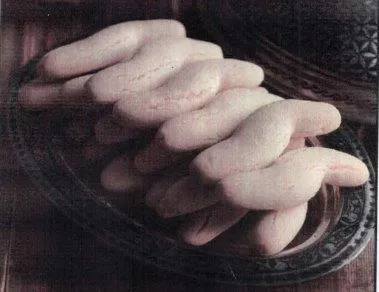
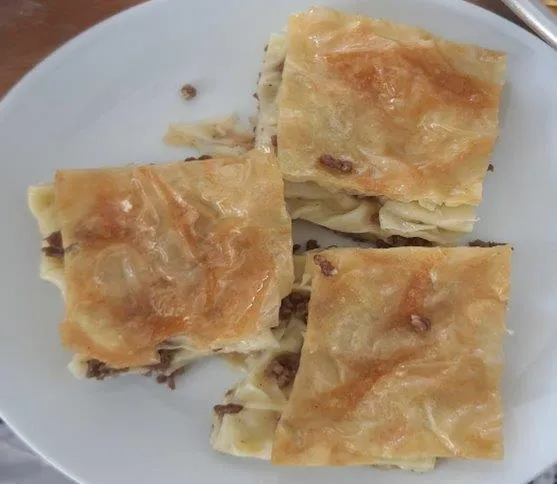
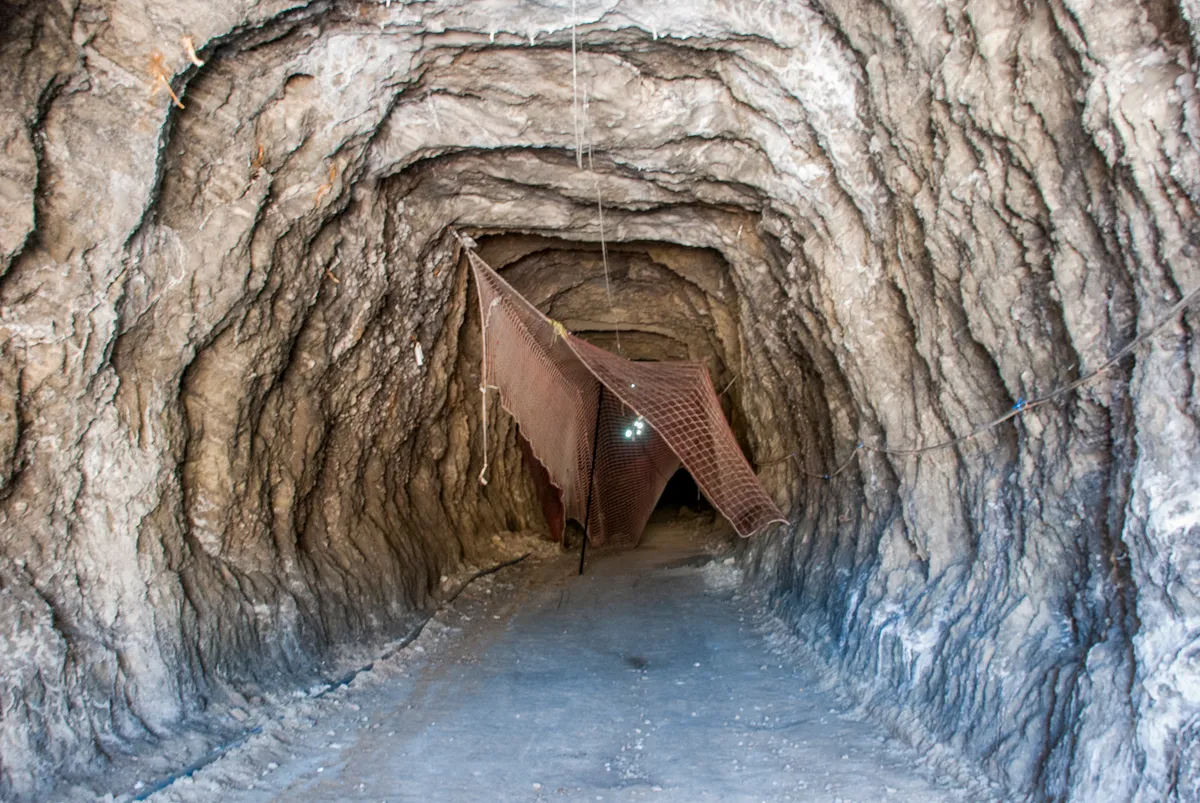
Nestled on the northern threshold of Central Anatolia beneath the pine-covered Ilgaz Mountains, historic Cankiri harbors one of the world's most astonishing subterranean wonders: a 5,000-year-old Underground Salt City continuously mined since the Hittite era. Accompanied by the 1242 Seljuk Stone Mosque (Tas Mescit)—famed for the earliest relief depicting entwined serpents as the universal symbol of medicine—the panoramic Cankiri Castle, and a curative microclimate rich in negative salt ions, Cankiri offers a transformative health and cultural escape. Descending 150 meters underground into monumental salt caverns large enough for transport trucks, travelers encounter illuminated galleries of salt sculptures and centuries-old mummified animals preserved by pure sodium chloride.
- Deep History and Multi-Layered Heritage: From Hittite Miners to Seljuk Medicine
The rock salt deposits of Cankiri were first uncovered and excavated by the Hittites circa 3000 BC. Serving as Anatolia's primary salt larder under Roman, Byzantine, Seljuk, and Ottoman rulers, the mine represents Turkey's largest commercial rock salt reserve today. The completely sterile, moisture-free cavern air acts as a natural preservative: animals such as a donkey, rabbit, and snake that fell into the mine centuries ago have been preserved as uncorrupted mummies.
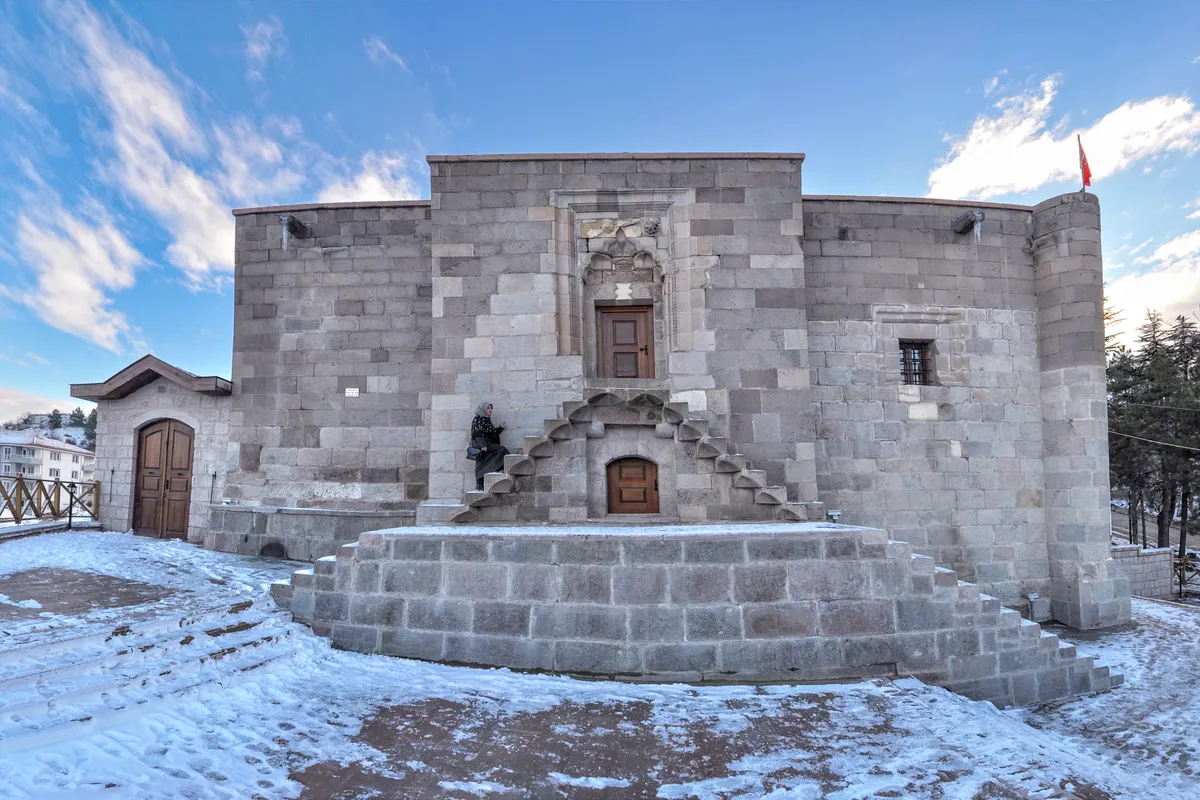
In the city center, the 1242 Tas Mescit (Cemaleddin Ferruh Darussifa) holds global significance in medical history. The double-entwined serpent relief on its monumental portal stands as Anatolia's earliest surviving icon of the healing arts and modern pharmacy.
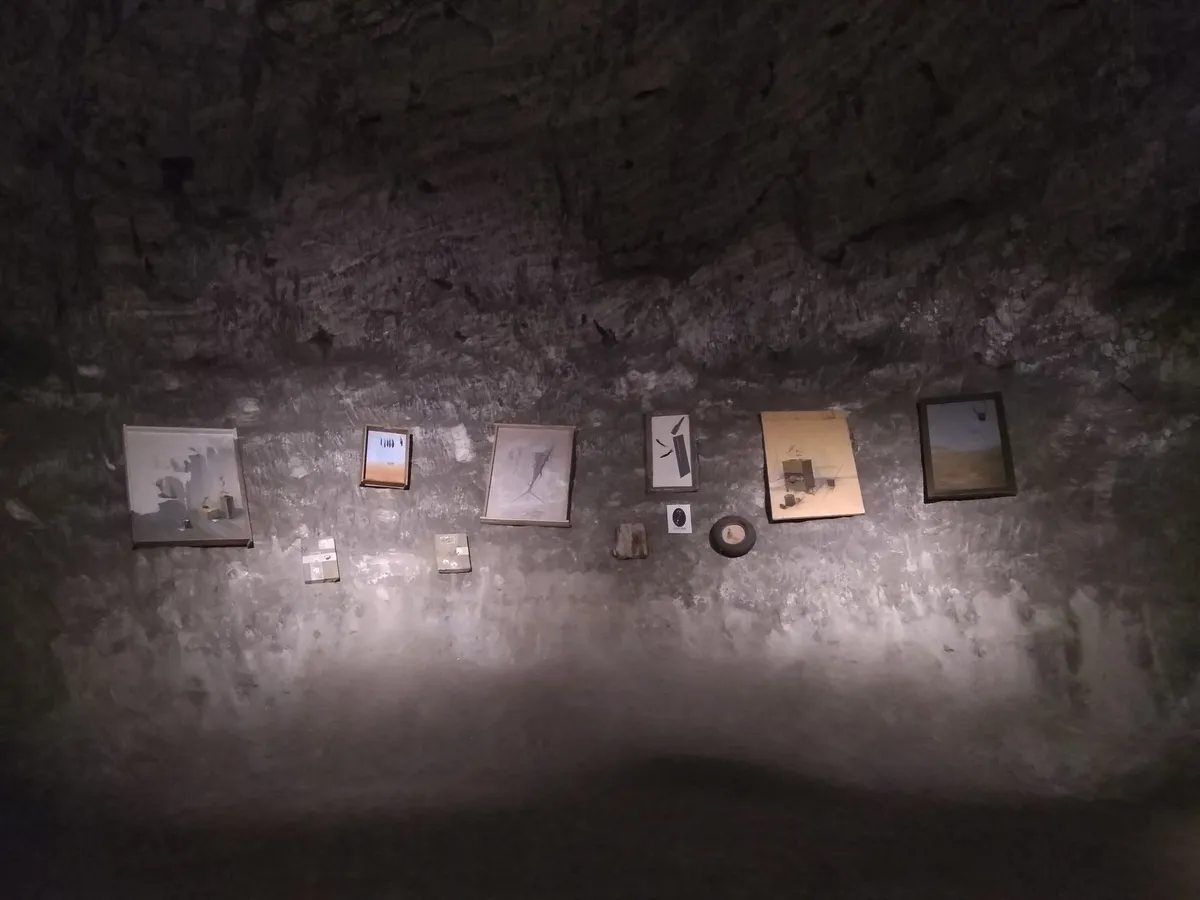
- Two-Day Comprehensive Itinerary: Underground Salt Palace, Seljuk Medical Shrine, and Historic Citadels
Day 1: Underground Salt City, Sculptures Gallery, Mummies, and Rock Salt Bazaar
The morning begins with a drive 20 kilometers outside the city to enter the Cankiri Underground Salt City. Stepping 150 meters subterranean into cool, crystalline salt corridors, visitors are greeted by remarkably fresh air infused with mineral salts.
Stroll past illuminated salt carvings, depictions of Hittite chariots, and display cases containing mummified animals preserved organically by the high salinity.
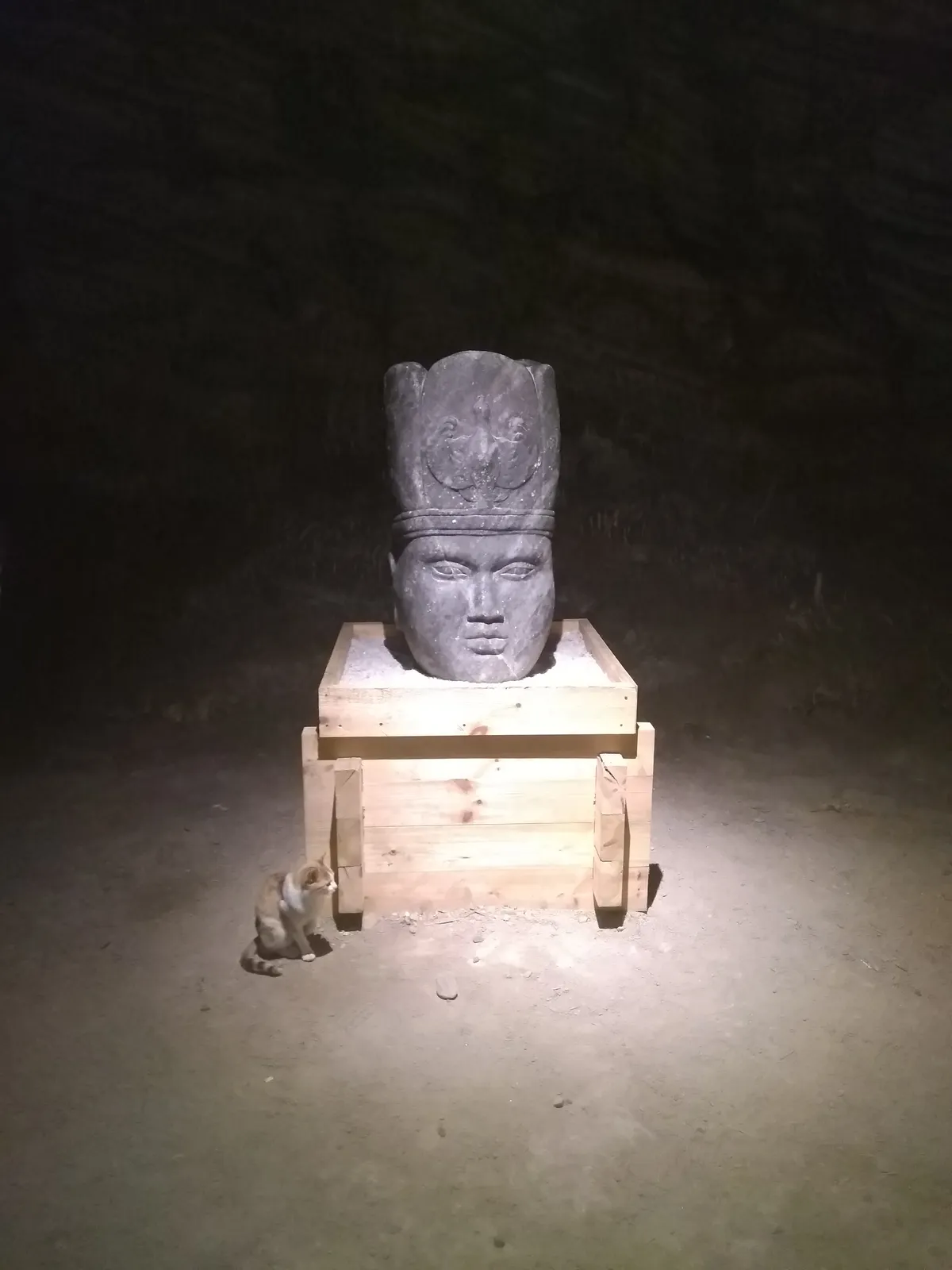
Returning to Cankiri's central square, explore traditional salt boutiques offering therapeutic pink and white salt lamps designed to purify indoor air.
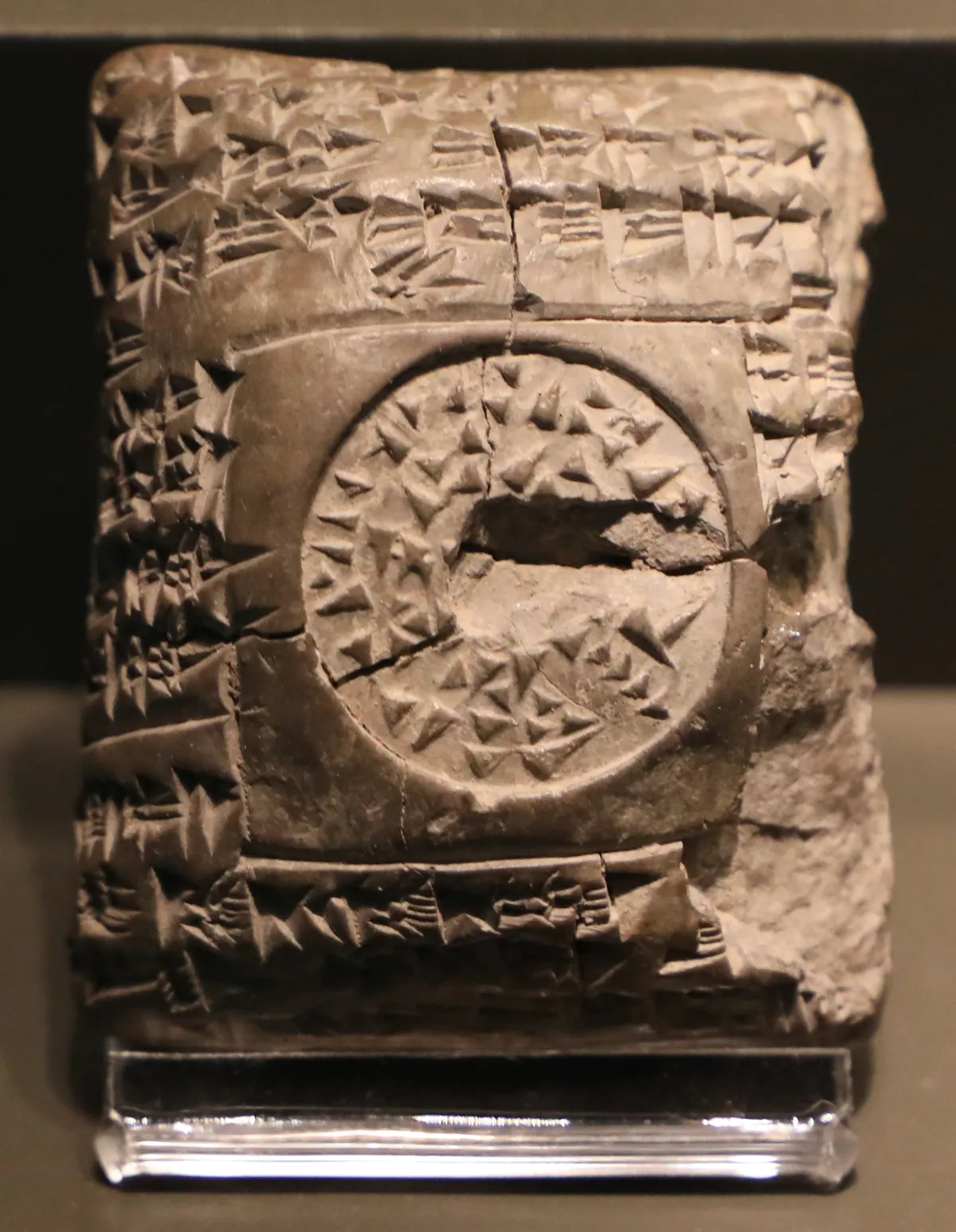
In the afternoon, visit the Cankiri Museum to view the famous relief friezes of the Inandik Vase and the 8-million-year-old mammalian fossils of Corakyerler.
Day 2: Stone Mosque (Tas Mescit), Cankiri Castle, Historic Laundry Museum, and Kenbag Park
The second day starts at the Stone Mosque (Tas Mescit), founded in 1242 by Seljuk Atabeg Cemaleddin Ferruh. Inspect the famous entwined snake relief carved into the portal.
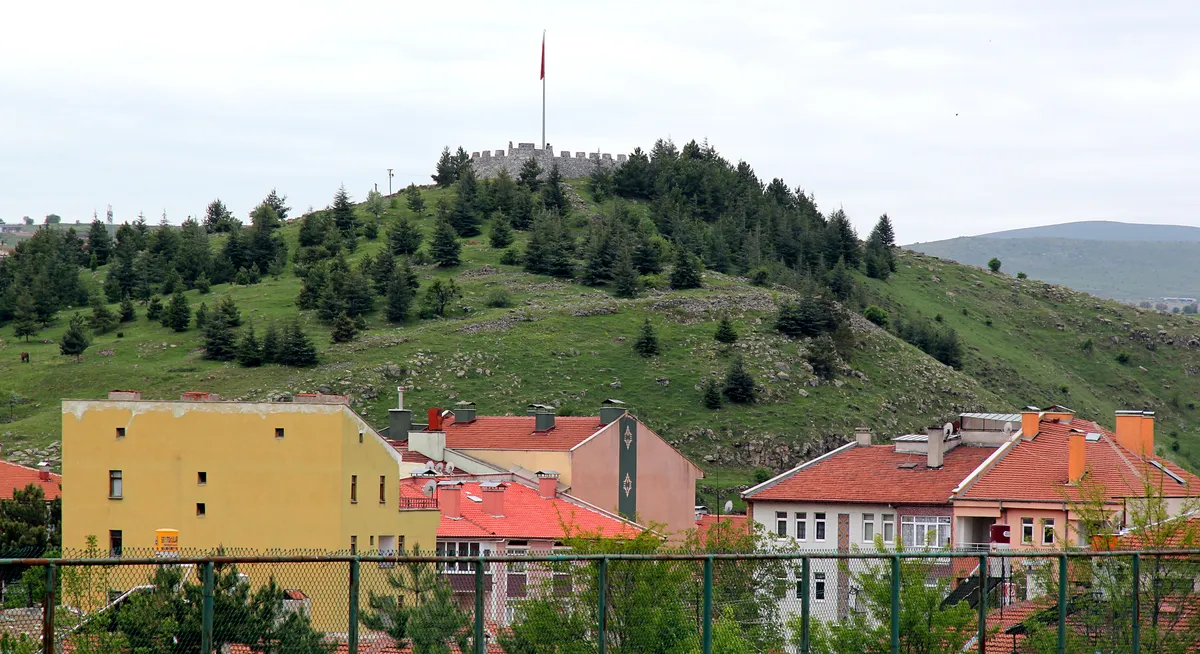
Ascend to Cankiri Castle perched atop a high hill overlooking the city. Pay respects at the tomb of Emir Karatekin Bey, who conquered Cankiri and Sinop in 1074, while enjoying panoramic vistas.
Pause in the peaceful pine gardens around the tomb of the Seljuk commander to reflect on the early Islamic heritage of the region.
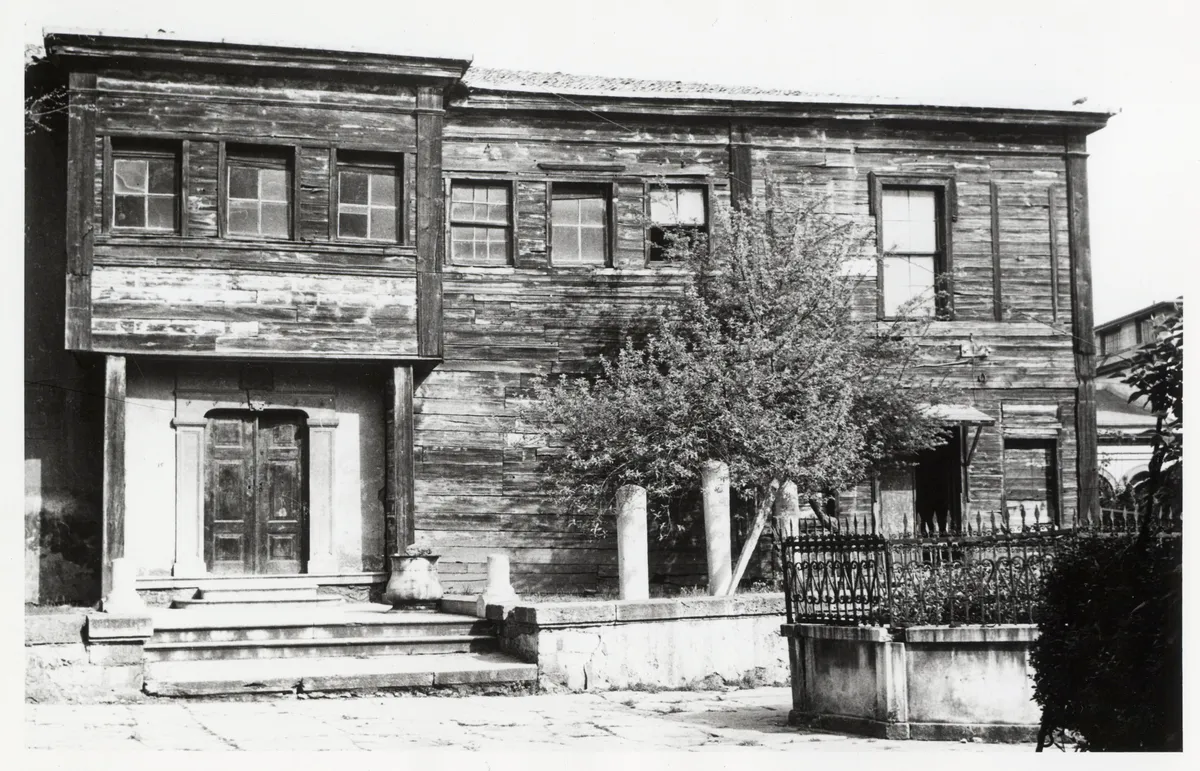
Afterward, visit the 1885 Historic Public Laundry Museum built under Sultan Abdulhamid II, an authentic social gathering space for Ottoman women.
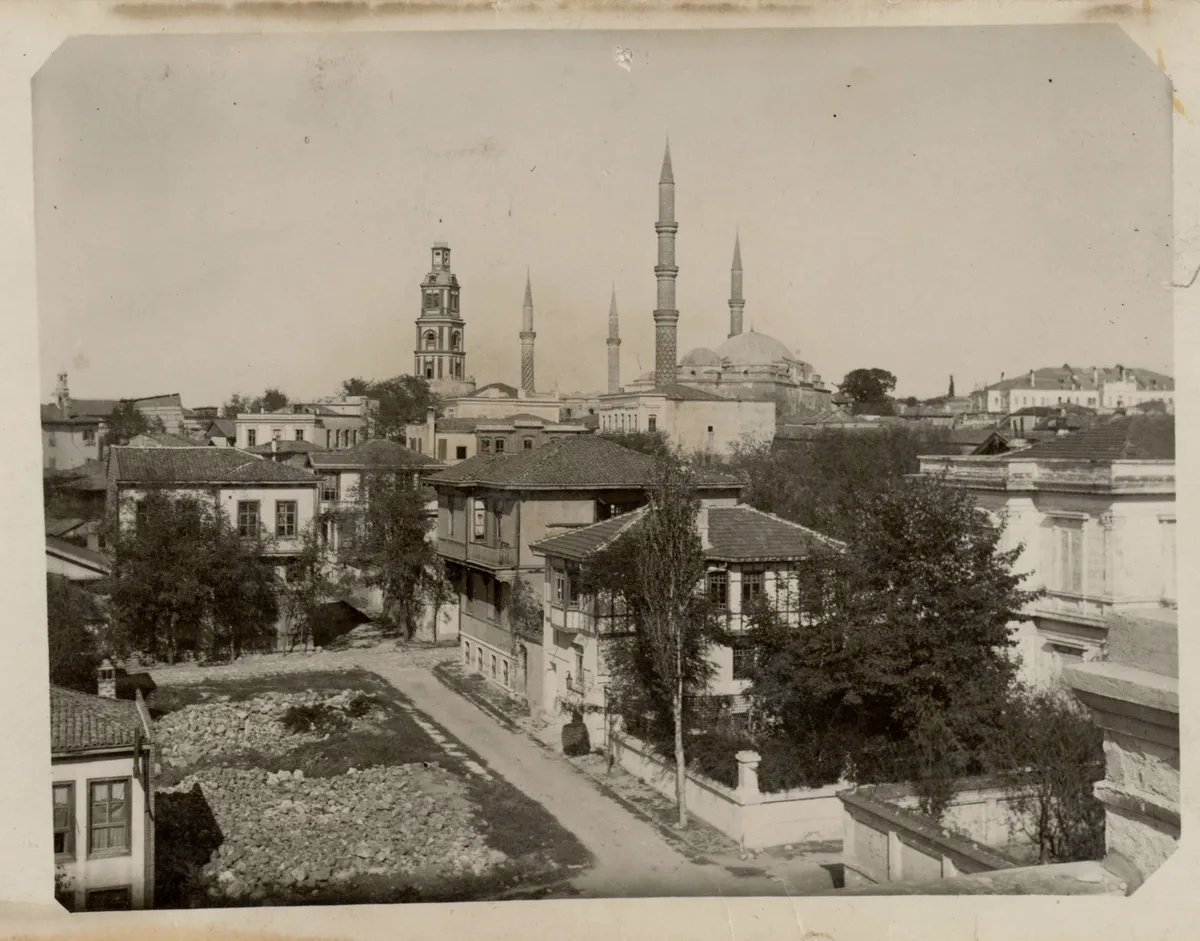
Photograph the nearby 1901 Swiss-made Clock Tower standing proudly on the municipal ridge.
Remember the courageous heroes of the War of Independence who transported munitions along the Istiklal Trail at the Ilgaz Derbent Memorial.
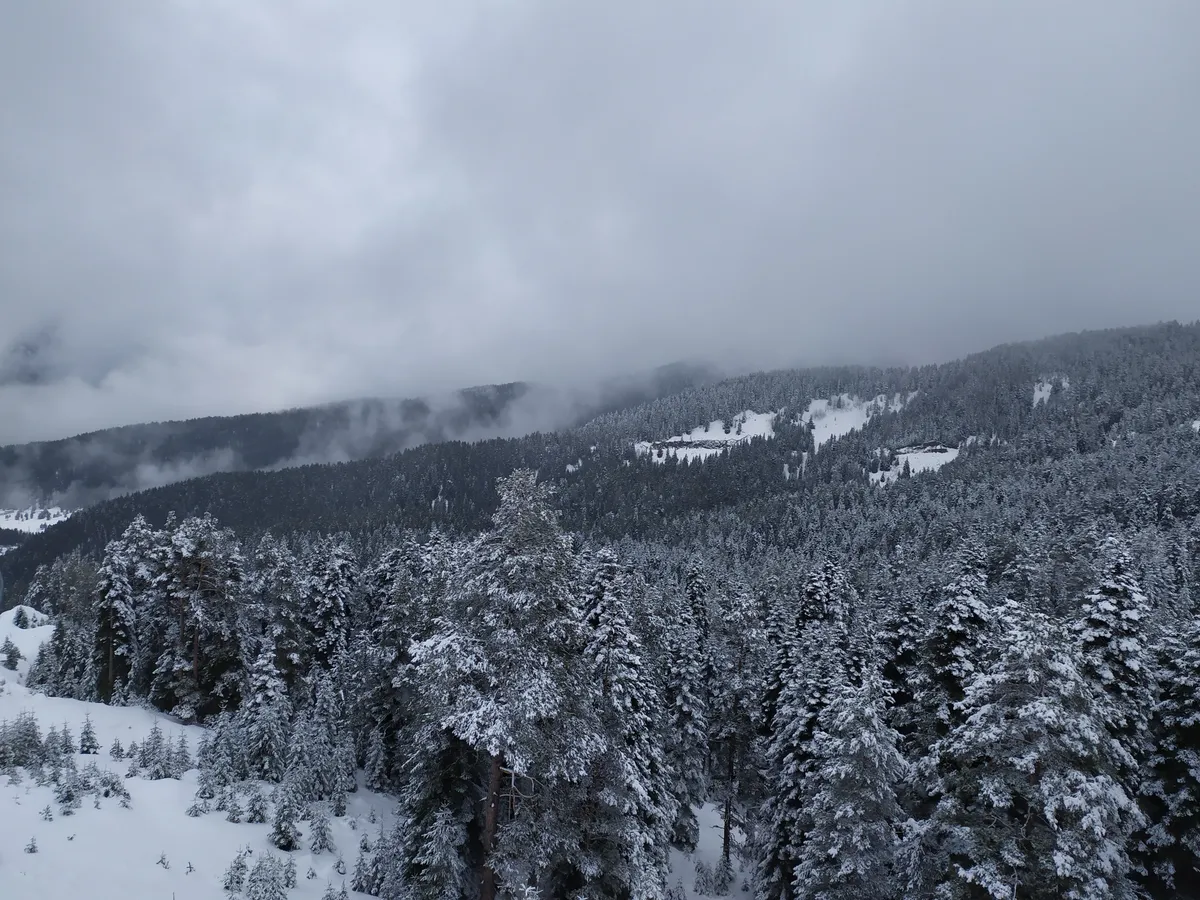
Finish the journey unwinding among the fragrant pine groves and walking trails of Kenbag Nature Park.
- Visiting Hours, 2026 Ticket Fees, and Halotherapy Health Benefits
- Underground Salt City (Salt Cave): Open 7 days a week from 09:00 to 18:00; admission fees in 2026 are nominal (approx. 50 TL for adults, 25 TL for students).
- Halotherapy and Health Benefits: Cavern air contains 99% pure sodium chloride and negative ions; patients with asthma, bronchitis, COPD, and allergic rhinitis often visit for 2-3 hour resting sessions.
- Tas Mescit: Open free of charge during daylight hours; an iconic pilgrimage site for physicians and medical historians.
- Cankiri Castle and Emir Karatekin Tomb: Open 24/7 free of charge with vehicular road access to the top.
- Historic Laundry Museum: Open Tuesday through Sunday 09:00 - 17:00 with free entrance.
- Transportation and Logistics: Access from Ankara, Highways, and Transit Lines
- Access from Ankara: Located 130 km north of Ankara via a modern divided highway, taking approximately 1 hr 30 min by car.
- Black Sea and Istanbul Connection: Easily reachable via the Gerede-Karabuk-Ilgaz expressway network.
- Access to Salt Cave: Located 20 km east of Cankiri center; well-paved roads lead to a large parking area in 20 minutes; municipal shuttle buses operate regularly.
- Railway Connections: Regional passenger trains and the scenic Tourist Karaelmas Express stop at Cankiri Railway Station.
- City Walkability: Cankiri Castle, Tas Mescit, the Laundry Museum, and Clock Tower are all within comfortable walking distance of each other in the central historic quarter.
- Cankiri Gastronomy and Smart Traveler Tips
- Salt-Baked Lamb (Tuzda Kuzu): Whole lamb baked encased in rock salt crust, cracked open tableside for remarkably tender, juicy meat.
- Cankiri Yaren Stew (Guvec): Succulent lamb, shallots, garlic, and butter slow-cooked in earthenware clay vessels inside stone ovens.
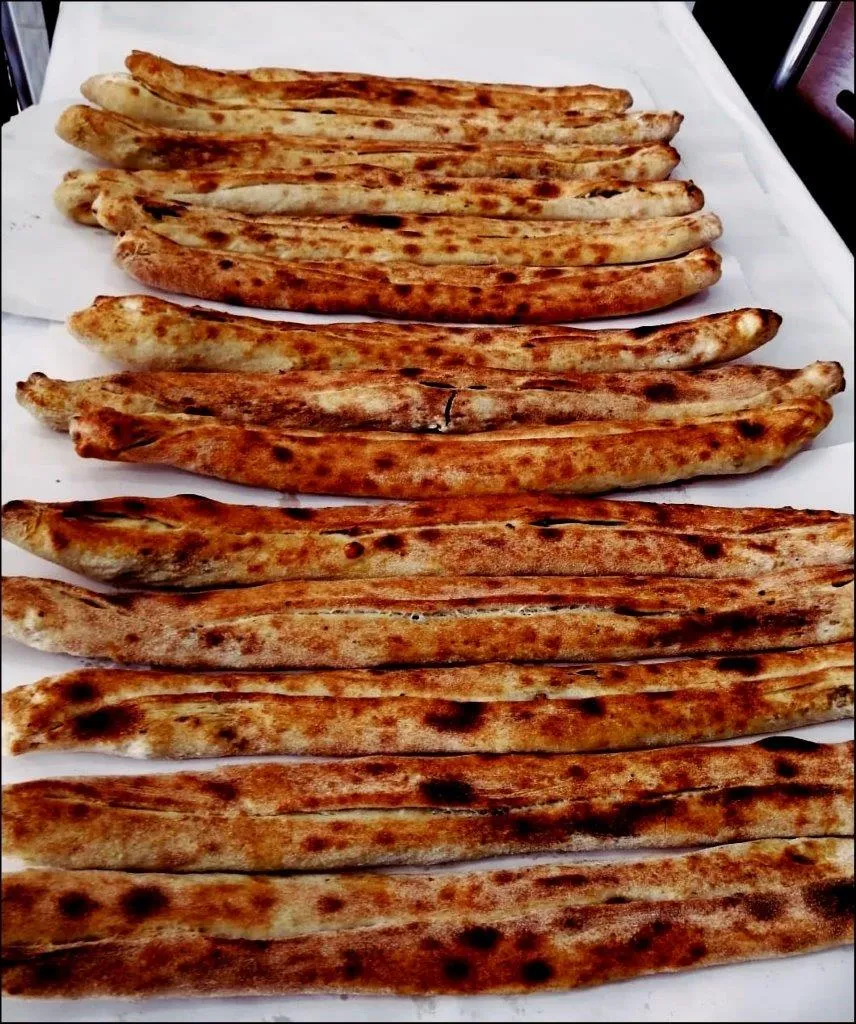
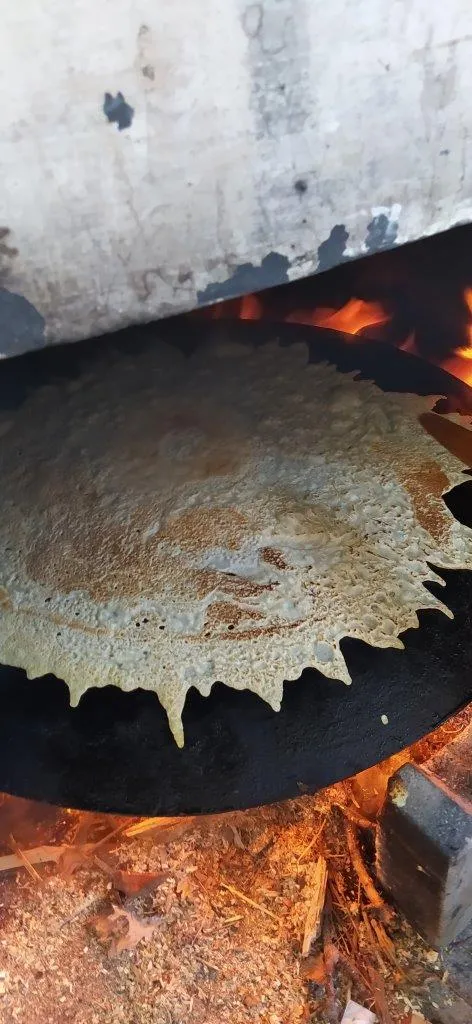
- Muska Pastry (Ince Ekmek Muskasi): Pan-seared thin flatbreads folded over pungent tulum goat cheese or minced beef.
- Therapeutic Salt Lamps: Genuine pink and white Cankiri rock salt lamps are sought-after home gifts believed to reduce electromagnetic radiation and purify indoor air.
- Yaren Brotherhood Culture: Recognized on UNESCO's Intangible Cultural Heritage List, traditional Yaren conversational gatherings take place in historic mansions during winter.