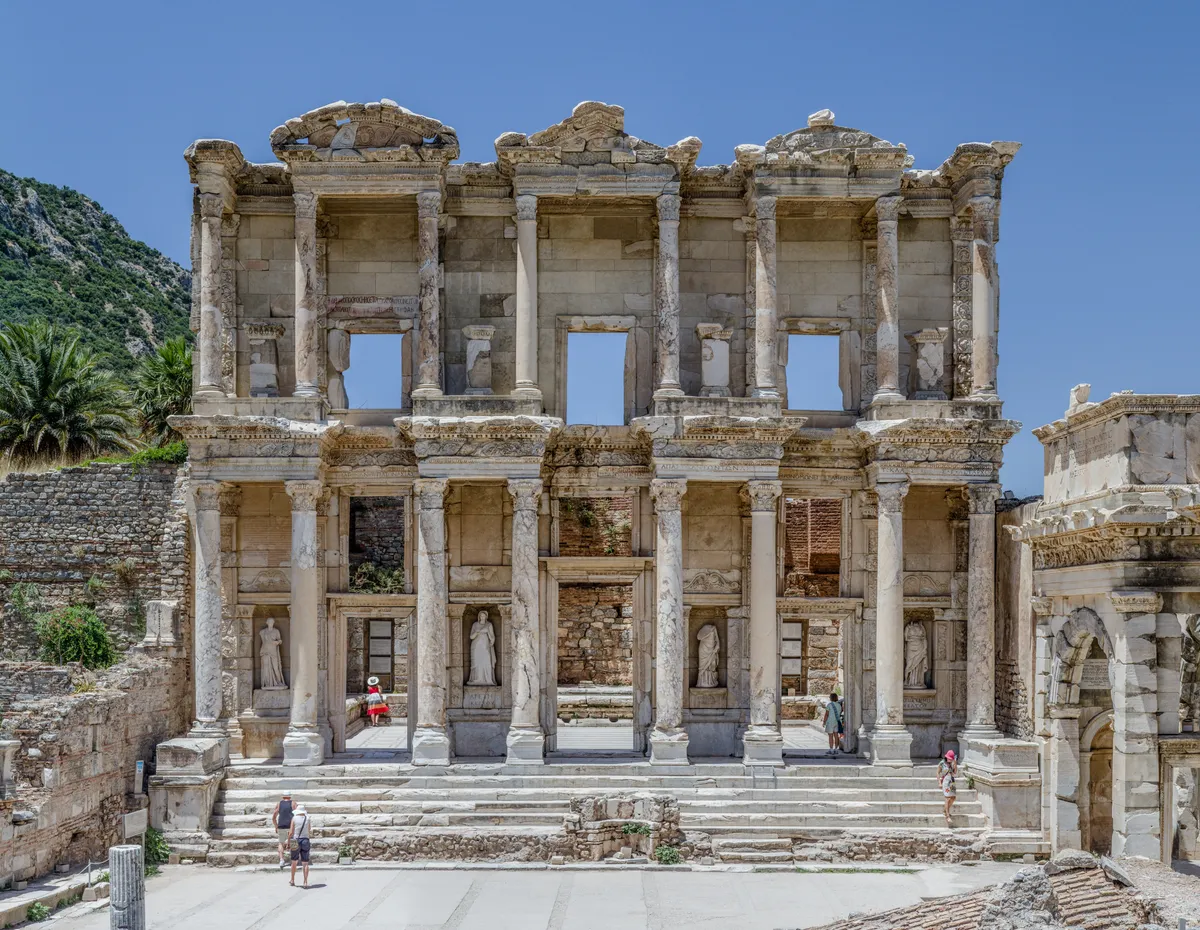
The most spectacular archaeological treasure on Turkey's Aegean coast, Ephesus (Efes) and the surrounding district of Selçuk in İzmir, represent an extraordinary crossroad of Hellenistic, Roman, Byzantine, and Seljuk civilizations. Inscribed onto the UNESCO World Heritage List in 2015, Ephesus mesmerizes millions of global travelers with its colossal 24,000-seat Great Theatre, the iconic marble facade of the Library of Celsus, the lavishly mosaic-floored Terrace Houses, and the serene holy shrine of the House of the Virgin Mary.
2-Day UNESCO Masterpiece Itinerary
To experience the depth of Ephesus without rushing, a dedicated 2-day itinerary is ideal. Dedicate your first day to the monumental Roman core of Ephesus and the holy summit of Mount Koressos (Bülbüldağı), and spend the second exploring Ayasuluk Fortress, medieval Islamic landmarks, and the idyllic hillside village of Şirince.
Day 1: The Colonnaded Marble Boulevards, Celsus Library, and the Virgin Mary's House
Begin your exploration at 08:30 AM via the Upper Gate (Magnesia Gate). Walking downhill allows for an effortless descent through the administrative heart of the city: the State Agora, the Odeon (Bouleuterion), the Prytaneion, and the monumental Gate of Heracles, opening directly onto the breathtaking marble pavement of the Curetes Street.
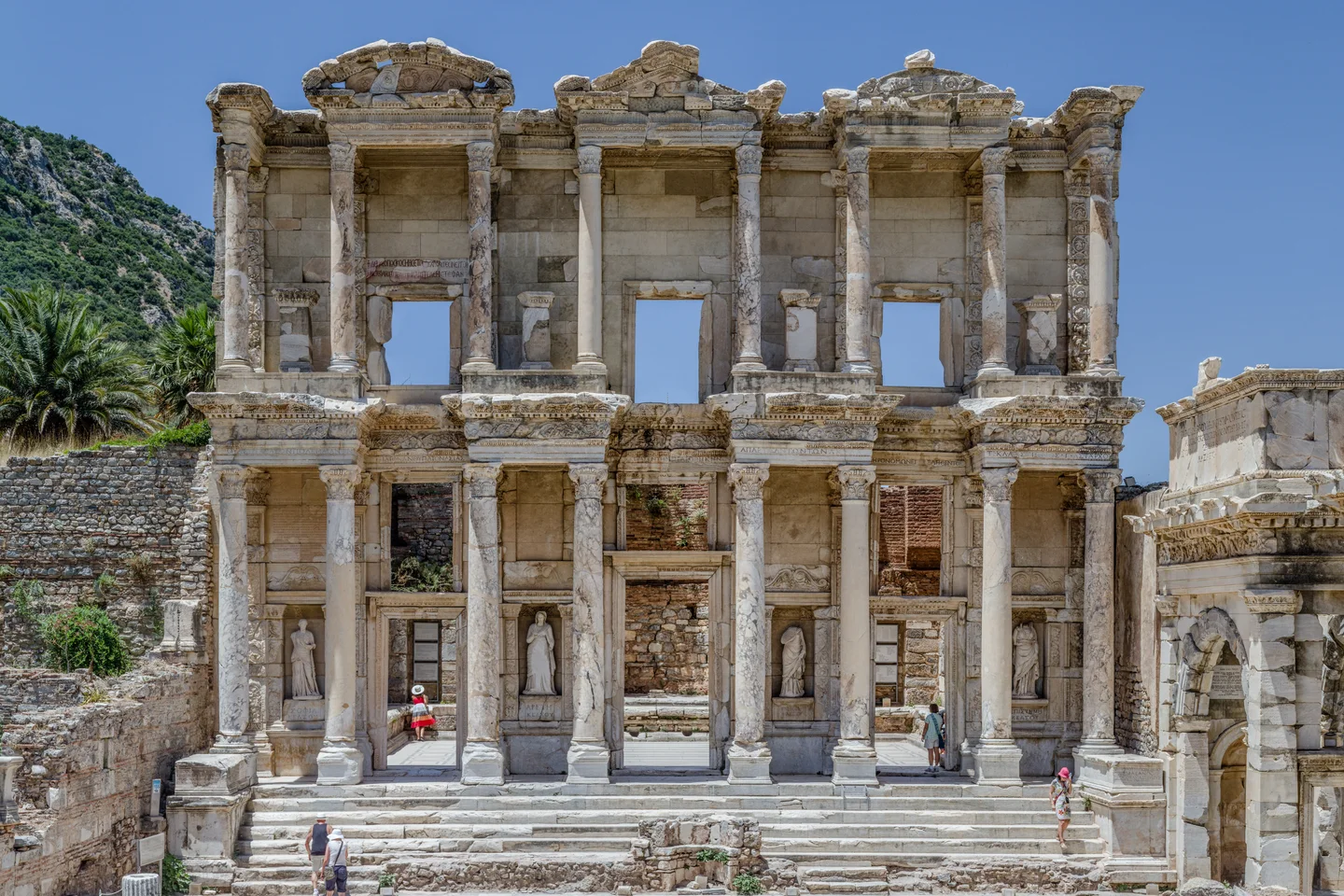
At the junction of Curetes Street and Marble Street rises the world-famous Library of Celsus. Commissioned in 117 AD by Roman Consul Julius Aquila in honor of his father, Tiberius Julius Celsus Polemaeanus, its two-storey facade features statues personifying Wisdom (Sophia), Virtue (Arete), Insight (Ennoia), and Knowledge (Episteme).
The Ephesus Terrace Houses (Terrace Houses - Roman Luxury Villas)
Located directly opposite the Celsus Library under an expansive protective shelter, the Terrace Houses (Hanghäuser) served as luxurious residences (domus) for the Roman patrician elite. Equipped with private hypocaust underfloor heating, running water, en-suite marble baths, and exquisite wall frescoes, their intricate mosaic floors depict mythological and geometric scenes preserved in pristine condition.
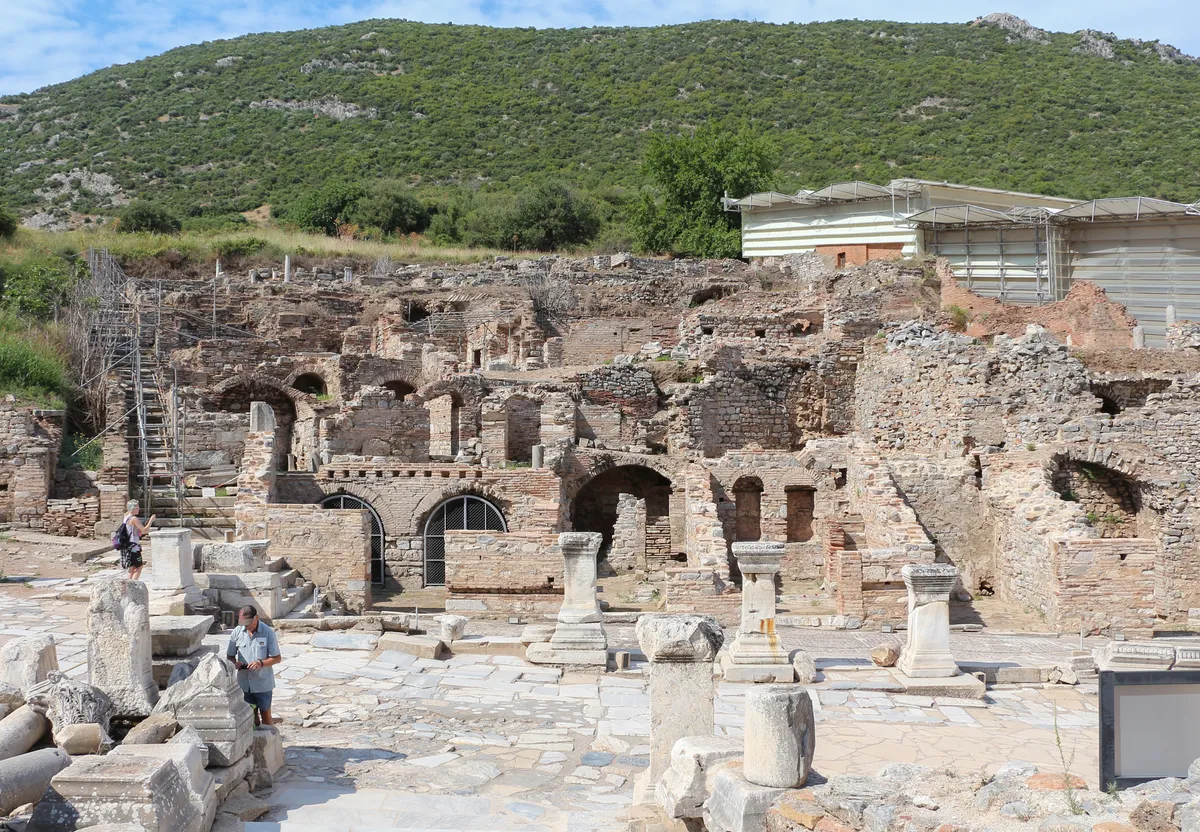
Continuing past the Commercial Agora along the Marble Road, you will reach the majestic Great Theatre. Capable of seating 24,000 spectators, this acoustic wonder hosted gladiatorial combats, civic assemblies, and the famous biblical confrontation between the silversmith Demetrius and Saint Paul. From the theatre, the grand Harbor Street (Arcadian Way) extends toward the ancient silted coastline.
House of the Virgin Mary (Meryem Ana Evi - Bülbüldağı)
In the afternoon, travel 9 km uphill through the fragrant pine forests of Bülbüldağı to the House of the Virgin Mary. Catholic and Orthodox tradition holds that Saint John brought the Mother of Jesus here following the Crucifixion, where she lived out her final earthly days. Officially recognized as a pilgrimage shrine by multiple Popes, the peaceful stone sanctuary features holy spring water taps and a moving wall where thousands leave heartfelt prayers.
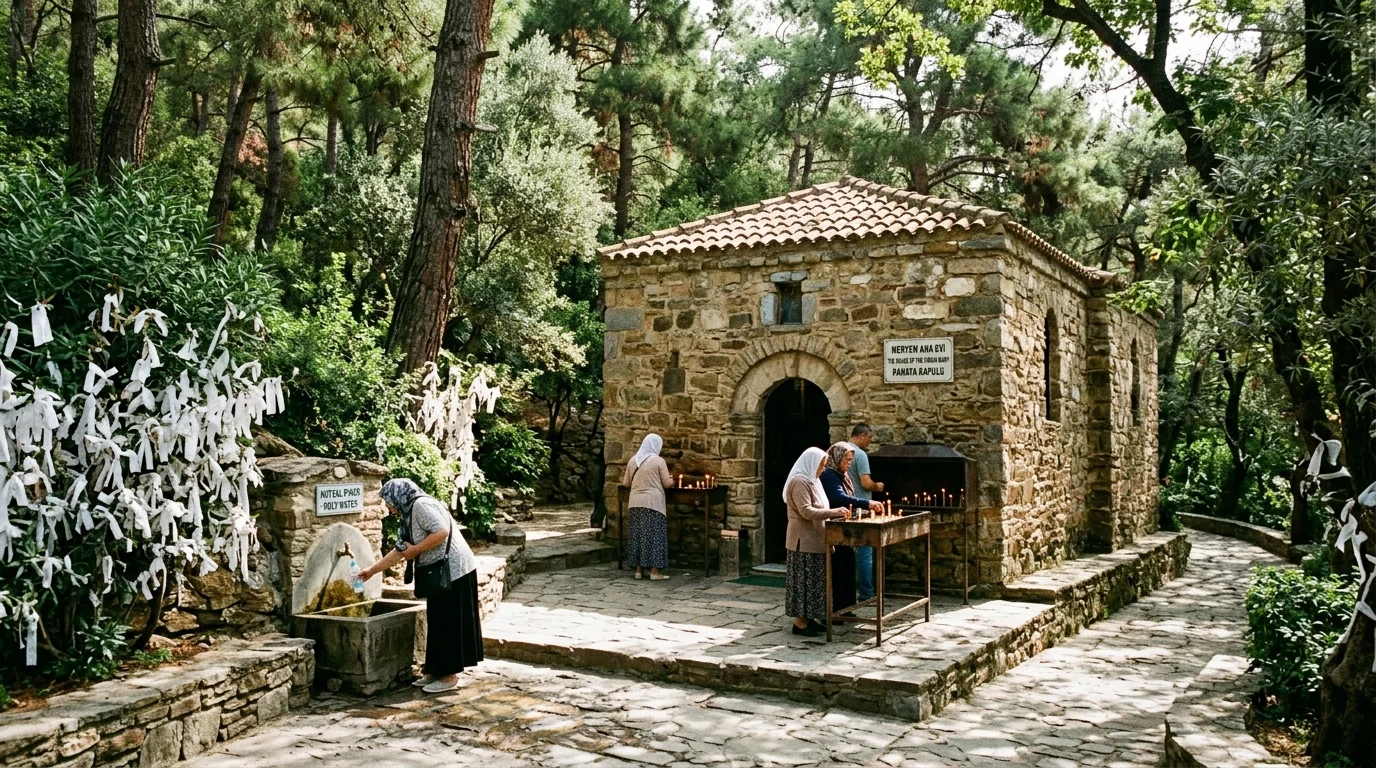
Day 2: Temple of Artemis, Ayasuluk Castle, İsa Bey Mosque, and Şirince Village
Begin day two at the archaeological site of the Temple of Artemis (Artemision), one of the Seven Wonders of the Ancient World. Once boasting 127 colossal marble columns and four times the scale of Athens' Parthenon, only a single reconstructed column topped by storks' nests stands today, yet the historical aura of this goddess shrine remains unforgettable.
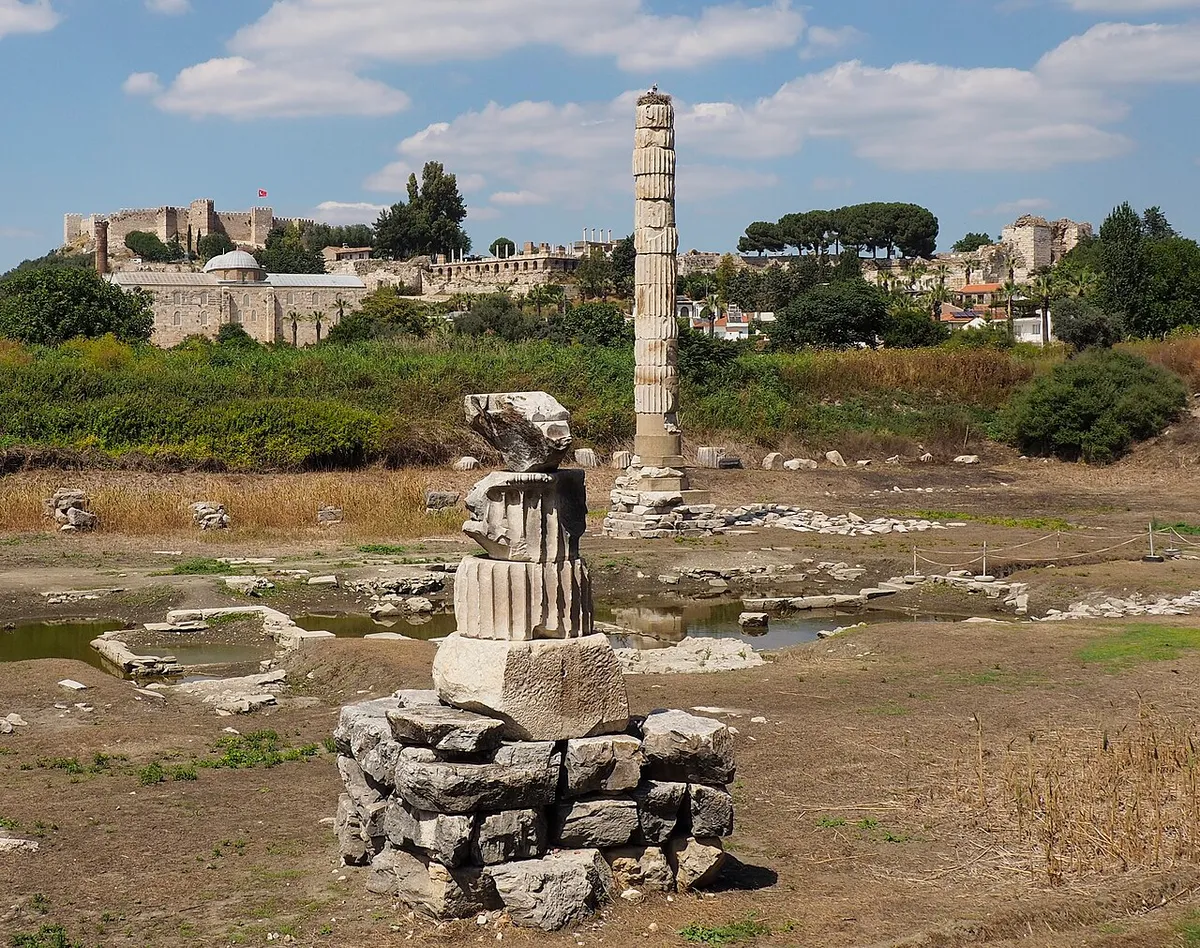
Just up the hill stands the massive Basilica of Saint John and Ayasuluk Castle. Erected by Byzantine Emperor Justinian I in the 6th century over the burial site of the Apostle John, this cruciform basilica served as a supreme pilgrimage destination through medieval centuries.
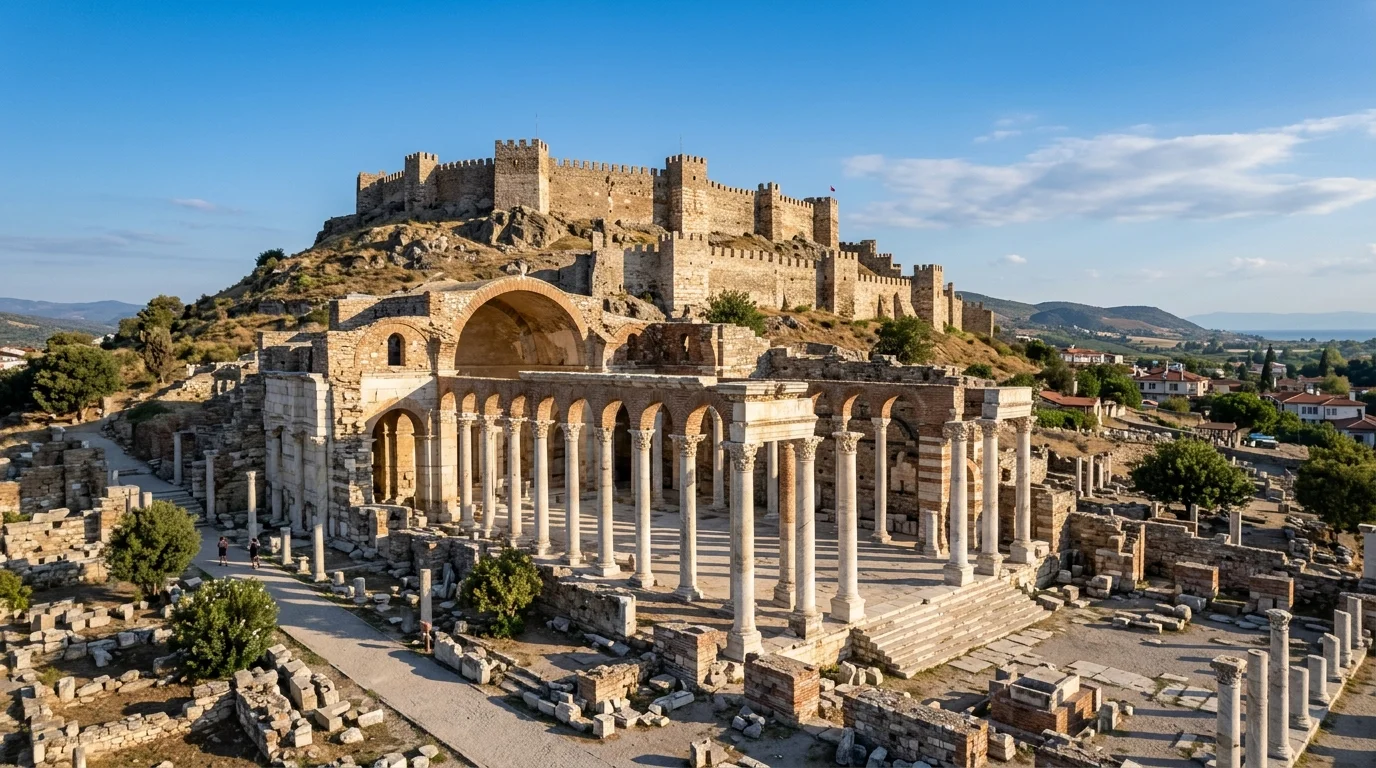
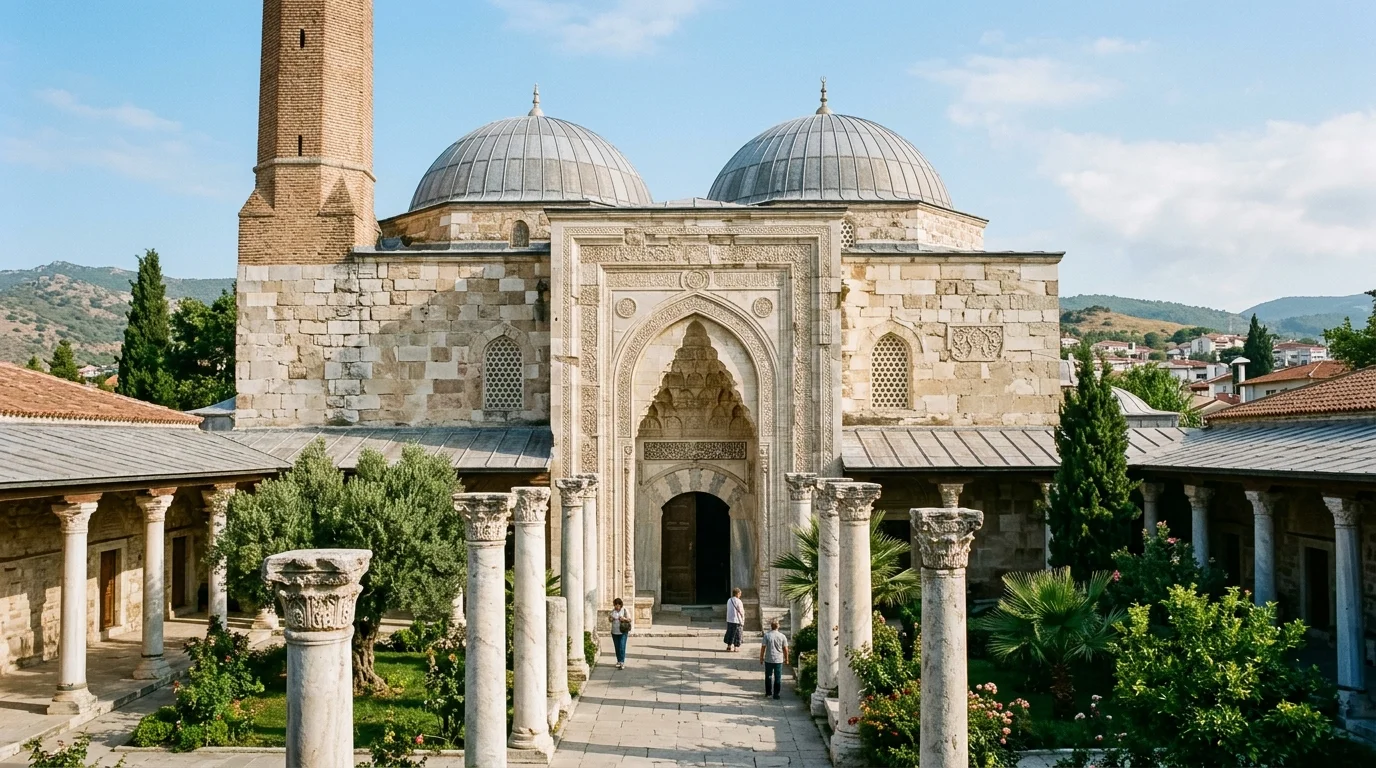
Directly downhill sits the İsa Bey Mosque, commissioned in 1375 by the ruler of the Aydinid Beylik. Modeled after the Great Umayyad Mosque of Damascus, its asymmetric marble portal, ceramic-tiled domes, and tranquil open courtyard showcase the earliest pinnacles of Turkish-Islamic architecture in western Anatolia.
Afternoon: The Fairytale Hillside Village of Şirince
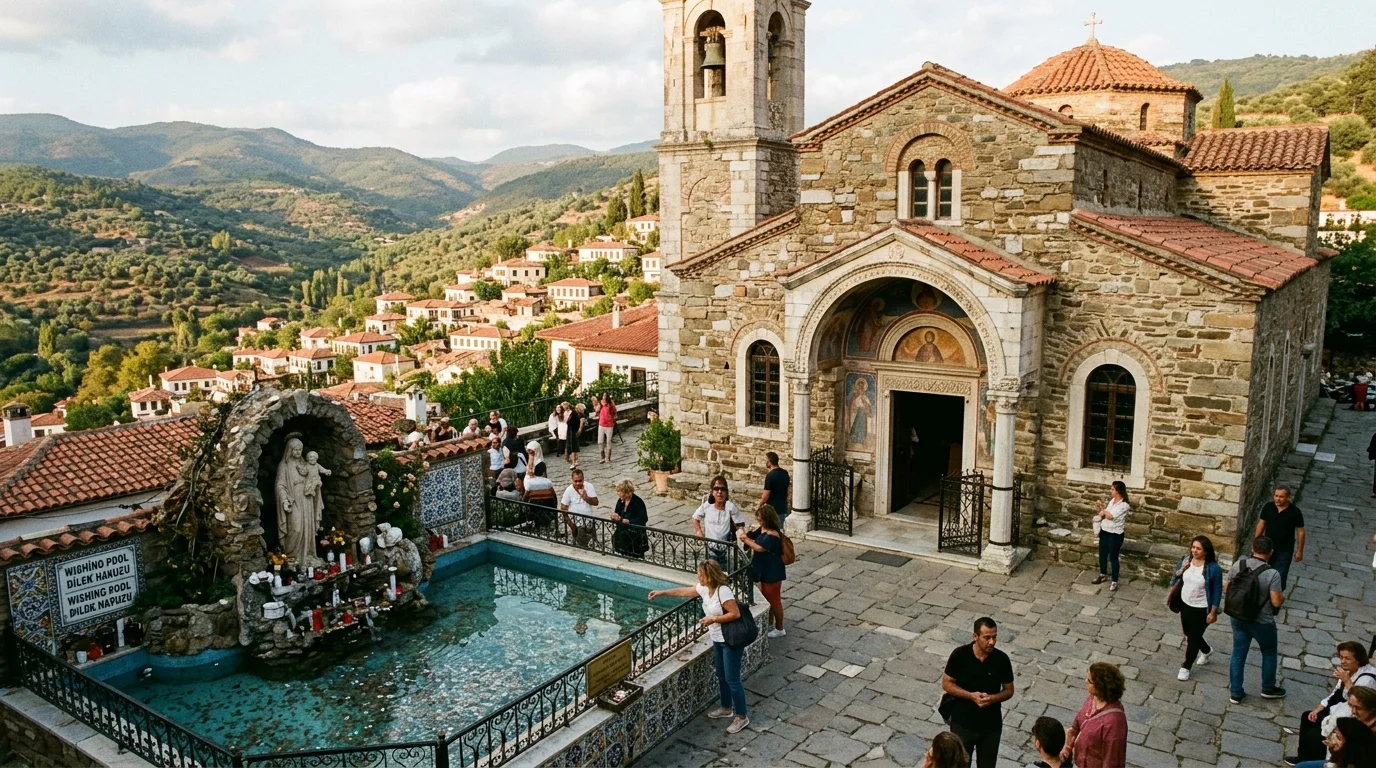
In the early afternoon, take a scenic 15-minute dolmuş ride up into the rolling olive groves to the historic Greek village of Şirince. With its whitewashed stone mansions, terracotta tiled roofs, cobblestone alleyways, and the 19th-century Church of Saint John the Baptist, Şirince offers an enchanting traditional Aegean atmosphere.
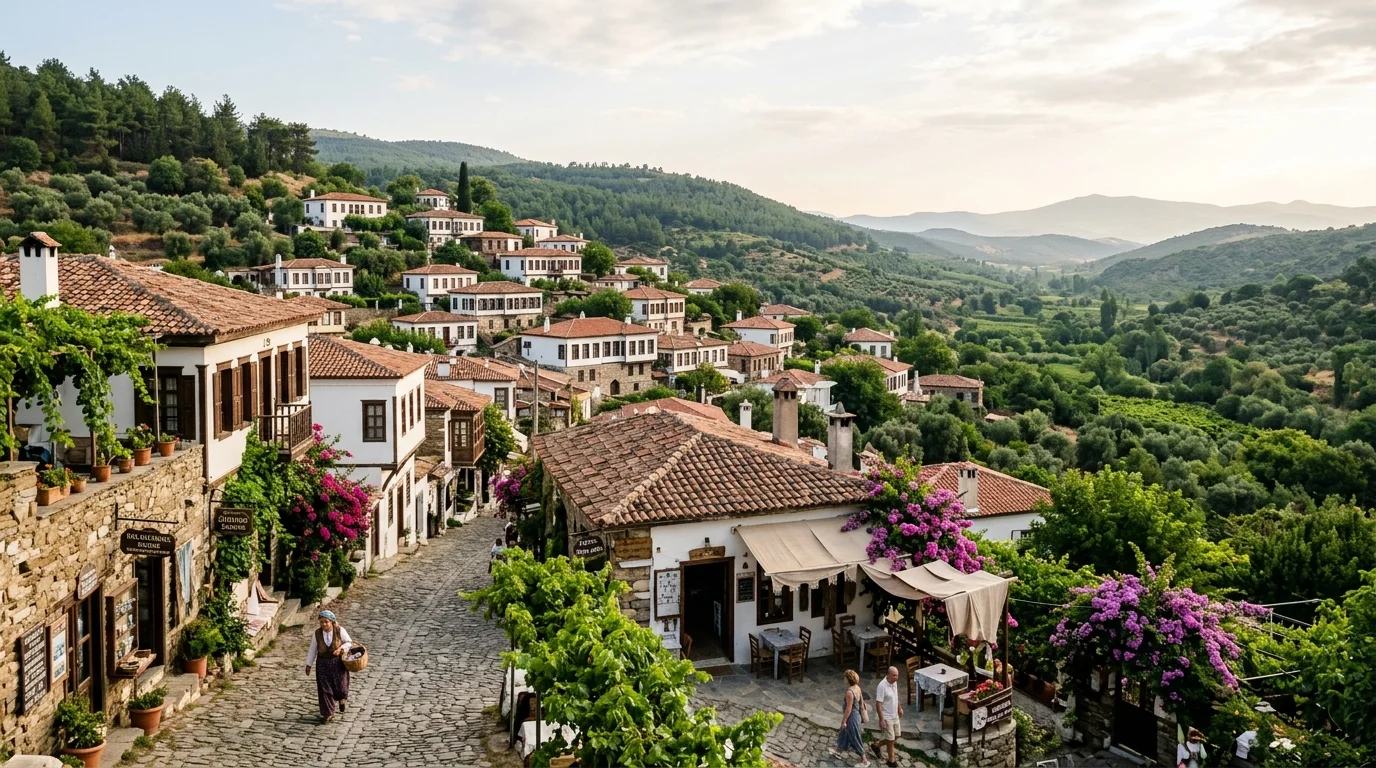
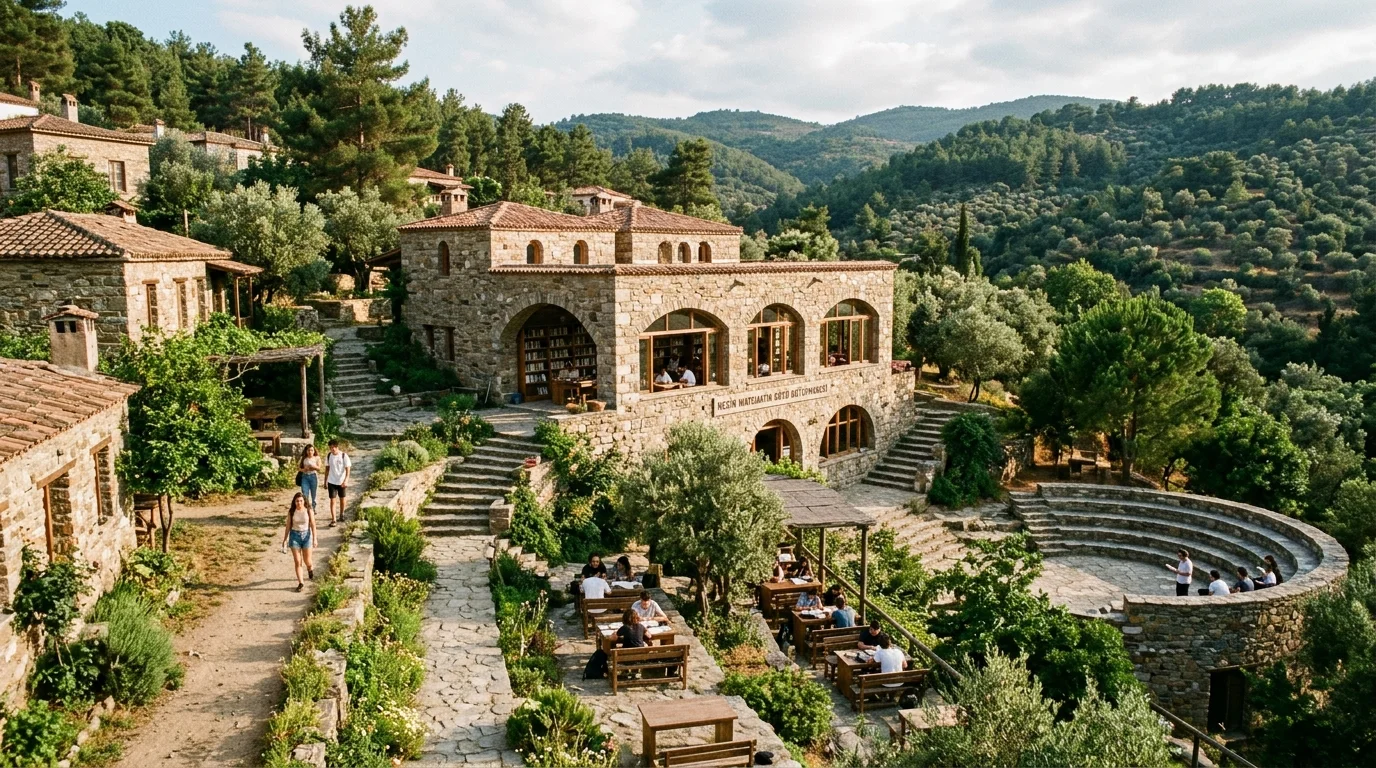
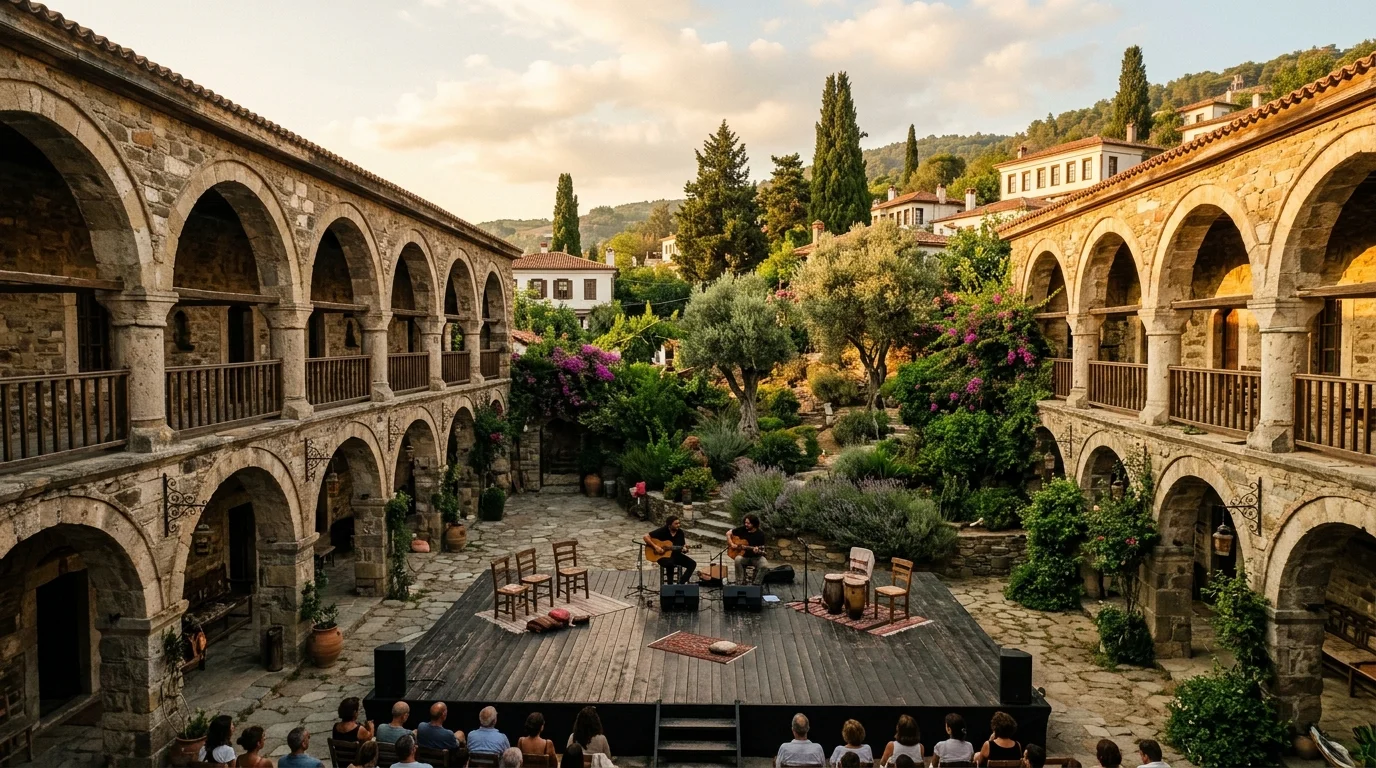
Wander through the vibrant village bazaar to sample local fruit wines (black mulberry, pomegranate, and peach), artisanal olive oil soaps, and freshly harvested mountain thyme. A short uphill walk leads to the renowned Nesin Mathematics Village and the Theater Medrese, globally respected hubs for education, drama, and philosophy.
Byzantine Aqueducts and Sunset on Pamucak Beach
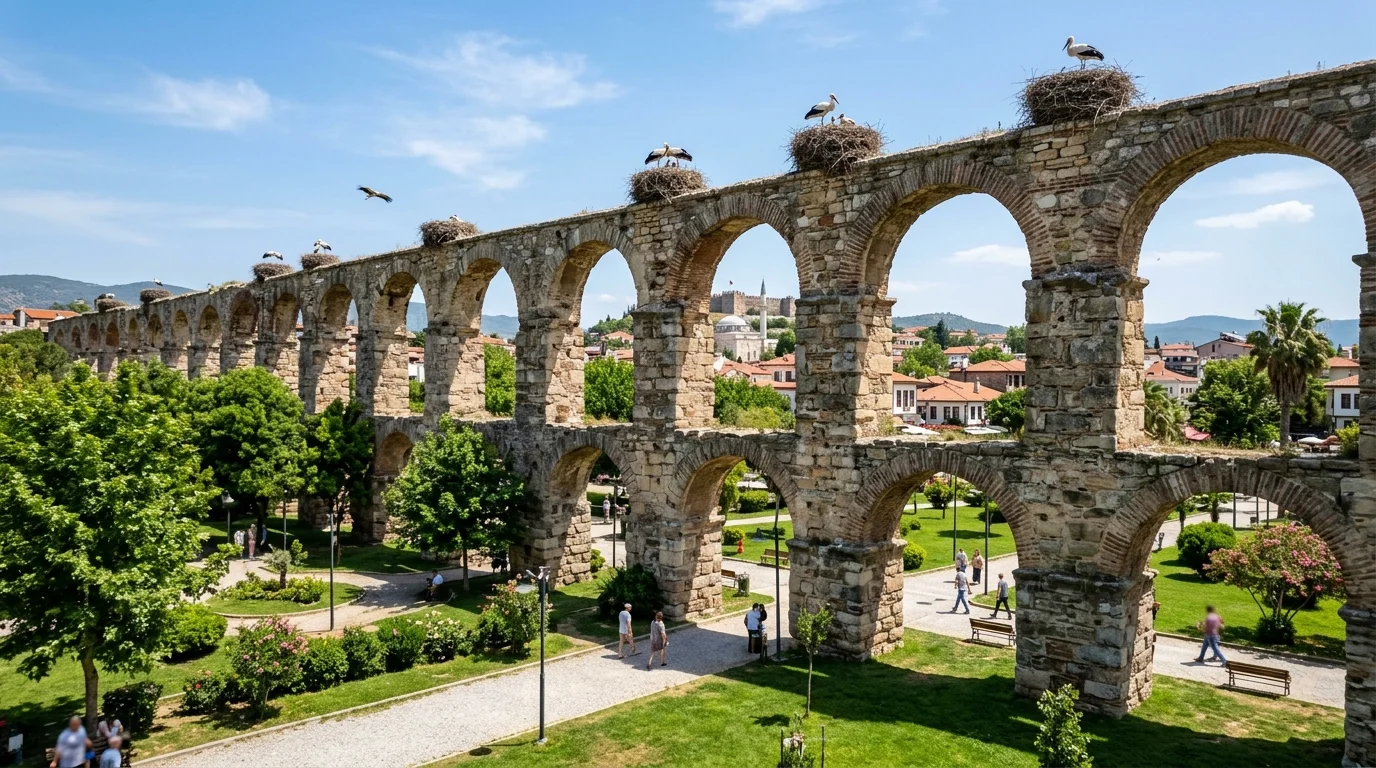
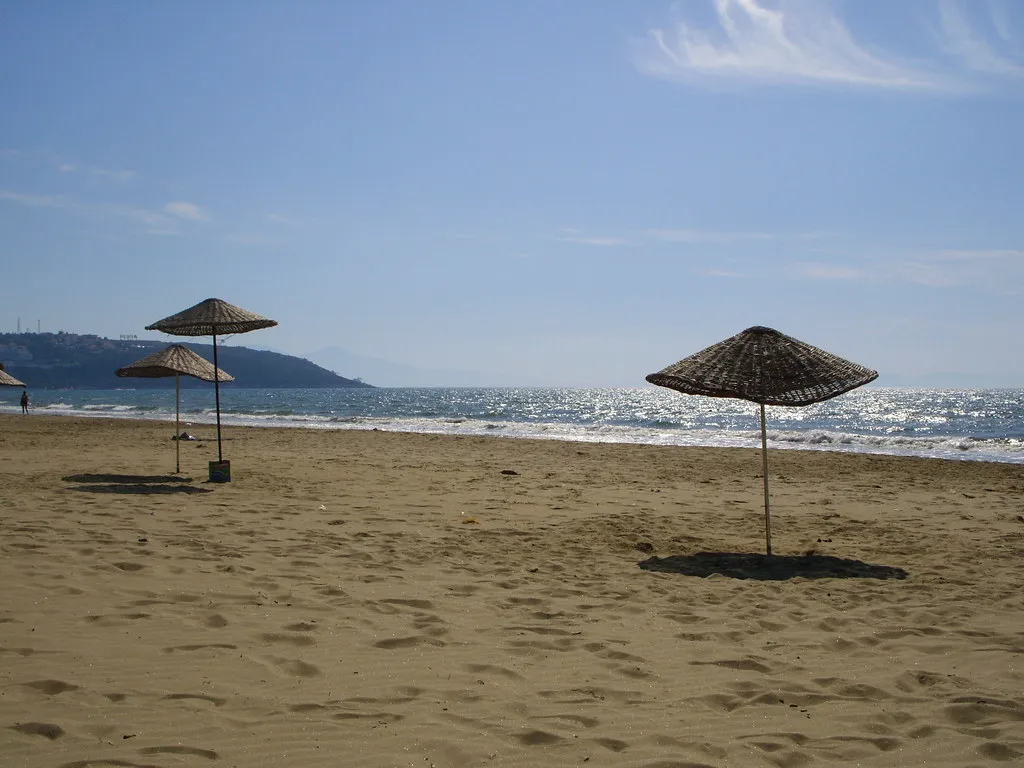
Return to Selçuk town center to admire the impressive Roman and Byzantine Aqueduct Arches in Station Square, where magnificent white storks build their nests each spring. Conclude your unforgettable tour 9 km to the west at Pamucak Beach, watching the golden sunset dip into the Aegean Sea along 11 kilometers of pristine sandy shoreline.
Visiting Hours, Tickets & Practical Advice (2026 Updated)
- Ephesus Admission: International visitor tickets are approximately 40 Euros (audio-guide packages available). Turkish citizens with Museum Pass enter for free. Tickets include access to the Curetes Street, Celsus Library, and the Great Theatre.
- Terrace Houses Ticket: Requires a separate supplement ticket (approximately 15 Euros). Highly recommended for archaeology enthusiasts as it features the finest indoor Roman mosaics in Turkey.
- Opening Hours: Summer (April to October): 08:00 to 19:30. Winter (November to March): 08:30 to 17:30. Ticket booths close 30 minutes prior to gate closing.
- Ephesus by Night: In peak summer months, Curetes Street and the Library of Celsus remain open until 23:00 under dramatic architectural LED illumination.
- House of the Virgin Mary: Operated independently by the Selçuk Municipality and the Catholic Association; national museum passes are not valid here (entry donation applies; open 08:00 to 18:00).
- St. John Basilica & Fortress: Included in the Turkish Ministry of Culture pass; open daily year-round.
Transportation and Regional Logistics
- Commuter Rail (İZBAN): From central İzmir (Alsancak or Karşıyaka), ride the South Line to Tepeköy and transfer across the platform to the Selçuk suburban shuttle (total transit time: approx. 1h 15m).
- From Adnan Menderes Airport (ADB): The international airport has a direct İZBAN station. The connecting train ride to Selçuk takes approximately 45 minutes.
- Intercity Train: Basmane (İzmir) - Denizli / Aydın regional trains stop directly at Selçuk Station, offering comfortable and scenic travel.
- Local Minibuses (Dolmuş): Shuttles depart every 10-15 minutes from Selçuk Bus Terminal to the Lower Gate of Ephesus, every 20 minutes to Şirince, and taxis operate constantly to the Virgin Mary House.
- Private Vehicles & Parking: Both Upper and Lower Gates of Ephesus provide vast monitored municipal parking facilities.
Gastronomy & Culinary Highlights
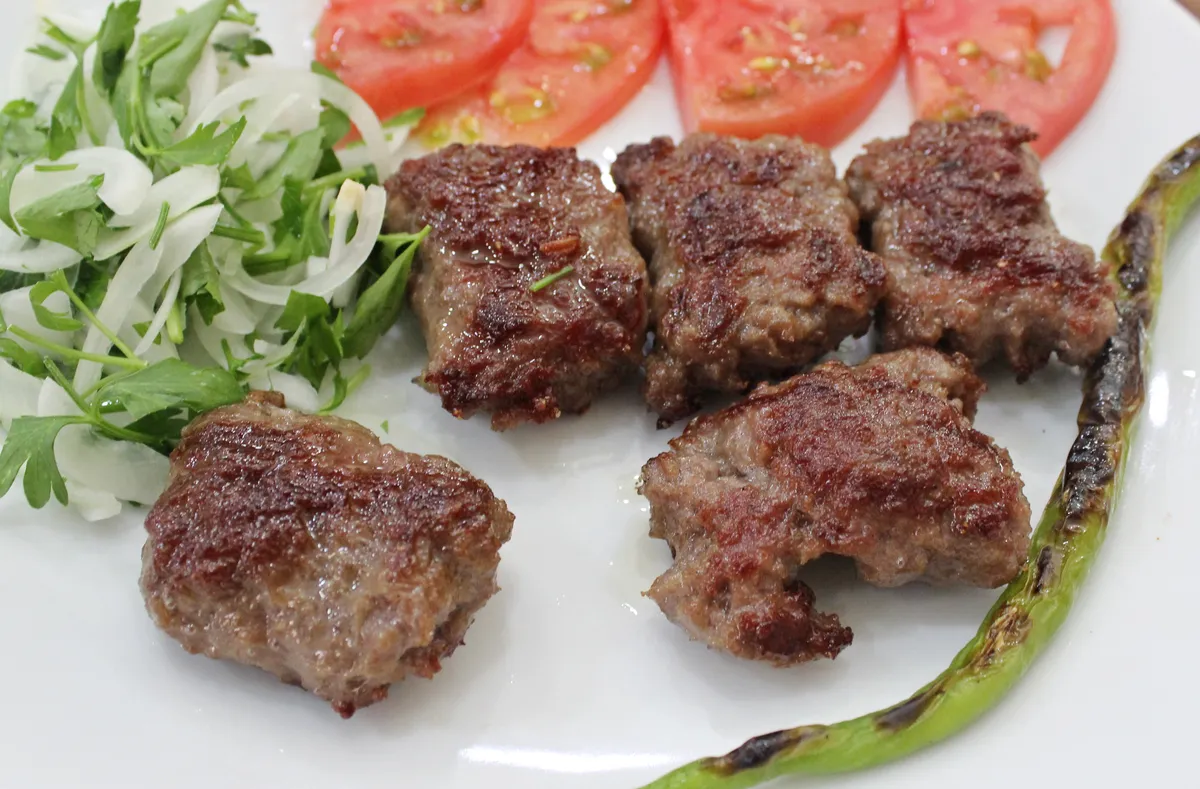
- Selçuk Çöp Şiş: Skewered, coal-grilled tender lamb morsels served on warm flatbread with roasted green peppers, sumac onions, and fresh foamy ayran.
- Şirince Artisanal Fruit Wines: Complimentary tastings are offered across historic stone cellars for wild blackberry, sour cherry, pomegranate, and peach fruit wines.
- Aegean Wild Herb Mezze: Fresh salads and olive oil dishes featuring sea asparagus, wild radish greens (radika), and braised artichoke hearts.
- Hot Sand-Brewed Turkish Coffee: Slowly brewed in boiling sand trays in the cobblestone village squares, best paired with chilled elderflower cordial (mürver şerbeti).
The vast white marble expanses of Ephesus reflect intense sun glare and heat in summer. Plan your visit for early morning (08:30) or late afternoon (16:30). Sturdy non-slip walking shoes are essential, as millennia of foot traffic have polished the ancient marble pavements slick as ice.