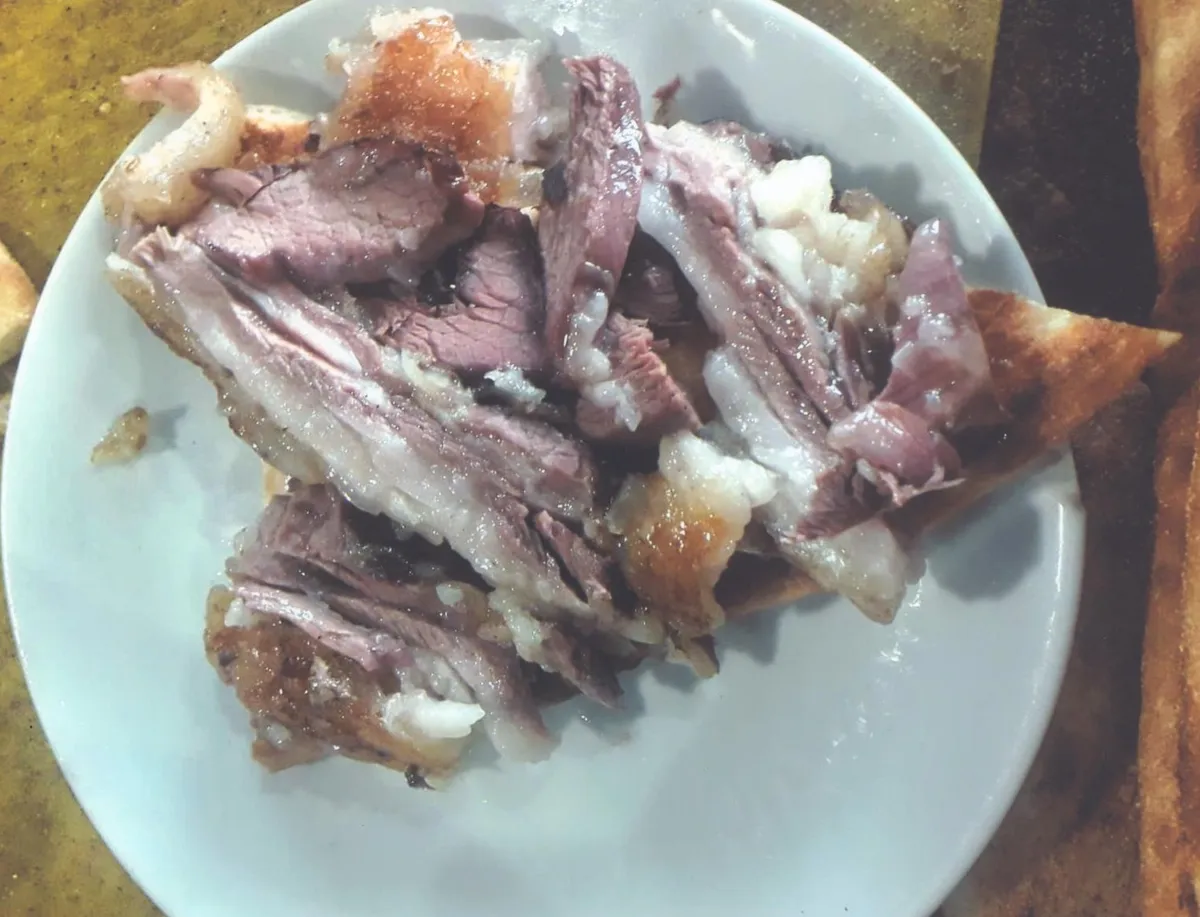
Nemrut Caldera & Ahlat Seljuk Cemetery Travel Guide 2026: Hot-Cold Crater Lakes, Steam Vents & Buryan Kebab


Awarded the European Destination of Excellence (EDEN) prize, Nemrut Caldera is Turkey largest and the world second largest active volcanic depression basin, spanning 40 square kilometers at an elevation of 2,247 meters. Descending into the crater reveals an astonishing geological contrast: the massive crystal-blue Cold Lake lies alongside the mineral-rich Warm Lake (Iligol), where geothermal springs reach 60°C. With volcanic steam vents, lava tunnels, and perennial ice caves, this caldera feels like Earth on the day of its creation.
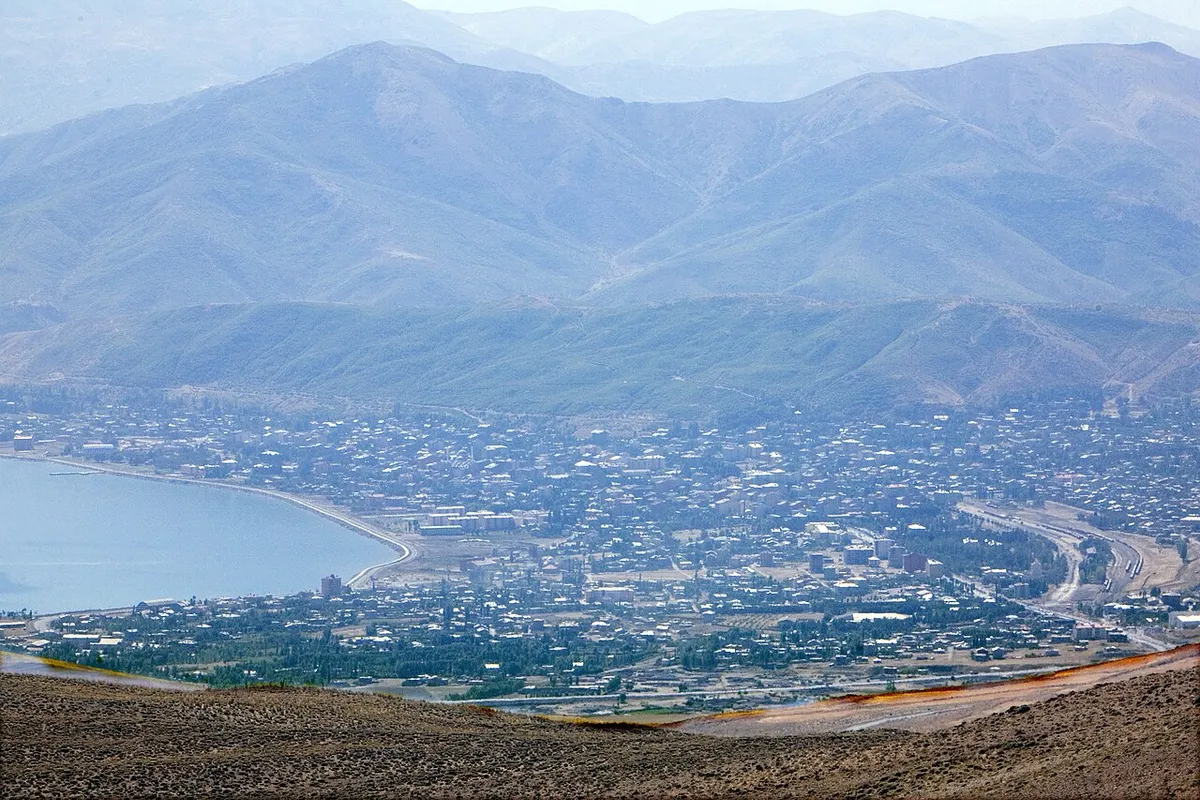
Just east of the crater, along the shores of Lake Van, stands the ancient city of Ahlat, revered as one of the 'Three Domes of Islam' (Kubbet-ul Islam). Home to the world largest historical Turkish-Islamic graveyard with more than 8,200 monumental Seljuk tombstones rising up to 3.5 meters high, Ahlat resembles an open-air sculpture museum. Paired with pit-roasted Bitlis buryan kebab, this 2026 guide unlocks eastern Anatolia most captivating secrets.
1. Nemrut Warm Lake (Iligol) & Geothermal Steam Chimneys: Thermal Spa Inside a Volcano
Nestled in the southwestern corner of the crater, Nemrut Iligol (Small Warm Lake) is heated by subterranean magma chambers. Thermal waters bubbling at temperatures up to 60°C and steaming volcanic fumaroles along the lakeshore emanate sulfurous vapors, reminding visitors that they stand inside a living volcano. Soaking tired feet in the warm mineral waters at 2,250 meters altitude is an unforgettable alpine spa experience.
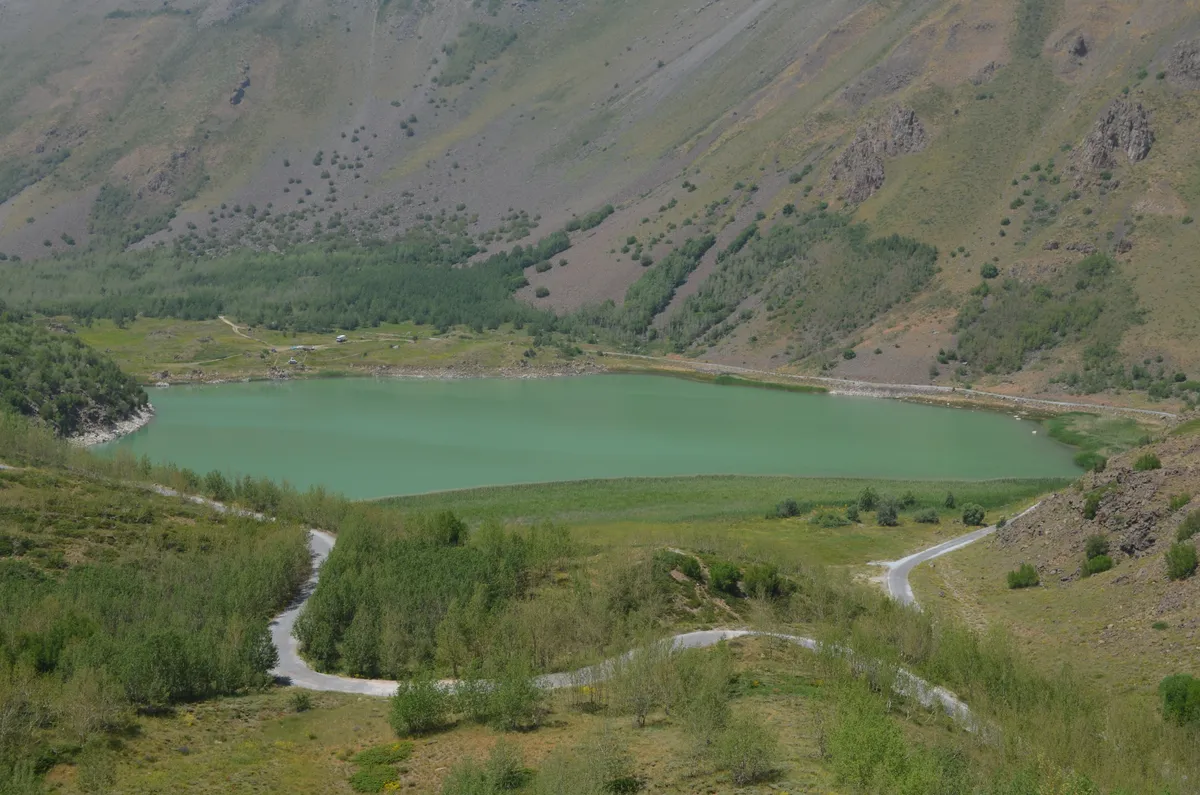
- Location: Situated 15 km northwest of Tatvan town in the summit caldera of Mount Nemrut.
- Road Condition: Modern paved asphalt and cobblestone road reaches the crater rim; accessible by standard passenger cars.
- Best Season: Late May to late October; in winter the mountain pass is blanketed in deep snow and closed to vehicles.
- Tip: Enjoy the therapeutic volcanic mud and mineral pools next to the active steam fumaroles.
2. Nemrut Volcanic Ice Cave & Great Cold Lake
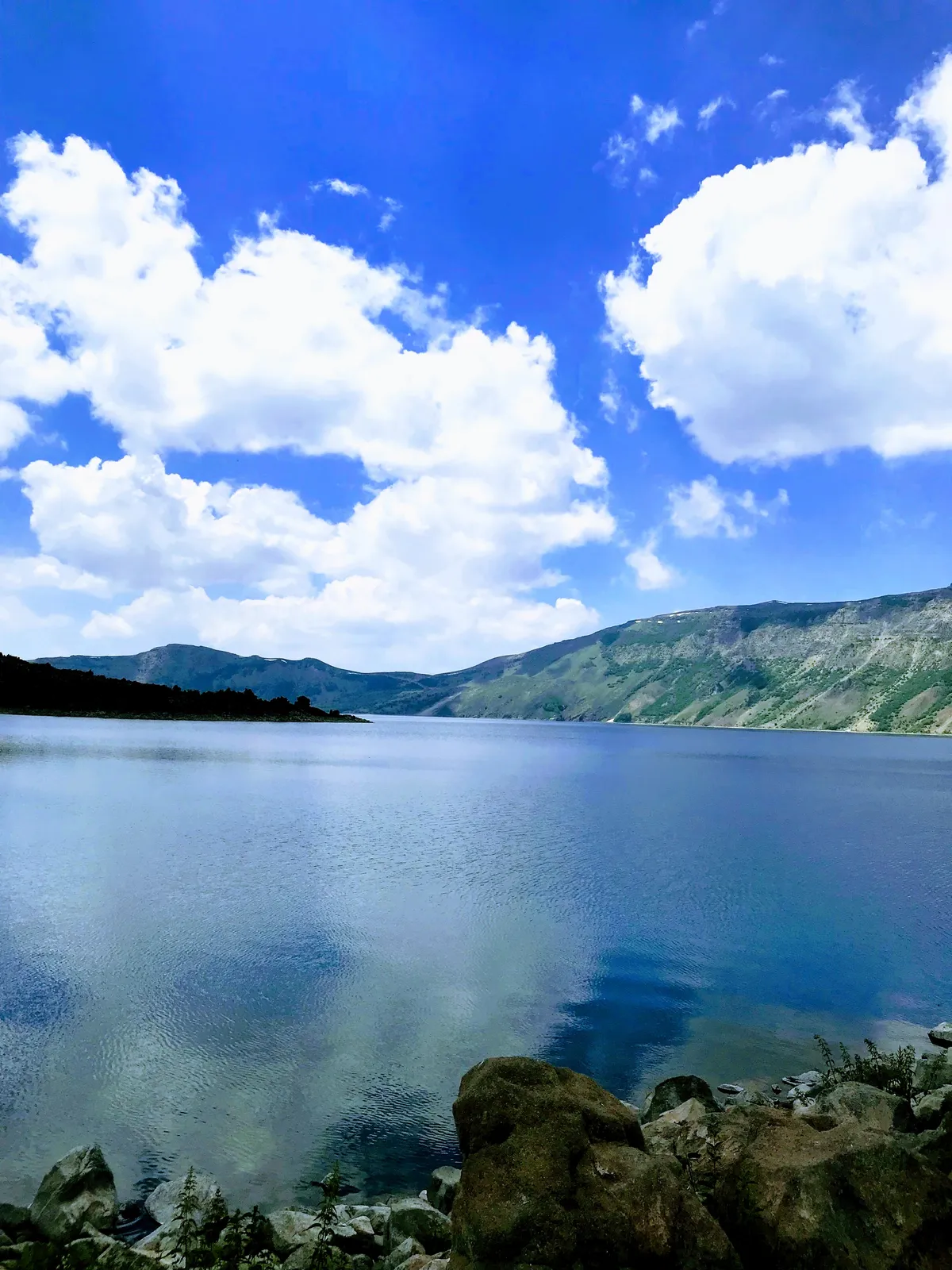
Formed inside a collapsed vertical lava chimney, the Nemrut Ice Cave maintains freezing temperatures throughout the summer, preserving massive subterranean icicles and frozen walls. A short walk away lies the Great Cold Lake, covering 12 square kilometers with depths exceeding 150 meters. Bordered by birch groves and wild flowers, its turquoise waters offer serene reflections of the crater rim.
3. Ahlat Seljuk Meydan Cemetery: The Orkhon Inscriptions of Anatolia
Inscribed on the UNESCO Tentative World Heritage List, the Ahlat Seljuk Meydan Cemetery encompasses over 8,200 monumental tombstones across 210 hectares, making it the largest historic cemetery in the Islamic world. Carved from local red volcanic tuff between the 11th and 15th centuries by master stonemasons, these 2 to 3.5-meter-high stelae feature dragons, palmettes, geometric knotwork, and Quranic calligraphy.
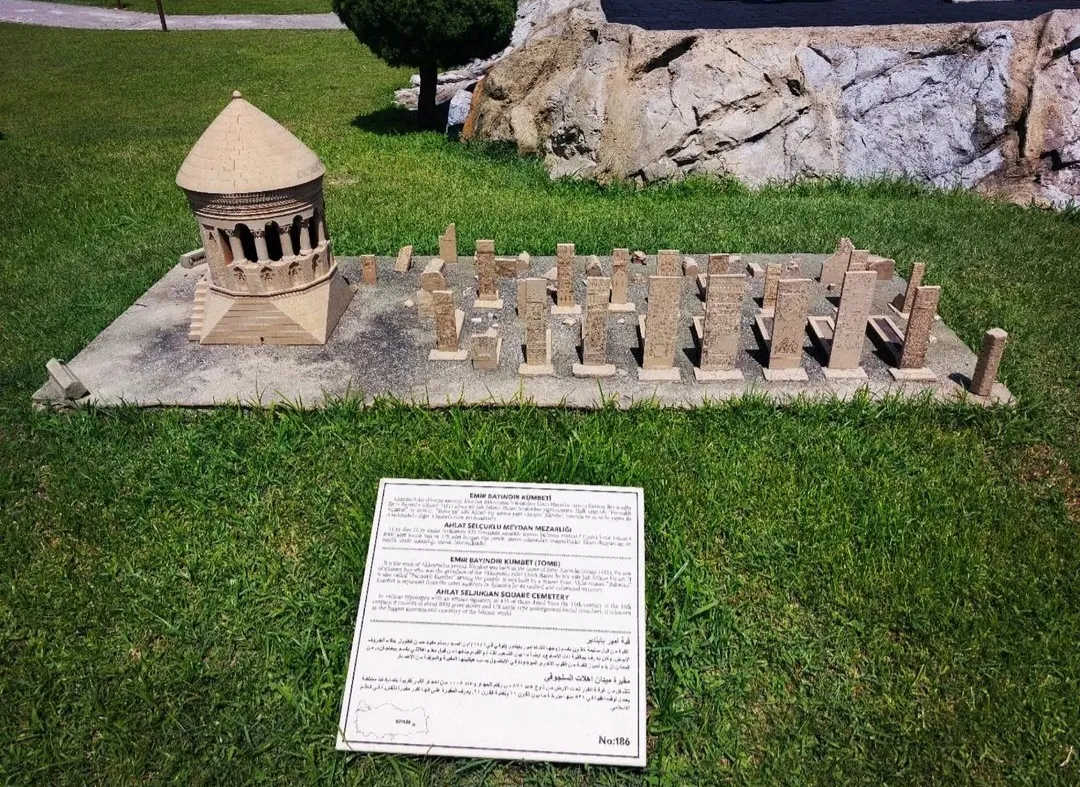
- Opening Hours: Open 24/7 all year; equipped with night pathway lighting for evening walks.
- Admission: Completely free of charge with newly built wooden visitor walkways and information panels.
- Historical Significance: Epigraphs identify warrior knights, chieftains of Ahlatshahs, and Seljuk scholars.
- Photo Advice: Visit during the late afternoon golden hour when side light casts sharp shadows into the intricate relief carvings.
4. Emir Bayindir Tomb & Mosque: Akkoyunlu Elegance with Columned Arcade
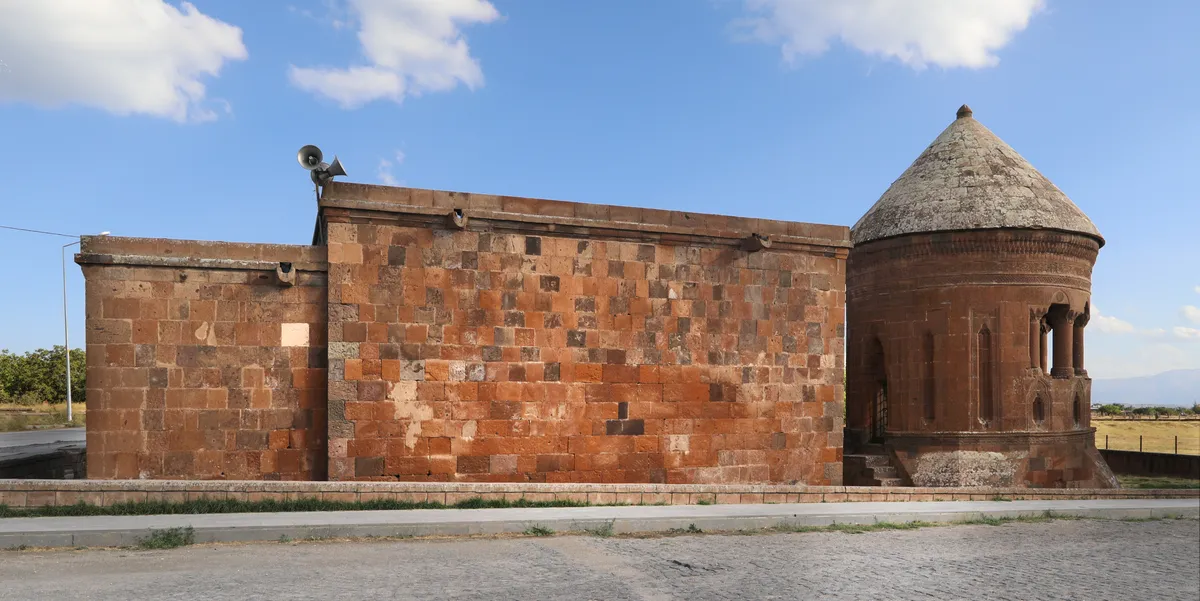
The most distinctive architectural gem in Ahlat, the Emir Bayindir Tomb was built in 1481 for Emir Bayindir, son of Akkoyunlu Lord Rustem Bey. Instead of a solid cylindrical drum, its upper burial chamber opens to the landscape through a graceful colonnaded porch, representing a unique innovation in medieval Islamic tomb architecture.
5. Twin Tombs (Cifte Kumbetler) & Master-Apprentice Tomb (Ulu Kumbet)
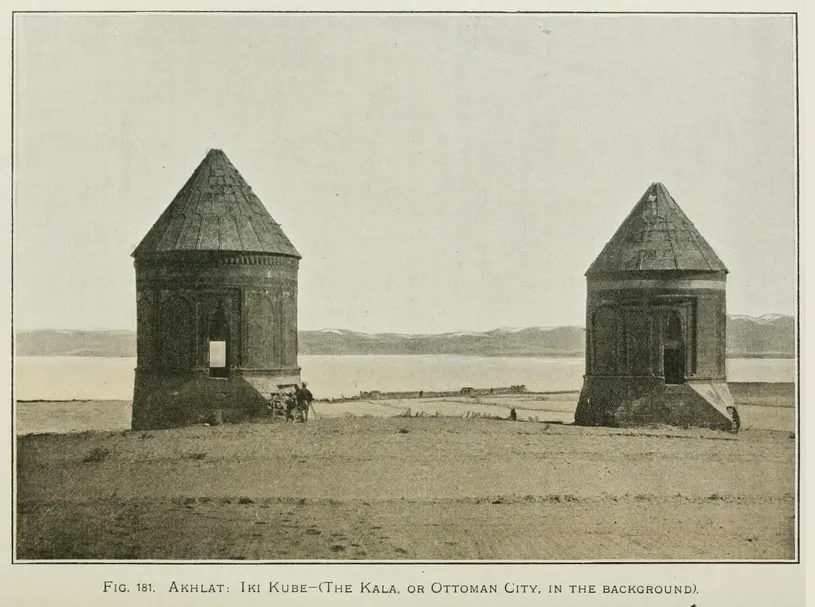
Overlooking Lake Van in the historic Ikikubbe district, the Twin Tombs (Cifte Kumbetler) comprise the Bogatay Aka Tomb (1279) and the Sirin Hatun Tomb (1281). Nearby stands the monumental Usta Sagirt Tomb (Ulu Kumbet), the largest circular mausoleum in Ahlat. Legend tells of a fierce architectural competition between a master mason and his apprentice, both striving to outshine each other in intricate geometric friezes.
6. Ahlat Museum & Seljuk Cultural Center
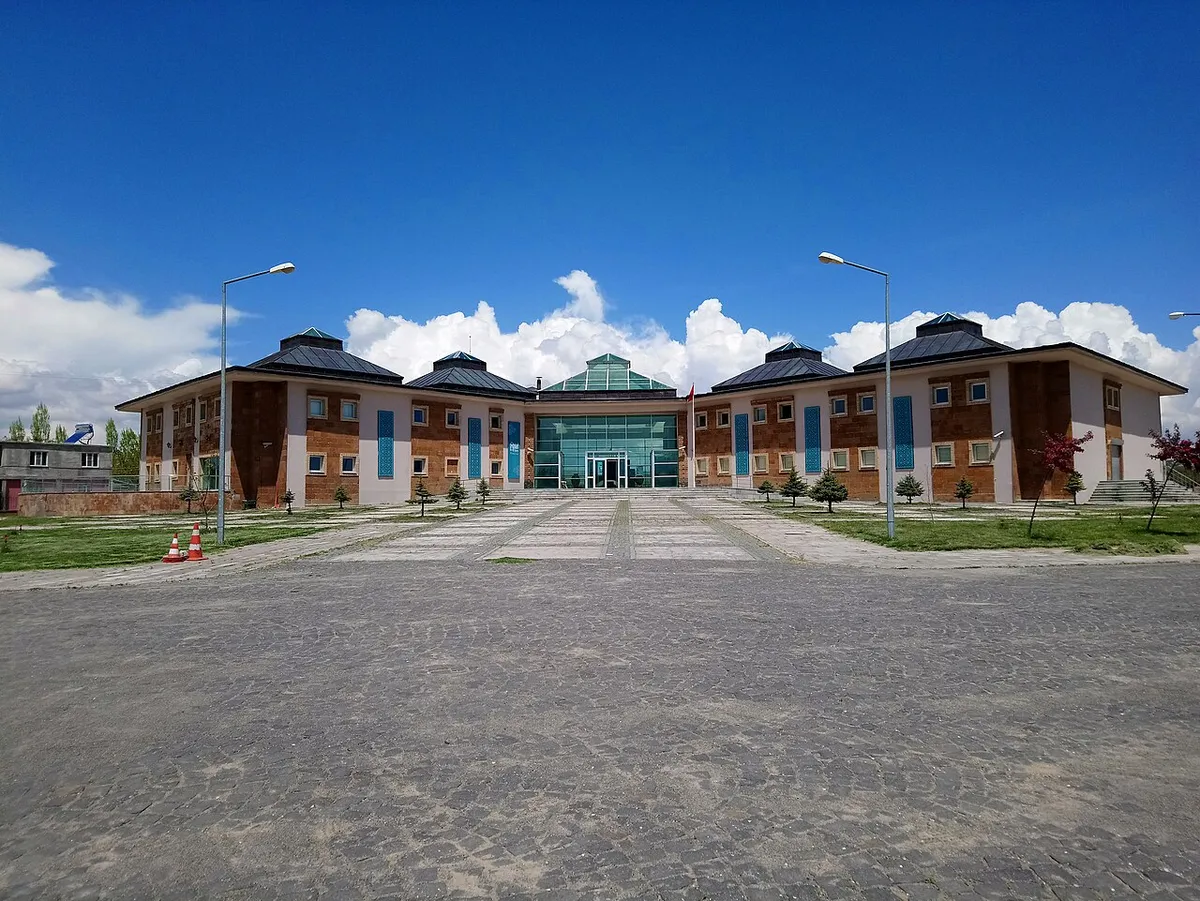
Situated adjacent to the Seljuk Cemetery, the contemporary Ahlat Museum displays archaeological discoveries spanning the Early Bronze Age, Urartu, Rome, Seljuk, and Ottoman periods. Its galleries showcase glazed ceramic bowls, bronze ceremonial lanterns, and digital epigraphy exhibits deciphering the tombstones.
7. Tatvan Historic Train Ferry Pier & Lake Van Promenade
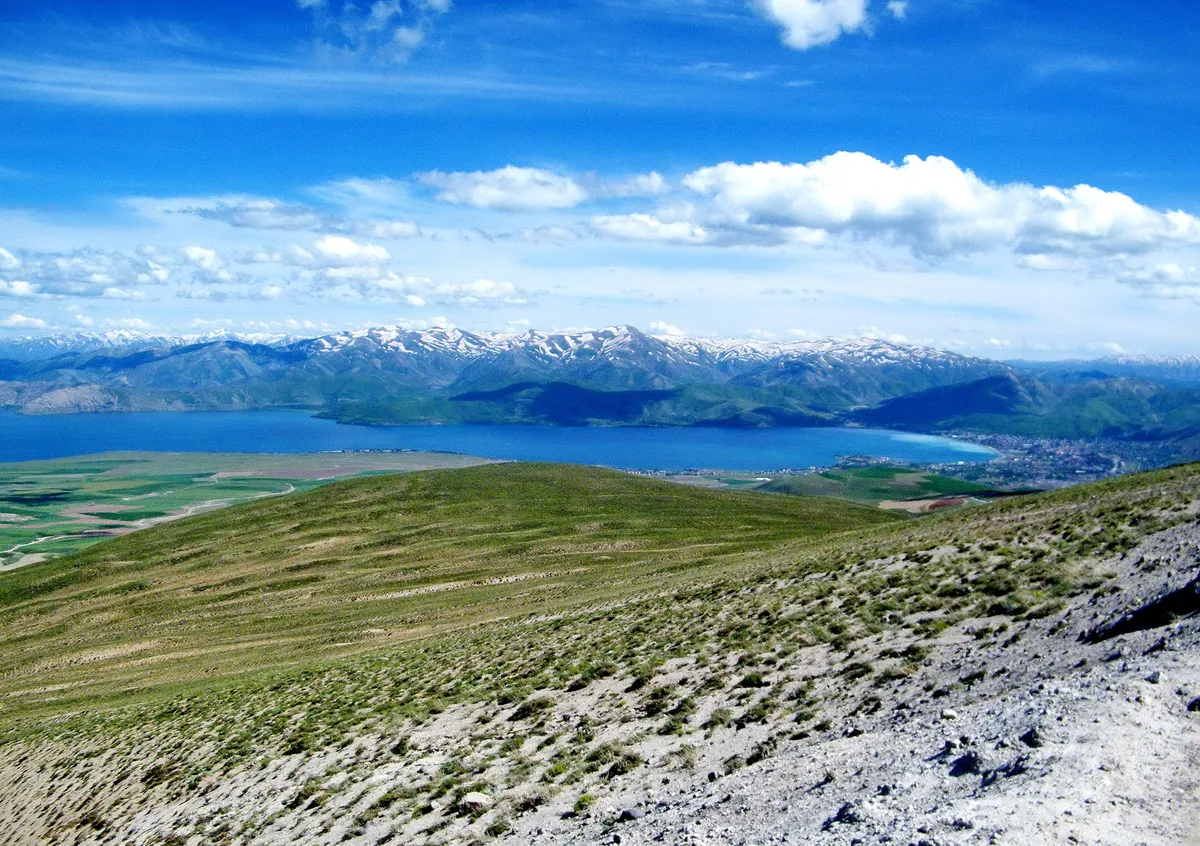
Serving as Turkey most strategic intercontinental rail transit link, the Tatvan Train Ferry Pier transfers entire freight and passenger trains arriving from Ankara onto gargantuan ferries crossing Lake Van toward Iran. The surrounding shoreline promenade features seaside gardens, tea pavilions, and panoramic views of Mount Nemrut.
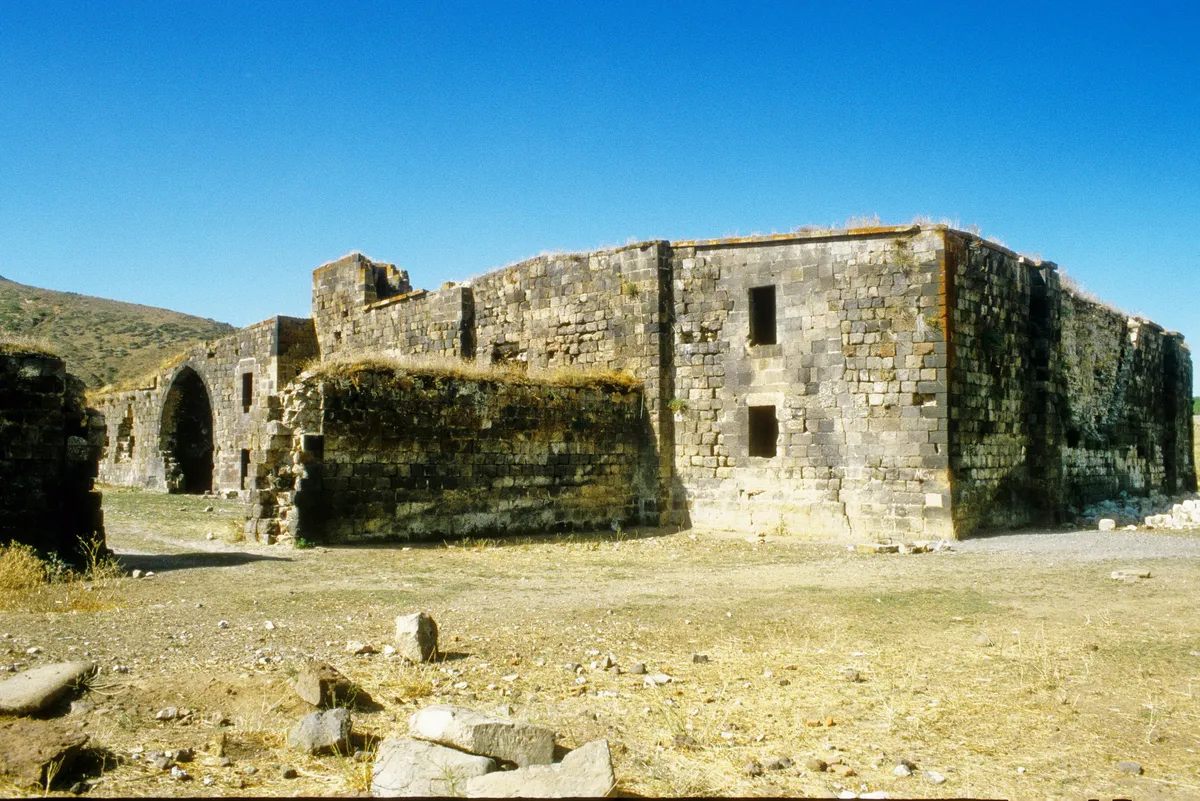
8. Historic El-Aman Caravanserai: The Fortress Inn of the Silk Road
Rising across the windswept Rahva Plain between Bitlis and Tatvan, El-Aman Caravanserai was commissioned in the 16th century by Van Governor Husrev Pasha. As one of Anatolia largest road stations, its monumental stone vaults, thermal bath, mosque, and courtyards sheltered Silk Road merchants from fierce blizzards. Today it thrives as a vibrant cultural center.
9. Historic Ihlasiye Madrasah: Center of Seljuk Wisdom and Science
Founded in 1216 in central Bitlis, the Ihlasiye Madrasah was an elite institute of higher learning during the Seljuk era. With its exquisitely carved stone portal, arcaded inner courtyard, and scholar cells, it kept the flame of eastern philosophy burning for centuries.
10. Historic Serefiye Mosque & Complex: Masterpiece of Bitlis Lords
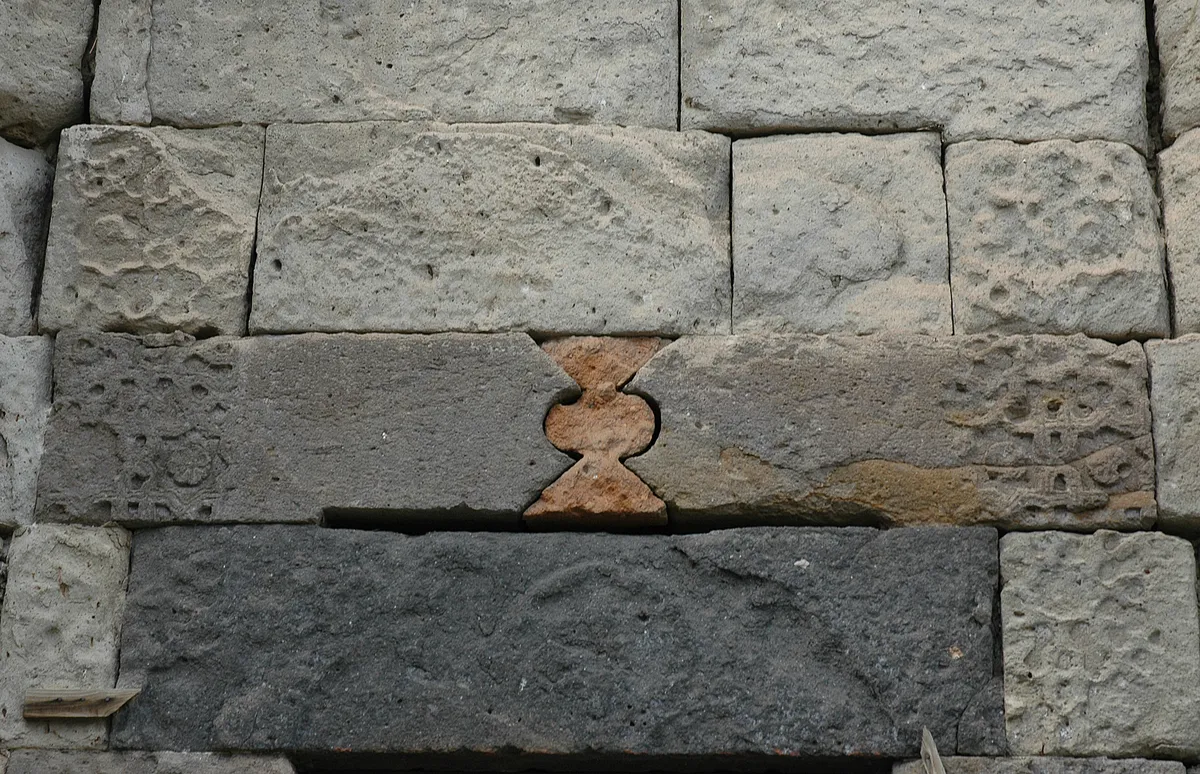
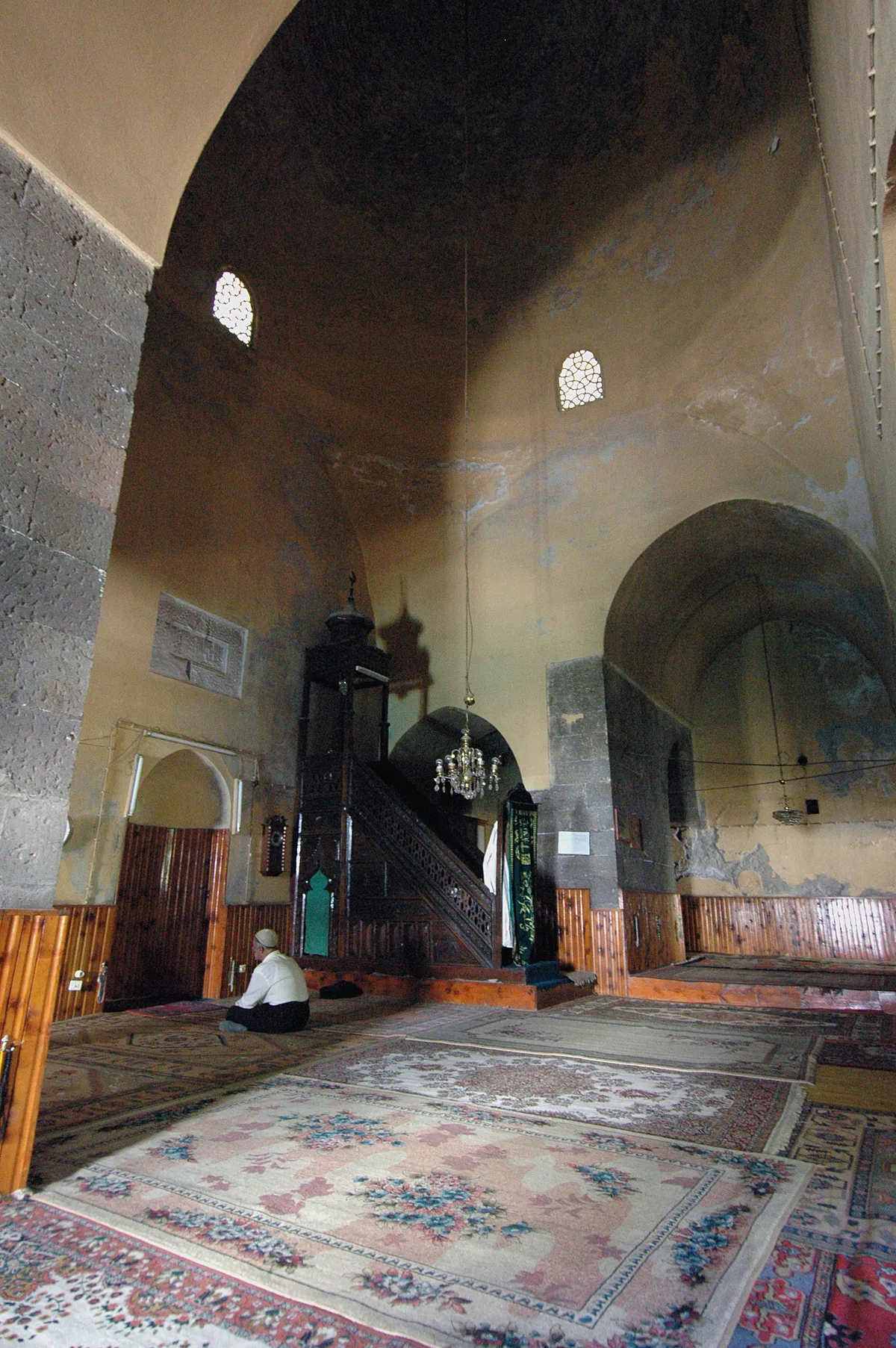
Erected in 1529 by Serefhan IV along the cascading waters of the Bitlis Stream, the Serefiye Complex features a grand mosque, madrasah, soup kitchen, and family mausoleum. Its dressed ashlar masonry, stalactite mihrab, and graceful fluted minaret crown Bitlis historic core.
2-Day Detailed Nemrut Caldera & Ahlat Itinerary
Day 1: Nemrut Crater Summit, Thermal Springs & Tatvan Waterfront
- 08:30 – 09:30: Breakfast in central Tatvan with lakeside views, fresh flatbread, and herbal cheese.
- 09:30 – 10:30: Drive up Mount Nemrut (15 km from Tatvan) to the caldera rim lookout for panoramic crater photos.
- 10:30 – 13:00: Descend into the crater; hike along the shoreline of the Great Cold Lake among birch trees.
- 13:00 – 14:30: Visit the Warm Lake (Iligol); examine steaming volcanic fumaroles and dip feet in 60°C thermal pools.
- 14:30 – 16:00: Explore the subterranean Nemrut Ice Cave and its frozen lava formations.
- 16:30 – 18:30: Return to Tatvan for a relaxing waterfront stroll by the historic Train Ferry Pier.
- 19:00 – 21:00: Dinner feasting on authentic Bitlis buryan kebab slow-roasted over firewood pits.
Day 2: Ahlat Seljuk Heritage, Conical Tombs & Bitlis Old Town
- 08:30 – 09:30: Scenic lakeside drive from Tatvan to Ahlat (approx. 40 km).
- 09:30 – 12:00: Guided walking tour of the UNESCO-nominated Ahlat Seljuk Meydan Cemetery and its 8,200 tombstones.
- 12:00 – 13:30: Visit the Ahlat Museum, Emir Bayindir Tomb, and the Twin Tombs.
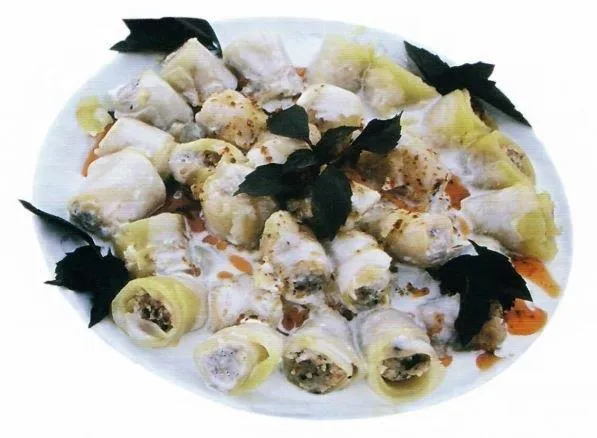
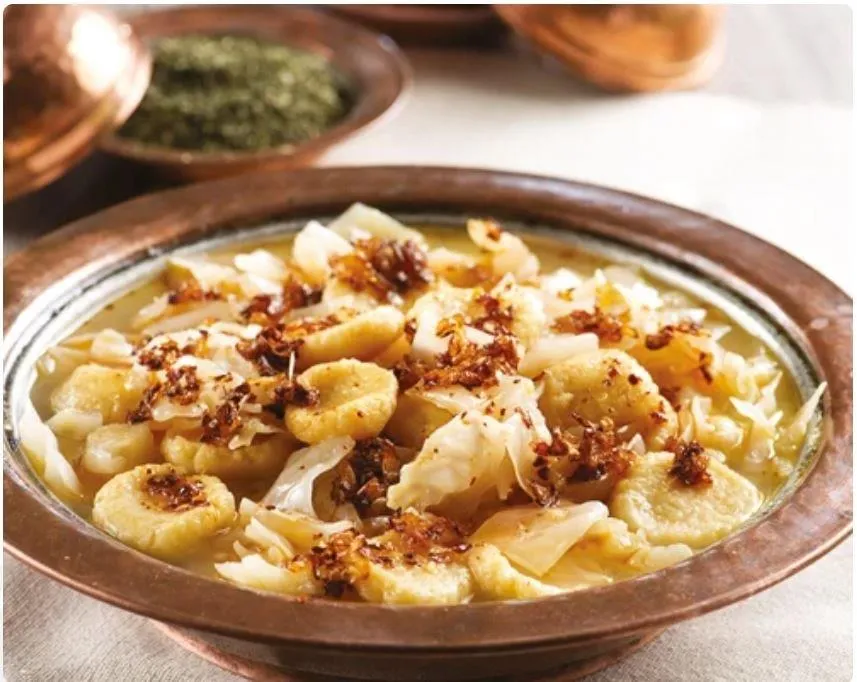
- 13:30 – 14:30: Lunch tasting local Ahlat katikli dolma (minced meat and bulgur stuffed squash) with garlic yogurt.
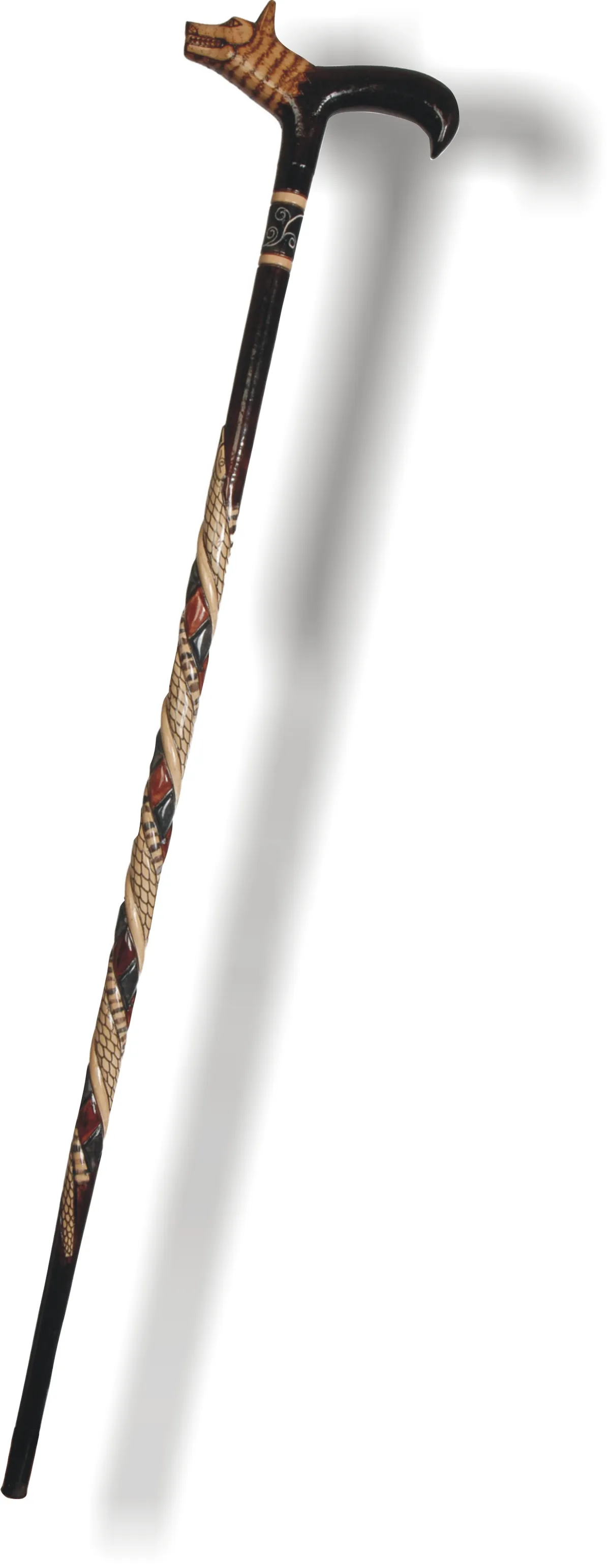
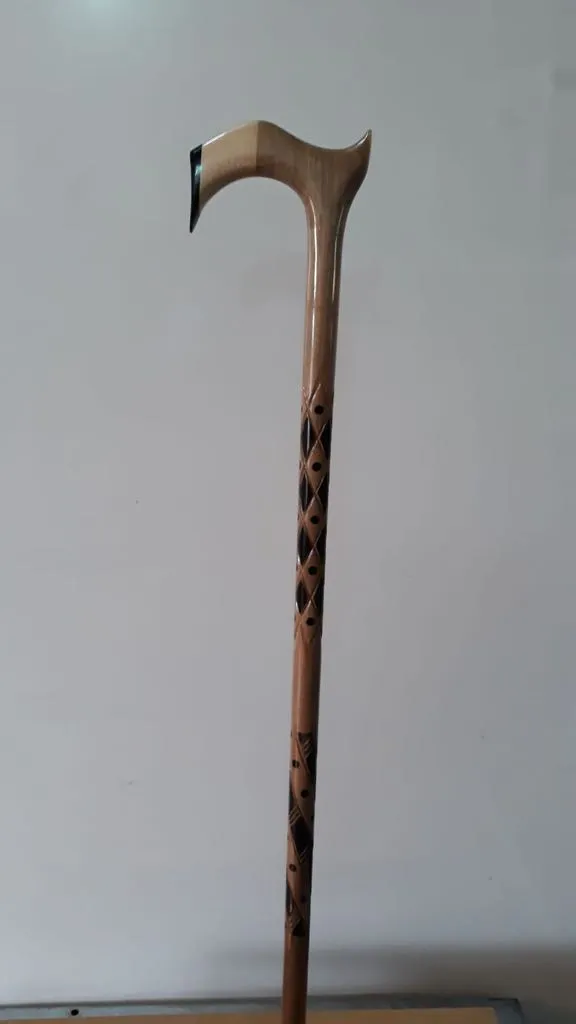
- 14:30 – 15:30: Shop for handcrafted Ahlat walking sticks inlaid with walnut wood and ram horn.
- 15:30 – 17:30: Drive to Bitlis to explore the monumental El-Aman Caravanserai and 13th-century Ihlasiye Madrasah.
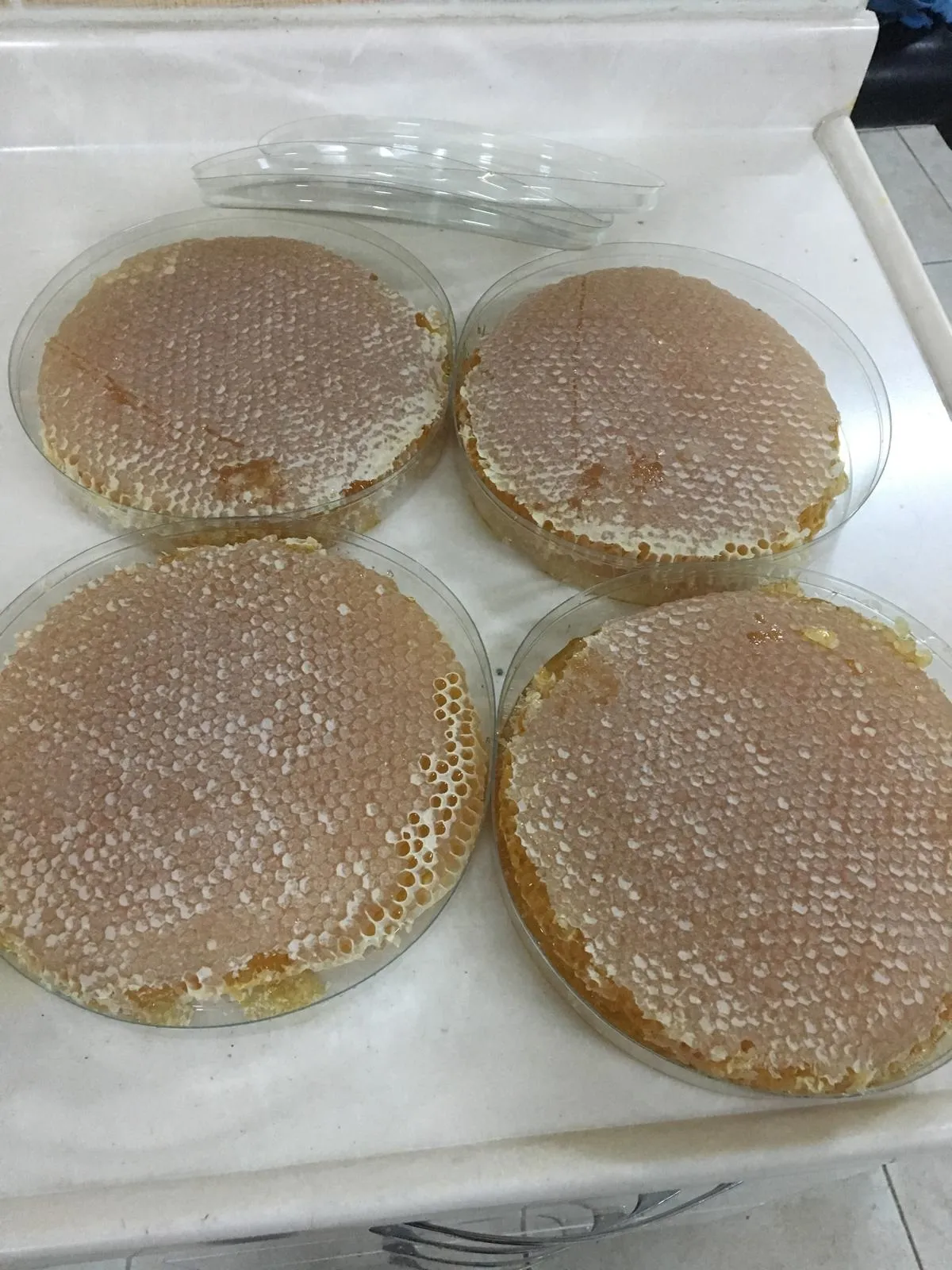
- 18:00 – 20:00: Tour the historic Serefiye Mosque and purchase pure high-altitude karakovan honey in the bazaar.
Real Transportation & Transit Guide (2026 Updated)
- Airport Access: Nearest airports are Mus Sultan Alparslan Airport (80 km) and Van Ferit Melen Airport (135 km); regular shuttle buses connect both to Tatvan.
- Railway Transit: The iconic Van Lake Express operates directly between Ankara and Tatvan Train Station, offering one of the most scenic train rides in Eurasia.
- Nemrut Caldera Access: In summer, local taxis and tour vans depart from Tatvan center; driving takes only 25 minutes via a paved road.
- Ahlat Transit: Shared minibuses and municipal buses depart Tatvan Bus Terminal for Ahlat every 15 minutes (35-minute trip).
- Parking Facilities: Spacious free parking is provided at Ahlat Seljuk Cemetery and Museum; designated camping and parking areas exist inside Nemrut Caldera.
Best Photography Spots & Framing Tips
- Caldera Rim Panorama: Use an ultra-wide angle lens from the southern ridge early in the morning to capture both the Cold Lake and Warm Lake in a single frame.
- Iligol Steam Fumaroles: In the cool dawn air, photograph the rising white steam plumes swirling above the vivid emerald water.
- Ahlat Stelae at Sunset: Capture side-lit relief details of dragons and lotus medallions on the red volcanic tombstones during golden hour.
- Emir Bayindir Colonnade: Frame the open columned gallery against the lush green valley using mid-range focal lengths.
- El-Aman Courtyard Arches: Capture symmetrical stone arch perspectives inside the cavernous 16th-century caravanserai hall.
Regional Gastronomy: What to Eat & Where
Bitlis Buryan Kebab
Geographically indicated delicacy. Whole young lamb slow-steamed for 3 hours inside 3-meter-deep wood-fired stone pits. Served fresh from 05:00 AM.
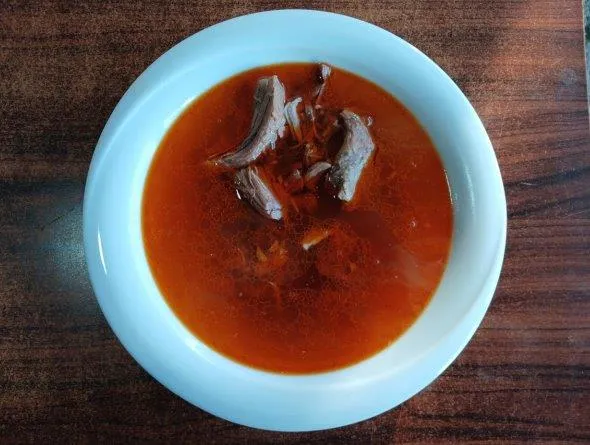
Avsor Soup
Hearty morning stew made with the savory bone broth of buryan kebab, shredded lamb, roasted peppers, and tomatoes.
Katikli Dolma
Tender carved squashes stuffed with bulgur and seasoned minced meat, served under a rich garlic yogurt and dried mint sauce.
Ahlat Walnuts & Karakovan Honey
Thin-shelled, high-oil Ahlat walnuts paired with 100% natural, unpasteurized honey harvested from traditional hollow-log hives in Hizan.
© 2026 Memleketim App - All Rights Reserved. Bitlis Tatvan Nemrut Caldera and Ahlat Travel Guide.