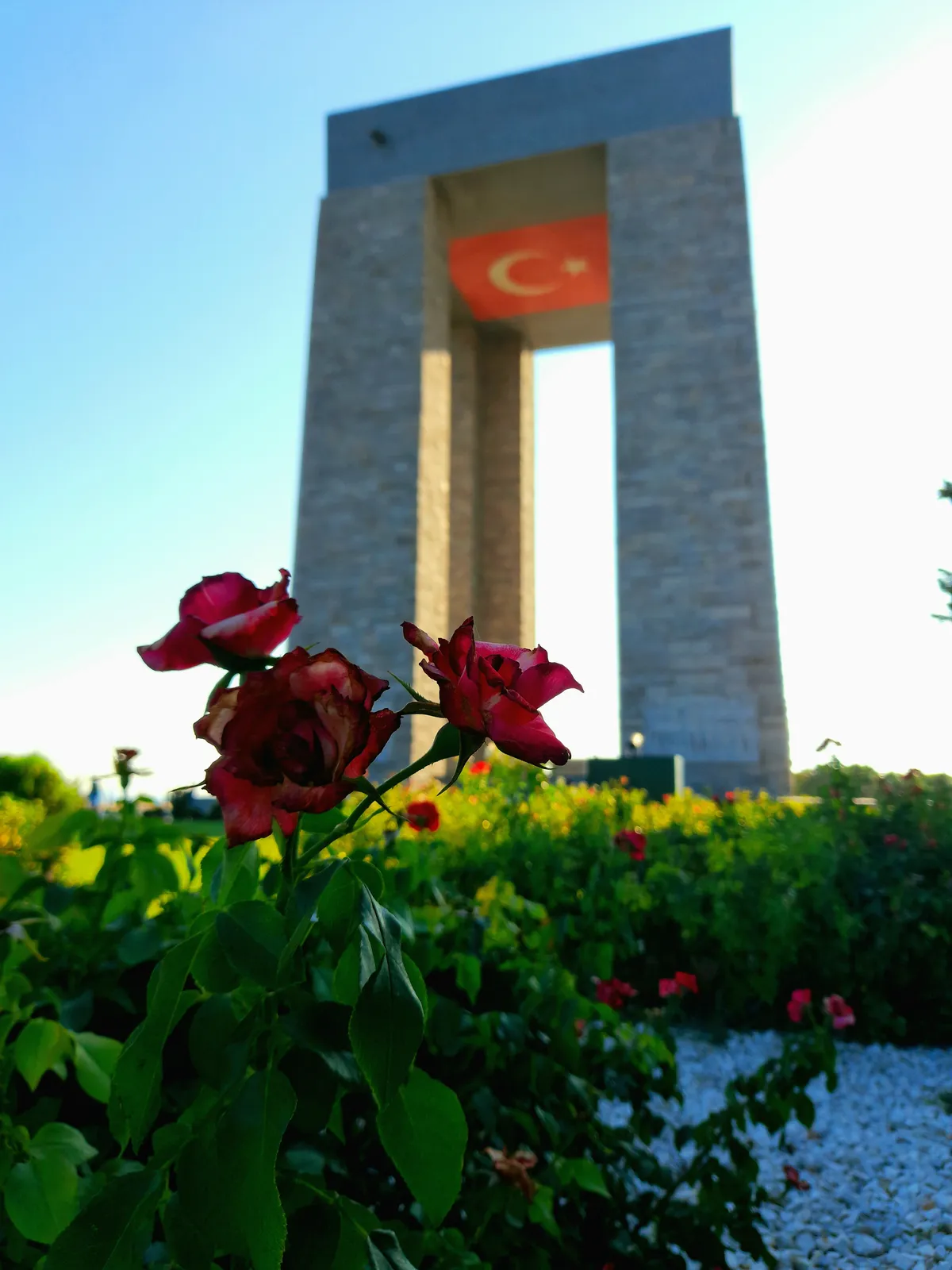
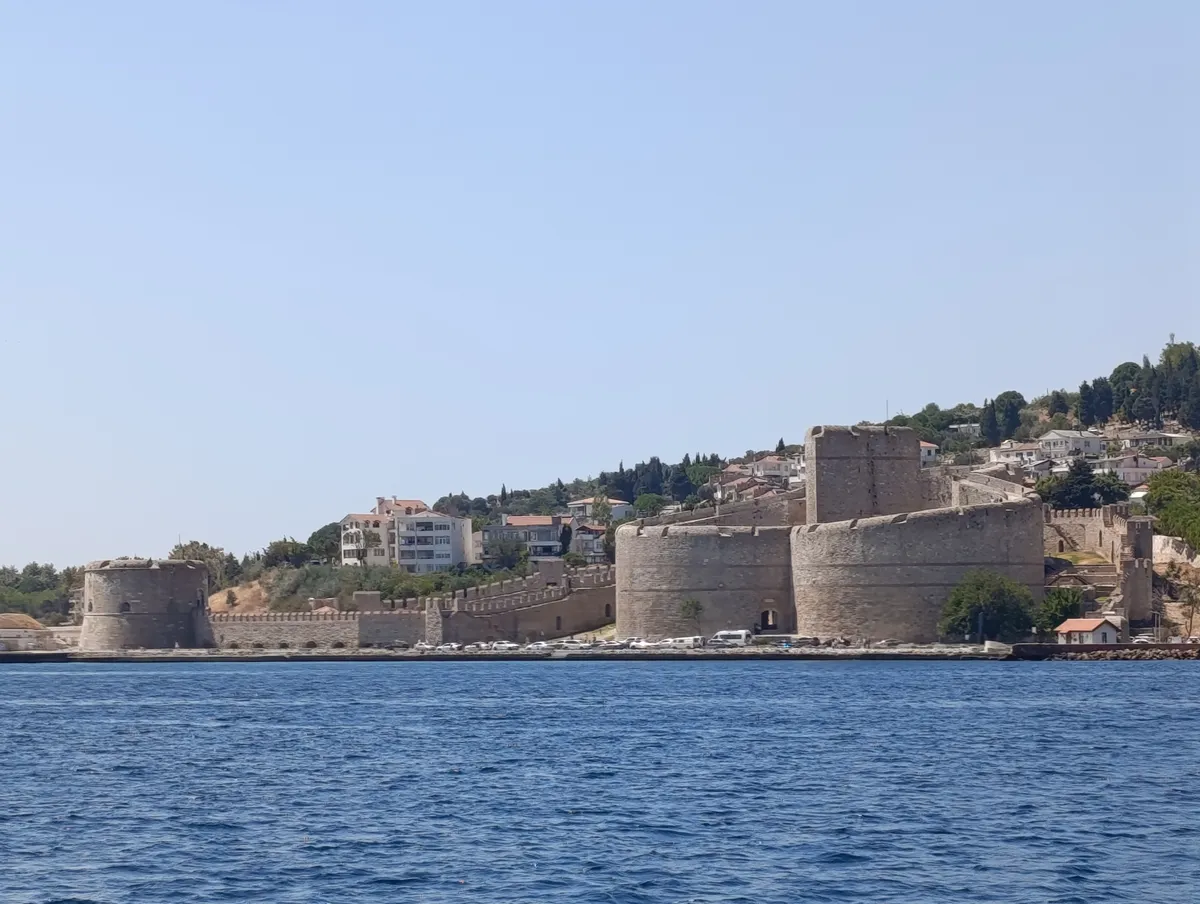
Stretching along the western shore of the Dardanelles Strait, the Historic Gallipoli Peninsula stands as sacred ground that witnessed one of the most tenacious and chivalrous defenses in world military history—the crucible from which modern Turkey was born. From the coastal bastions that made the strait impassable in the 1915 naval campaign to the cloverleaf ramparts of Kilitbahir Fortress built by Sultan Mehmed the Conqueror, the soaring four-pillared Çanakkale Martyrs' Memorial, the heroic 57th Infantry Regiment at Kılıçbayır, and Chunuk Bair (Conkbayırı) where Lieutenant Colonel Mustafa Kemal altered the course of history, Eceabat is an open-air sanctuary honoring valor, sacrifice, and global peace.
- History and National Memory: The 1915 Çanakkale Campaign, Strait Fortifications, and Spirit of Gallipoli
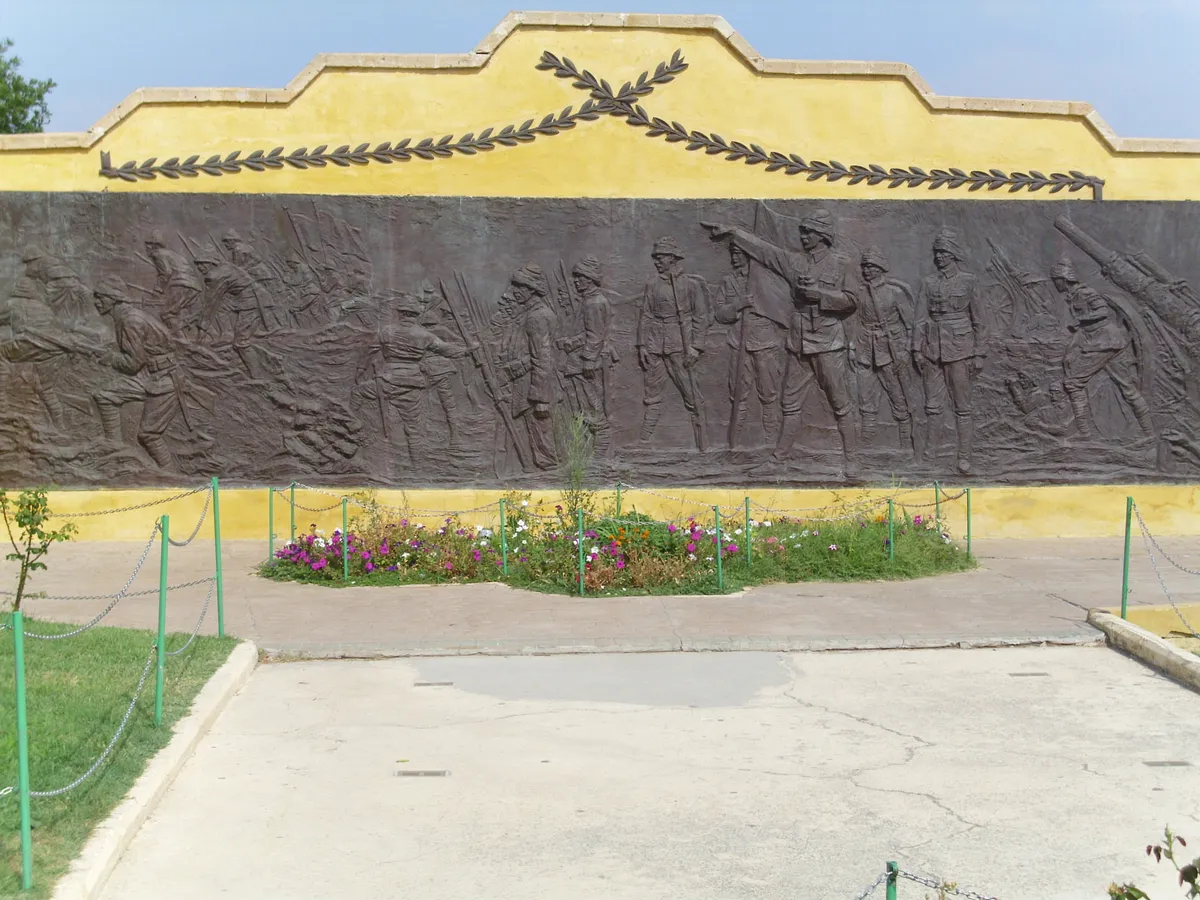
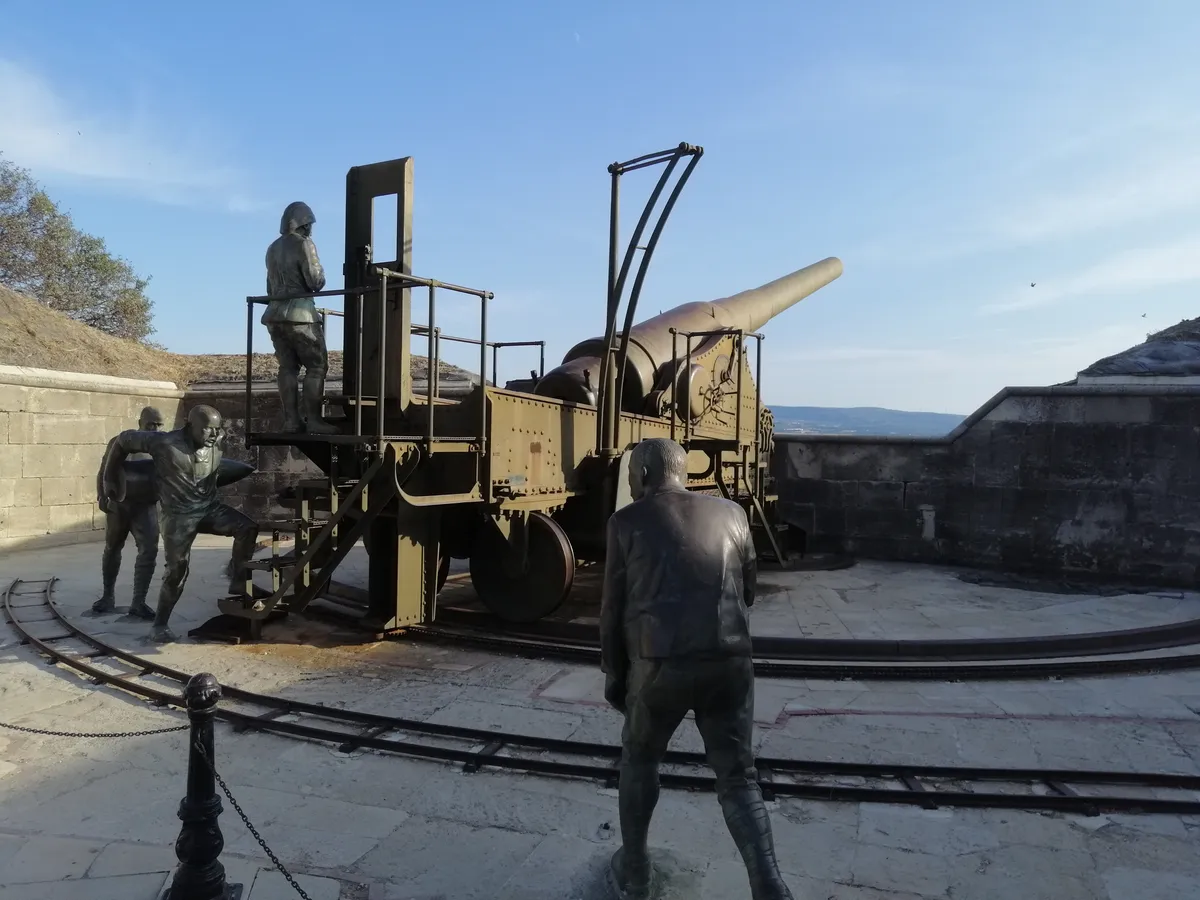
On March 18, 1915, the mighty Anglo-French naval armada launched an all-out assault aiming to force the Dardanelles and capture Constantinople. However, confronting the brilliant defensive strategy of the Strait Command, the covert minefield laid in Erenköy Bay by the minelayer Nusret, and the steadfast courage of Turkish shore gunners, the Allied fleet suffered its greatest naval disaster of the era. The legendary feat of Corporal Seyit (Seyit Onbaşı), who single-handedly hoisted a 276-kilogram artillery shell at the Rumeli Mecidiye Bastion to disable the HMS Ocean, came to epitomize the unyielding resilience of the defense.
Thwarted at sea, Allied forces initiated amphibious landings on April 25, 1915, across the beaches of Seddülbahir, Anzac Cove, and Kumkale. Rallying his men with the immortal words 'I do not order you to attack, I order you to die,' 19th Division Commander Mustafa Kemal led the counterattacks at Chunuk Bair and Kılıçbayır, halting the advance in ferocious hand-to-hand trench combat. Over eight and a half months of grueling struggle, Turkish soldiers preserved the homeland. Today, the Gallipoli Historical Site stands as an international peace park delivering a profound message of fraternity to all nations.
- Two-Day Comprehensive Itinerary: Fortress Bastions, Southern Front, and the Anzac Battlefields
Day 1: Kilitbahir Fortress, Corporal Seyit Bastion, Seddülbahir, Yahya Çavuş, and Martyrs' Memorial
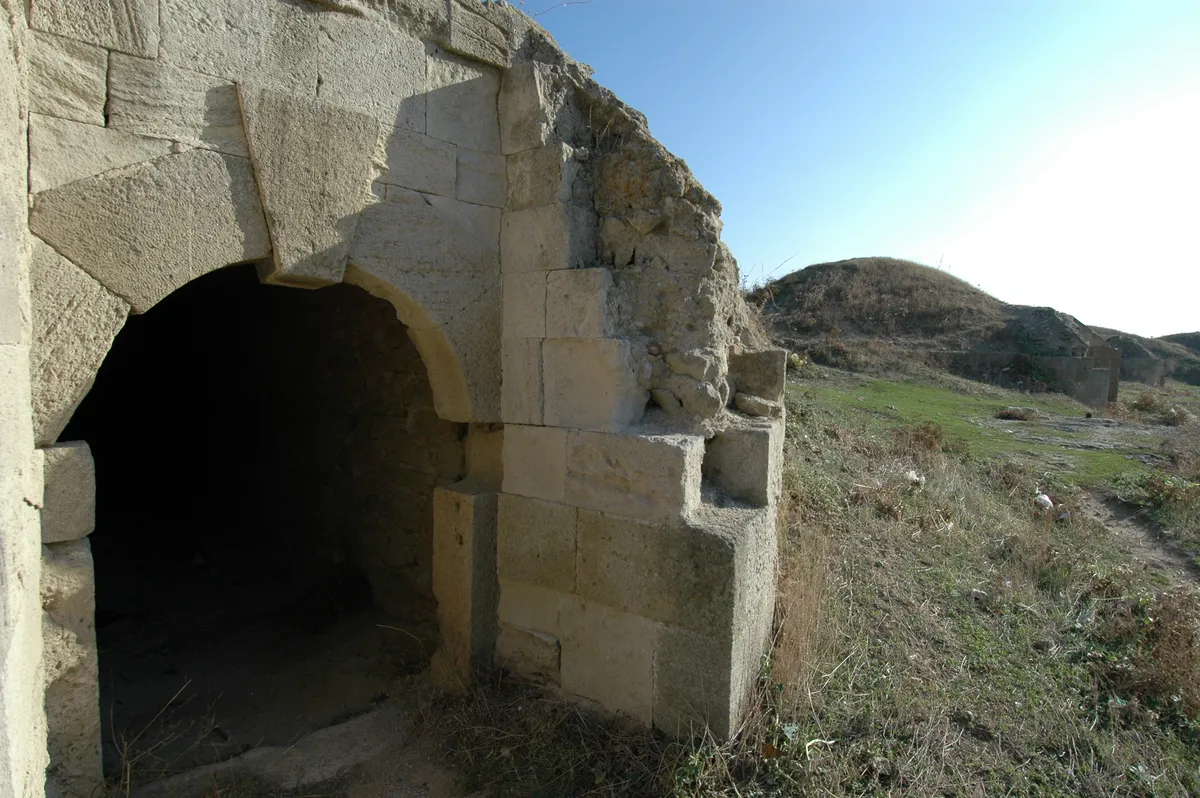
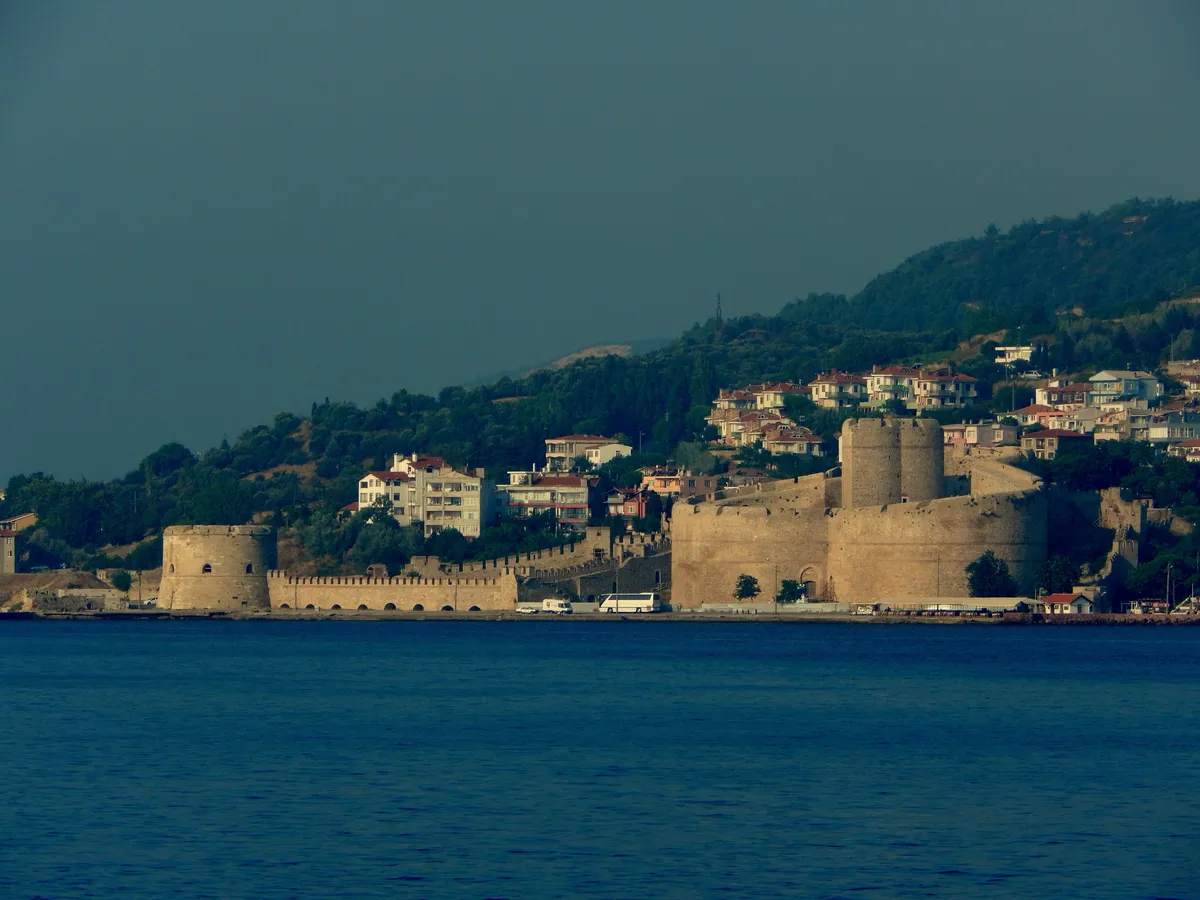
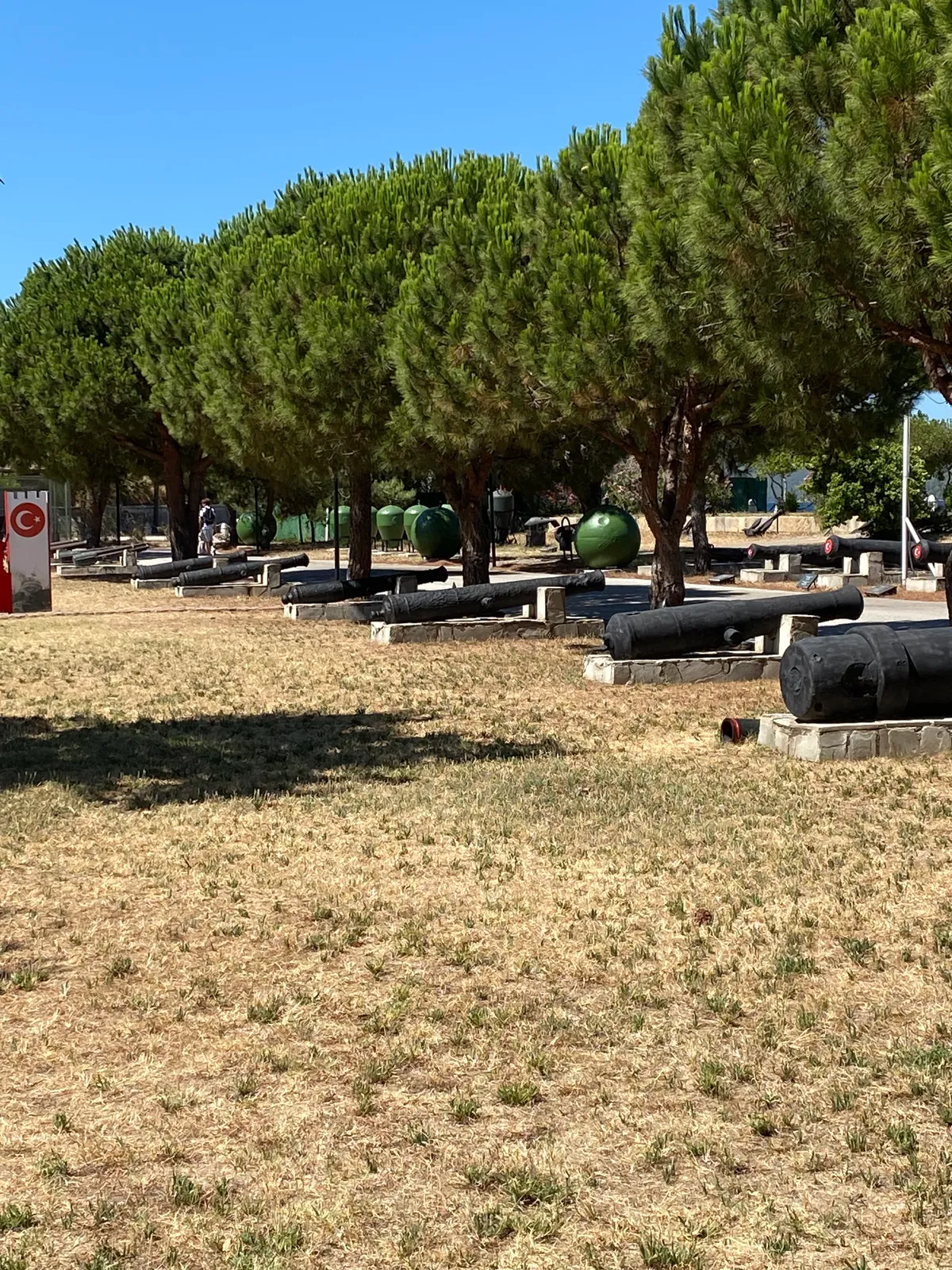
The commemorative journey begins at Kilitbahir Fortress ('Lock of the Sea'), constructed in 1462 by Sultan Mehmed II at the narrowest bottleneck of the Dardanelles. Its iconic trefoil cloverleaf ground plan and interior maritime museum highlight Ottoman defensive ingenuity.
Continuing southward along the coastal road leads to the Rumeli Mecidiye Bastion. Visitors stand before the historic heavy artillery piece and statue of Corporal Seyit, commemorating his superhuman act on March 18, 1915.
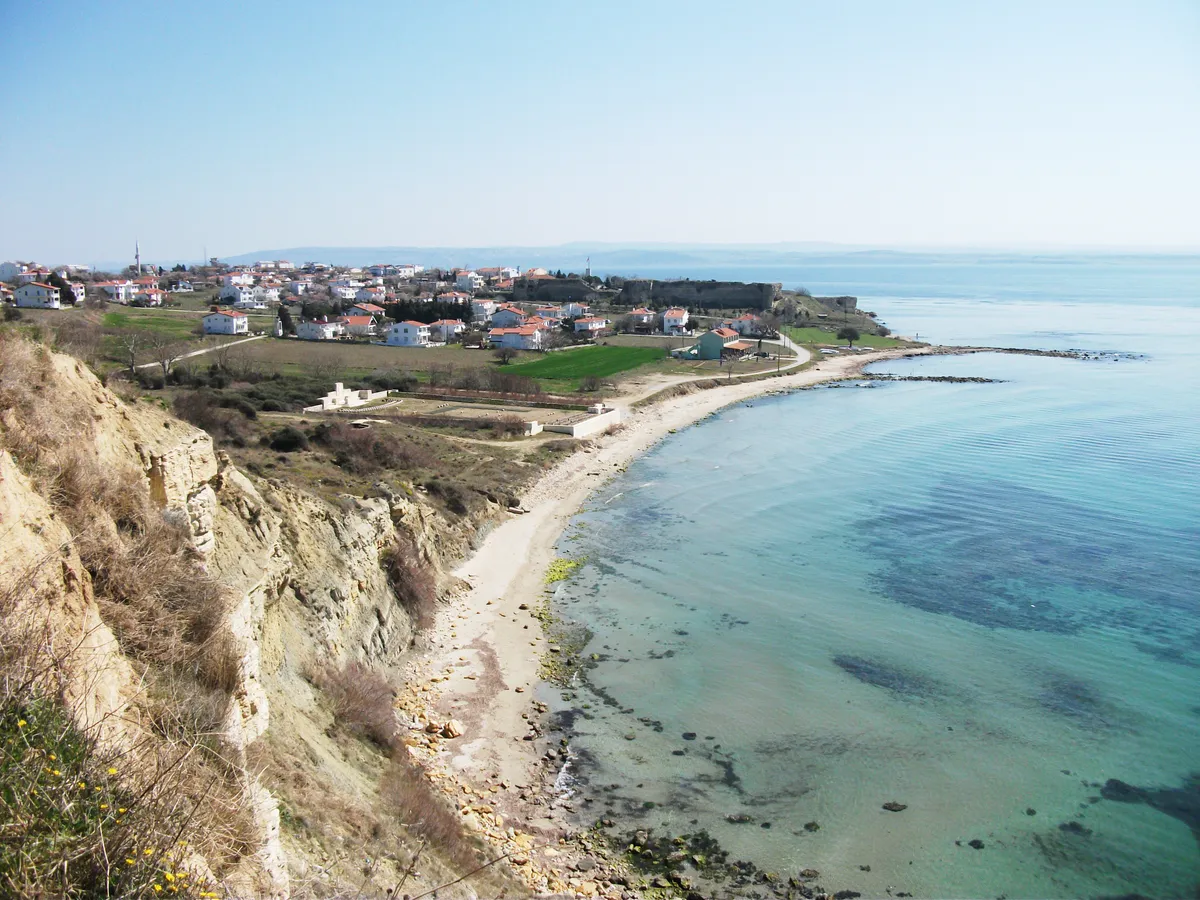
In the afternoon, travel to the southernmost tip of the peninsula at Seddülbahir. Explore the newly restored 17th-century Seddülbahir Fortress, commissioned in 1658 by Hatice Turhan Sultan and now functioning as an open-air museum.
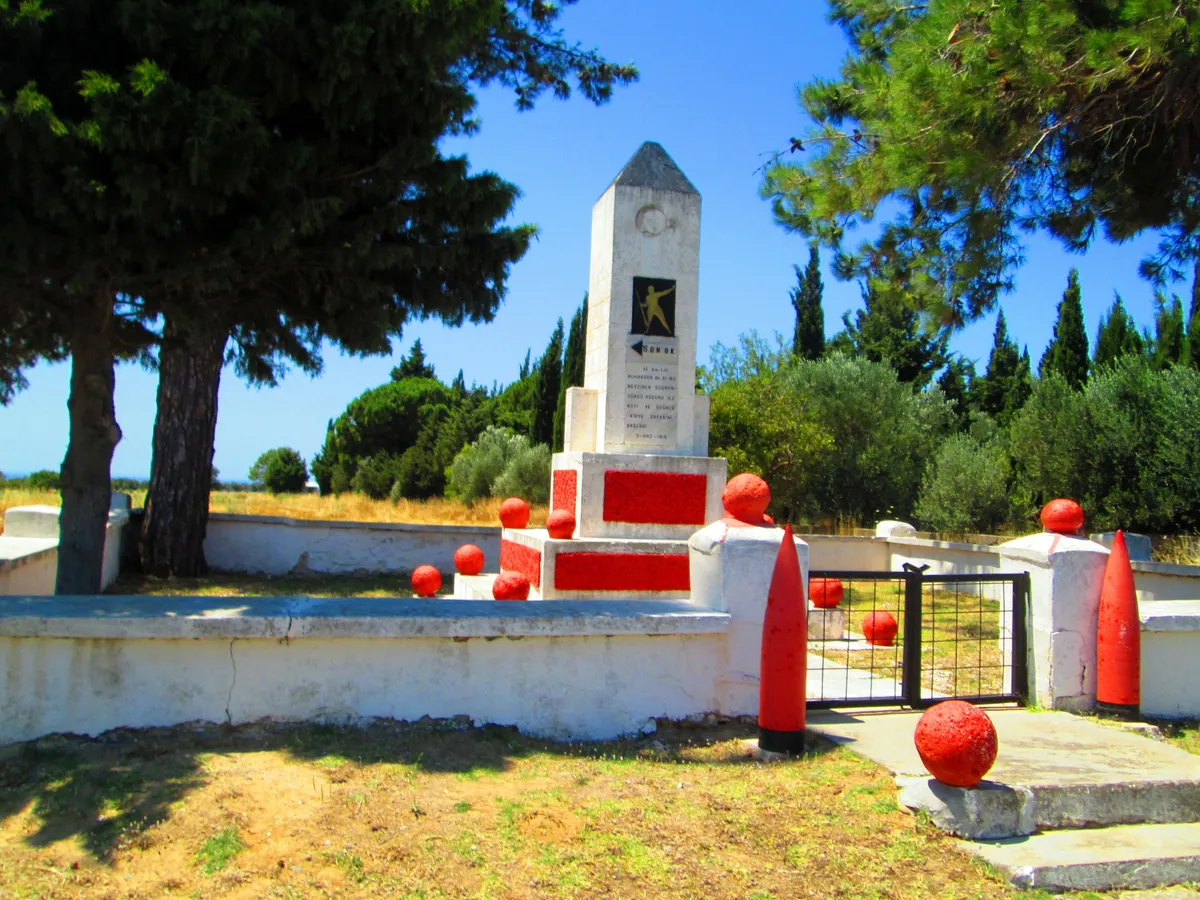
Adjacent to Seddülbahir lies Ertuğrul Bay (V Beach) and the Yahya Çavuş Memorial. Here, Sergeant Yahya and his single squad of soldiers held off an entire invading British division for critical hours on the morning of April 25.
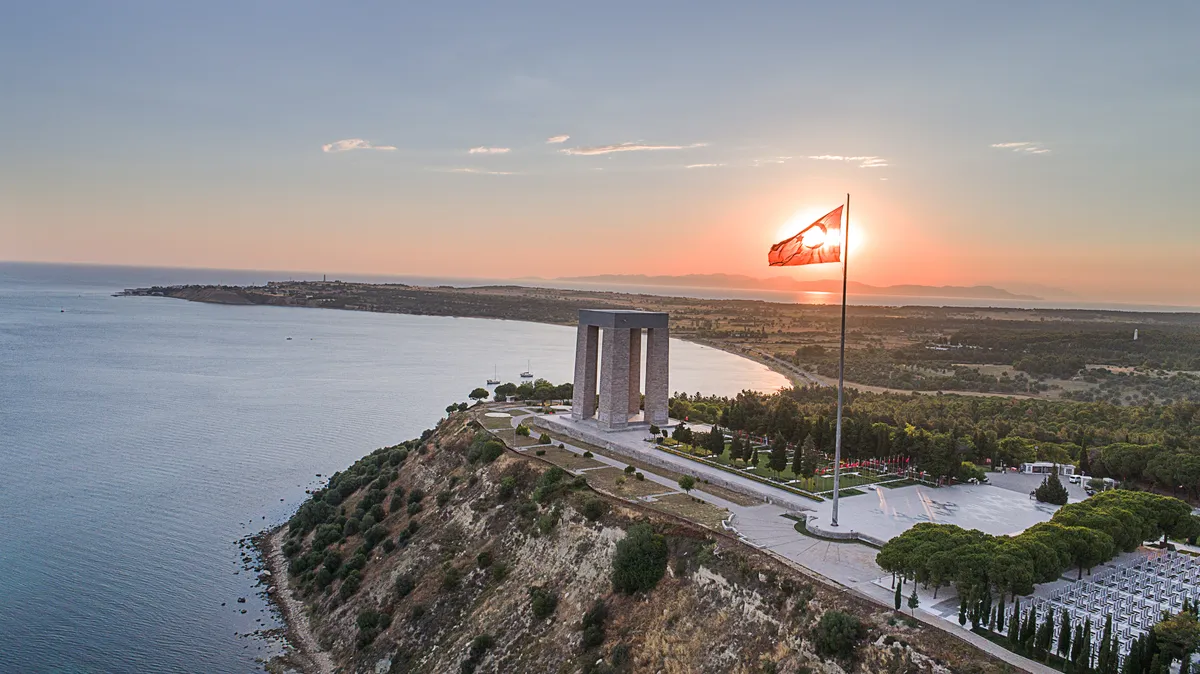
The first day concludes atop Hisarlık Hill at the Çanakkale Martyrs' Memorial, overlooking the confluence of the Dardanelles and the Aegean Sea. Pay homage among the symbolic gravestones, relief friezes, and the colossal Mehmetçik statue.
Day 2: Epic Presentation Center, Anzac Cove, Respect to Mehmetçik, 57th Regiment, and Conkbayırı
Day two begins at the Çanakkale Epic Presentation Center in Kabatepe. Featuring state-of-the-art 3D simulation halls, dynamic touchscreens, and authentic artifacts, the center provides deep strategic insight into the naval and land battles.
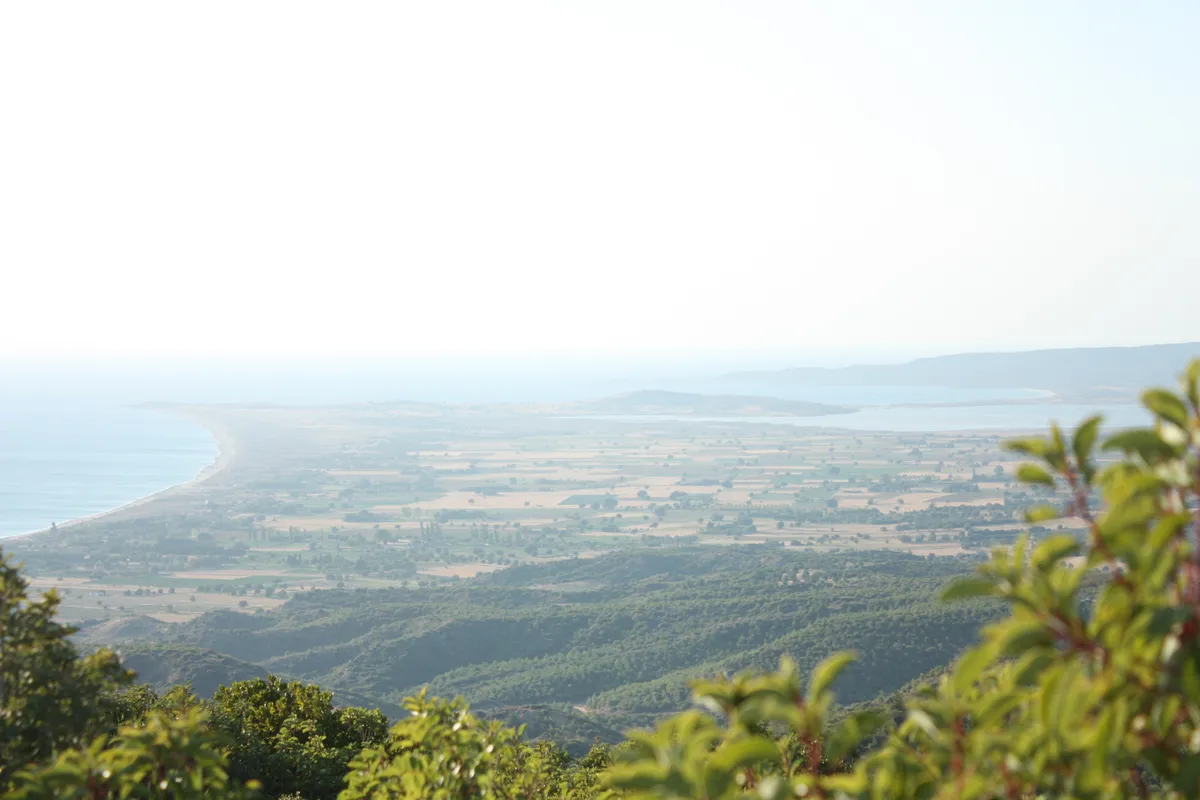
Journey northward to Arıburnu and Anzac Cove, where Australian and New Zealand Army Corps (ANZAC) troops landed in the pre-dawn darkness of April 25, 1915. View the rugged bluffs, the Anzac Commemorative Site, and coastal cliffs.
Ascending toward the ridge, stop at the Respect to Mehmetçik Monument, depicting a Turkish soldier carrying a wounded enemy soldier across no-man's-land to safety—a universal testament to battlefield compassion.
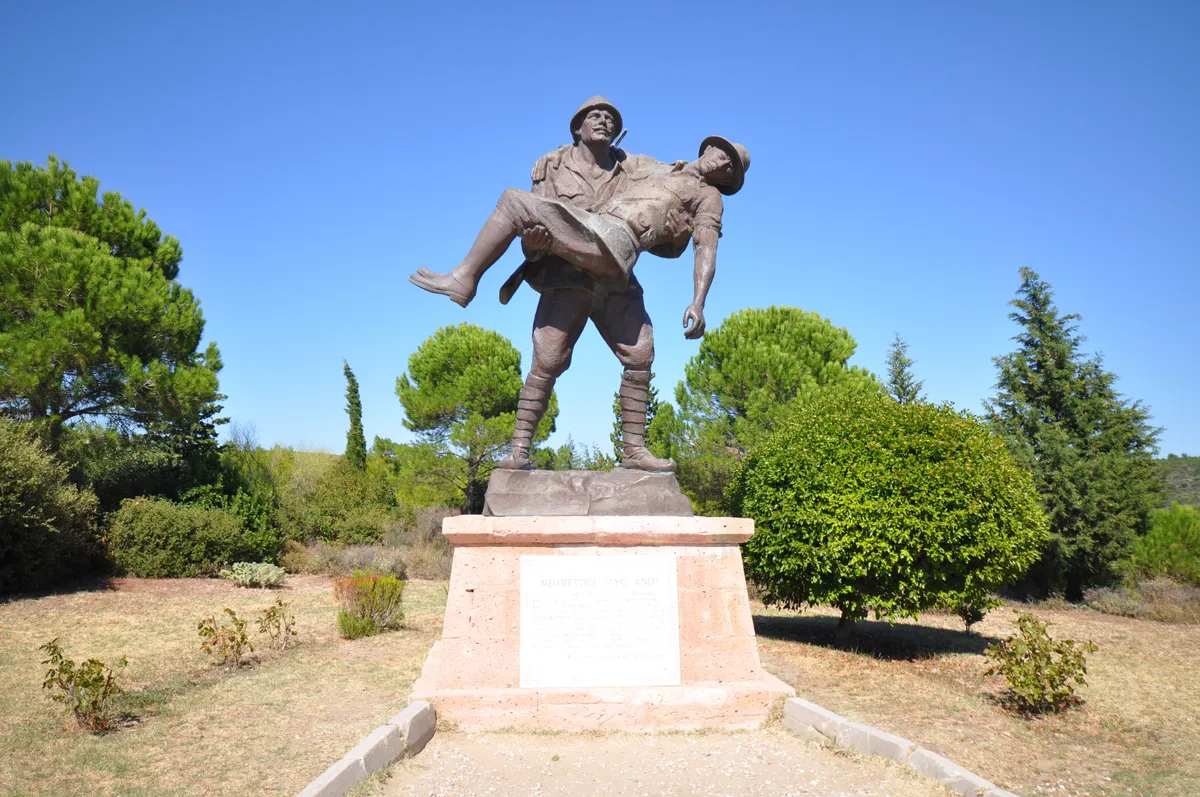
At Kılıçbayır, visit the poignant 57th Infantry Regiment Cemetery. Led by Lieutenant Colonel Hüseyin Avni Bey, nearly the entire regiment sacrificed their lives to hold the crest against relentless assaults.
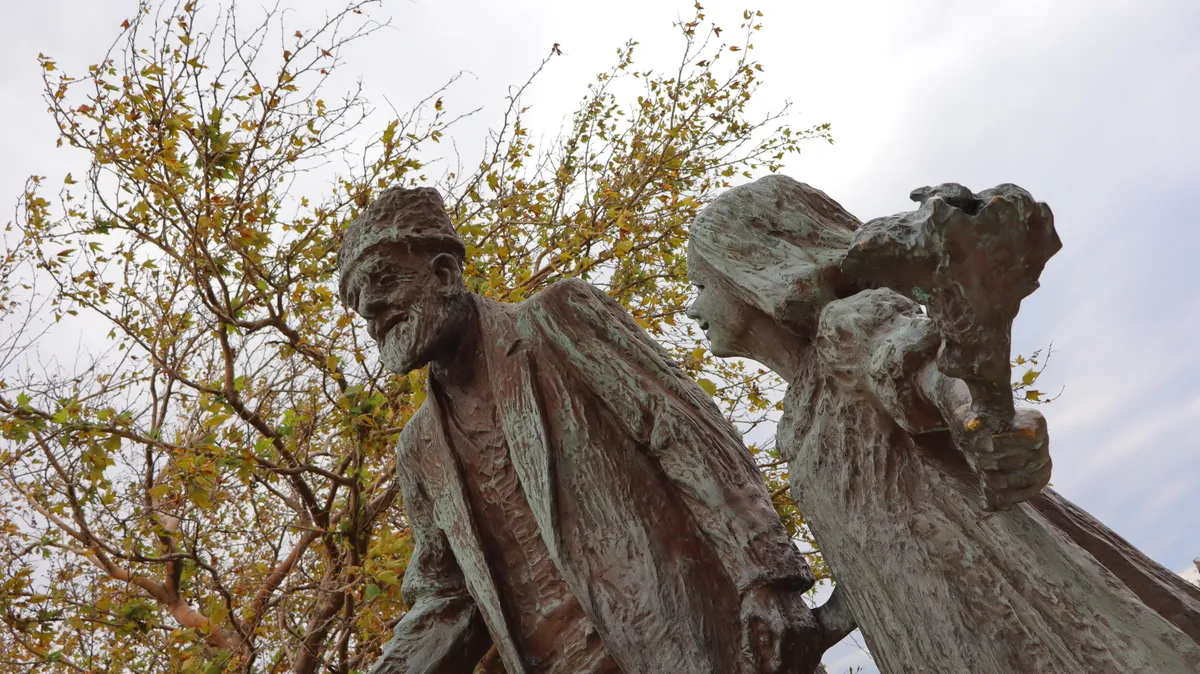
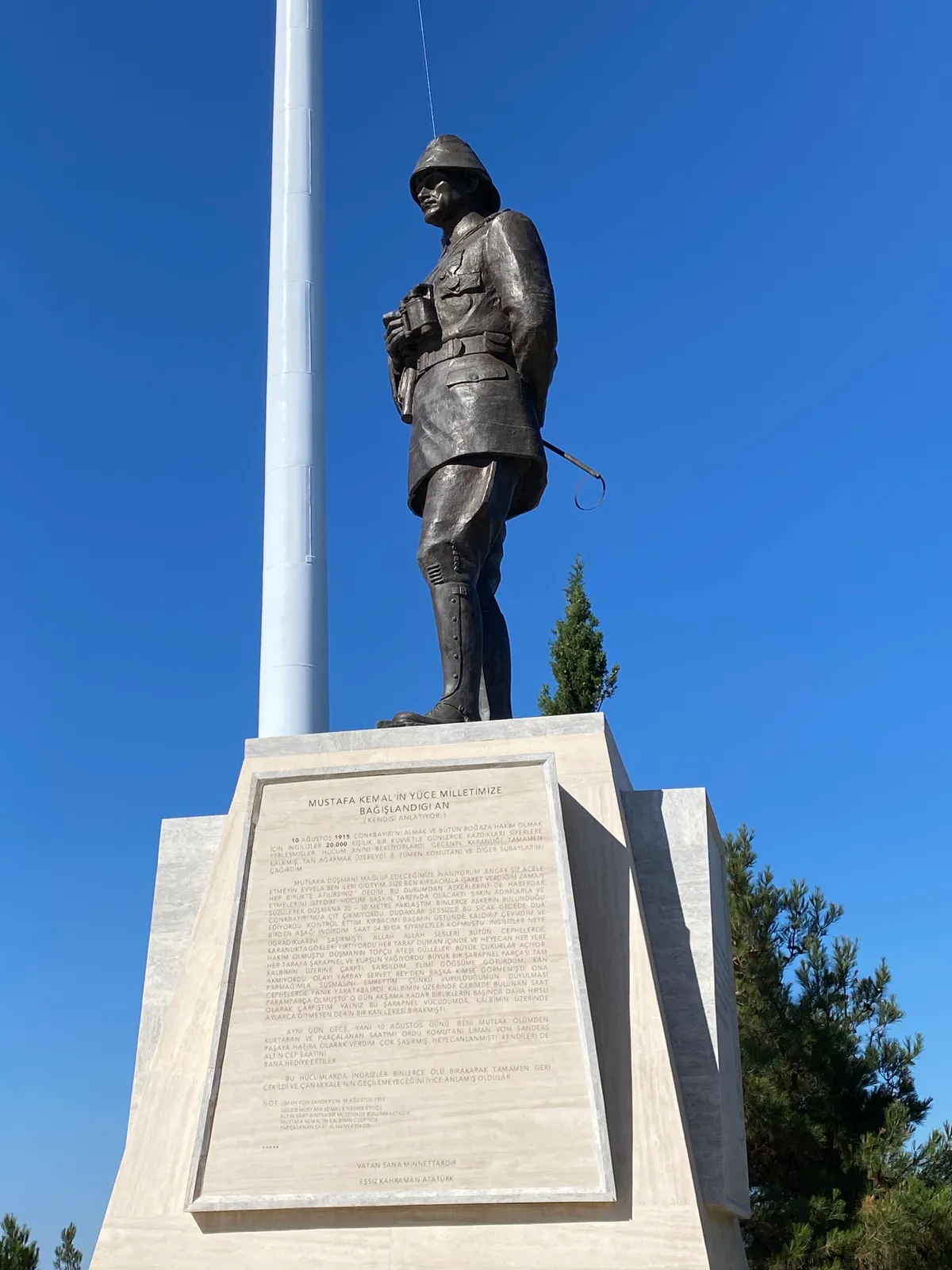
Conclude at Chunuk Bair (Conkbayırı), the 268-meter summit where Mustafa Kemal led the historic bayonet counterattack. A shattered pocket watch saved his life here when hit by shrapnel. From the monument, gaze out over both the Aegean Sea and the Dardanelles.
- Visiting Hours, 2026 Ticket Prices, and Historic Site Guidelines
- Open-Air Cemeteries and Memorials: The Martyrs' Memorial, 57th Regiment Cemetery, Chunuk Bair, and Yahya Çavuş Memorial are open 7 days a week from sunrise to sunset with free public access.
- Kilitbahir and Seddülbahir Fortresses: Managed by the Turkish Directorate of Gallipoli Historical Site; Turkish Museum Pass is accepted.
- Çanakkale Epic Presentation Center (Kabatepe): Open daily from 08:30 to 17:30. Advance booking for high-tech simulation sessions is highly recommended.
- Rumeli Mecidiye and Namazgah Bastions: Open daily with free admission.
- Sanctuary Etiquette: The battlefields are sacred resting places; picnicking, open fires, and loud behavior are strictly prohibited by law.
- Transportation and Navigation: Strait Ferries, 1915 Bridge, and Parking
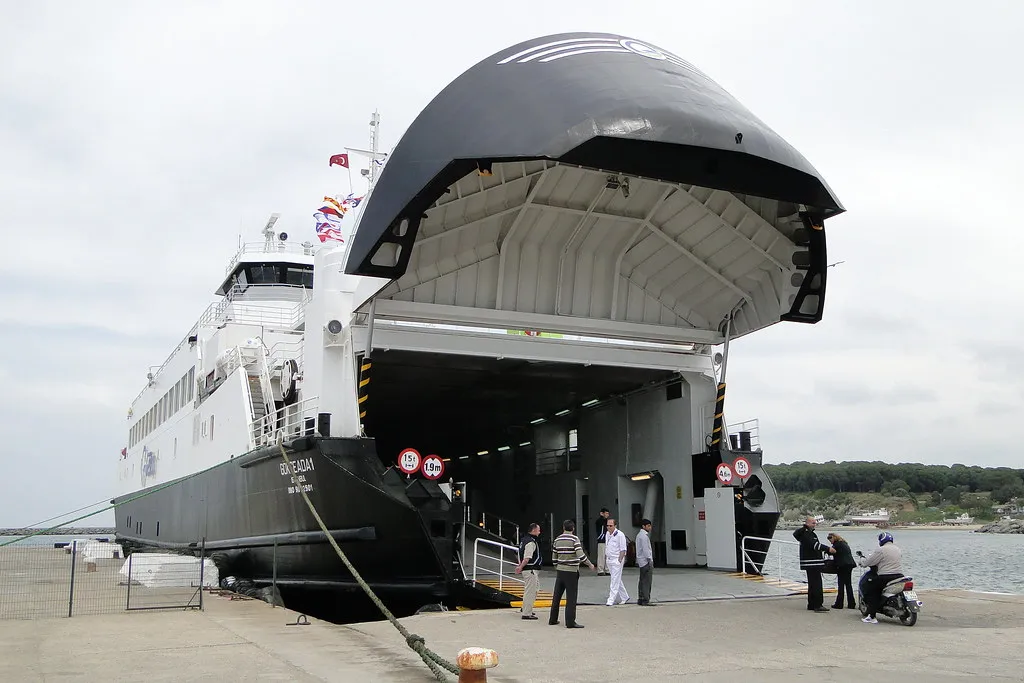
- Crossing the Dardanelles: GESTAŞ car ferries operate 24 hours daily from Çanakkale downtown pier to Eceabat and Kilitbahir (15-25 minutes crossing time).
- 1915 Çanakkale Bridge: Provides rapid motorway transit between Lapseki and Gelibolu; from the Gelibolu exit, Eceabat is reachable in 35 minutes via dual carriageway.
- Battlefield Road Network: Primary routes (Kilitbahir - Alçıtepe - Memorial and Eceabat - Kabatepe - Chunuk Bair) are fully paved with comprehensive directional signage.
- Public Transit & Guided Tours: Regular shuttle buses and certified guided coach tours depart directly from Eceabat ferry pier.
- Parking: Large-capacity free parking areas are provided at the Martyrs' Memorial, 57th Regiment Cemetery, and Chunuk Bair.
- Memorial Etiquette, Gastronomy, and Smart Traveler Tips
- Reverence and Respect: As these battlefields are cemeteries for hundreds of thousands, maintain a respectful demeanor, speak softly, and observe sanctuary solemnity.
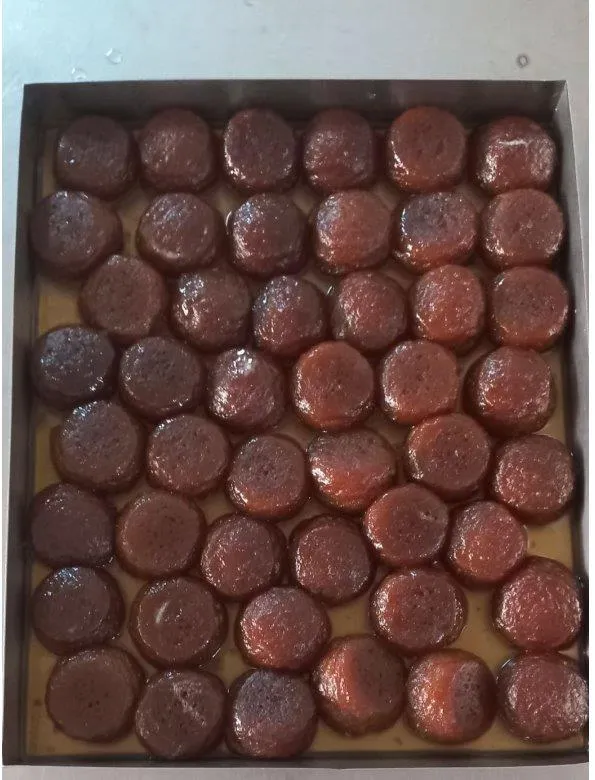
- Local Cheese Halva and Seafood: Sample freshly baked warm cheese halva (peynir helvası) at Eceabat harbor and enjoy grilled local sardines at seaside eateries.
- Weather Preparation: Chunuk Bair and the Martyrs' Memorial can be very windy; wear a windbreaker, comfortable walking shoes for trench exploration, and bring ample drinking water.
- Certified Field Guides: To fully comprehend the tactical and human dimensions of 1915, hire an official licensed field guide accredited by the Historical Site Directorate.
- Early Morning Start: Especially during summer and national commemoration days (March 18, April 24-25), commence your tour early to avoid traffic and midday heat.