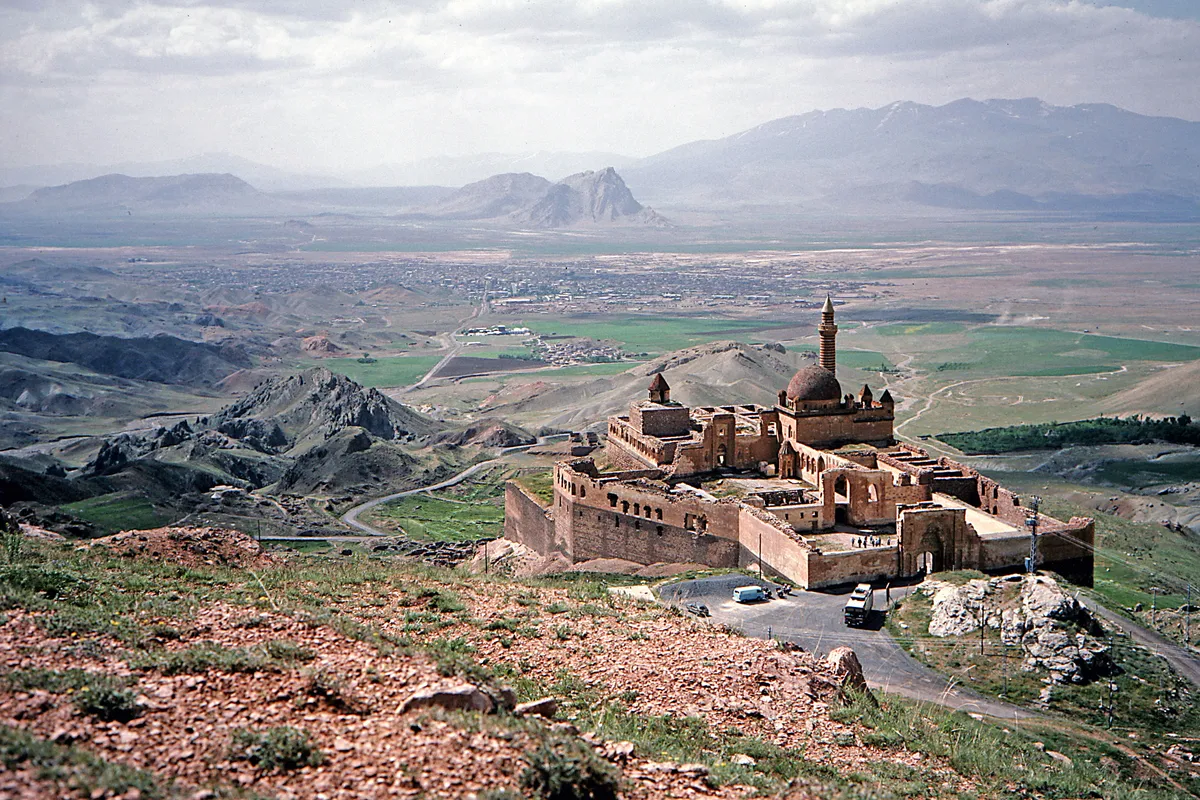
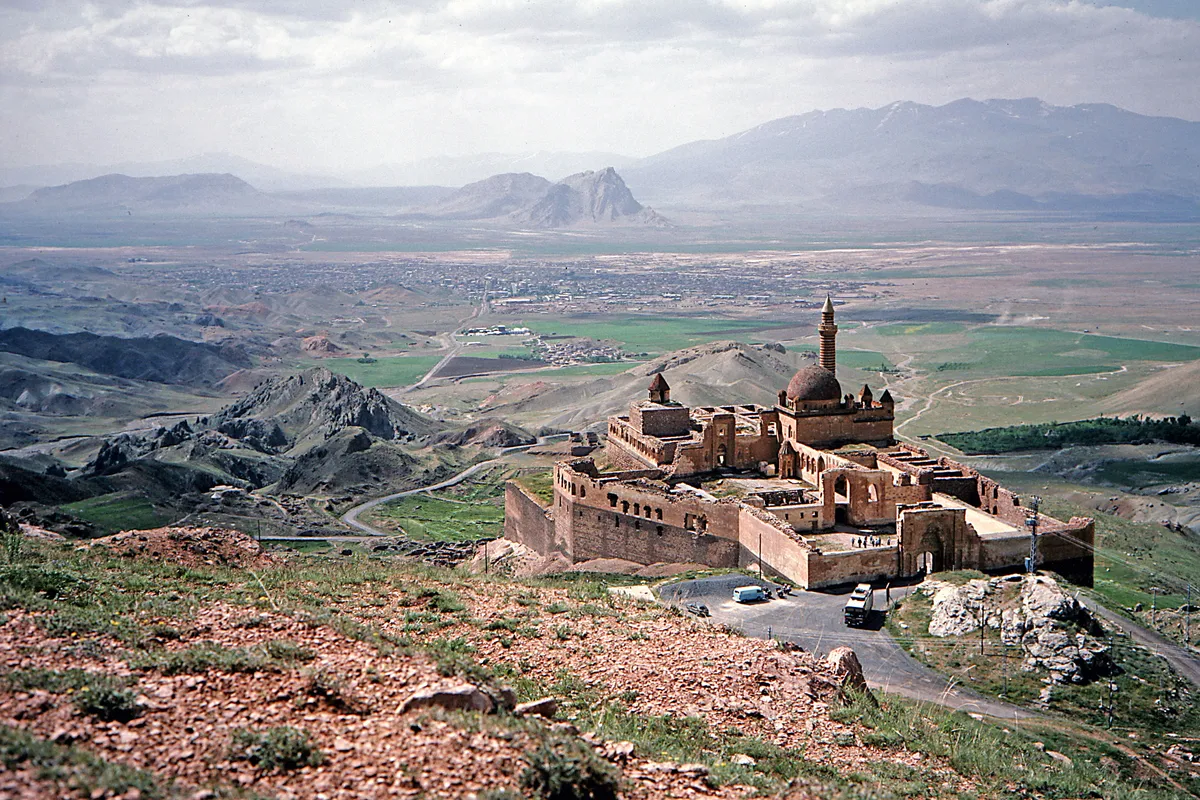
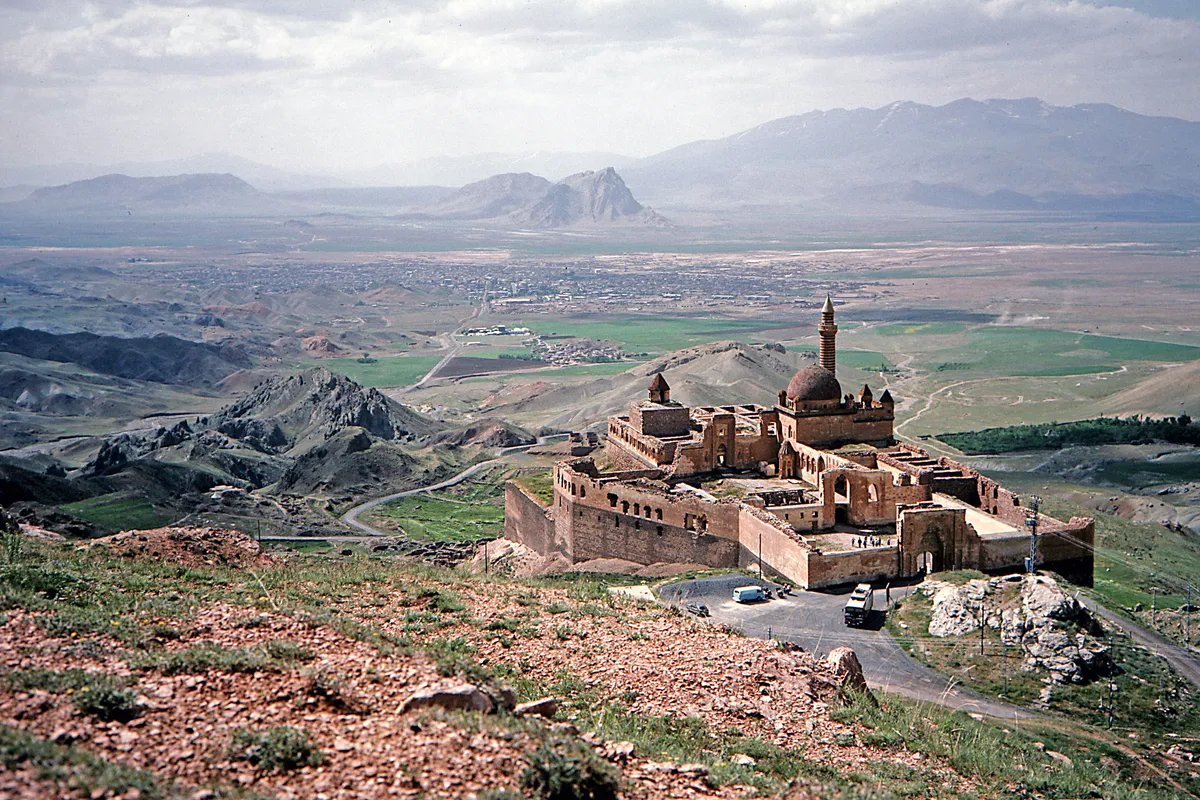
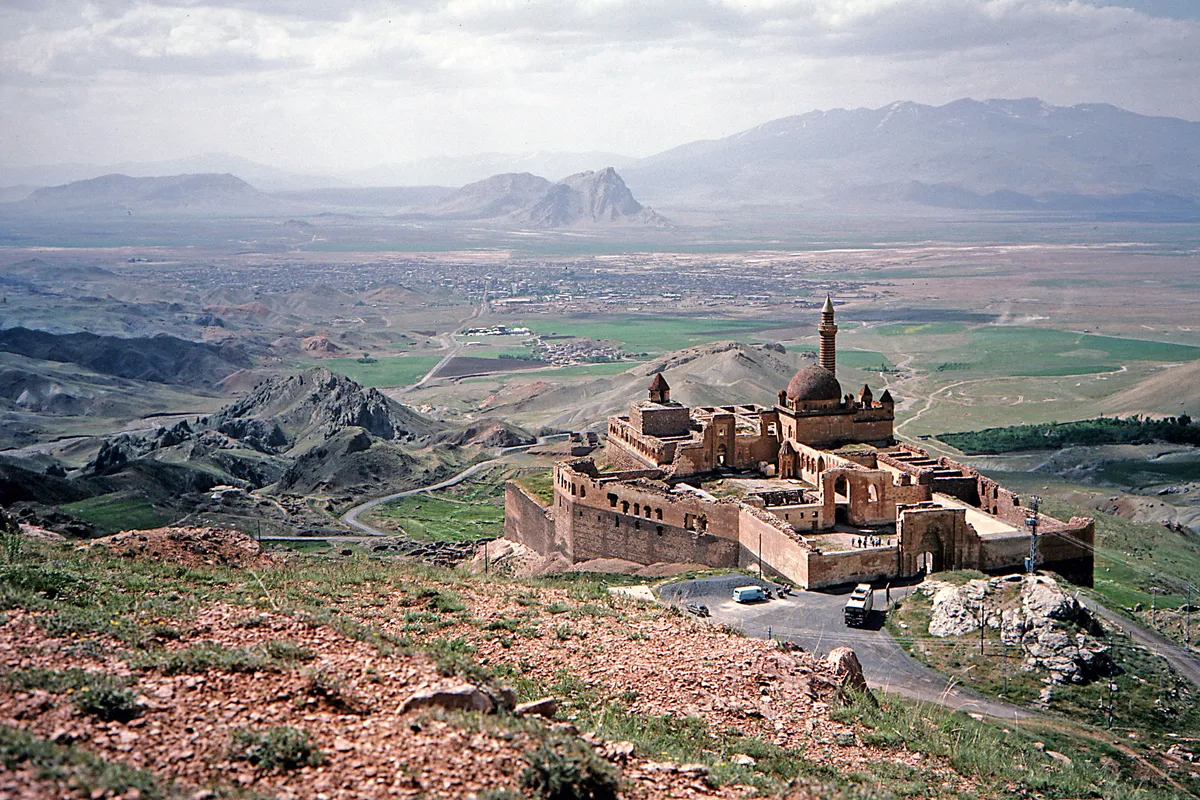
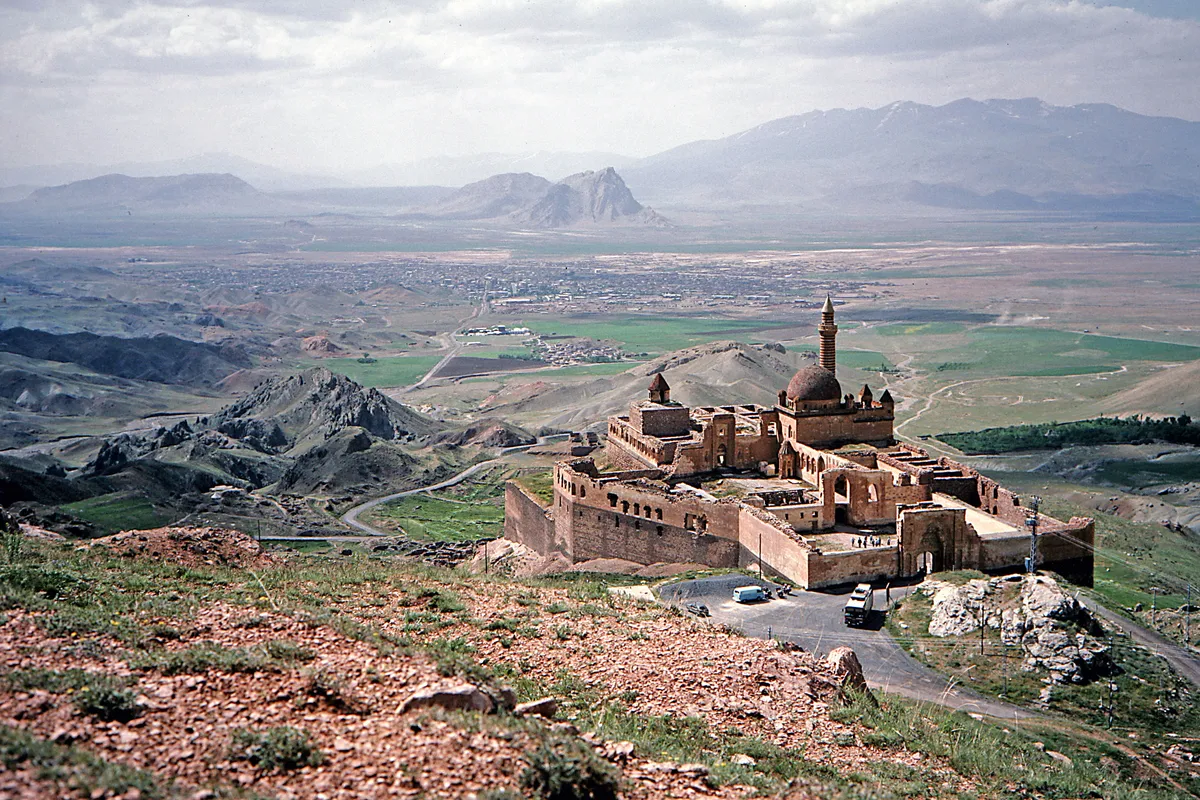
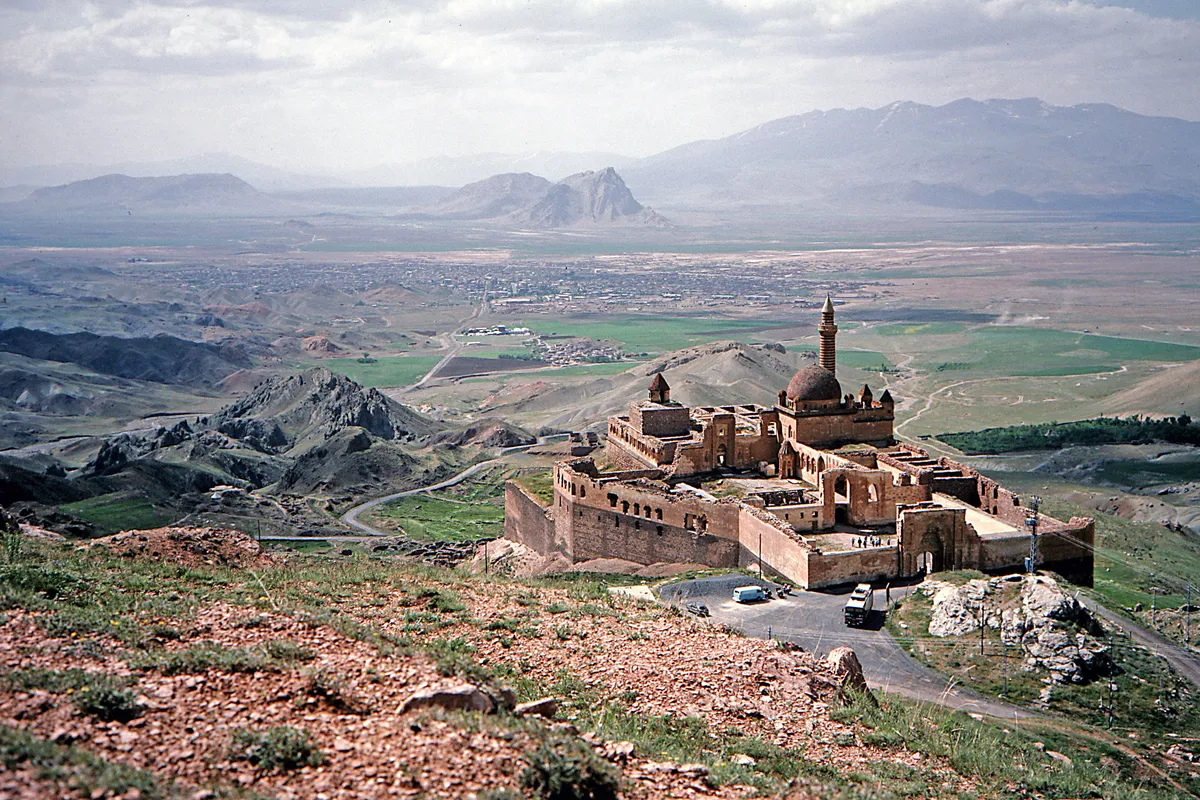
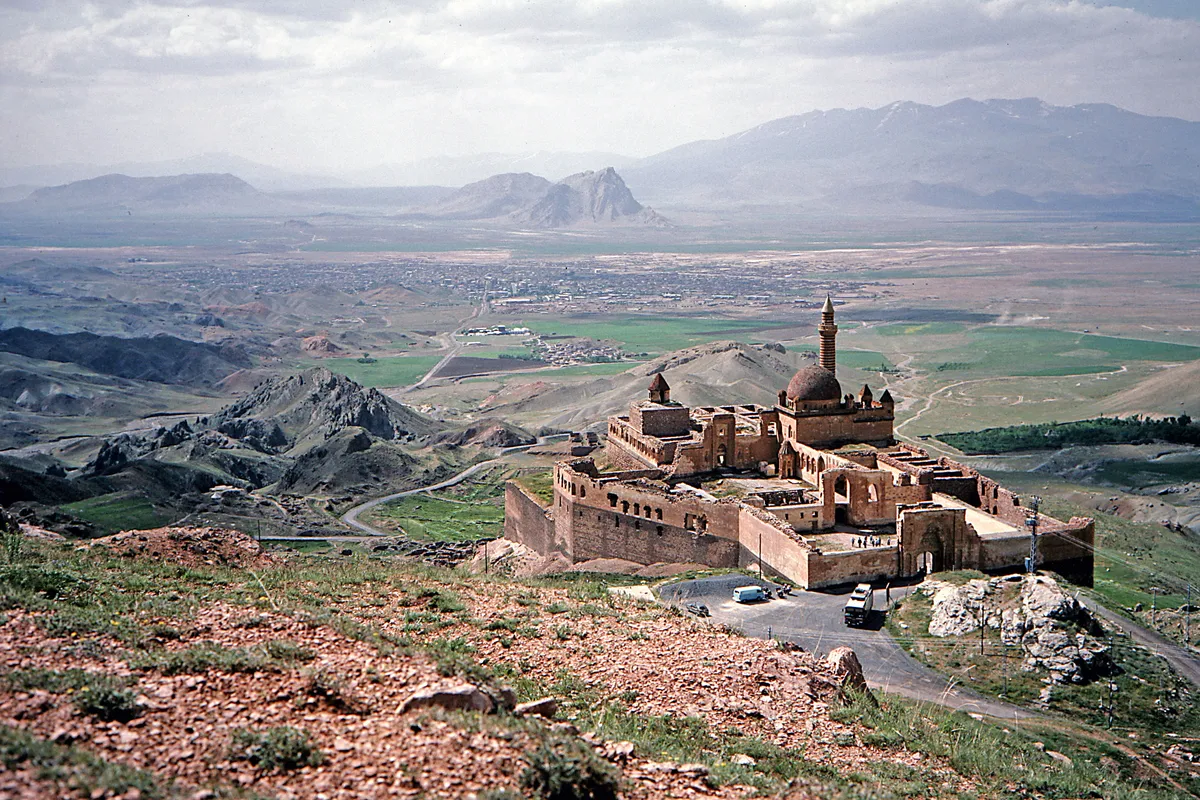
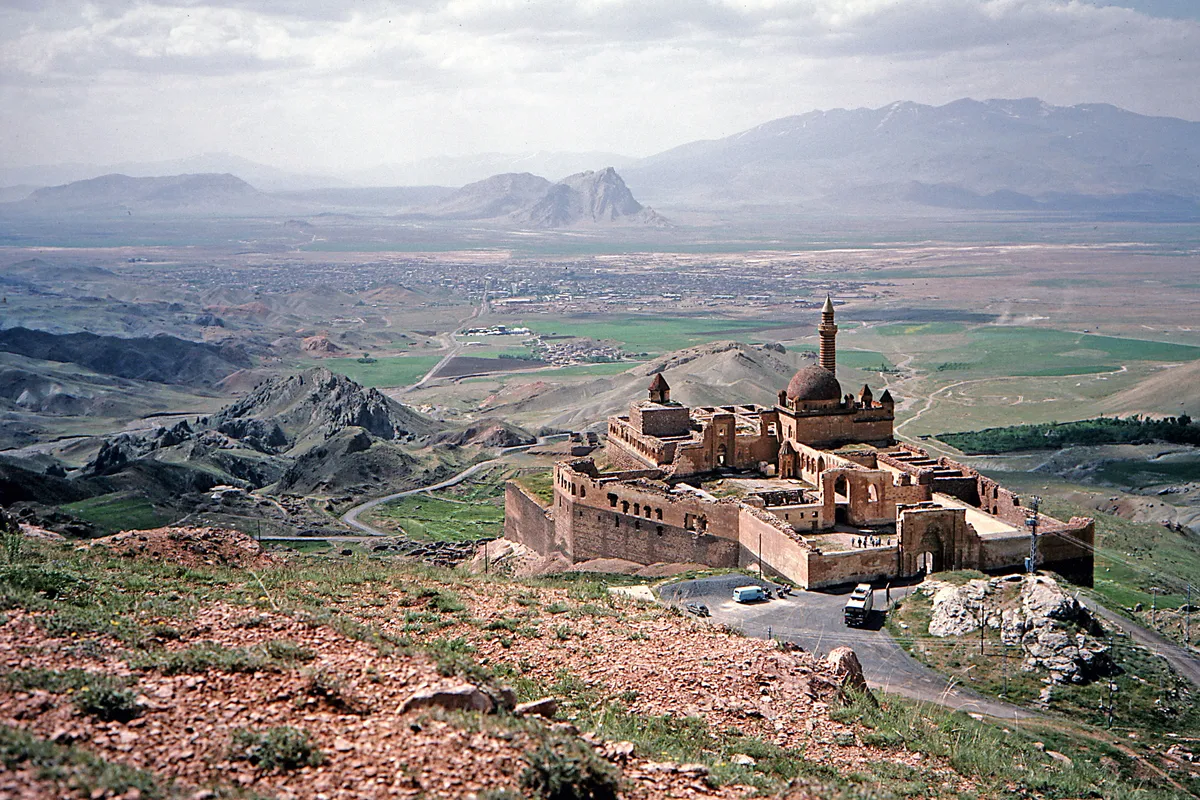
Rising majestically on a rugged plateau beneath the snow-crowned, sky-piercing 5,137-meter volcanic summit of legendary Mount Ararat, Ishak Pasha Palace (İshak Paşa Sarayı) appears as if plucked straight from the pages of Arabian Nights. Constructed over 99 years between 1685 and 1784 by Ottoman hereditary governors Colak Abdi Pasha and his son Ishak Pasha, this monumental complex ranks second only to Istanbul's Topkapi Palace in Ottoman imperial scope. In world architectural history, it is celebrated as the first palace complex to feature a centralized heating and underground sewage network.
2-Day Eastern Pearl Itinerary: Dogubayazit and Mount Ararat
To immerse yourself in Dogubayazit's storied Silk Road caravans, admire baroque-infused stone masonry, visit revered spiritual shrines, and gaze upon Turkey's highest peak, a well-paced two-day itinerary is recommended. Day one centers on Ishak Pasha Palace, the Urartian fortress, and the Ahmed-i Hani complex; day two is dedicated to the geological marvel of Noah's Ark, the massive Sarikaya meteor crater, and alpine slopes of Mount Ararat.
Day 1: Ishak Pasha Palace, Harem Apartments and Seljuk Stone Carvings
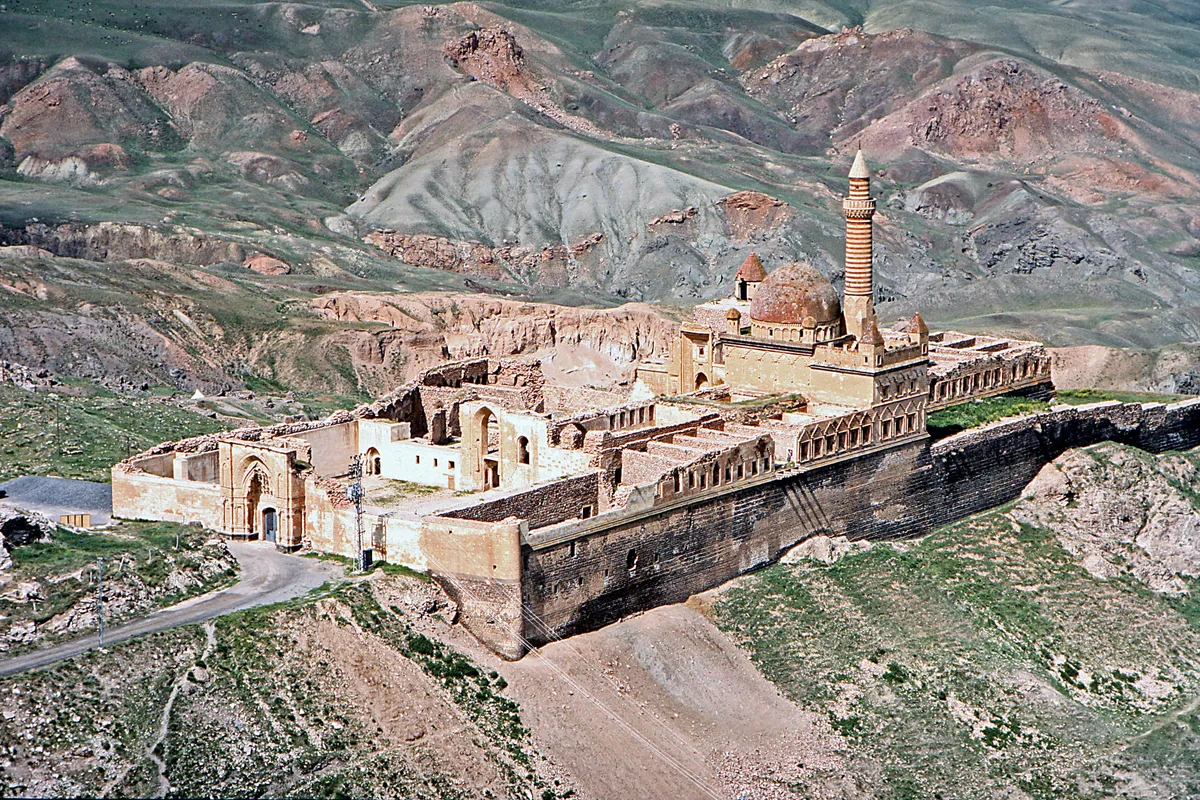
Begin early in the morning by entering through the palace's monumental portal gate, adorned with high-relief Seljuk interlaced foliage, Ottoman Tulip Era palmettes, and European Baroque motifs. The 116-room palace complex incorporates guard barracks, ceremonial reception halls, a domed mosque, royal harem quarters, kitchens, bakeries, and imperial baths. Ducts routed through stone cavity walls circulated wood-fired steam to heat the entire palace, representing an unprecedented engineering triumph for the 18th century.
Dogubayazit Urartian Fortress and Old Bayazit Mosque
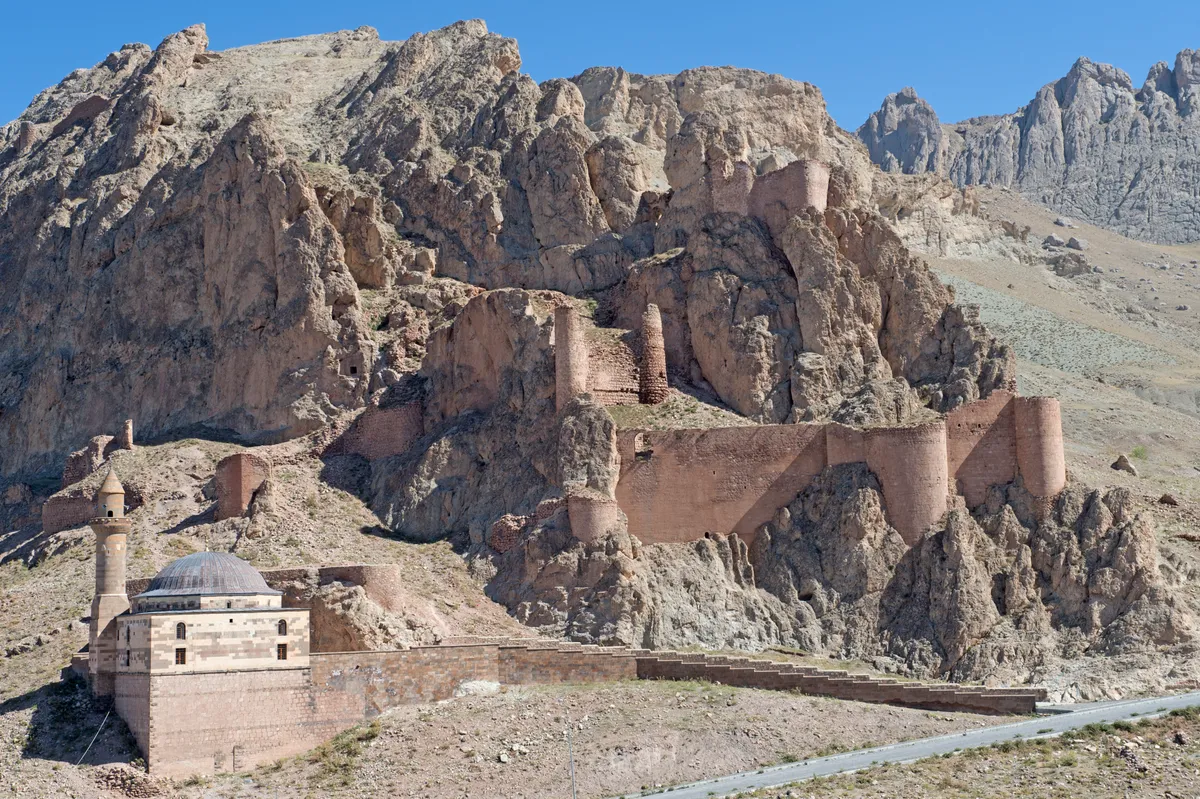
Directly across from the palace, clinging to vertical crags like an eagle's aerie, stands the ancient Dogubayazit Fortress, founded around 800 BC during the reign of Urartian King Argishti I. At the foot of the fortress rocks sits the Old Bayazit Mosque, built in 1514 under Ottoman Sultan Selim I following the Battle of Chaldiran.
Ahmed-i Hani Mausoleum and Cultural Ethnography House
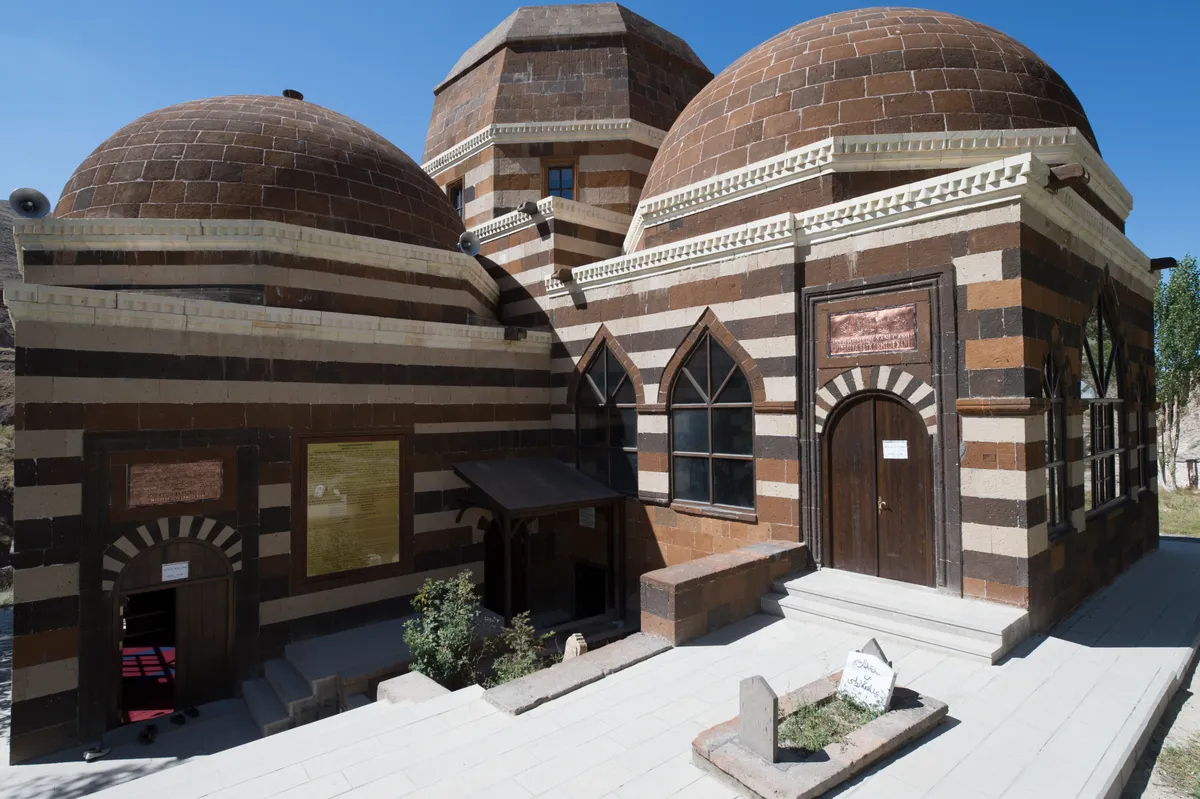
Ascending the slope behind the palace, pay your respects at the Ahmed-i Hani Tomb and Complex, resting place of the esteemed 17th-century Islamic philosopher, astronomer, and author of the celebrated epic "Mem û Zîn". Adjacent to the shrine, the Ahmed-i Hani City Museum & Ethnography House preserves regional heritage, traditional nomad tapestries, and waxwork depictions of ancient bardic dengbêj storytellers.
Day 2: Mount Ararat Summit, Noah's Ark Silhouette and Natural Wonders
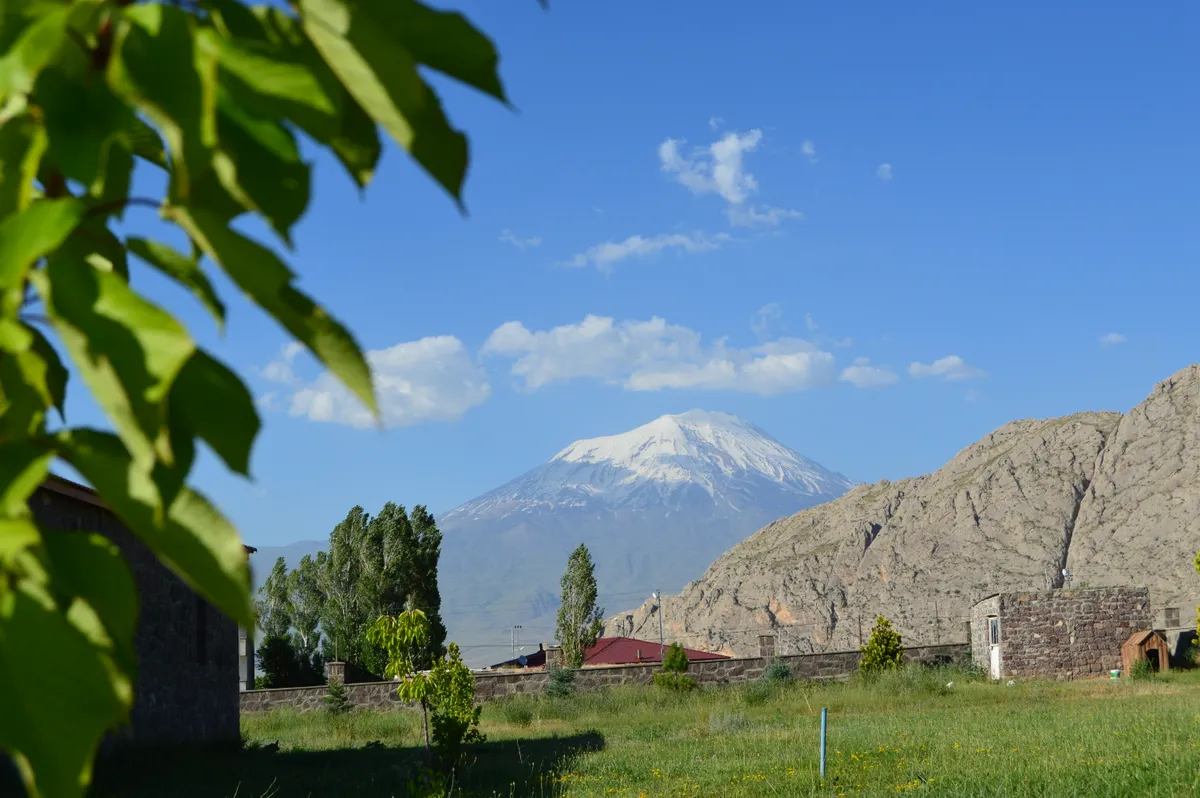
Day two starts at the base of Mount Ararat National Park. Crowned with an eternal ice cap and towering 5,137 meters above sea level as Turkey's highest peak, this volcanic giant provides awe-inspiring photographic vistas from the official observation decks.
Proceed to the village of Telceker to visit the Noah's Ark Silhouette & Visitor Center. First spotted from an aerial cartography flight in 1959 by Captain Ilhan Durupinar, this natural boat-shaped geologic formation closely matches the biblical and Quranic ship dimensions cited in the Flood accounts.
Sarikaya Meteor Crater, Hallac Ice Cave and the Monk's Garden
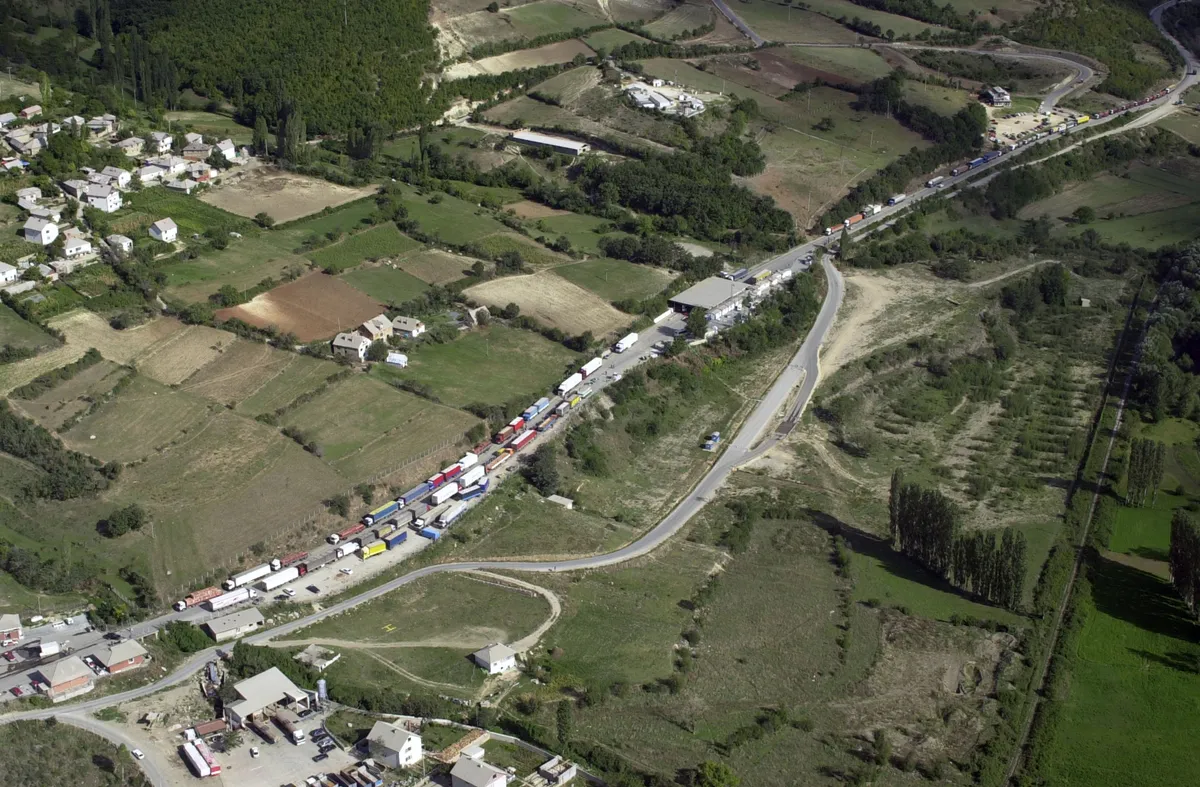
Near the Gurbulak Iranian border crossing lies the Sarikaya Meteor Crater, formed by a massive meteor impact in 1892. Measuring 60 meters deep and 35 meters in diameter, it is recognized as the world's second-largest meteor crater. In nearby Hallac village, explore the subterranean Dogubayazit Ice Cave, where subterranean basalt lava tubes maintain towering ice stalactites even in midsummer heat.
Conclude your journey with an afternoon walk in the lush green oasis of the Monk's Garden (Keşişin Bahçesi) below the palace, celebrated as the mythical setting for the tragic romance of Kerem and Asli.
Visitor & Practical Information (2026 Admission & Hours)
- Admission: The Turkish MuseumPass (Muzekart) is valid for Turkish citizens. International tourist ticket admission is approximately 10-12 Euros. The Ahmed-i Hani Tomb, Noah's Ark site, and Meteor Crater are free to visit.
- Visiting Hours: Summer season (April - October) operates 08:30 - 19:00 (ticket counter closes at 18:30); Winter season (November - March) operates 08:30 - 17:00. Open 7 days a week.
- High-Altitude Climate: Situated between 1,600 and 2,000 meters above sea level, evenings remain cool even in summer. Warm layering and windproof jackets are recommended year-round; winter requires thermal gear.
- Mausoleum Etiquette: Ahmed-i Hani Tomb is an active spiritual sanctuary; visitors are requested to dress respectfully with shoulders and knees covered, observing peaceful silence.
Transportation and Real-World Transit Guide
- Driving Route: Dogubayazit lies directly on the historic Silk Road international highway (E80). It is 95 km (approx. 1 hour 10 minutes) east of central Agri and 52 km (45 minutes) south of central Igdir along smooth dual-carriageway roads.
- Airports: The nearest air hub is Igdir Martyr Bulent Aydin Airport (IGD - 50 km). Additionally, Agri Ahmed-i Hani Airport (AJI - 100 km) offers daily flights from Istanbul and Ankara with connecting airport shuttle buses.
- Local Minibuses: Regular dolmus shuttles leave every 30 minutes from central Agri and Igdir bus terminals to Dogubayazit. From Dogubayazit town center, local minibuses connect to Ishak Pasha Palace every 15 minutes (6 km).
Regional Gastronomy Recommendations
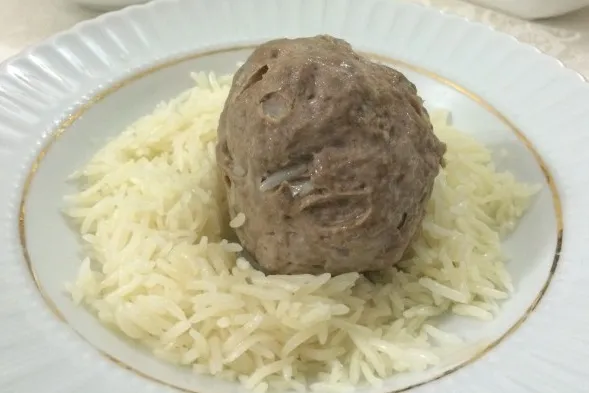
- Traditional Abdigor Meatballs: Originally created by palace chefs for Ishak Pasha's ailing father, lean local beef is hand-beaten on a stone slab with wooden mallets for hours into a delicate paste, boiled, and served atop golden butter pilaf—known as the world's oldest dietary dish.
- Selek Kebab: Succulent pasture-raised lamb cooked in its own natural juices on a concave iron skillet and served over warm flatbread with grilled peppers.
- Hashil and Ayranasi: Cracked wheat porridge with a generous pool of bubbling farm butter and garlic yogurt, alongside chilled summer yogurt soup with mountain mint.
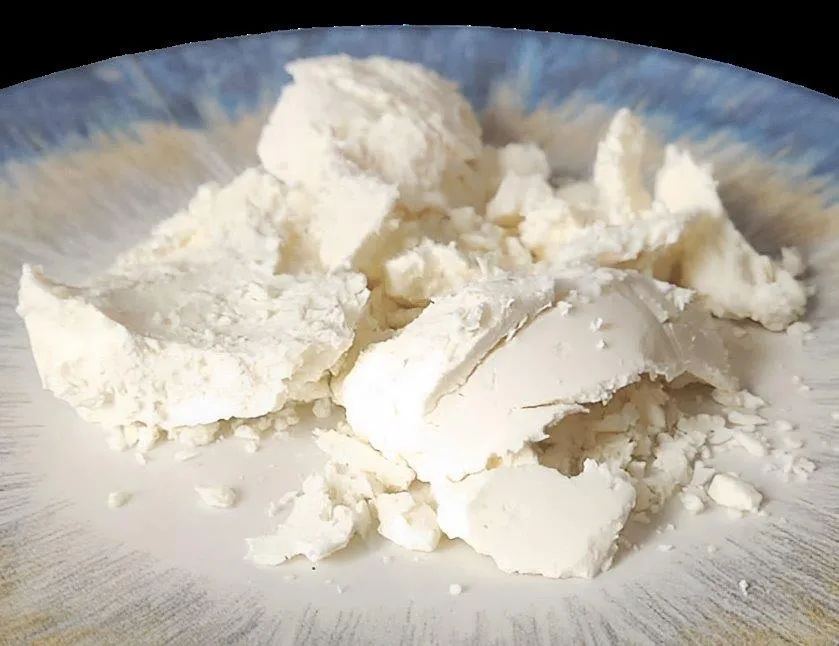
- Agri Karakovan Honey and Herb Cheese: Pure wildflower comb honey harvested from Mount Ararat's alpine slopes, paired with fresh village tandoor bread and savory herbed cheese.
The most magical time to photograph Ishak Pasha Palace is approximately one hour before sunset. When the late afternoon golden light strikes the palace's yellow limestone and carved bas-reliefs, the stone glows like burning amber against the dramatic silhouette of the mountain plateau. After visiting, be sure to savor authentic stone-pounded Abdigor meatballs in the traditional artisan eateries of Dogubayazit.