Antakya Travel Guide 2026: Cradle of Faiths, St. Pierre Cave Church, Habib-i Neccar & Historic Uzun Carsi


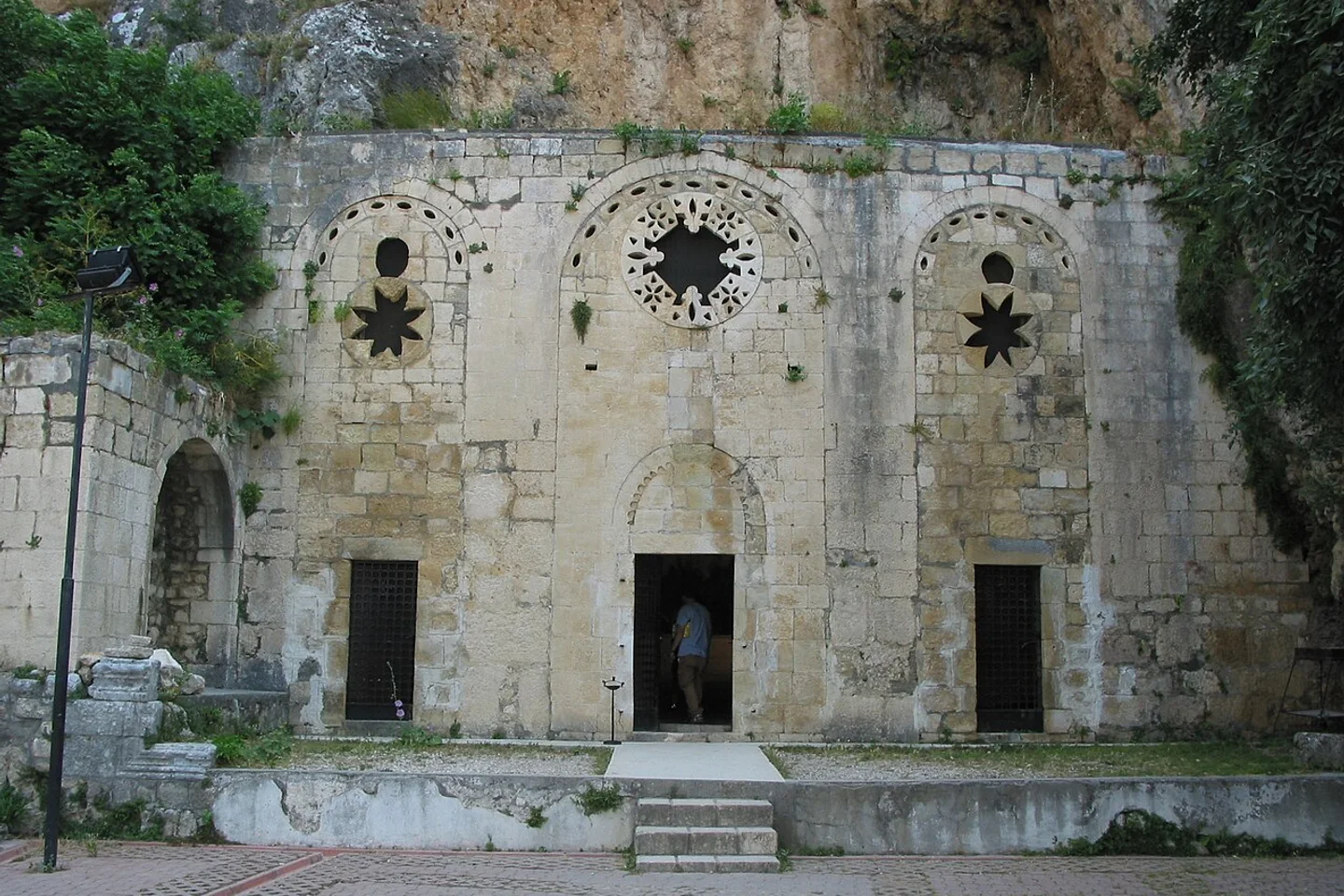
Nourished by the fertile currents of the Orontes (Asi) River and revered in antiquity as the third greatest metropolis of the Roman world after Rome and Alexandria, Antakya (ancient Antioch) is an unparalleled cradle of interfaith harmony and living heritage. It is here, within the subterranean rock vaults of St. Pierre Cave Church, that the followers of Jesus Christ were first called 'Christians' by Saint Peter and Saint Paul.
Here too stands Habib-i Neccar Mosque, recognized as the earliest Islamic sanctuary erected in Anatolia, commemorating the carpenter Habib who gave his life defending the disciples. Where mosques, churches, and synagogues share the same narrow cobblestone alleys, where the world largest Roman mosaic collections reside, and where wood-fired tepsi kebabs meet ember-baked kunefe, this 2026 guide reveals Eastern Mediterranean most soulful sanctuary.
1. Historic Uzun Carsi: The Beating Pulse of Antioch Commerce & Craftsmanship
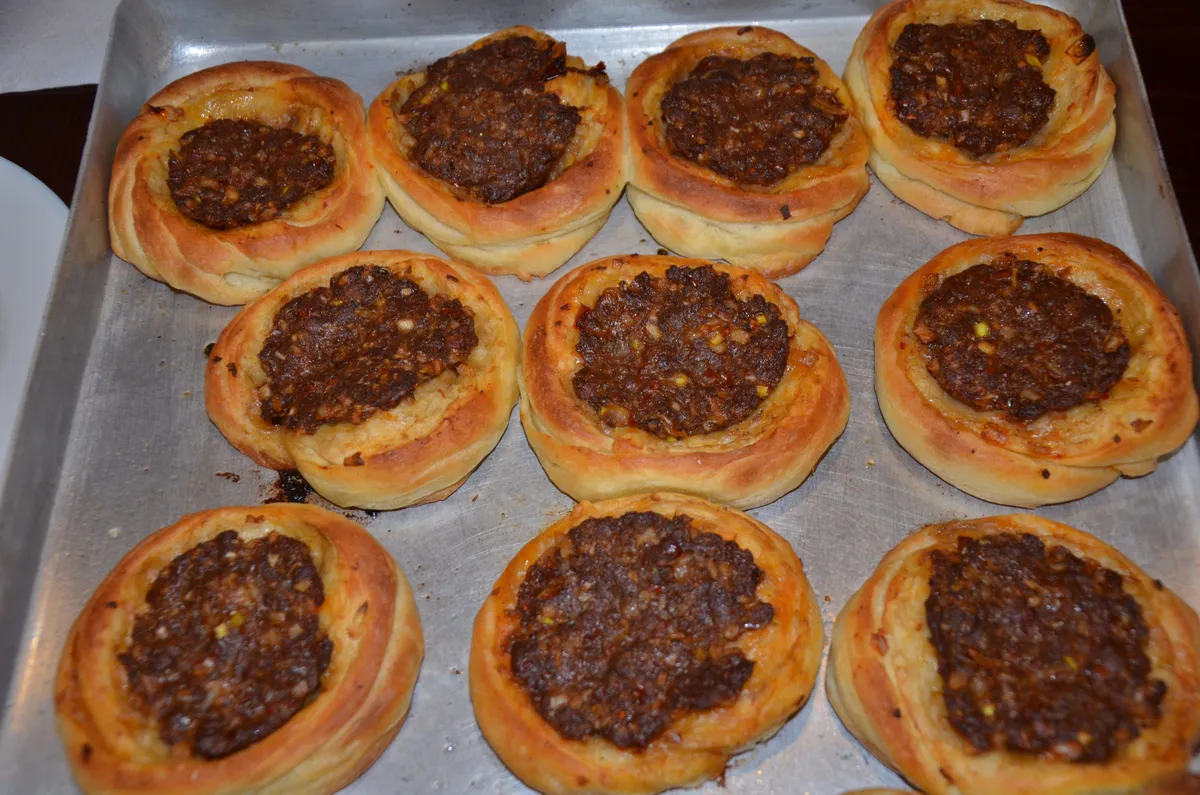
Serving for centuries as the terminal market where Silk Road camel caravans met Mediterranean maritime merchants, the Historic Uzun Carsi (Long Bazaar) encompasses 3.5 kilometers of bustling alleyways, covered caravanserais, aromatic spice stalls, coppersmith ateliers, and traditional butcher shops. The ultimate local ritual is ordering a freshly hand-minced meat tray (Tepsi Kebabi) prepared right before your eyes and baked in the neighboring stone wood-fire bakery.
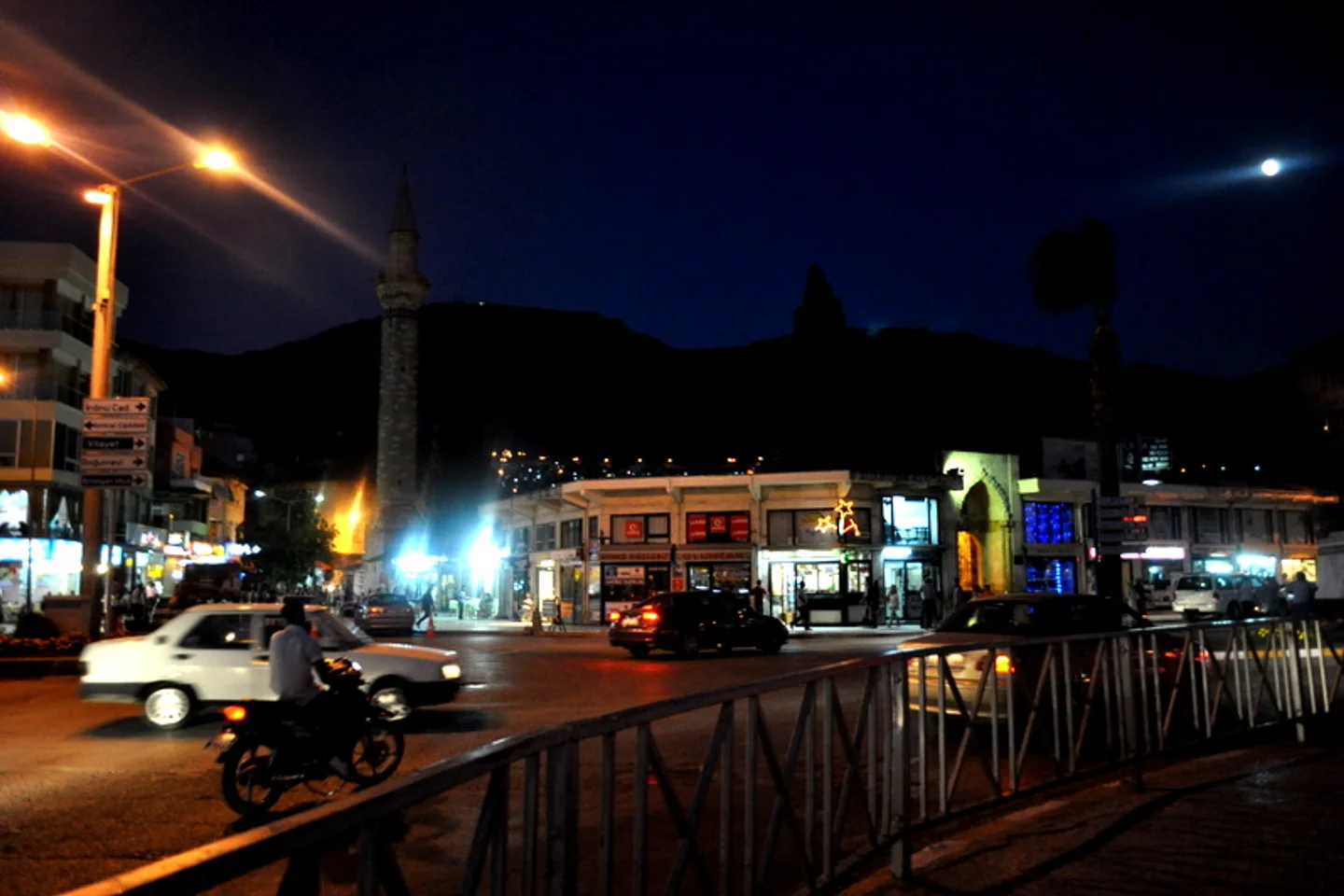
- Tepsi & Kagit Kebabi: Watch master butchers chop beef and lamb with crescent knives, baked instantly in communal stone ovens.
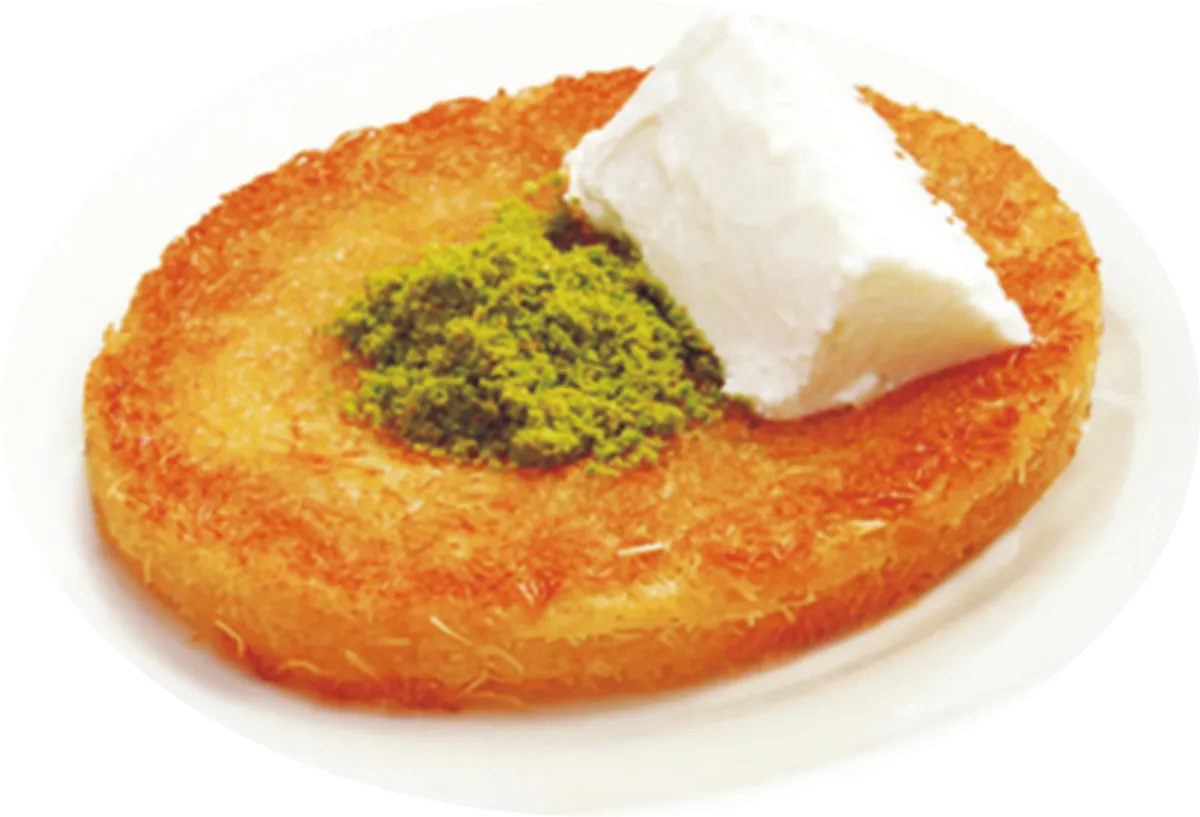
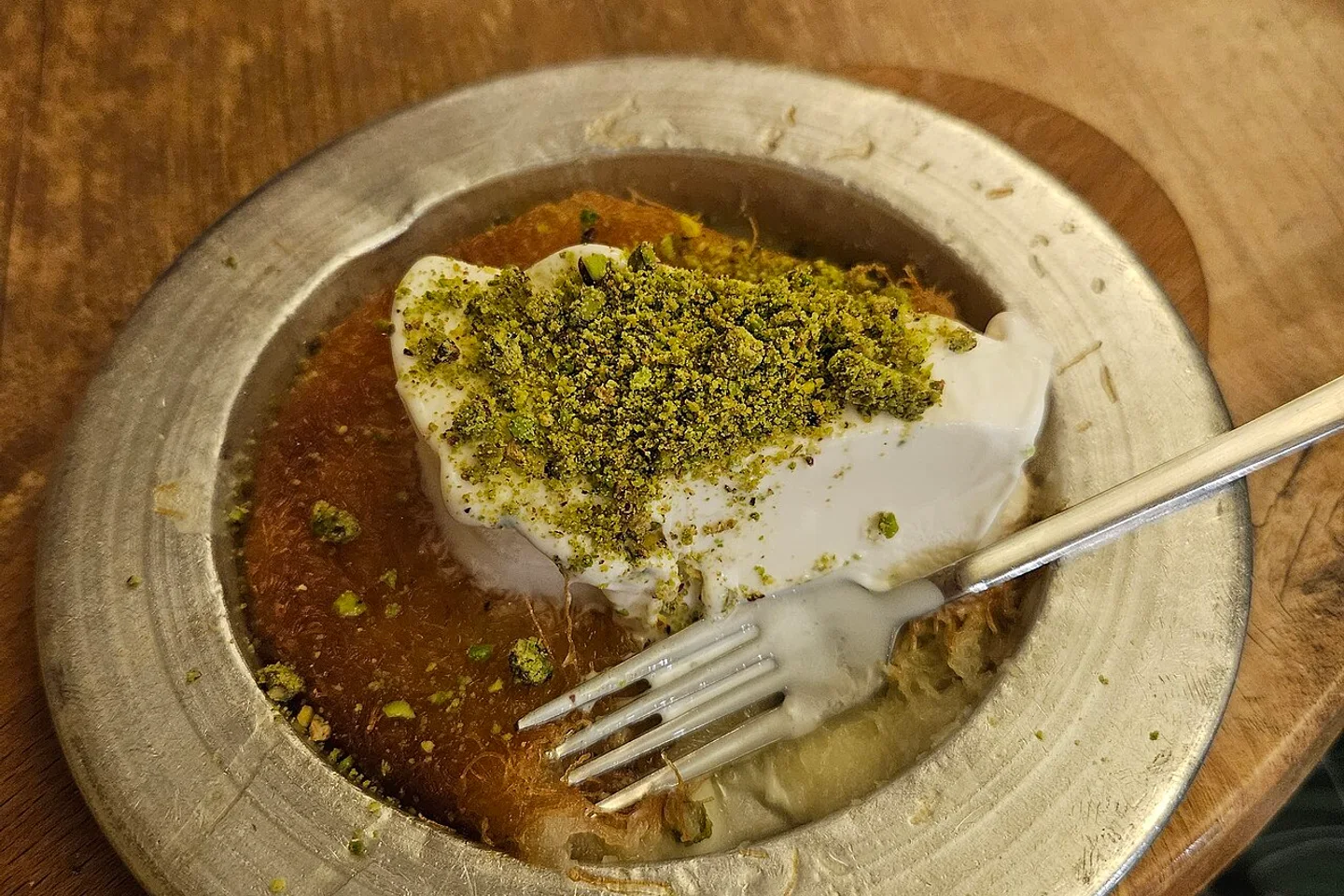
- Charcoal-Baked Kunefe: Savor crispy shredded pastry filled with fresh goat cheese, turned over glowing oak charcoal embers.
- Laurel & Olive Soap: Purchase cold-pressed virgin olive oil and artisanal bay laurel soap cooked in copper cauldrons.
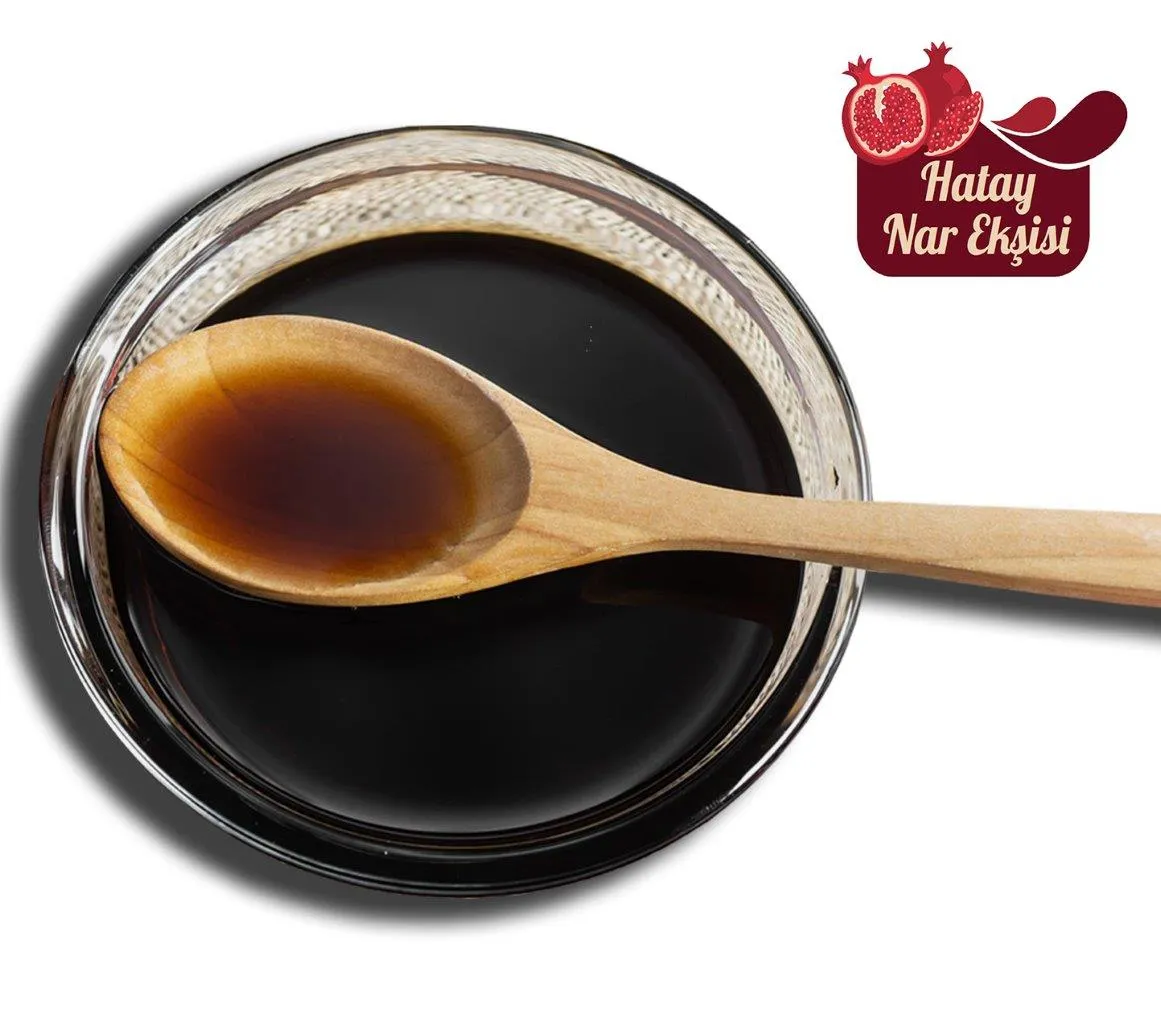
- Mountain Spices: Browse mountain-harvested wild thyme (zahter), fiery Urfa isot flakes, and thick sun-concentrated pomegranate molasses.
2. Anatolia Oldest Mosque: Habib-i Neccar & The Antioch Citadel
Erected in 638 AD following the Arab conquest of Antioch under General Abu Ubaidah, Habib-i Neccar Mosque stands as the first mosque ever constructed on the soil of Anatolia. Situated beneath the prayer hall are the revered tombs of Habib the Carpenter and the apostles John and Jude, chronicled in Surah Ya-Sin of the Holy Quran. High above on Mount Silpius, the ancient defensive ramparts of the Antioch Citadel watch over the valley.
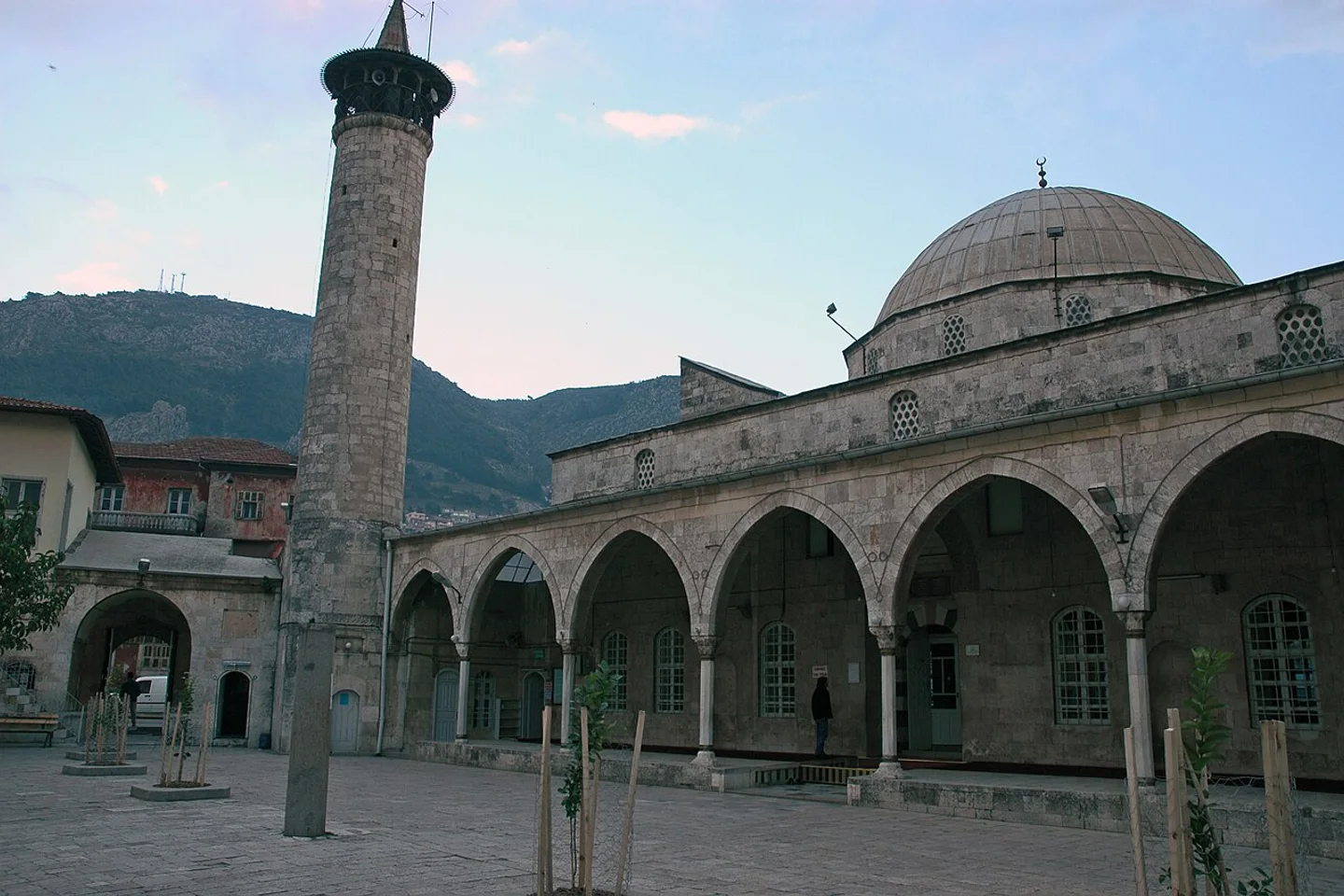
- Historic Milestone: Represents the initial dawn of Islamic architecture across the Anatolian plateau.
- Quranic Chapter Ya-Sin: Commemorates the martyr mentioned in verses 20-27 who championed the messengers of monotheism.
- Serene Courtyard: Shaded by century-old trees and flanked by a historic ablution fountain and madrasa cells.
- Living Tolerance: Located mere paces from the Greek Orthodox Cathedral and the historic Jewish Synagogue.
3. World-Renowned Hatay Archaeological & Mosaic Museum
Holding the Guinness World Record for the largest display area of ancient mosaics, the Hatay Archaeological Museum exhibits breathtaking polychrome stone tesserae floors rescued from Roman villas in Daphne and Seleucia. Highlights include the colossal basalt statue of King Suppiluliuma and the intricately carved Antakya Sarcophagus.
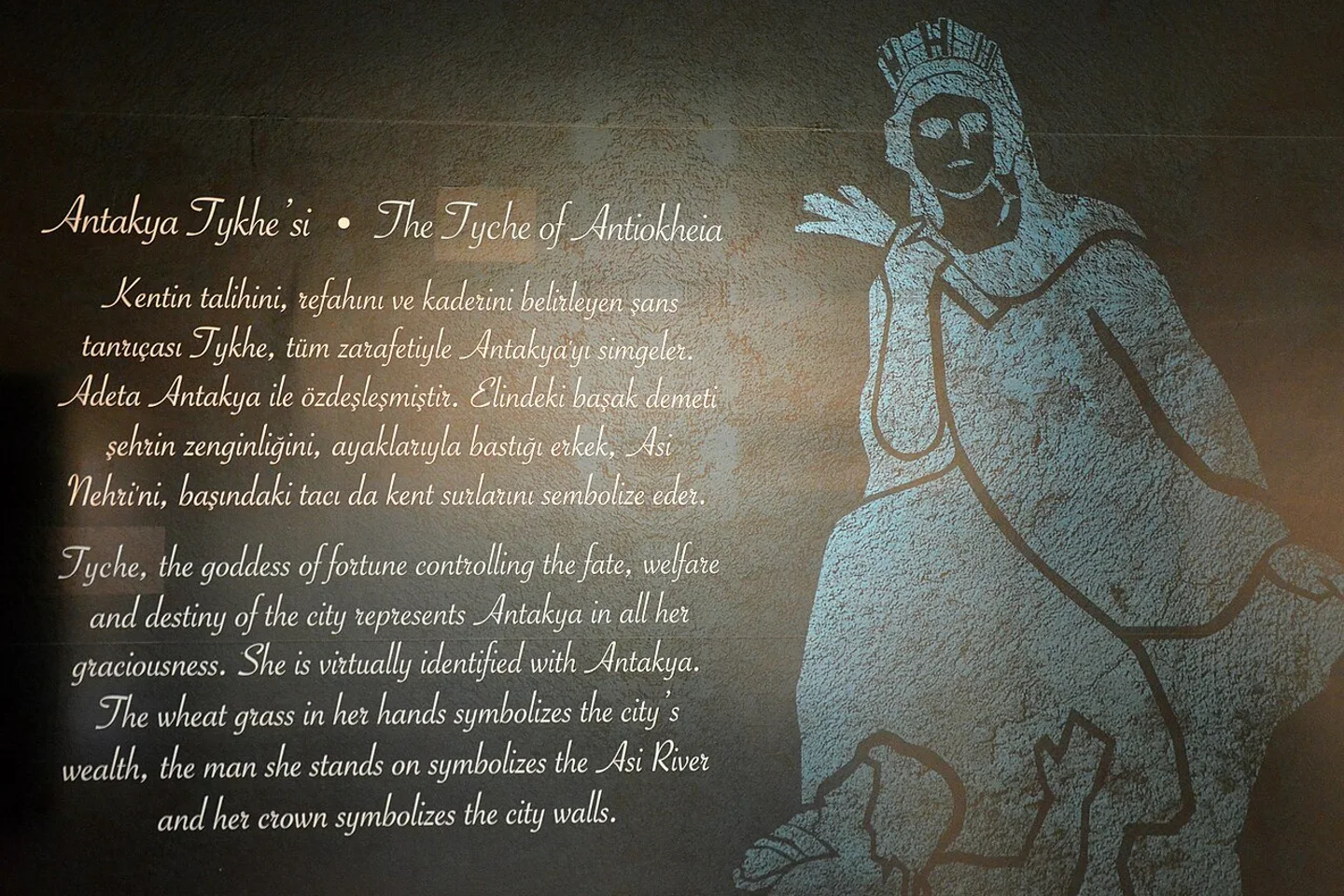
4. Antakya Grand Mosque (Ulu Camii) Complex
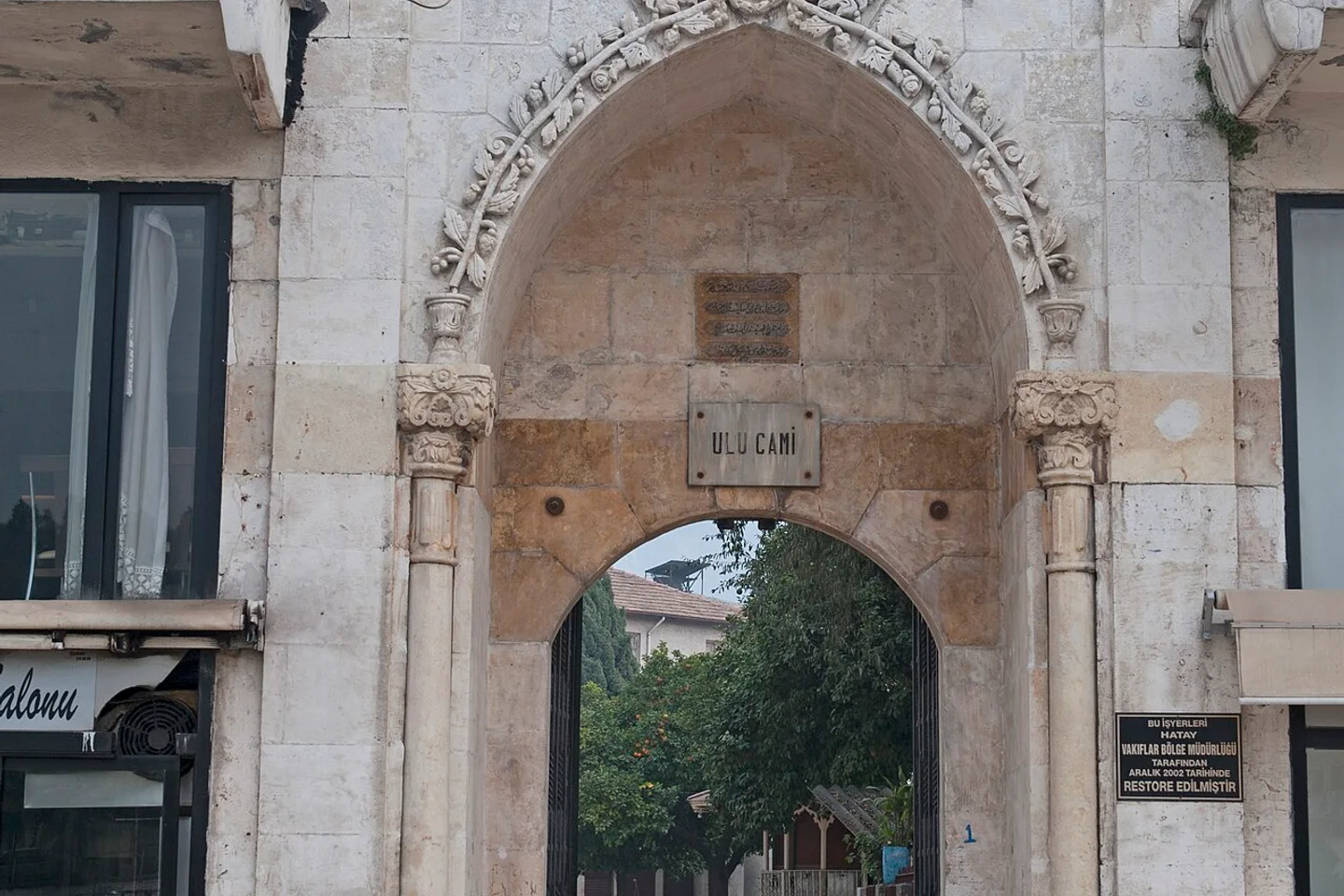
Originating from the medieval Mamluk era, the Grand Mosque of Antakya features a expansive stone courtyard, a distinctive round octagonal minaret, and harmonious Seljuk-Mamluk stonemasonry reflecting the complex layered history of the city.
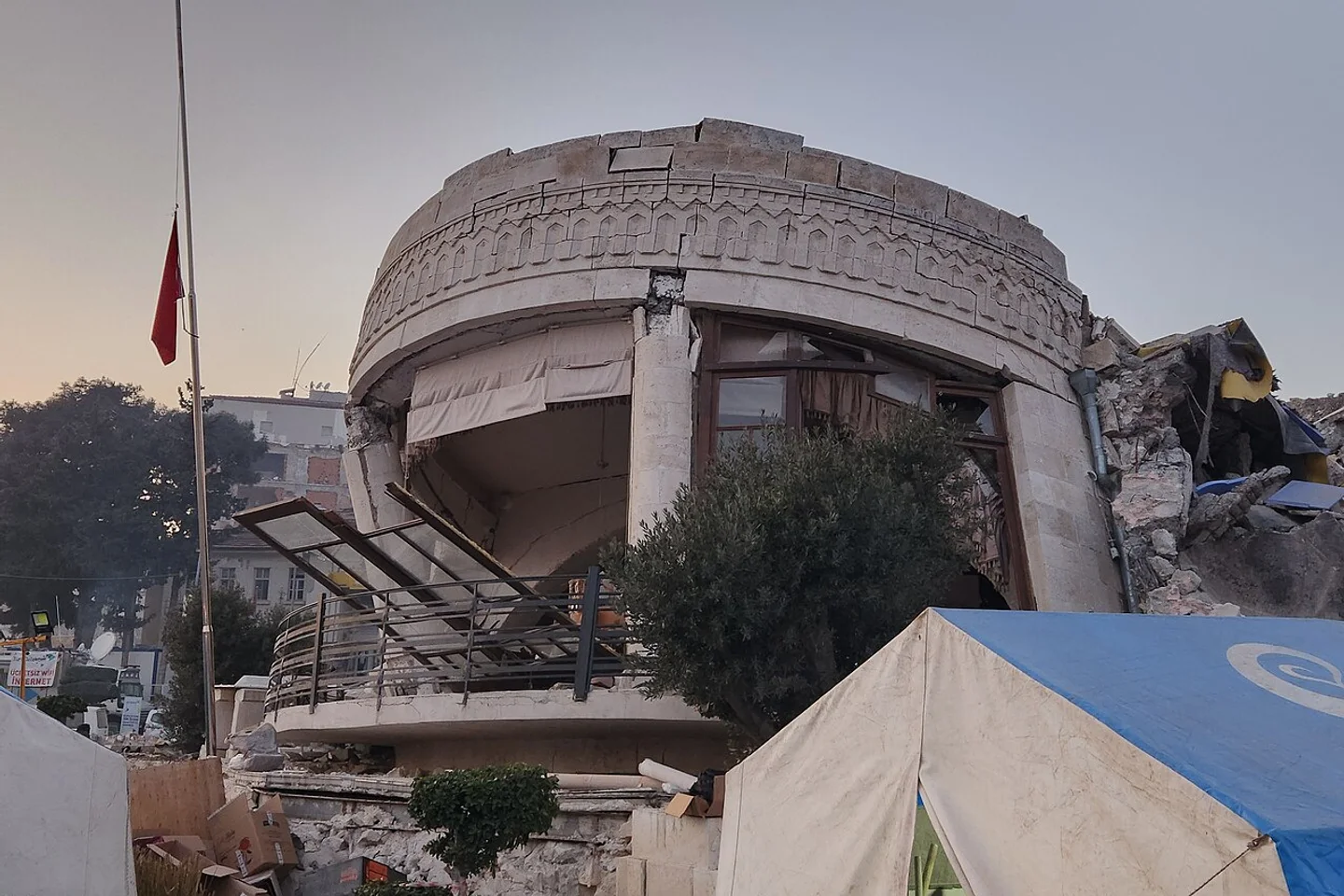
5. Historic Hatay State Parliament Building
Designed in 1927 by French architect Leon Benju as a grand theater on Cumhuriyet Boulevard, this elegant stone edifice served as the legislative chamber of the sovereign State of Hatay before its historic parliamentary resolution to unify with the Republic of Turkey in 1939.
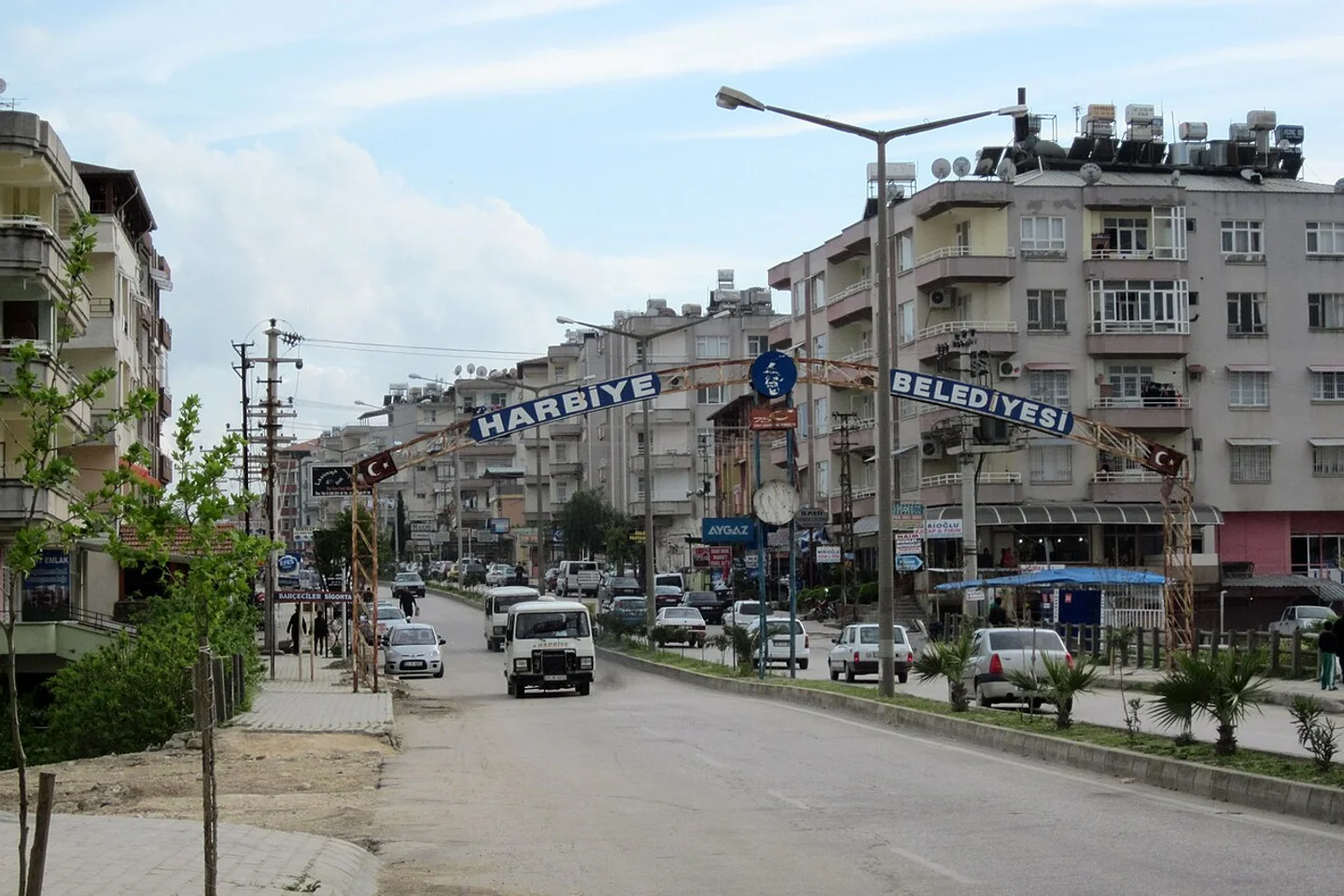
6. Harbiye Waterfalls & The Myth of Laurel Nymph Daphne
Known in classical Greco-Roman myth as Daphne, the lush valley of Harbiye Waterfalls is where the water nymph Daphne was transformed into a bay laurel tree to escape the pursuit of Apollo. Cascading springs, shaded tea gardens, and artisanal silk-weaving looms create an idyllic mountain retreat.
7. Titus Vespasianus Tunnel & Rock-Cut Besikli Cave
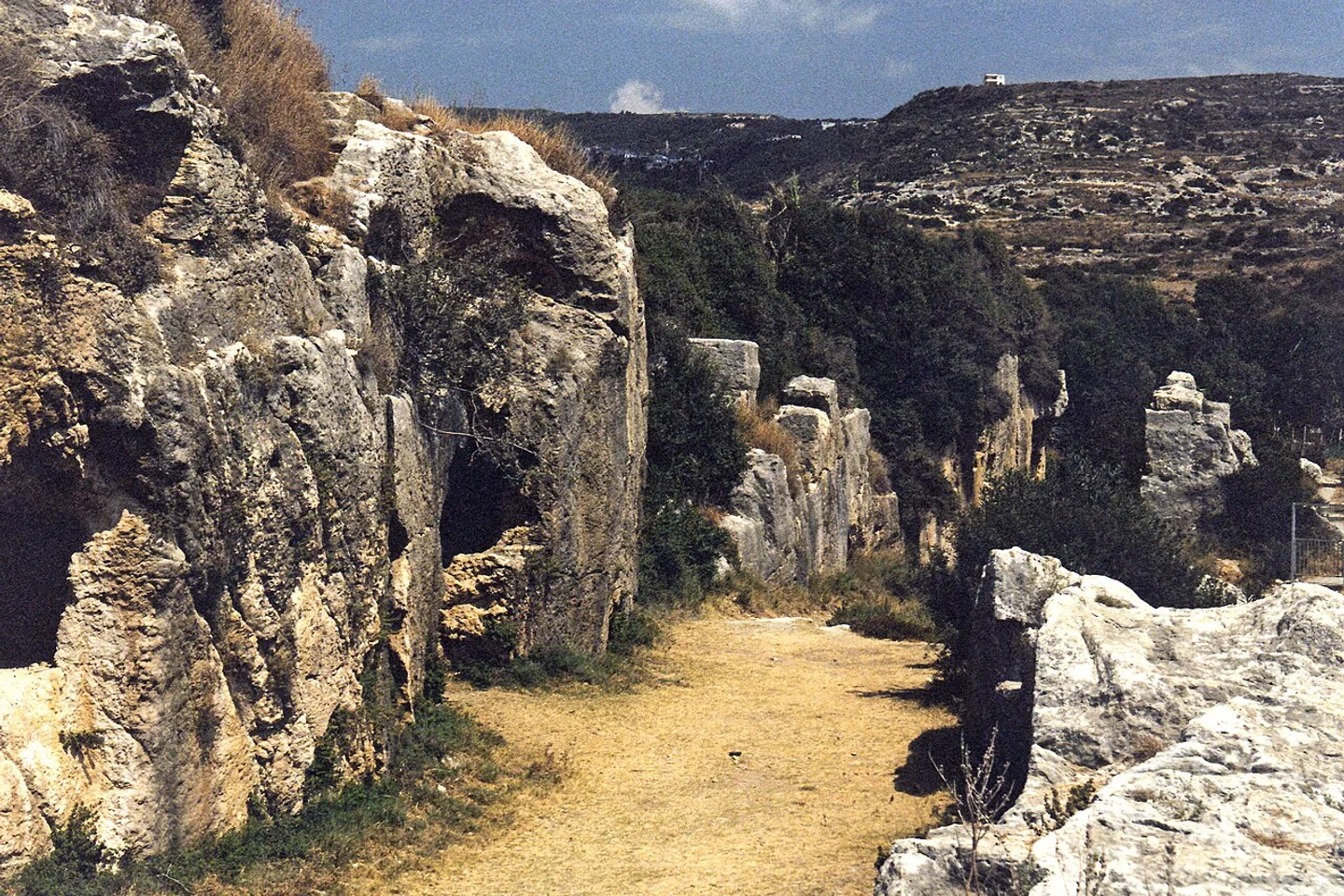
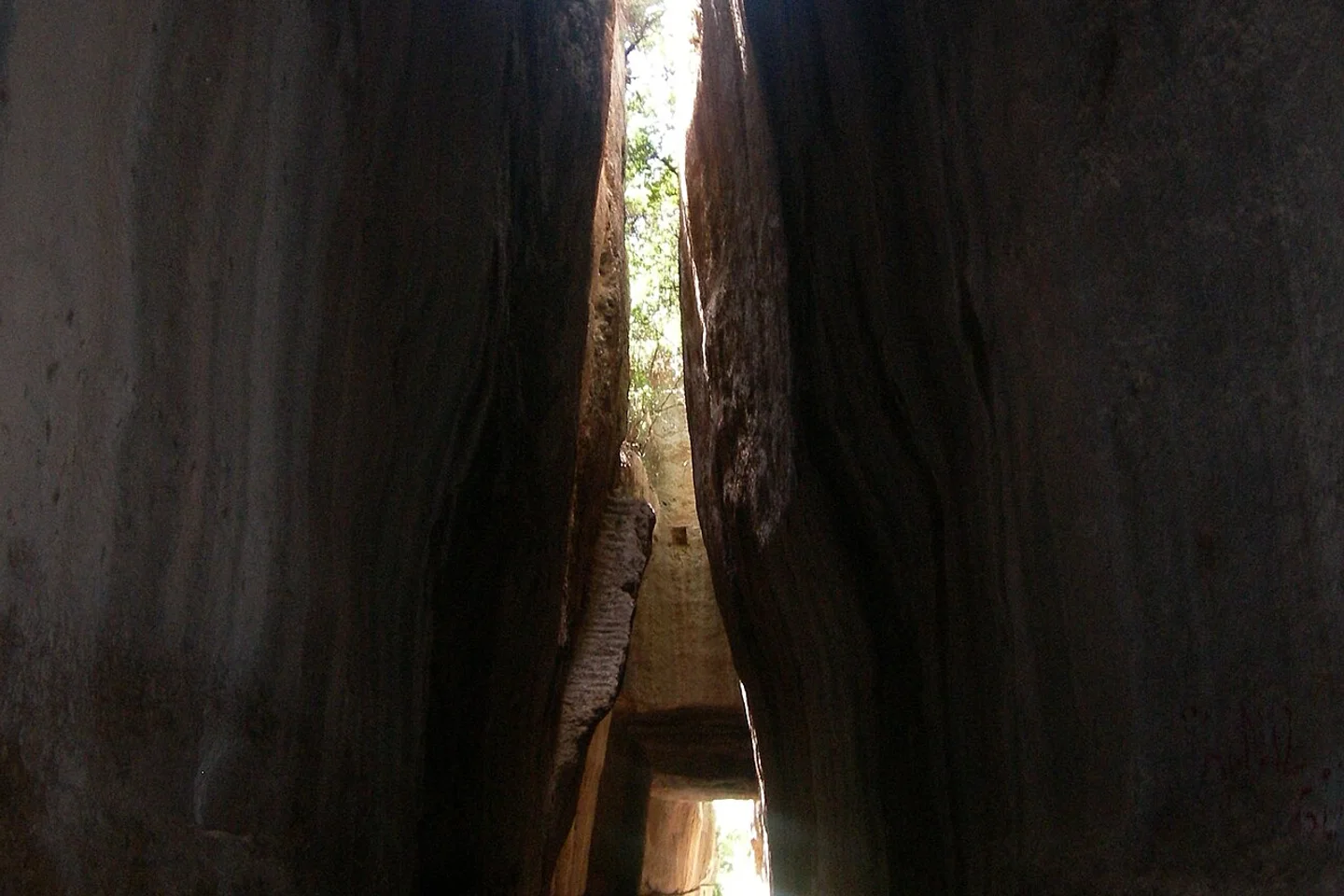
Hand-carved directly through solid mountain limestone in the 1st century AD under Roman Emperors Vespasian and Titus to divert destructive flash floods away from the military harbor, the Titus Tunnel spans 1,380 meters. Nearby, the monumental rock-cut funerary vaults of Besikli Cave showcase aristocratic Roman necropolis architecture.
8. Ancient Port of Seleucia Pieria & Samandag Coast
Founded in 300 BC by Seleucus I Nicator, general of Alexander the Great, Seleucia Pieria was the primary naval base for Antioch and the point of departure for Saint Paul first missionary voyage. The adjoining 14-kilometer Samandag Beach is one of the Mediterranean longest shorelines, serving as a vital nesting ground for endangered green and loggerhead turtles.
9. Historic Saint George (Mar Corcos) Greek Orthodox Church
Standing as a beacon of the region enduring Christian lineage, the Saint George Church in Sarilar features carved stone iconostases and celebrated feast day processions where Muslims and Christians gather together in shared veneration.
10. Tokacli Olive Museum & Altinozu Mill Heritage
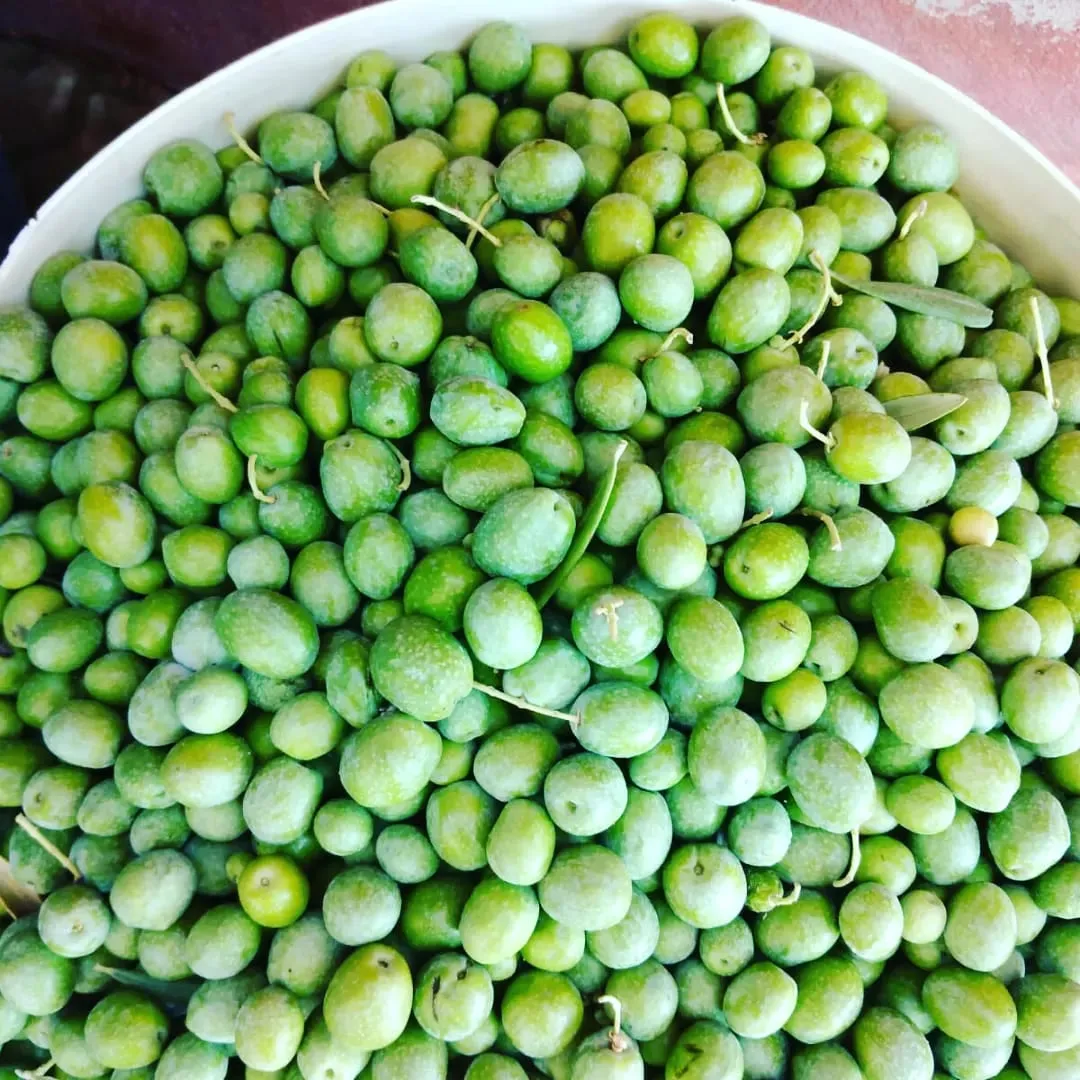
Housed within a restored 300-year-old stone olive oil pressing facility in Tokacli, Turkey sole remaining Arab Christian village, the Olive Museum exhibits ancient basalt grinding stones, iron screw presses, and centuries of indigenous Halhali olive agriculture.
2-Day Detailed Antakya & Surroundings Itinerary
Day 1: Mosaic of Faiths, St. Pierre, Uzun Carsi & Roman Mosaics
- 08:30 – 09:30: Traditional Antioch breakfast with warm hummus topped with pastirma, spicy biberli ekmek flatbread, and Halhali olives.
- 09:30 – 11:30: Visit St. Pierre Cave Church on the slopes of Mount Staurin; view the rock-hewn altar and baptismal water cistern.
- 11:30 – 13:00: Pay respects at Habib-i Neccar Mosque and walk the adjacent alleys visiting the Orthodox Church and Synagogue.
- 13:00 – 14:30: Lunch in Uzun Carsi savoring sizzling Tepsi Kebabi fresh from the stone wood-fire bakery with warm flatbread.
- 14:30 – 16:30: Marvel at the monumental Roman and Byzantine mythological floor mosaics in the Hatay Archaeological Museum.
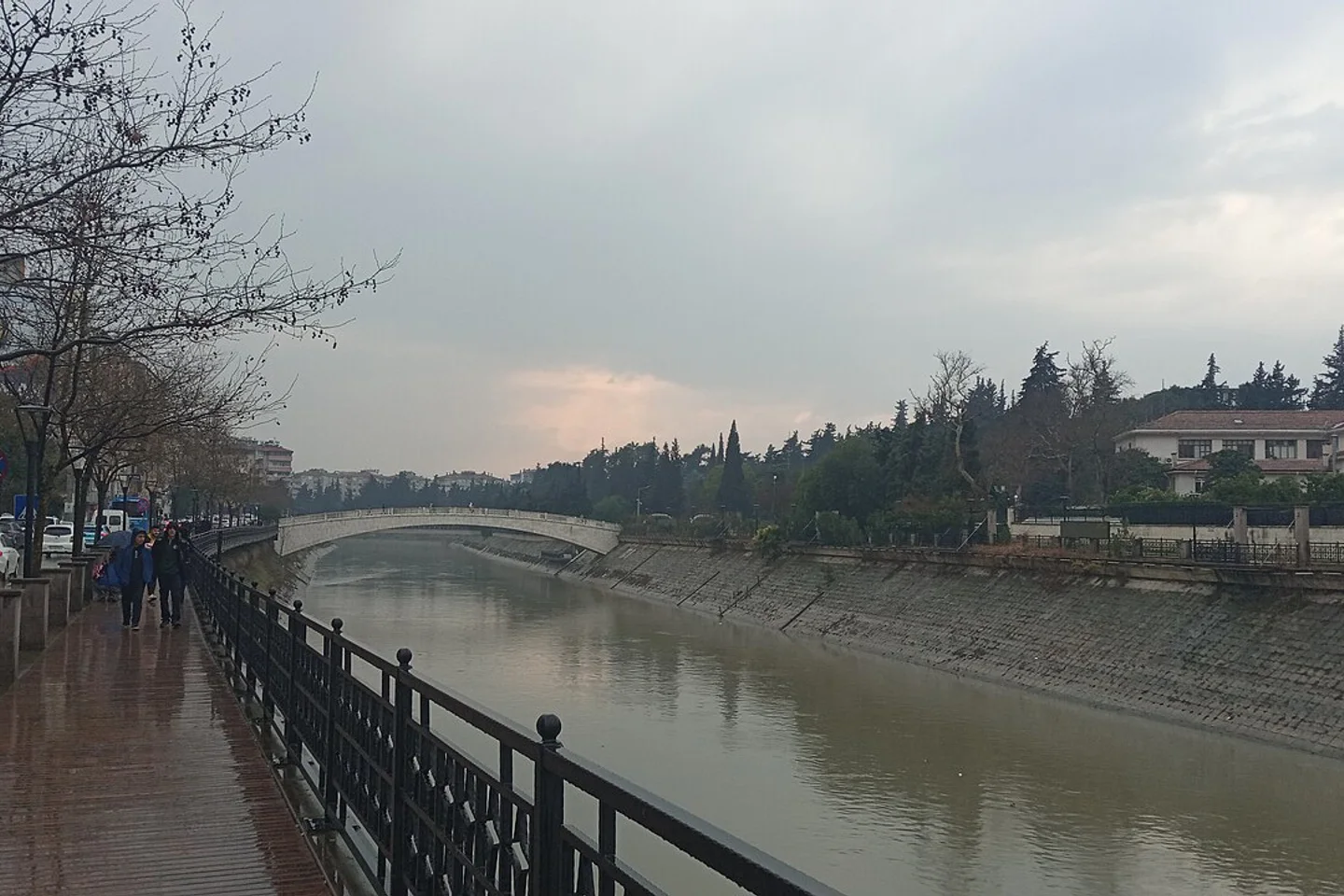
- 16:30 – 18:30: Walk along the Orontes River and Cumhuriyet Boulevard; stop for coal-baked cheese kunefe with tea.
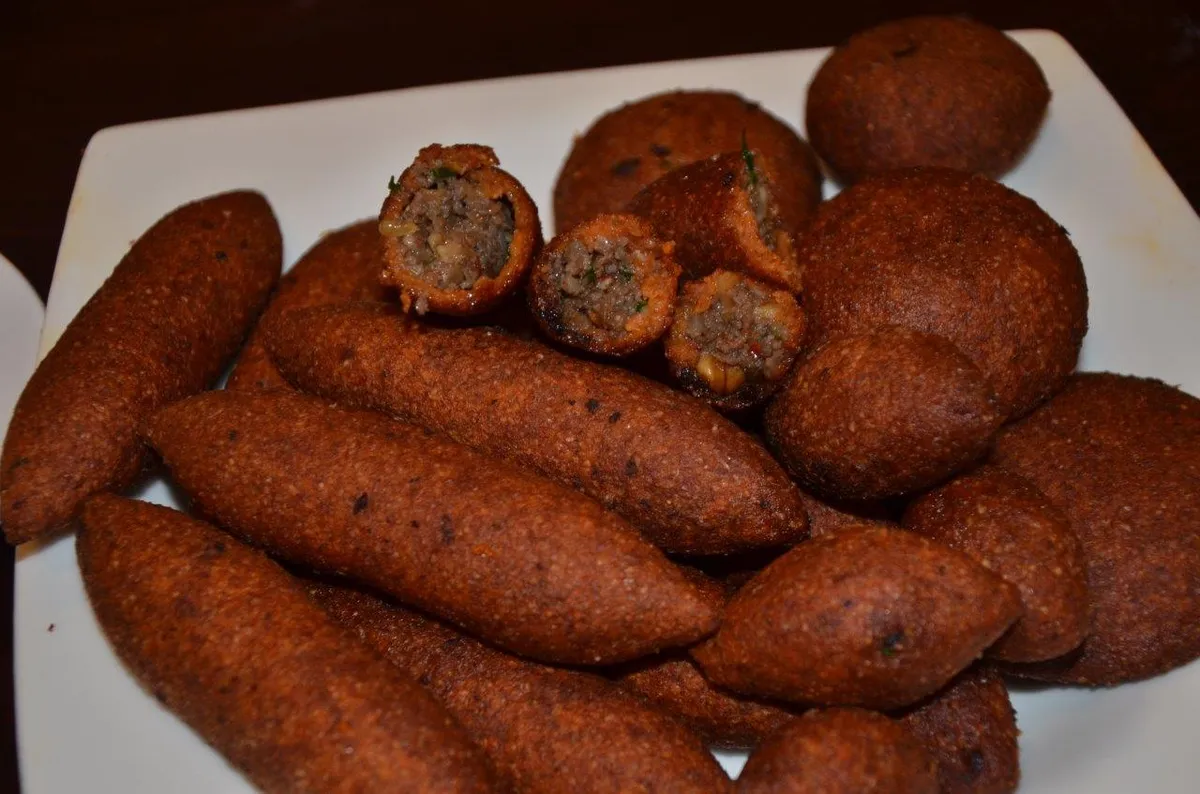
- 19:30 – 22:00: Dinner indulging in fried oruk kibbeh, walnut muhammara dip, and fresh wild thyme zahter salad.
Day 2: Harbiye Springs, Roman Titus Tunnel & Samandag Coast
- 08:30 – 09:30: Countryside breakfast in Harbiye among laurel trees with sheep butter, village eggs, and mulberry jam.
- 09:30 – 11:30: Nature walk through Harbiye Waterfalls; watch artisans spinning natural silk thread on wooden looms.
- 11:30 – 14:00: Drive to Samandag Cevlik; hike through the 1,380-meter Roman Titus Tunnel and view the Besikli Cave royal tombs.
- 14:00 – 15:30: Seaside lunch in Samandag with fresh Mediterranean grilled sea bass and rock samphire salad.
- 15:30 – 17:30: Visit Vakifli village to tour organic citrus orchards and purchase traditional pomegranate molasses.
- 17:30 – 19:30: Stop at the 800-year-old hollow trunk of the legendary Tree of Moses (Musa Agaci) in Hidirbey village.
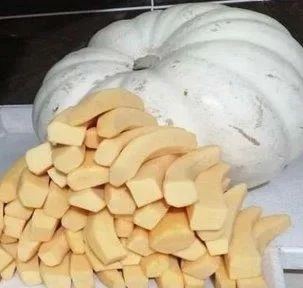
- 20:00 – 22:00: Conclude with crispy lime-pickled pumpkin dessert with tahini and slow-roasted Antakya lamb shank.
Real Transportation & Transit Guide (2026 Updated)
- Airport Access: Hatay Airport (HTY) is 25 km north of Antakya; Havas shuttles and taxis connect to the center in 25-30 minutes.
- Alternative Hubs: Adana Sakirpasa or Cukurova International Airport offer scheduled bus transfers to Antakya (approx. 2 hours via highway).
- Local Minibuses: Frequent shared minibuses (dolmus) depart Antakya central station every 15 minutes for Harbiye and Samandag.
- Walking Distances: Habib-i Neccar, Uzun Carsi, Parliament Building, and the old Christian quarter are all within a 5-10 minute stroll.
- Parking: Convenient multi-level and surface parking garages are located near the Archaeological Museum and Cumhuriyet Boulevard.
Best Photography Spots & Framing Tips
- St. Pierre Stone Facade: Morning light around 09:00 provides soft, even illumination on the limestone Gothic facade cut into the cliff.
- Uzun Carsi Craftsmen: Use a 50mm f/1.8 lens in warm ambient light to capture kunefe masters flipping glowing pans over charcoal embers.
- Titus Tunnel God Rays: Position your camera inside the open gorge section of the tunnel at midday to capture shafts of sunlight penetrating the rock cleft.
- Silky Water at Harbiye: Mount an ND filter and use a 1-second shutter speed to render the cascading springs into graceful white ribbons.
- Samandag Sunset Horizon: Capture the setting sun dropping into the Mediterranean across the 14-kilometer sweep of sandy beach.
UNESCO-Recognized Antakya Gastronomy: What to Eat & Where
Antakya Charcoal-Baked Kunefe
Unsalted fresh goat cheese encased in shredded kadayif pastry and clarified butter, slow-baked on copper trays over oak charcoal and drenched in warm syrup.
Tepsi & Kagit Kebabi
Hand-chopped prime beef and lamb kneaded with garlic, parsley, and bell peppers, pressed paper-thin onto baking paper or metal trays and wood-fired to perfection.
Meze Feast: Hummus, Muhammara & Zahter
Warm buttered pastirma hummus, spicy walnut red pepper muhammara dip, smoked eggplant mutebbel, and wild mountain thyme salad dressed in pomegranate molasses.
Lime-Pickled Crispy Pumpkin Sweet
Hardened in mineral lime water to produce a glass-crisp exterior and melting honey-sweet interior, served generously drizzled with dark tahini and crushed walnuts.
© 2026 Memleketim App - All Rights Reserved. Hatay Antakya St. Pierre Church and Habib-i Neccar Travel Guide.