Erciyes Ski Resort 2026 Travel Guide: Tekir & Hacılar Gates, Slopes & Kayseri Routes


Rising like a colossal pyramid over Central Anatolia, the 3,917-meter extinct stratovolcano of Mount Erciyes is Turkey's premier and most technologically advanced international ski destination. The very volcano whose primeval eruptions sculpted the fairy chimneys of Cappadocia millions of years ago now hosts 41 interconnected alpine slopes spanning 112 kilometers, Austrian-engineered heated chairlifts, gondolas, night-skiing facilities, and a seamless 25-minute transit from Kayseri Airport.
Featuring four main entry gates—Tekir, Develi, Hacılar, and Hisarcık—Erciyes pairs world-class alpine skiing with an unparalleled cultural tapestry: the galloping wild horses of Hürmetçi Marsh, the majestic Seljuk medical madrasahs of Kayseri, spice-scented Grand Bazaar corridors, and world-renowned cured pastırma. Here is the definitive 2026 guide to exploring Erciyes and ancient Caesarea Cappadociae.
1. Erciyes Ski Resort Tekir Gate, Lake & Floodlit Night Skiing (2150m - 3400m)
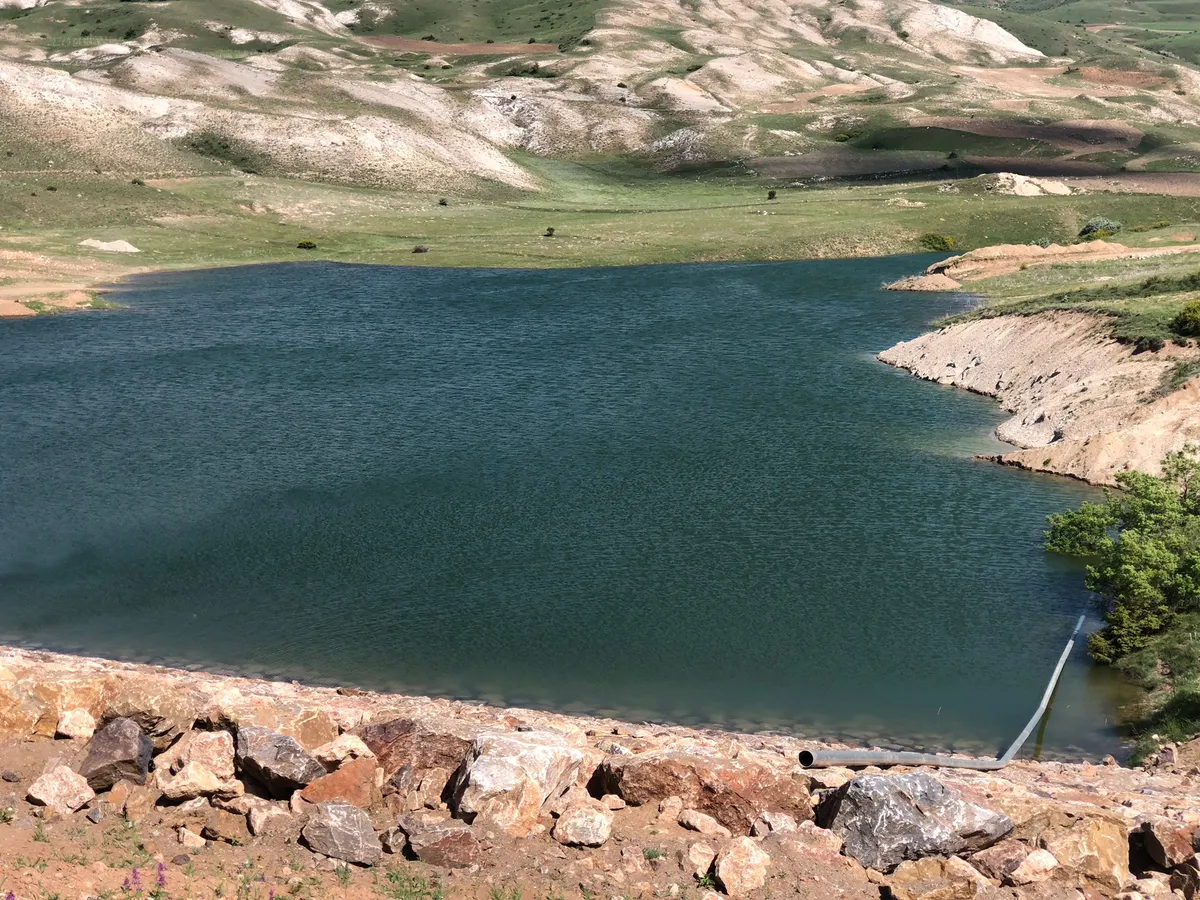
Serving as the vibrant central hub of Mount Erciyes, Tekir Gate greets visitors at 2,150 meters around an alpine reservoir lake, lined with slopeside hotels, equipment rental shops, and spacious facilities. High-speed gondolas and detachable chairlifts transport skiers effortlessly up to the 3,400-meter ridges.
Tekir's hallmark feature is its state-of-the-art Night Skiing arena. When the sun sets behind the volcanic crest and temperatures plunge, massive floodlights illuminate the slopes until 20:00, accompanied by the irresistible aroma of grilled Kayseri sucuk sizzling at open-air hearths.
- Single Magnetic Ticket: A unified electronic skipass grants access across all 19 mechanical lifts spanning Tekir, Hacılar, Hisarcık, and Develi.
- Night Skiing: Illuminated night skiing operates on Fridays and Saturdays on the dedicated Tekir floodlit slope.
- Slope Suitability: Wide blue and red runs provide safe and exhilarating conditions for beginners and intermediate cruisers.
2. Erciyes Hacılar Gate, Lifos Gondola & FIS Alpine Slopes (2100m - 3000m)
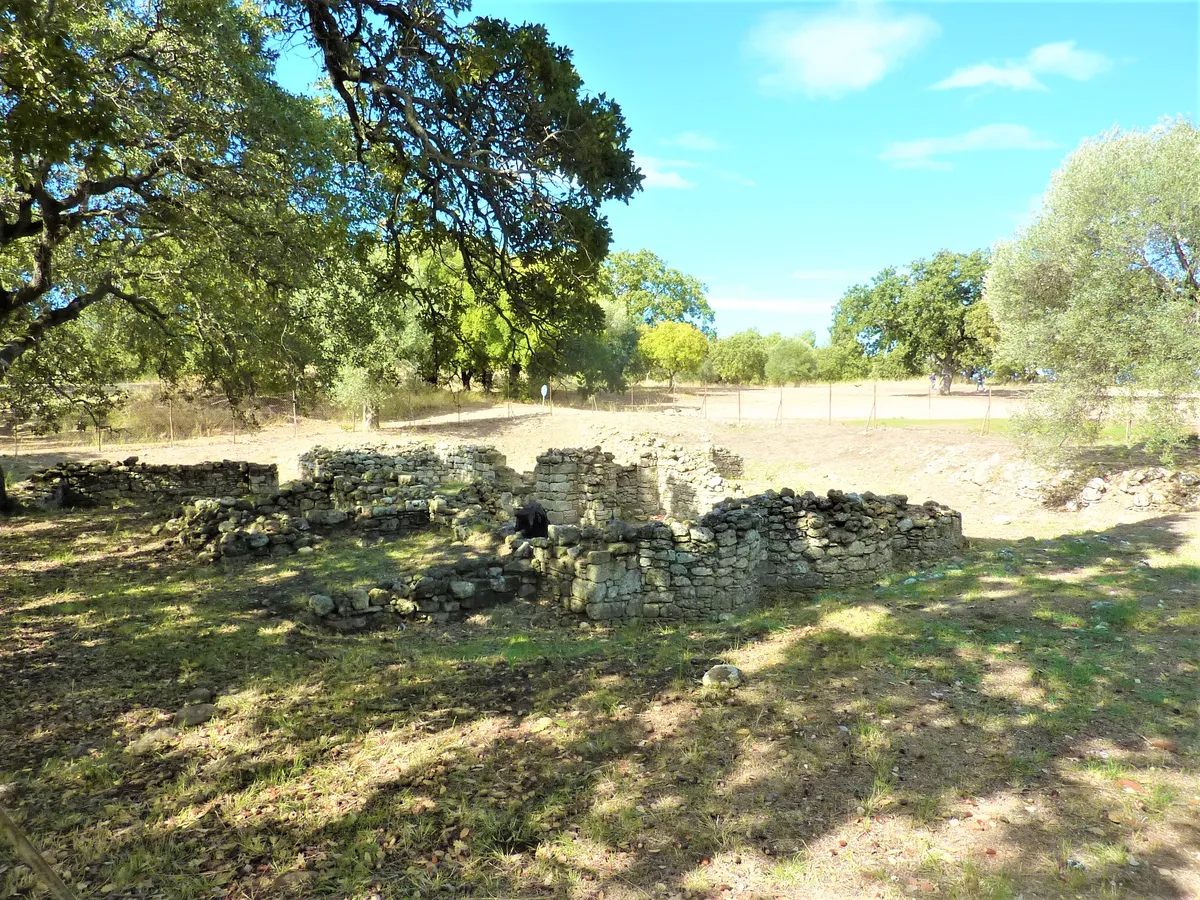
Perched on the northern flank of the mountain, Hacılar Gate is favored by advanced skiers and professional snowboarders for its wind-sheltered geography, powder snow consistency, and challenging vertical descents. The ultra-modern Lifos enclosed gondola whisks skiers from 2,100 meters to the 2,700-meter Lifos ridge in heated comfort.
Certified to International Ski Federation (FIS) competition standards, Hacılar's steep black and red pistes have hosted Snowboard World Cup championships, offering sweeping panoramas of volcanic valleys and the endless Anatolian plateau.
- Challenging Gradients: Steep FIS-approved trails ideal for carving, giant slalom, and expert freeride lines.
- Lifos Enclosed Gondola: Heated seating protects riders from sub-zero winds during the ascent to high-altitude ridge crests.
- Interconnected Network: Traverse seamlessly across high mountain passes to reach the Tekir and Hisarcık lift stations.
3. Hürmetçi Marsh & The Wild Yılkı Horses of Mount Erciyes
Spreading across the northern foot of Erciyes between Hacılar and İncesu, Hürmetçi Marsh is an internationally recognized wetland ecosystem protected under the Ramsar Convention. What elevates this tranquil plain into a world-renowned destination is the spectacular presence of hundreds of free-roaming Yılkı horses.
In winter, as herds gallop through shallow icy waters and snowdrifts against the majestic backdrop of Mount Erciyes, droplets of water and dust create an unforgettable visual spectacle beloved by photographers and wildlife enthusiasts worldwide.
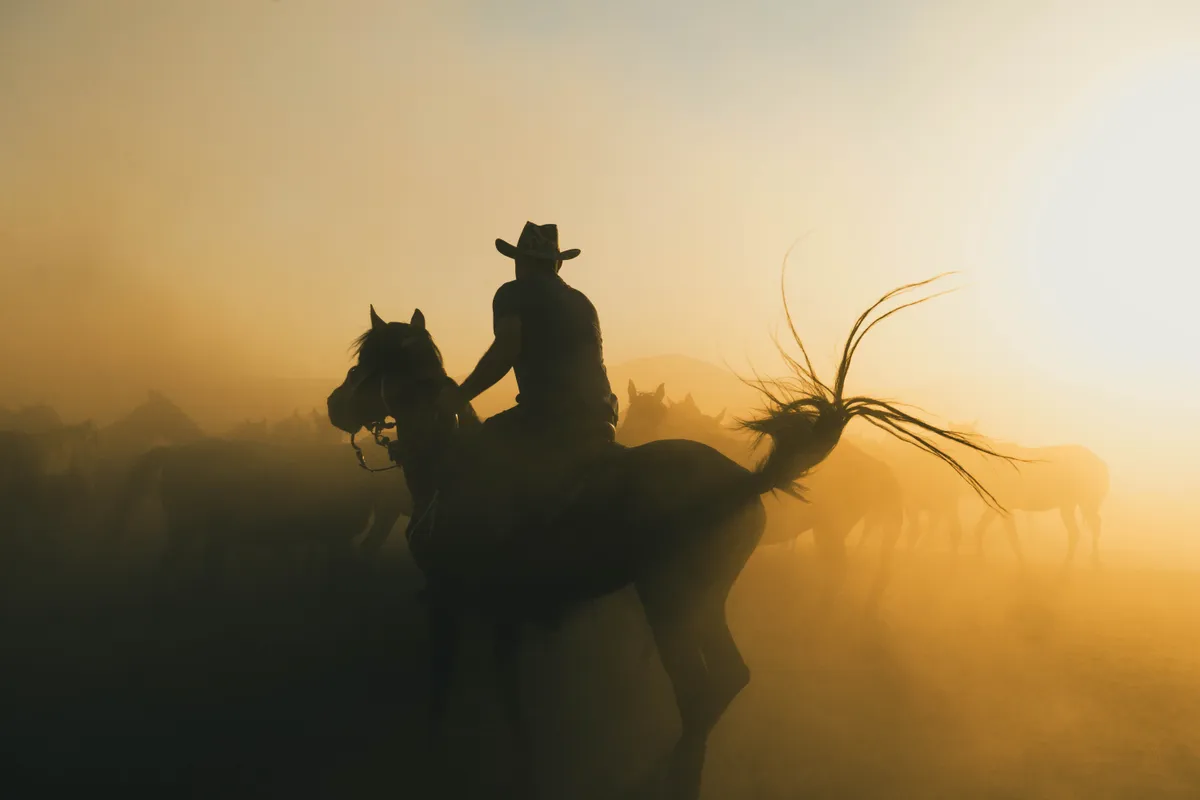
- Golden Hour Photography: Late afternoon (15:30 - 17:00) provides sublime backlit conditions as dust and water kick up behind galloping herds.
- Local Horse Guides: Coordinate with local marsh wranglers to arrange staged runs and safe close-up photography angles.
- Avian Diversity: Home to over 100 migratory bird species, including flamingos, herons, and common cranes.
4. Historic Kayseri Castle & Inner Citadel Archaeological Museum (1,800-Year Fortification)
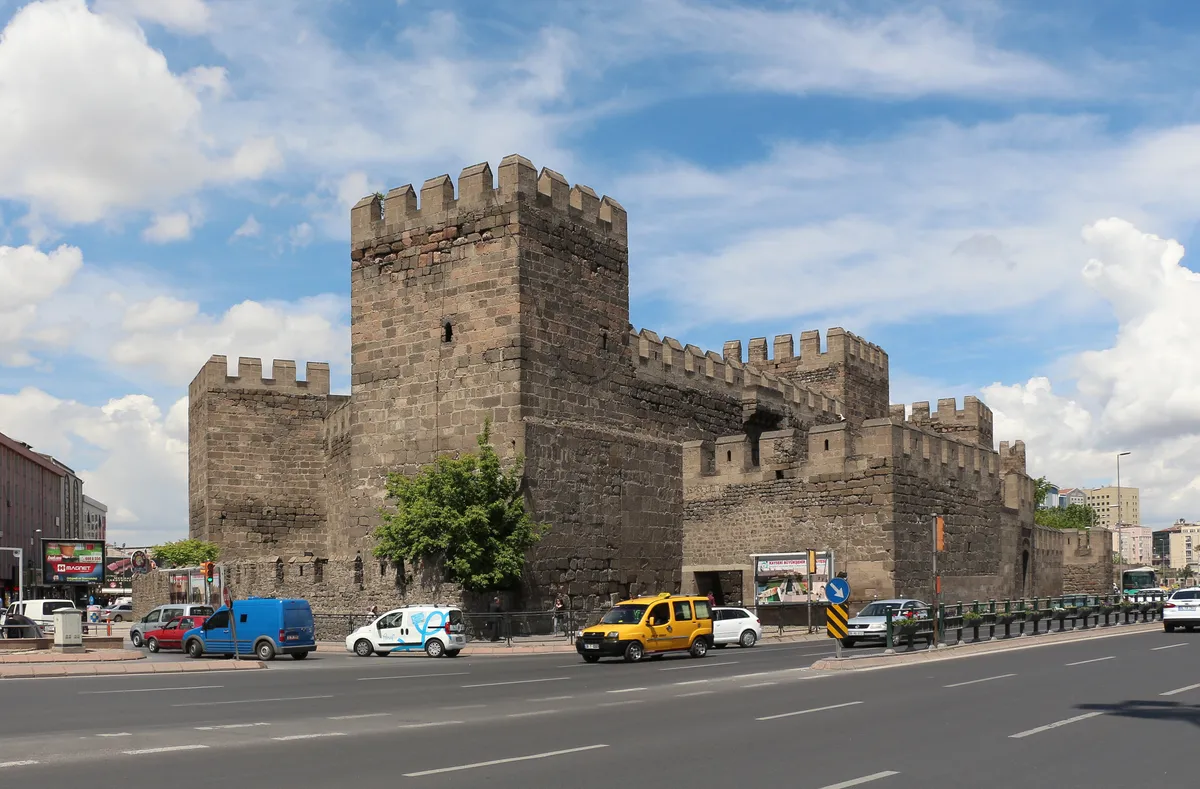
Dominating Cumhuriyet Square in downtown Kayseri, Kayseri Castle is an imposing 1,800-year-old stone bastion first fortified under Roman Emperor Gordian III (c. 240 AD), reinforced by Byzantine Emperor Justinian, and refashioned into its monumental present form by Seljuk Sultan Alaeddin Keykubad I.
Constructed of dark volcanic basalt, the castle ramparts now house the modern underground Inner Citadel Archaeological Museum. Highlights include 4,000-year-old cuneiform clay tablets from Kültepe Kanesh, Assyrian merchant cylinder seals, and Roman sarcophagi, while the castle walls offer striking vistas of snow-blanketed Mount Erciyes.
- Museum Pass: The Turkish Museum Pass is accepted; open Tuesday through Sunday from 09:00 to 17:00.
- Kültepe Clay Tablets: Must-see 4,000-year-old commercial contracts representing Anatolia's earliest written documents.
- Cultural Courtyard: The castle interior boasts contemporary art galleries, quiet book cafés, and shaded walkways.
5. Gevher Nesibe Medical School & Museum of Medical History (World's First Teaching Hospital - 1206)
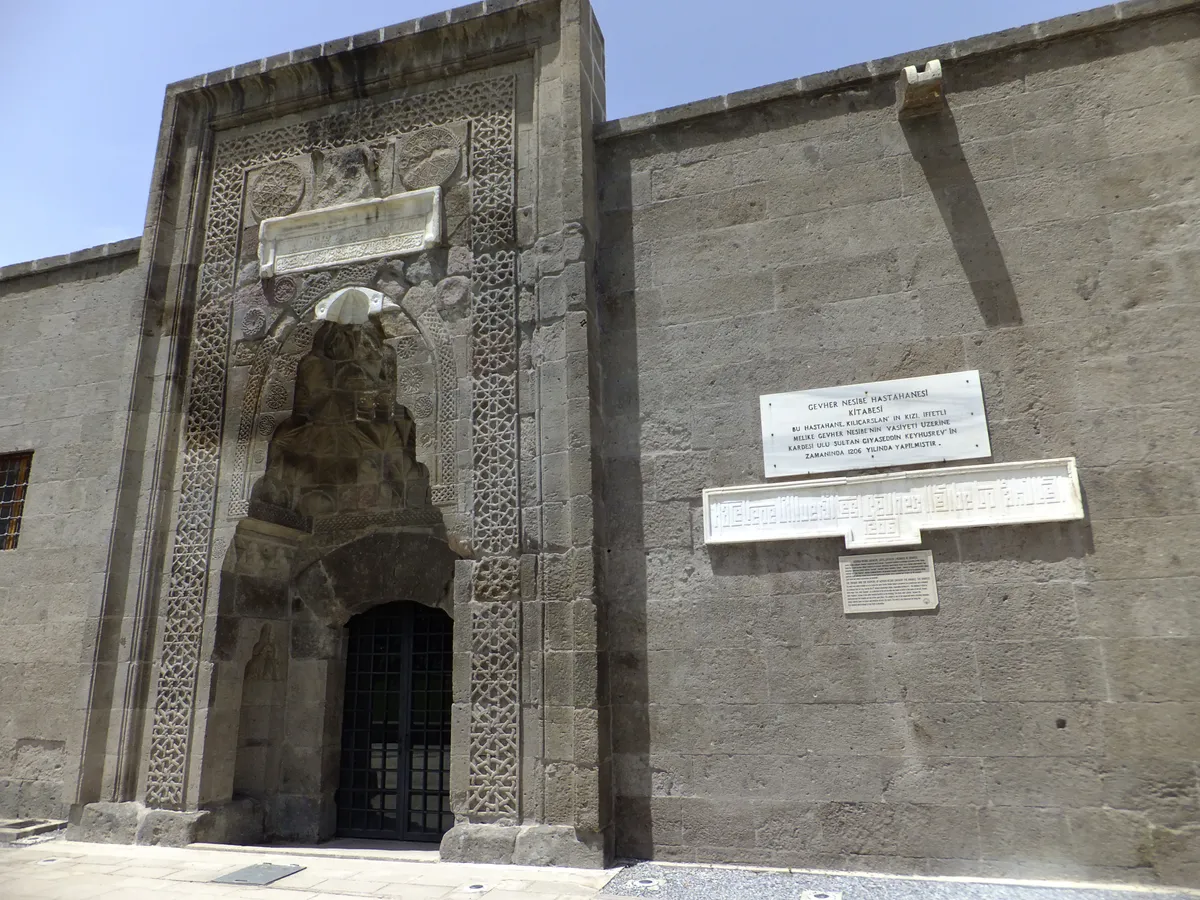
Commissioned in 1206 by Seljuk Sultan Gıyaseddin Keyhüsrev I following the dying wish of his sister Princess Gevher Nesibe, the Gevher Nesibe Complex (Çifte Medrese) is universally celebrated as the world's first integrated medical school and teaching hospital.
Its most remarkable section is the bimarhane (asylum), where 13th-century physicians pioneered psychiatric care using the calming sound of bubbling water, musical modes (makams), and herbal aromas. Today housing the Seljuk Civilization Museum, its acoustic masonry vaults reflect the enlightened humanitarian spirit of the Seljuk golden age.
- Sound Therapy Chambers: Acoustically tuned chambers demonstrated the use of falling water and reed-flute melodies to soothe mental distress.
- Dual Madrasah Layout: The twin design ingeniously integrated an operational clinical hospital on one side and a rigorous medical academy on the other.
- Central Location: Situated in Mimar Sinan Park, easily accessible on foot from Kayseri's central plaza.
6. Kayseri Grand Covered Bazaar & Vezir Caravanserai (1497 - Pastırma & Sucuk Market)
Ranking as Turkey's second-largest historical covered market after Istanbul's Grand Bazaar, the Kayseri Covered Bazaar traces its roots to Seljuk trading traditions, expanded in the 15th century by Ottoman Grand Vizier Gedik Ahmet Pasha. Adjacent to its southern gates lies the 1727 Vezir Hanı, an evocative two-story stone caravanserai that once hosted weary camel merchants.
Here lies the legendary Charcuterie Alley, where world-famed Kayseri pastırma—cured in dry alpine mountain winds, coated in fenugreek-garlic paste (çemen), and carved paper-thin by master butchers—is sold alongside aromatic fermented beef sucuk sausages.
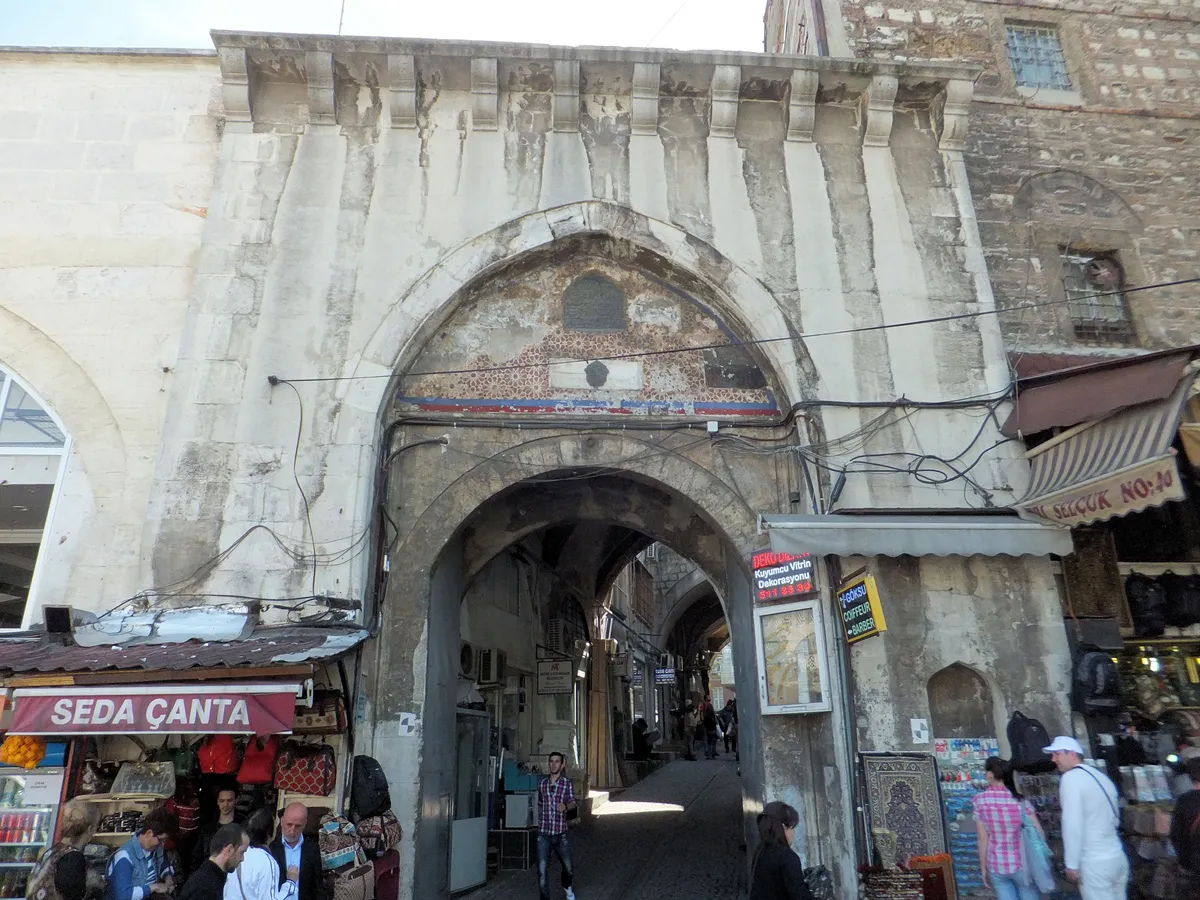
- Pastırma Cuts: Antrikot (ribeye) and sırt (sirloin) offer the ideal balance of marbled tenderness and fragrant spice.
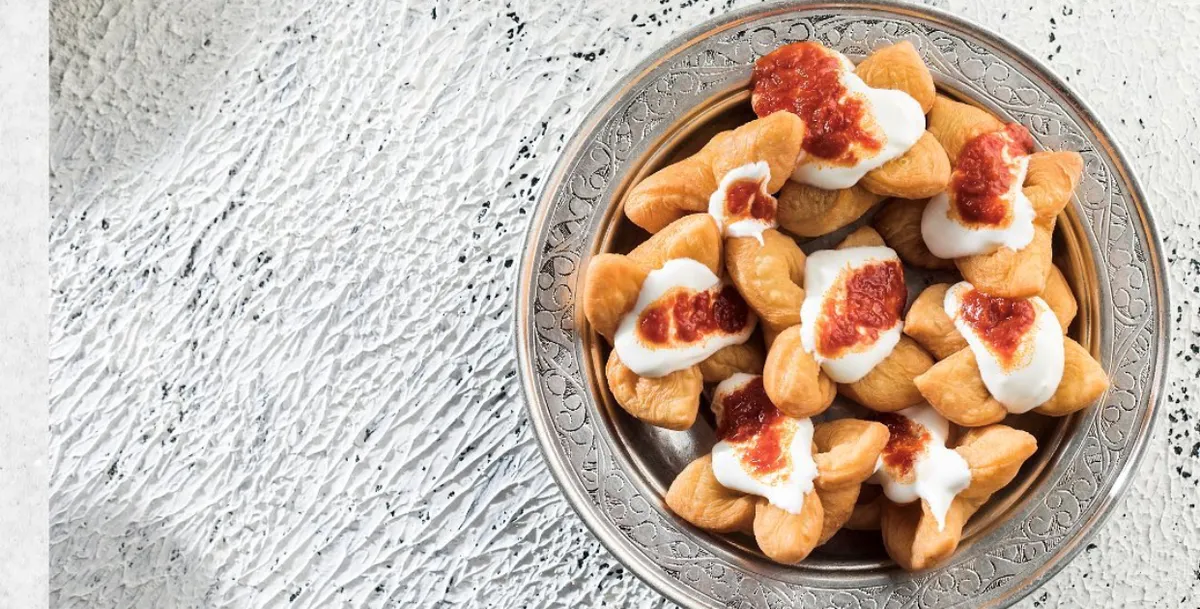
- Hand-Rolled Mantı: Pick up dry micro-dumplings rolled so miniature that forty fit comfortably on a single tablespoon.
- Walnut Çemen Paste: Jars of breakfast fenugreek paste infused with ground walnuts make exquisite culinary souvenirs.
7. Sahabiye Madrasah & Monumental Seljuk Portal (1267)
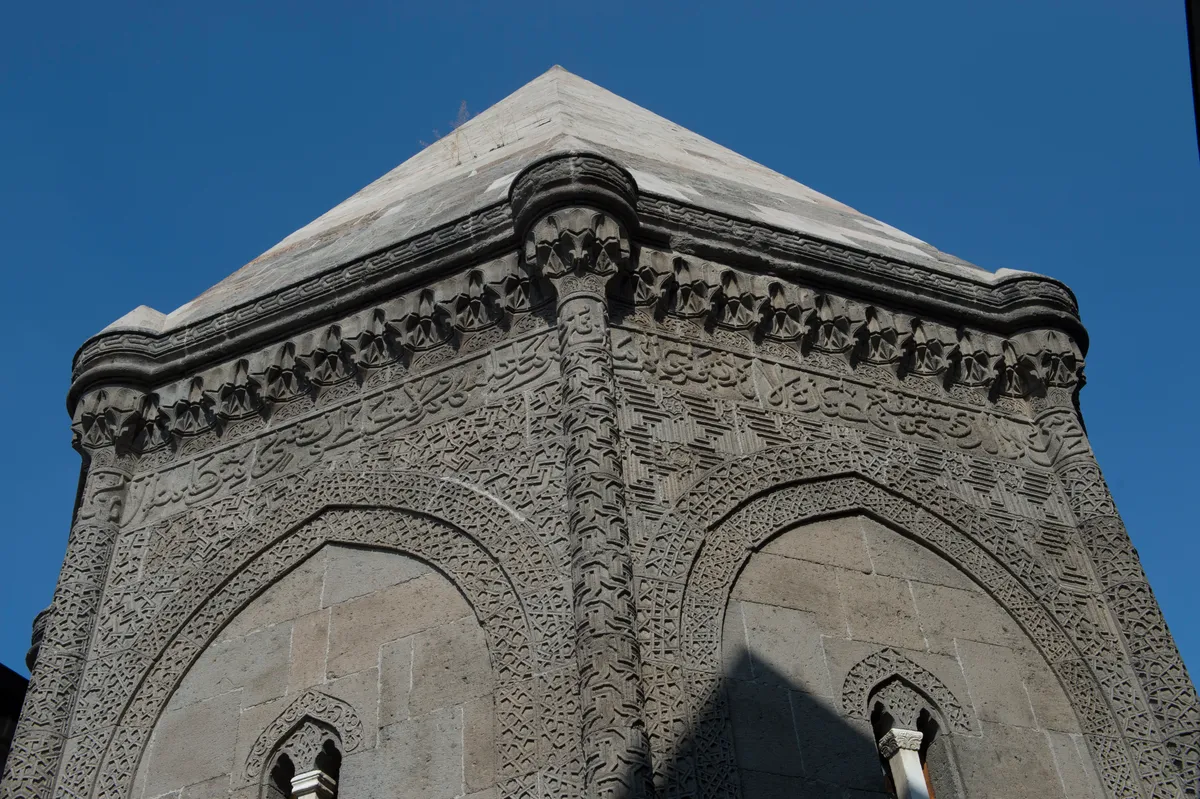
Built in 1267 by the eminent Anatolian Seljuk vizier Sahip Ata Fahreddin Ali, Sahabiye Madrasah stands as a zenith of Seljuk architectural stonecarving. Its breathtaking monumental portal (taç kapı) features deep geometric star reliefs, interlaced rope moldings, and delicate stalactite muqarnas that resemble intricate lace sculpted in stone.
Designed around an open central courtyard flanked by vaulted student chambers, the complex now operates as a quiet haven for antiquarian bookdealers and traditional artisans. Sipping hot Turkish tea beneath its weathered arches is an essential Kayseri pleasure.
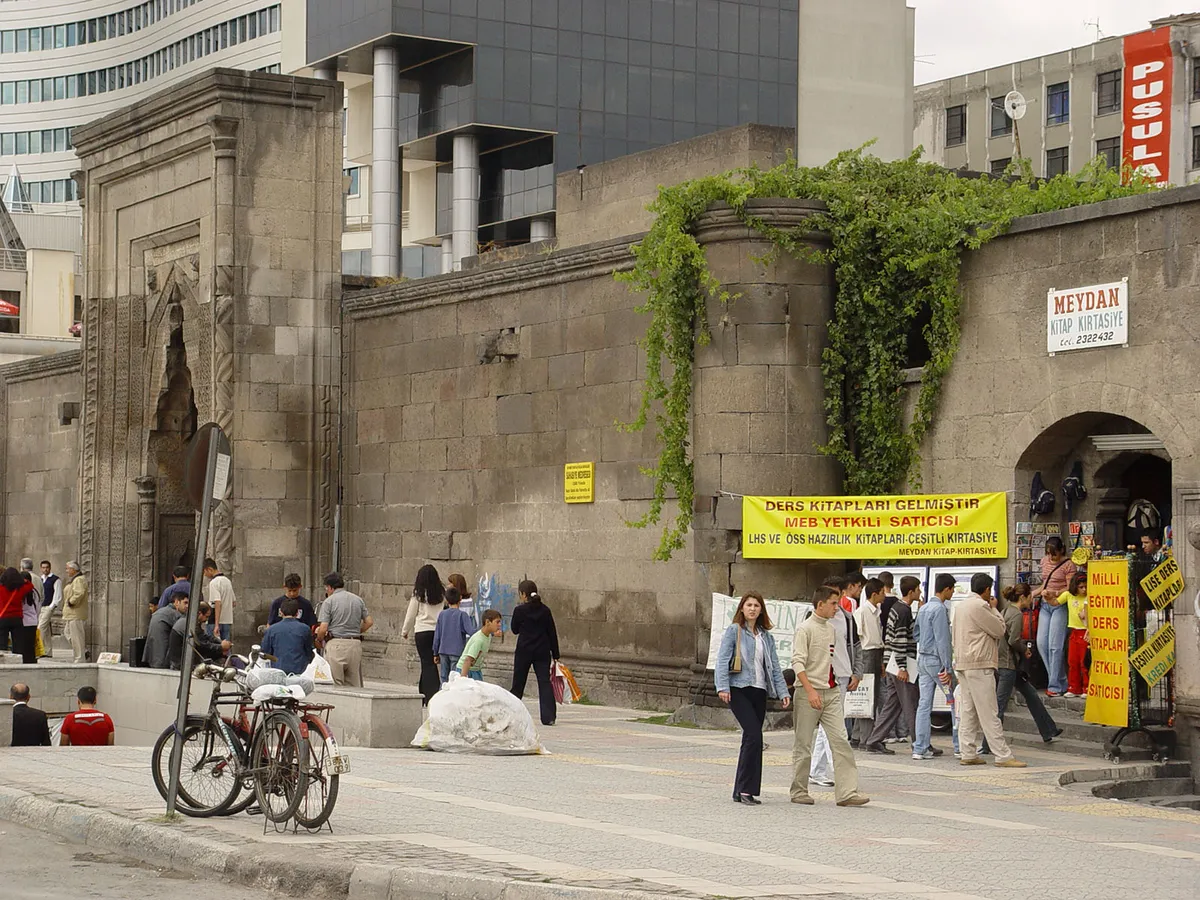
- Stonecarving Perfection: Celebrated by architectural historians as one of the most harmonious geometric compositions of the 13th century.
- Secondhand Books & Calligraphy: Vaulted student cells host antiquarian books, classic prints, and Islamic calligraphy workshops.
- Accessibility: Located just steps from Cumhuriyet Square, open daily to visitors free of charge.
8. Kayseri Great Mosque (Cami-i Kebir - 1135 Danishmend Heritage)
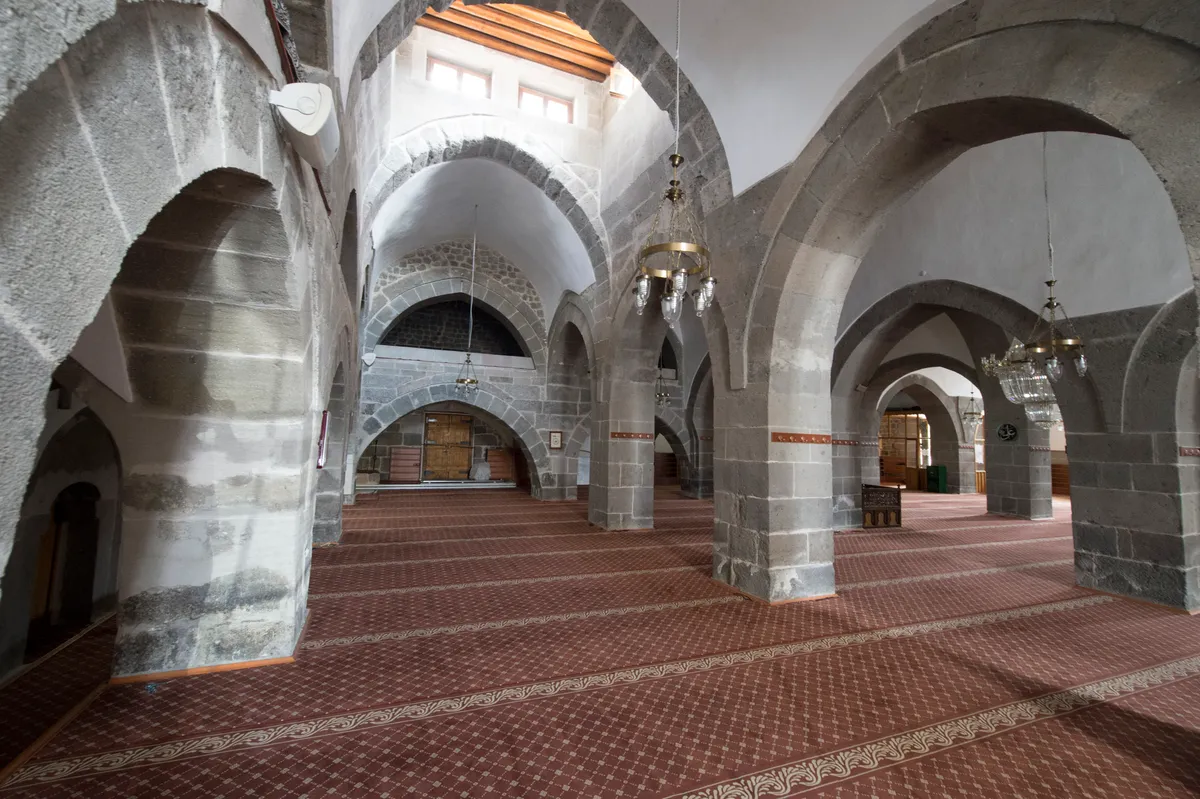
Erected between 1135 and 1142 by Melik Mehmet Gazi of the Danishmend dynasty, the Kayseri Great Mosque (Cami-i Kebir) is one of the oldest and most reverent hypostyle mosques in Anatolia. Dozens of stone pillars support low vaulted ceilings, illuminated by a central lantern dome that imbues the prayer hall with quiet majesty.
The mosque's prized treasure is its 12th-century walnut minbar, constructed using the intricate mortarless kündekari joinery method, representing one of the earliest preserved masterpieces of Turkish woodcraft. Its slender northern brick minaret has anchored the city's skyline for nine centuries.
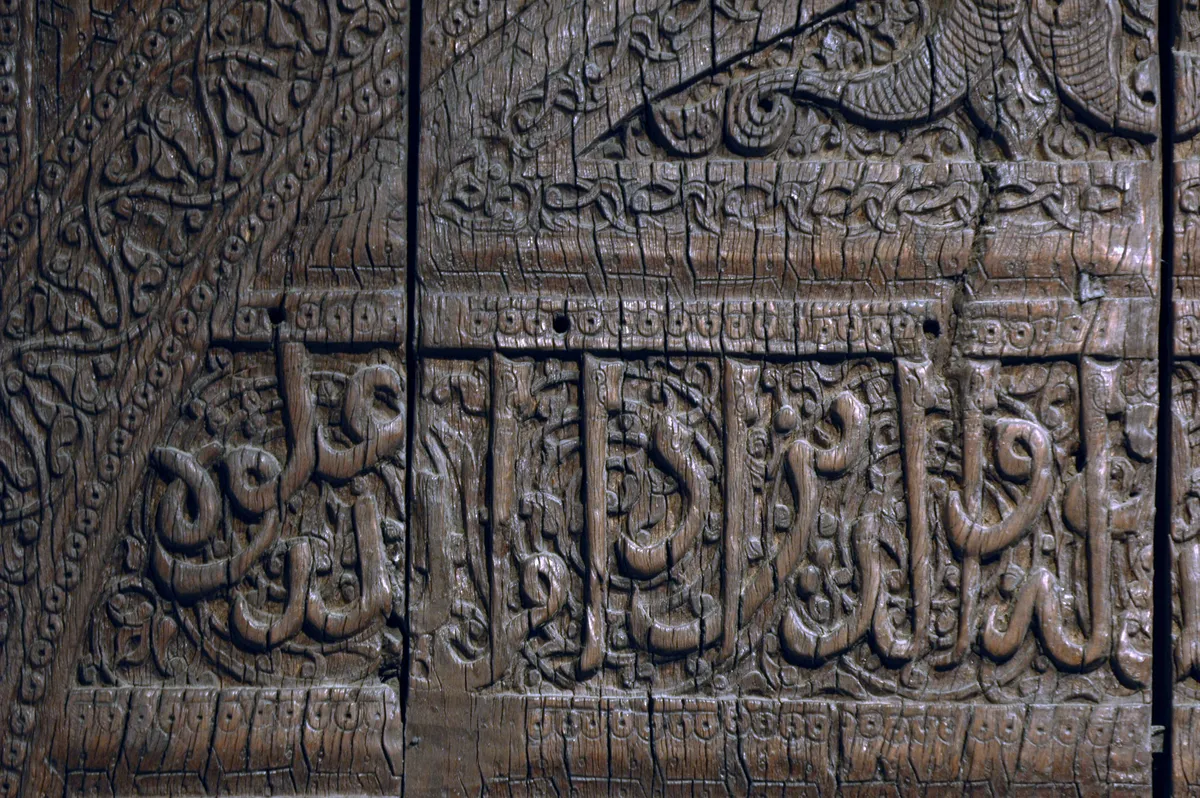
- Danishmend Legacy: Continually serving worshipers since the 12th century, showcasing early Anatolian Turkish architecture.
- Historic Minbar: Marvel at the original interlocking walnut woodwork assembled without a single metal nail.
- Tranquil Courtyard: Shaded by centennial plane trees adjacent to the covered market, ideal for quiet contemplation.
9. Historic Sultanhanı Caravanserai (1232 - Sultan Alaeddin Keykubad's Silk Road Citadel)
Situated northeast of Kayseri on the historical Silk Road highway toward Sivas, Sultanhanı Caravanserai was constructed between 1232 and 1236 by the legendary Seljuk Sultan Alaeddin Keykubad I. Resembling an impregnable fortress with massive marble gateways, an elevated kiosk-mosque in the courtyard, and cavernous winter halls, it represents the absolute apex of Silk Road engineering.
During the Seljuk Empire, traveling merchants and camel caravans were offered three days of complimentary lodging, food, and veterinary medical care under a state-backed insurance system. Under winter snows, the caravanserai's vaulted arcades appear straight out of a medieval legend.
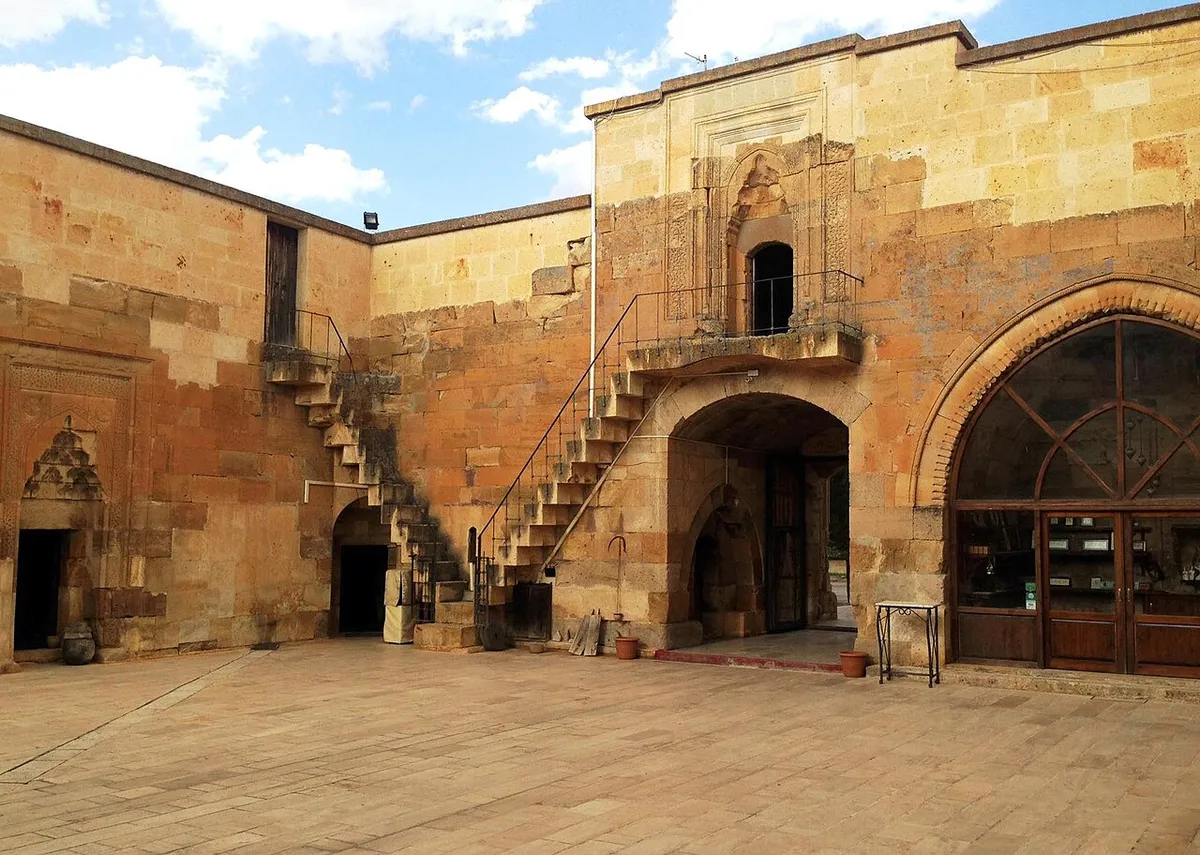
- State-Sponsored Silk Road Haven: Provided free security, lodging, and medical aid to foreign and local merchants for 72 hours.
- Elevated Kiosk-Mosque: Perched on four sturdy masonry arches in the open courtyard, adorned with carved dragon motifs.
- Getting There: Located 45 km northeast of Kayseri city center along the D260 Malatya/Sivas highway.
10. Soğanlı Valley Open-Air Museum (Volcanic Tuff & Byzantine Cave Churches)
Carved into volcanic tuff blankets spewed across millions of years by Mount Erciyes, Soğanlı Valley in Yeşilhisar forms the serene southern threshold of Cappadocia. During the early Byzantine era, monastic communities excavated cave sanctuaries such as Karabaş, Yılanlı (Serpent), Kubbeli (Dobed), and Tahtalı churches, adorning them with vibrant biblical frescoes from the 9th to 13th centuries.
Thousands of ancient dovecotes perforate the canyon walls, while local village women craft geographically indicated, colorful Soğanlı Cloth Dolls. Pairing morning powder turns on Erciyes with an afternoon hot-air balloon flight above this peaceful canyon creates an unforgettable contrast.
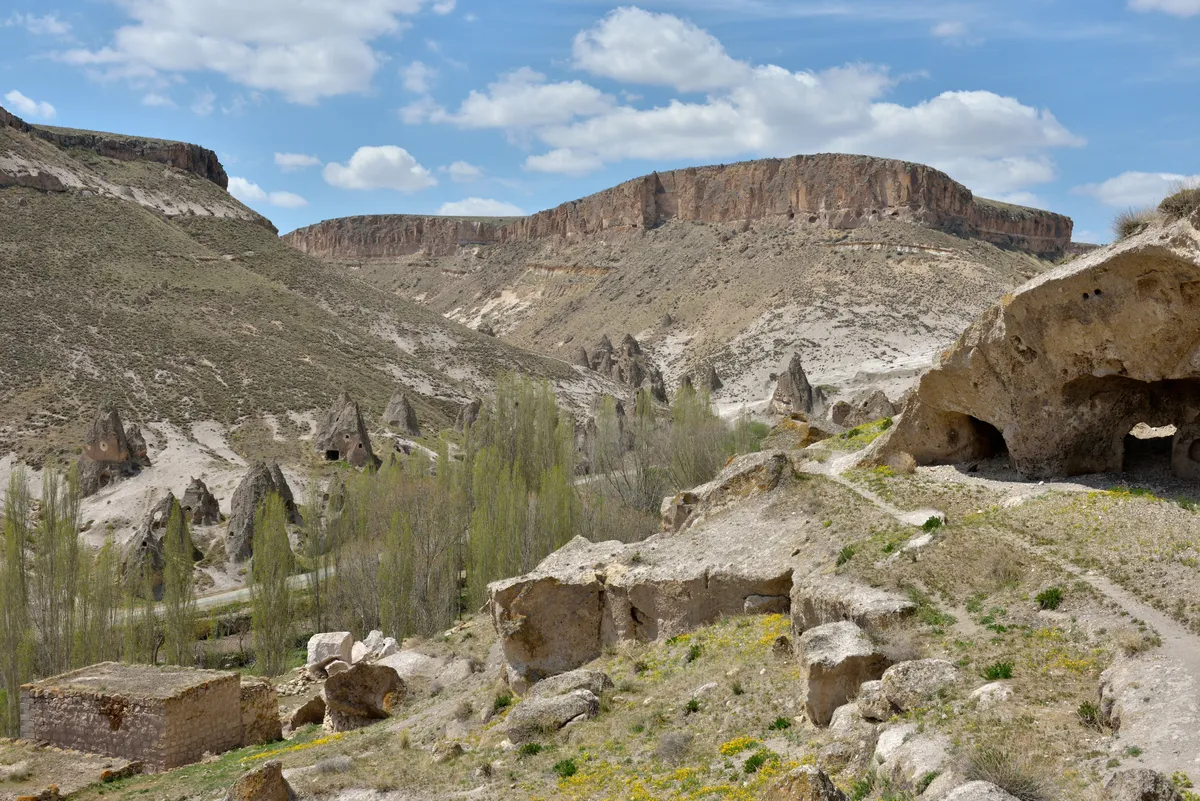
- Kubbeli Church: A rare architectural marvel where a freestanding fairy chimney was hollowed out and carved into an exterior dome.
- Authentic Cloth Dolls: Hand-stitched by village women using traditional floral fabrics, a cherished folk heritage craft.
- Hot Air Ballooning: Experience peaceful morning balloon flights drifting low across the quiet canyon without Cappadocia's crowds.
Erciyes & Kayseri Gastronomy: What to Eat & Signature Dishes
Kayseri's culinary repertoire is a sophisticated art form balancing spiced meats, hand-stretched pastries, and eight centuries of Seljuk culinary tradition:
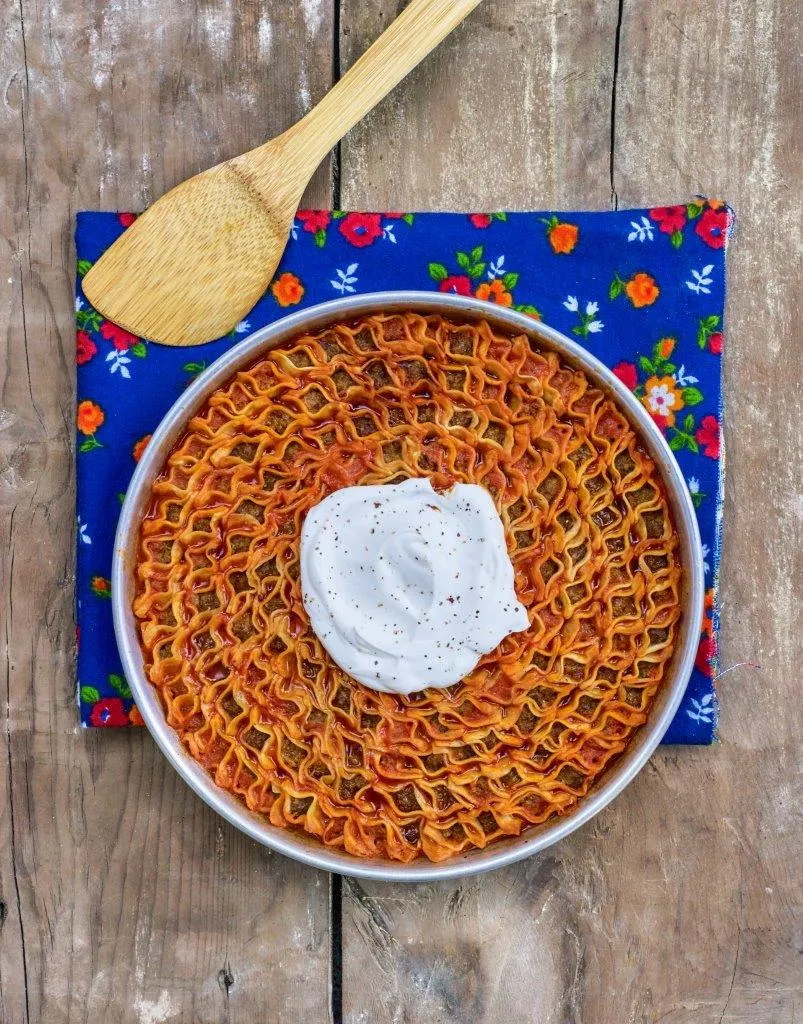
- Kayseri Yağlaması (Şebit): Ten to fifteen layers of paper-thin griddled flatbreads stacked with spiced minced meat, tomato, and pepper sauce, served with garlic yogurt and eaten folded like a crepe.
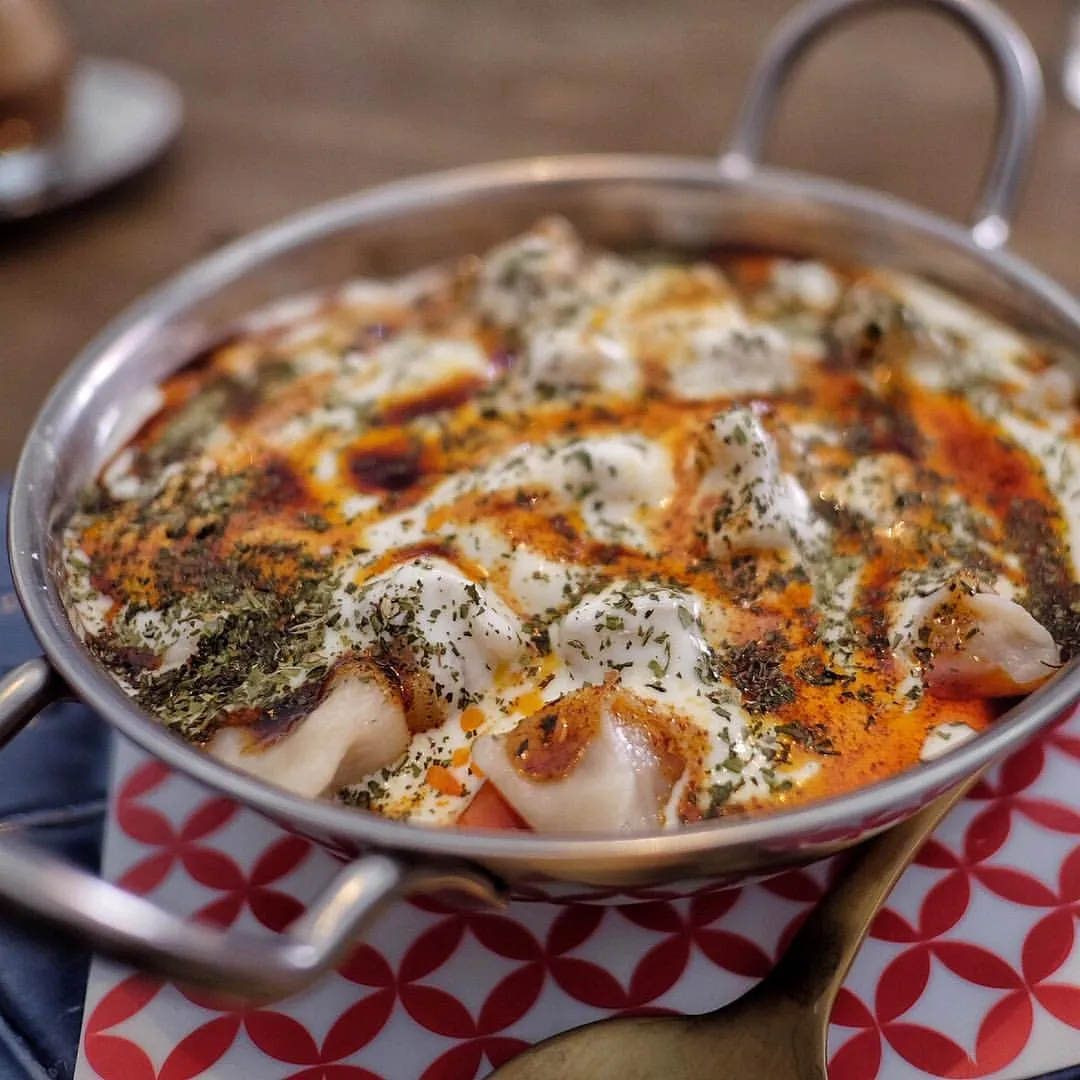
- Classical Kayseri Mantısı: Miniature dumplings wrapped by hand so small that forty fit into a single soup spoon, served in rich tomato broth topped with sumac, dried mint, and sizzled butter.
- Cured Pastırma & Fermented Sucuk: Naturally air-dried beef tenderloin encrusted in pungent garlic-fenugreek paste, carved wafer-thin and served raw or warm over toasted sourdough.
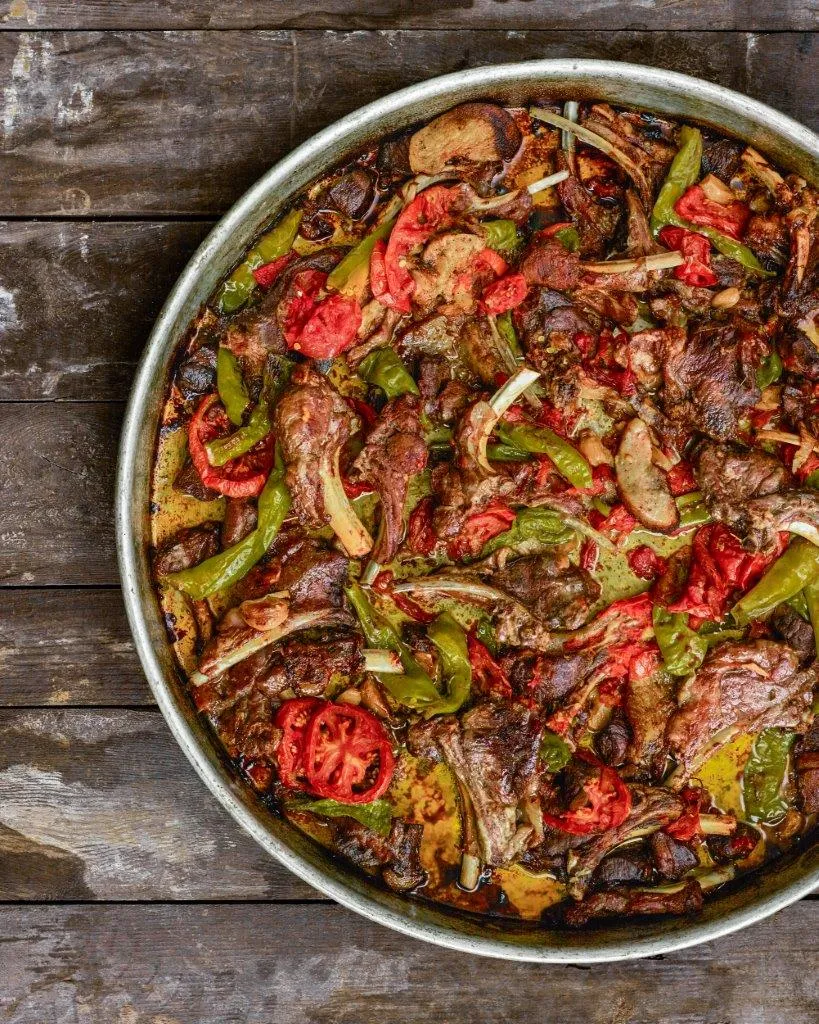
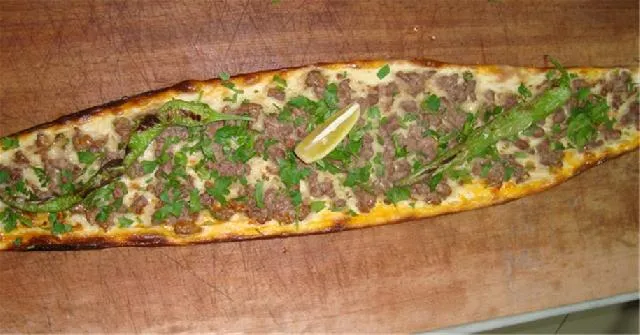
- Develi Cıvıklısı: Hand-diced tender lamb baked with diced tomatoes and peppers over ultra-thin crust in wood-fired stone ovens.
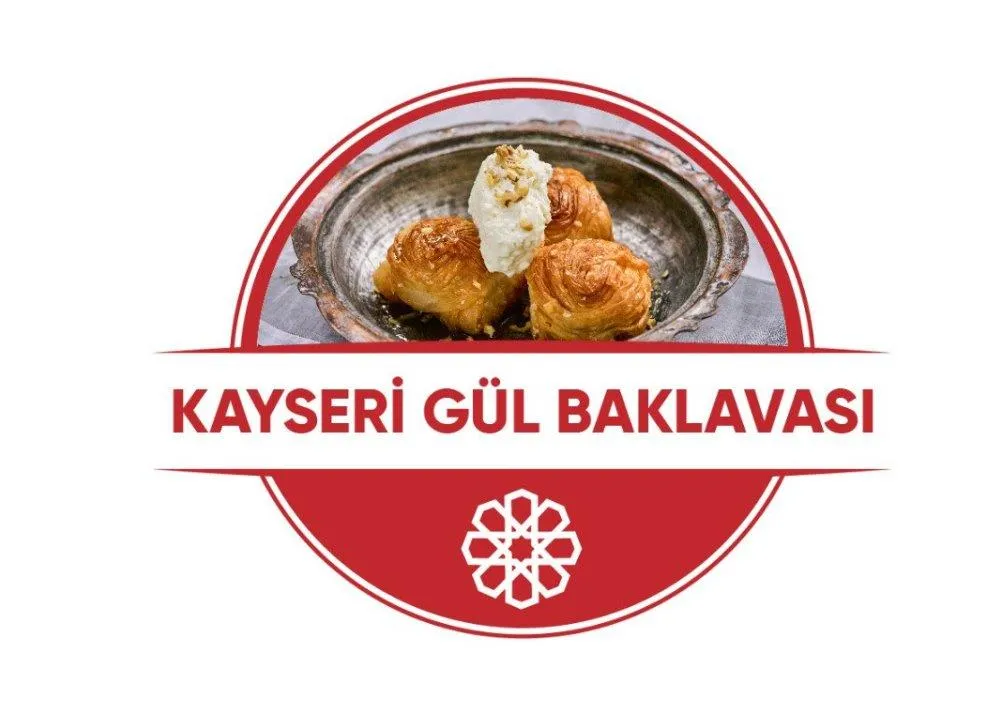
- Nevzine Dessert: A crumbly celebratory baked cake made of tahini, crushed walnuts, and semolina, drenched in hot grape molasses syrup upon leaving the oven.
- Pöç Kebab & Tandoori Broth: Beef oxtail slow-braised in earthenware pots inside wood-fired brick tandoor ovens for 16 hours until meltingly tender.
How to Get to Erciyes: Flights, Highways & Mountain Access
Erciyes ranks among the world's most accessible high-altitude ski resorts:
- By Air (Erkilet Airport - 25 Minutes): Multiple daily scheduled flights connect Kayseri (ASR) to Istanbul, Izmir, and Antalya. Dual-lane mountain expressways link the terminal directly to the ski slopes in under half an hour.
- Public Ski Shuttles: Kayseri Metropolitan Municipality operates convenient daily ski bus shuttles from the Seyyid Burhaneddin central bus terminal directly to Tekir Gate during the winter season.
- Road Maintenance & Safety: The four-lane Kayseri-Erciyes-Develi highway is continuously salted and cleared around the clock by highway crews. Winter snow tires are legally mandatory.
The Ideal 3-Day Erciyes & Kayseri Winter & Gastronomy Itinerary
- Day 1 | Tekir Gate Slopes & Floodlit Night Skiing: Ascend the high-altitude gondolas to 3,400 meters, savor grilled sucuk sandwiches on sunny mountain terraces, and carve through the illuminated night run under stars until 20:00.
- Day 2 | Hacılar Gate Challenges & Hürmetçi Wild Horses: Conquer FIS-approved steep slopes at Hacılar Gate in the morning; descend to Hürmetçi Marsh in the afternoon to photograph running herds of wild horses at sunset, followed by a dinner of Develi cıvıklısı.
- Day 3 | Seljuk Heritage & Grand Bazaar Shopping: Tour the subterranean halls of the Citadel Museum, discover the ancient music therapy wards of Gevher Nesibe Complex, stock up on pastırma in the Covered Bazaar, and feast on layered Kayseri yağlaması.
With its 3,917-meter volcanic peak piercing alpine azure skies, miles of illuminated powder runs, majestic wild horses galloping through marshland mist, and the rich culinary heritage of Seljuk Anatolia, Mount Erciyes offers an exhilarating winter holiday that seamlessly blends world-class sports with timeless culture.