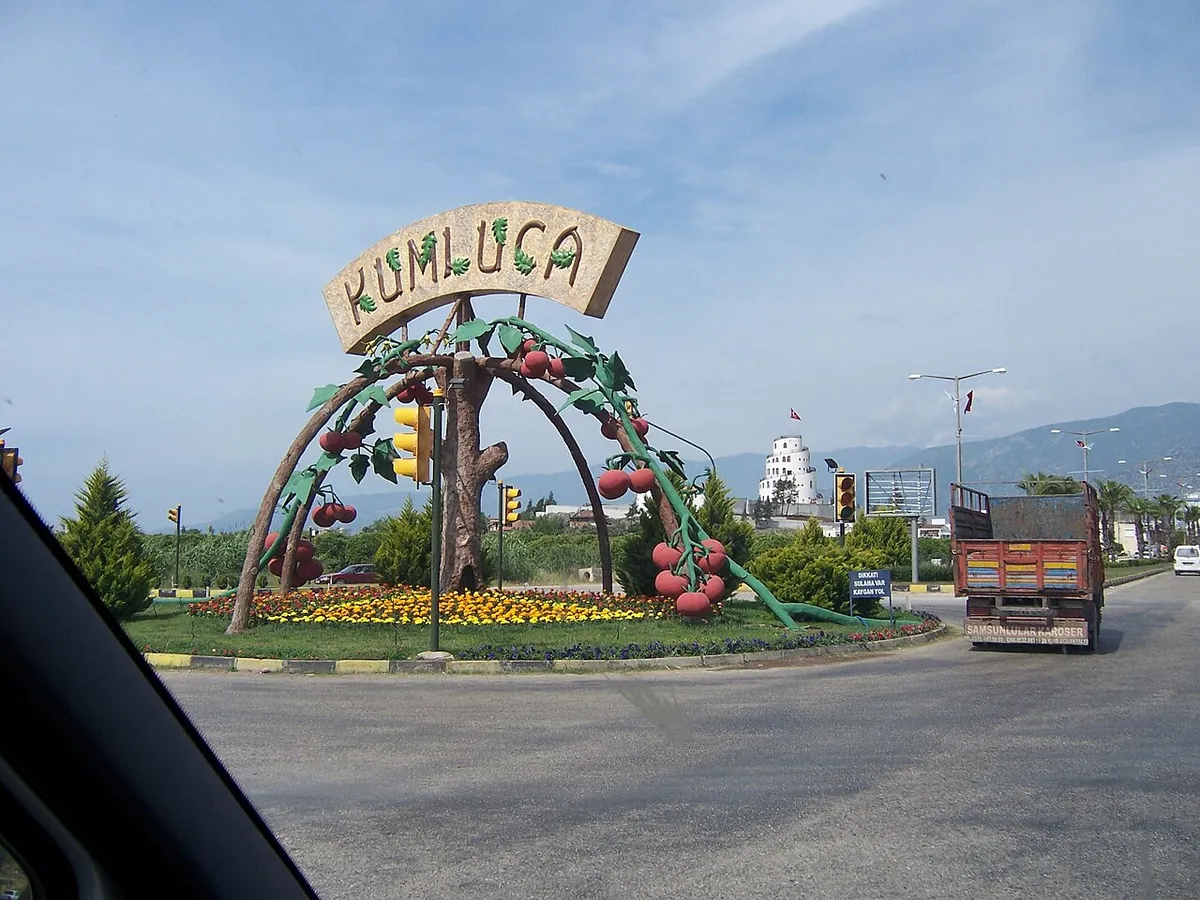
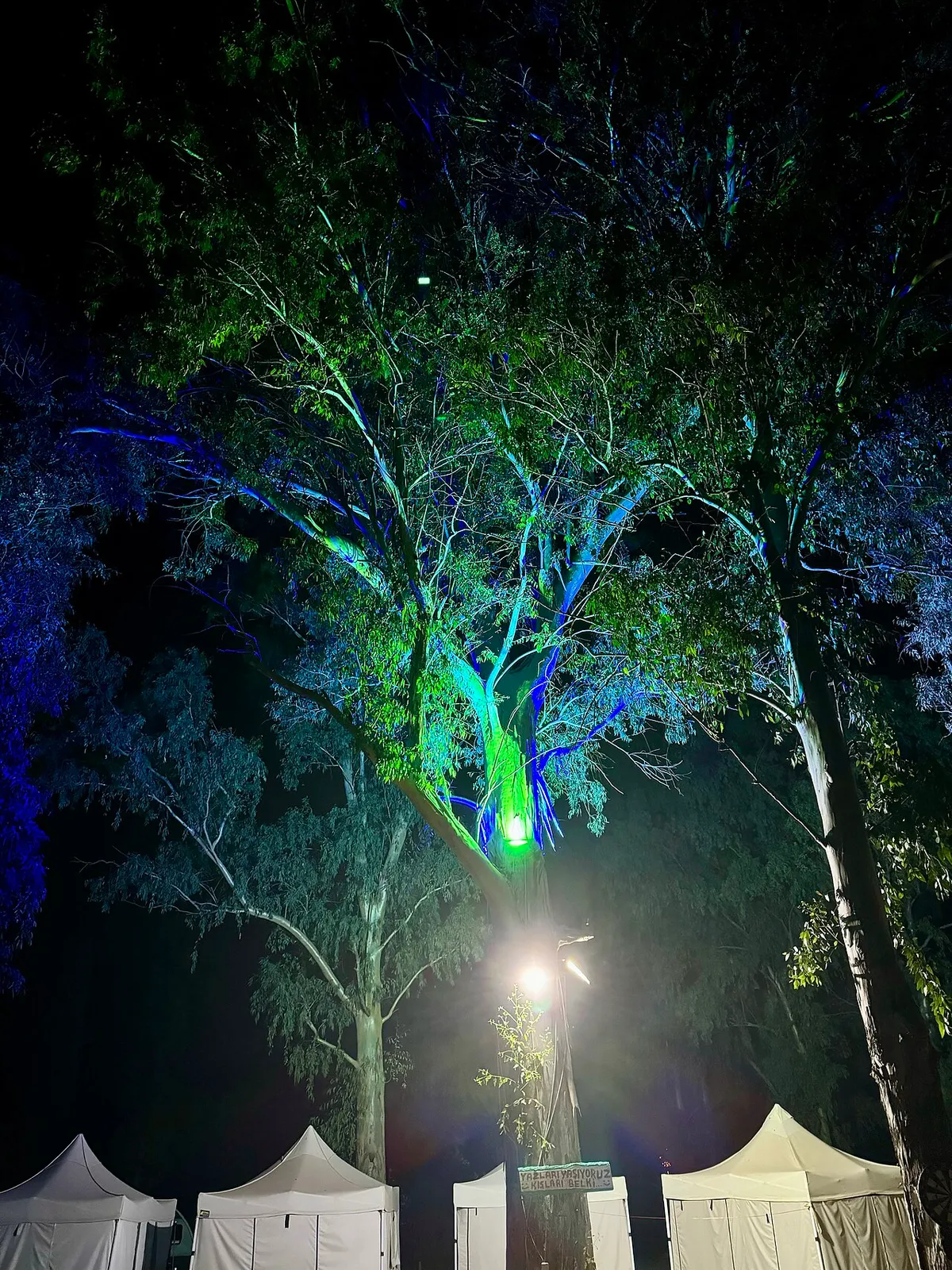
Nestled along the rugged coastline of ancient Lycia, Olympos stands as one of the Mediterranean's most poetic destinations. Here, an ice-cold freshwater stream weaves through wild laurel groves and Roman ruins before meeting the sea, while nearby, natural methane flames have emerged continuously from mountain crevices for millennia at Chimaera (Yanartas). With its pebble beach shared harmoniously with endangered loggerhead turtles (Caretta caretta) and secluded pirate havens nestled beneath Mount Tahtali, Kumluca offers an unforgettable blend of classical history and pristine natural beauty.
- History and Lycian Heritage: The Legend of Bellerophon, Pirate Zeniketes, and the Eternal Fire
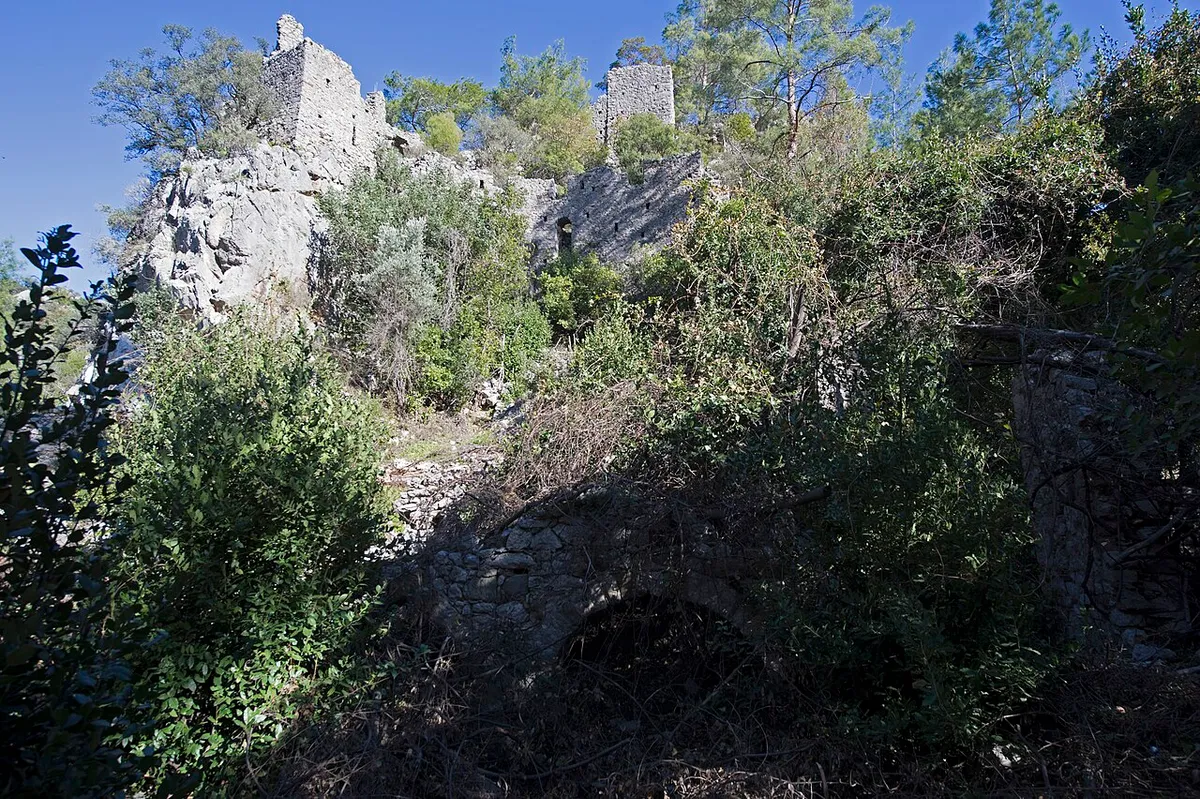
The history of Olympos dates back to the 2nd century BCE, when it was minted as one of the six premier cities of the Lycian League endowed with three voting rights. In the 1st century BCE, the formidable Cilician pirate chief Zeniketes seized Olympos and fortified its rugged headlands as a privateer base, controlling eastern Mediterranean trade routes until Roman proconsul Servilius Vatia Isauricus captured the stronghold in 78 BCE. The inner navigable canal of the Akcay river allowed ancient merchant and war vessels to moor directly within the sheltered city center.
Classical mythology indelibly links this valley with the heroic tale of Bellerophon and his winged steed Pegasus, who vanquished the fire-breathing Chimaera—a beast combining the body of a goat, the head of a lion, and the tail of a serpent. The myth recounts that the vanquished monster was buried deep into the mountain, its fiery breath perpetually venting through rocky fissures. These eternal flames served as an indispensable natural lighthouse for Phoenician and Roman navigators plying the night seas.
- Comprehensive Two-Day Itinerary: Ancient Harbor, Turquoise Bays, and Night Chimaera Hike
Day 1: Ancient Olympos Ruins, Aqueducts, Cirali Beach, and the Flames of Chimaera
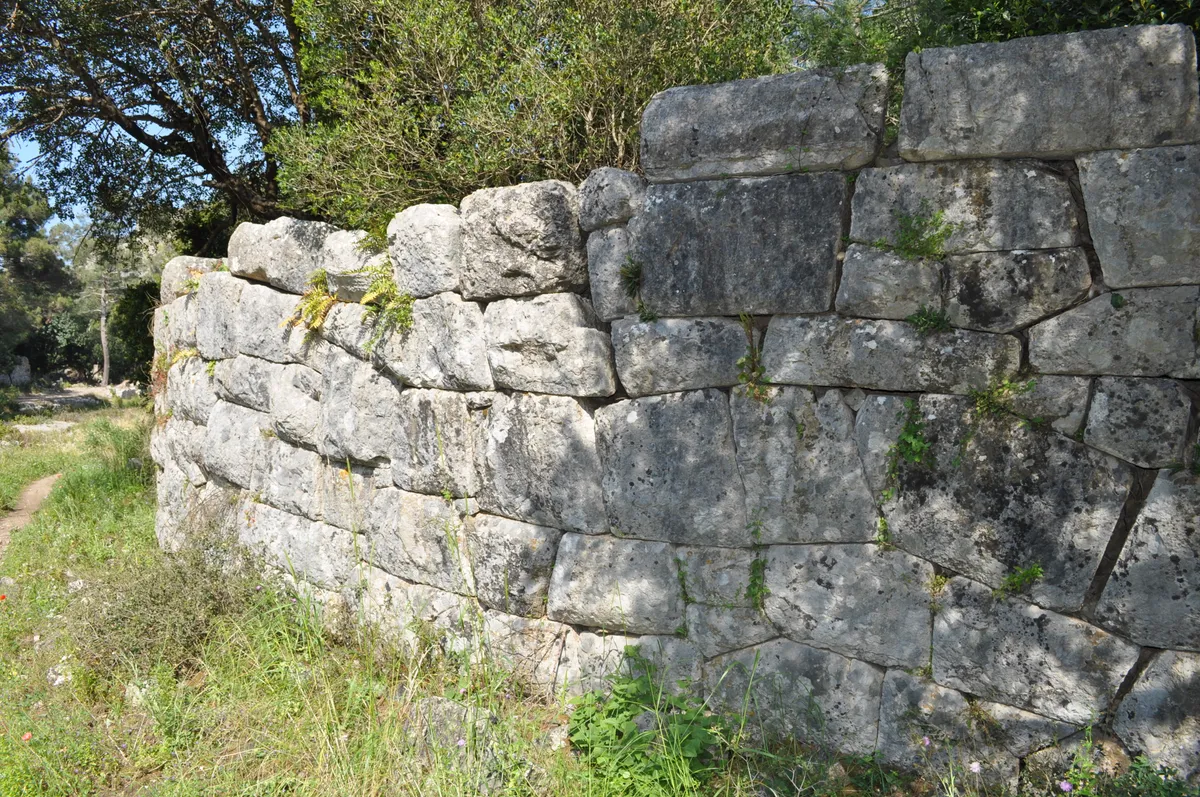
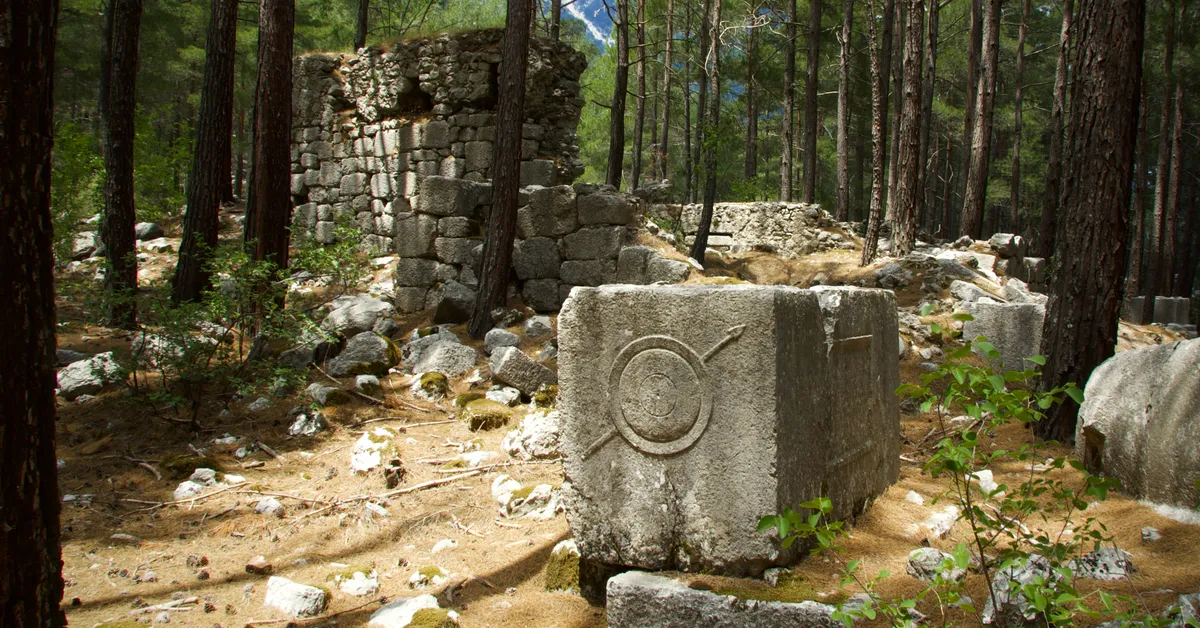
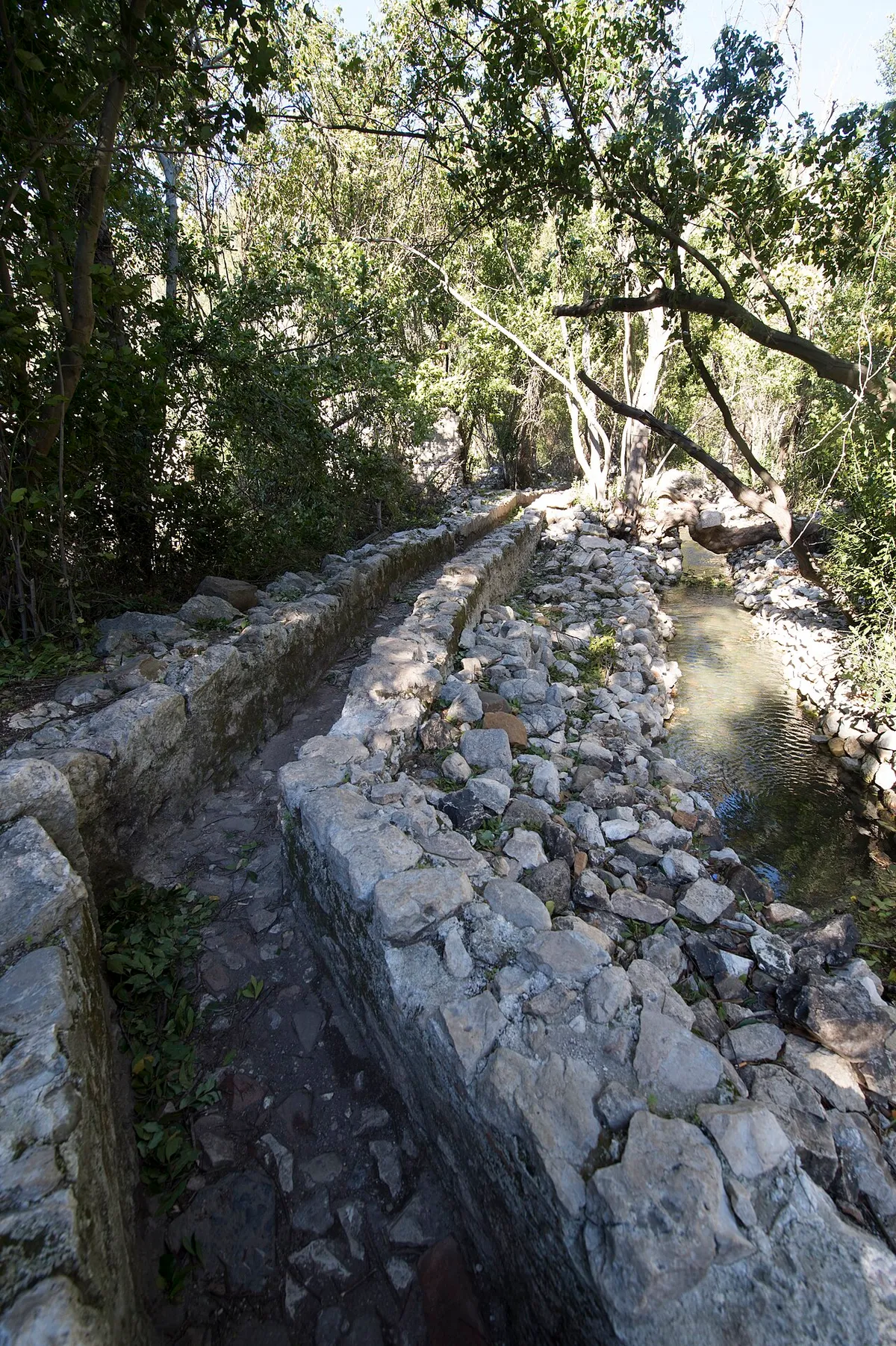
Begin in the quiet morning hours walking the shaded dirt path of the Olympos gorge. Stroll among monumental stone tombs, the Roman theater, a mosaic-paved basilica, and the elaborate burial chamber of Marcus Aurelius Arkhepolis. The babble of the mountain stream flowing alongside weathered limestone creates an ethereal open-air museum experience.
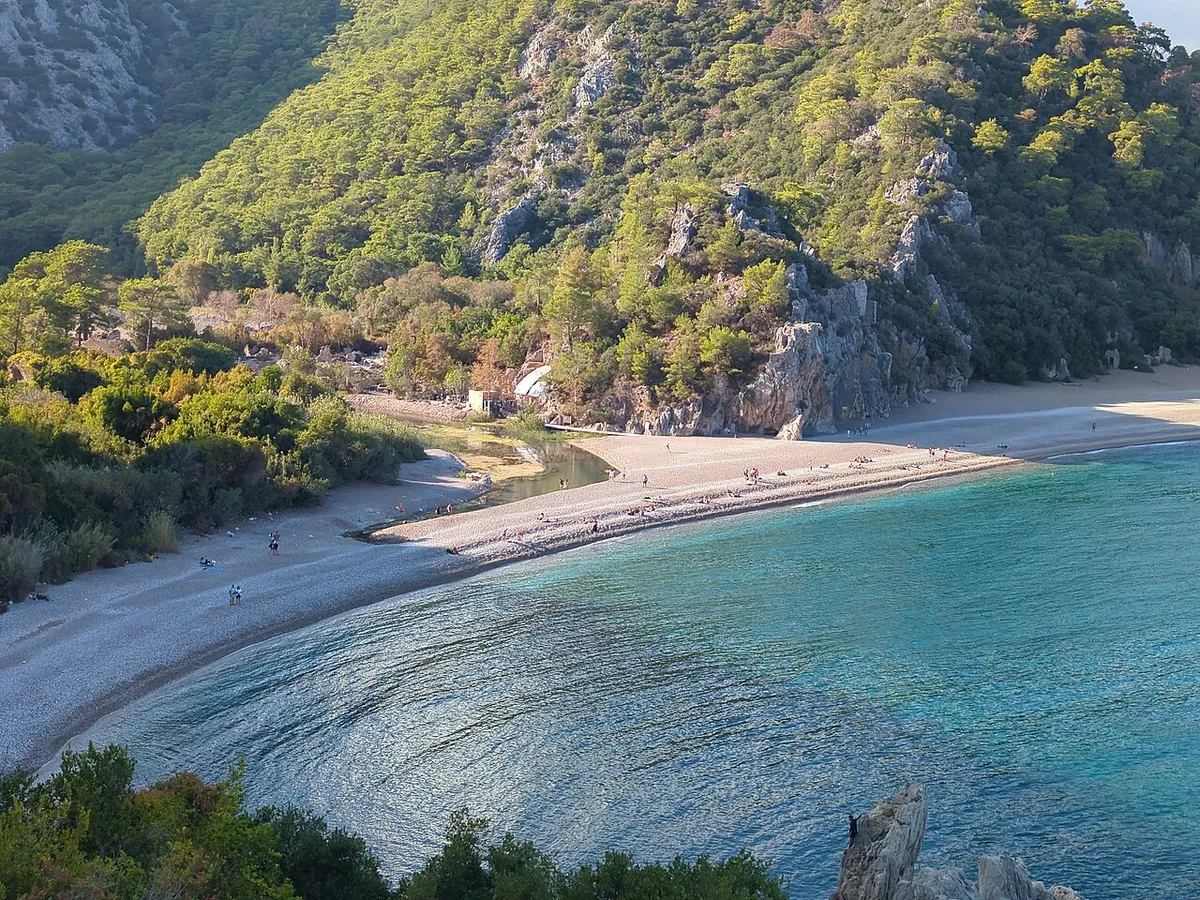
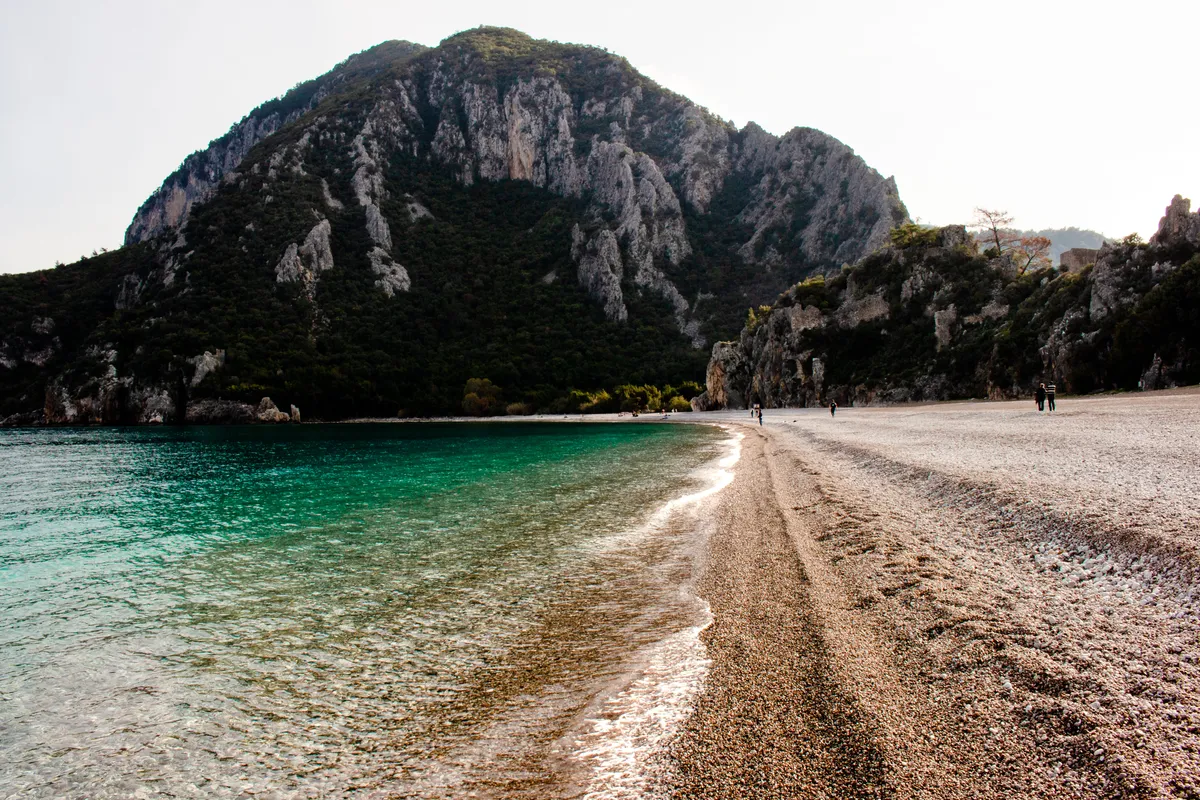
Emerging from the valley mouth, you reach the expansive pebbled arc where the cold creek merges into the warm Mediterranean Sea. This is Cirali and Olympos Beach, bordered by towering cliffs and strictly protected as a vital nesting ground for endangered loggerhead sea turtles.
After resting among Cirali's fragrant orange and pomegranate groves in the afternoon, embark on the evening ascent to Yanartas (Chimaera) as dusk falls. A 25-minute hike up ancient stone stairs brings you to open rock plateaus where multiple eternal fires dance across the bare stone against a starry night sky.
Day 2: Rhodiapolis Theater, Adrasan Bay, Suluada Island, and Cape Gelidonya Lighthouse
Spend the second morning exploring Rhodiapolis, perched high on an acropolis overlooking Kumluca. Here stands the monumental inscription honoring Opramoas, the wealthiest and most celebrated benefactor in Lycian antiquity, alongside an intact amphitheater offering sweeping vistas over fertile citrus orchards.
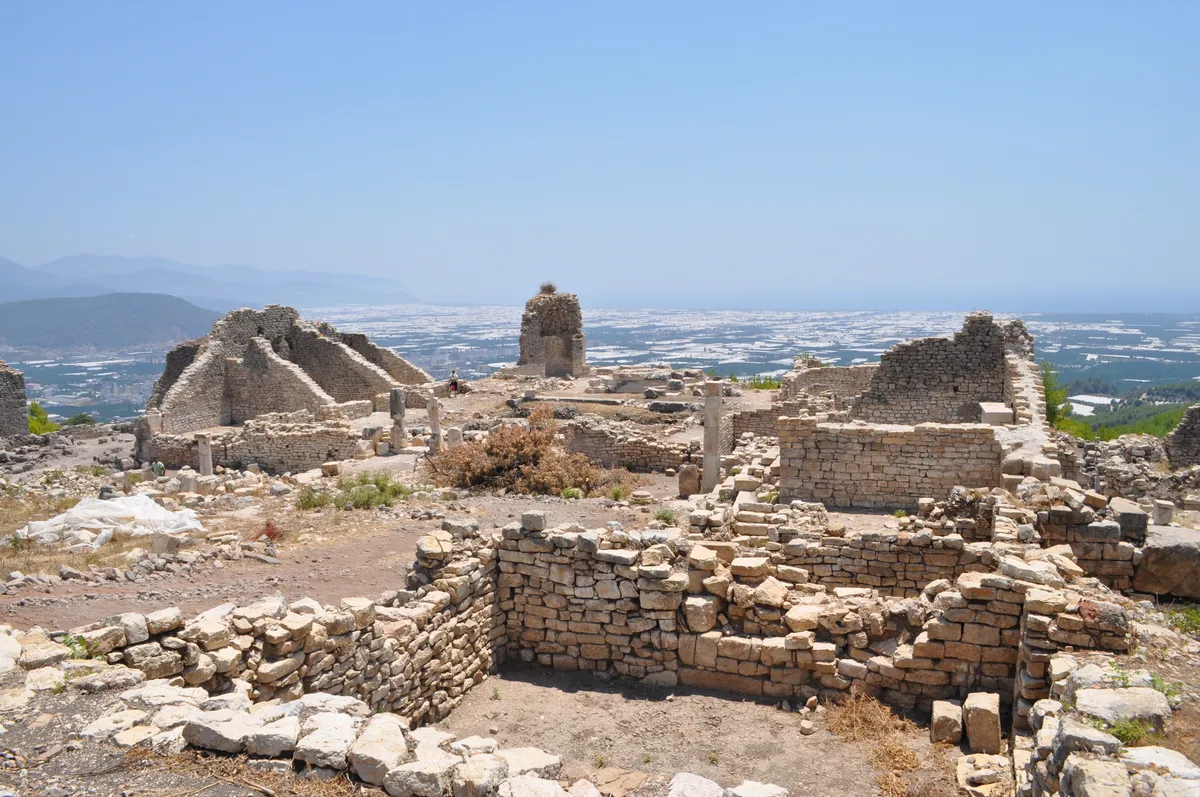
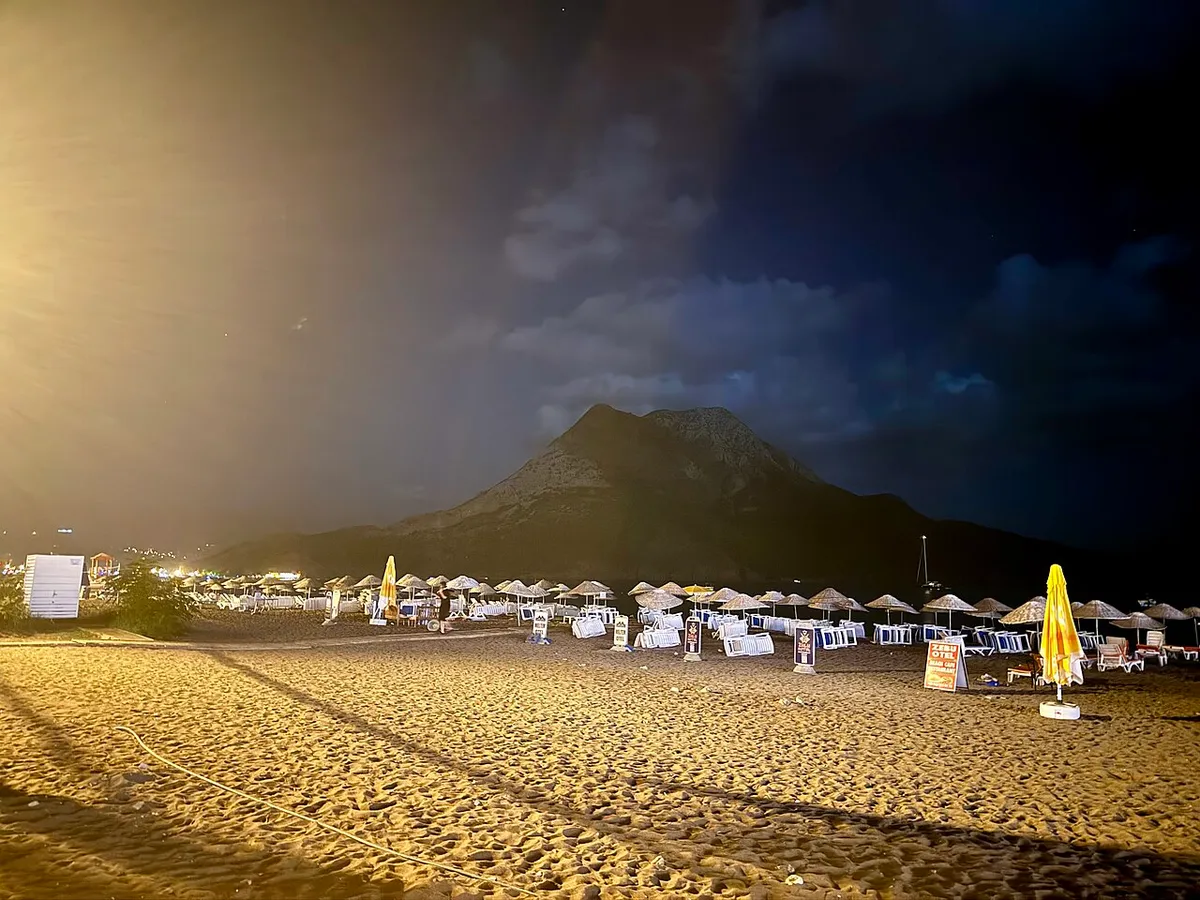
Drive south toward Adrasan Bay, a tranquil two-kilometer crescent lagoon surrounded by aromatic pine forests and mountain ridges, famous for its calm sea and shallow depths.
Board a traditional wooden day-boat from Adrasan pier to Suluada, frequently praised as the 'Maldives of Turkey'. Thanks to dazzling white limestone sea stacks and subsea underwater freshwater springs, Suluada features incandescent sapphire waters perfect for snorkeling.
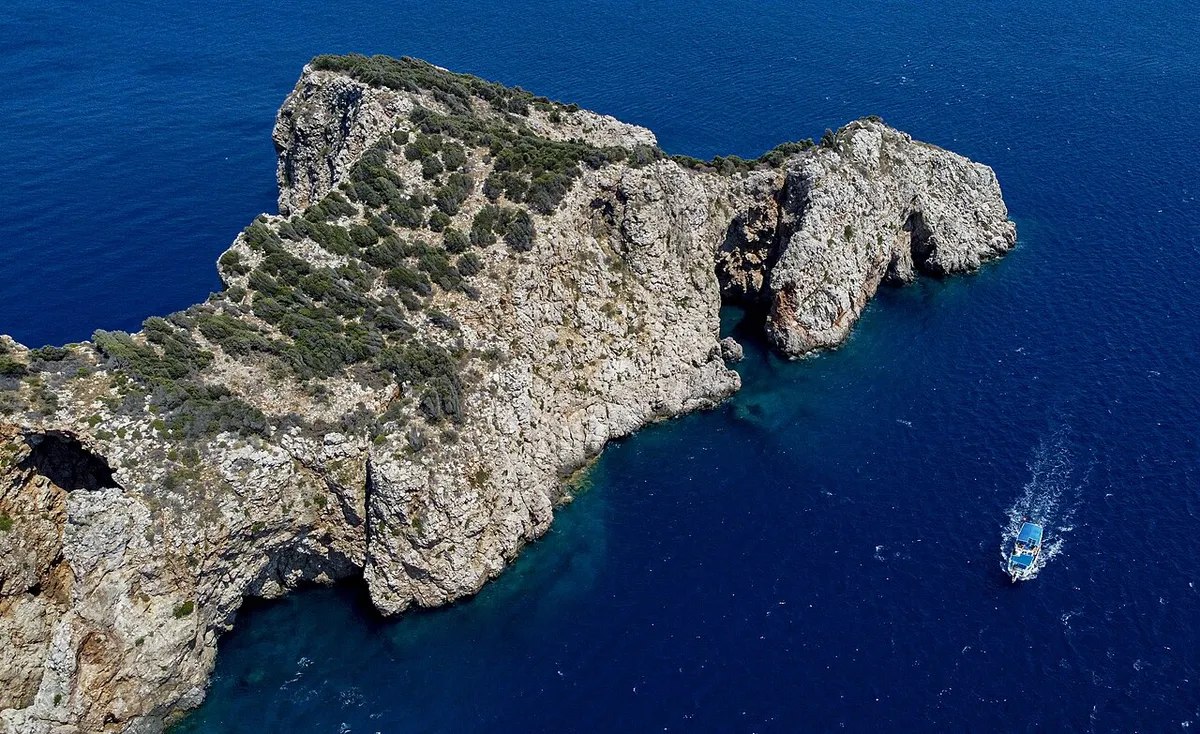
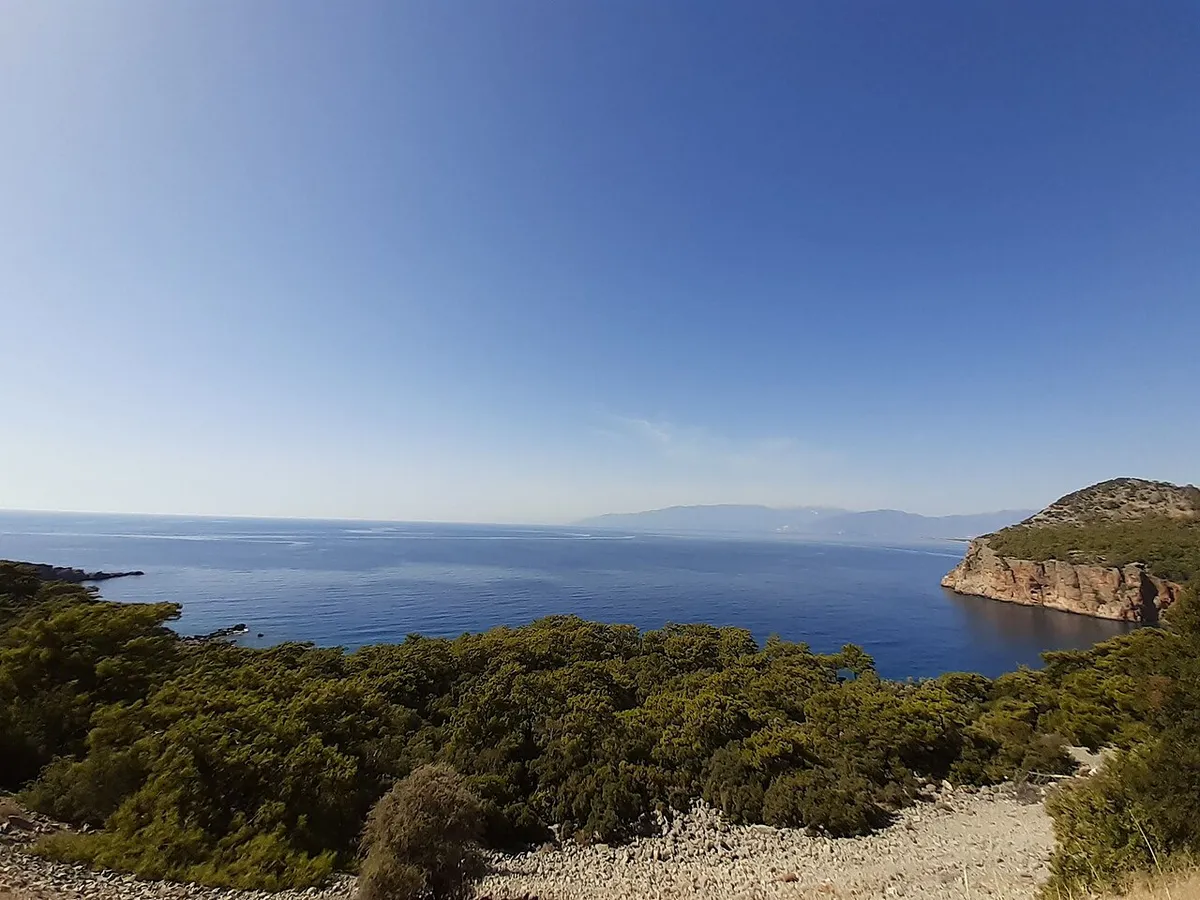
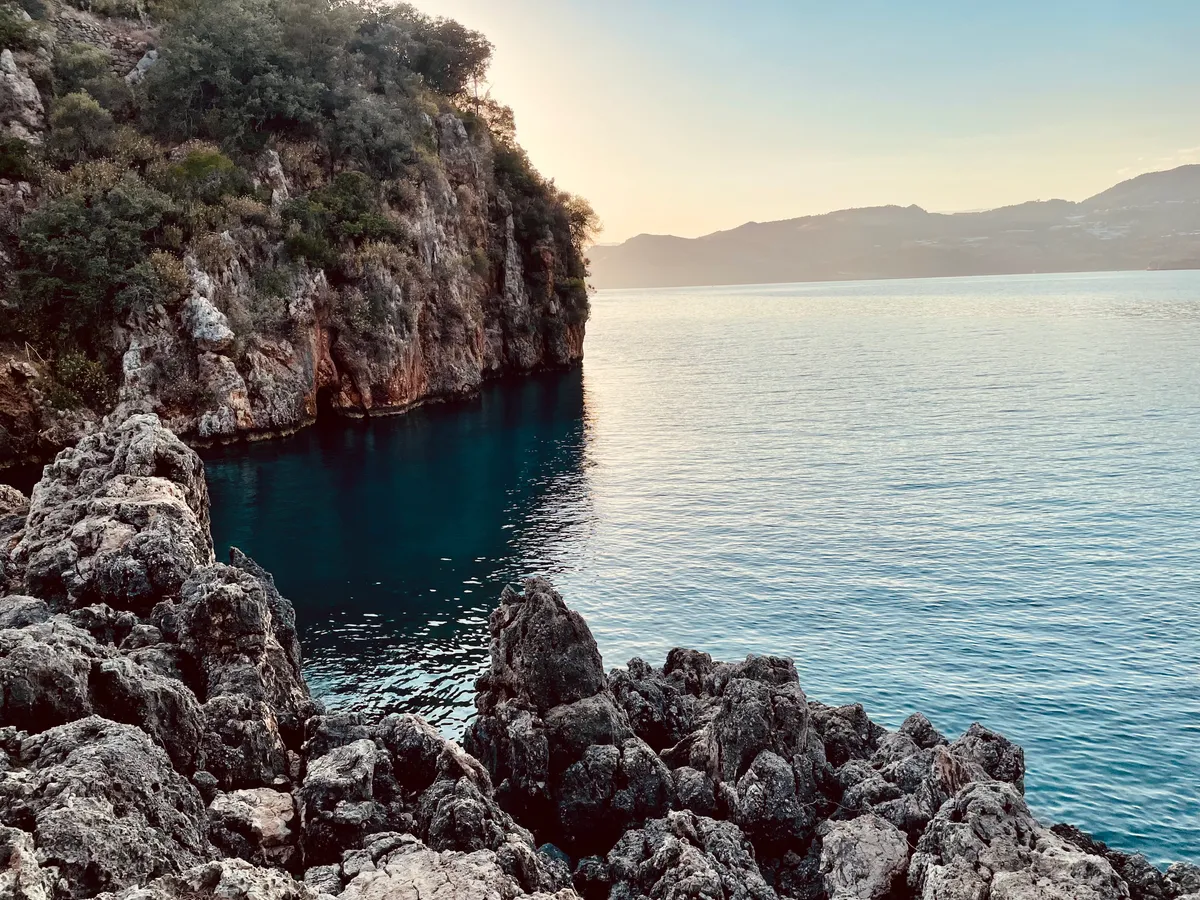
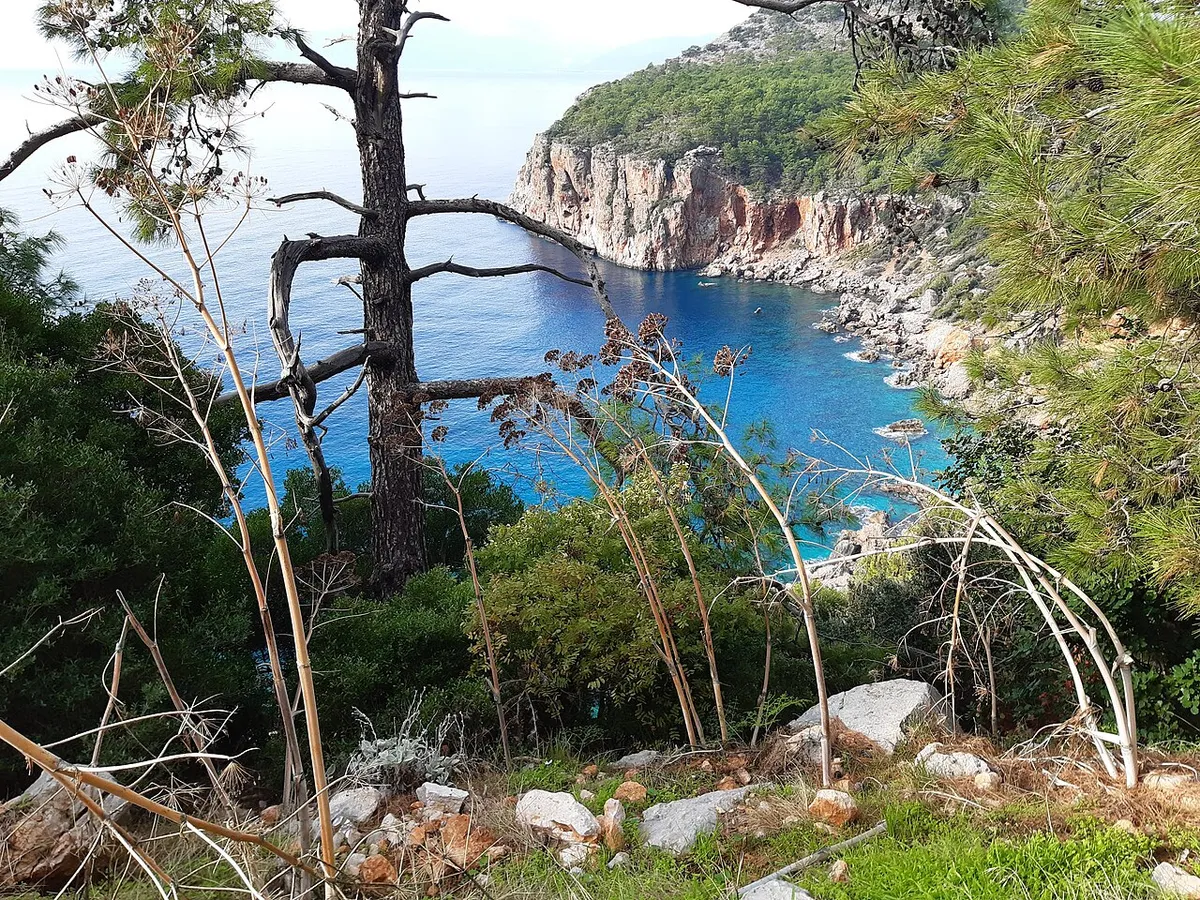
The boat cruise continues along secluded bays accessible only by sea or the Lycian Way trail: Porto Ceneviz (Genoese Port) and Sazak Bay, where towering vertical escarpments plunge directly into cobalt depths.
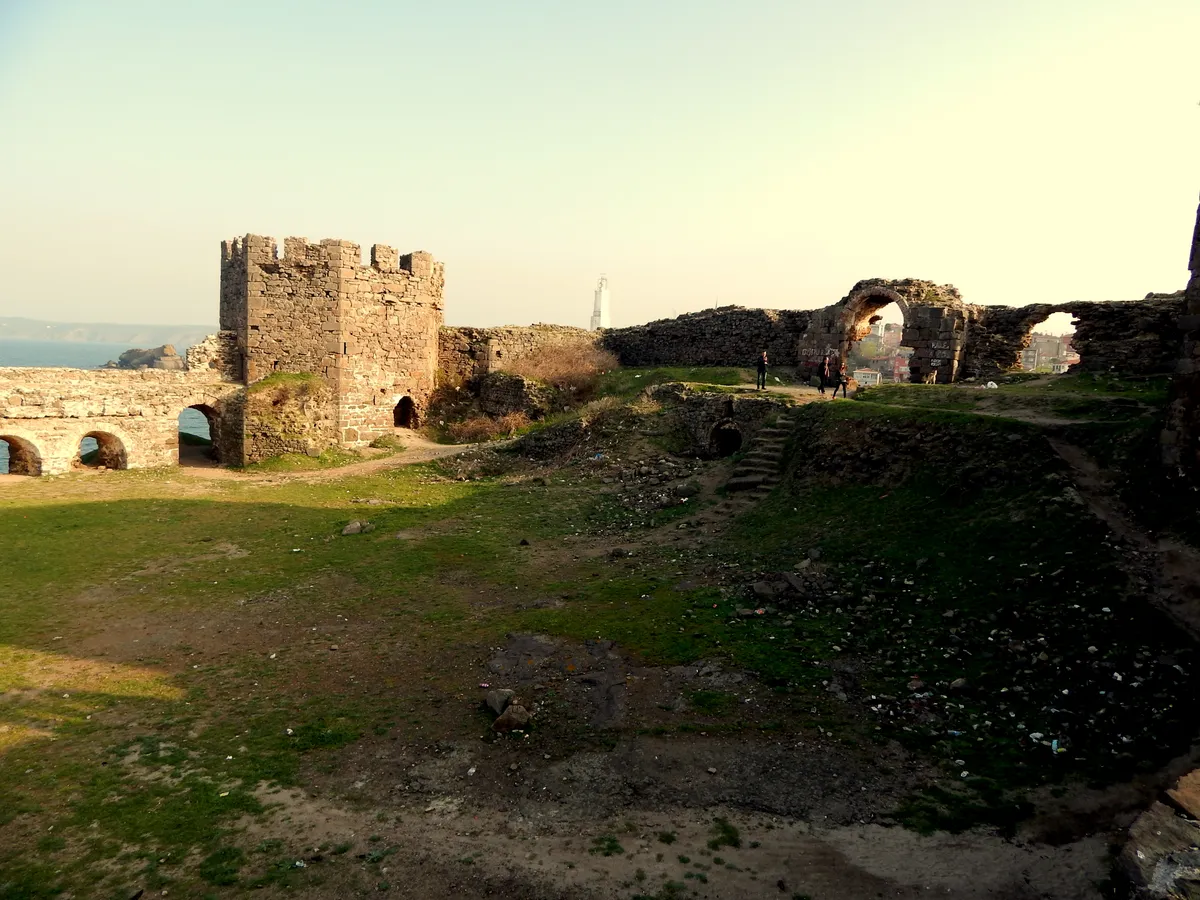
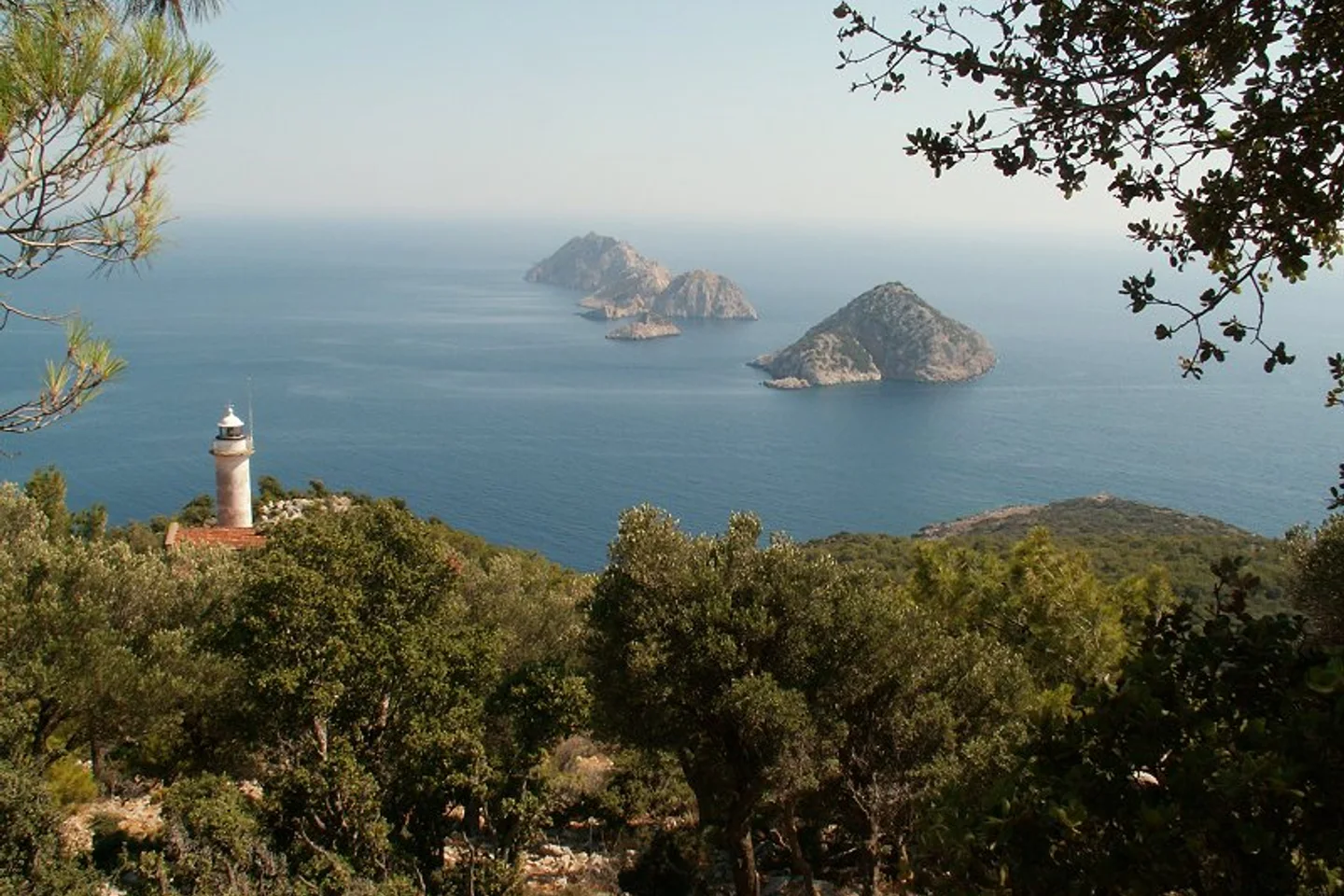
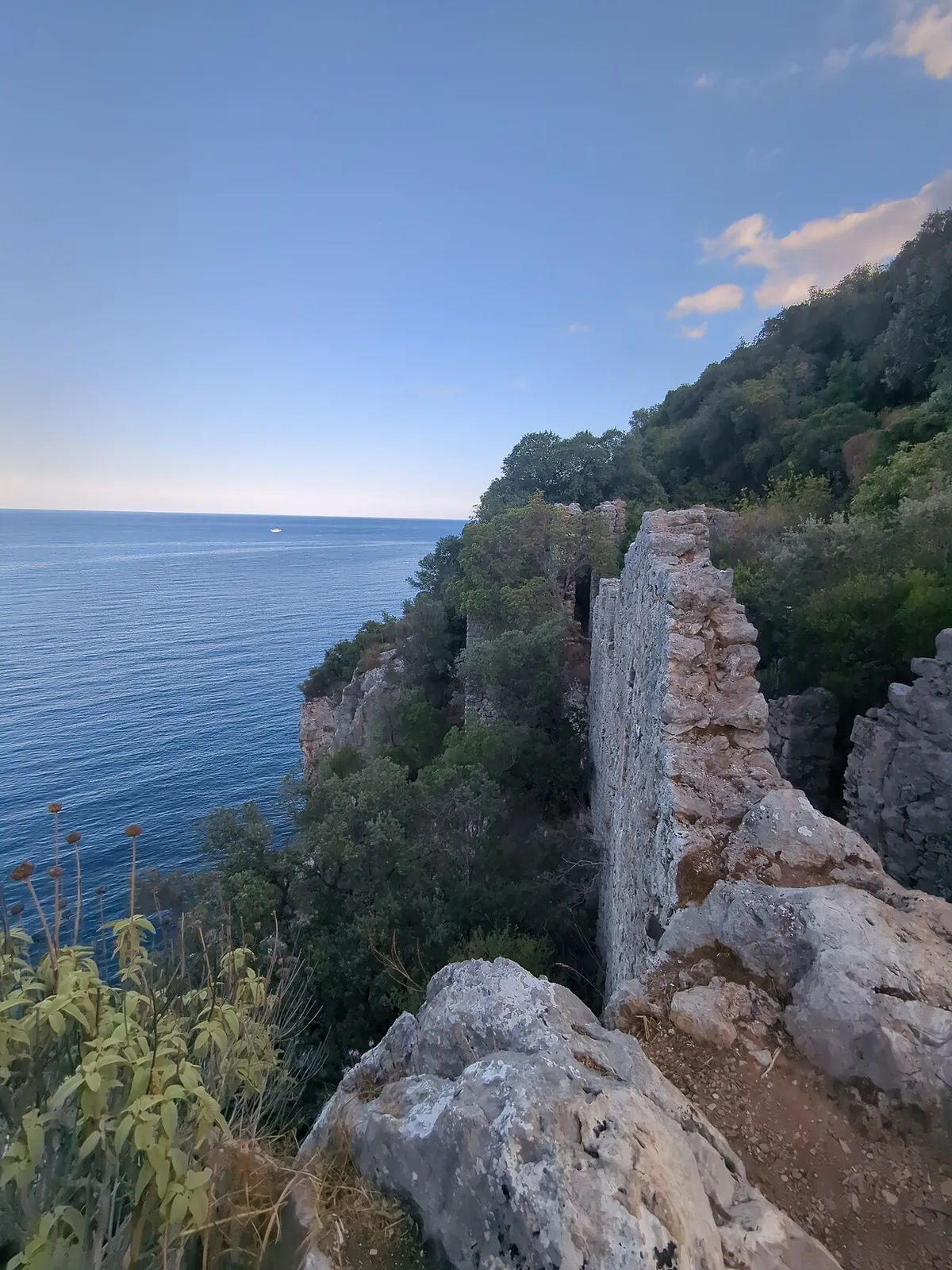
Conclude your expedition near Karaoz village at Pirate Bay (Melanippe) before hiking up to historic Cape Gelidonya Lighthouse. Towering 227 meters above sea level on Taslik Point since 1936, this iconic lighthouse commands panoramic views of the Five Islands (Bes Adalar) and offers one of the most magnificent sunset panoramas in Turkey.
- Visiting Hours, 2026 Ticket Prices, and Museum Pass Details
- Olympos Archaeological Site: Summer Season (April 1 - October 31) 08:00 - 19:30; Winter Season (November 1 - March 31) 08:30 - 17:30 daily.
- Admission: Turkish Museum Pass (Müzekart) is valid. Foreign visitor single ticket is approximately 12 EUR in 2026.
- Yanartas / Chimaera: Managed by National Parks; open 24/7 year-round. Nominal entrance fee applies. Headlamps or strong flashlights are strictly essential after sunset.
- Rhodiapolis Archaeological Site: Open daily; included with Turkish Museum Pass.
- Cirali & Adrasan Public Beaches: Free open access; sun loungers and umbrellas available for rent. Artificial lighting, campfires, and loud activities are strictly banned between 21:00 and 06:00 during sea turtle nesting season.
- Transportation and Road Conditions: Shuttle Buses, Mountain Roads, and Parking
- By Car: Follow the coastal Antalya - Kumluca - Kas highway (D400) to the designated Olympos turnoff. An 11 km paved, winding descent leads into the floor of the canyon valley.
- Public Transit / Minibuses: From Antalya Intercity Bus Terminal (Otogar), take Kumluca or Kas regional coaches (departing every 30 minutes) to the Olympos highway junction. Local summer dolmus shuttles connect passengers from the junction down to the valley.
- Cirali Access: Turn off D400 at the Cirali junction for a scenic 7 km downhill drive straight into Cirali beachfront village.
- Parking Tips: Dedicated paid municipal and private parking lots operate at the valley gate of Olympos. Private vehicles cannot enter the archaeological ruins; beach access is pedestrian-only.
- Gelidonya Lighthouse Trek: High-clearance vehicles can reach the trailhead via dirt roads from Karaoz. The final 2 km uphill trek along the rocky Lycian Way demands sturdy hiking boots.
- Kumluca Gastronomy and Smart Traveler Tips
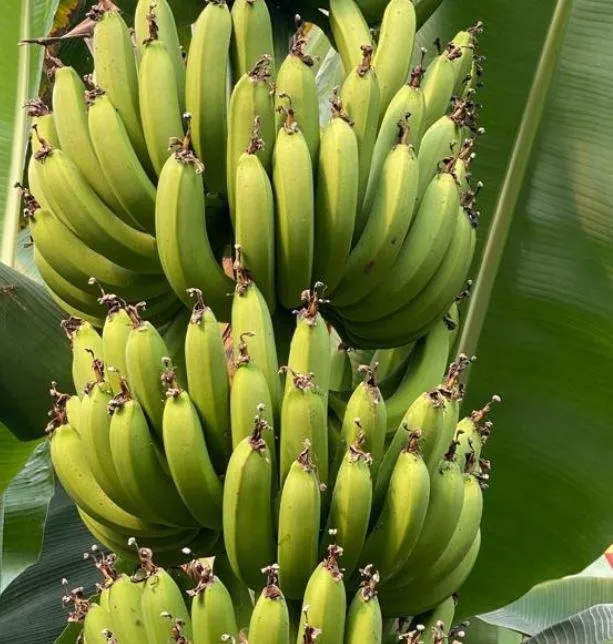
- Kumluca Washington Oranges: Sweet, juicy citrus nourished by the local microclimate; sample freshly squeezed orange and pomegranate juice alongside homemade bitter-orange marmalade.
- Orchard Village Breakfast: Enjoy leisurely Turkish spreads featuring local village cheeses, mountain honey, and herb-filled flatbreads (gozleme) under Cirali orange groves.
- Fresh Seafood by Adrasan River: Indulge in grilled Mediterranean sea bass, bream, and crispy calamari at riverside wooden platform eateries in Adrasan.
- Yanartas Hiking Safety: Ancient rock steps are polished and uneven; never attempt the climb in flip-flops. Wear athletic shoes with firm grip and bring drinking water.
- Turtle Conservation Etiquette: Respect nesting enclosures marked on Cirali beach; avoid shining torches or leaving beach gear on the sand after dark.