Rising in the fertile Dandalaz Valley at the foot of Mount Babadağ in Aydın's Karacasu district, the ancient city of Aphrodisias was the undisputed capital of marble sculpture across the Roman Empire. Dedicated to Aphrodite, goddess of love and beauty, this classical metropolis shines on the UNESCO World Heritage list. It preserves the ancient world's most intact 30,000-seat stadium, the breathtaking Tetrapylon ceremonial gateway, the exquisite imperial reliefs of the Sebasteion, and a 5,000-year-old tradition of red-clay pottery in nearby Karacasu.
- History and Artistic Heritage: The School of Sculptors, Ara Güler's Discovery, and Kenan Erim
Human settlement at Aphrodisias dates back to the Chalcolithic era in the 5th millennium BC. From the 2nd century BC onward, proximity to the high-grade white and blue-gray marble quarries of Babadağ fostered a virtuoso sculpting tradition. Favored by Roman Emperor Augustus—who famously proclaimed 'I have chosen this city for myself out of all Asia'—Aphrodisias enjoyed tax exemptions and self-governing autonomy. Masters from Aphrodisias crafted statues for imperial temples, forums, and villas throughout the Mediterranean, pioneering delicate drapery effects that made solid marble resemble translucent silk.
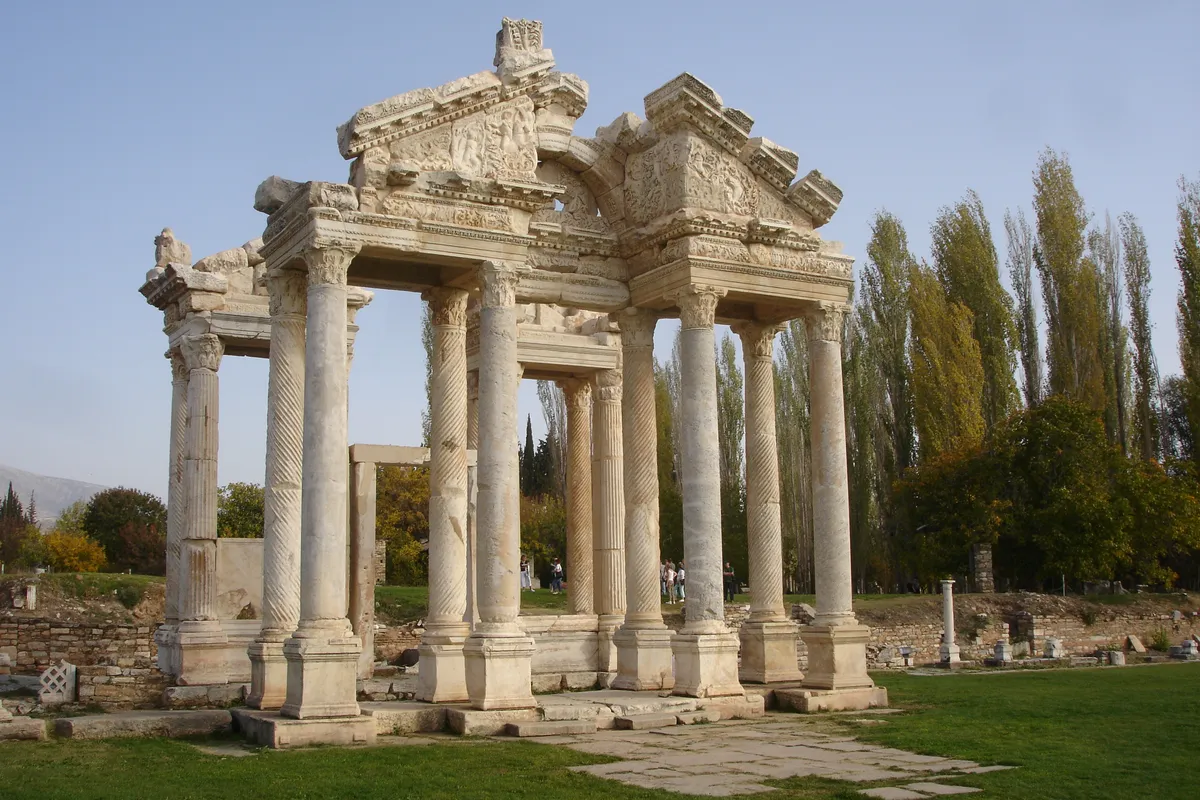
The city's modern rediscovery began in 1958 when celebrated photojournalist Ara Güler lost his way after covering a dam inauguration. Arriving in the village of Geyre, he observed villagers playing cards upon ancient marble capitals and using carved sarcophagi as grape presses. His published photographs caught the attention of archaeologist Prof. Dr. Kenan Erim, who dedicated his career to excavating Aphrodisias from 1961 until his death in 1990. In tribute to his dedication, Prof. Erim is buried beside the monumental Tetrapylon.
- Two-Day Comprehensive Itinerary: Classical Marvels, Sebasteion, Artisan Potteries, and Highlands
Day 1: Tetrapylon, 30,000-Seat Stadium, Sebasteion, Ancient Theater, and Museum
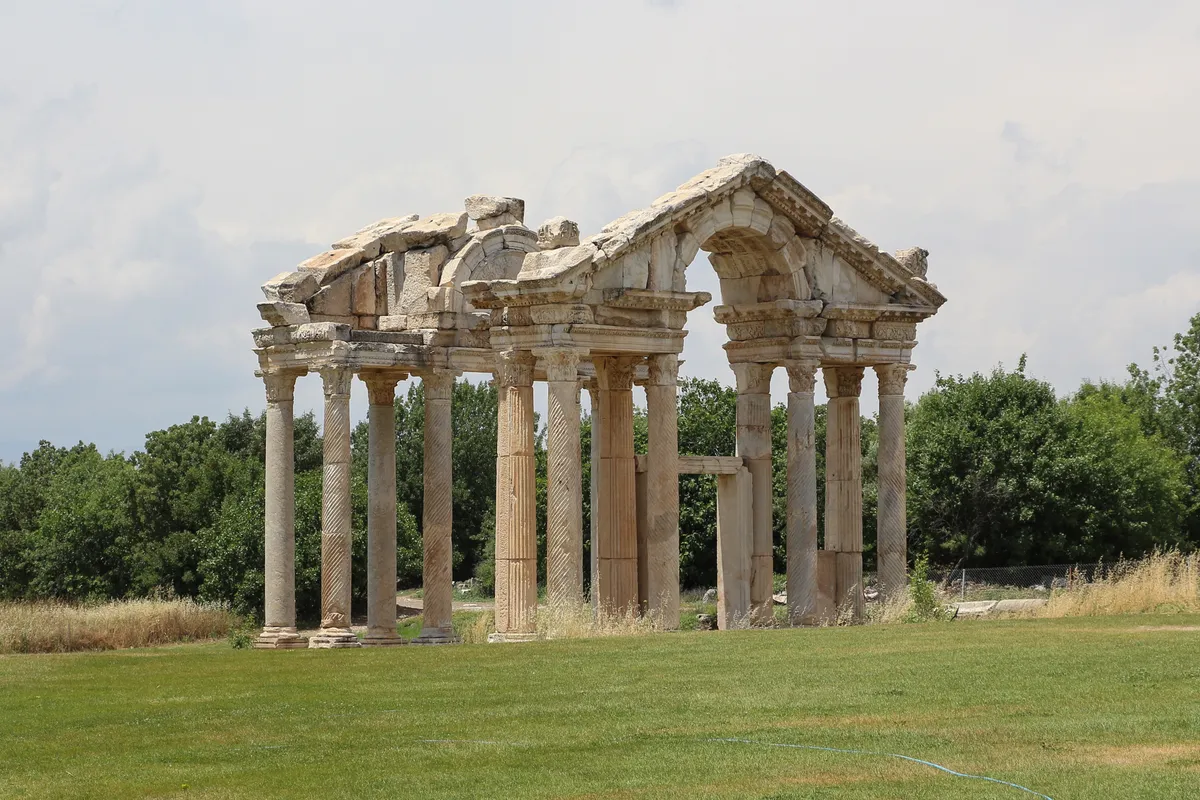
The exploration opens at the Tetrapylon, the iconic symbol of Aphrodisias. Rising in four clusters of 16 slender marble columns, this 2nd-century AD triumphal gateway welcomed pilgrims along the processional way.
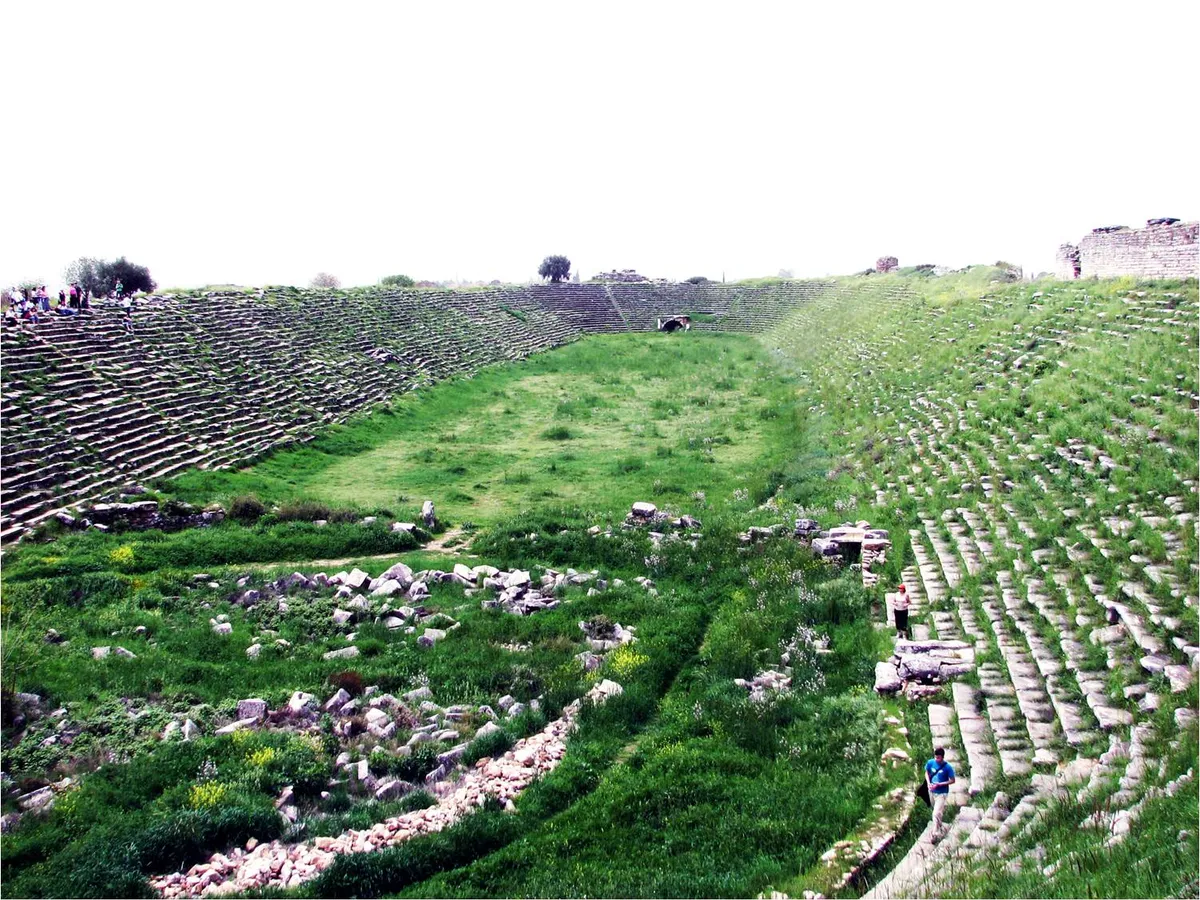
Walking north brings visitors to the Stadium of Aphrodisias, celebrated as the best-preserved classical arena in the Mediterranean basin. Measuring 262 meters by 59 meters with an elliptical design seating 30,000 spectators, it hosted athletic games and gladiatorial spectacles.
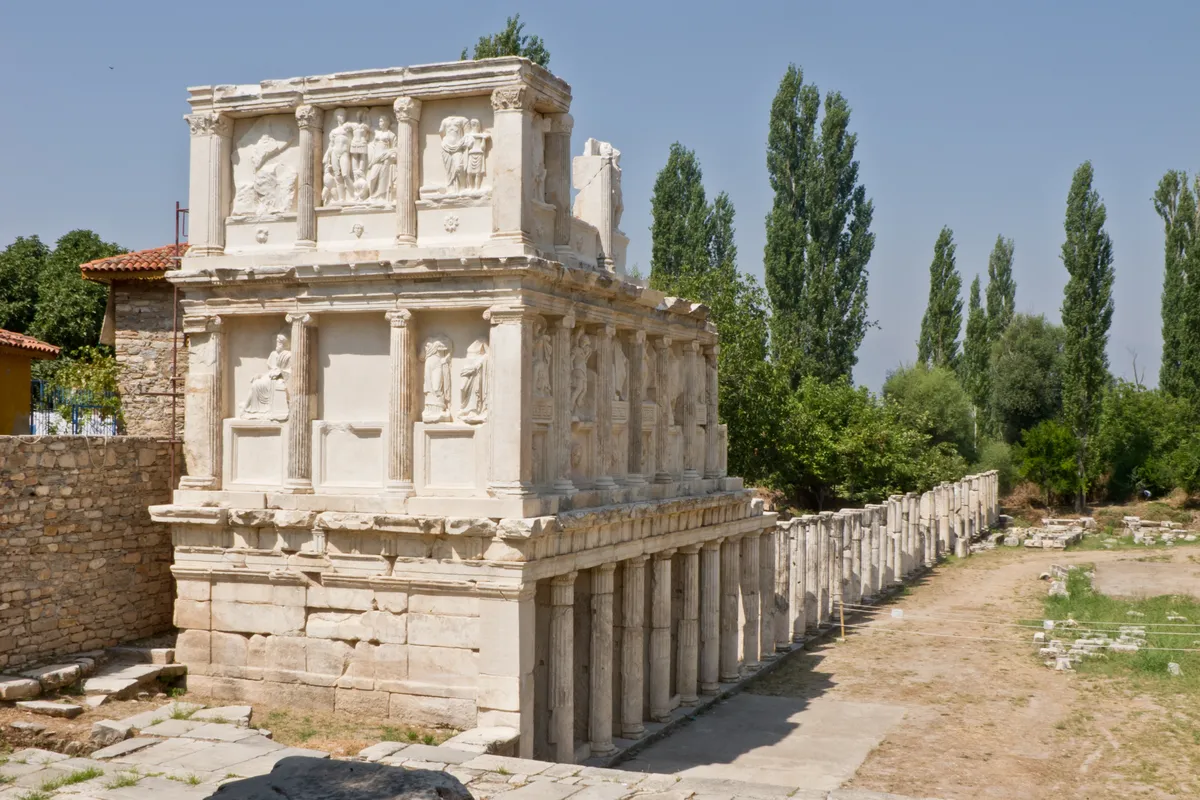
Next, explore the Sebasteion Temple Complex, a three-story ceremonial avenue dedicated to the cult of the Roman emperors. Its ornate marble facades depict Olympian gods alongside emperors Claudius, Augustus, and Nero triumphing over foreign lands.
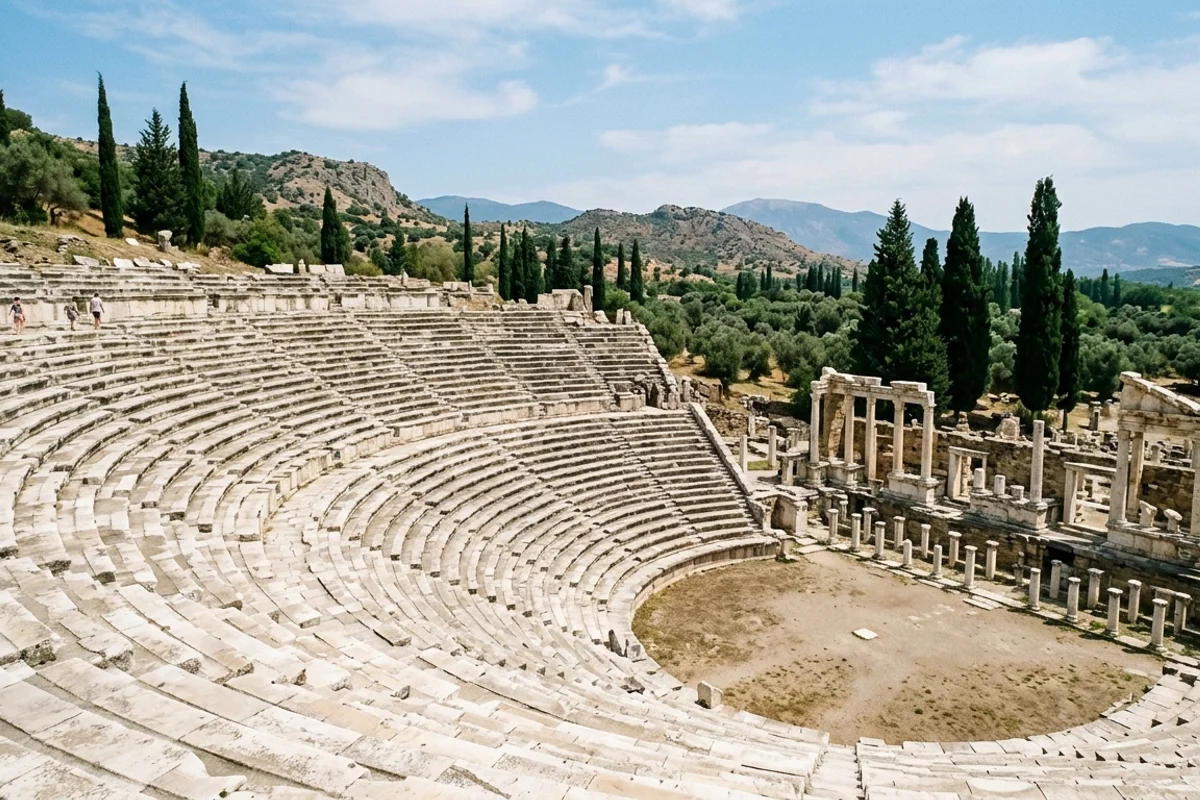
Ascend to the 7,000-seat Ancient Theater carved into the hillside of the prehistoric mound. The marble orchestra, seating tiers, and backstage relief friezes demonstrate Roman civic splendor.
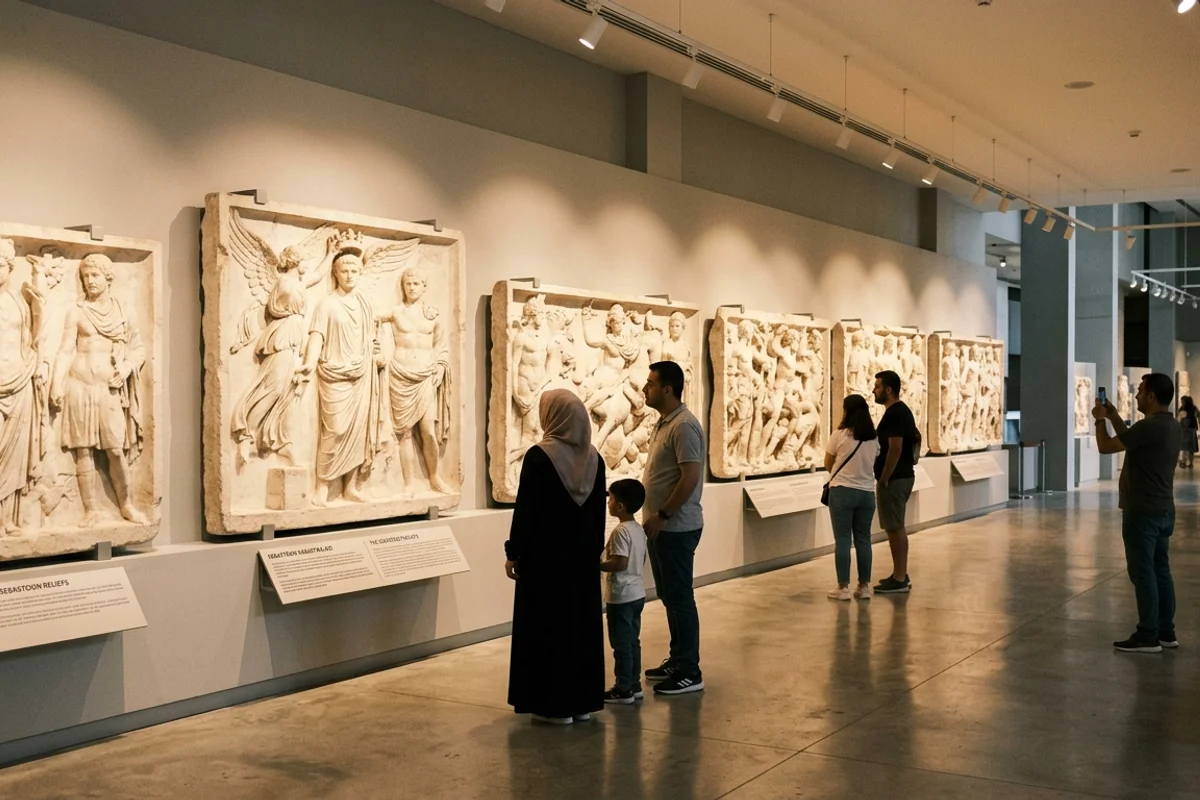
Conclude day one at the on-site Aphrodisias Museum, housing the original Sebasteion marble relief panels, statues of Aphrodite, athletic portraits, and elaborately carved marble sarcophagi.
Day 2: Karacasu Pottery Workshops, Pide Square, Dandalaz Bridge, Sırtlanini Cave, and Highlands
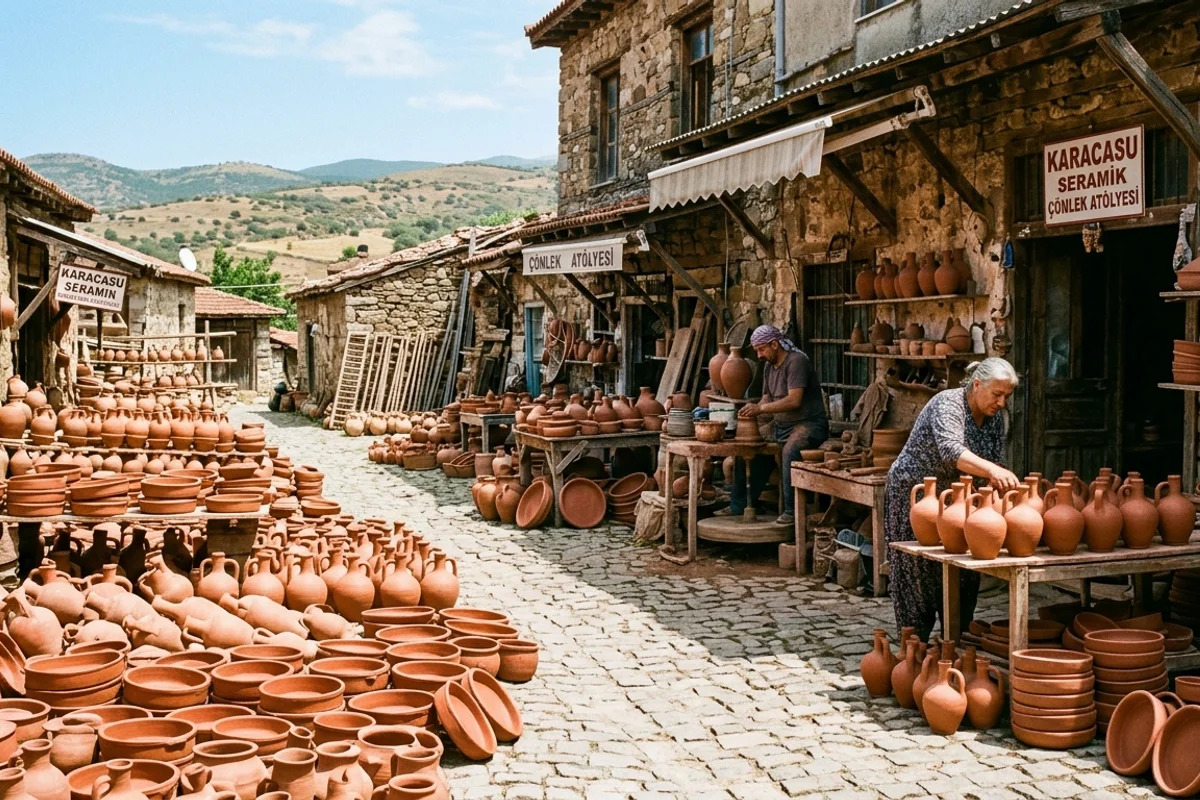
Day two commences in Karacasu town at the historic Pottery Quarter, where artisans continue a 5,000-year-old ceramic craft using foot-spun kick-wheels and wood-fired kilns.
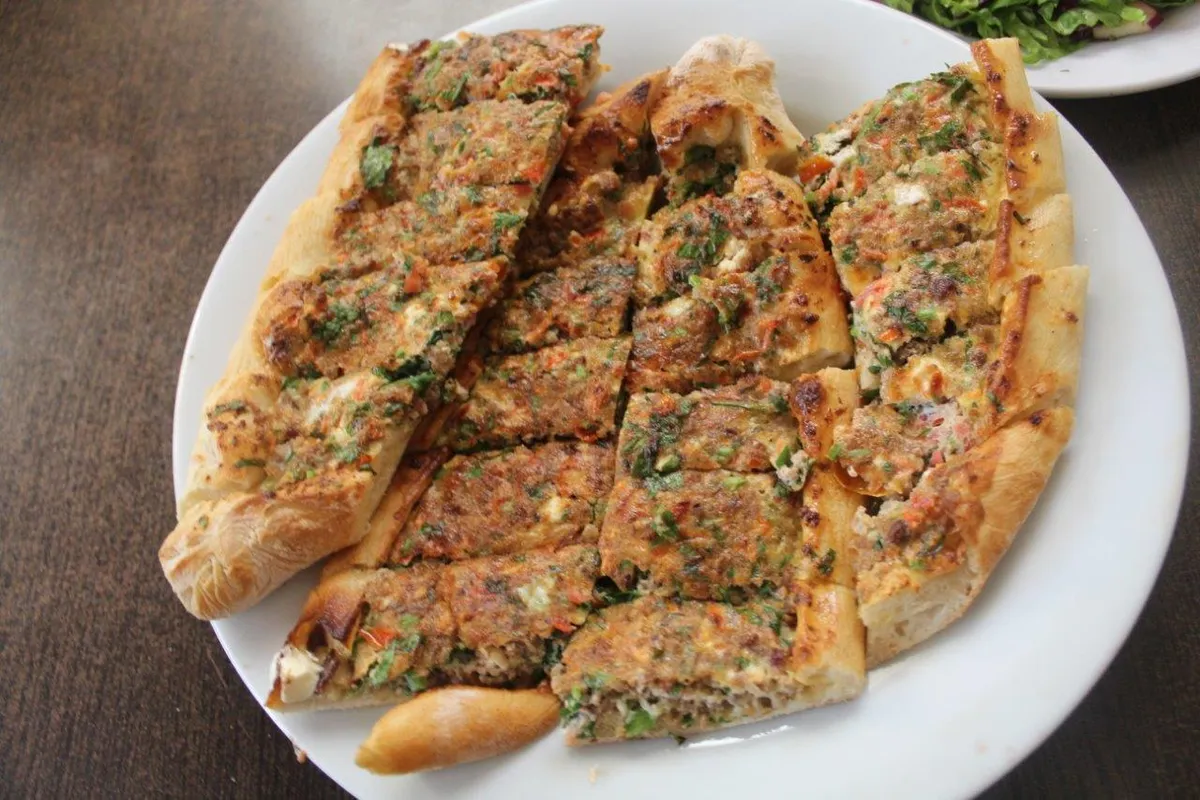
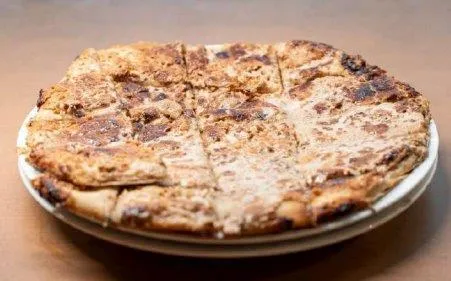
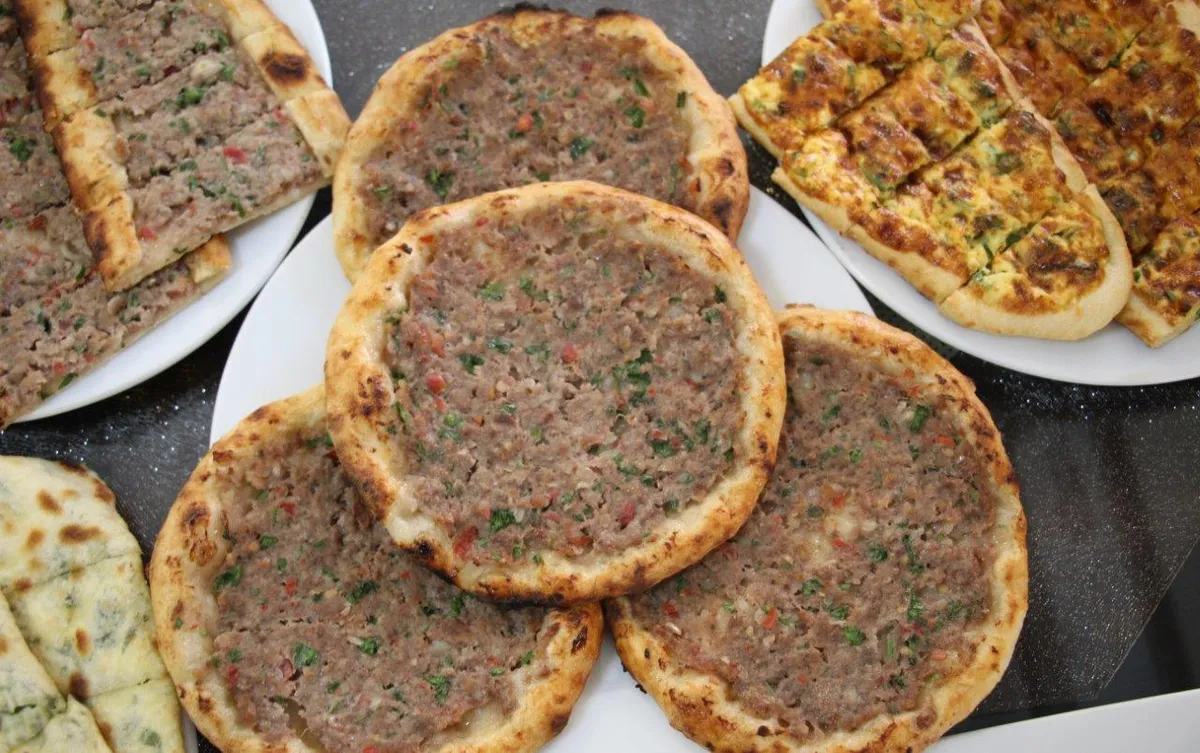
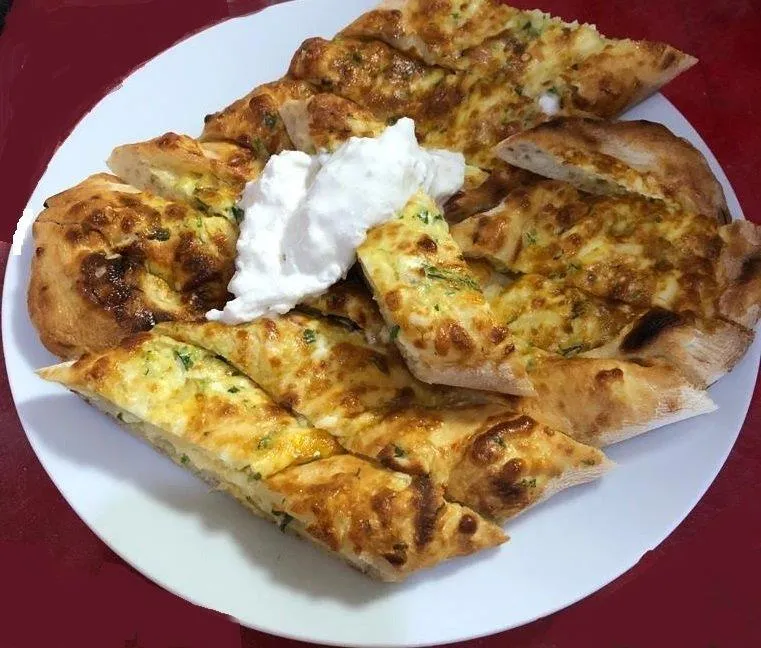
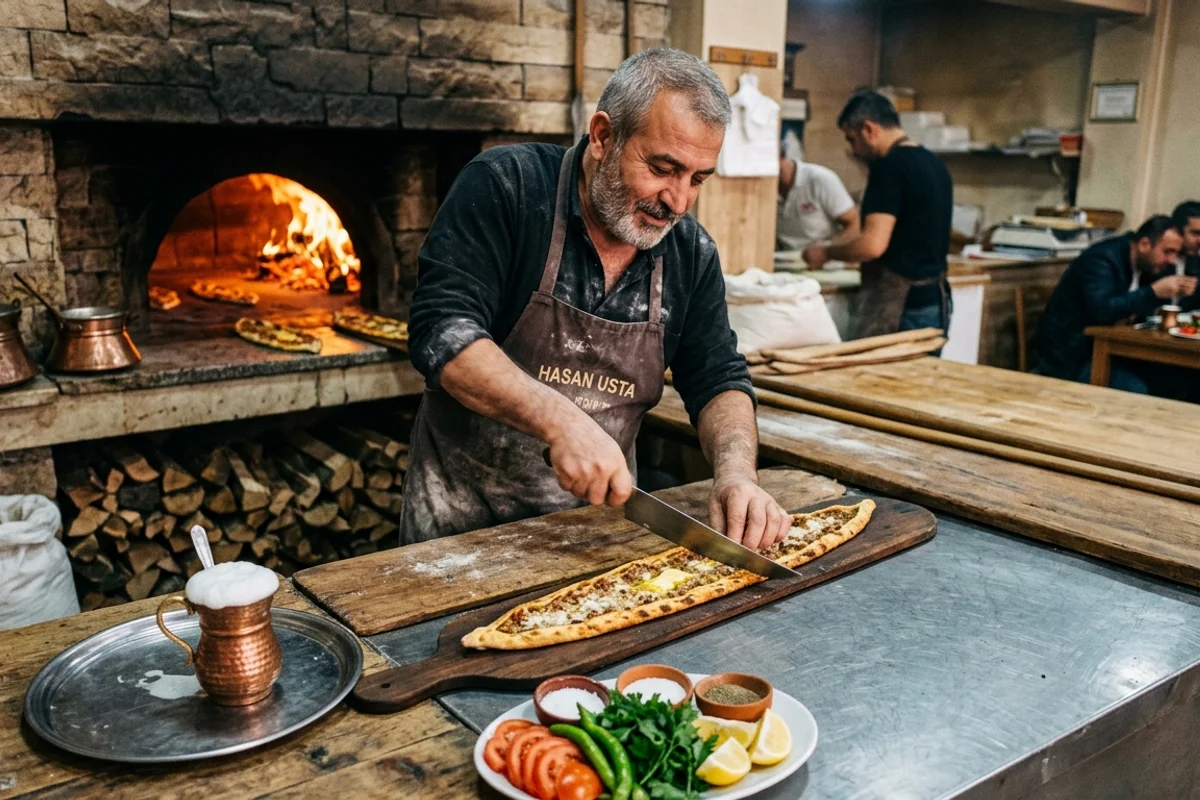
For lunch, visit Karacasu Town Square to enjoy the famous Karacasu Pide. Baked over olive wood in stone ovens, the crispy flatbreads with minced meat, cheese, and sweet tahini are legendary.
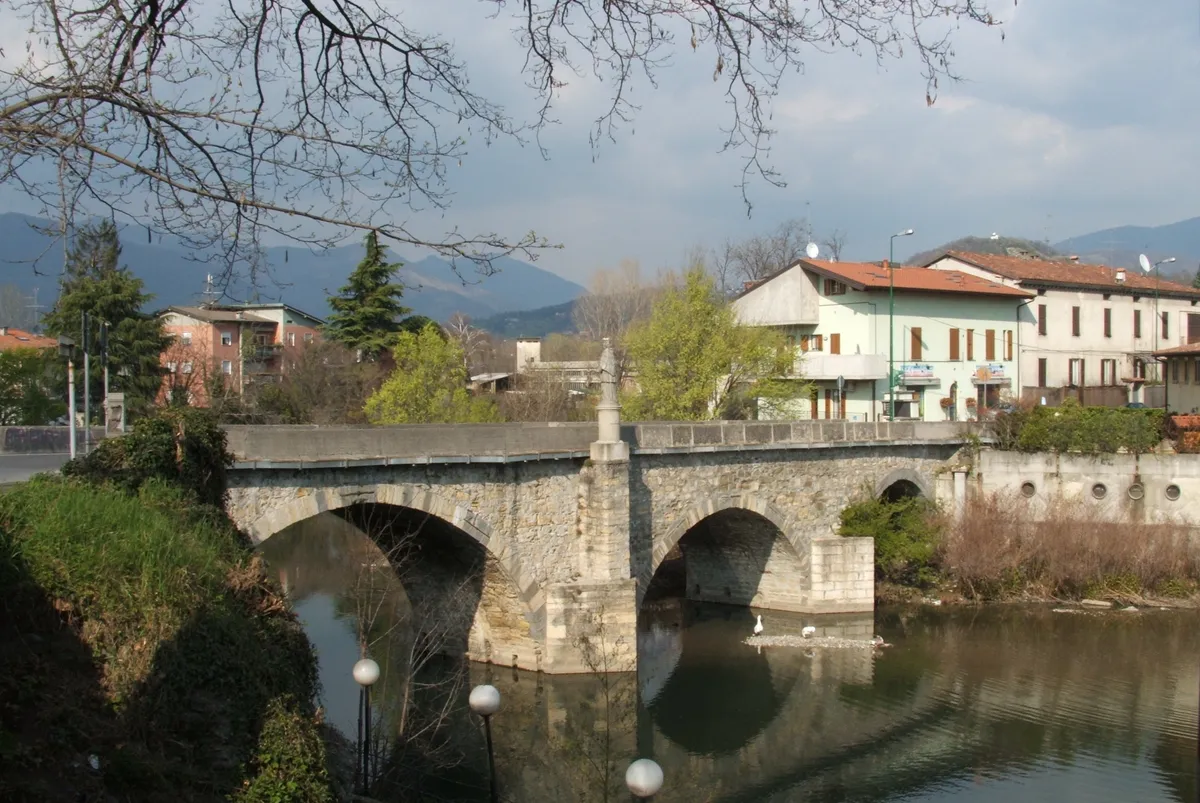
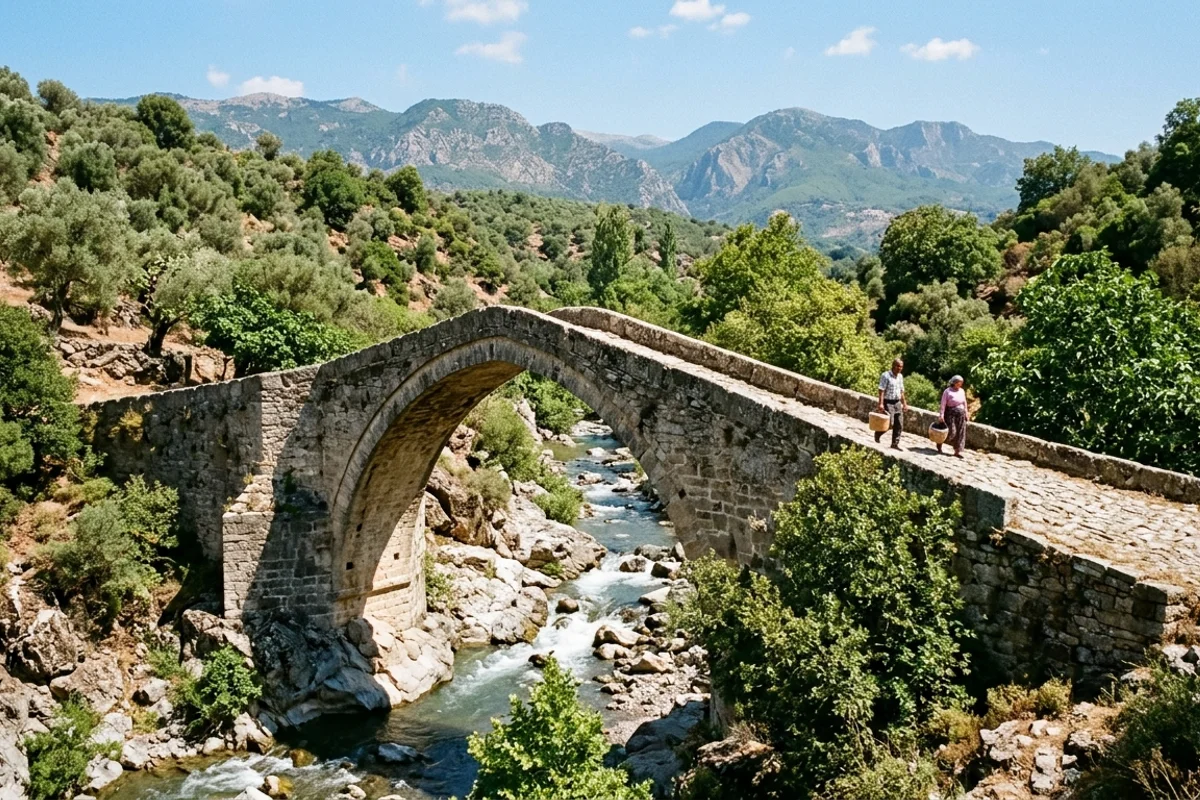
In the afternoon, view the 15th-century Dandalaz Historic Stone Arch Bridge spanning the Dandalaz stream along the old Ottoman caravan highway.
Continue toward Çamarası village to explore Sırtlanini Cave, a 348-meter subterranean natural monument filled with dramatic limestone stalactites, stalagmites, and dripstone chambers.
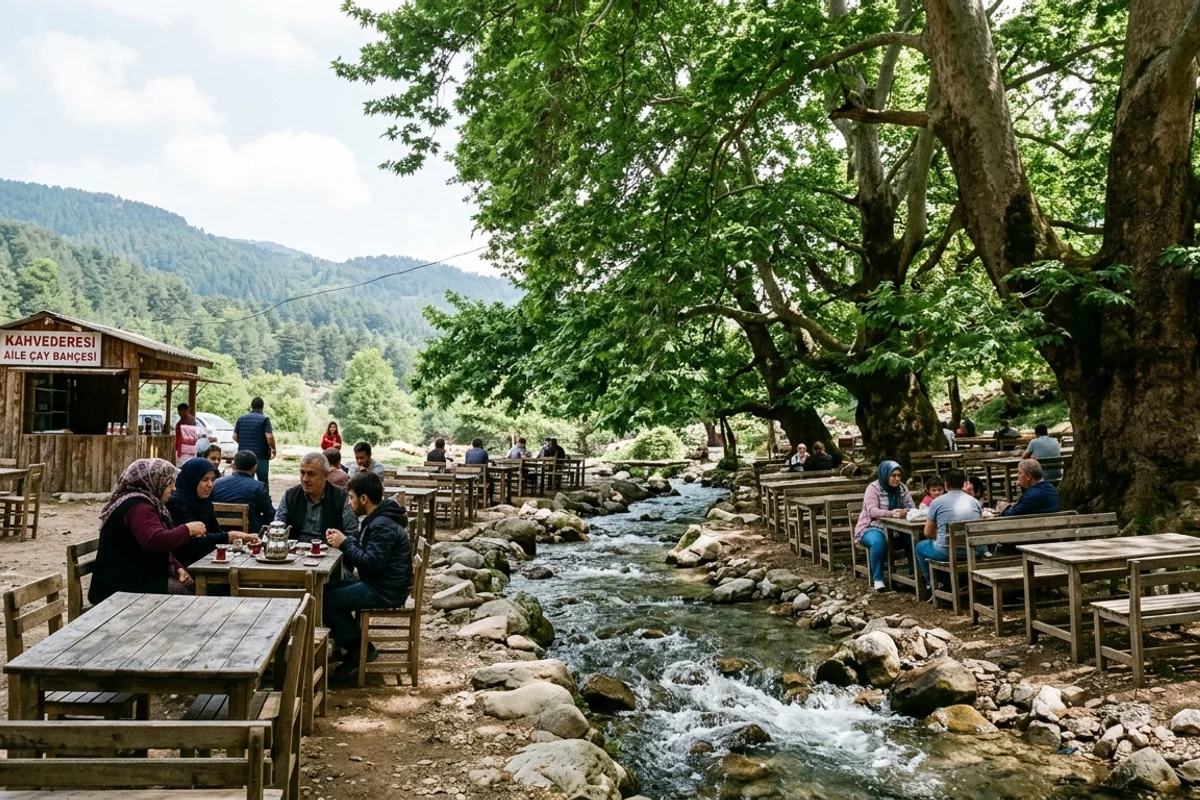
Conclude at Kahvederesi Plateau (1,100 m elevation). Relax under giant centennial plane trees beside cool mountain springs for afternoon Turkish coffee.
- Visiting Hours, 2026 Ticket Prices, and Museum Pass Details
- Aphrodisias Archaeological Site & Museum: Summer season (April 1 – October 31) 08:30 – 19:00; Winter season (November 1 – March 31) 08:30 – 17:30 daily.
- Museum Pass Validity: The Turkish Museum Pass (Müzekart) is valid for the archaeological site and museum. Foreign visitor ticket price is approximately €12 in 2026.
- Karacasu Pottery Workshops: Open daily during daylight hours; demonstration viewings are welcoming and free of charge.
- Sırtlanini Cave: Paths can be slippery; bring sturdy non-slip footwear and a flashlight.
- Parking: Shaded, spacious municipal parking facilities are available directly at the entrance to Aphrodisias.
- Transportation and Route Planning: Nazilli Highway and Transit
- Driving Directions: From the İzmir-Aydın-Denizli highway, turn south at Nazilli toward Karacasu (38 km divided road) and continue 12 km further to Geyre (Aphrodisias).
- From Denizli and Pamukkale: Accessible via Tavas and the scenic Karacasu mountain road in approximately 50 minutes.
- Public Transit / Dolmuş: Minibuses depart Nazilli Central Terminal for Karacasu every 20 minutes; local shuttles run between Karacasu and Aphrodisias every half hour.
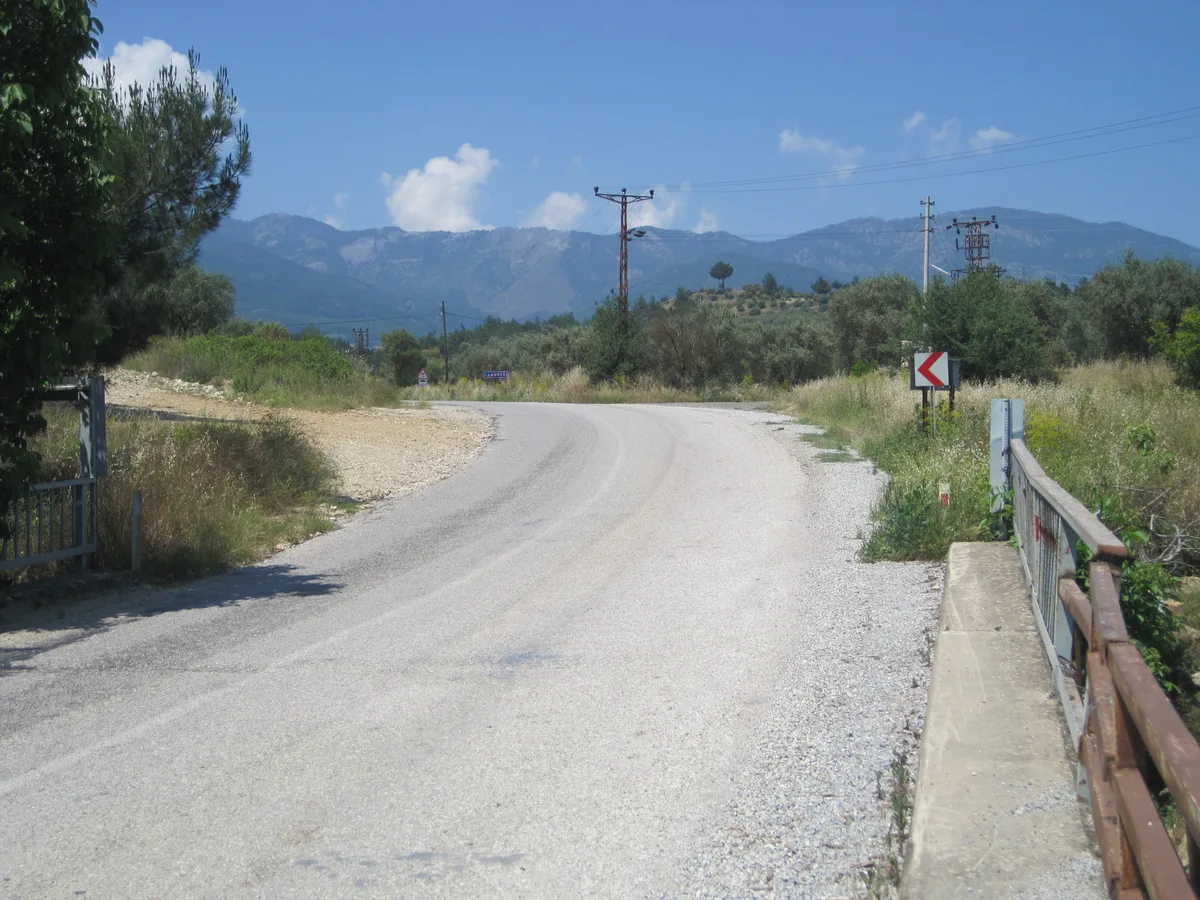
- Road Condition: The Nazilli - Karacasu - Aphrodisias route is high-quality asphalt suitable for all private vehicles.
- Parking Facilities: Secure parking areas exist at both the archaeological site entrance and Karacasu town center.
- Karacasu Gastronomy and Smart Traveler Tips
- Authentic Karacasu Pide: Crispy stone-oven flatbreads with spiced ground beef, cheese, and sweet tahini topped with clotted water-buffalo cream (manda kaymağı).
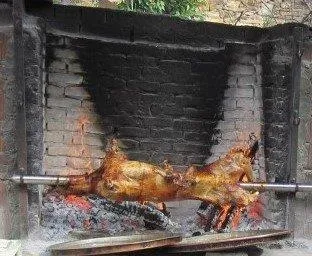
- Kuyu Tandır (Pit-Roasted Lamb): Slow-cooked for hours inside sealed earthen pits, this mountain specialty melts off the bone.
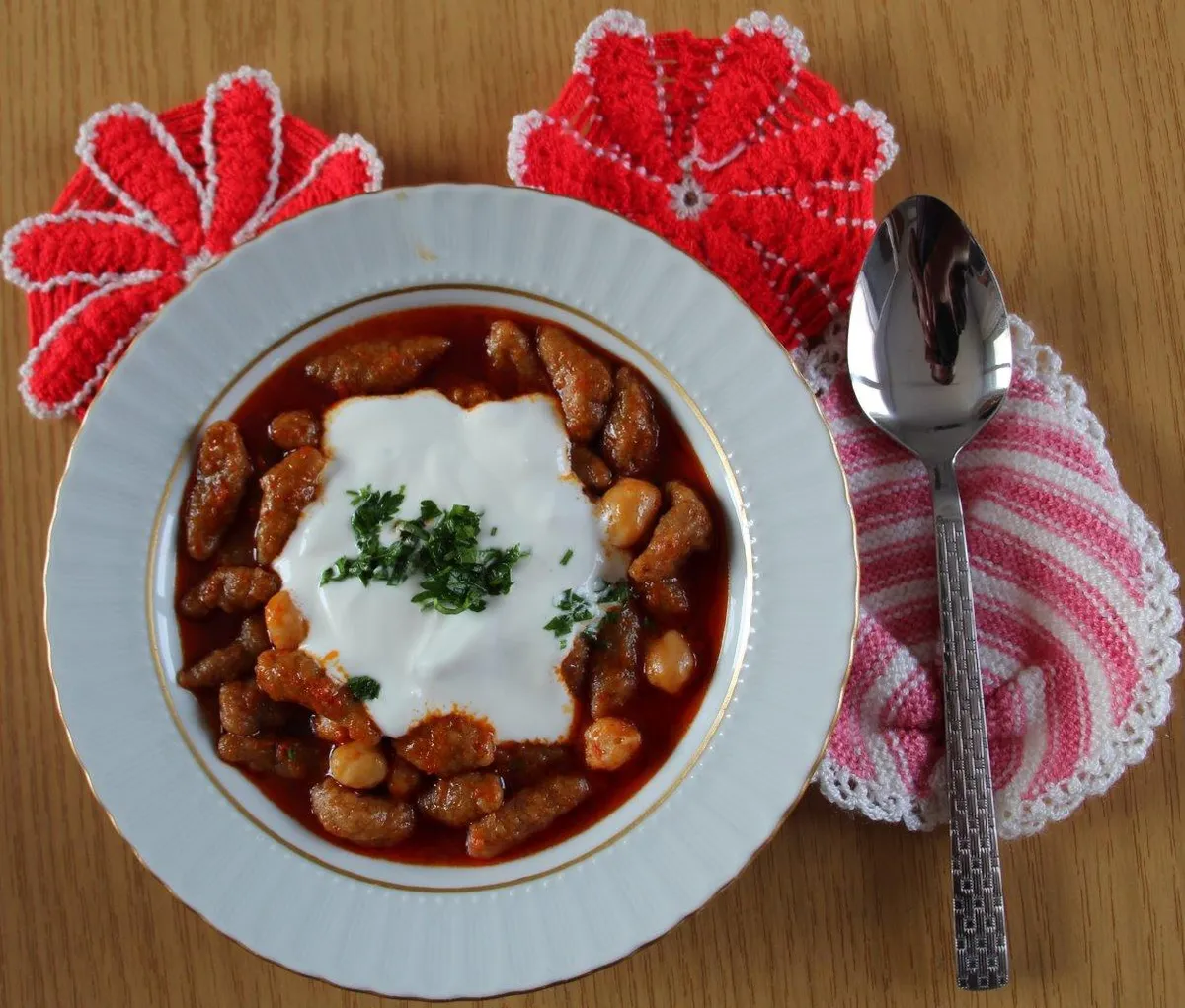
- Red Clay Cookware: Handcrafted clay casseroles (güveç) and earthen water jugs impart an incomparable rustic flavor to slow-cooked stews.
- Sun Protection & Ample Walking: Exploring Aphrodisias thoroughly requires 3 to 4 hours of walking; wear a sunhat, sunscreen, and comfortable walking shoes.
- Photography Golden Hour: Photograph the Tetrapylon and stadium entrance during morning light (09:00) or late afternoon (17:30) to capture dramatic marble shadow textures.