Perched high above the dramatic volcanic chasms of the Arpaçay (Akhurian) Gorge on Turkey's eastern frontier, the legendary Medieval City of Ani stands as one of the world's most haunting and breathtaking archaeological sites. Once celebrated across Eurasia as the "City of 1,001 Churches" and the "City of Forty Gates," Ani flourished as a bustling Silk Road metropolis of over 100,000 souls. Inscribed on the UNESCO World Heritage List in 2016, it preserves the cross-cultural brilliance of Armenian Bagratid, Byzantine, Seljuk, and Georgian master architects.
2-Day Silk Road & Eastern Citadel Itinerary
To thoroughly comprehend the sprawling 78-hectare archaeological plateau of Ani and explore the rich 19th-century Russian Baltic stone heritage of Kars city, plan for a dedicated 2-day journey. Dedicate day one to the windswept ruins along the Armenia border gorge, and spend day two admiring Kars Castle, Sufi shrines, and regional culinary gems.
Day 1: The Lion Gate, Cathedral of Ani, and Menûçihr Mosque
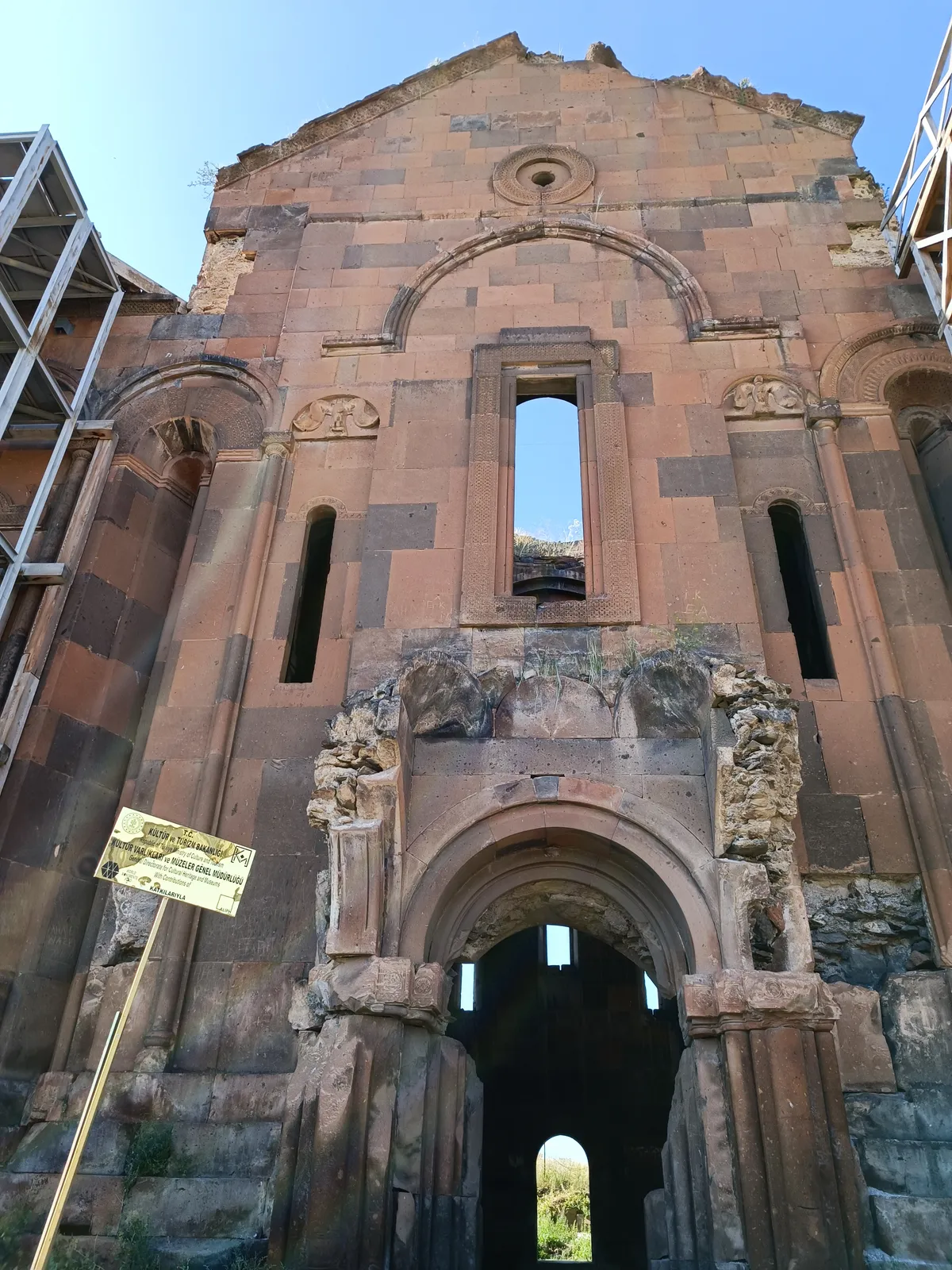
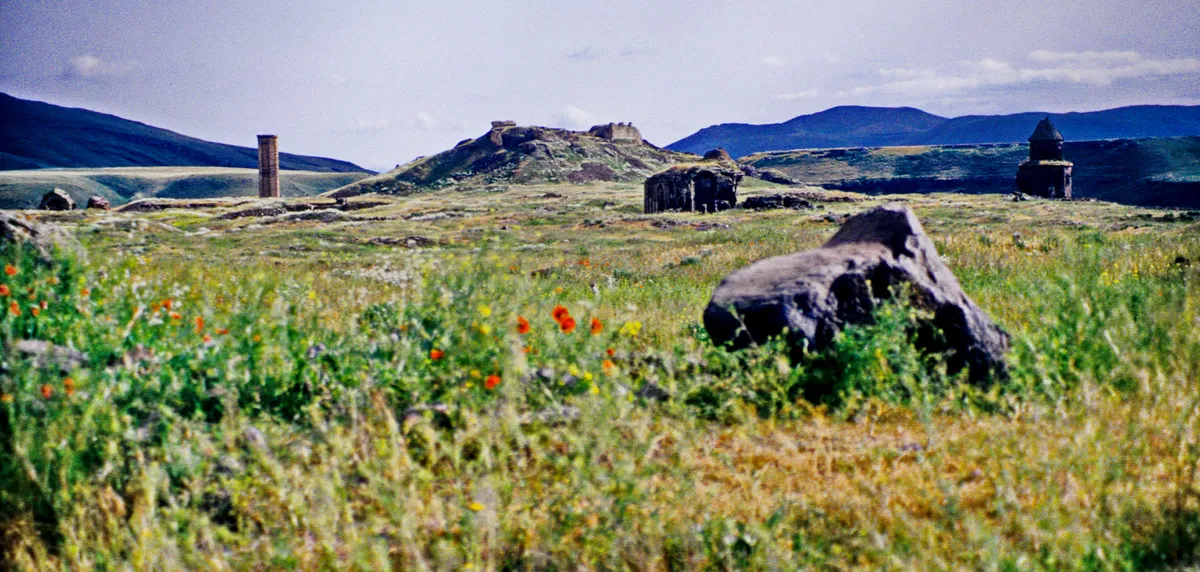
Enter the ancient city at 09:00 AM through the double-tiered Lion Gate (Aslanlı Kapı), constructed from alternating red and black volcanic basalt blocks. Stepping beyond the northern ramparts reveals an endless steppe dotted with solitary, towering monuments. First on the route is the towering Cathedral of Ani, completed in 1001 AD by the celebrated Armenian architect Trdat (who also repaired the dome of Hagia Sophia). Converted into a mosque following Sultan Alparslan's conquest in 1064, it is also revered as the Fethiye Mosque.
Anatolia's First Turkish Mosque: Ebu'l Menûçihr
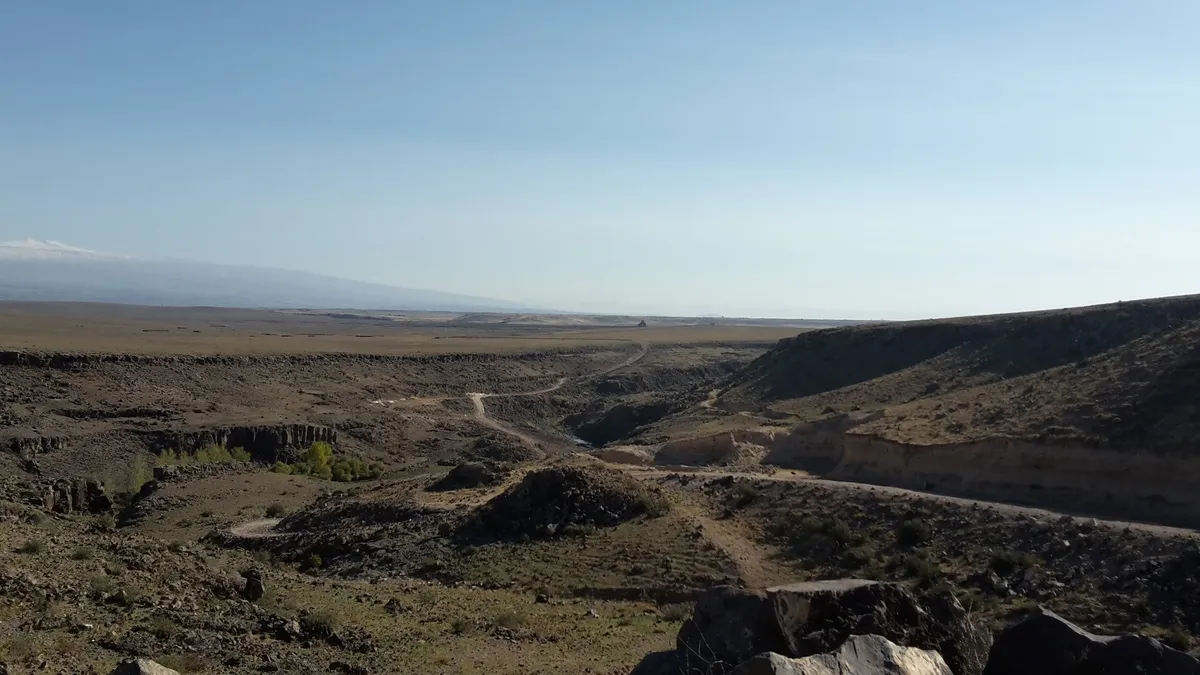
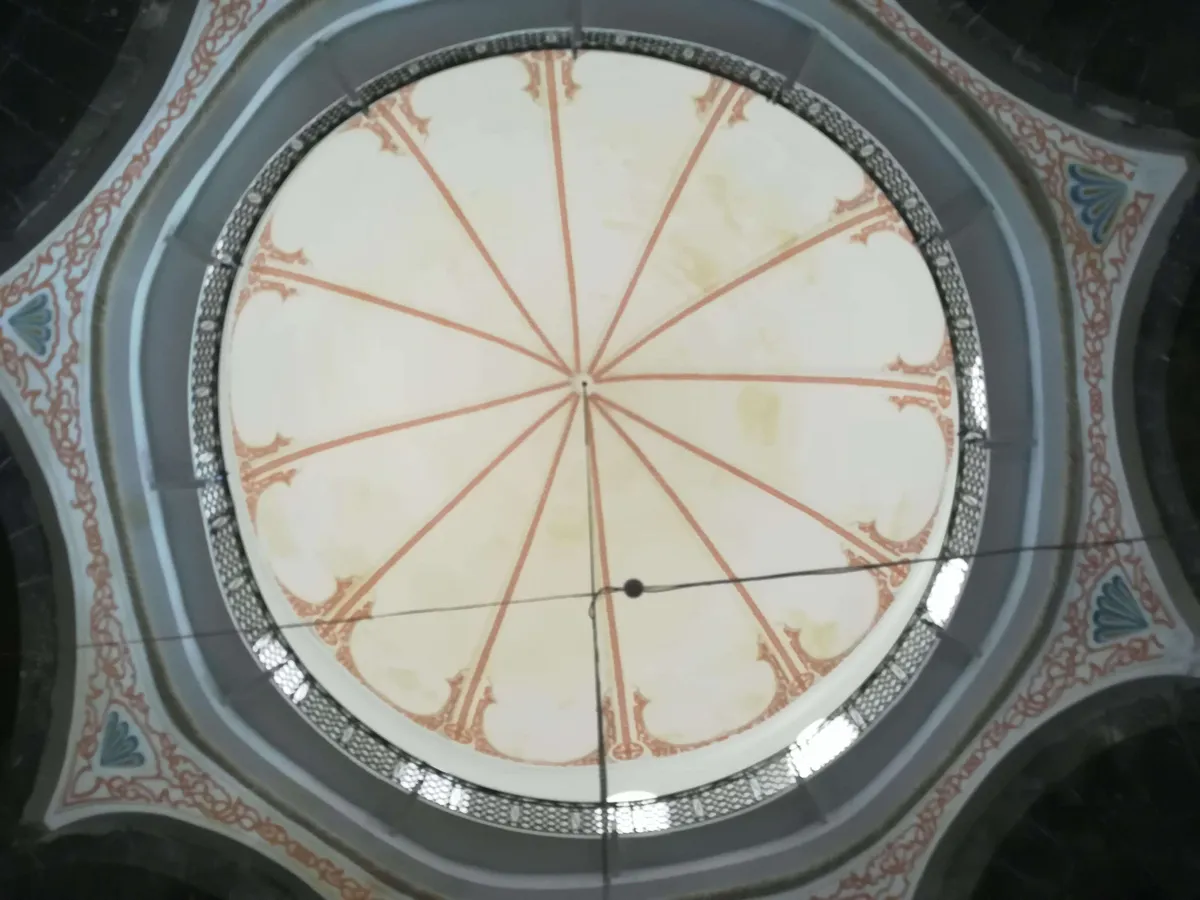
Overlooking the dizzying cliff face of the Arpaçay Canyon, the Menûçihr Mosque was erected in 1072 by the Shaddadid Emir Ebu Shuja Menûçihr. Universally recognized as the very first Turkish mosque constructed on Anatolian soil, it features an octagonal minaret, vibrant polychrome ceiling vaulting, and grand arched windows offering panoramic views directly across the border into Armenia.
Tigran Honents (Painted Church) & Church of the Redeemer
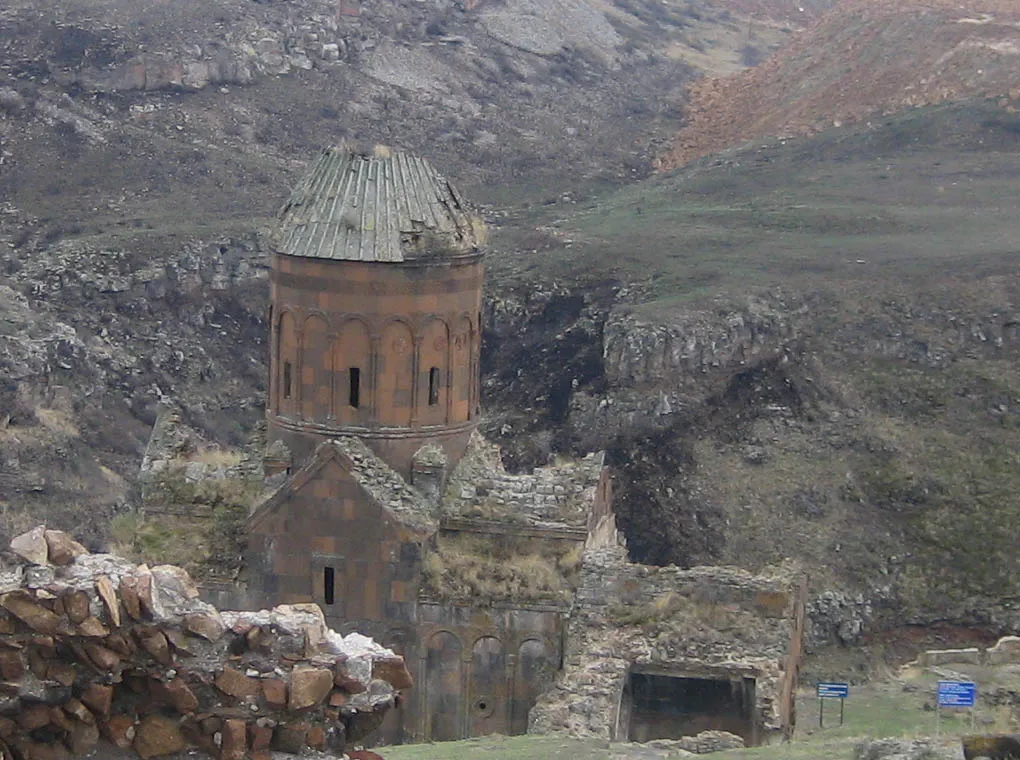
Follow the cliffside path eastward to reach the Church of Saint Gregory of Tigran Honents (1215). Built by a wealthy merchant, this structure houses the most complete and luminous collection of medieval biblical frescoes in eastern Anatolia, with vibrant tempera paintings depicting the Passion of Christ and the Life of Saint Gregory the Illuminator.
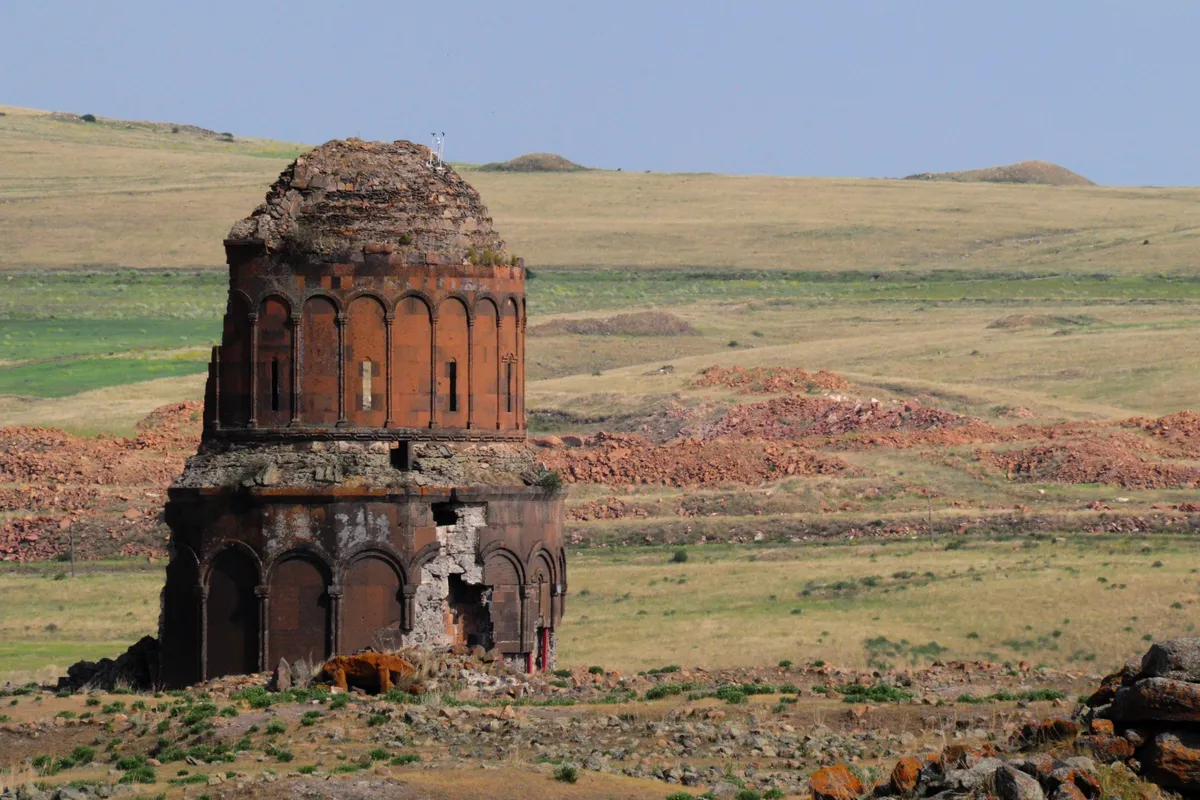
In the center of the plateau stands the haunting half-dome of the Church of the Holy Redeemer (Halaskar / Surp Prkich), built in 1035. Struck by lightning in 1957, the circular church split clean in half vertically, leaving its intricate structural core exposed to the sky like a giant anatomical model.
Khtzkonk (Five Churches) Monastery & Mren Cathedral Heritage
Hidden among the surrounding ravines are remote ecclesiastical marvels, including the 10th-century Khtzkonk Monastery (Beş Kilise) and the 7th-century domed basilica of Mren Cathedral, showcasing early Christian stone masonry preserved amidst raw volcanic landscapes.
Day 2: Kars Castle, Church of the Holy Apostles & Sufi Heritage
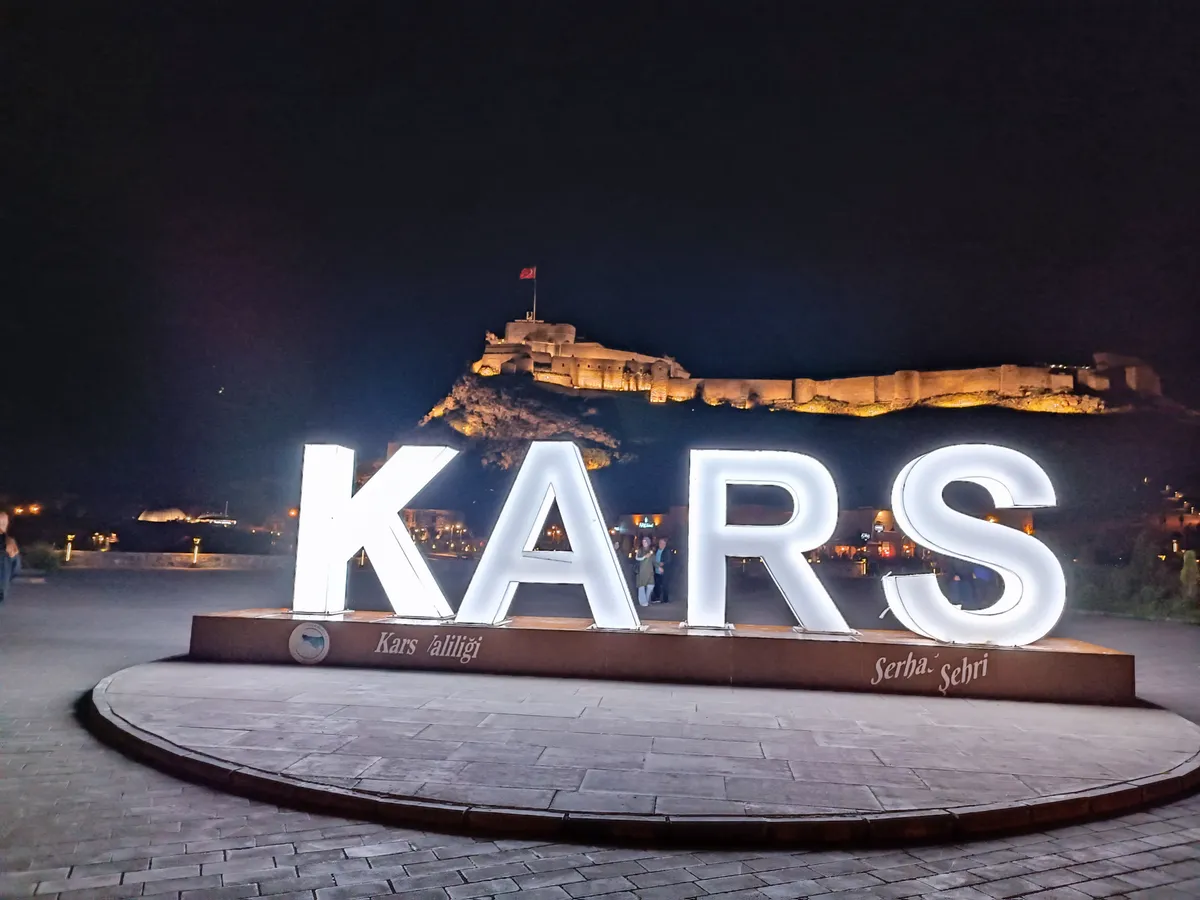
Day two focuses on Kars city center. Crowned atop a rugged basalt promontory sits the imposing Kars Castle, built by Saltukid Sultan Melik Izzeddin in 1153. Walking its parapets rewards you with breathtaking views over the town and the winding Kars River gorge below.
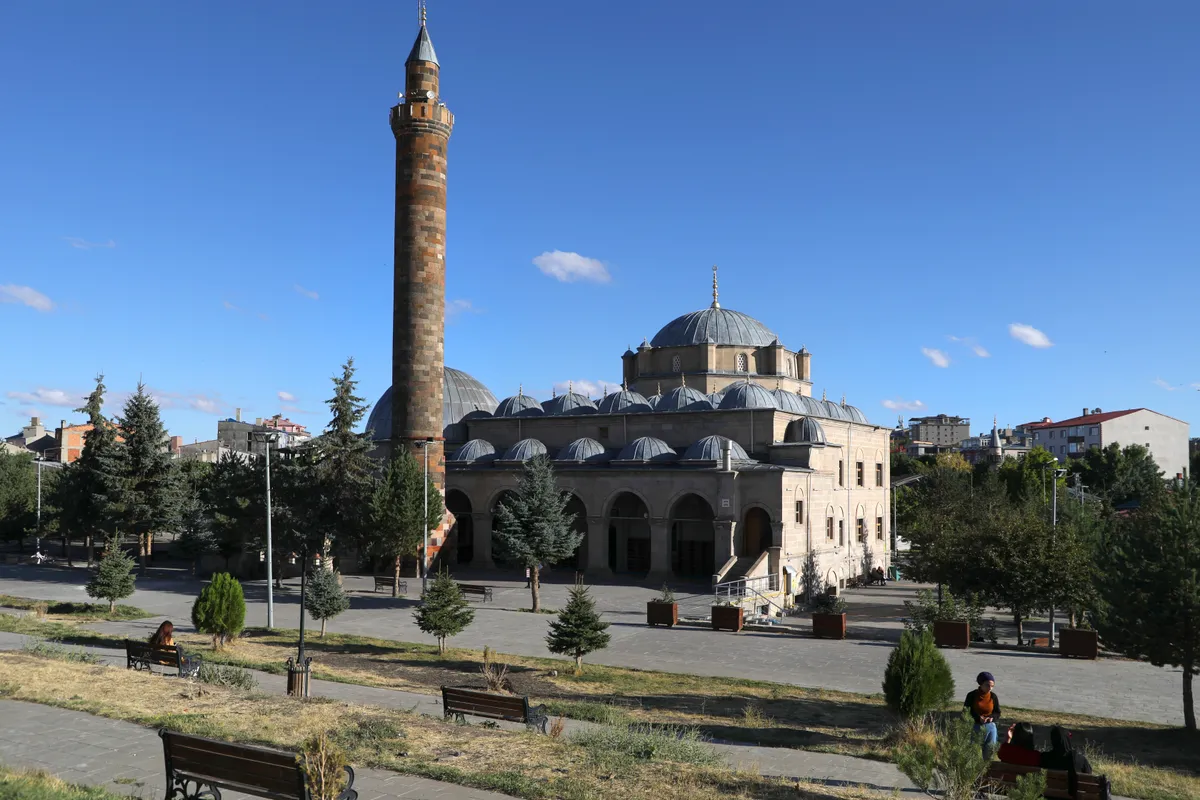
Directly below the castle stands the 10th-century Church of the Holy Apostles (Kümbet Mosque), built by King Abas of the Bagratid dynasty. With reliefs of the twelve apostles carved into the drum of its cylindrical dome, it is an architectural landmark. Adjacent is the spiritual sanctuary of Ebu'l Hasan Harakani Shrine, honoring the revered 11th-century Sufi mystic who brought Islamic philosophy to Anatolia.
Pushkin's Historic Bath & Baltic Architecture
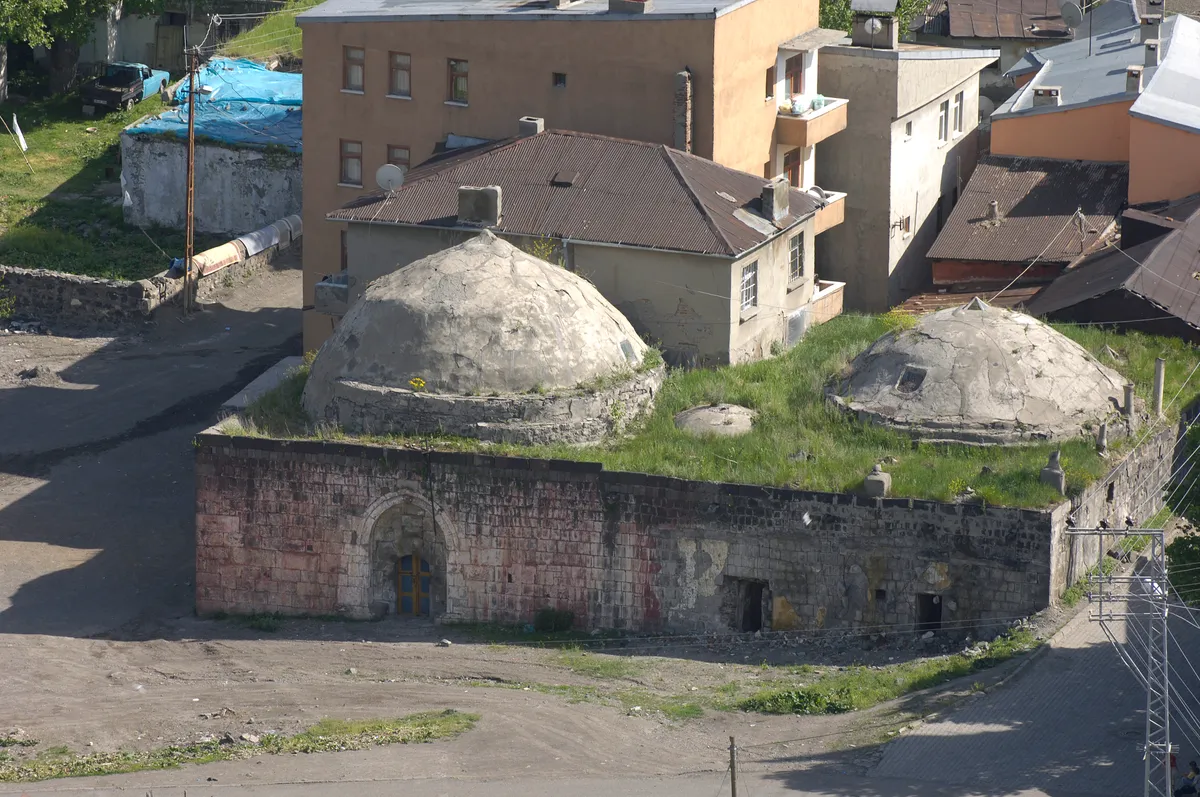
Beside the ancient three-arched Stone Bridge lies the Mazlum Ağa Bathhouse, where Russian poet Alexander Pushkin bathed during his 1829 journey to Erzurum. Conclude your day strolling through Kars' grid-planned quarters, admiring dark basalt Baltic Architecture mansions built during the late 19th-century Russian period.
Visitor Practicalities, Tickets & Timing (2026 Updated)
- Admission Fees: Free for Turkish citizens with Museum Pass; international visitor admission is approximately 15 Euros.
- Opening Hours: Summer (April to October): 08:30 to 19:00. Winter (November to March): 08:30 to 17:00. Ticket booth closes 30 minutes prior.
- Climate & Gear: Ani is located on an exposed highland plateau at 1,450 meters altitude. Wind is constant; in winter, heavy snow and sub-zero temperatures require insulated thermal boots and outerwear.
- Border Regulations: Ani lies directly on the sealed military border with Armenia along the Arpaçay Gorge. Drones/UAVs are strictly forbidden, and visitors must not approach border demarcation markers.
- Kars Museums: The Kars Archaeological Museum and the Caucasian Front War History Museum are included with the national Museum Pass.
Transportation and Regional Logistics
- Public Shuttle to Ani: Public minibuses depart daily from central Kars (outside Gazi Ahmet Muhtar Pasha Mansion) at 09:00 and 10:00 AM, returning from Ani at 13:30 and 15:00.
- Private Vehicle & Taxi: Ani is 42 km east of Kars along a smooth, divided asphalt road (approx. 40 minutes). Taxis in Kars offer fixed-rate return tours including waiting time.
- Airport Access: Kars Harakani Airport (KSY) is just 6 km from downtown, with multiple daily direct flights from Istanbul and Ankara.
- Touristic Eastern Express (Doğu Ekspresi): The legendary sleeper train from Ankara terminates right at Kars Central Station, offering Turkey's most romantic winter train journey.
Culinary Highlights of Kars
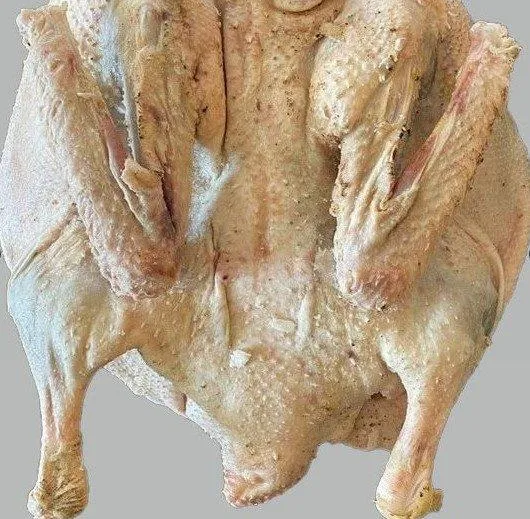
- Roast Kars Goose (Kars Kazı): Snow-fed geese salted and hung to air-dry in winter, then slow-roasted in tandoor ovens and served over rich bulgur pilaf cooked in goose drippings.
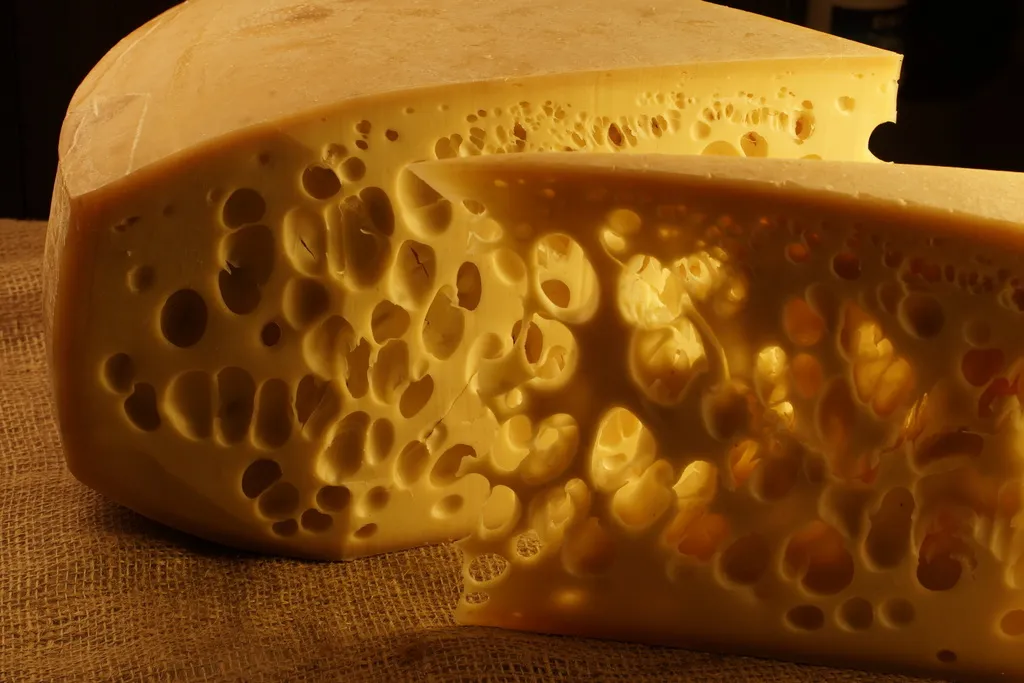
- Kars Gruyere & Aged Kashar Cheese: Swiss-style artisanal wheels produced in high alpine dairies around Boğatepe village using unpasteurized milk from highland cattle.
- Piti Kebab (Bozbaş): Tender lamb shank and chickpeas slow-simmered with saffron inside clay pots, poured hot over shredded lavash bread with melted butter.
- Hangel: Handmade pasta ribbons dressed with garlic yogurt and drizzled with caramelized browned onions.
Ani encompasses over 78 hectares of open plateau terrain. Fully exploring the main churches and canyon overlooks requires 3 to 4 hours and approximately 7-8 km of walking. Bring plenty of drinking water, sun protection, and comfortable hiking footwear, as amenities inside the archaeological zone are limited to the main entrance area.