Where the fertile Aegean plains meet the majestic snow-dusted ridges of Mount Baba, rises one of antiquity's most breathtaking artistic sanctuaries: Aphrodisias. Dedicated to Aphrodite, goddess of love, beauty, and fertility, this remarkable metropolis was so revered that Roman Emperor Augustus proclaimed: "Of all the cities in Asia, I have chosen this one for myself." Graced with imperial tax exemptions and autonomy, Aphrodisias flourished as an undisputed capital of sculpture. Its artisans quarried fine-grained, translucent white and blue-veined marble from nearby mountains, transforming hard stone into fluid drapery and expressive portraiture that adorned villas and public squares across the entire Roman Empire. Adjacent to this classical wonderland lies Karacasu, where master potters have shaped the same red mountain clay on spinning kick-wheels for over five millennia.
- Deep History & The Masterpieces of Ancient Marble Art
Human habitation at Aphrodisias stretches back to the Late Neolithic period (c. 5000 BC). During the Hellenistic and Roman eras, the sanctuary evolved around the monumental Temple of Aphrodite into a civic and cultural powerhouse. What made Aphrodisias truly peerless was its proximity to world-class marble quarries and the renowned Aphrodisias School of Sculpture. Operating continuously from the 1st century BC to the 5th century AD, sculptors from Aphrodisias were celebrated across the Mediterranean, proudly carving their signatures onto statue plinths as pioneering masters of antiquity.
Inscribed onto the UNESCO World Heritage List, Aphrodisias boasts some of the ancient world's finest architectural survivors: an extraordinarily intact 30,000-seat stadium, the grand Sebasteion imperial cult temple with its multi-tiered narrative reliefs, and the iconic Tetrapylon ceremonial gate. In neighboring Karacasu, traditional wood-fired kilns and workshops perpetuate an unbroken lineage of Anatolian pottery, bridging ancient Carian pottery craft with living heritage.
- Detailed Two-Day Itinerary & Monument Discoveries
Day 1: Aphrodisias Archaeological Wonders & Imperial Relics
- Monumental Tetrapylon Gate
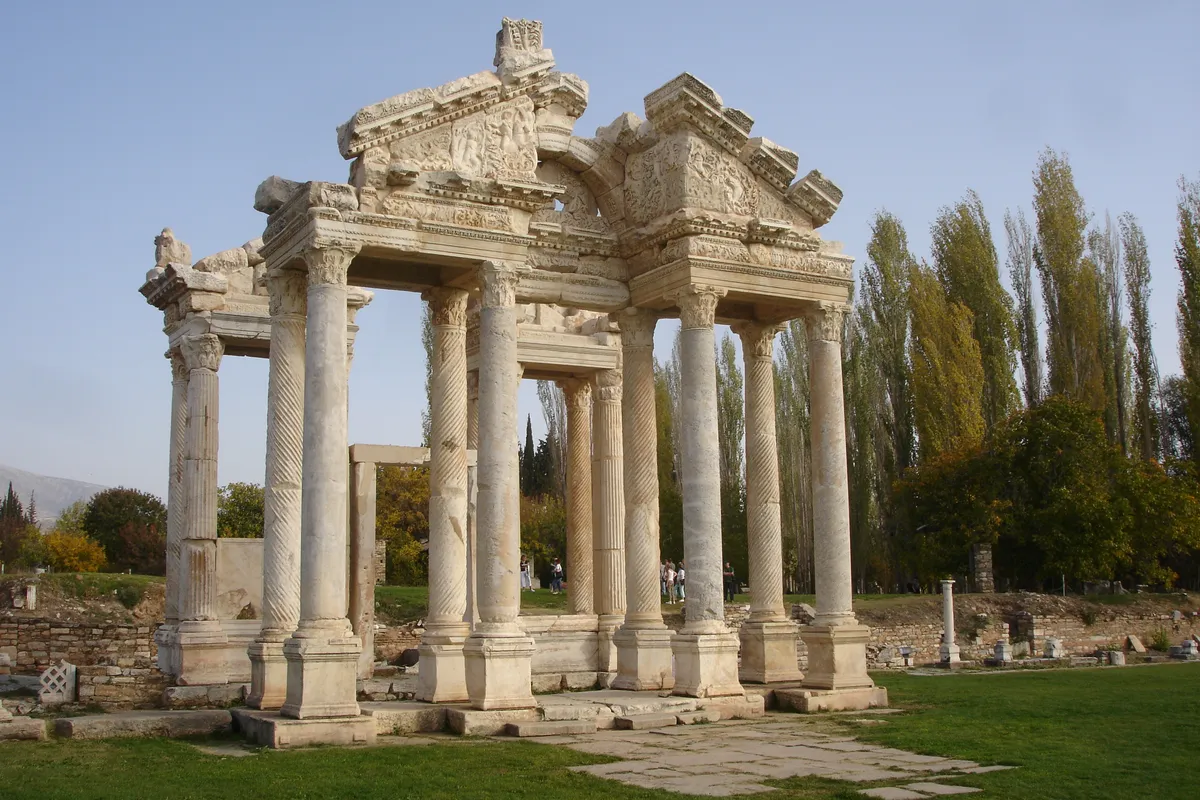
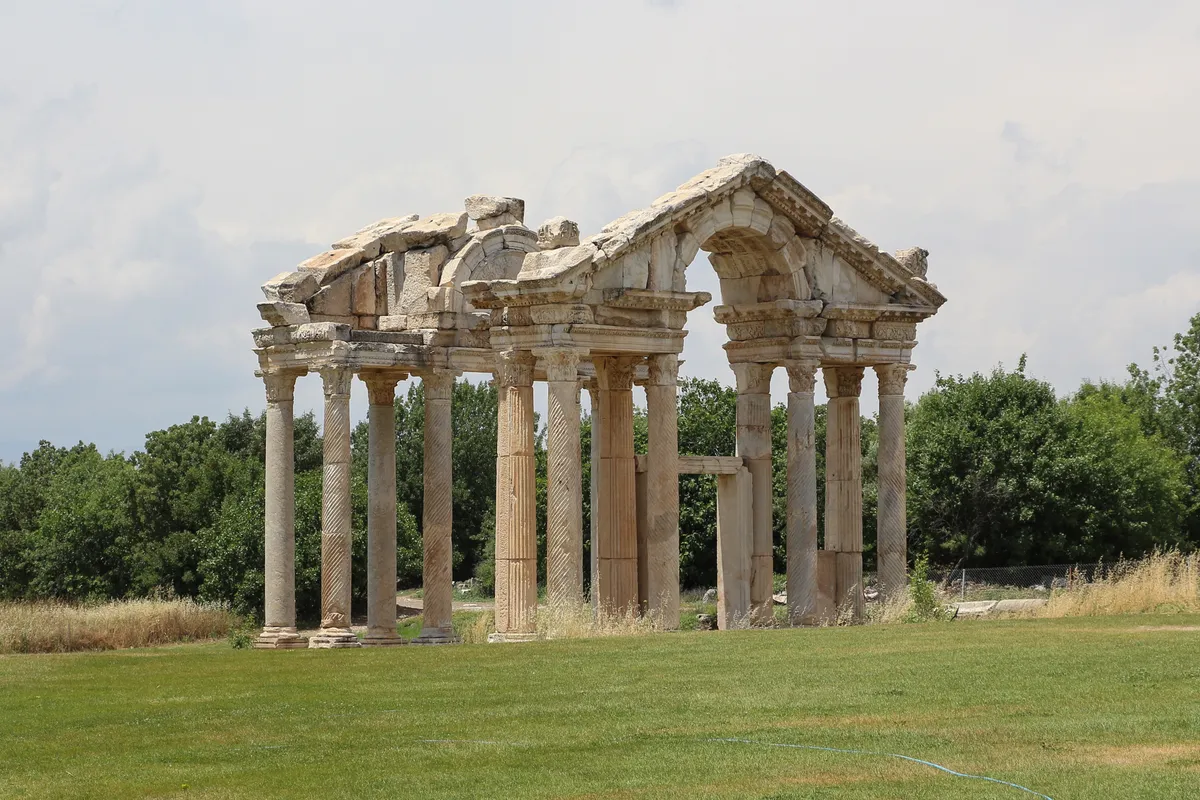
Greeting travelers along the sacred way leading to the Temple of Aphrodite, the Tetrapylon is an opulent monumental gateway erected around the mid-2nd century AD. Supported by four clusters of four fluted Corinthian columns, its elaborately carved acanthus friezes and relief pediments represent the zenith of Roman architectural grandeur. In early morning light, the crystalline white marble gleams with celestial radiance.
- Aphrodisias Ancient Stadium (30,000 Capacity)
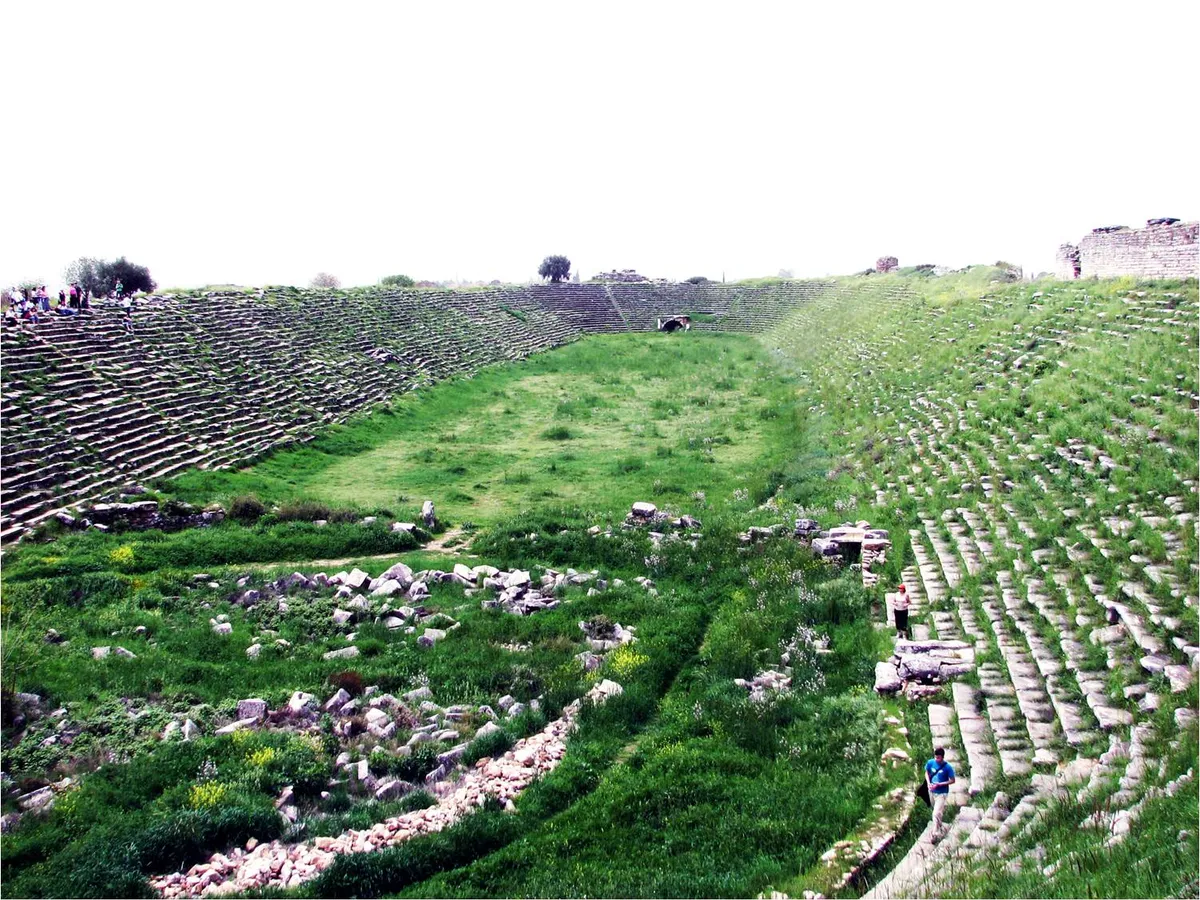
Measuring 262 meters in length and 59 meters in width, this stadium is the best-preserved and largest arena of its kind in the entire Mediterranean basin. Seating 30,000 spectators on tiered marble benches, it hosted athletic contests, foot races, javelin throwing, and in later imperial centuries, gladiatorial combats and wild beast hunts. Climbing to the topmost row rewards visitors with a sweeping vista of the ancient city against the mountain skyline.
- Sebasteion Temple & Imperial Processional Way
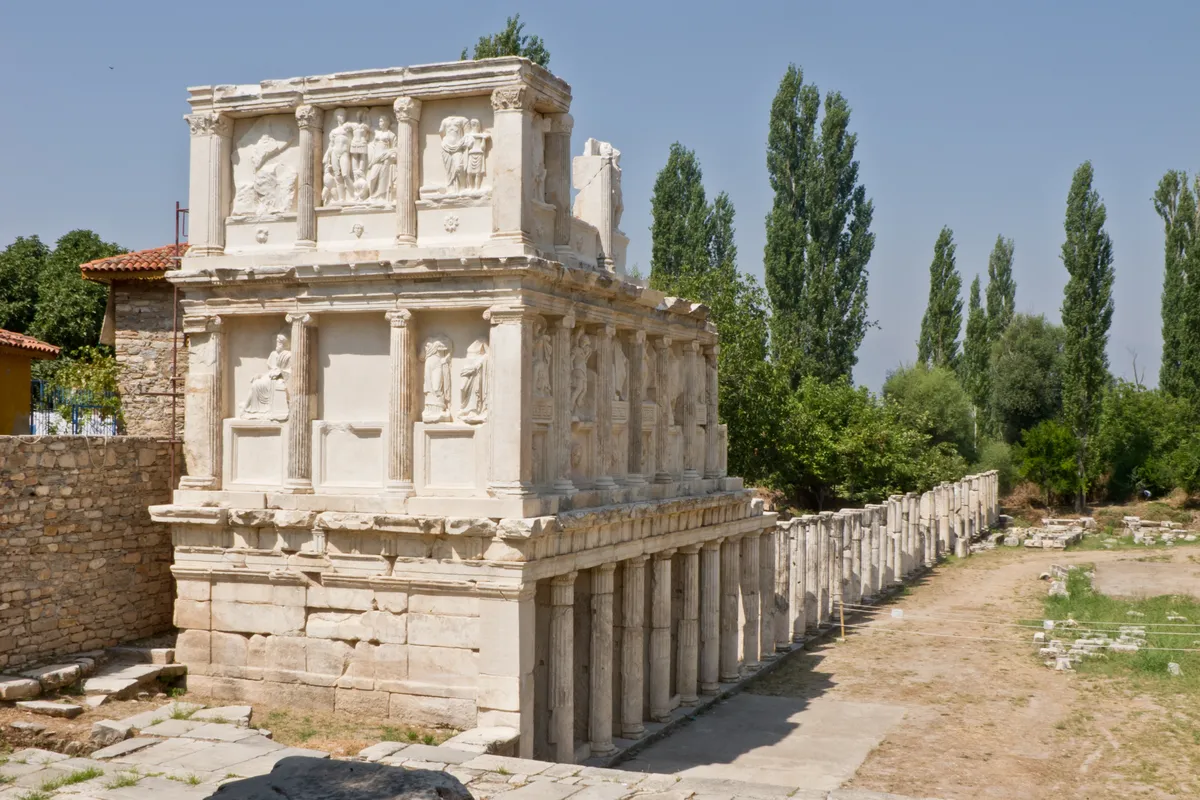
Dedicated jointly to the Julio-Claudian Roman emperors and the goddess Aphrodite, the Sebasteion features an 80-meter ceremonial corridor flanked by two three-story porticoes. Nearly 200 marble relief panels depicted Roman emperors Augustus, Tiberius, Claudius, and Nero interacting directly with gods, heroes, and conquered nations. No other monument in the ancient world illustrates the imperial cult with such breathtaking artistic mastery.
- Aphrodisias Museum & Sculpture Hall
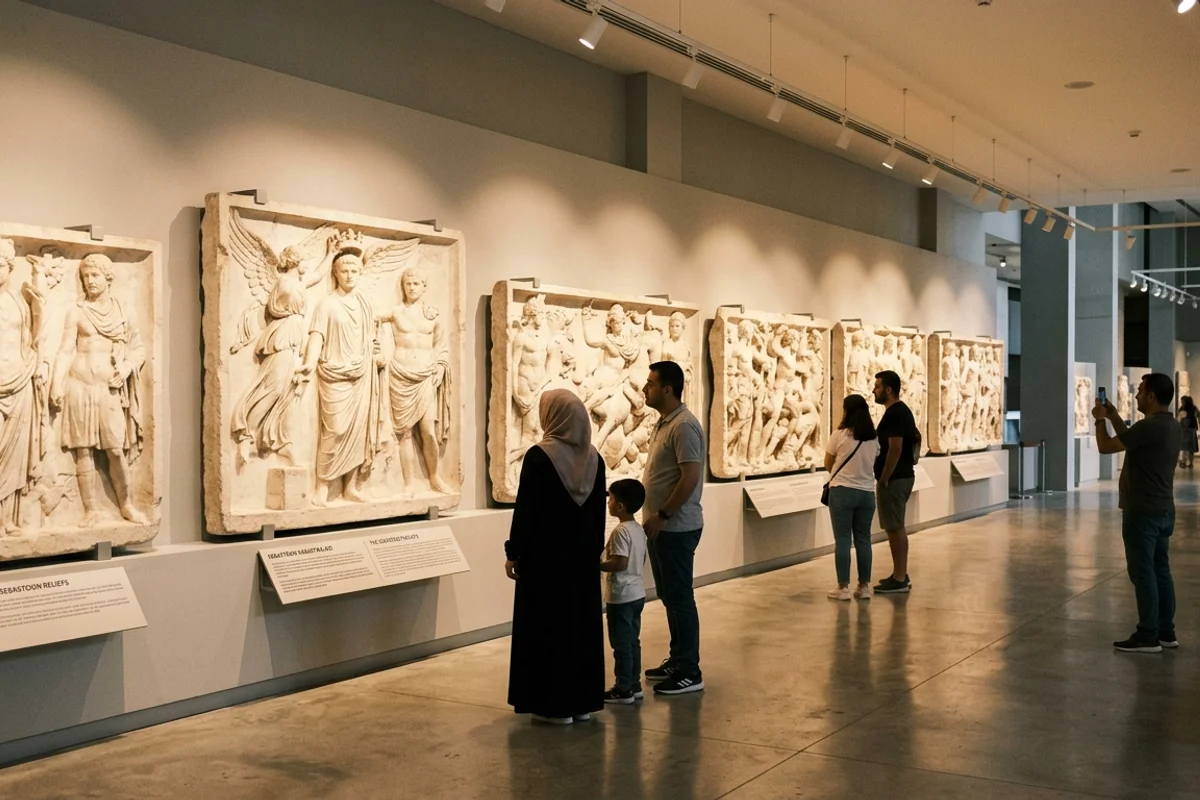
Located directly beside the site entrance, the Aphrodisias Museum houses an unparalleled collection of original marble statues recovered from decades of scientific excavations. The dedicated Sebasteion Hall showcases restored lifesize relief friezes, demonstrating the sculptors' extraordinary ability to render soft flesh, flowing drapery, and mythological scenes. Cult statues of Aphrodite of Aphrodisias, satyrs, and centaurs highlight the gallery.
- Ancient Theatre, Odeon & Acropolis Hill
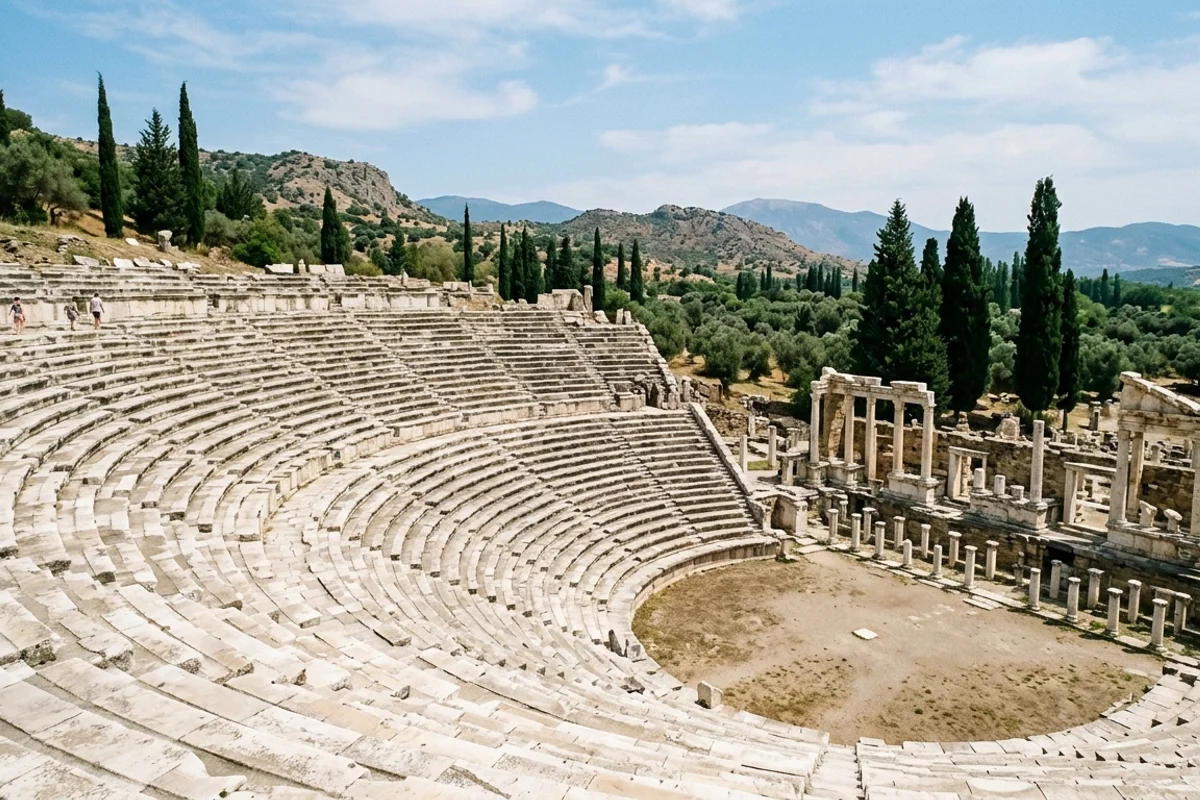
Built into the prehistoric mound of the acropolis during the 1st century BC, the 7,000-seat theater retains its orchestra, stage building, and dedicatory inscriptions. Just north of the theater lies the Bouleuterion (Odeon / Council House), whose pristine semi-circular marble seating accommodated council meetings, philosophical debates, and musical performances.
Day 2: Karacasu Living Traditions, Pottery Craft & Nature
- Karacasu Historic Pottery Bazaar & Kilns
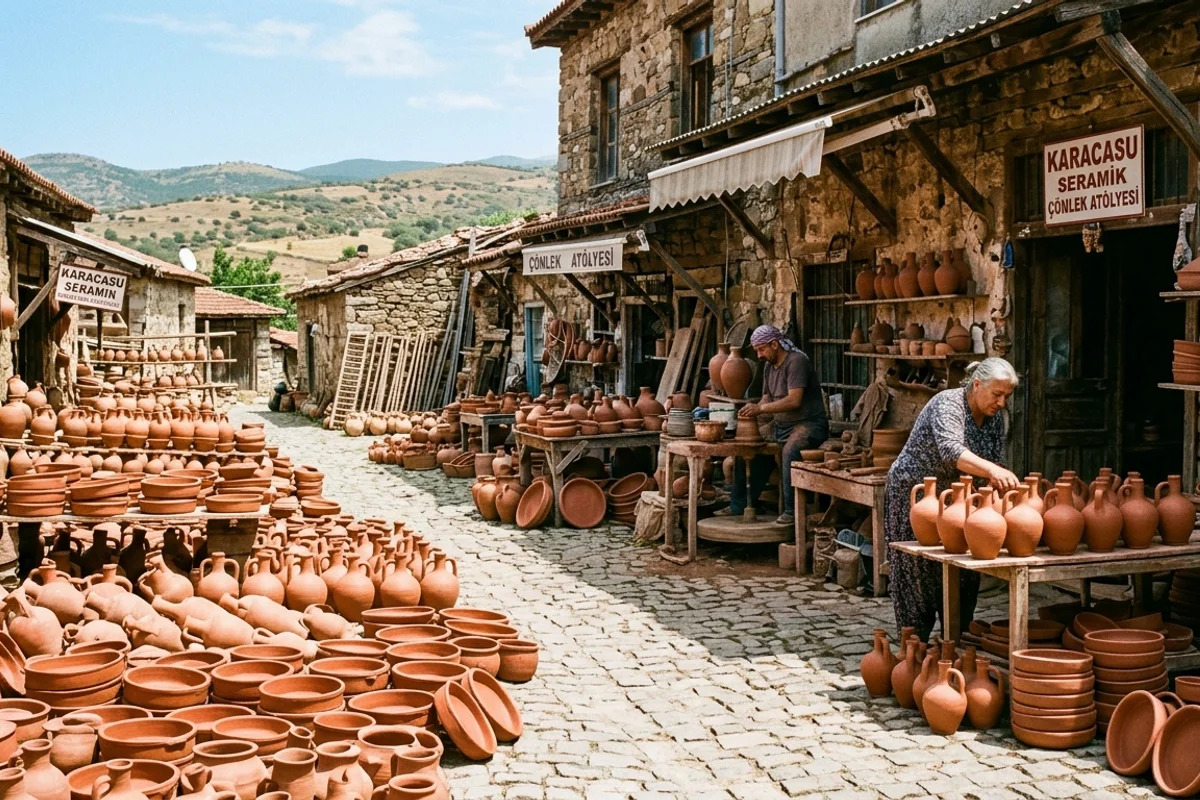
In Karacasu, pottery is a living 5,000-year-old art form passed down across generations. Rich red clay gathered from surrounding foothills is levigated in water basins, kneaded, and hand-thrown on foot-powered wooden potter's wheels into clay jugs, cooking casseroles, cups, and ornamental vessels. Visitors are welcomed into the workshops to observe master potters and shape their own clay vessels.
- Karacasu Town Square & Pide Promenade
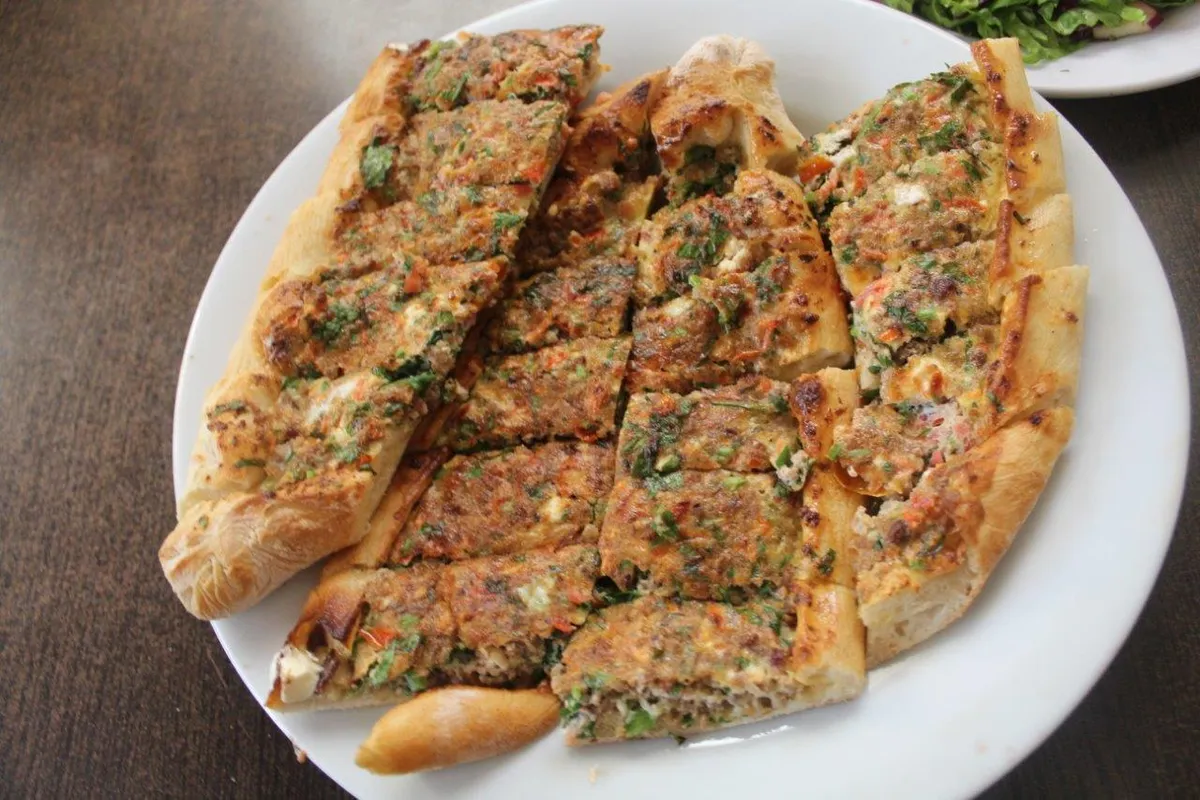
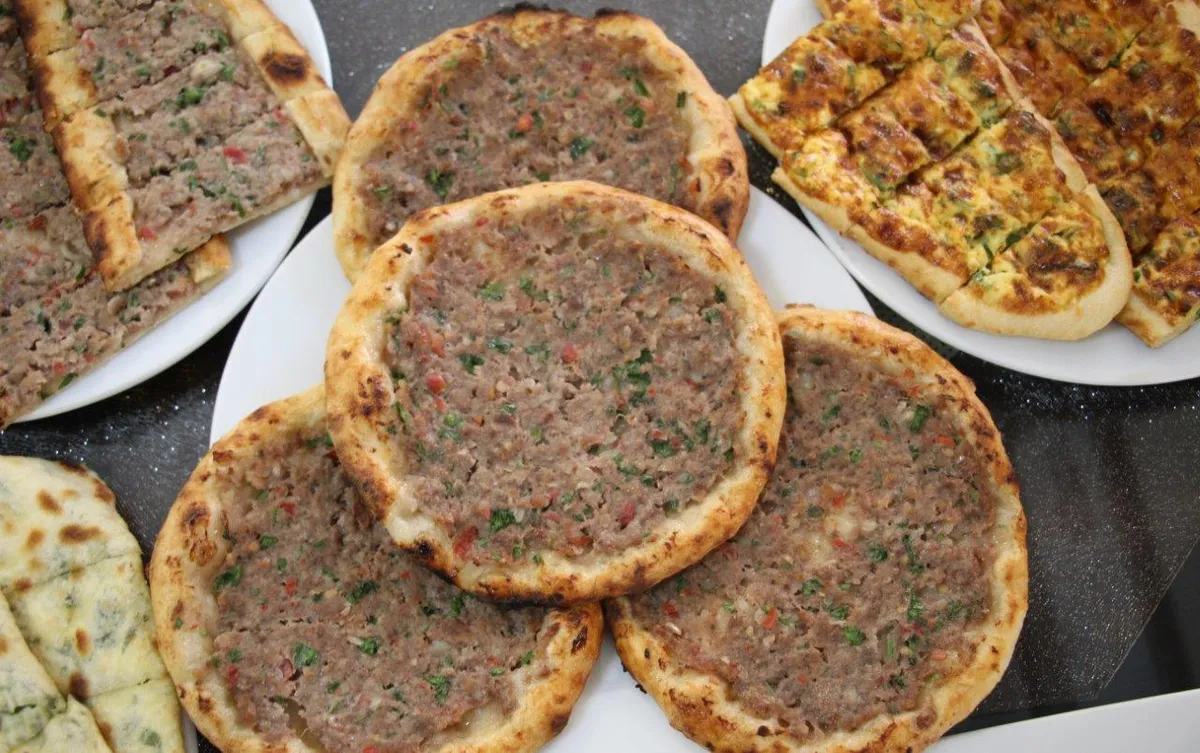
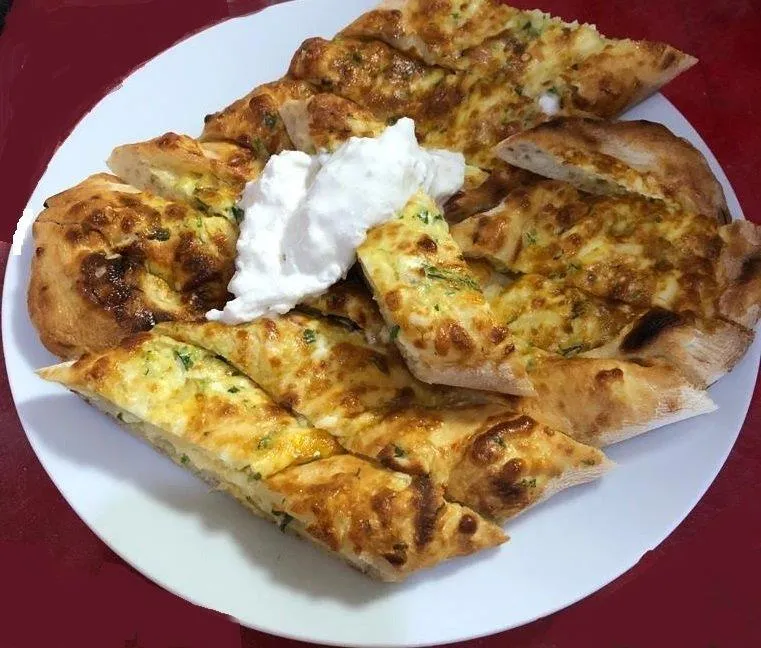
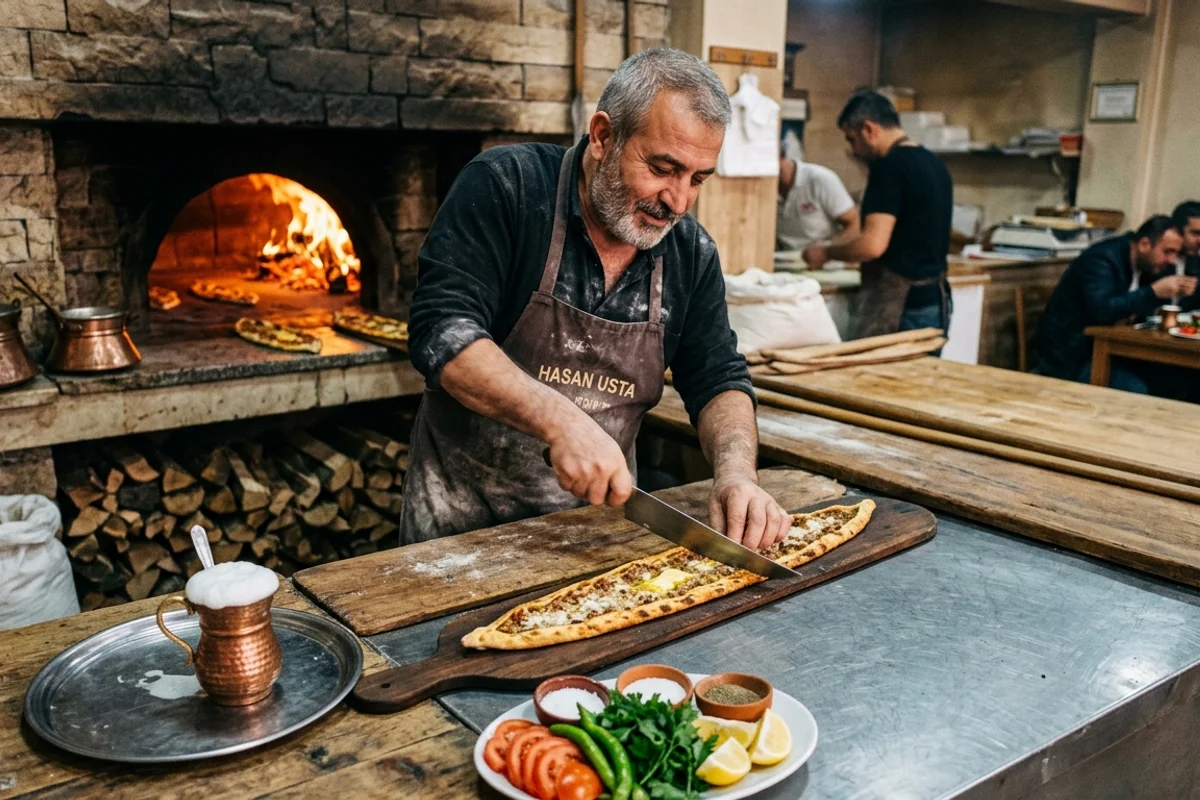
The leafy town center of Karacasu is famous throughout Turkey for its exceptional stone-oven flatbreads: Karacasu Pidesi. Stretched paper-thin by skilled bakers and filled with seasoned minced beef, regional cheese, or wild mountain greens, the pides are baked golden crisp over burning oak wood and brushed with pure mountain butter.
- Dandalaz Historic Stone Arch Bridge
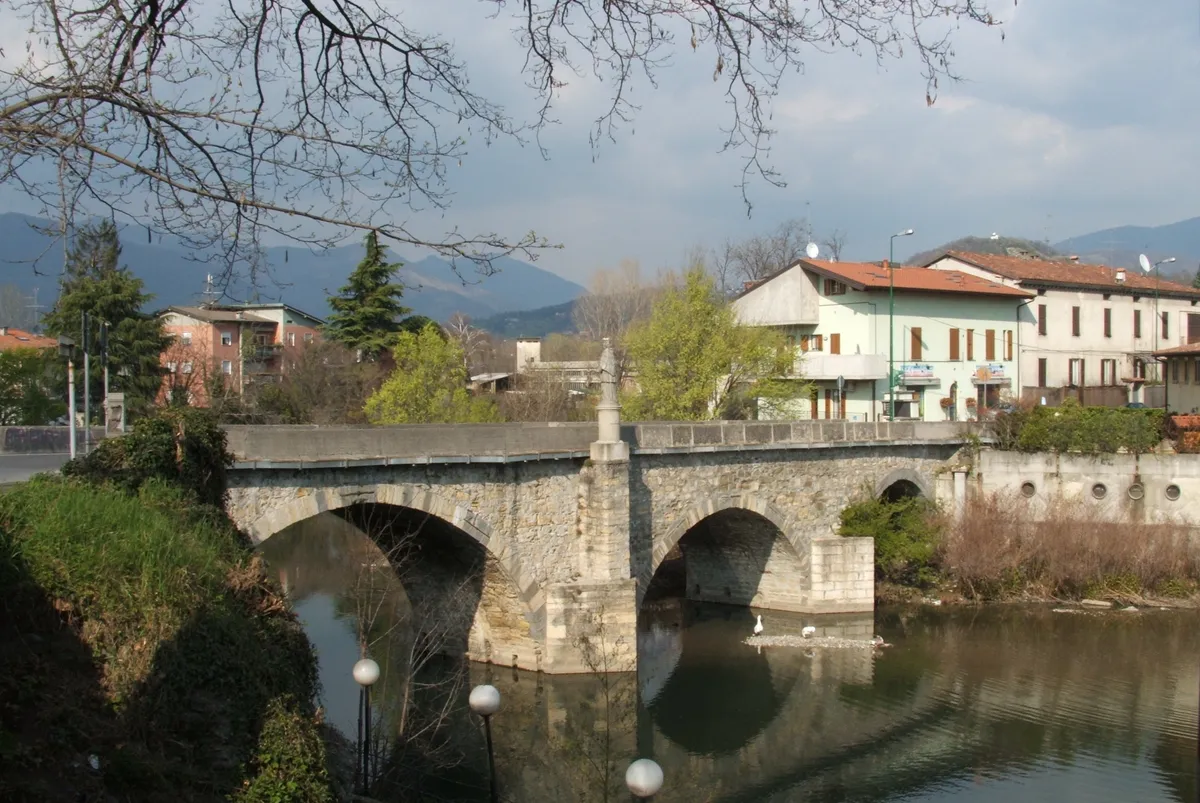
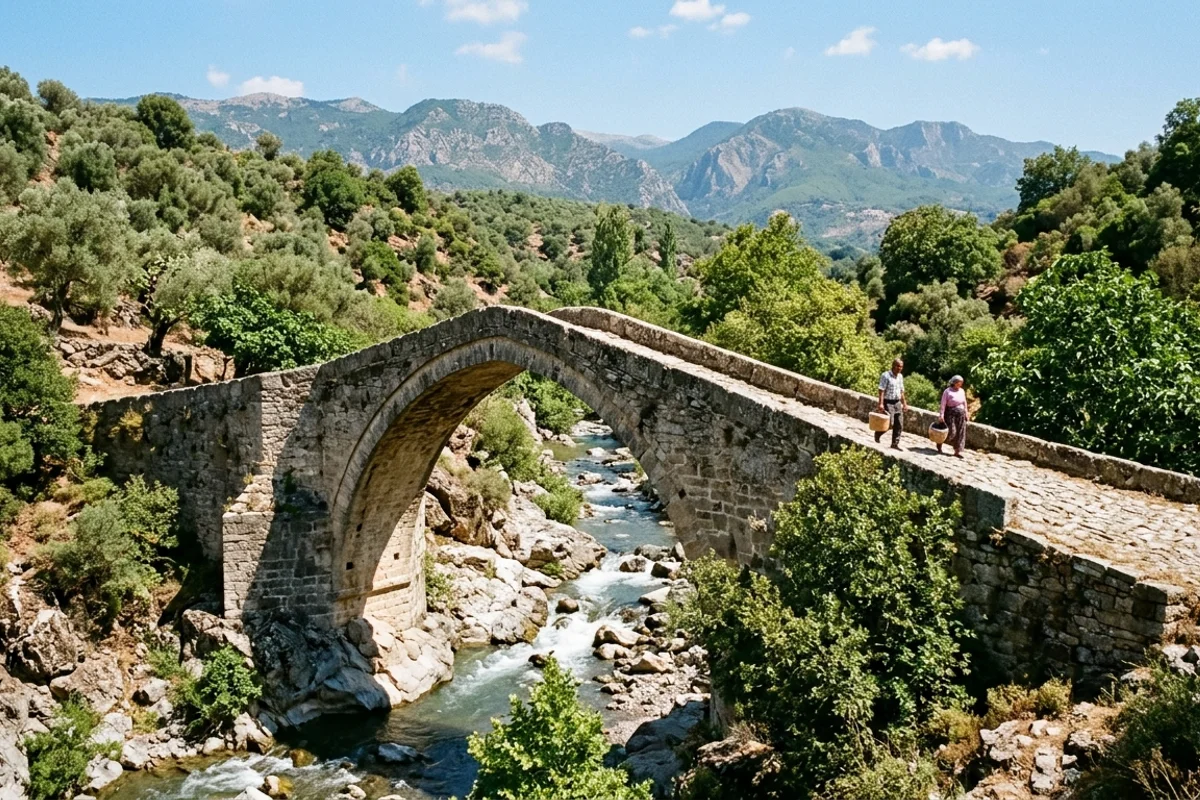
Spanning the sparkling Dandalaz Stream along the old caravan route connecting Caria to the inland Anatolian plateau, this 15th-century Ottoman bridge features a graceful pointed stone arch built from dressed masonry. Surrounded by lush riverside reeds and weeping willows, it offers a tranquil scenic stop for landscape photography.
- Sirtlanini Cave & Dripstone Formations
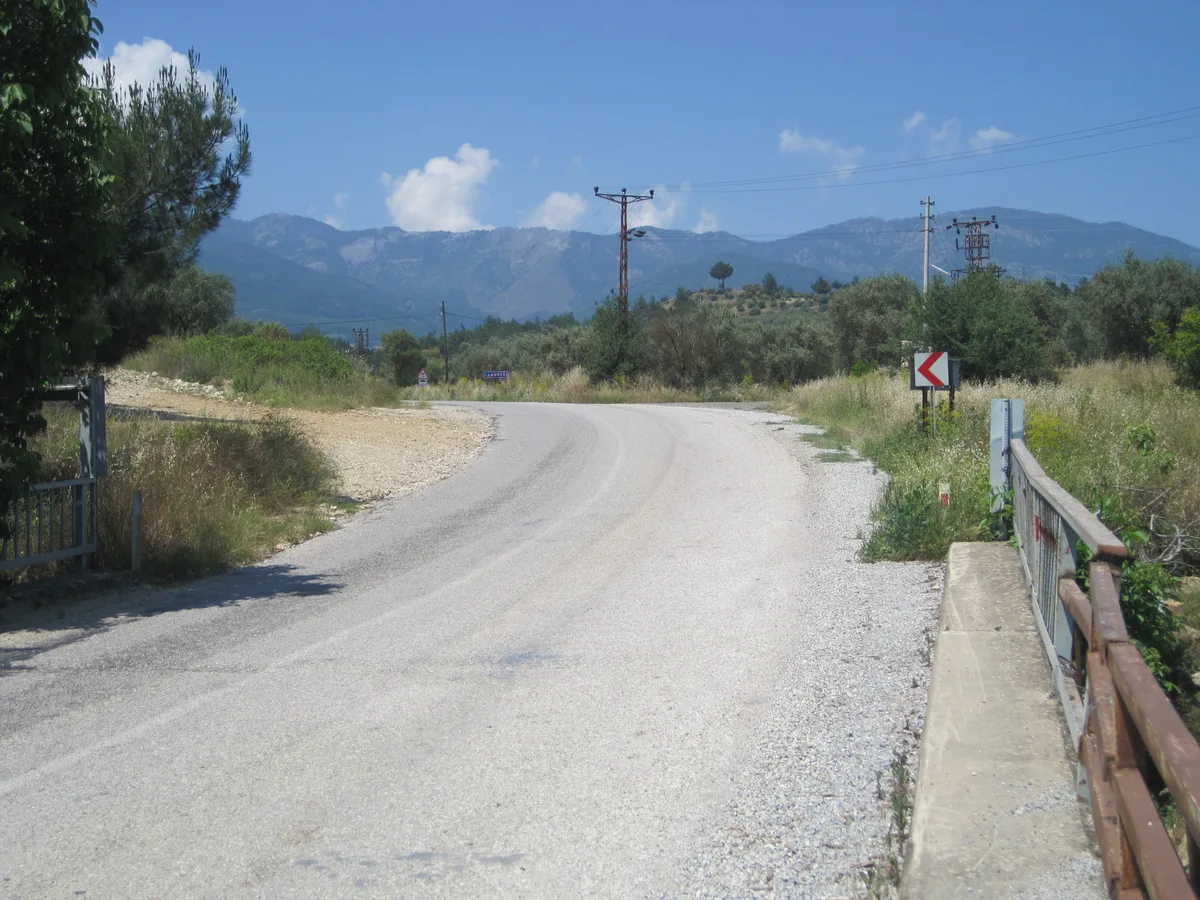
Perched near the mountain hamlet of Camarasi, Sirtlanini Cave extends horizontally for 450 meters into the limestone bedrock. The subterranean chambers are filled with gigantic stalactites, stalagmites, fluted columns, and calcite draperies that have developed over millions of years. With a constant year-round temperature of 17 degrees Celsius, it provides an exhilarating spelunking detour.
- Kahvederesi Plateau & Historic Plane Trees
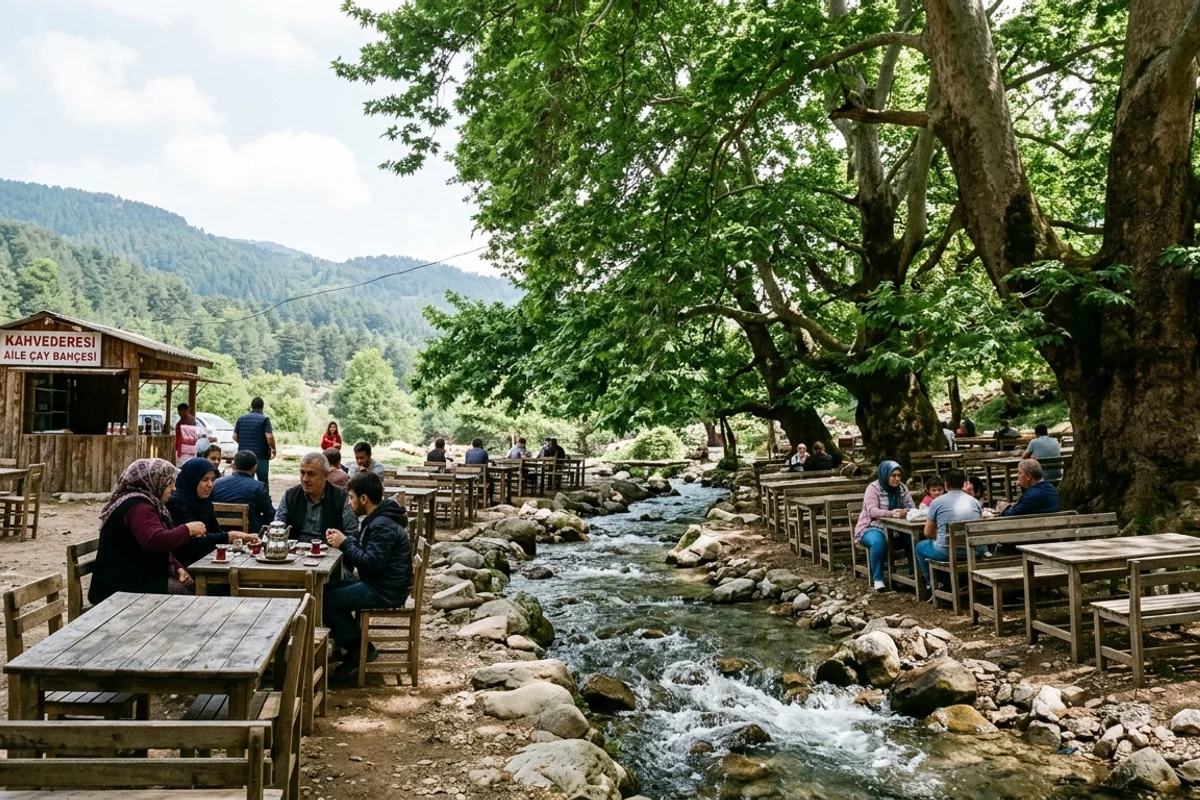
Resting at an altitude of 1,100 meters above sea level in the southern ridges of Karacasu, Kahvederesi Plateau is renowned for its century-old monumental plane trees, icy spring waters, and rejuvenating mountain breezes. It serves as a beloved summer retreat where locals sip Turkish tea and savor refreshing shaved mountain snow drizzled with sour cherry syrup.
- Visiting Hours, Days & 2026 Ticket Fees
- Summer Season (April 1 - October 31): Open daily from 08:30 to 19:30. Ticket office closes at 19:00.
- Winter Season (November 1 - March 31): Open daily from 08:30 to 17:30. Ticket office closes at 17:00.
- Admission & Museum Pass: The Museum Pass Turkiye is valid and grants entry to both the outdoor archaeological site and the enclosed Aphrodisias Museum.
- Karacasu Pottery Bazaar: Open 7 days a week from 08:30 to 20:00. Visiting the artisan kilns and watching master potters is completely free.
- Dandalaz Bridge & Kahvederesi Plateau: Publicly accessible 24/7 with free entry.
- Real Transportation & Transit Connections
- By Car: From the Izmir-Aydin highway, continue east past Nazilli. At the Kuyucak junction, follow the D585 highway south directly to Karacasu (Nazilli-Karacasu: 40 km / 35 min; Aydin center-Karacasu: 85 km / 1 hr 10 min; Pamukkale/Denizli-Karacasu: 90 km / 1 hr 15 min). From central Karacasu to the Aphrodisias ruins (Geyre village), the 12 km road is modern, paved, and well-signposted.
- By Public Bus & Minibus: From Nazilli Intercity Bus Terminal, Karacasu Birlik minibuses operate every 20-30 minutes between 06:30 and 20:00.
- Local Transfer to Ruins: Minibuses run hourly between central Karacasu bus station and the Aphrodisias site entrance in Geyre.
- Airport Options: The closest international hubs are Izmir Adnan Menderes Airport (ADB, 160 km) and Denizli Cardak Airport (DNZ, 125 km). Train and airport shuttle connections run regularly to Nazilli.
- Parking Facilities: Extensive car and tour bus parking is available at the Aphrodisias visitor center.
- Regional Gastronomy & Smart Traveler Tips
Karacasu cuisine seamlessly marries Aegean olive oil traditions with hearty Anatolian clay-oven specialties. Must-try culinary highlights include:
- Protected Karacasu Pidesi: Distinctive thin-crust flatbreads topped with spiced minced beef, diced lamb, or wild mountain curd cheese, brushed straight from the wood oven with melted grass-fed butter.
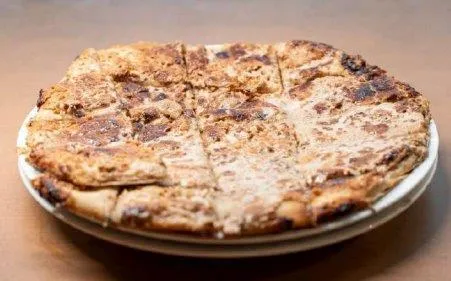
- Tahinli Pide (Sweet Sesame Flatbread): A legendary dessert flatbread brushed with rich toasted sesame paste and sugar, baked crisp and served warm with clotted cream or walnuts.
- Karacasu Claypot Casserole (Toprak Guvec): Tender local lamb, shallots, and wild mountain thyme slow-simmered for four hours inside Karacasu's unglazed earthenware pots in a wood-fired brick oven.
- Mountain Snow Sorbet (Kar Helvasi): Fresh mountain snow brought down from deep shaded pits on Babadağ, served in bowls drenched with homemade sour cherry or black mulberry syrup.
- Optimal Photography Timing: Photograph the ancient stadium and Tetrapylon during early morning hours (08:30 - 10:30) when gentle diagonal sunlight illuminates the marble details without harsh glare.
- Do Not Miss the Museum: The Aphrodisias Museum is included in your site ticket; spend at least 45 minutes admiring the Sebasteion relief friezes.
- Artisan Keepsake: Purchase a handcrafted terracotta water pitcher, clay cooking casserole, or ceramic vase directly from the Karacasu bazaar.
- Sturdy Footwear: The walking circuit at Aphrodisias covers roughly 3.5 kilometers across gravel and stone pathways; wear comfortable hiking shoes and a sun hat.