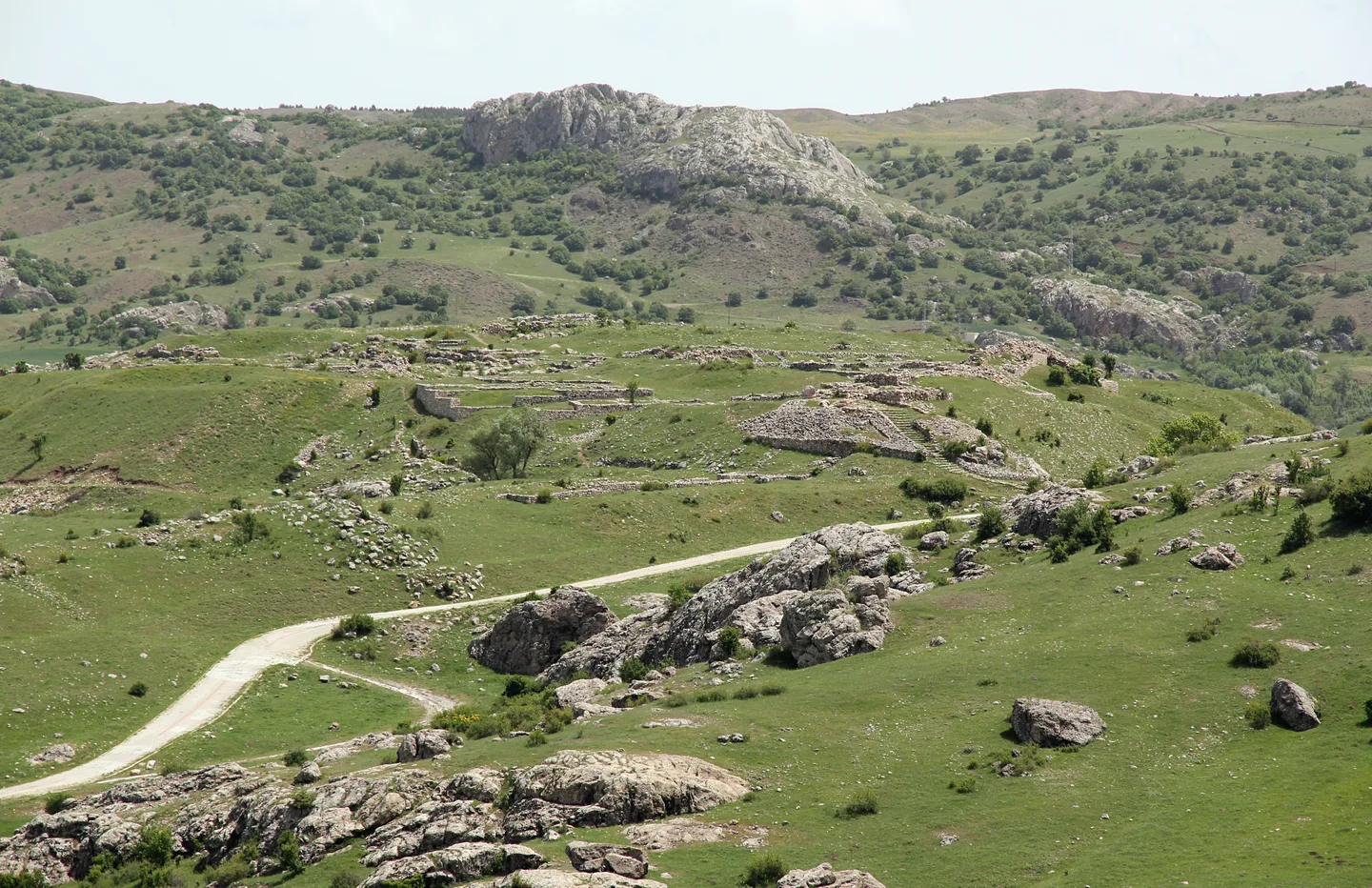
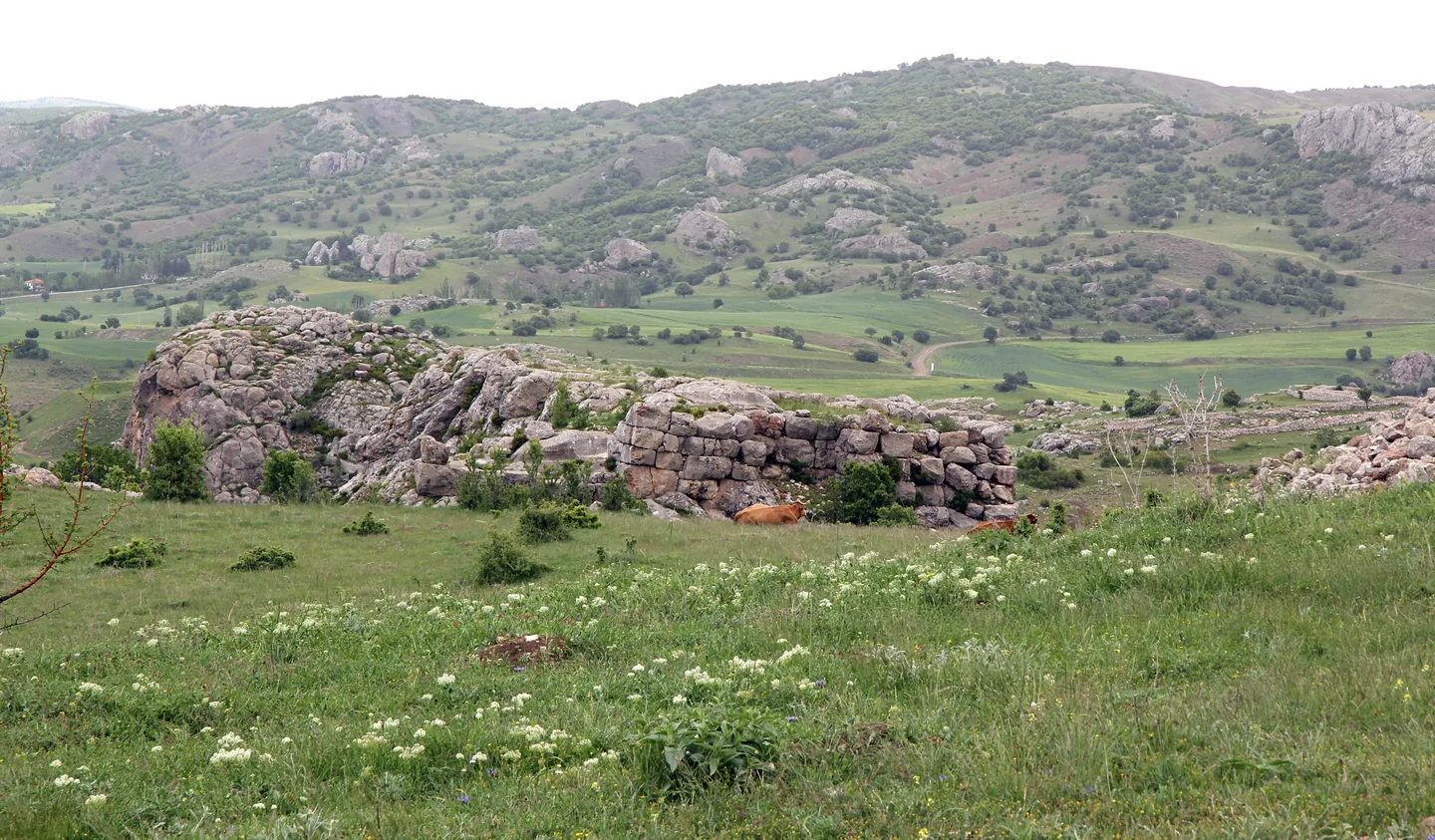
Perched high across rocky ridges in the heart of central Anatolia in Corum's Bogazkale district, Hattusa (Bogazkoy) served as the magnificent imperial capital of the Hittite Empire during the Late Bronze Age between the 17th and 12th centuries BC. Inscribed on the UNESCO World Heritage List in 1986 and its vast cuneiform royal archive included in the UNESCO Memory of the World Register in 2001, the "City of a Thousand Gods" stands as a monumental triumph of ancient urban planning, cyclopean masonry, secret postern tunnels, and rock-carved sanctuaries.
2-Day Hittite Civilization and Archaeology Itinerary
To thoroughly comprehend Hattusa's sprawling 2-square-kilometer archaeological park, inspect the mystical rock galleries of Yazilikaya, visit the Bogazkale Museum, and explore the ancient Hatti royal cradle of Alacahoyuk, a 2-day expedition is ideal. Day one focuses on Hattusa's fortifications, monumental gates, and Yazilikaya; day two explores Alacahoyuk and Corum's historic city center and artisan roasted chickpea shops.
Day 1: Lower City, The Great Temple and the Sacred Green Stone
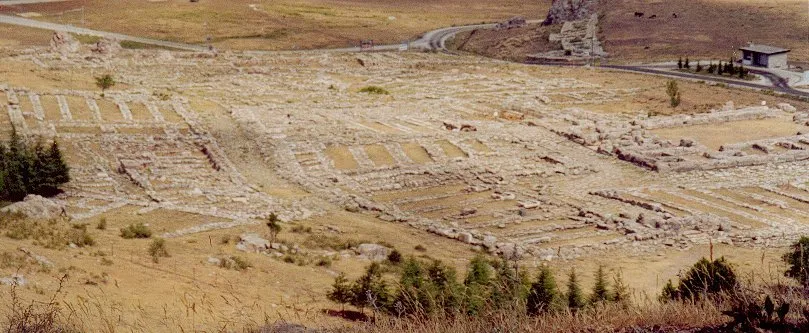
Begin your exploration in Hattusa's Lower City at the monumental Great Temple (Temple 1), dedicated jointly to the Hittite supreme Storm God Teshub and the Sun Goddess of Arinna. Surrounded by extensive magazine storehouses holding giant ceramic storage pithoi, the temple's central open-air courtyard preserves the famous Sacred Green Nephrite Stone (Wishing Stone), a smoothly polished monolith believed to have been a gift from Egyptian Pharaoh Ramesses II following the Treaty of Kadesh.
Upper City: Lion Gate, Yerkapi Tunnel and King's Gate
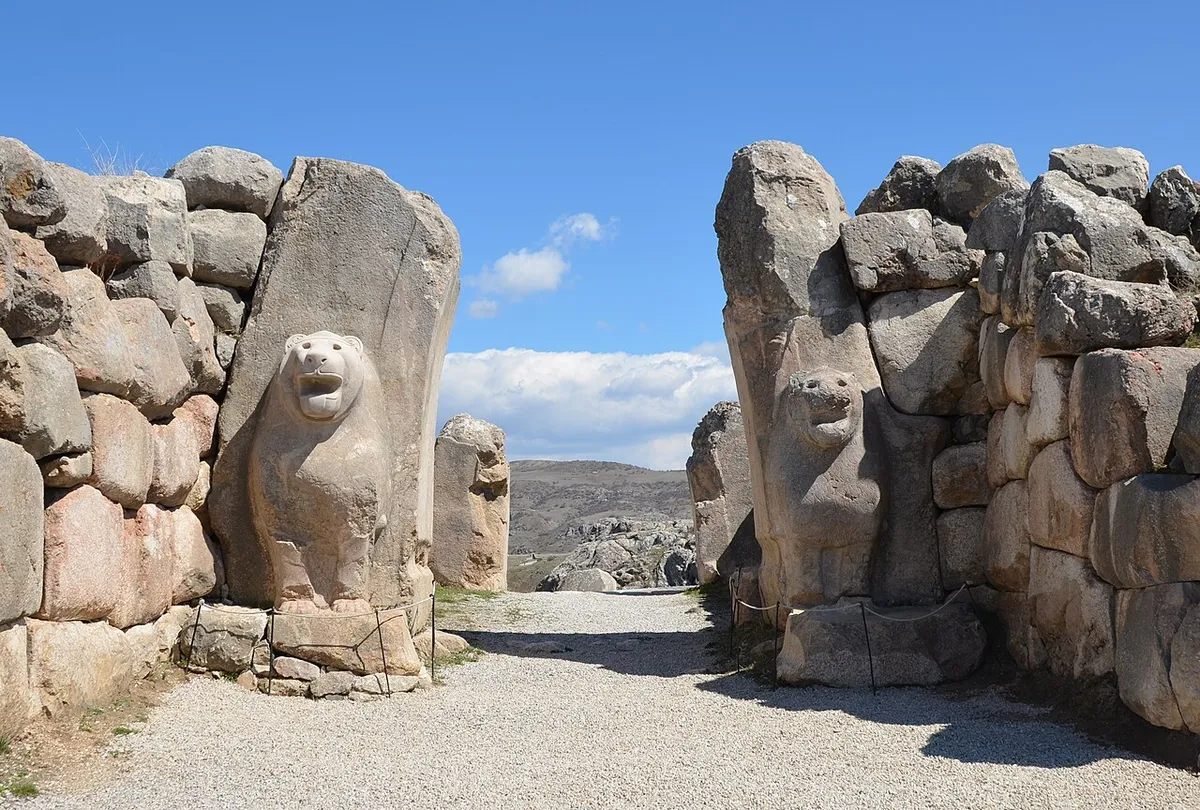
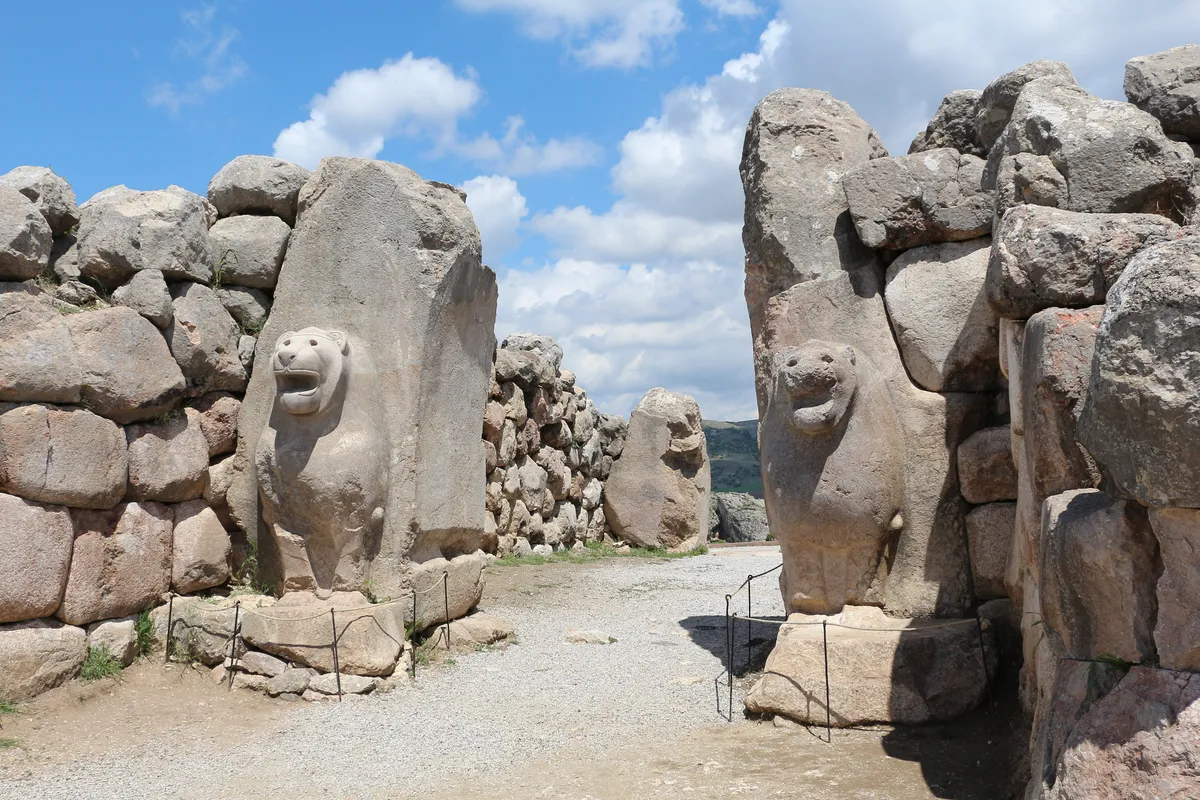
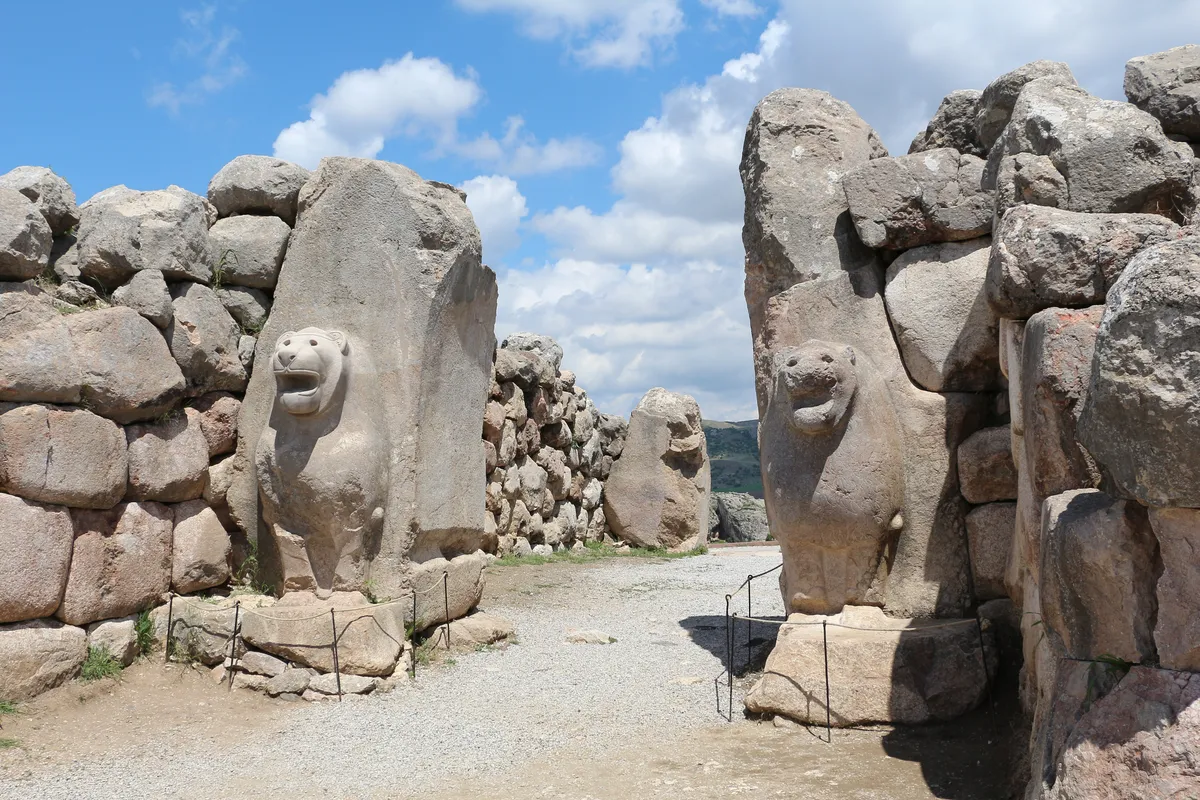
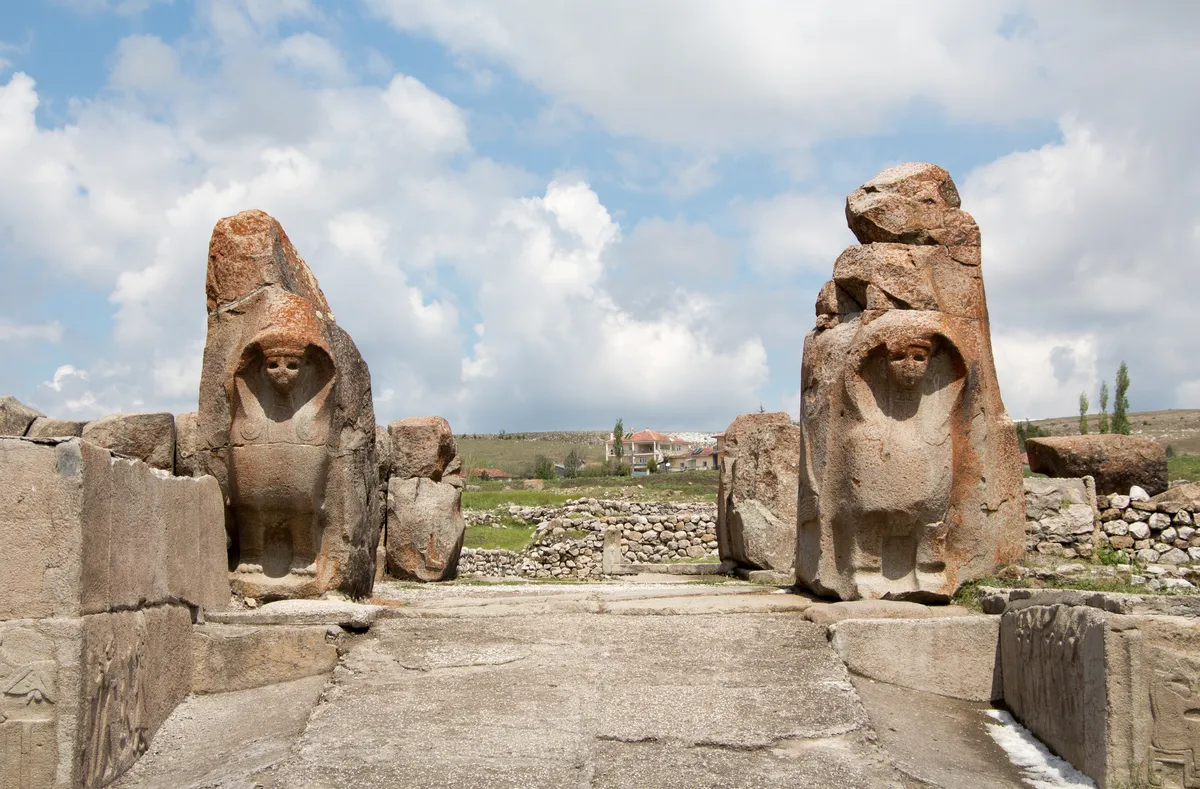
Ascending toward the Upper City reveals the crowning achievements of Hittite military defense. Dating from the 14th century BC, the Lion Gate guards the western ramparts with two monumental stone lions carved directly into colossal monolithic door jambs, sculpted as apotropaic guardians to ward off evil from the empire.
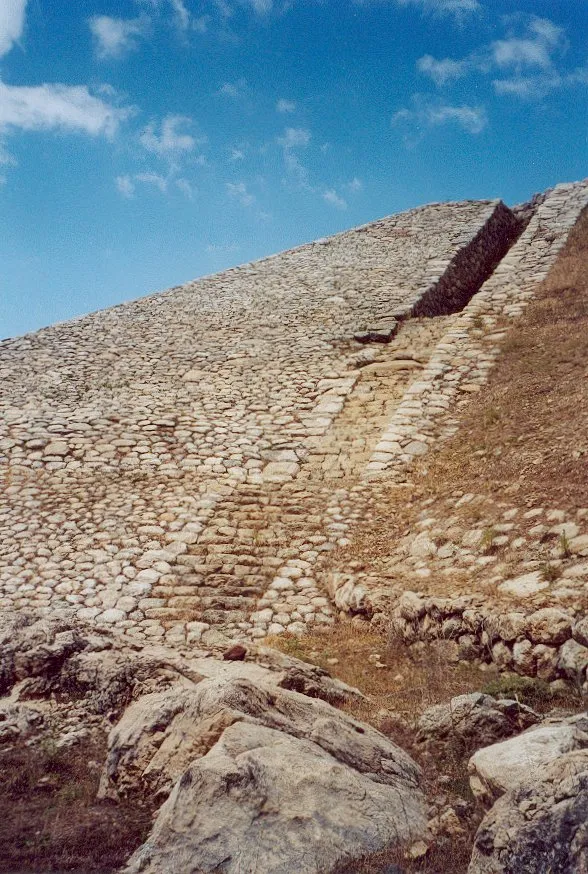
At the highest crest of the city lies Yerkapi (Earth Gate), dominated by a 250-meter-long, 30-meter-high stone glacis rampart. Beneath this massive embankment lies the legendary 71-Meter Secret Postern Tunnel. Walking through this corbel-vaulted triangular stone passageway to exit beyond the city walls offers an unforgettable journey into ancient military engineering.
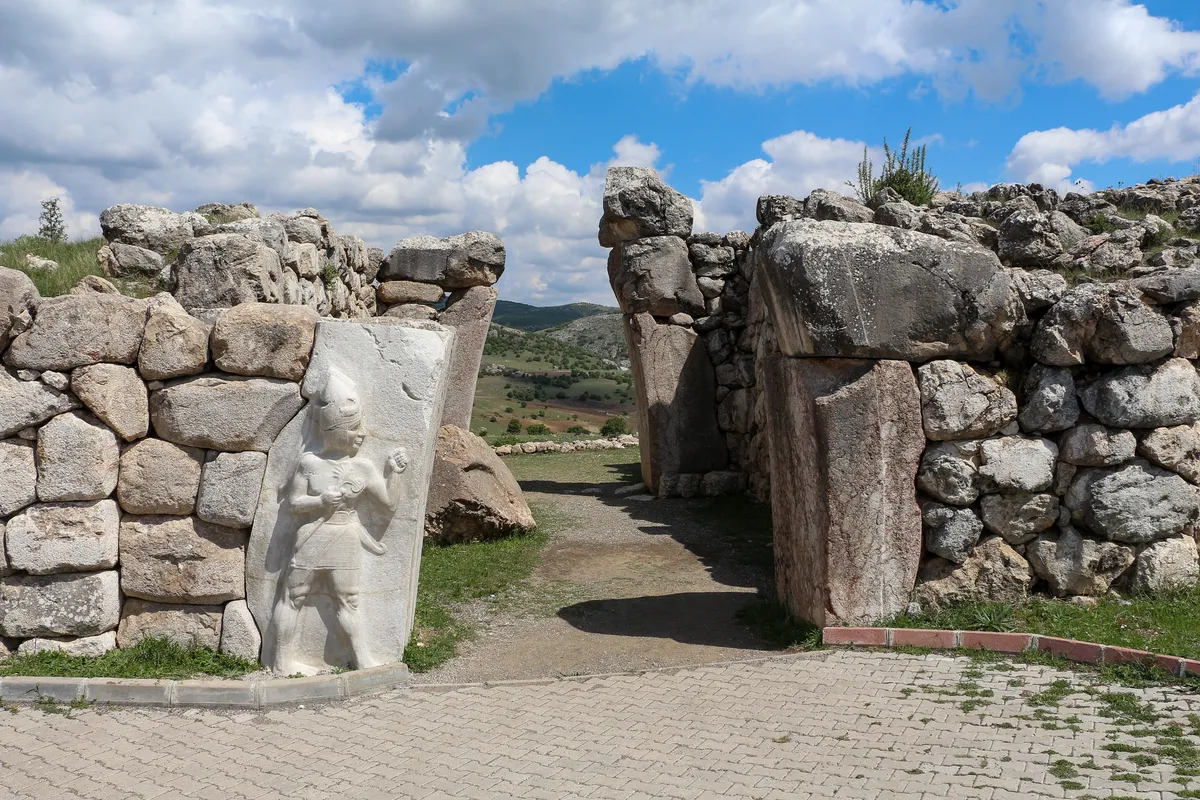
On the eastern ramparts stands the King's Gate, adorned on its inner jamb with a renowned high-relief sculpture of the helmeted, axe-wielding Hittite Warrior God Sharruma. Further along the circuit, explore the royal citadel of Buyukkale (Royal Palace), where thousands of royal cuneiform tablets including the landmark 1259 BC Kadesh Peace Treaty were unearthed, as well as the southern redoubt of Yenicekale.
Yazilikaya Hittite Open-Air Rock Sanctuary
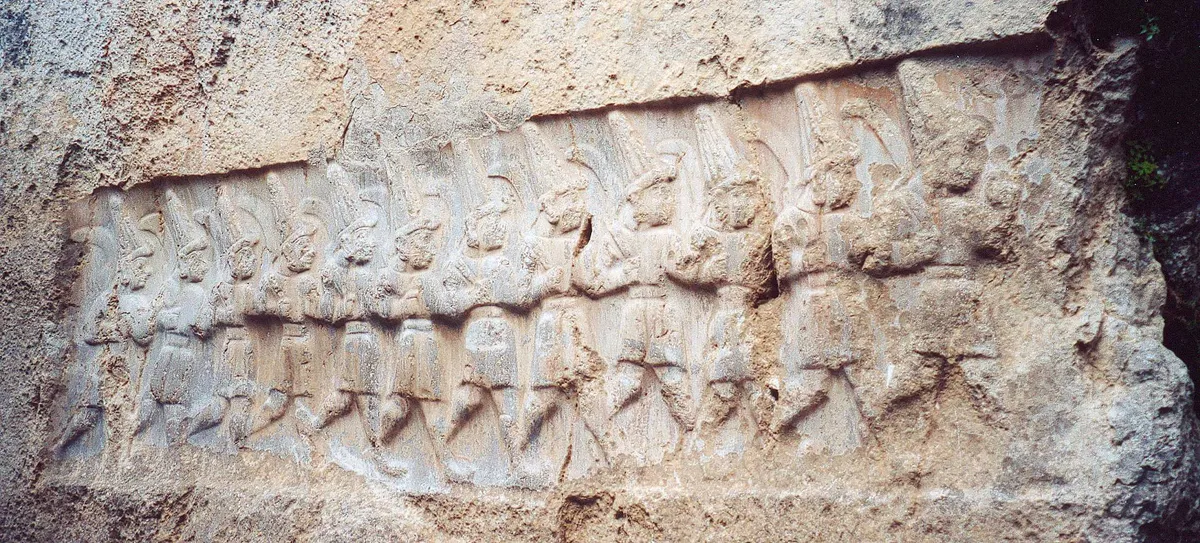
Located 2 km northeast of the main ruins, Yazilikaya was the supreme open-air religious sanctuary where the Hittites celebrated the spring New Year festival. Carved directly into living natural rock galleries, Chamber A depicts the grand divine assembly of Storm God Teshub and Sun Goddess Hepat, while Chamber B displays the haunting, rhythmic procession of the 12 Underworld Gods brandishing curved sickle-swords.
Day 2: Bogazkale Museum, Alacahoyuk and Historic Corum
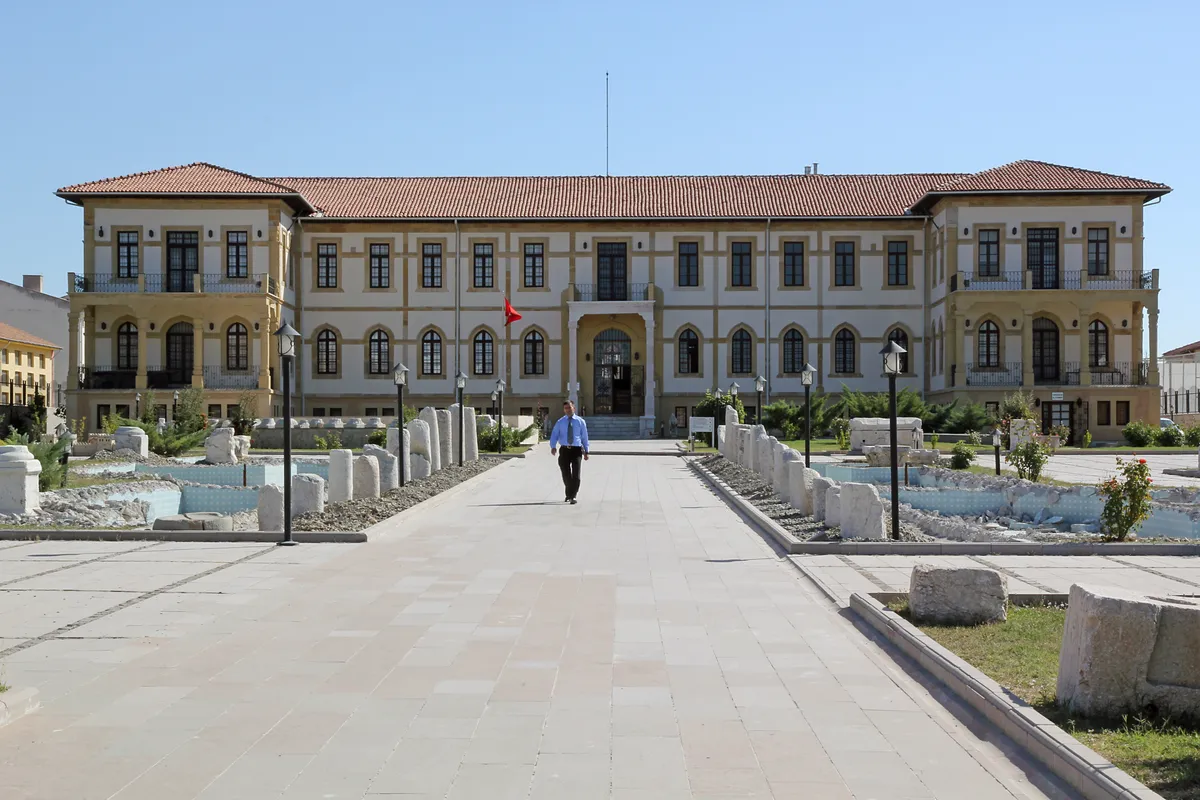
Day two begins at the Bogazkale Museum, home to authentic cuneiform treaty tablets, terracotta ritual vessels, and original Bogazkoy stone sphinxes.
Next, drive 45 km to Alacahoyuk, the premier national archaeological excavation launched in 1935 under the personal funding and patronage of Mustafa Kemal Ataturk. Marvel at the monumental Sphinx Gate with carved orthostats and explore the Early Bronze Age Hatti Royal Tombs, famed for their gold diadems and iconic bronze Solar Discs.
Visitor & Practical Information (2026 Admission & Hours)
- Admission: The Turkish MuseumPass (Muzekart) is valid and grants free admission for Turkish citizens to Hattusa, Yazilikaya, and Bogazkale Museum. Combined international tourist admission is approximately 12-15 Euros.
- Opening Hours: Summer season (April - October) operates 08:30 - 19:00 (ticket desk closes at 18:30); Winter season (November - March) operates 08:30 - 17:00. Open daily.
- On-Site Touring: Hattusa covers extensive hilly terrain; a 6-kilometer paved circular roadway allows you to drive your personal or rental car between major monument parking pull-offs.
- Sun Protection & Footwear: The Anatolian steppe sun is intense during summer months; carry wide-brimmed hats, sunblock, and ample water. Sturdy traction footwear is mandatory for the Yerkapi staircases and postern tunnel.
Transportation and Real-World Transit Guide
- Ankara - Corum Highway: Hattusa (Bogazkale) is reached via a 28 km paved turn-off from the town of Sungurlu along the primary Ankara - Corum highway. It is approximately 200 km (2 hours 15 minutes) from Ankara and 82 km (1 hour) from Corum city center.
- Public Transport: Regular minibuses connect Corum Central Bus Terminal with Sungurlu and Bogazkale. Travelers from Ankara can take an intercity coach to Sungurlu and transfer to the local Bogazkale dolmus.
- Airport Connections: Amasya Merzifon Airport (MZH - 145 km) and Ankara Esenboga Airport (ESB - 190 km) provide convenient domestic and regional flight connections.
Regional Gastronomy Recommendations
- Corum Double-Roasted Yellow Chickpeas (Leblebi): Globally celebrated GI-certified chickpeas wood-roasted multiple times in copper vats, available salted, clove-scented, peppered, or chocolate-coated.
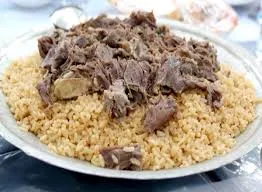
- Iskilip Dolmasi (Ca Dolmasi): A 500-year-old culinary masterpiece of spiced rice steam-infused for hours over simmered meat in sealed copper cauldrons.
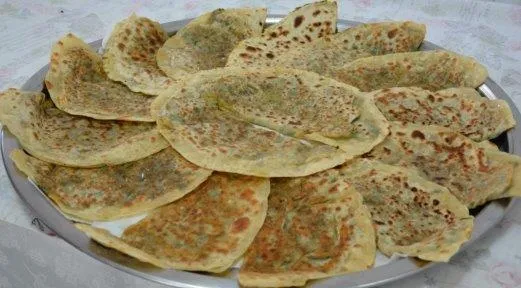
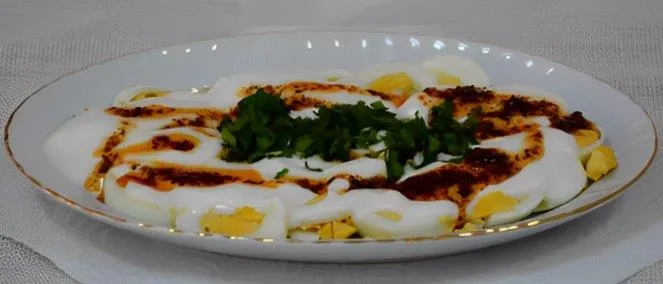
- Corum Crispy Mantisi: Oven-baked golden dumpling bites served with savory broth, garlic yogurt, and brown butter sumac drizzle.
- Gul Burmasi Baklava: Flaky handmade pastry rolled with abundant local walnuts and light lemon-infused sugar syrup.
The optimal time to photograph the divine reliefs at Yazilikaya is late afternoon, when the low-angled golden sunlight casts crisp shadows across the rock face, illuminating every intricate detail of the gods' garments and horns. After touring Hattusa, stop in the village of Bogazkale for freshly baked traditional bread, and pick up fresh warm-roasted leblebi from the historical bazaars of Corum.