UNESCO World Heritage Diyarbakir Travel Guide 2026: Ancient Basalt Walls, Hevsel Gardens & Great Mosque


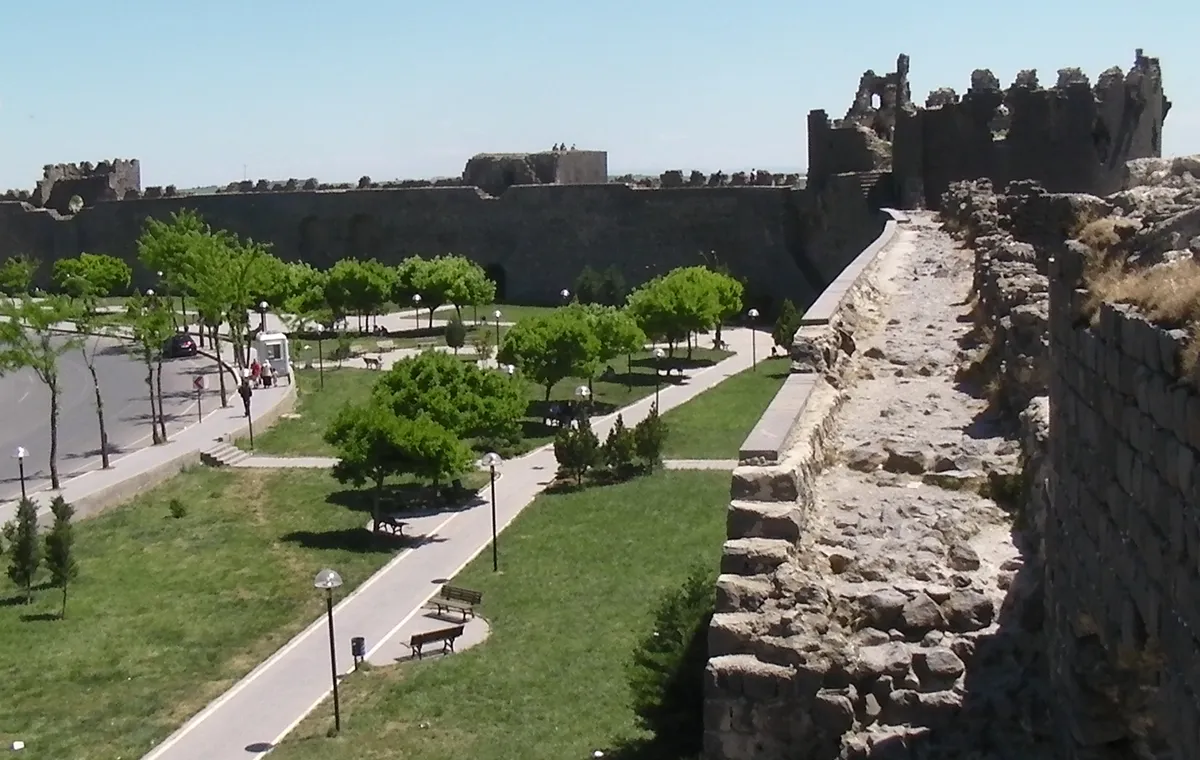
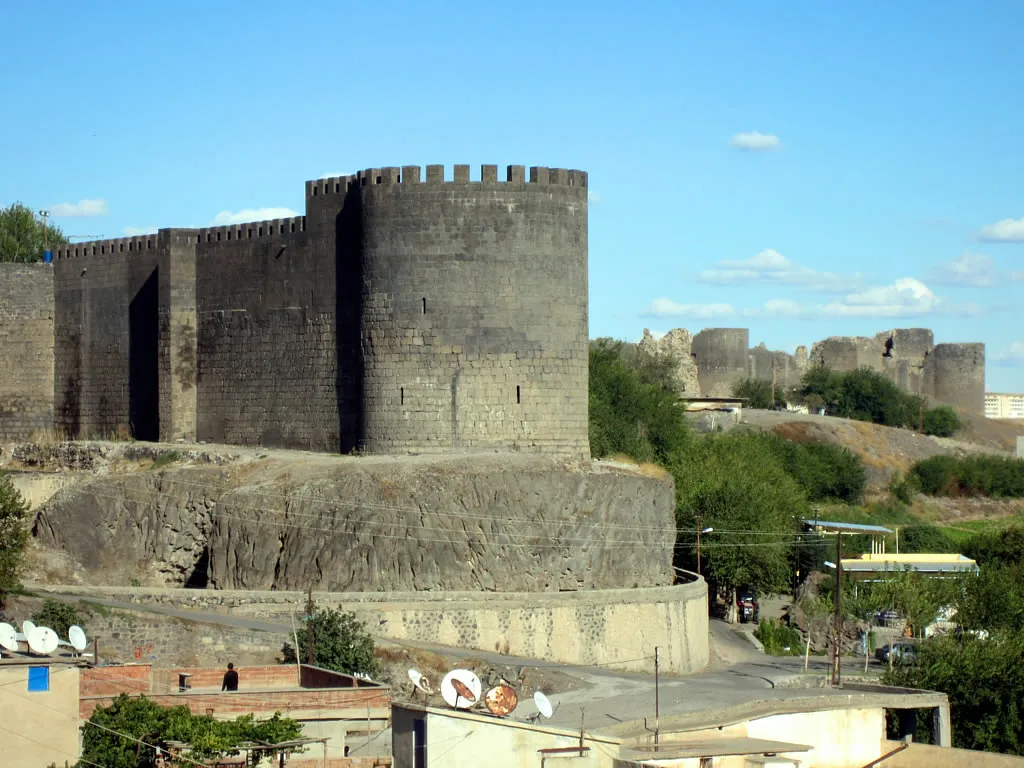
Perched high upon the basalt bluffs above the Tigris River in Upper Mesopotamia, the ancient city of Diyarbakir (Amed) is an open-air stone library of civilization. Guarded by 5.5 kilometers of continuous black basalt walls—second only to the Great Wall of China in length and military fortification—this monumental shield bears inscriptions and reliefs from Romans, Byzantines, Artuqids, Ayyubids, and Ottomans. In 2015, the fortress alongside the lush Hevsel Gardens Cultural Landscape was designated a UNESCO World Heritage Site.
From the 7th-century Great Mosque of Diyarbakir (revered as the 5th Holy Site of Islam) and polymath Al-Jazari sundial, to the legendary 1000-year-old Ten-Eyed Bridge across the Tigris and charcoal-grilled lamb liver kebab at dawn, this comprehensive 2026 travel guide unlocks the cultural soul of Mesopotamia.
1. Diyarbakir Fortress & Goat Bastion (Keci Burcu): Panoramic Balcony Over Hevsel
As the oldest, largest, and most imposing bastion along the entire city wall circuit, the Goat Bastion (Keci Burcu) crowns a rocky promontory overlooking the Tigris River Valley. Featuring an expansive eleven-vaulted subterranean stone hall built during Artuqid rule, it now hosts cultural exhibitions. Stepping onto the top ramparts reveals a sweeping panorama of the fertile green ribbon of the Hevsel Gardens stretching below.
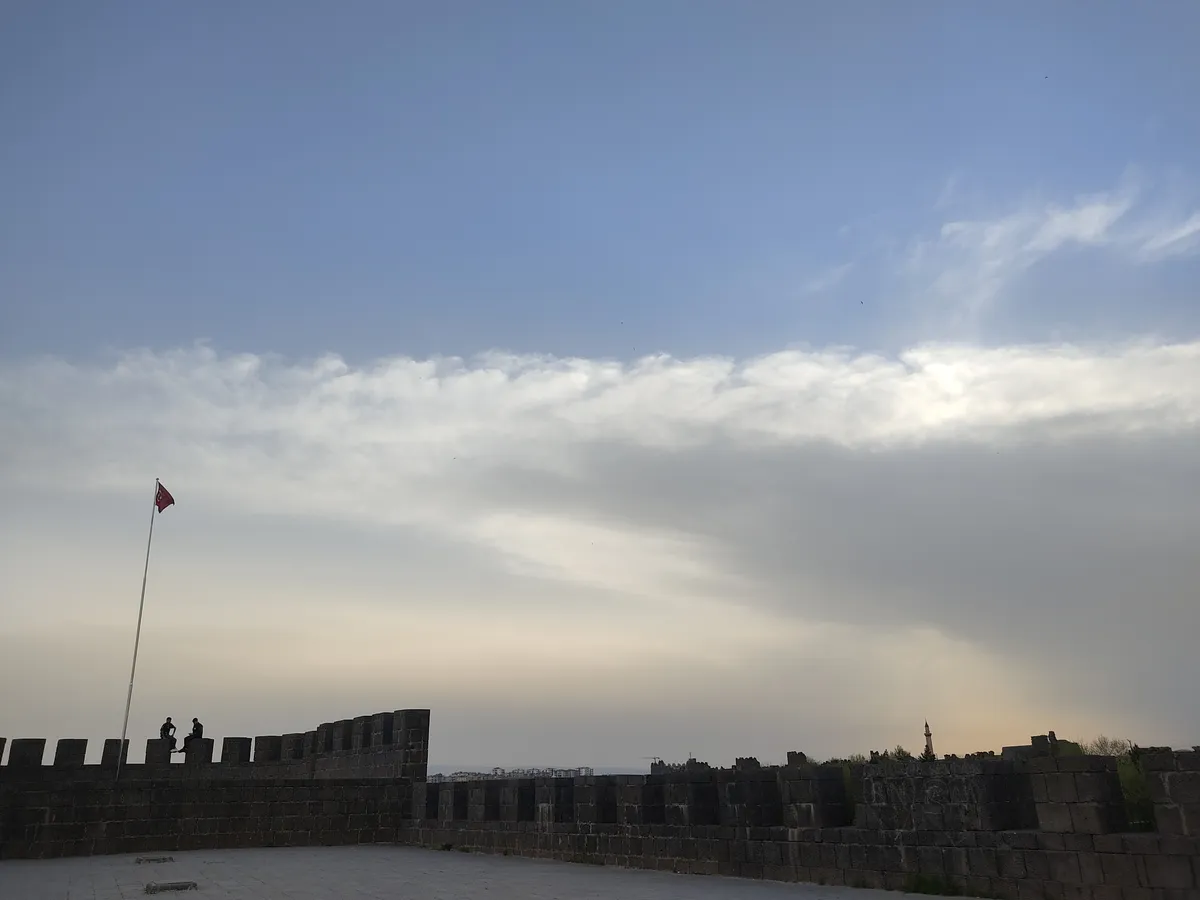
- Location: Situated on the southern wall perimeter in Sur district, adjacent to Mardin Gate.
- Opening Hours: Open daily from 08:30 to 19:30 throughout the year.
- Admission & Parking: Free entry; open-air parking spaces are located along Turistik Street near the bastion entrance.
- Photo Advice: Capture the misty morning sun rising over the Hevsel Gardens and the fiery red dusk reflecting off the black basalt masonry.
2. Seven Brothers Bastion (Yedi Kardes Burcu): Apex of Artuqid Stone Carving
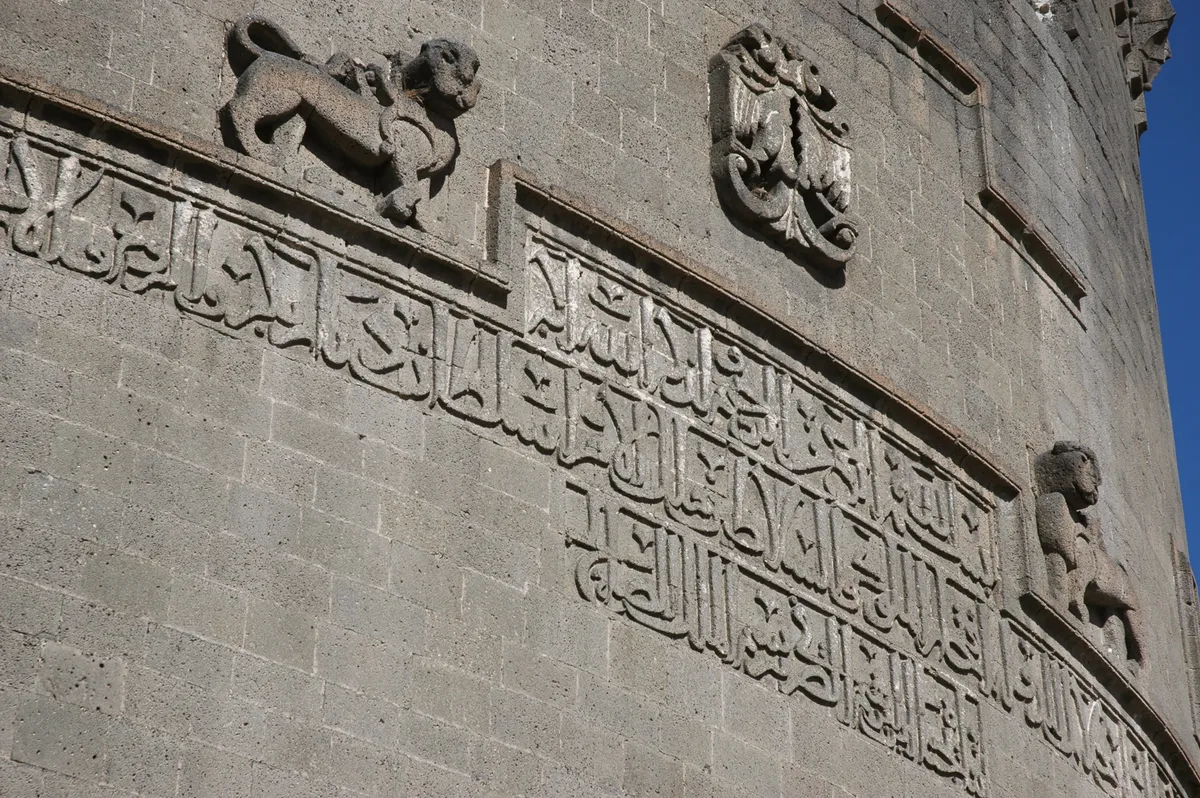
Constructed in 1208 by Architect Yahya for Artuqid Sultan Melik Salih Mahmud, the cylindrical Seven Brothers Bastion represents the finest stone artistry on the walls. Embellished with monumental relief carvings of double-headed Artuqid eagles, prowling lions, and ornate kufic inscriptions, it commemorates seven heroic warrior brothers who defended the citadel to the death according to local folklore.
3. Great Mosque of Diyarbakir: The 5th Holy Site of Islam & Al-Jazari Sundial
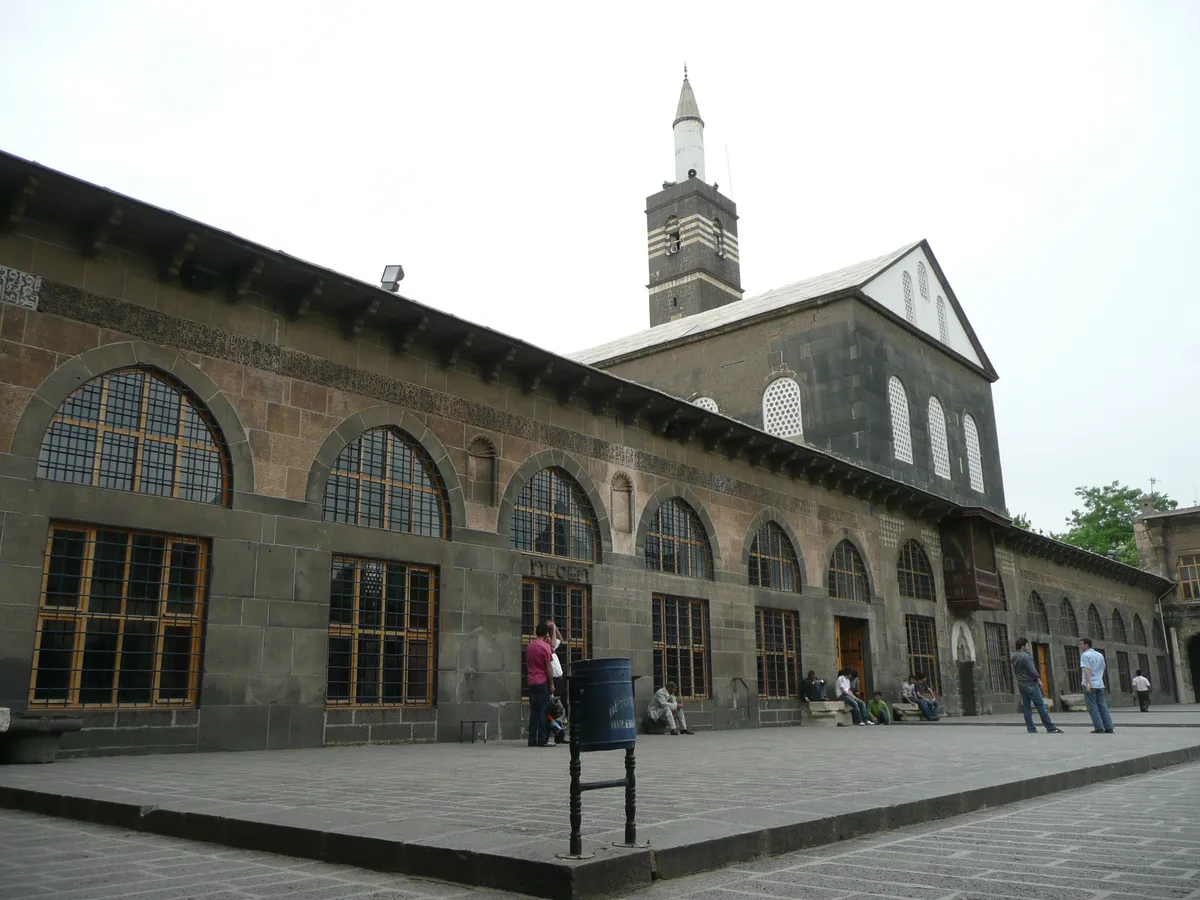
Converted from the cathedral of Saint Thomas following the Arab conquest in 639 AD, the Great Mosque of Diyarbakir (Ulu Camii) is venerated as the fifth holiest sanctuary in the Islamic world. Rebuilt in 1091 by Great Seljuk Sultan Malik Shah, its grand courtyard is framed by antique Roman marble columns, intricate wooden carvings, and an 800-year-old marble sundial engineered by pioneering cybernetic scholar Ismail al-Jazari.
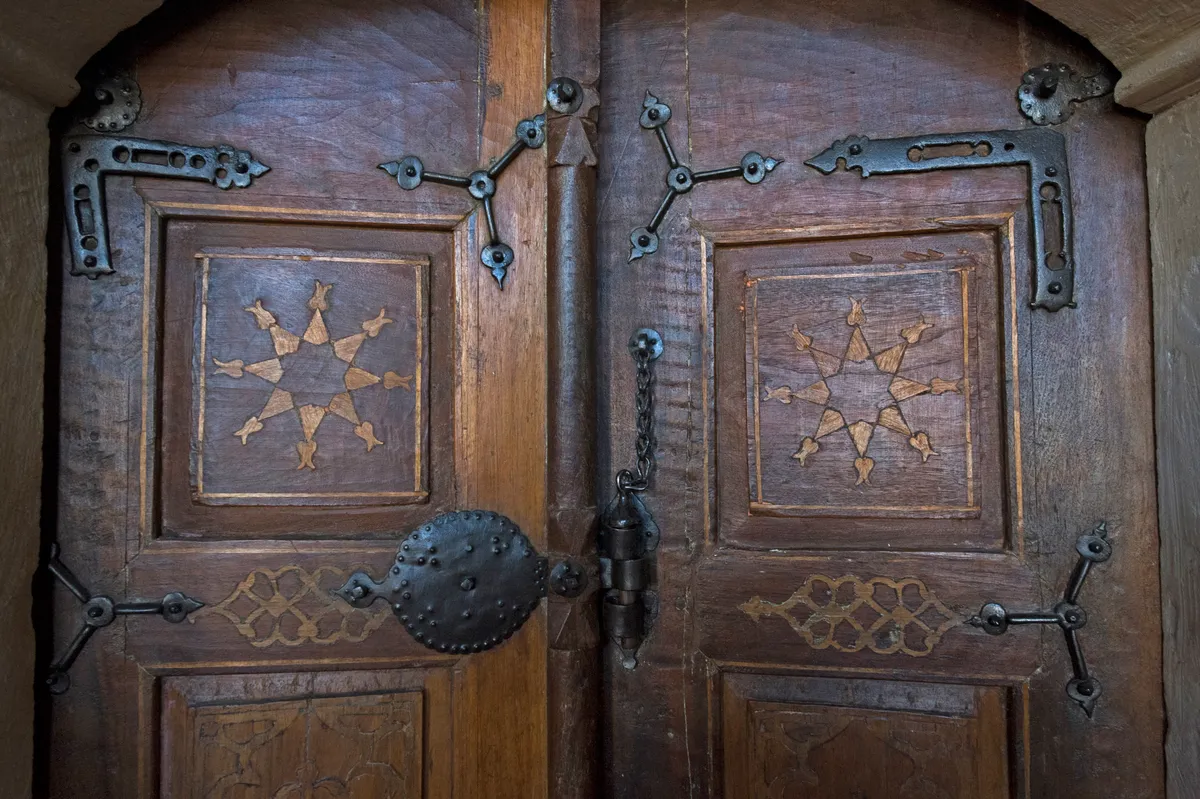
- Location: Centrally located on Gazi Street inside historic Sur, directly opposite Hasan Pasha Caravanserai.
- Sundial: Observe the rare 12th-century precision sundial attributed to polymath Al-Jazari in the courtyard.
- Etiquette: The courtyards and prayer halls can be visited respectfully between regular prayer times.
- Coffee Break: After your visit, cross over to Hasan Pasha Han for a glass of aromatic wild pistachio (menengic) coffee.
4. UNESCO Hevsel Gardens: 8,000 Years of Continuous Agriculture
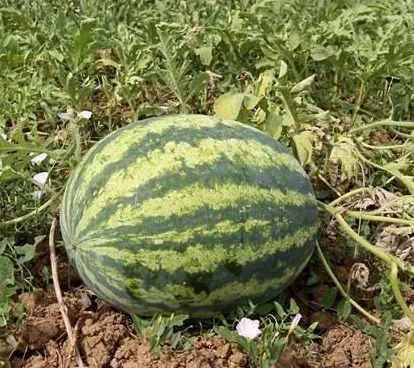
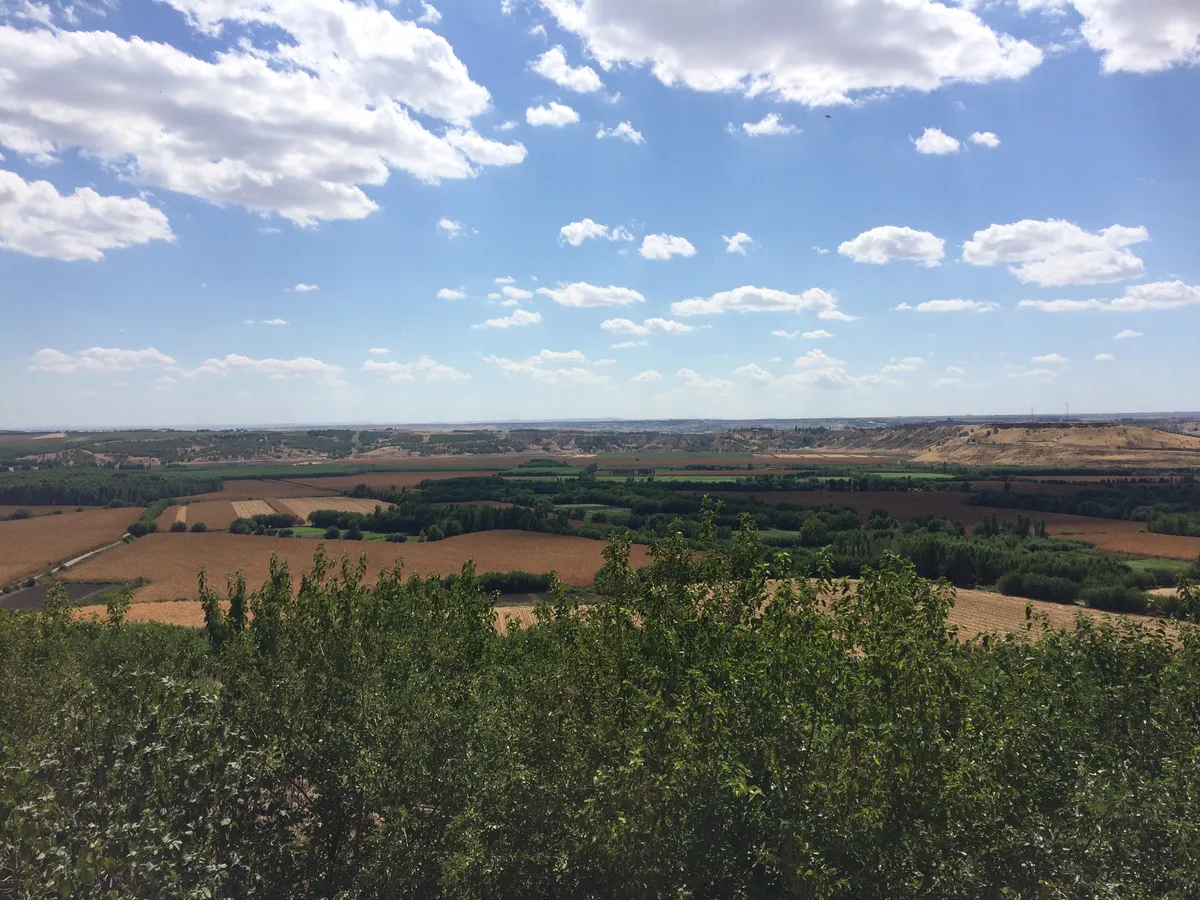
Spanning 700 fertile hectares along the floodplain between the basalt ramparts and the Tigris River, the Hevsel Gardens have continuously nourished the city since the Neolithic era. A thriving ecological sanctuary, the gardens shelter more than 180 species of resident and migratory birds, otters, and foxes while continuing to produce sweet watermelons, basil, and summer vegetables.
5. Historic Ten-Eyed Bridge (Dicle Bridge): Timeless Crossway of Folk Songs
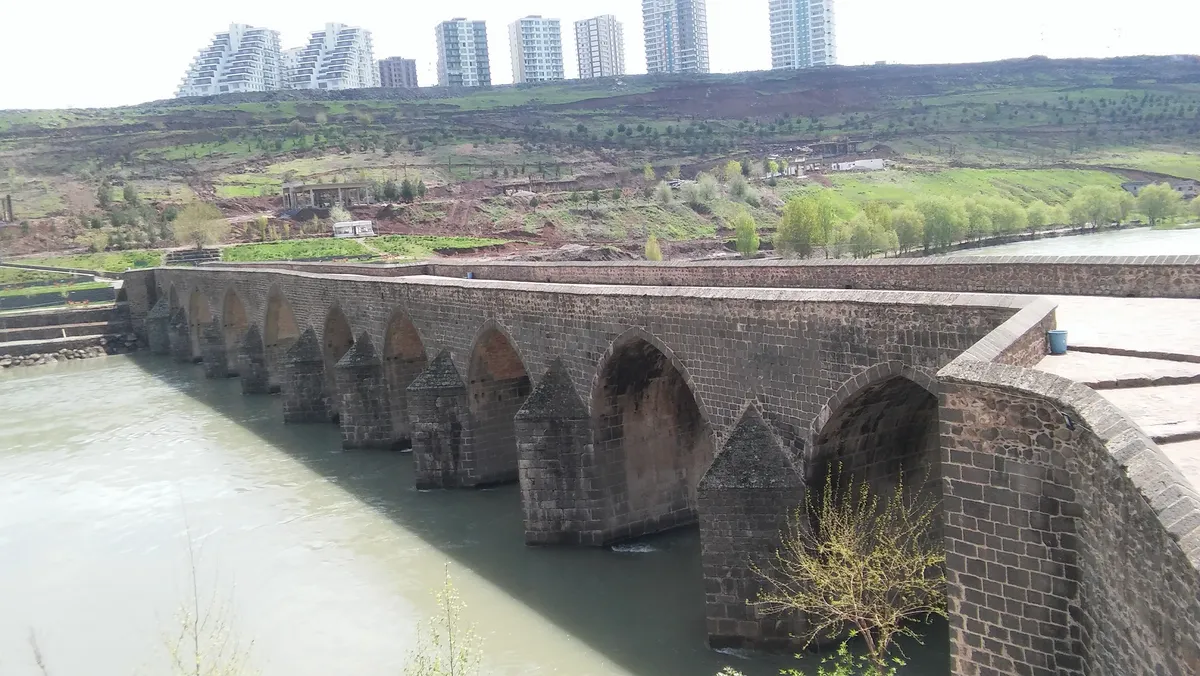
Built in 1065 during the Marwanid dynasty, the Ten-Eyed Bridge (On Gozlu Kopru) spans 178 meters across the Tigris River on ten pointed basalt arches. Famed in eastern folk ballads and historical travelogues, the bridge today forms the heart of local evening social life, where visitors sip steaming tea while listening to live acoustic folk melodies by the water.
6. Four-Legged Minaret (Seyh Mutahhar Mosque): World Unique Architectural Feat
Erected in 1500 by Akkoyunlu Sultan Kasim Bey, the Four-Legged Minaret is singular in global architecture: its square brick minaret shaft rests entirely upon four free-standing solid basalt stone pillars rather than masonry walls. The four pillars represent the four orthodox schools of Islamic jurisprudence (Hanafi, Shafi'i, Maliki, and Hanbali), and local lore holds that walking beneath them brings good fortune.
7. Saint Mary Syriac Orthodox Church: 3rd-Century Ancient Sanctuary
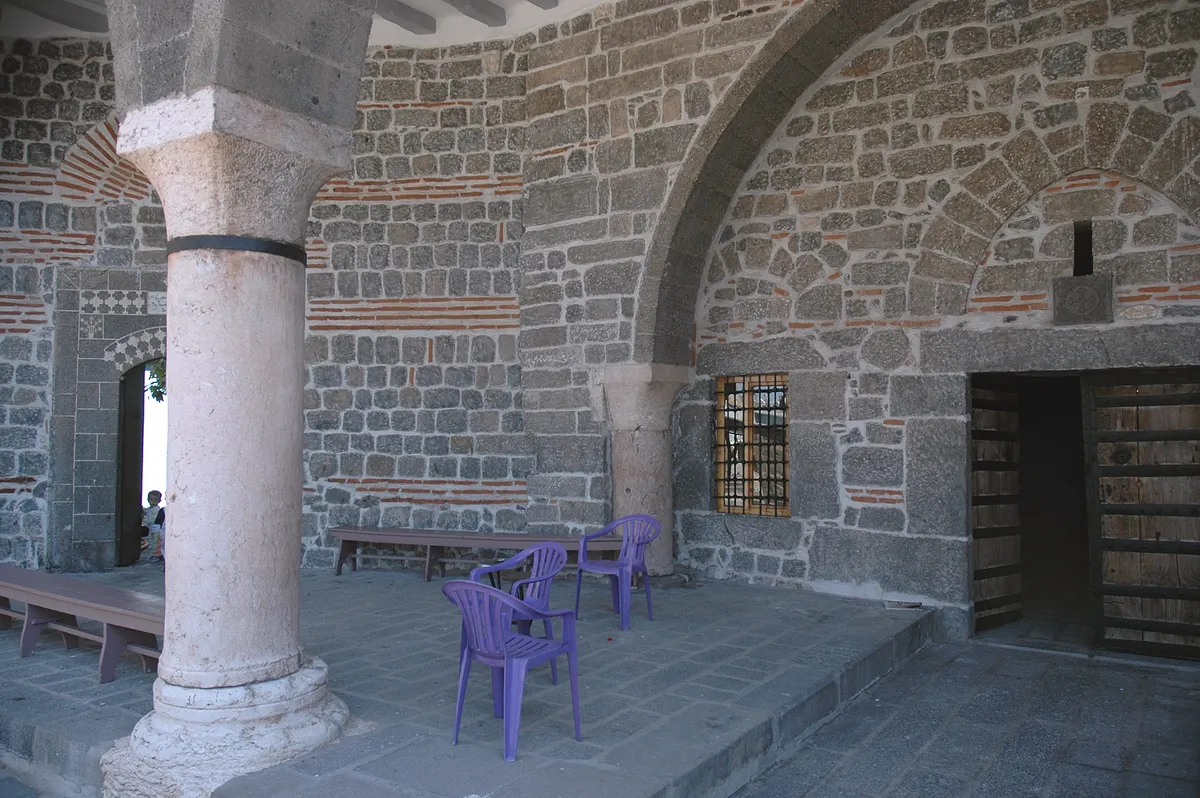
Located in the Ali Pasha quarter of Sur, Saint Mary Syriac Orthodox Church traces its foundations back to the 3rd century AD. As the historical spiritual heart of the Syriac community in Diyarbakir, it houses rare carved wooden iconostases, historic Aramaic manuscripts, and a tranquil courtyard testifying to centuries of interfaith coexistence.
8. Ahmet Arif & Cahit Sitki Taranci Literature Museums: Traditional Sur Mansions
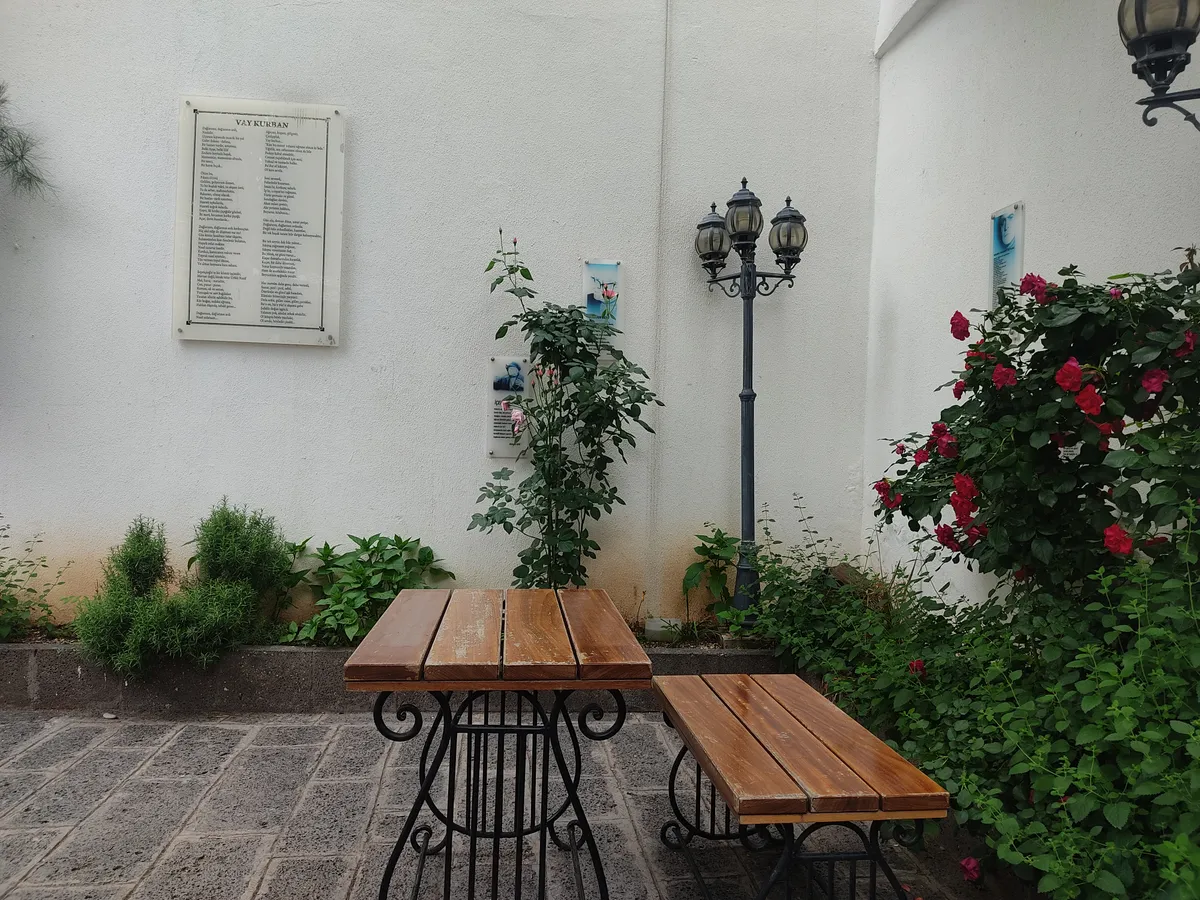
Diyarbakir vernacular architecture is famed for its courtyard mansions crafted from black porous basalt with shaded pool eyvans. The birthplace of celebrated poet Cahit Sitki Taranci and the Ahmet Arif Literature Museum celebrate Turkey literary giants within beautifully preserved 19th-century domestic settings.
9. Historic Saladin Ayyubi Mosque
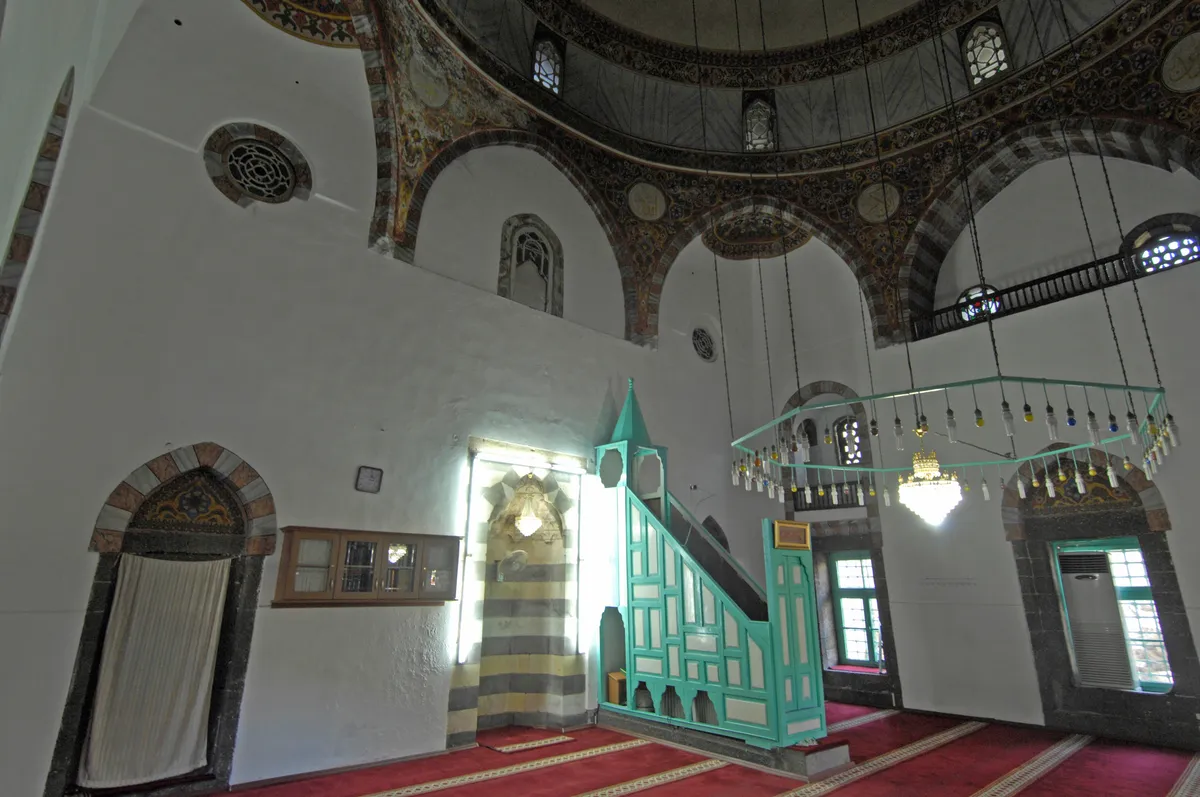
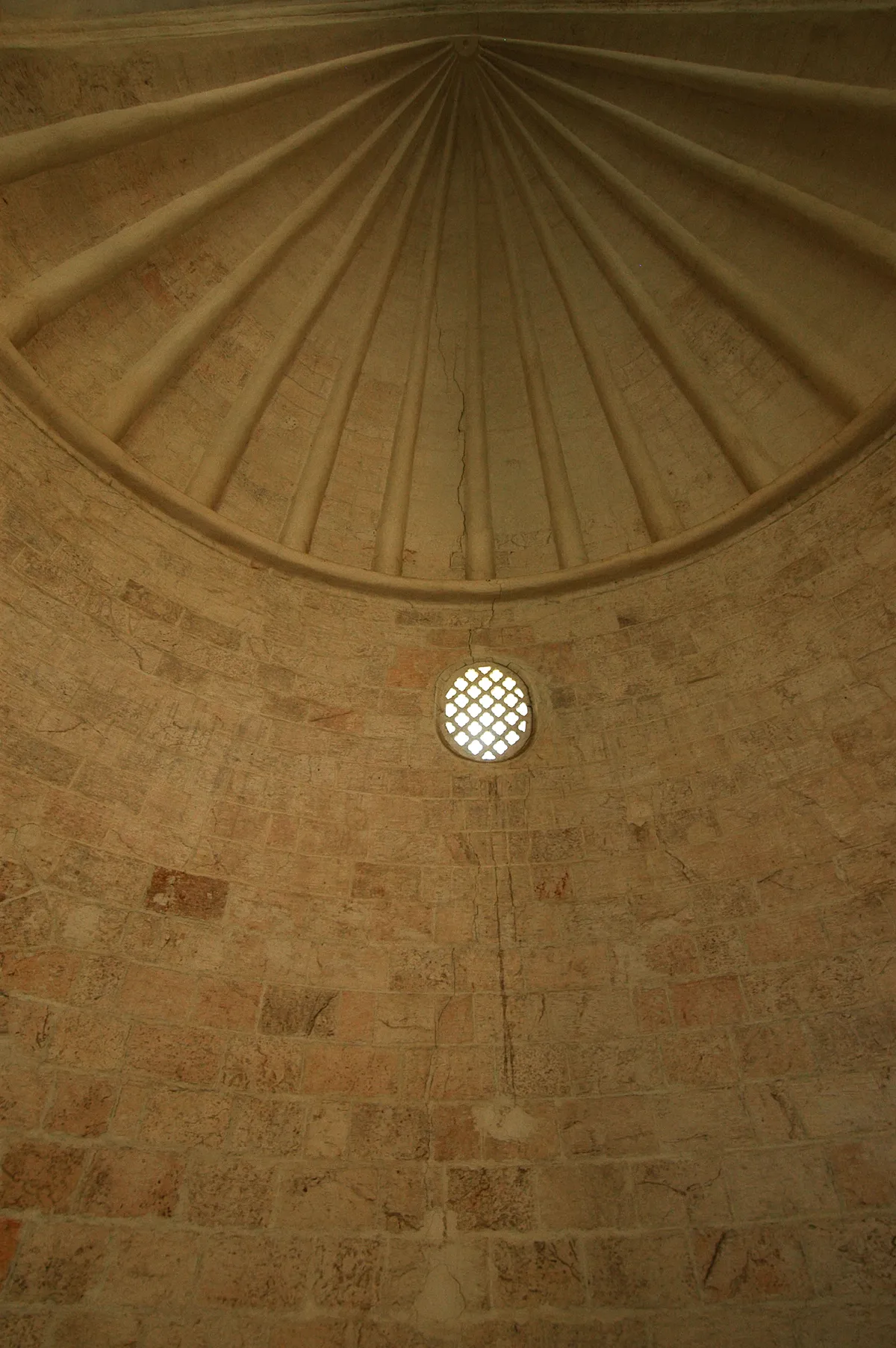
Named in honor of the revered liberator of Jerusalem, the newly restored Saladin Ayyubi Mosque highlights the enduring stone craftsmanship of historic Sur with its lofty arches and serene interior ambience.
10. Zerzevan Castle & Subterranean Mithras Temple: Rome Eastern Military Outpost
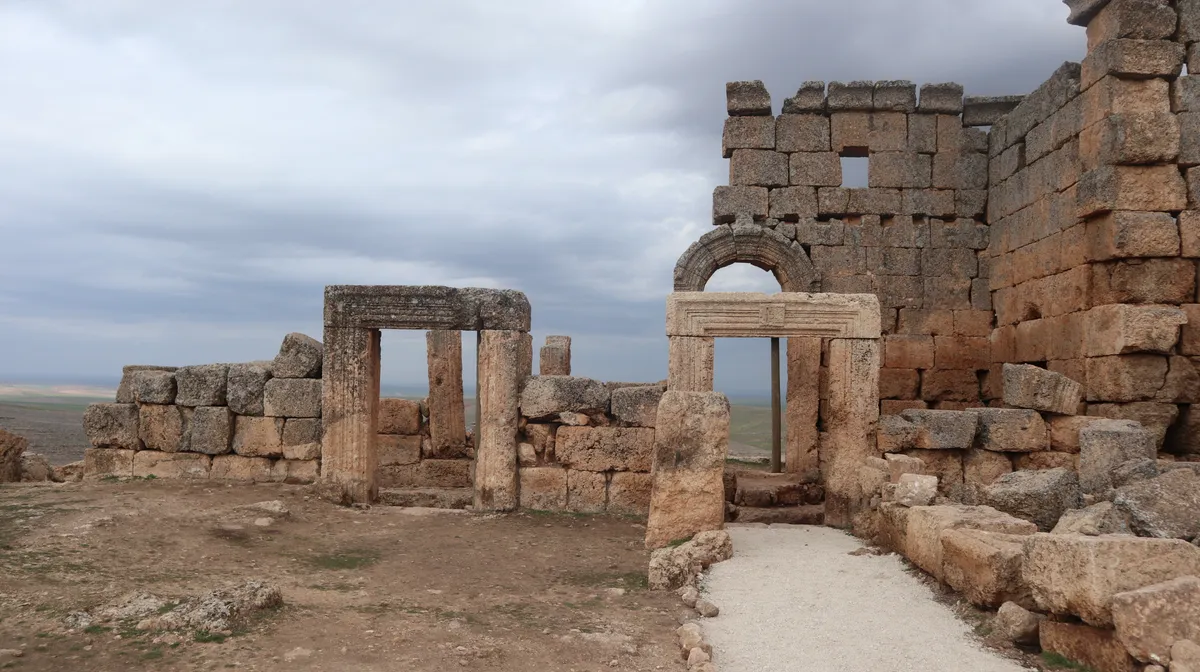
Crowning a strategic 124-meter hill in Cinar on the ancient route to Mardin, Zerzevan Castle served as the easternmost military frontier garrison of the Roman Empire. Home to the world best-preserved underground Mithras Temple, rock-cut cisterns, commander quarters, and watchtowers, it ranks among the most sensational archaeological sites discovered in recent decades.
2-Day Detailed Diyarbakir & Sur Itinerary
Day 1: Historic Sur, Great Mosque, Ancient Caravanserais & Liver Feast
- 08:30 – 10:00: Begin with an extravagant traditional breakfast at Hasan Pasha Caravanserai featuring over 30 regional delicacies.
- 10:00 – 12:00: Tour the Great Mosque (Ulu Camii); inspect the ancient Roman colonnades and Al-Jazari historic sundial.
- 12:00 – 13:30: Walk to the Four-Legged Minaret, make a wish passing beneath its pillars, and visit Saint Mary Syriac Church.
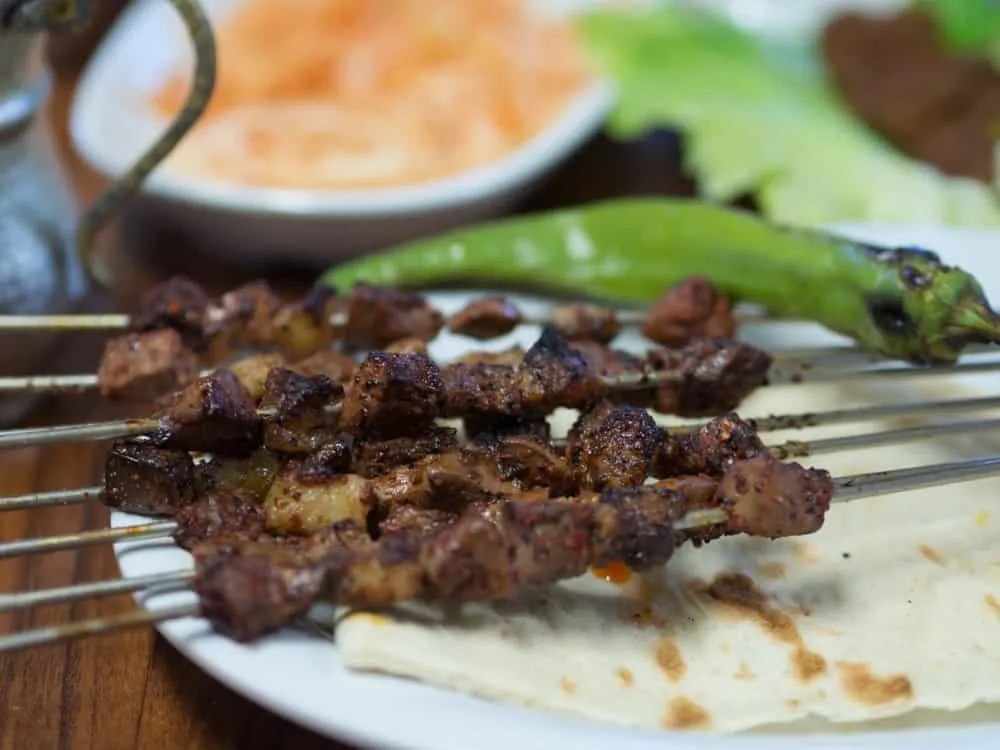
- 13:30 – 15:00: Enjoy lunch with sizzling skewers of charcoal-grilled Diyarbakir lamb liver kebab (Ciger Kebabi).
- 15:00 – 17:00: Explore the Cahit Sitki Taranci and Ahmet Arif Literature Museums set in traditional courtyard mansions.
- 17:00 – 19:30: Visit the Citadel (Ickale), the tombs of the 27 Companions of Prophet Muhammad at Saint George, and the Archaeology Museum.
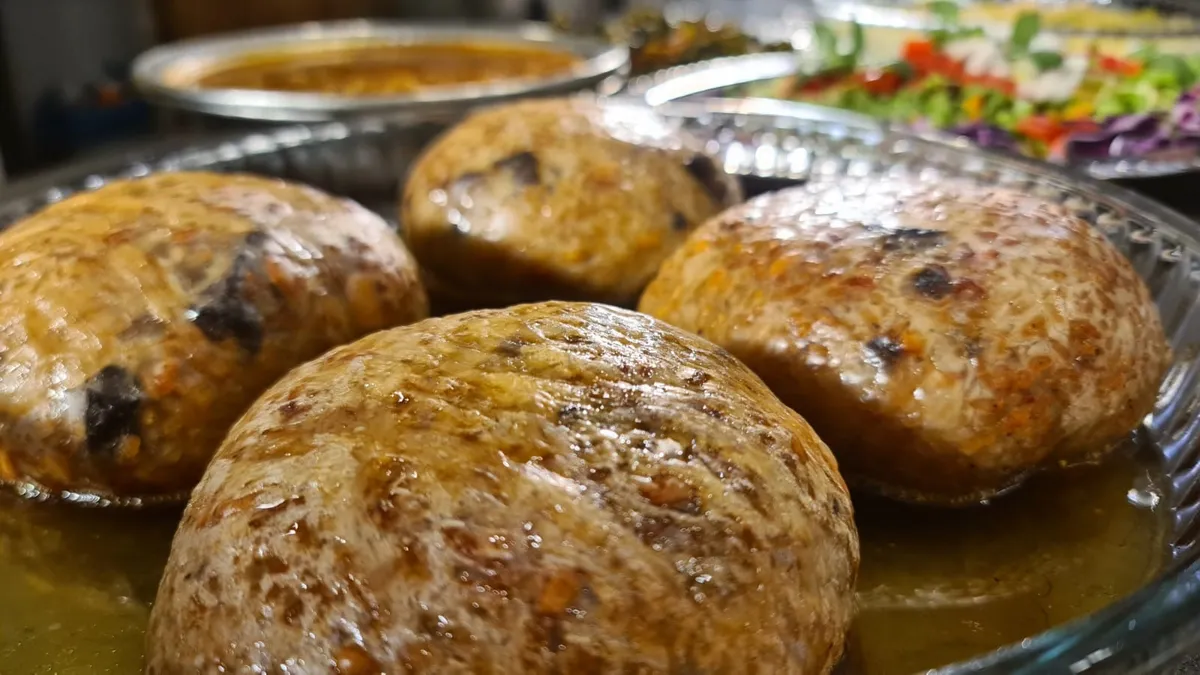
- 20:00 – 22:00: Feast on stuffed lamb ribs (Kaburga Dolmasi) followed by warm, crispy pistachio burma kadayif.
Day 2: City Walls, Hevsel Gardens, Ten-Eyed Bridge & Zerzevan Roman Outpost
- 08:30 – 09:30: Experience dawn liver kebab with warm flatbread and sumac onions at a historic streetside stall.
- 09:30 – 12:00: Ascend the Goat Bastion (Keci Burcu) for sweeping vistas over Hevsel Gardens; walk toward the Seven Brothers Bastion.
- 12:00 – 14:00: Head down to the Tigris River; cross the historic Ten-Eyed Bridge and relax at riverside tea pavilions.
- 14:00 – 15:30: Stroll along the UNESCO-protected Hevsel Gardens nature trail observing rare birdlife.
- 15:30 – 18:30: Drive south to Cinar (45 km) to tour Roman Zerzevan Castle and the subterranean Mithras Temple.
- 19:00 – 21:00: Return to the historic bazaar to purchase handcrafted silver filigree and local silk scarves.
Real Transportation & Transit Guide (2026 Updated)
- Airport Access: Diyarbakir Airport (DIY) is situated only 6 km southwest of the center; municipal buses and taxis reach Sur in 15 minutes.
- Railway Transit: Direct passenger trains on the Guney Kurtalan Express connect Ankara directly to historic Diyarbakir Railway Station.
- Sur Inner Transit: Dagkapi Square serves as the primary municipal transit terminal, with frequent city buses and shared minibuses.
- Ten-Eyed Bridge: Shared minibuses departing Dagkapi toward Mardinkapi and Bagivar reach the Ten-Eyed Bridge in 10 minutes.
- Parking Advice: Vehicle traffic inside historic Sur is restricted; visitors are advised to park at Dagkapi Multi-Story Garage or Turistik Street lots.
Best Photography Spots & Framing Tips
- Goat Bastion Overlook: In early morning mist, frame the lush Hevsel patchwork and serpentine Tigris riverbeds using a telephoto lens.
- Great Mosque Arcade: Capture afternoon shadow play across the Roman marble porticoes in the central prayer courtyard.
- Ten-Eyed Bridge Reflection: In the late evening, photograph the bridge arches creating perfect water mirror reflections from the southern bank.
- Four-Legged Minaret: Frame the minaret vertically within the deep perspective of Sur narrow basalt-paved alleys.
- Zerzevan Sunset: Capture the Roman garrison citadel silhouette against the fiery crimson Mesopotamian horizon.
Regional Gastronomy: What to Eat & Where
Diyarbakir Liver Kebab
Tender lamb liver seasoned with tail fat, grilled over hot oak charcoal on thin skewers and served with fresh sumac onion salad and flatbread.
Burma Kadayif
Geographically registered dessert. Shredded filo pastry twisted around abundant green pistachios or walnuts, fried to crispy perfection on copper trays.
Stuffed Lamb Ribs (Kaburga)
Whole lamb rib cage stitched around aromatic spiced rice with toasted almonds and fresh basil, slow-steamed for 4 hours until meltingly tender.
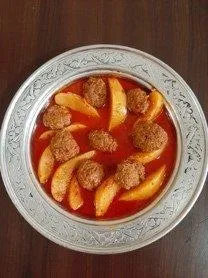
Meftune & Corek
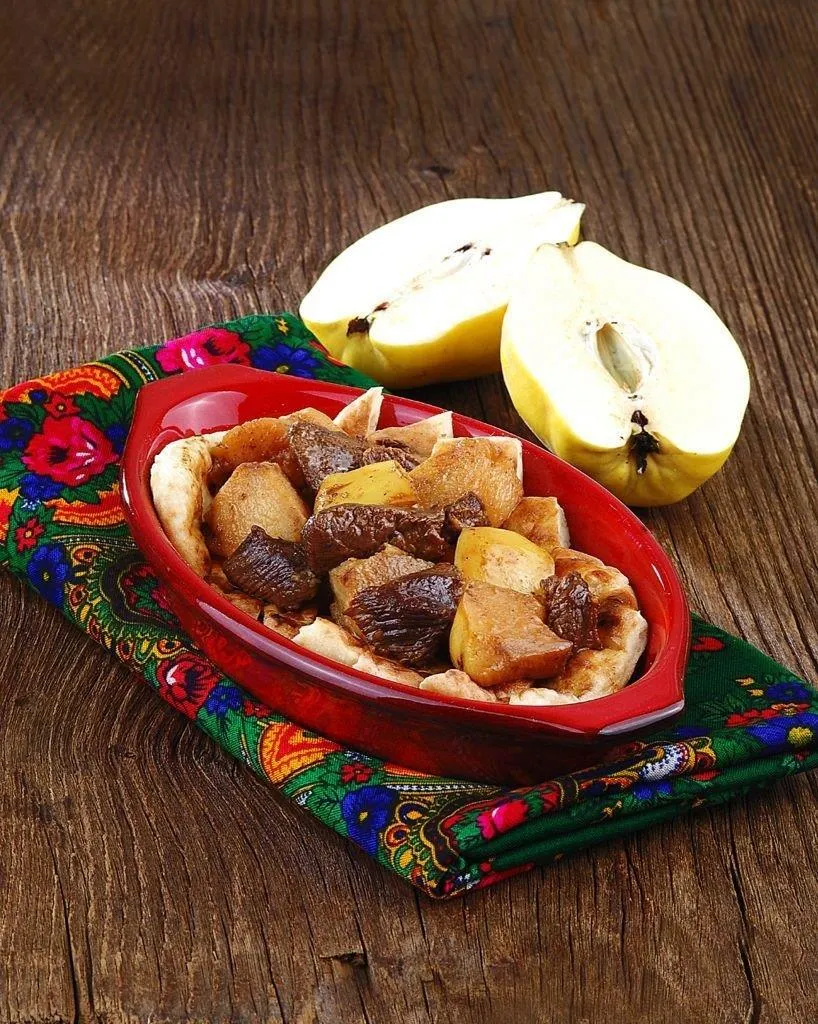
Tart and savory sumac-infused lamb and eggplant stew, paired with traditional festive pastries spiced with mahleb and wild fennel seeds.
© 2026 Memleketim App - All Rights Reserved. Diyarbakir City Walls, Hevsel Gardens and Great Mosque Travel Guide.